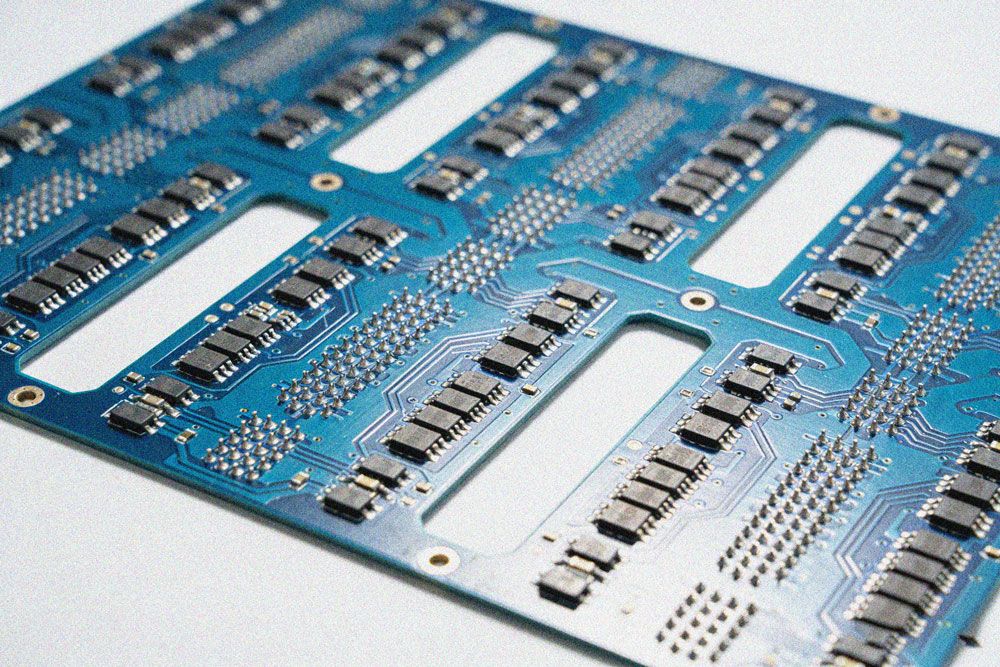
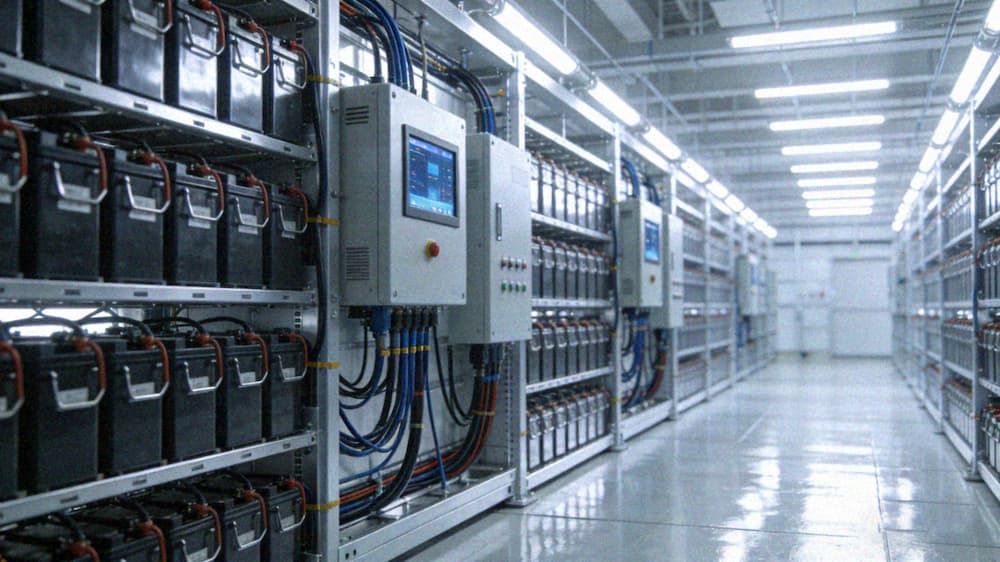
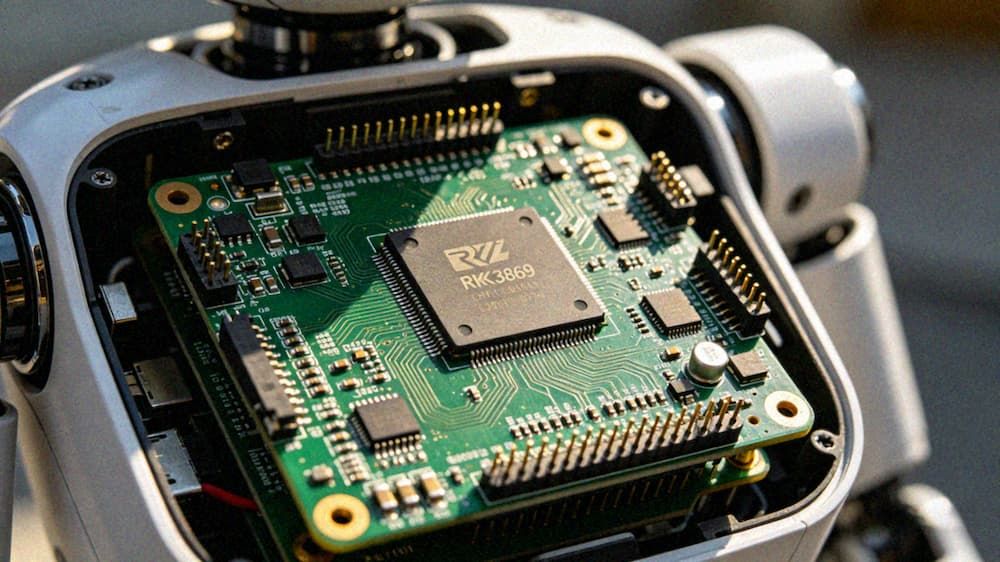
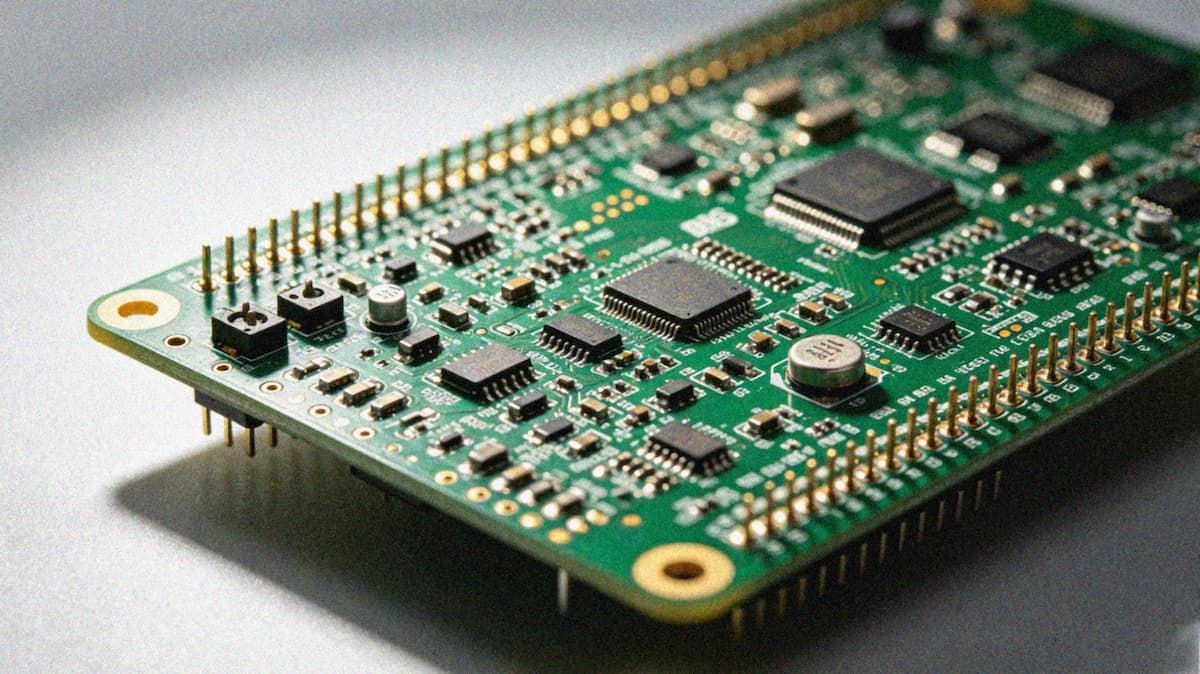
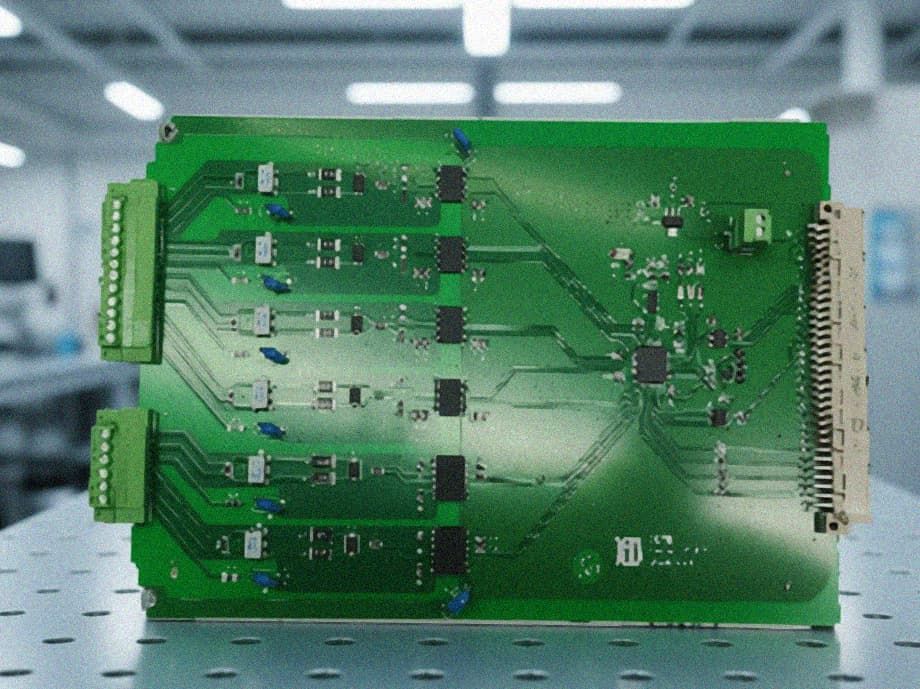
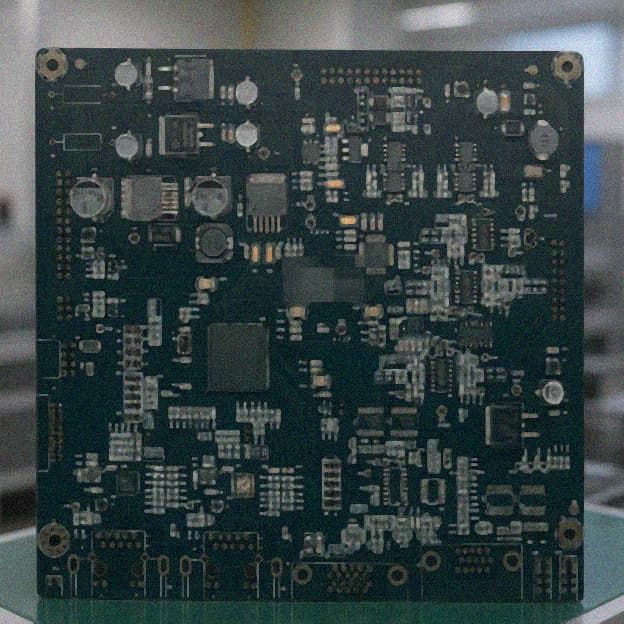
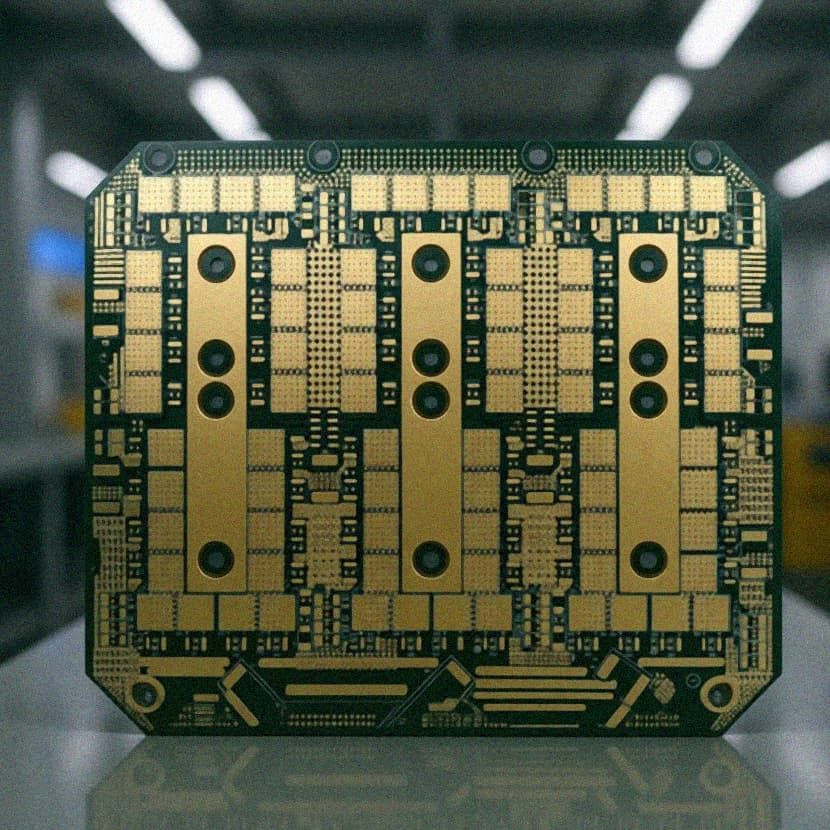
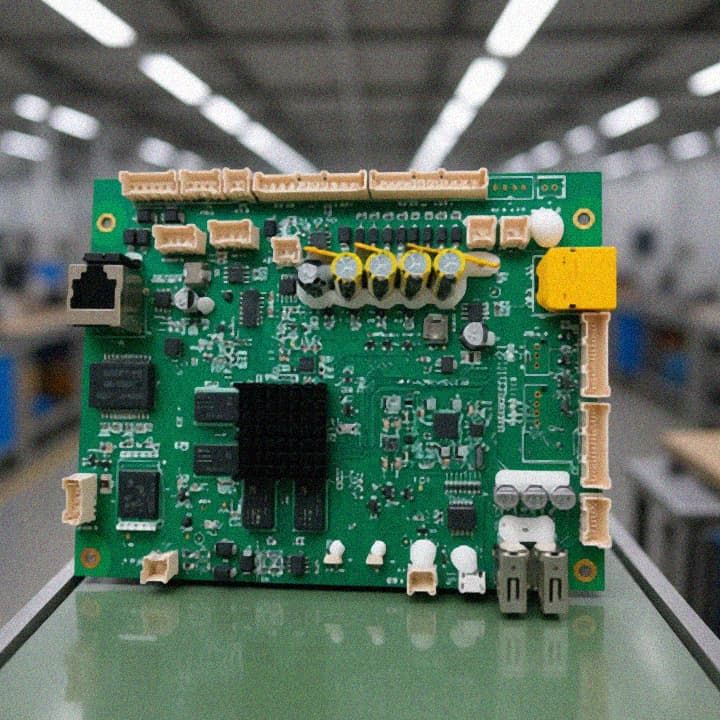
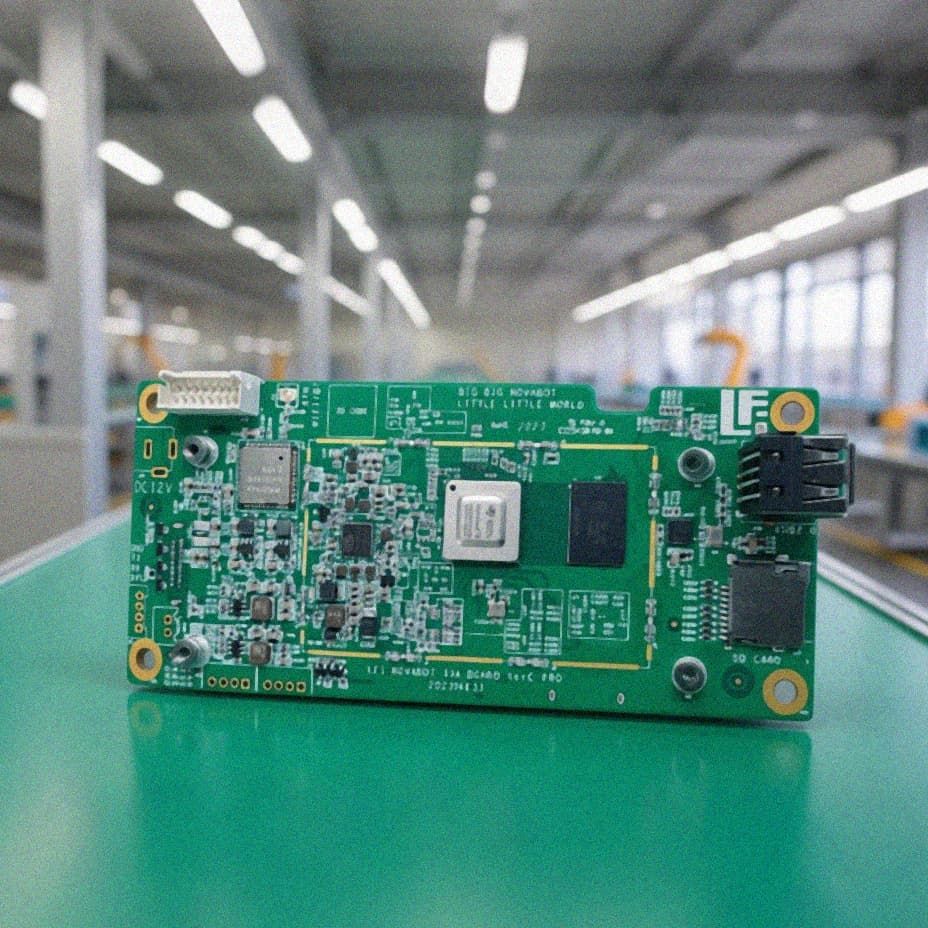
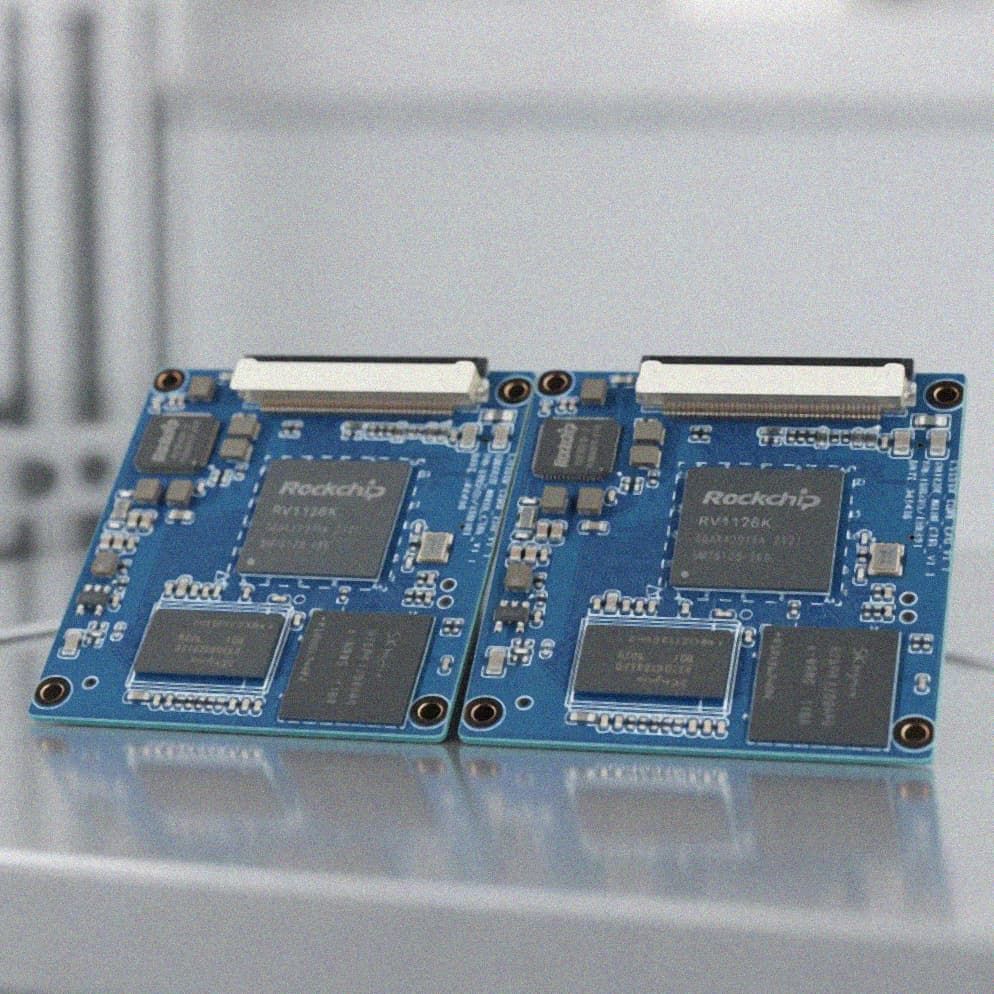
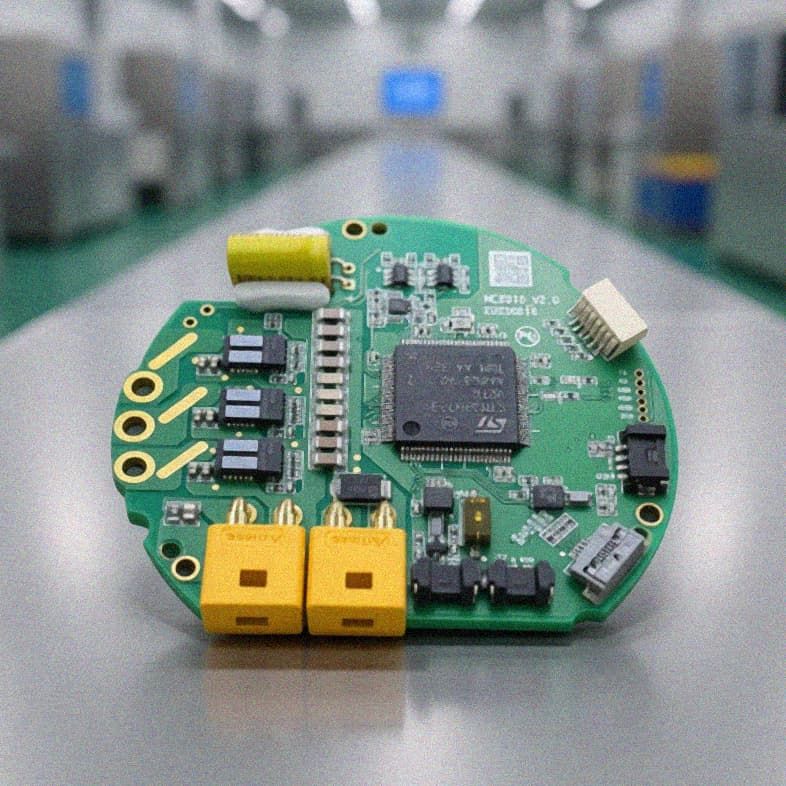
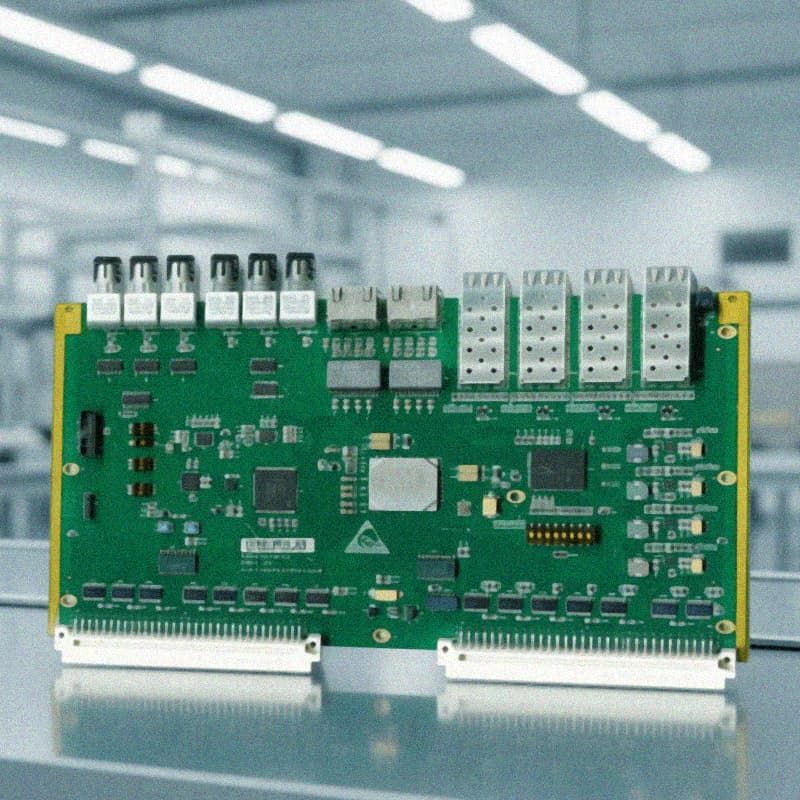
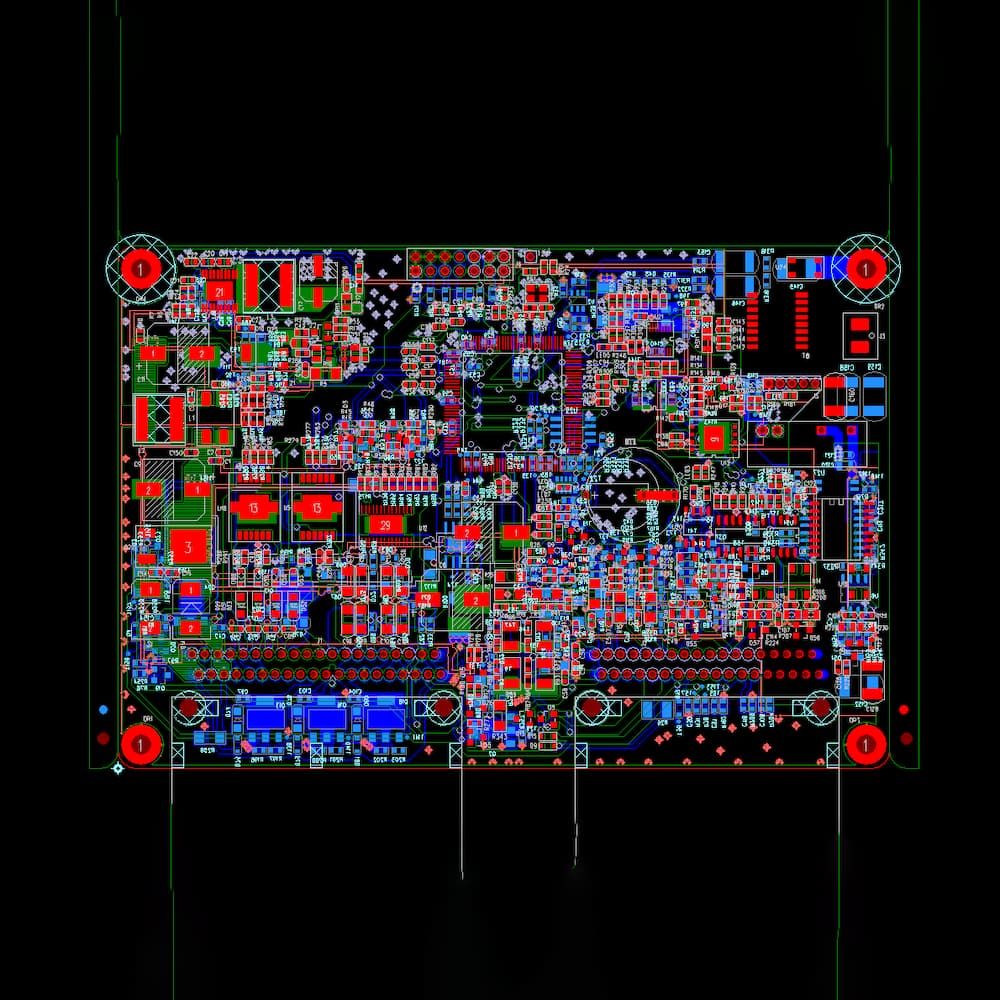
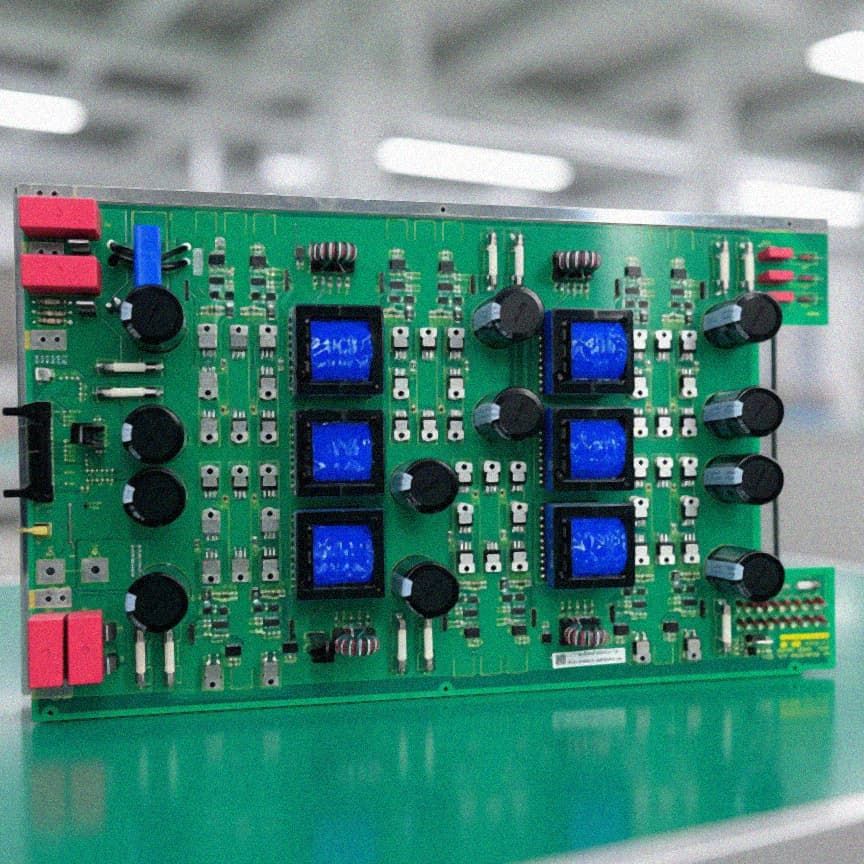
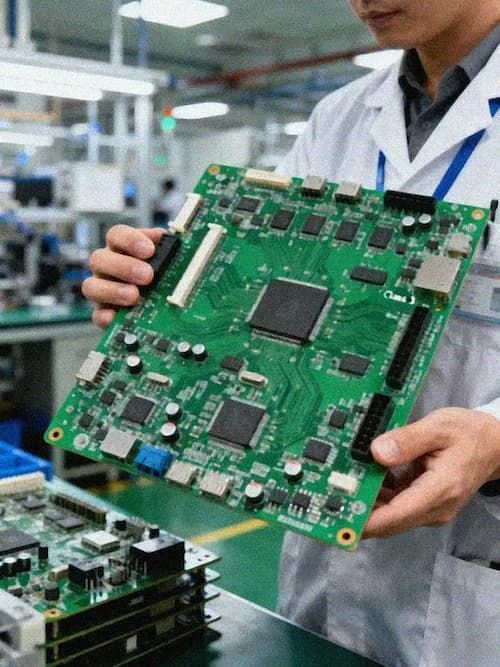
The core of the bms pcb design of the BMS data acquisition board lies in high-precision sampling and isolation communication. From AFE chip selection to anti-interference of differential traces, from daisy chain routing to multilayer board stack design, key design points for battery management system PCBs are disassembled. --- In July 2024, operation and maintenance personnel of an energy storage power station in Europe noticed slight fluctuations in the voltage readings of a group of batteries on the system monitoring interface. Since the fluctuation amplitude is within ± 5mV, which is within the normal threshold range set by the BMS at that time, the alarm system has not triggered. However, a micro short circuit had occurred inside this cell, and the voltage continued to drop slowly in the following hours. Due to insufficient sampling accuracy of the data acquisition board, the system has never been able to identify this abnormal trend. The internal temperature of the cells continued to rise, which eventually triggered thermal runaway. The entire battery module was damaged within a few minutes, and the power station was forced to shut down for maintenance. Afterwards, the report of the third-party investigation agency attributed the main cause of the accident to an accuracy defect in the sampling circuit-if the sampling error could be controlled within ±2mV, the system could have issued an early warning several hours before the thermal runaway occurred. The accident revealed a part that is often underestimated in the design of battery management systems: the sensing capabilities of the BMS are directly determined by the sampling accuracy and reliability of the data acquisition board. Voltage sampling accuracy, current sampling accuracy, temperature sampling accuracy-each indicator affects BMS's judgment of battery status. If the sampling error is too large, the SOC estimate will deviate from the actual value, the balance management will lose its basis, and the response threshold of security protection will be distorted. As the installed capacity of energy storage systems continues to grow, the design quality of BMS data acquisition boards is becoming a key factor affecting the safety of battery systems. This paper will start from the BMS architecture and PCB division of labor, focus on the circuit design of the data acquisition board (slave control board), disassemble the three core topics of high-precision sampling circuit design, isolation communication design, PCB layout and DFM one by one, and combine it with industry practice. Give design suggestions.