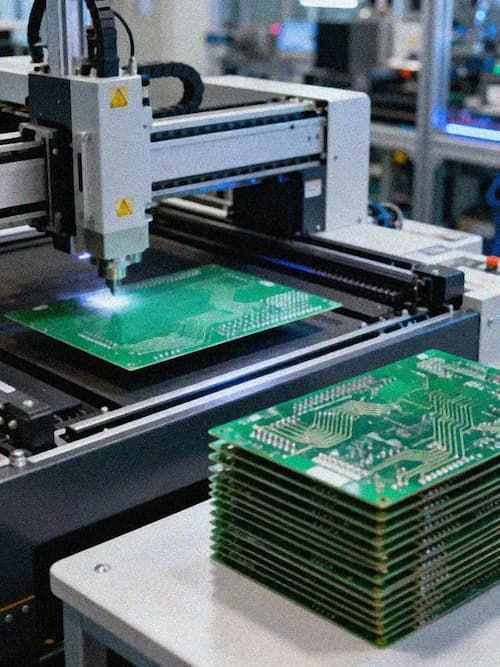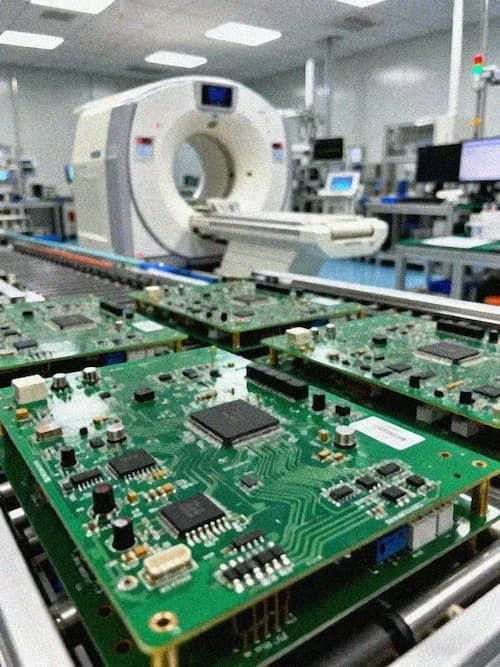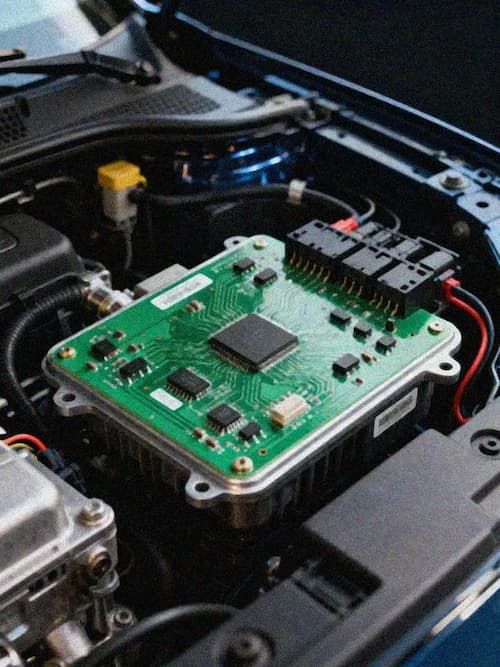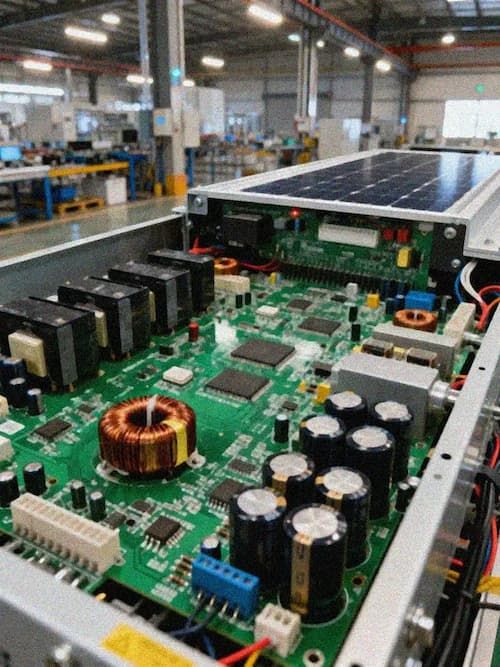
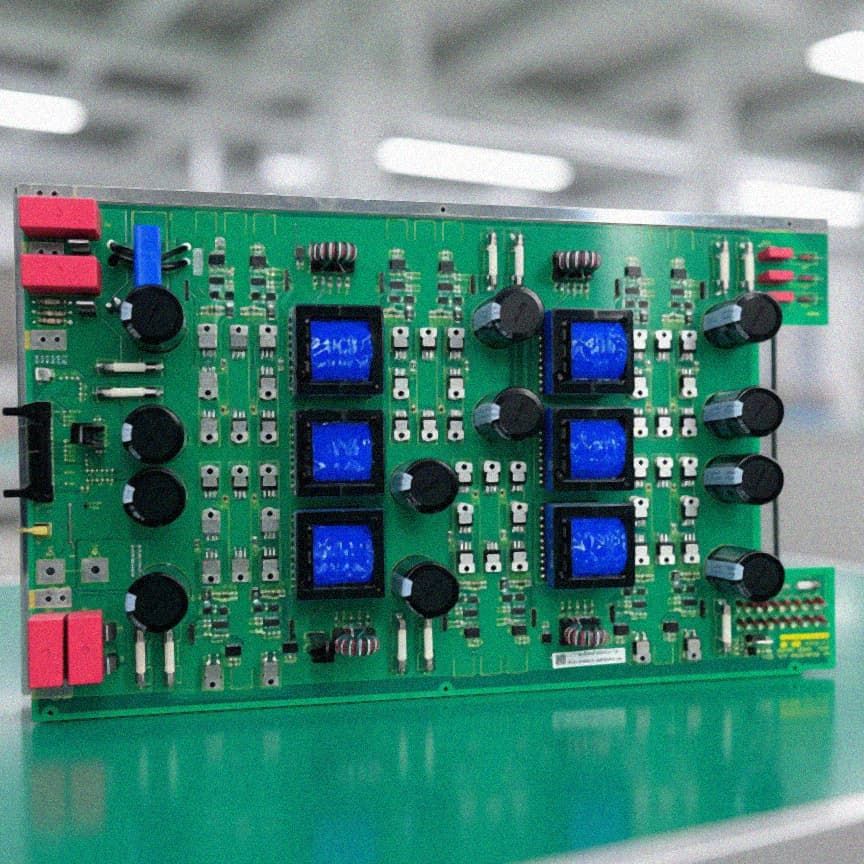











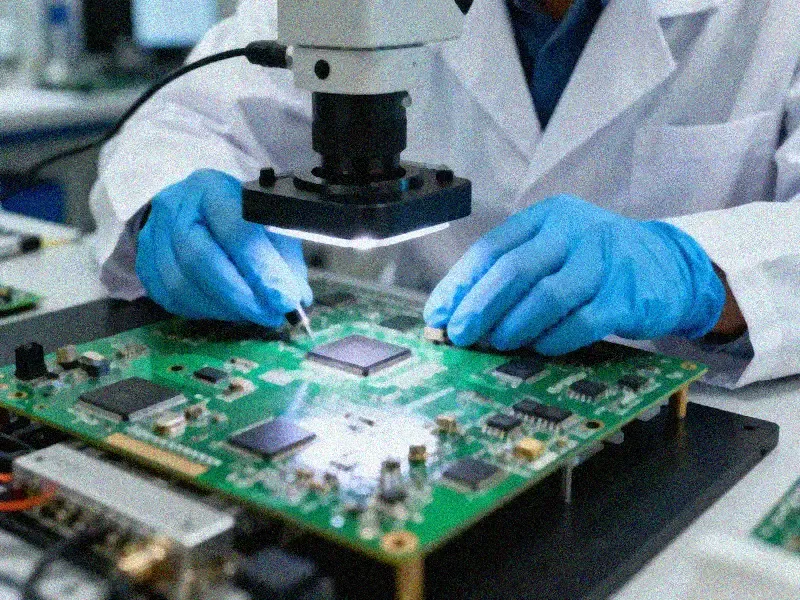








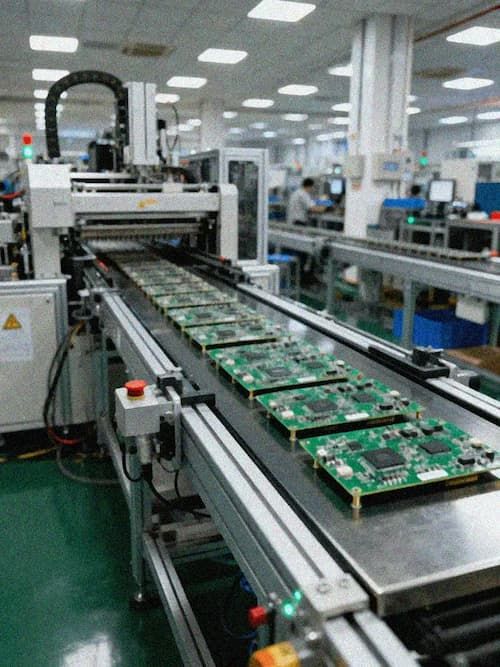
BMS data acquisition board (PCB solution).jpg

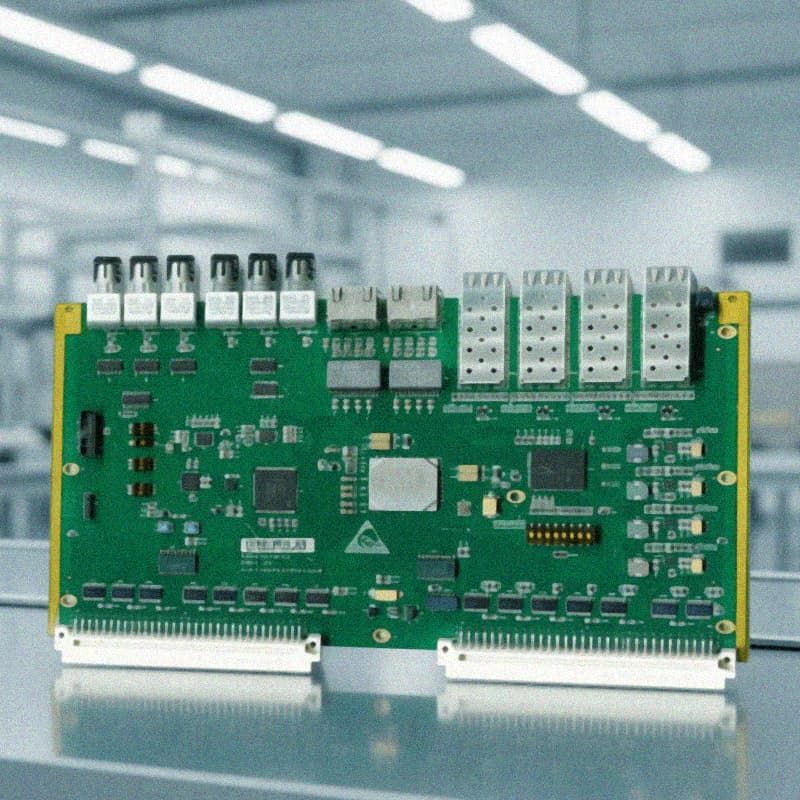
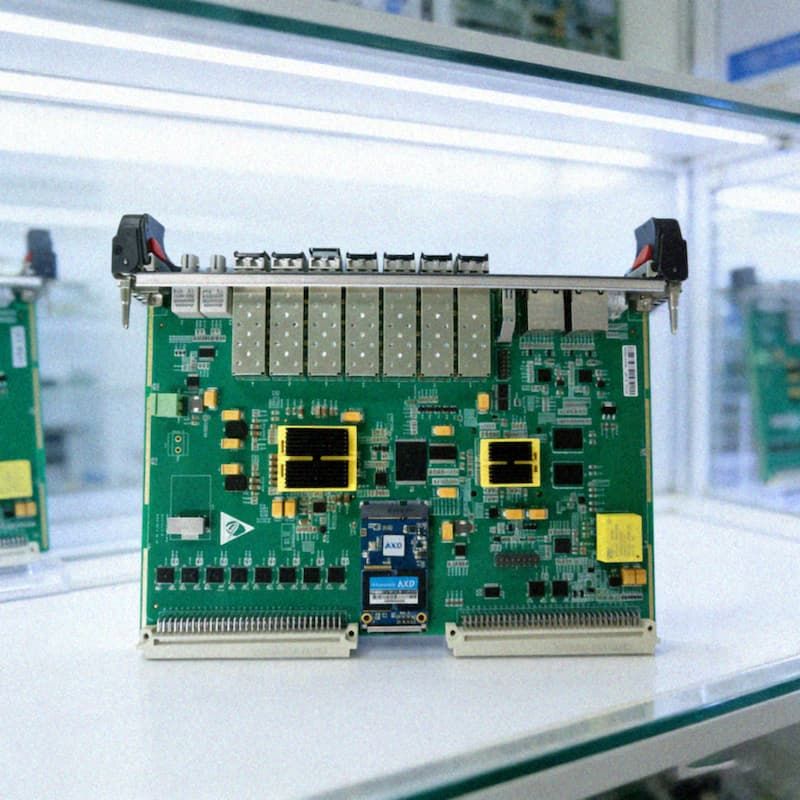
BMS Data Acquisition Board

Overview

BMS Data Acquisition Board (PCB Solution) | Power Industry

Core Customer Needs

  • Anti-interference wiring design: In the strong electromagnetic environment of power scenarios, high-precision signal acquisition is required to resist electromagnetic interference (EMI) and ensure data transmission stability.
  • Low temperature rise heat dissipation solution: For long-term uninterrupted operation of equipment, the PCB temperature rise must be controlled within an extremely low range to avoid high temperatures causing component aging and shortened lifespan.
  • Simplified layout and improved yield: Optimize PCB layout design to reduce production complexity and solve the problem of low yield in mass production.
  • EMC certification compliance: Must pass EMC Class 4 certification to meet the stringent electromagnetic compatibility standards of the power industry.
  • High acquisition accuracy: Ensure the accuracy of key data acquisition such as voltage and current, providing support for accurate decision-making by the Battery Management System (BMS).
  • Reliable stability: Adaptable to harsh working environments of power equipment (high and low temperatures, high humidity, dust), ensuring long-term trouble-free operation.

Core Industry Challenges

  • Severe signal interference: Strong electromagnetic radiation from power systems leads to high signal noise, affecting acquisition accuracy and increasing the risk of data distortion.
  • Difficulty in Temperature Rise Control: High PCB integration and power density make it difficult for traditional heat dissipation designs to meet low temperature rise requirements, affecting equipment lifespan.
  • Low Production Yield: Complex layouts lead to poor soldering, signal crosstalk, and other production problems, making it difficult to improve mass production yield.
  • High EMC Certification Difficulty: The power industry has stringent EMC standards, and traditional PCB designs are prone to electromagnetic leakage, resulting in low certification pass rates.
  • Insufficient Environmental Adaptability: High and low temperature cycling, humidity fluctuations, and other environmental factors can easily cause PCB performance degradation, affecting system stability.

Customized PCB Solutions

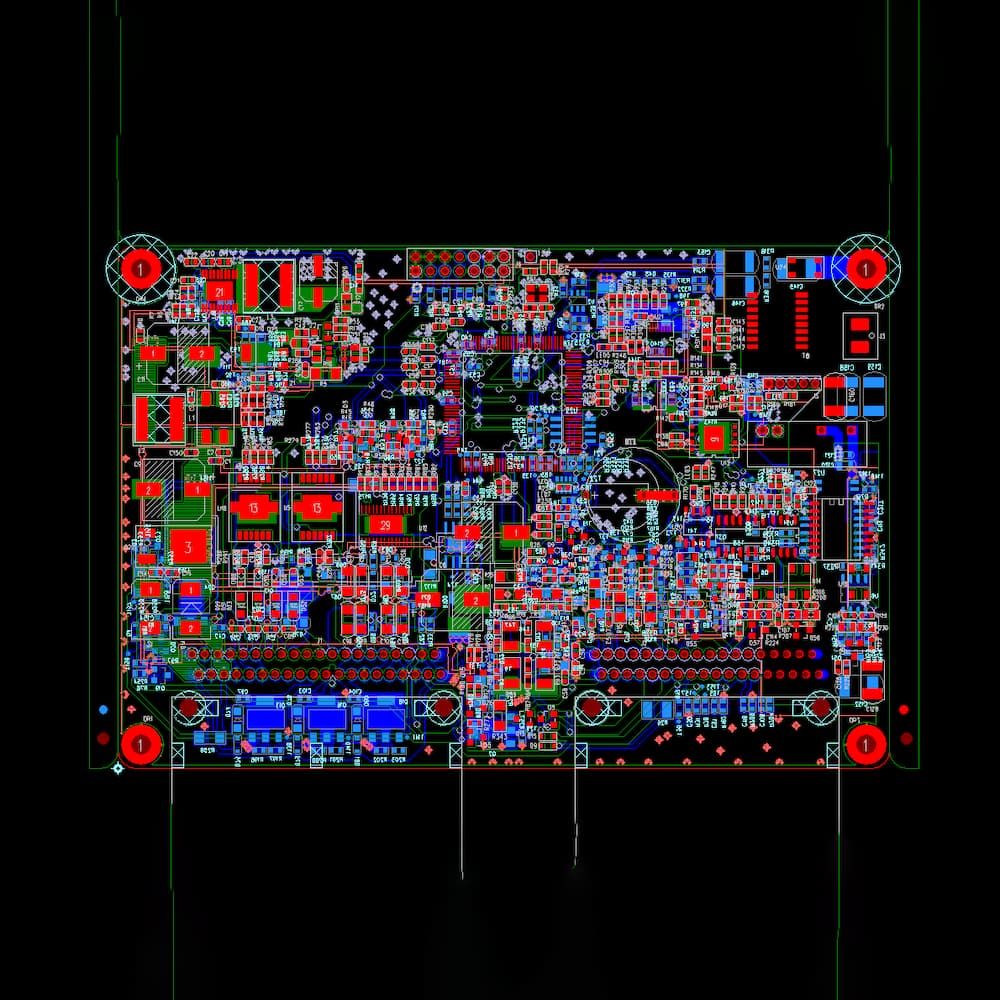
Based on KINGBROTHER's core technologies of High-speed PCB Design and EMI/EMC PCB Design, combined with the characteristics of power industry BMS products, we create a full-process PCB solution, incorporating key technologies such as Heavy Copper PCB, Thermal Management PCB, and Impedance Matching, covering all aspects from substrate selection, structural design, and process optimization.

Core Technology and Design Optimization

  • Layered Isolation Design: A 4-layer PCB structure (signal layer/ground layer/power layer/shielding layer) is adopted, strictly separating high and low voltage areas to avoid crosstalk between high and low voltage signals; the ground layer provides full coverage, reducing grounding impedance and improving anti-interference capabilities.
  • Upgraded Heat Dissipation Solution: Embedded copper-based heat sinks are used, employing a high thermal conductivity substrate (Shengyi ST115GB), with added heat dissipation holes and copper fill design, optimizing the layout of heat-generating components, significantly reducing thermal resistance, and achieving efficient heat dissipation.
  • Enhanced Anti-interference Performance: Impedance matching (controlling tolerance ±10%) and optimized filtering circuits (π-type filter + common-mode inductor combination) suppress differential-mode and common-mode interference; differential pair wiring design is adopted to reduce signal reflection and crosstalk.
  • Improved Production Yield: Simplified PCB layout, adhering to 2368 DFM rule library specifications, optimizing component placement and pad design, reducing soldering difficulty; integrated self-diagnostic pins enable rapid fault location, reducing rework costs.
  • Environmental Adaptability Optimization: FR-4 high-TG material (Tg≥170℃) is selected, and an immersion gold surface treatment process is adopted to improve the PCB's high-temperature resistance and corrosion resistance, making it suitable for the harsh working environment of the power industry.

Key PCB Parameter Configuration

PCB ParametersSpecific ConfigurationTechnical Advantages
Board Layer Structure4 layers (signal layer/ground layer/power layer/shielding layer)Layered isolation, high and low voltage separation, reducing crosstalk and EMI
Substrate SelectionHigh thermal conductivity FR-4 high-TG material (Shengyi ST115GB)High heat resistance (Tg≥170℃), excellent thermal conductivity, improving heat dissipation efficiency
Copper ThicknessOuter layer 35μm / Inner layer 70μm, copper-based heat sink embeddedEnhances current carrying capacity and heat dissipation performance, reduces thermal resistance
Minimum Line Width/Line Spacing3.0mil / 3.0milBalancing wiring density and production feasibility to improve yield
Surface treatment processImmersion gold processImproves soldering reliability, corrosion resistance, and conductivity, extending service life
Impedance control tolerance±10%Ensures signal transmission integrity and optimizes filtering effect
Heat dissipation designCopper filler + heat dissipation holes + copper-based heat sinkMulti-dimensional heat dissipation, effectively controlling temperature rise
Special processHigh and low voltage zone isolation + differential pair wiringEnhances anti-interference capability and meets EMC certification requirements
Filtering configurationπ-type filter + common-mode inductorSuppresses electromagnetic interference and reduces signal noise

Implementation Results

  • Significantly improved anti-interference performance: Signal noise reduced by 80%, acquisition accuracy error controlled within ±0.05%, and data transmission stability greatly enhanced.
  • Temperature rise control meets standards: PCB operating temperature rise stabilizes ≤10℃, effectively delaying component aging and extending equipment life by more than 30%.
  • Leap in Production Yield: Optimized layout boosts production yield to 98%, and DFM manufacturability analysis reduces rework rates in mass production by 60%.
  • EMC Certification Passed on First Attempt: EMC Class 4 certification was achieved on the first application, meeting the stringent electromagnetic compatibility standards of the power industry.
  • Enhanced Environmental Adaptability: Passed high and low temperature (-40℃~85℃) and salt spray reliability tests by CNAS/CMA accredited laboratories, ensuring continuous operation without abnormalities in harsh environments.
  • Significant Cost Reduction and Efficiency Improvement: Leveraging a certified material library of 3.27 million components enables domestic substitution, reducing procurement costs by 15%-20%; mass production cycle time is reduced to 60% of the industry average, facilitating rapid product launch.
Share To:
Trusted

Certifications & Standards

/
/
/
/
/
/
/
/