The robot that ran faster than any human just showed the world what modern PCB engineering is capable of.
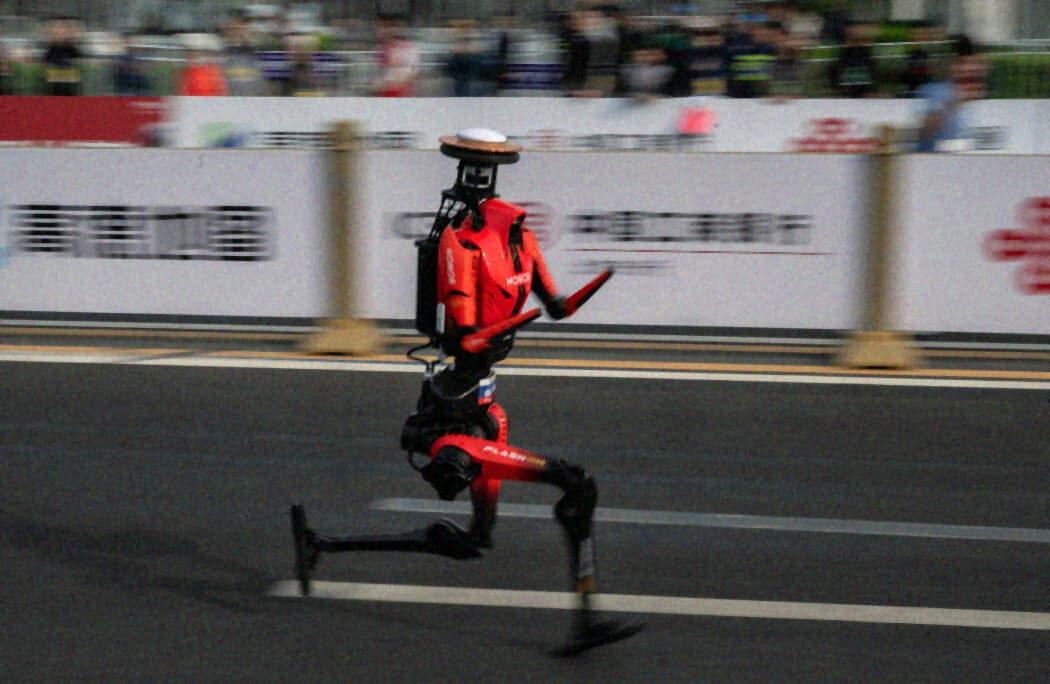
On April 19, 2026, a humanoid robot named "Lightning" crossed the finish line of the Beijing half-marathon in 50 minutes and 26 seconds — faster than any human being has ever run the distance. Developed by Honor, six identical "Lightning" units finished in the top six positions, a remarkable demonstration of both technical precision and manufacturing consistency.
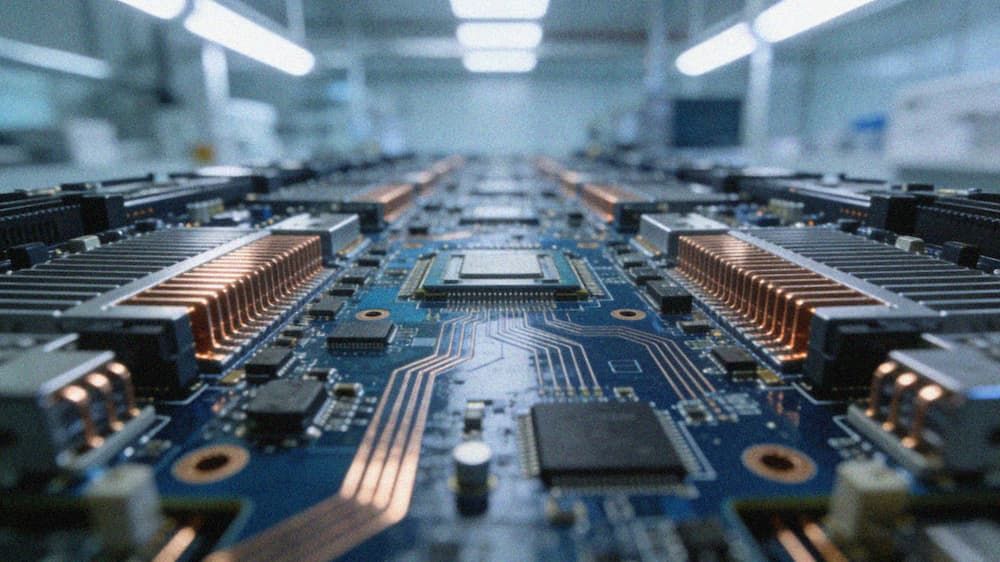
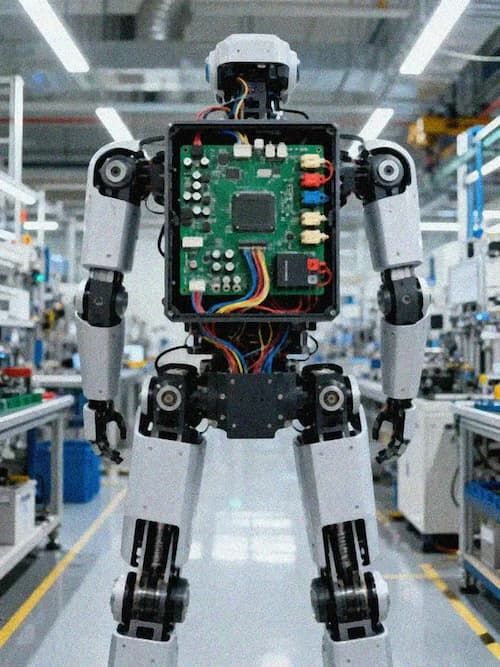
Behind those churning legs and real-time balance algorithms lies something less glamorous but absolutely critical: a dense stack of custom-designed printed circuit boards handling everything from motor drive to thermal management to multi-protocol communication. When a robot must sustain peak performance across 21.1 kilometers without a single electrical failure, the PCB design standards required are extraordinary.
This article explores the specific engineering challenges that humanoid robot PCB developers face — and how integrated manufacturing partners can help hardware teams move from prototype to reliable mass production.
Why Humanoid Robots Push PCB Engineering to Its Limits
A humanoid robot operating in dynamic, real-world environments is one of the most demanding PCB application categories that exists. Consider what "Lightning" had to manage simultaneously during that half-marathon:
- Real-time motion control across dozens of servo joints, each requiring precise current waveforms with microsecond timing
- Thermal load spikes from high-frequency motor switching, handled via a custom liquid-cooling system derived from consumer electronics
- Vibration and shock from ground contact forces, repeated at cadence for 50+ continuous minutes
- Multi-sensor fusion — cameras, IMUs, lidar — demanding low-latency, high-bandwidth data paths
- Power rail stability across wildly varying current draws as gate limbs accelerate and decelerate
Each of these requirements translates directly into PCB design constraints. And in a robot platform where weight is measured in grams and every cubic centimeter is contested, there is no room for redundant layer count, oversized copper pours, or inefficient layout.
The Core PCB Subsystems Inside a Humanoid Robot
A full-featured humanoid robot typically requires five distinct board categories, each with its own design priorities:
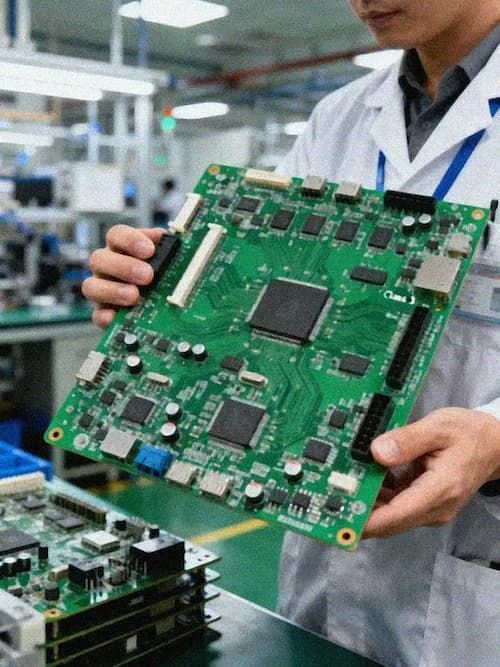
1. Main Control Board (Core Brain)
The central processor handles motion planning, sensor fusion, and communication orchestration. This board demands:
- High-speed signal integrity: ARM Cortex-A or equivalent processors with DDR4/LPDDR5 memory interfaces running at multi-Gbps speeds
- Thermal management: High-performance SoCs dissipate significant heat; PCB-level copper spreading and thermal via arrays must complement any heatsink solution
- Multi-layer construction: Typically 8–16 layers to accommodate high-speed routing, clean power/ground planes, and controlled impedance traces
- EMC shielding provisions: Ground plane continuity and strategic copper fills to prevent the motor drive noise from corrupting sensor data
2. Joint Motor Drive Boards
Each actuated joint — knee, hip, shoulder, wrist — requires a dedicated or shared motor drive board. These boards live inside tight mechanical envelopes, often close to heat-generating motor windings, and must:
- Handle peak currents of 20–60A in compact form factors, requiring heavy copper (2oz–6oz) and sometimes embedded copper blocks for thermal dissipation
- Withstand continuous vibration — the PCB substrate and via structures must meet reliability standards for dynamic mechanical environments
- Support position feedback sensors (encoders, resolvers, or magnetic sensors) with precise analog front-end circuitry isolated from PWM switching noise
3. Power Management Board
Humanoid robots typically run from lithium battery packs at 24V–48V bus voltages, regulated down to multiple rails (12V, 5V, 3.3V, 1.8V, and custom analog supply rails). The power board must:
- Manage high-current DC-DC conversion with minimal switching noise injected onto sensitive analog rails
- Implement battery protection, cell balancing, and state-of-charge monitoring
- Provide fault isolation so that a motor drive short does not cascade into a full system shutdown mid-stride
4. Communication Boards
With dozens of subsystems exchanging real-time data, the communication architecture is critical. Head and chest communication boards typically integrate:
- CAN bus for low-latency motor command distribution
- RS-485 for sensor daisy-chains
- Wi-Fi and Bluetooth modules for remote monitoring and over-the-air updates
- Ethernet for high-bandwidth data logging
Each of these protocols has its own PCB layout requirements — differential pair routing, termination resistors, impedance control, and ground isolation between bus domains.
5. Perception and Vision Boards
Cameras, infrared sensors, and radar front-ends require boards optimized for:
- High-speed image data paths (MIPI CSI-2 or LVDS interfaces at multi-Gbps)
- Low-noise analog power for image sensor biasing
- Rigid-flex construction in head assemblies, where a standard rigid board cannot navigate the mechanical degrees of freedom
The Manufacturing Consistency Challenge: Why Six Robots Finished in the Top Six
One fact from the Beijing half-marathon deserves more attention than it received: all six "Lightning" units successfully completed the course. This is not a trivial achievement.
A humanoid robot is an assembly of hundreds of PCBs, connectors, and electromechanical components. For six platforms to perform identically under identical stress conditions, the manufacturing process must achieve near-perfect consistency:
- Component placement accuracy at sub-100-micron tolerances
- Solder joint integrity validated against IPC-A-610 Class 2/3 standards
- Controlled impedance PCB fabrication within ±10% tolerance across all production boards
- Conformal coating or selective potting to protect electronics from sweat, humidity, and thermal cycling
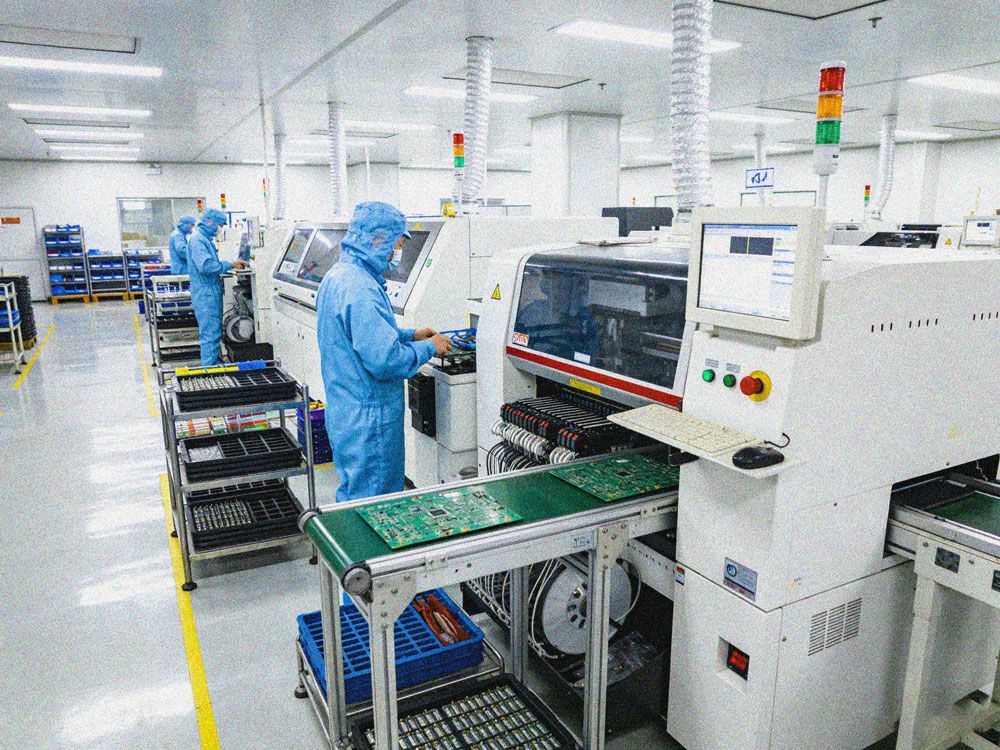
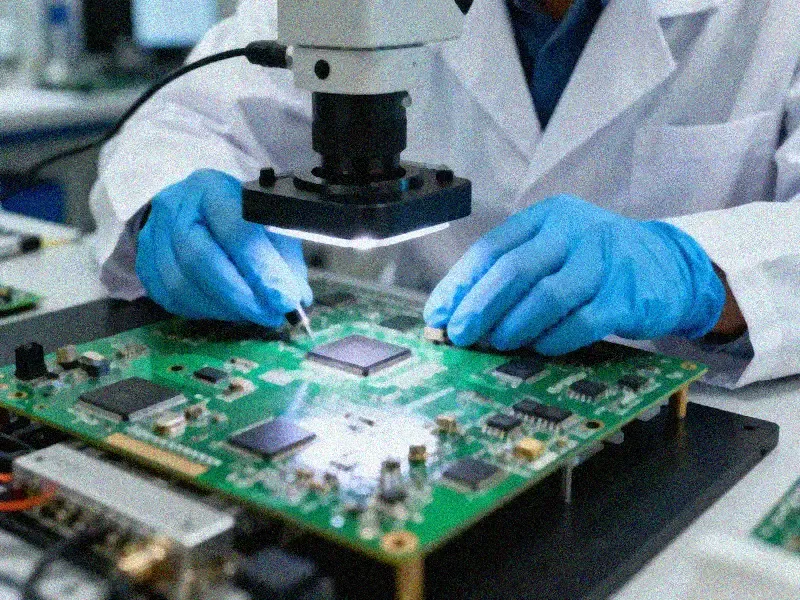
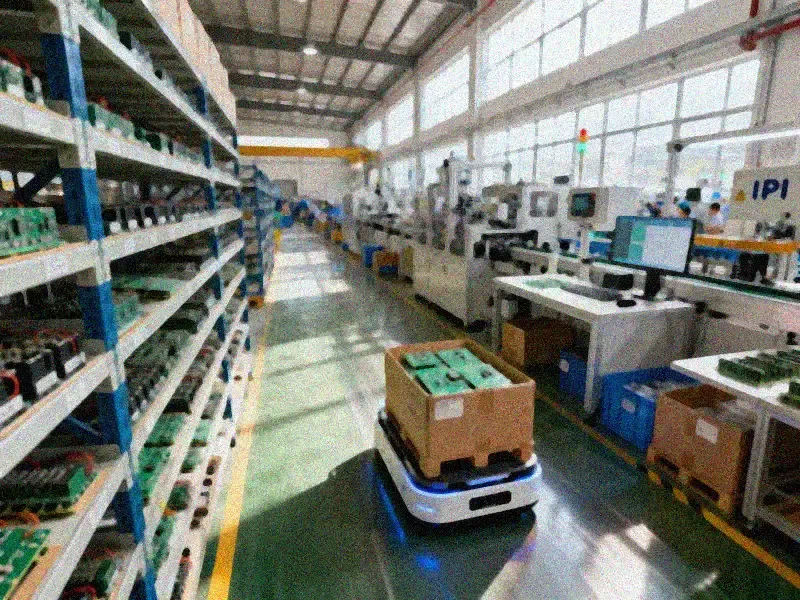
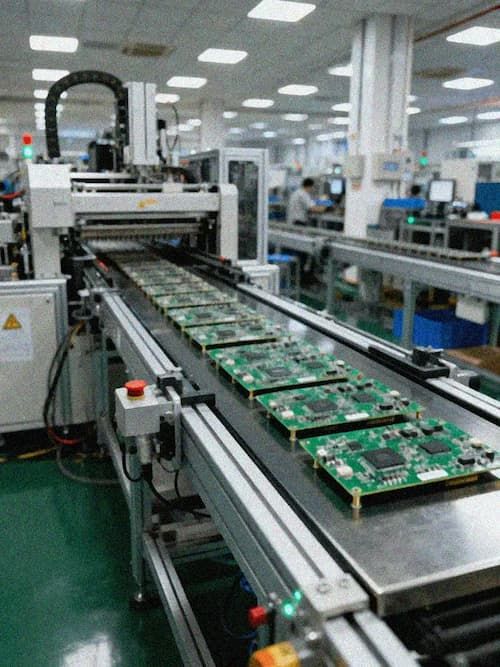
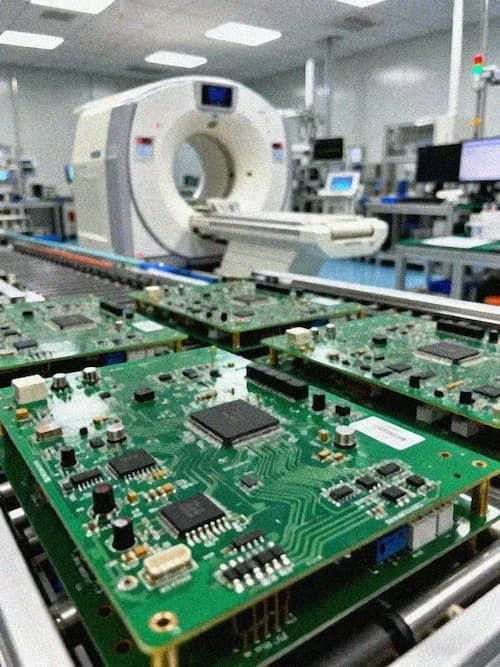
This is precisely the territory where integrated product manufacturing (IPM) partners differentiate themselves from commodity PCB assemblers. A capable partner contributes not just PCB fabrication and SMT assembly, but DFM (Design for Manufacturability) review, in-circuit testing, and failure analysis infrastructure to ensure that board #6 performs exactly like board #1.
From Prototype to Production: The IPDM Advantage for Robotics Teams
Most humanoid robot development teams are software and systems engineering organizations — not PCB manufacturing specialists. The gap between a working prototype and a reliable, cost-effective production design can be enormous, and it's a gap that kills promising robotics programs.
Integrated Product Design and Manufacturing (IPDM) addresses this by providing a single partner who manages the full chain:
Design Phase (IPD)
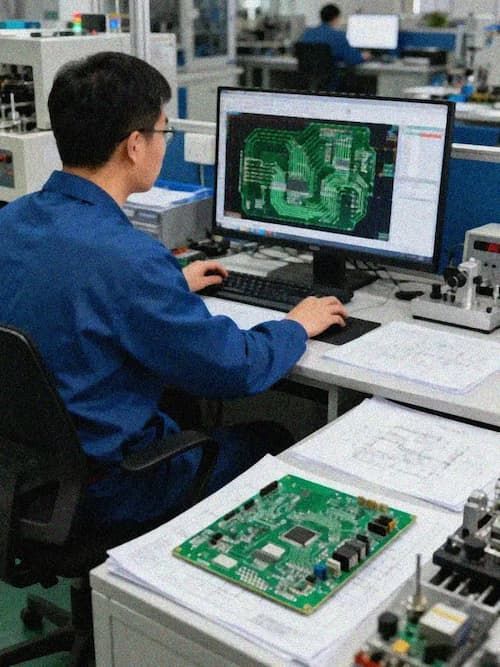
- Schematic and layout review against robotics-specific requirements (thermal, mechanical, EMC)
- Signal integrity simulation for high-speed interfaces before a single board is fabricated
- EDA library management and component qualification
- Industrial design integration — ensuring PCB form factors fit the mechanical envelope without costly design respins
Manufacturing Phase (IPM)
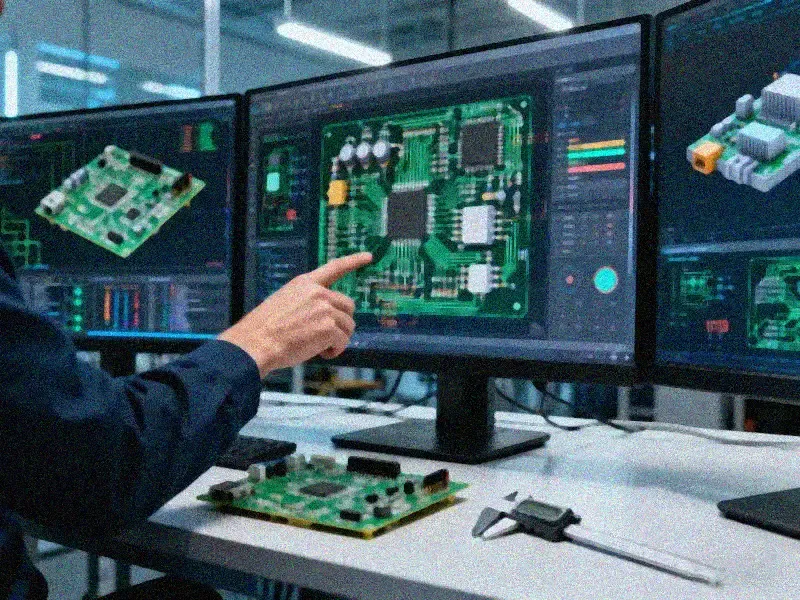
- DFM analysis to catch producibility issues before manufacturing begins
- BOM management with qualified alternative components — critical in a supply chain where specific motor driver ICs can go on allocation without warning
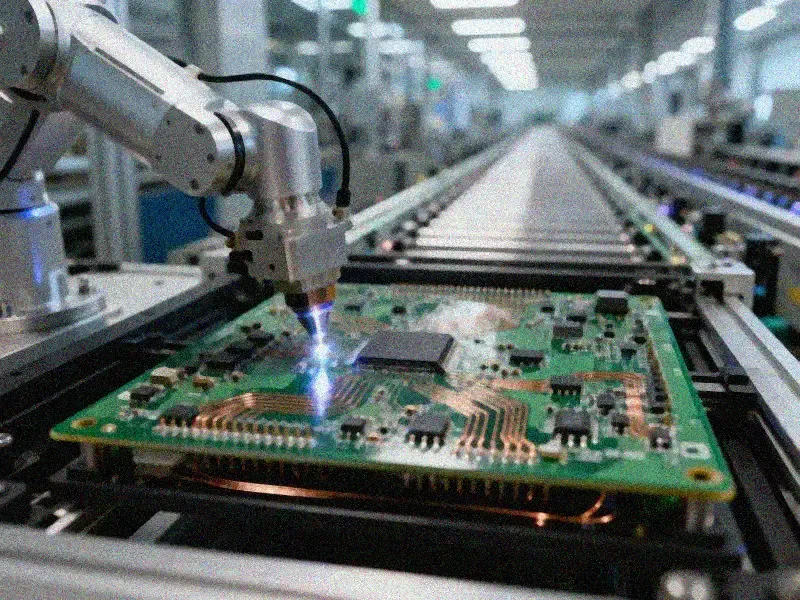
- SMT assembly with full traceability, including 3D SPI and AOI inspection
- Triple conformal coating and potting options for environmental protection
PCB Fabrication
- Rigid-flex for mechanical joints and head assemblies that require dynamic flexing
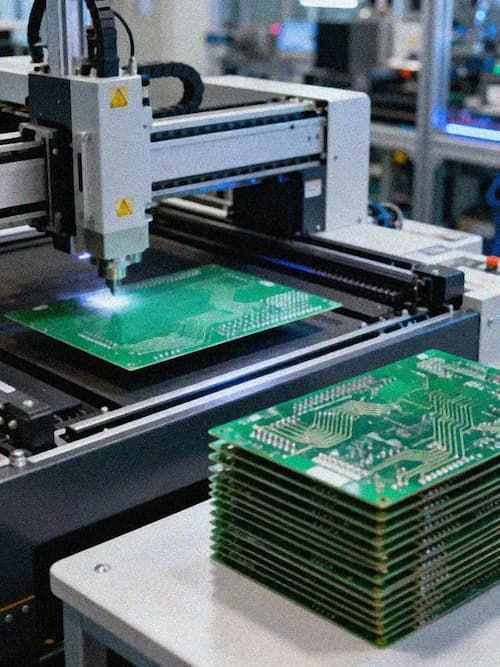
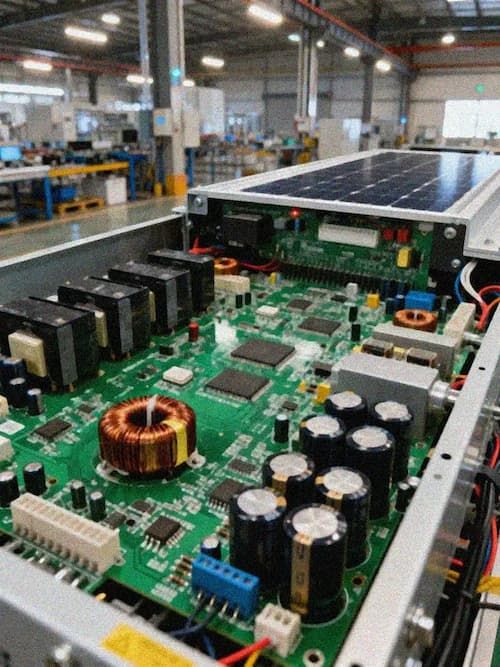
- Heavy copper and embedded copper block construction for motor drive thermal management
- HDI (High-Density Interconnect) for compact SoC carrier boards
- High-speed multilayer construction with controlled impedance, targeting 56-layer capability for the most demanding compute boards
This integrated capability is what allows a robotics OEM to compress their development timeline and avoid the costly iteration loops that come from working with multiple siloed vendors.
Key PCB Specifications for Humanoid Robot Applications
For engineering teams evaluating PCB manufacturing partners for robotics programs, the following capability benchmarks are relevant:
| Board Category | Key Requirements | Manufacturing Challenge |
|---|
| Main Control (SoC) | 8–16 layers, HDI, controlled impedance | High-density via fanout, tight registration |
| Motor Drive | 2oz–6oz copper, heavy-current thermal management | Copper thickness uniformity, thermal stress reliability |
| Rigid-Flex (Joints/Head) | Dynamic flex zones, zero-flex transition | Layer-to-layer registration, adhesive selection |
| Power Management | High-current traces, clean power/signal separation | Thermal via arrays, copper pour continuity |
| Communication | Multi-protocol isolation, RF module integration | Ground plane management, antenna clearance |
For high-reliability robotic applications, the PCB fabrication partner should hold:
- IPC-A-600 Class 3 fabrication qualification
- CNAS/CMA accredited reliability testing laboratory
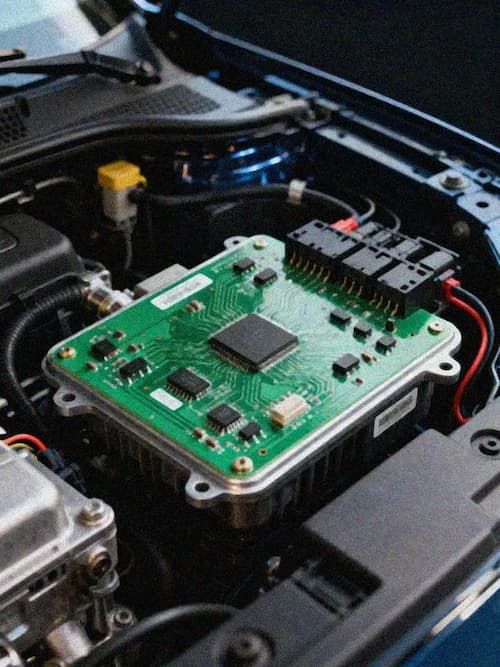
- ISO 9001 / IATF 16949 quality management certification (automotive-grade processes transfer directly to robotics)
The Broader Signal: China's Robotics Manufacturing Ecosystem Is Ready
The New York Times coverage of the Beijing half-marathon noted something significant: observers attributed the achievement less to a breakthrough in AI and more to China's engineering depth in robot hardware manufacturing. Oregon State robotics professor Alan Fern was quoted directly: "What is clear this year is that some of the many humanoid robot companies in China have put in the engineering work needed to get these systems reliable enough to complete a long-distance event."
That engineering depth doesn't exist in isolation. It is enabled by a mature electronics manufacturing supply chain — precision metal fabrication, high-quality PCB production, sophisticated PCBA assembly — that has been developing for decades.
For global robotics hardware teams, this ecosystem represents both an opportunity and a benchmark. Companies evaluating manufacturing partners for next-generation humanoid platforms should look for partners who have demonstrably worked on robotics control boards, understand the unique thermal and mechanical constraints of the domain, and can support the iterative, fast-cycle development process that robotics programs require.
Building the Robot Revolution on a Foundation of Reliable Electronics
"Lightning's" 50-minute half-marathon finish line is a milestone, but it's also a starting gun. The commercial humanoid robot market — service robots, factory automation, healthcare assistance — is now a near-term reality rather than science fiction. Every platform that reaches deployment will need hundreds of high-reliability PCBs manufactured to exacting standards.
The teams that move fastest from concept to reliable production will be the ones who identify manufacturing partners early, engage IPDM capabilities during the design phase rather than after, and treat PCB manufacturability as a core design constraint — not an afterthought.
The race to put useful humanoid robots into the world has begun. The electronics supply chain is ready.
Kingbrother (SZ.301041) provides integrated PCB manufacturing and IPDM services for advanced robotics, AI hardware, industrial control, and other high-complexity electronic systems. With 29 years of manufacturing experience and engineering centers across China, Kingbrother supports global hardware teams from initial design review through certified mass production.
Interested in discussing your humanoid robot or advanced robotics PCB program? Contact our engineering team to explore how our IPDM services can accelerate your development timeline.