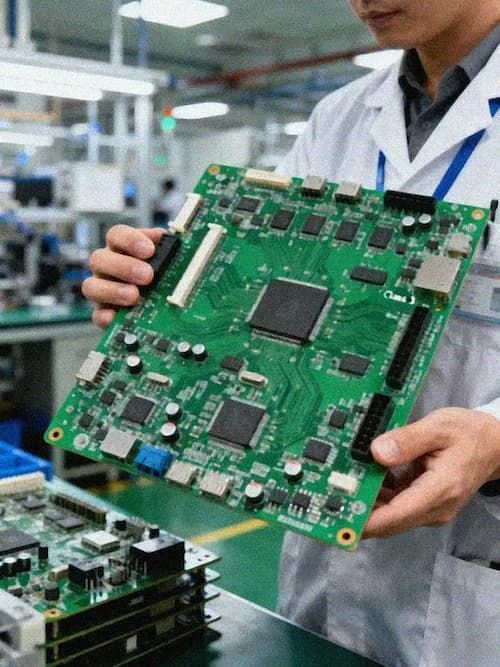
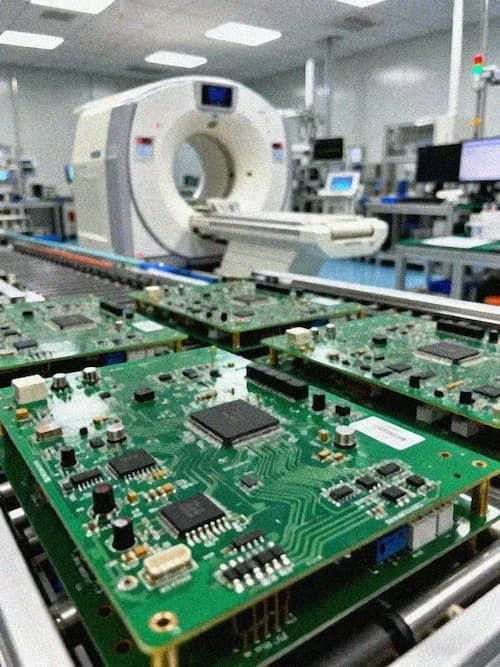
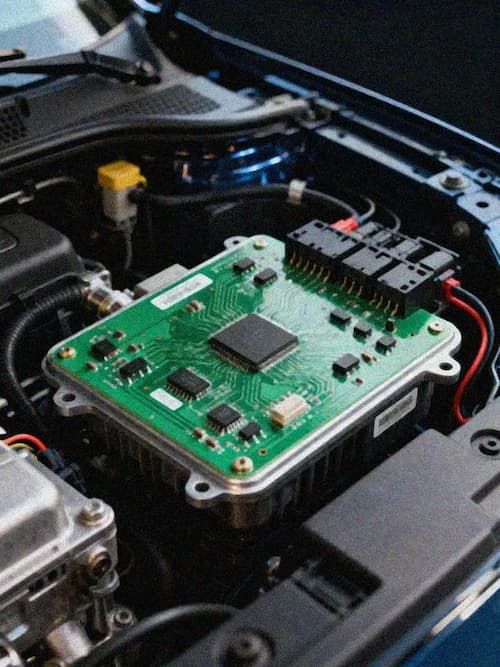
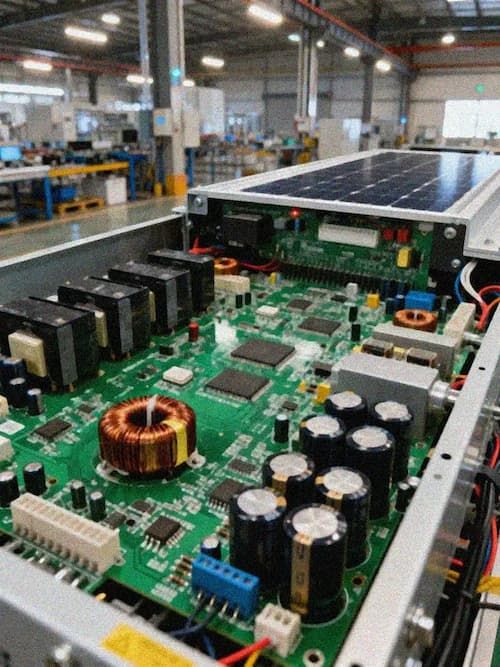
In today's automotive landscape, where electrification and intelligentization define the new battleground, the vehicle's electronic architecture is undergoing profound transformation. The widespread mass production of Level 3 autonomous driving and the emergence of "cockpit-driver integrated" computing platforms as a competitive focus place almost unbearable demands on the underlying hardware—especially printed circuit boards (PCBs). As automotive PCB manufacturers, our core daily challenge is no longer simple circuit connections, but ensuring the stable and safe operation of electronic systems across various extreme environments throughout a vehicle's 15-year lifespan.
This directly leads to two core benchmarks in automotive electronics: AEC-Q100 and ISO 26262. These are not optional choices, but rather the entry permit and lifeline for innovative automotive PCB solutions in the era of intelligent vehicles.
Why are automotive electronics so demanding of PCBs?
Before discussing standards, we must first understand the challenges. According to our industry analysis, automotive products face dual challenges in both application and manufacturing scenarios:
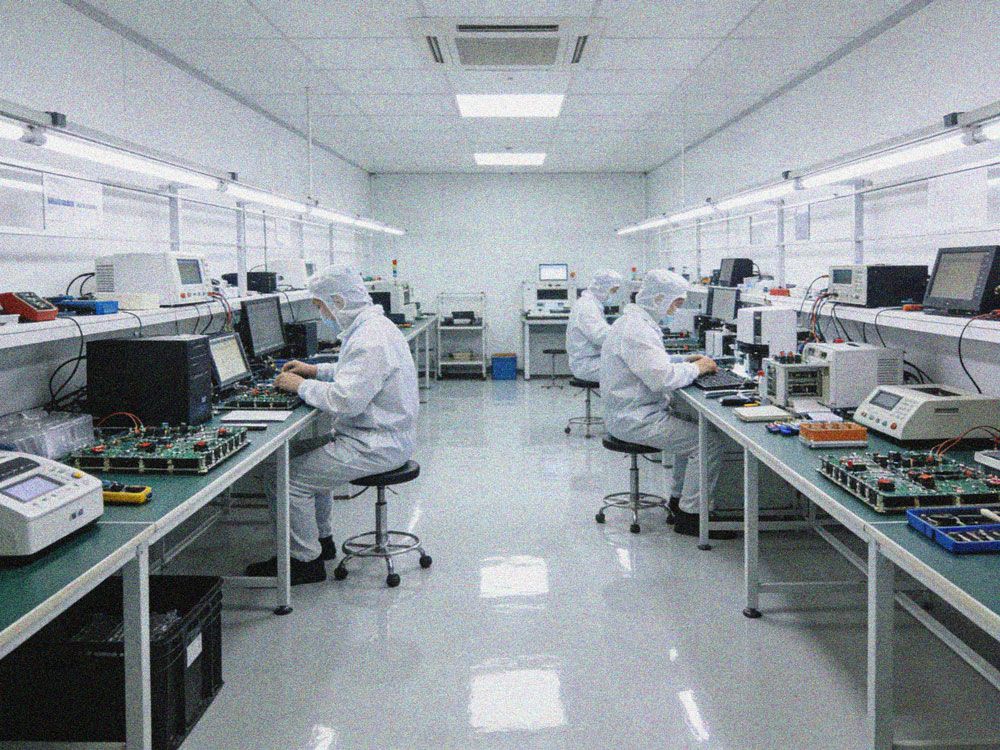
Extreme Environmental Adaptability: Automotive-grade PCBs must operate stably in temperature ranges from -40°C to +125°C, under continuous high vibration, and with complex electromagnetic interference (such as the 800V high-voltage system in electric vehicles). This is far beyond the standards for consumer electronics.
Functional Safety and Long-Term Reliability: Electronic components involving braking and steering must pass the highest level of functional safety certification. Furthermore, automotive-grade components have higher lifespan requirements.
The Conflict Between Computing Power and Power Consumption: Level 4 autonomous driving requires over 500 TOPS of computing power, but onboard power systems struggle to support the surge in power consumption typical of data centers. This necessitates extremely high wiring density and efficient heat dissipation management within a limited space.
High-Density Integration Requirements: To integrate numerous sensor interfaces such as millimeter-wave radar and lidar, the PCB size for Level 3 and higher autonomous driving domain controllers generally exceeds 600mm x 400mm. Traditional wiring methods are insufficient to meet the demands, necessitating the adoption of high-density automotive PCB design, such as HDI+Anylayer hybrid processes, to achieve 0.1mm microvia interconnects, increasing wiring density by over 30% within a limited area.
These combined challenges have transformed automotive PCBs from "usable circuit boards" into "core platforms crucial for safety and performance." AEC-Q100 and ISO 26262 are systematic methodologies established to address these challenges.
AEC-Q100: A Component-Level Reliability "Health Check"
AEC-Q100 is a stress testing certification standard for integrated circuits developed by the Automotive Electronics Association (AEAA). You can think of it as a component-level "automotive-grade health check." It doesn't specify designs, but rather verifies the long-term resilience of components to the automotive environment through a series of stringent tests.
PCB design and assembly must ensure compliance with AEC-Q100 qualified components.
It directly impacts material selection and process adaptation in manufacturing:
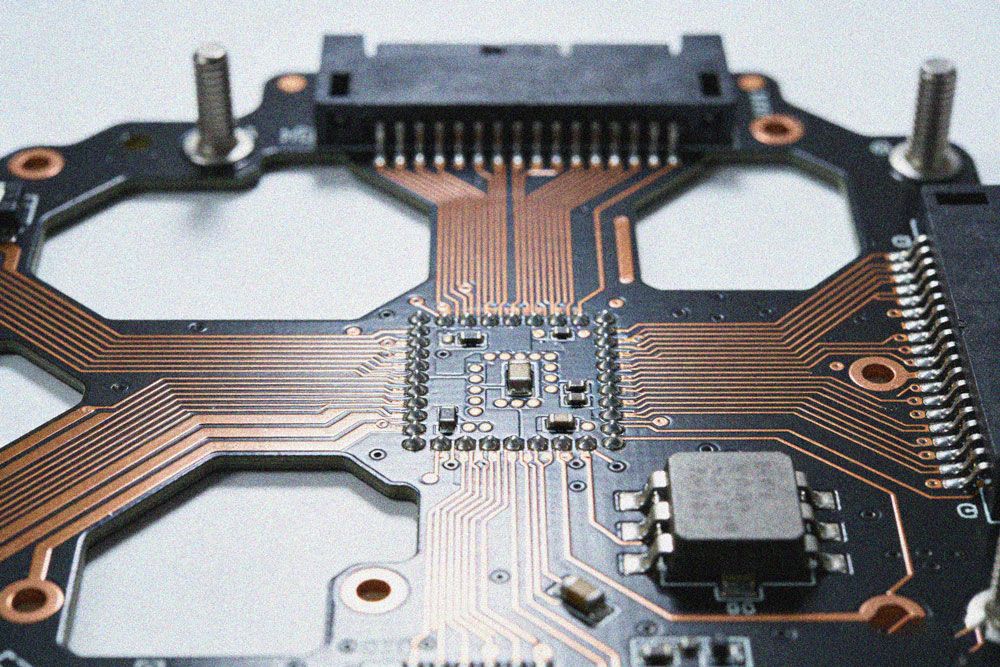
Material Library and Supply Chain Resilience: One of the core values of our established 3.27 million certified material libraries is the screening and stockpiling of AEC-Q100 grade components. Given the scarcity of dedicated automotive-grade chip production lines and the volatility of the supply chain, this system can quickly match compliant components, ensuring the reliability of PCB assembly from the source.
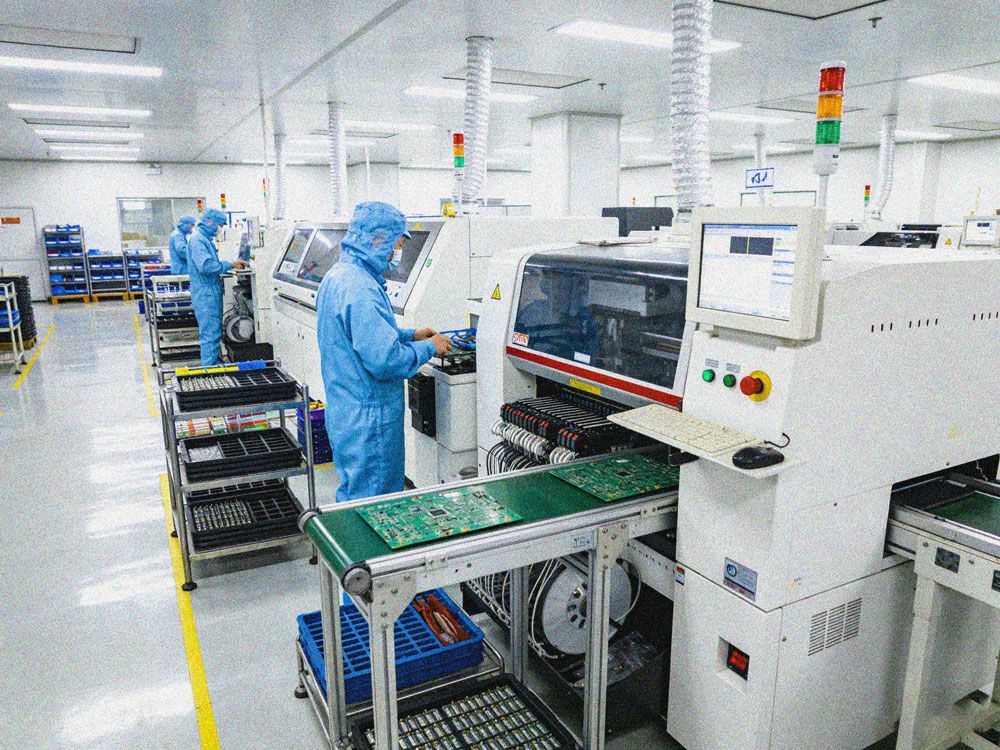
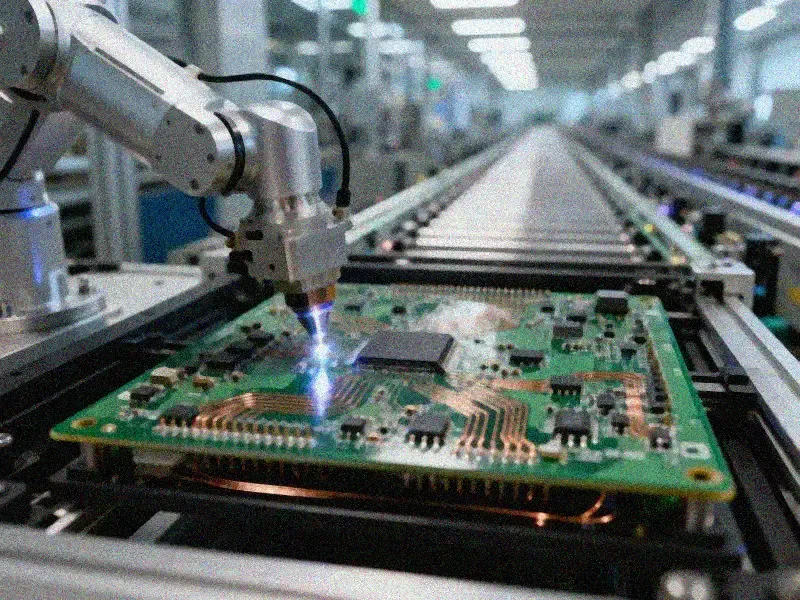
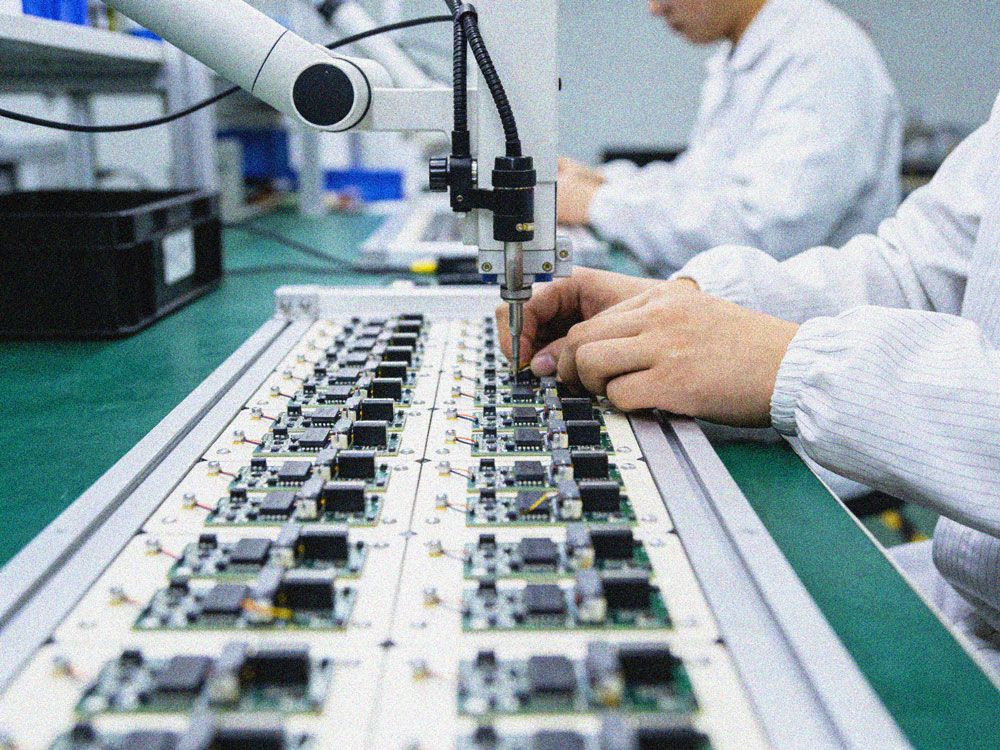
Process Compatibility: AEC-Q100 devices have specific requirements for soldering temperature profiles and ESD protection. For example, in our case, to meet automotive-grade soldering reliability, we adopted a high-reliability nitrogen reflow soldering process, ensuring the soldering results meet the IPC-A-610G Class III standard. This ensures that the performance of AEC-Q100 devices is not compromised by the manufacturing process after they are installed on the PCB.
A Shift in Design Philosophy: PCB design is no longer simply about signal connectivity and power distribution. It must incorporate functional safety analysis. For example, in the design of autonomous driving domain controllers, to meet the high safety integrity level requirements of ISO 26262, PCB layout and routing need to consider redundant signal paths, isolation and protection of critical signals, and integration of fault diagnosis circuits.
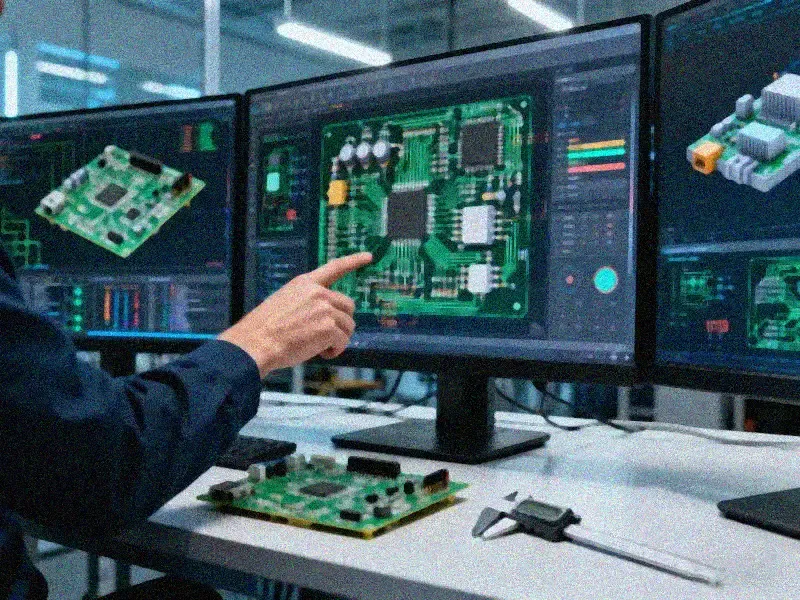
Extreme Requirements for Manufacturing and Verification: The standard requires the quantification of the probability of random failure of hardware components (PMHF value). This requires automotive PCB manufacturers not only to provide products but also related failure rate data and proof of process control capabilities. We address this through a comprehensive reliability engineering system covering the entire process—from design manufacturability analysis based on a 2368-rule DFM database, to real-time monitoring of process parameters through 95% intelligent manufacturing networking in mass production, and comprehensive reliability verification through vibration, thermal shock, and CAF testing in CNAS/CMA certified laboratories—all aimed at building a traceable and verifiable chain of safety evidence.
Practice in Case Studies: The principles of ISO 26262 are concretely implemented in the autonomous driving domain controller solutions we provide to our clients. To meet the requirements of a computing power exceeding 500 TOPS and a maximum heat dissipation of 250W, while ensuring stable operation in extreme environments ranging from -40℃ to 125℃, we not only selected high-performance automotive-grade chips like NVIDIA DRIVE Orin™, but also implemented targeted designs at the PCB level: the structure was designed with IP5K2 protection rating to ensure physical reliability, a water-cooling solution was adopted to accelerate heat dissipation, and multiple rounds of iterations were conducted on PCB power distribution, signal integrity, and thermal simulation. Ultimately, these safety-conscious designs helped the customer pass the design review on the first attempt and shortened the mass production cycle.
Beyond Certification: Practical Application of Integrated Solutions and High-Density Design
Obtaining certifications such as IATF16949 and ISO 26262 is the entry ticket, but the real competitiveness lies in the ability to translate standards into solutions for real-world problems. This is precisely the value of innovative automotive PCB solutions.
Faced with the challenge of high currents of tens to hundreds of amperes in motor drive boards, and the problem of copper foil easily overheating and burning, standard provisions alone are insufficient. We once provided a solution for a motor drive project with requirements of single-layer copper thickness ≥2oz, peak current support of 100A, and power loop impedance <1mΩ. Our technical team's solution was to use 6oz thick copper PCB technology to improve current carrying capacity, select high-Tg materials (Tg≥170℃) to increase temperature resistance, and use high thermal conductivity PP sheets to enhance interlayer thermal conductivity. The final product's heat dissipation met the overall system requirements, reducing processing costs and assembly cycle time.
In the field of high-density automotive PCB design, the challenge lies in how to route all high-speed signal lines within a limited space while ensuring their integrity. Our capabilities show that our high-speed PCB designs can reach speeds up to 112Gbps. To achieve this, simulation methods must be comprehensively utilized in the design: signal integrity (SI) analysis using IBIS models to optimize the topology; rigorous power integrity (PI) simulations to ensure a clean and stable power supply for high-performance chips; and thermal simulations to avoid localized overheating. For example, in the design of an AI evaluation board based on the NVIDIA Jetson AGX Xavier, we overcame the challenges of high-speed signal transmission and high-power heat dissipation through 10-layer precision PCB design and advanced signal integrity simulation, ensuring efficient and accurate data exchange between the GPU and high-bandwidth memory.
AEC-Q100 and ISO 26262 serve as the common language and scientific tools for building reliable and safe electronic systems in the era of intelligent vehicles. As a car PCB manufacturer deeply rooted in the automotive electronics field, we believe that true innovation should be based on a deep understanding of these standards, transforming stringent requirements into core product competitiveness through high-density automotive PCB design, advanced processes, and integrated solutions.
There are no shortcuts on this path; it relies on rigorous processes, a vast library of certified materials, rich experience with regulations, and repeated technical loops and verifications in specific projects. This is precisely the necessary path for automotive electronic hardware to move from "usable" to "reliable" and "safe."
Need Support for Automotive Functional Safety PCB Projects?
KINGBROTHER Capabilities Include:
- ASIL design review
- Automotive material selection
- Reliability testing
- Thermal & vibration validation