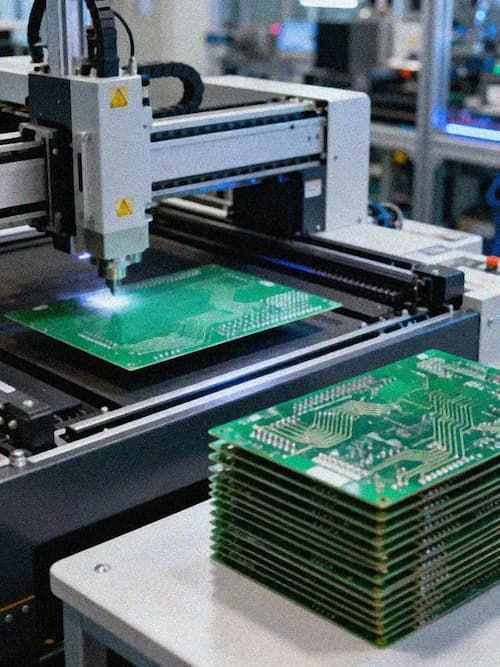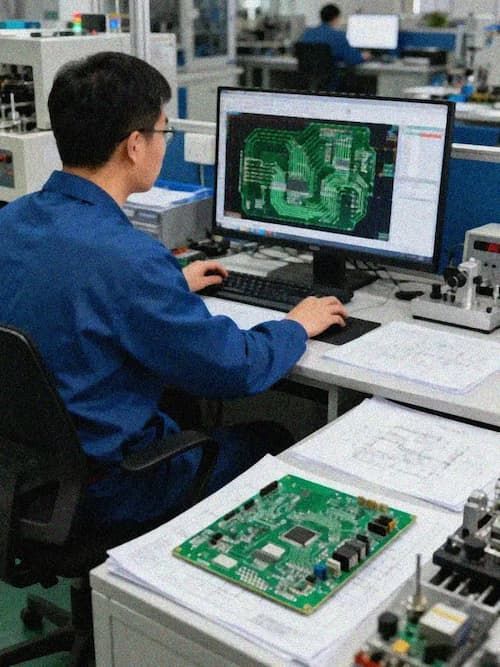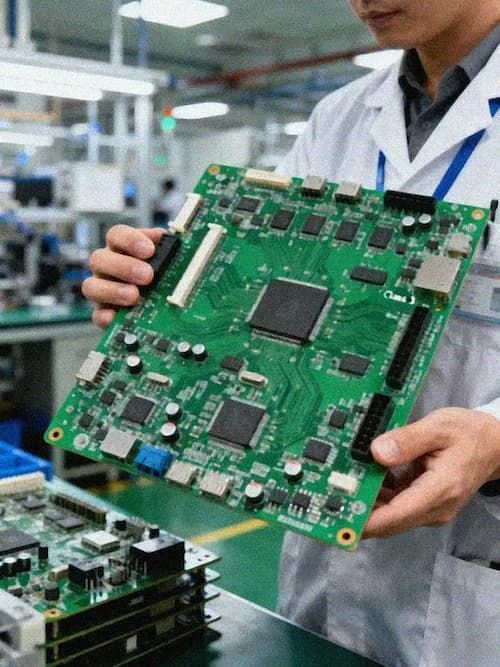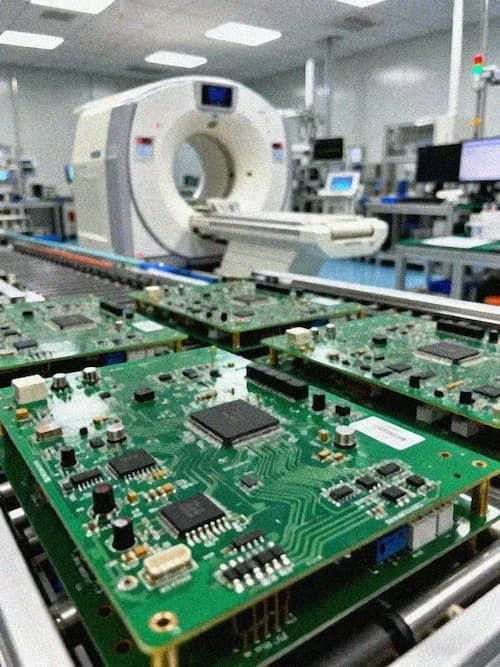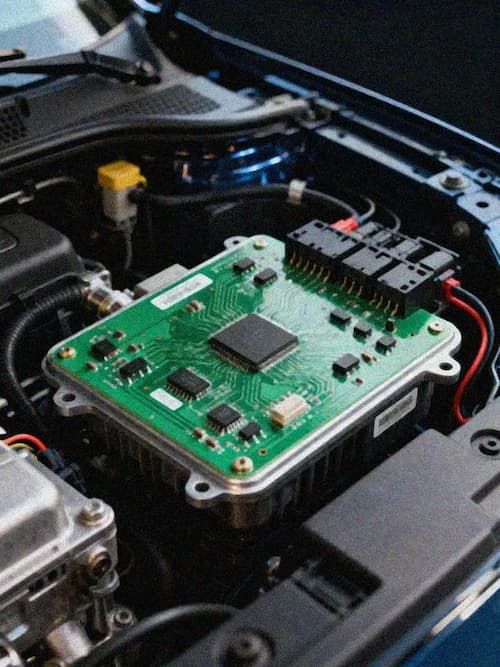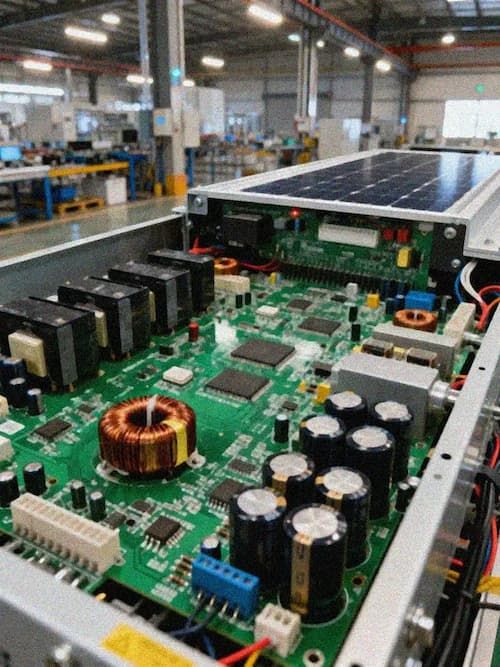
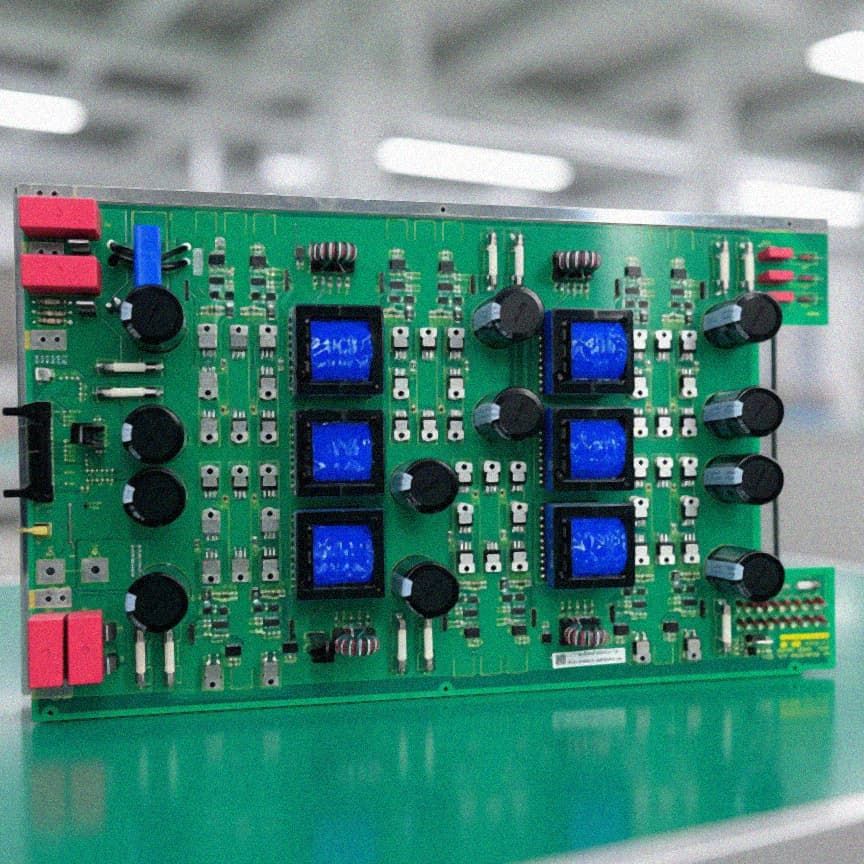
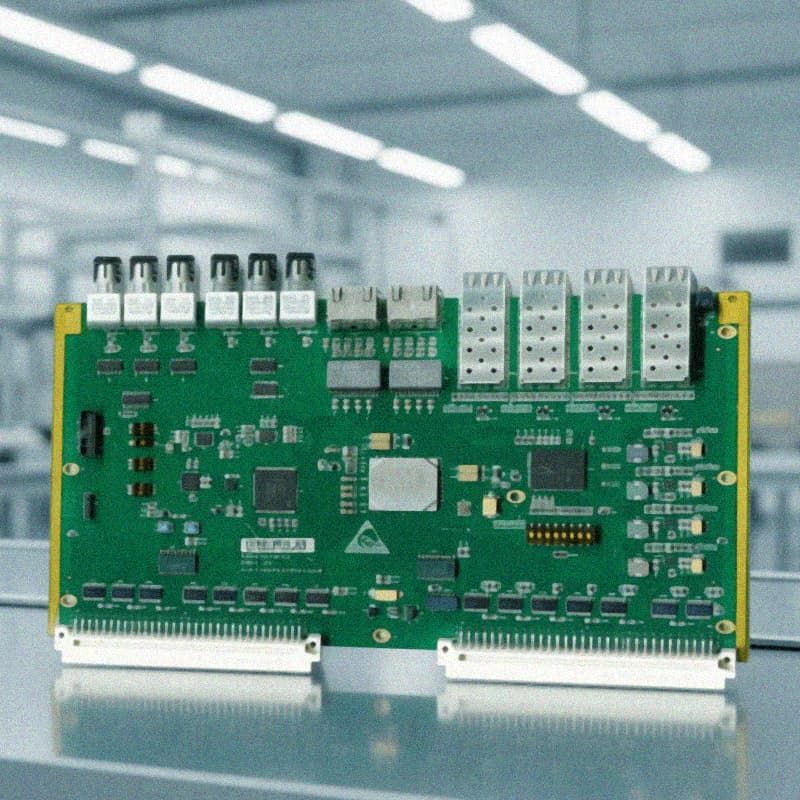




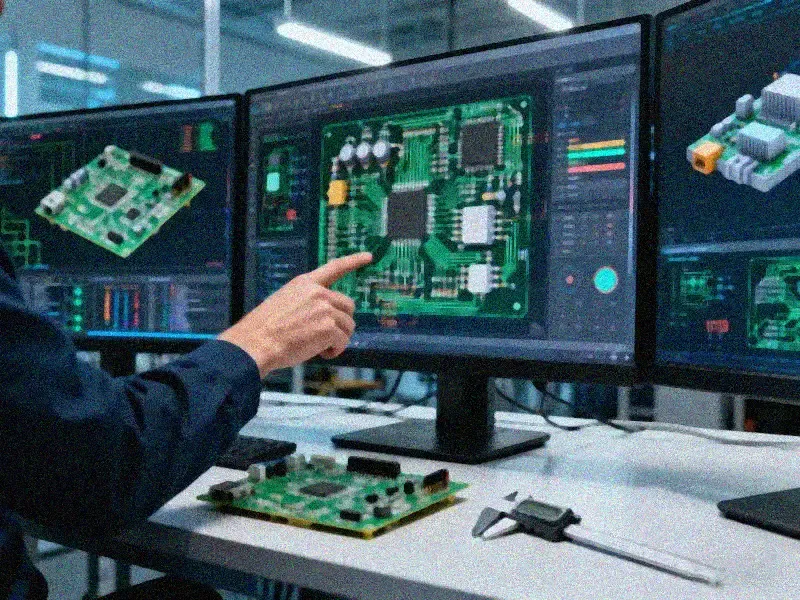
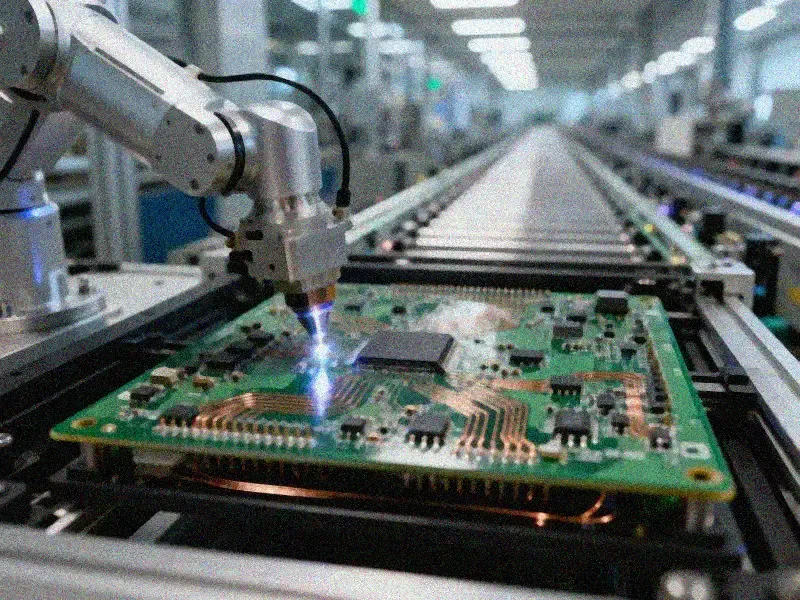
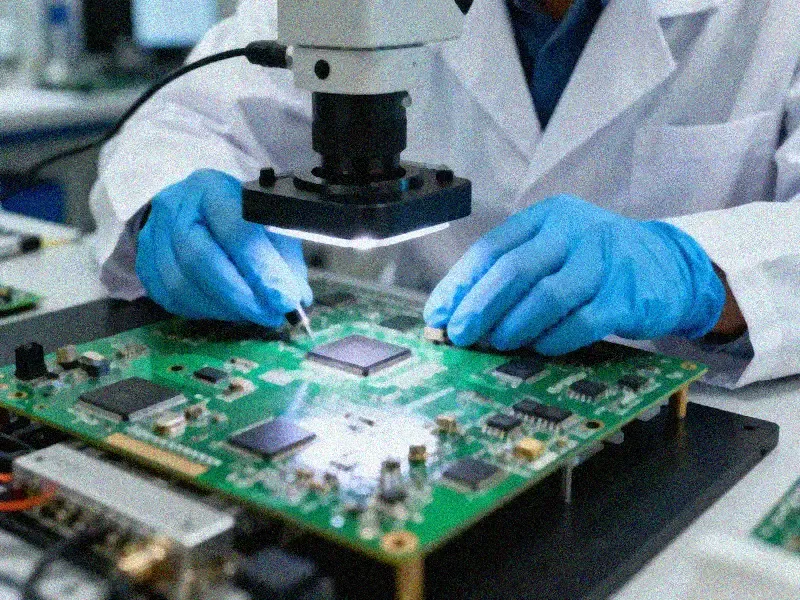








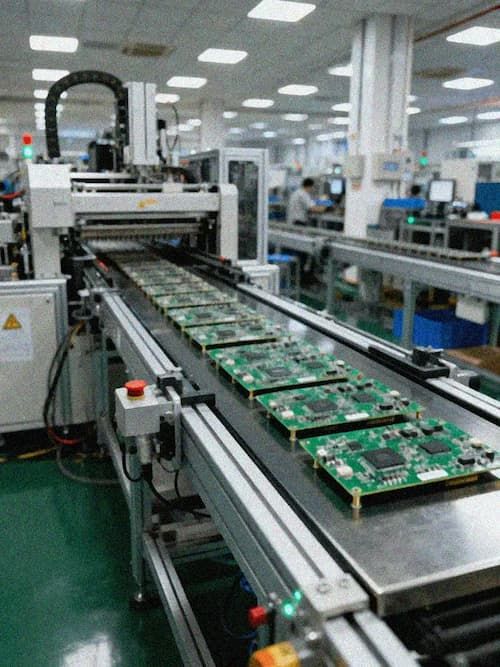
High and low voltage power supply measurement board (IPM solution).jpg

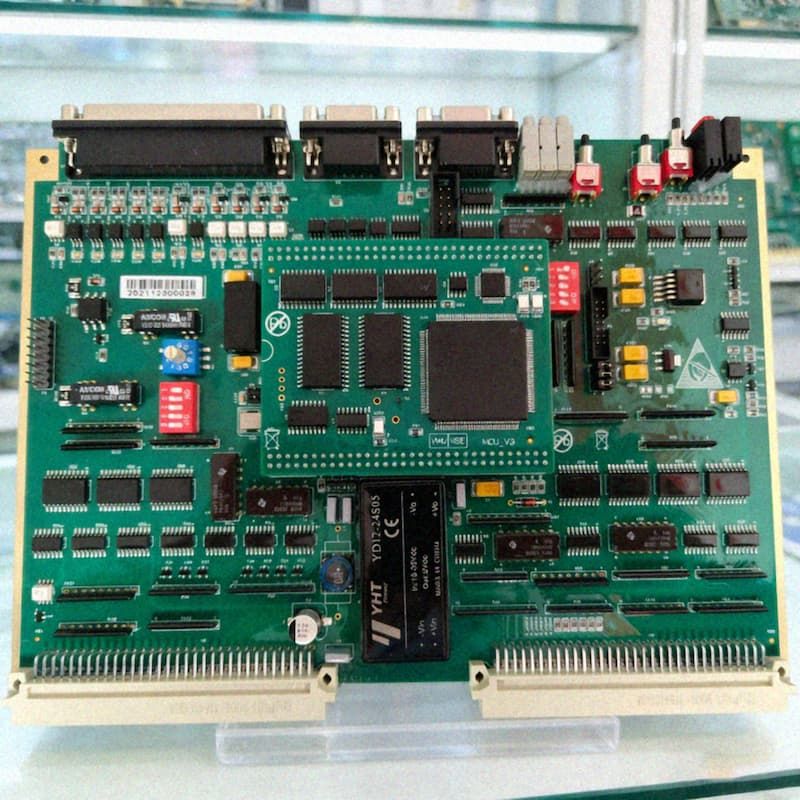
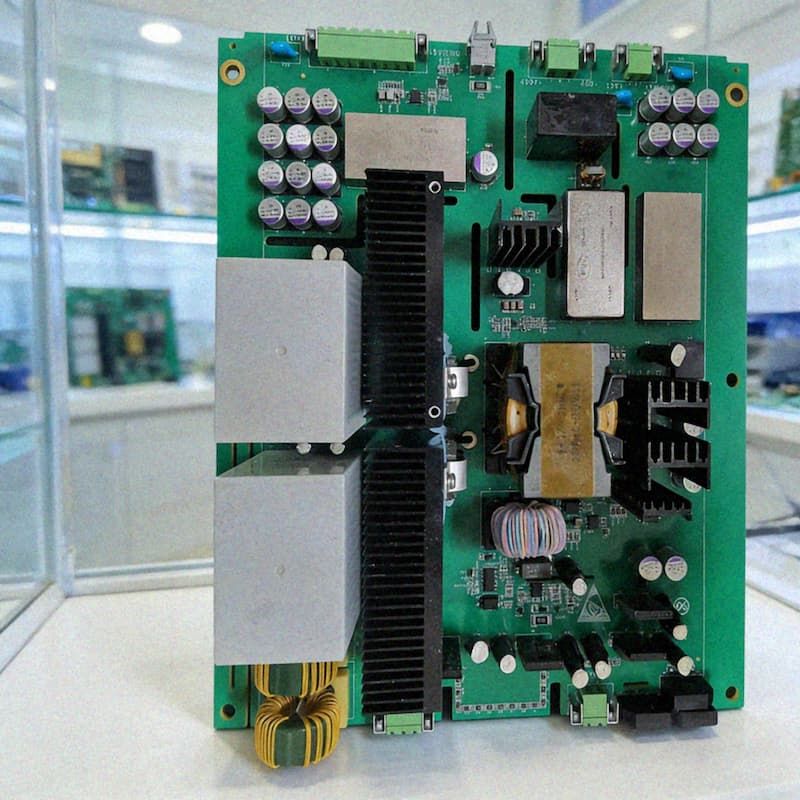
High and Low Voltage Power Measurement Board

Overview

High & Low Voltage Power Measurement Board (IPM Solution) | Power Industry

Customer Needs and Core Challenges

  • Industry-Specific Needs: Focusing on energy measurement scenarios in the power industry, the customer requires a high & low voltage power measurement board that meets the "Reliability Requirements for Power Electronic Equipment". Core requirements include high-voltage isolation protection (supporting 10kV voltage measurement), strong electromagnetic interference resistance, long-term stable operation (adapting to a wide temperature range of -40℃ to 85℃), and accurate metering requirements for energy measurement PCB solutions.

  • Core Challenges:

    • Material Level: The PCBA-specific BOM lacks standard component specifications, and the parameters of non-standard components (such as high-voltage sampling modules) are vaguely defined, leading to difficulties in material selection;
    • Supply Chain Level: Incompatibility of non-standard components is not guaranteed, and the supply cycle of core materials fluctuates greatly, posing a risk of supply disruption;
    • Production Level: Due to unclear material specifications, high rework rates, uncontrollable delivery cycles, and difficulty in controlling procurement costs.

IPM One-Stop Solution (Integrating Power Electronics PCB Design Core Capabilities)

Based on the core IPM business of the IPDM system, integrating three major technology platforms—KBOM, PCBA, and EES—it provides a full-chain solution:

  • Deep Empowerment with KBOM Technology:

    • Intelligent matching of multi-source alternative materials through a library of 3.27 million certified materials, conducting original manufacturer specification traceability and sample verification for non-standard high-voltage sampling modules;
    • Providing domestic alternative solutions, balancing cost and performance, and establishing a full lifecycle BOM risk warning mechanism to proactively avoid material shortage risks;
    • Incorporating verified non-standard components into the KINGBROTHER-PLM product lifecycle management system to achieve compliant material control.
  • PCBA Process-Specific Support:

    • Employs double-sided mixed assembly and 3D assembly processes, coupled with conformal coating, to enhance the product's resistance to corrosion and moisture in power environments;
    • Manufactured according to IPC-A-610G Ⅲ standards, using flying probe testing to ensure 100% circuit connectivity, and optimizing the SCH isolation layout for mixed strong and weak current designs;
    • Utilizes a high-reliability nitrogen reflow soldering process to improve soldering yield and connection stability under high-voltage conditions.
  • EES Full-Process Validation Support:

    • Conducts DFM manufacturability analysis to proactively avoid manufacturing process defects and reduce assembly defect rates;
    • Utilizes CNAS/CMA accredited laboratories for environmental reliability testing (salt spray, high and low temperature cycling) and electrical reliability testing (withstand voltage, insulation resistance);
    • Establishes a 24-hour failure analysis closed-loop mechanism to quickly locate and resolve material or process issues.

Core Technical Parameter Table

Technical ModulesCore ParametersImplementation Measures
KBOM Material ManagementSubstitute material matching rate ≥98%, BOM risk warning coverage 100%Based on 2368 DFM rule bases, linked with multi-source component database intelligent matching; original manufacturer specification PDF comparison verification
PCBA ProcessSoldering yield ≥99.5%, IP65 protection rating, withstand voltage test ≥15kVNitrogen reflow soldering process; IPC-A-610G Ⅲ standard implementation; enhanced conformal coating process
EES Verification and OptimizationFailure analysis closed-loop time ≤24 hours, manufacturability optimization rate ≥85%24-hour fault response mechanism; DFX/failure analysis/process control three-engine drive
Product ReliabilityMean Time Between Failures (MTBF) ≥100,000 hours, wide temperature range -40℃~85℃Selection of high-TG substrates (Tg≥170℃); High and low temperature cycling testing and aging verification

Implementation Results

  • Significantly improved production efficiency: Mass production cycle reduced by 28%, production rework rate decreased from 12% to 3%, and delivery efficiency improved by 30%;
  • Enhanced supply chain resilience: Supply chain risk incidence rate reduced by 45%, core material supply stability improved to 99%, and non-standard component compatibility issues completely resolved;
  • Precise cost control: Through domestic substitution and BOM optimization, material procurement costs decreased by 18%, and overall machine maintenance costs decreased by 40%;
  • Full lifecycle management implemented: Achieved full-process material traceability from material selection, procurement, production to operation and maintenance, with 100% management coverage;
  • Doubled product reliability: Product failure rate reduced by 50%, fully meeting the core requirements of the power industry for high-voltage isolation, electromagnetic interference resistance (EMI/EMC PCB Design), and long-term stable operation.
Share To:
Trusted

Certifications & Standards

/
/
/
/
/
/
/
/