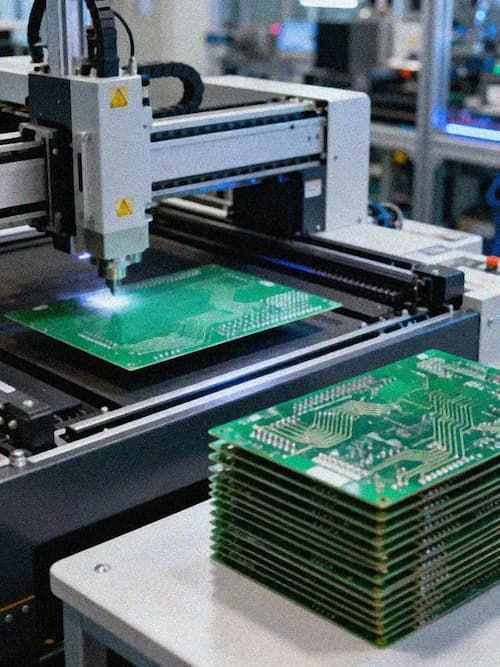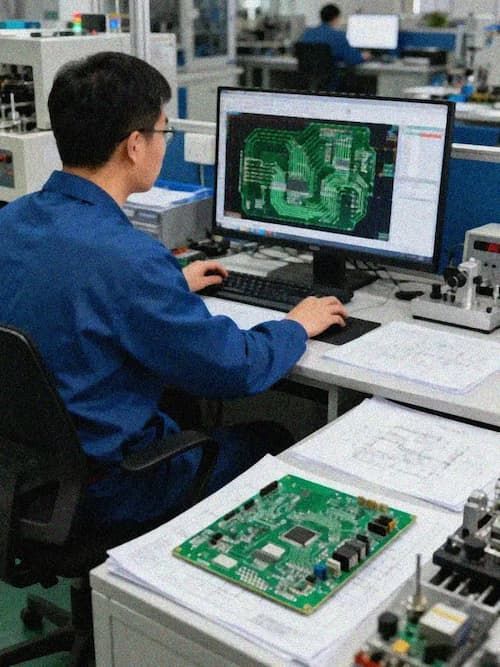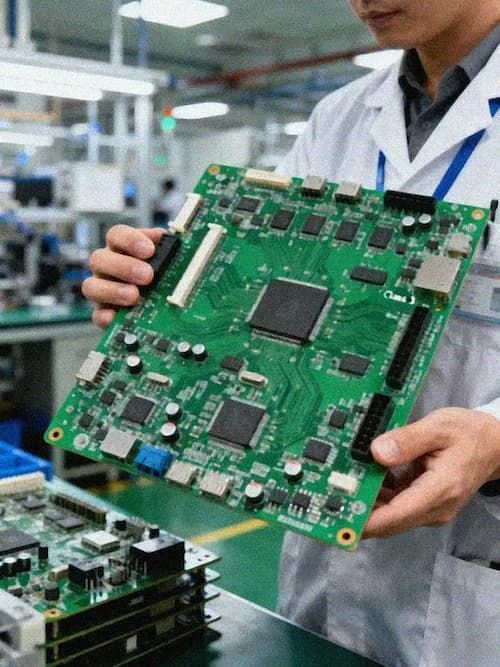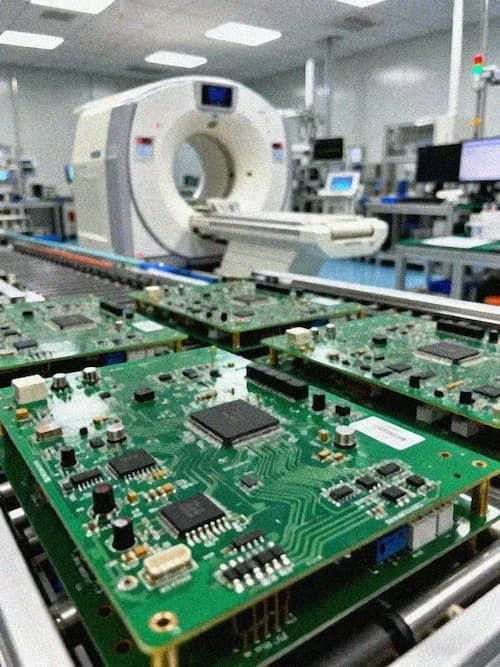












Autonomous driving domain controller.jpg

Autonomous Driving Domain Controller

Overview

Autonomous Driving Domain Controller (IPDM Solution) | Intelligent Driving

Core Customer Needs

  • Computing Power Requirements: Requires over 500 TOPS of ultra-high computing power to support real-time operation of advanced autonomous driving algorithms such as multi-sensor fusion, path planning, and environmental perception.
  • Heat Dissipation Capacity: Maximum heat dissipation requirement reaches 250W, requiring solutions to the heat dissipation bottleneck caused by high-density component integration.
  • Environmental Adaptability: Requires stable operation within an extreme temperature range of -40℃ to 125℃, meeting the stringent environmental reliability standards of the automotive industry.
  • Protection Rating: Requires IP5K2 protection to withstand harsh conditions such as dust and minor liquid splashes in autonomous driving scenarios.
  • Compatibility Requirements: Requires compatibility with multiple intelligent driving sensors such as LiDAR, millimeter-wave radar, and cameras, improving module collaboration and adaptability.
  • Mass Production Requirements: Shorten the R&D cycle, reduce the mass production delivery cycle, and solve the compatibility problems of multi-functional boards.

IPDM Full-Chain Solution Details

Hardware Core Design (Deep Integration of IPD+IPM)

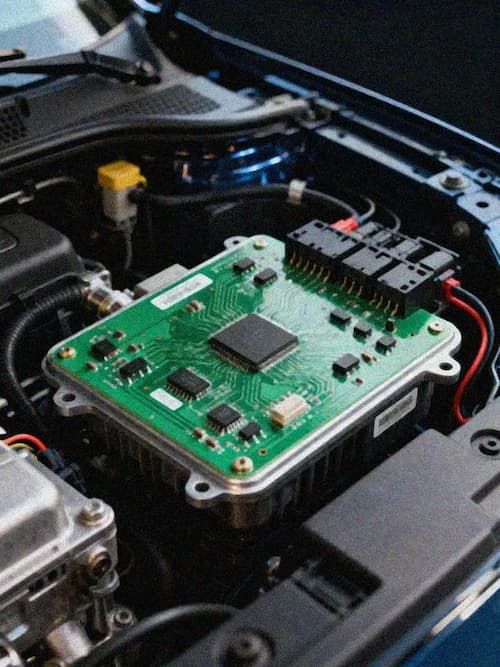
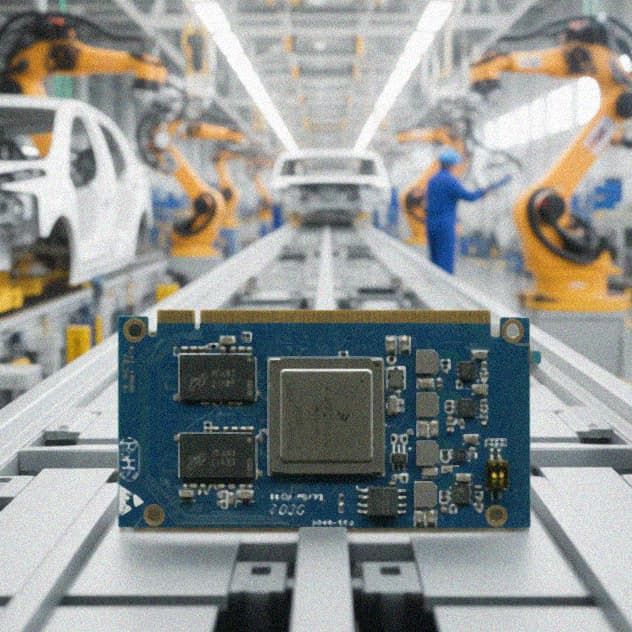
  • Main Chip Selection: NVIDIA DRIVE Orin™ SoC as the main processor, with a total computing power of 508 TOPS, perfectly matches the computing power requirements of high-end autonomous driving and is compatible with the high-efficiency computing characteristics of the ARM architecture.
  • Storage Configuration: Equipped with 64GB DDR5 high-speed memory, supporting high-bandwidth data read and write, ensuring real-time transmission and processing of multi-sensor data.
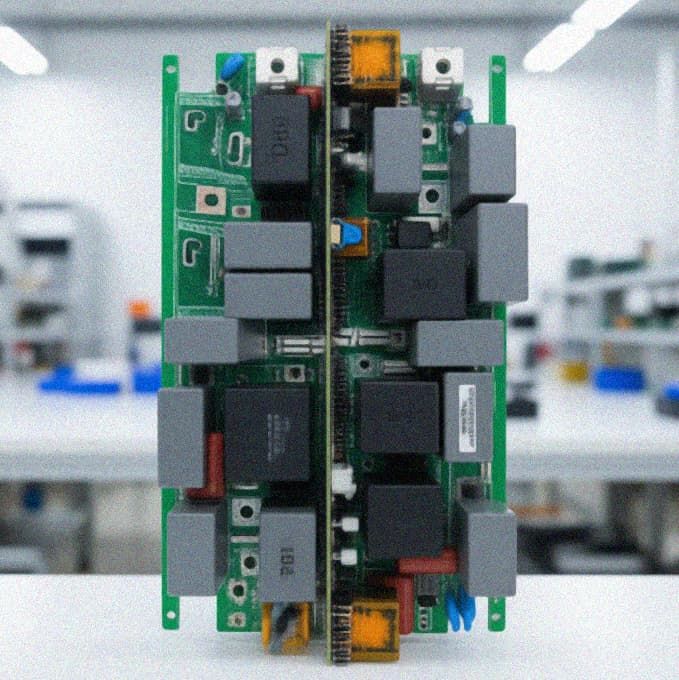
  • PCB Core Design (Keywords: High-speed PCB Design, Automotive PCB high-density design, EMI/EMC PCB Design):
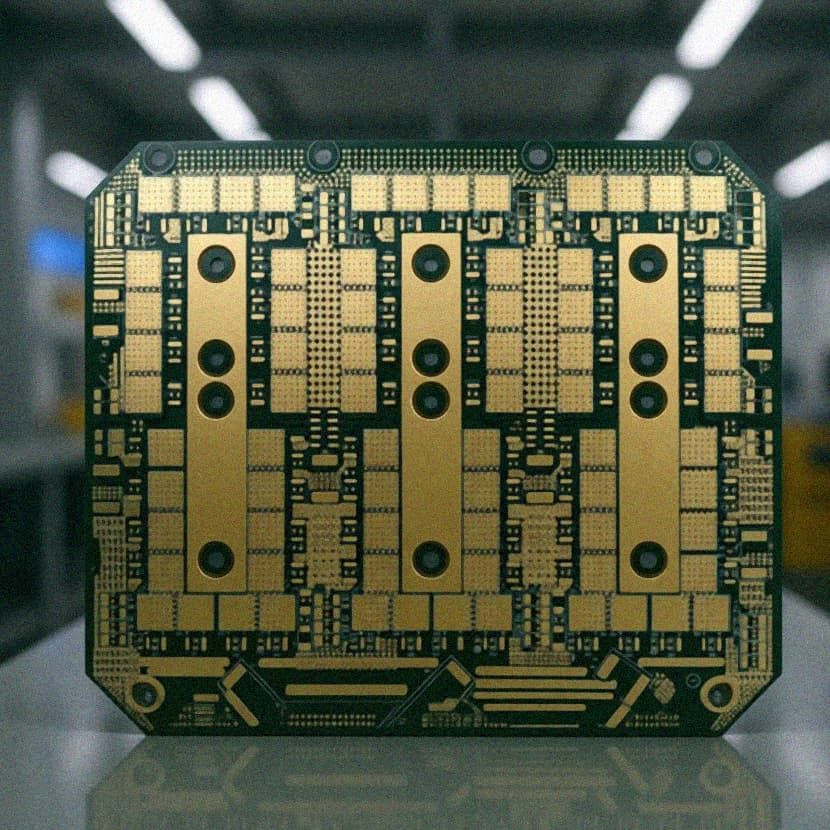
    • Substrate Selection: Utilizes Shengyi S1000H high-TG substrate (Tg≥170℃), possessing excellent electrical performance, mechanical strength, and high-temperature resistance, suitable for extreme temperature environments.
    • Layer Count and Structure: Employs a 26-layer high-speed backplane design, achieving high-density interconnection through HDI (Anylayer Interconnect) technology, integrating more components and complex circuits.
    • Signal Integrity Optimization: Employs differential pair routing, impedance control (tolerance ±5%), SI/PI simulation, and other technologies to reduce electromagnetic interference (EMI) and electromagnetic wave interference, improving signal transmission stability and meeting the 112Gbps maximum signal transmission rate requirement.
    • Protective Processes: Immersion gold surface treatment enhances soldering reliability and corrosion resistance; combined with conformal coating, it strengthens the PCB's protection against harsh environments.
  • BOM Optimization and Domestic Substitution (Keywords: BOM Purchase for PCB Assembly):
    • Leveraging the KINGBROTHER-PLM product lifecycle management system, it provides intelligent matching of multiple alternative materials, achieving domestic substitution of key components and reducing procurement costs and supply chain risks.
    • Implementing full lifecycle BOM risk warnings to proactively avoid supply chain issues such as chip shortages.

High-Efficiency Heat Dissipation Solution

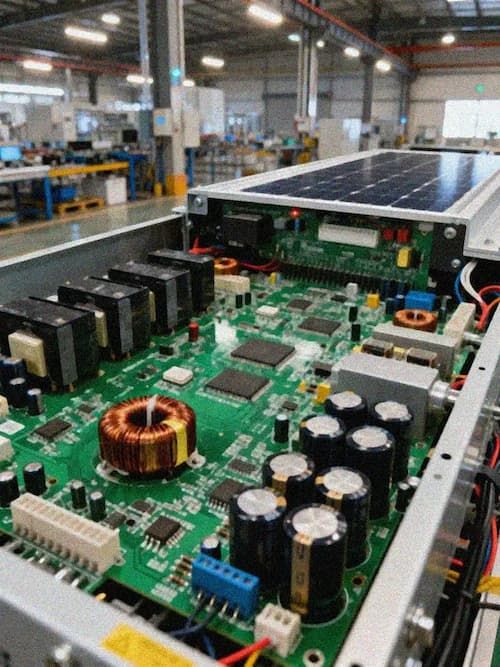
  • Employing a water-cooling system, through optimized heat dissipation channel design, increased heat dissipation holes, and copper filling technology, it accelerates heat transfer and dissipation, ensuring stable and controllable chip operating temperature under 250W high-heat conditions.
  • The core board is equipped with a high-efficiency heat sink, combined with optimized PCB thermal design (rational placement of heat-generating components), further reducing chip operating temperature and improving long-term product reliability.

Automotive-Grade Reliability Assurance (Keywords: Automotive electronics EMS, Rigid-Flex PCB Manufacturing)

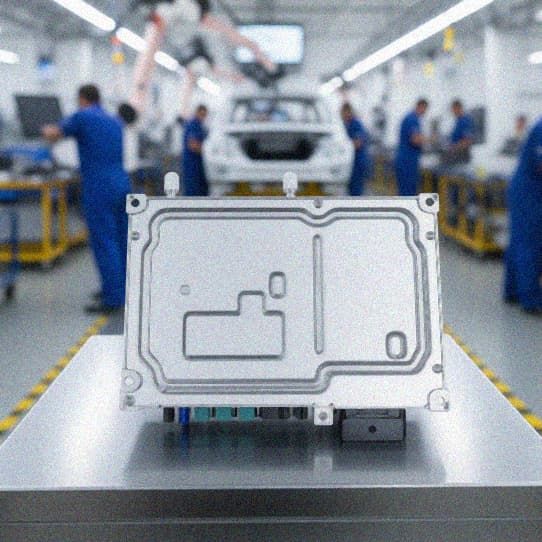
  • Protective Design: Structural design conforming to IP5K2 protection standards, effectively resisting dust and minor liquid splashes, adaptable to complex autonomous driving application scenarios.
  • Reliability Verification: Passed multi-dimensional testing by CNAS/CMA accredited laboratories, including environmental reliability (high and low temperature shock, constant temperature and humidity testing), mechanical reliability (vibration, drop testing), and electrical reliability (withstand voltage, insulation resistance testing).
  • Standardization System Support: Strictly adheres to the IATF16949:2016 automotive industry quality management system certification standard, ensuring product compliance with automotive-grade reliability requirements.
  • DFX Optimization: Through DFM/DFA manufacturability analysis, potential design defects are proactively avoided, reducing assembly defect rates by 50% and improving mass production feasibility.

Compatibility and Adaptability Optimization

  • Hardware Interface Design: Supports compatibility with multi-modal sensor interfaces such as LiDAR, millimeter-wave radar, and cameras, enabling high-bandwidth data sampling and transmission.
  • Software Integration Support: Provides SDK integration and driver development services, resolving version compatibility issues, optimizing code efficiency, and ensuring multi-module collaborative operation.

Key Parameter Table of the Solution

Parameter CategorySpecific Specifications
Computing PerformanceMaximum 508 TOPS (NVIDIA DRIVE Orin™ SoC)
Storage Configuration64GB DDR5 High-Speed Memory
Operating Temperature Range-40℃~125℃
Protection RatingIP5K2
Heat Dissipation CapacitySupports up to 250W of cooling
PCB SubstrateShengyi S1000H (High TG ≥ 170℃)
Number of PCB Layers26 layers (High-Speed Backplane Design)
Signal Transmission RateMaximum 112Gbps
Impedance Control Tolerance±5%
Surface TreatmentImmersion Gold Process
Core CertificationsIATF16949:2016, CNAS/CMA Laboratory Accreditation
PCB Process TypeHDI Any Layer Interconnect, Immersion Gold Protection, Conformal Coating

Implementation Results

  • R&D Cycle: Overall R&D cycle shortened by 30%, helping customers double their product launch speed.
  • Validation Pass Rate: First-time pass of customer design review, with the design solution's reliability and adaptability fully recognized.
  • Mass Production Efficiency: Mass production delivery cycle reduced to 60% of the industry standard, significantly improving delivery efficiency.
  • Compatibility Performance: Successfully resolved compatibility issues with multi-functional boards, improving module adaptability by 40%.
  • Reliability Level: After extreme environment testing, the product failure rate is less than 0.5%, meeting automotive-grade long-term stable operation requirements.
  • Cost Optimization: Through domestic component substitution and BOM optimization, procurement costs are reduced by 15%-20%.
Share To:
Trusted

Certifications & Standards

/
/
/
/
/
/
/
/