




















Automotive power module.jpg

Automotive Power Module

Overview

Automotive Power Module (EMS Solution) | Automotive Electronics

Core Customer Needs and Technical Challenges

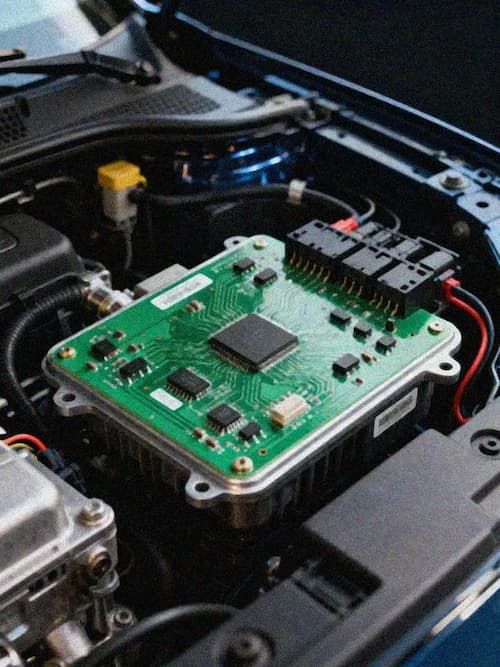
  • Application Scenarios: Focusing on the core DC-DC module of automotive battery management systems (BMS), adapting to the complex temperature and humidity environment of vehicles, and meeting Automotive Electronics' requirements for high reliability and long lifespan.
  • Functional Requirements: Optimizing the power conversion efficiency of AC-DC hybrid circuits to achieve stable power distribution and support complex multi-dimensional testing and verification across the entire system.
  • Core Pain Points: High heat flux density during power device operation leads to significant heat dissipation pressure; complex electromagnetic interference (EMI) in automotive scenarios necessitates enhanced anti-interference capabilities; high circuit integration requires stringent manufacturability and assembly precision; cost and mass production cycle must be controlled while ensuring performance.

Customized EMS Integration Solution

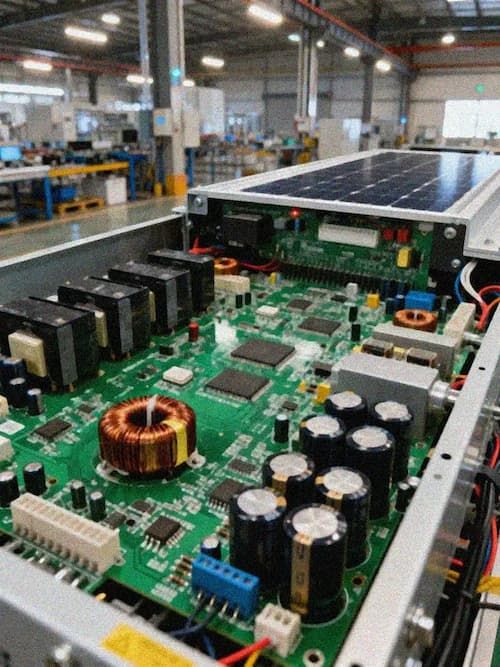
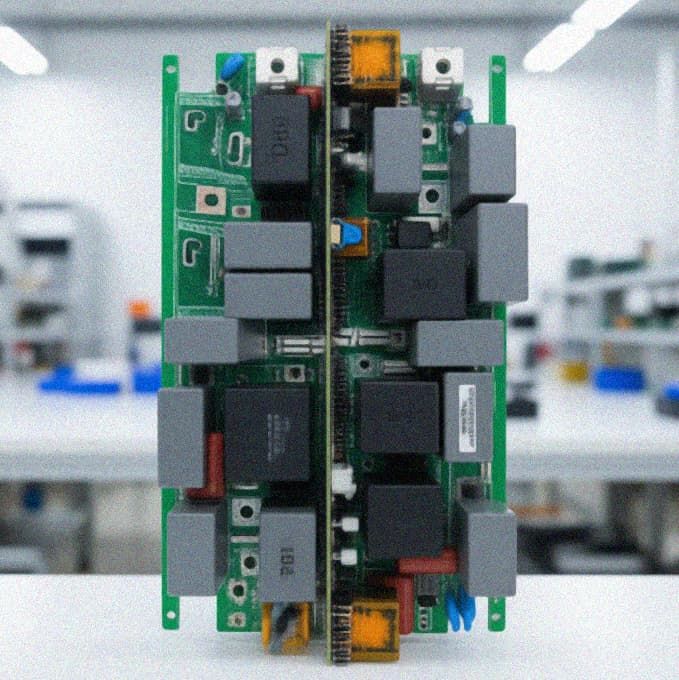
  • Module Separate Design: Adopting a dual-board architecture of "power board + control board," the power board focuses on power transmission and heat dissipation, while the control board focuses on signal processing, avoiding circuit interference and aligning with the core logic of Power electronics PCB design.
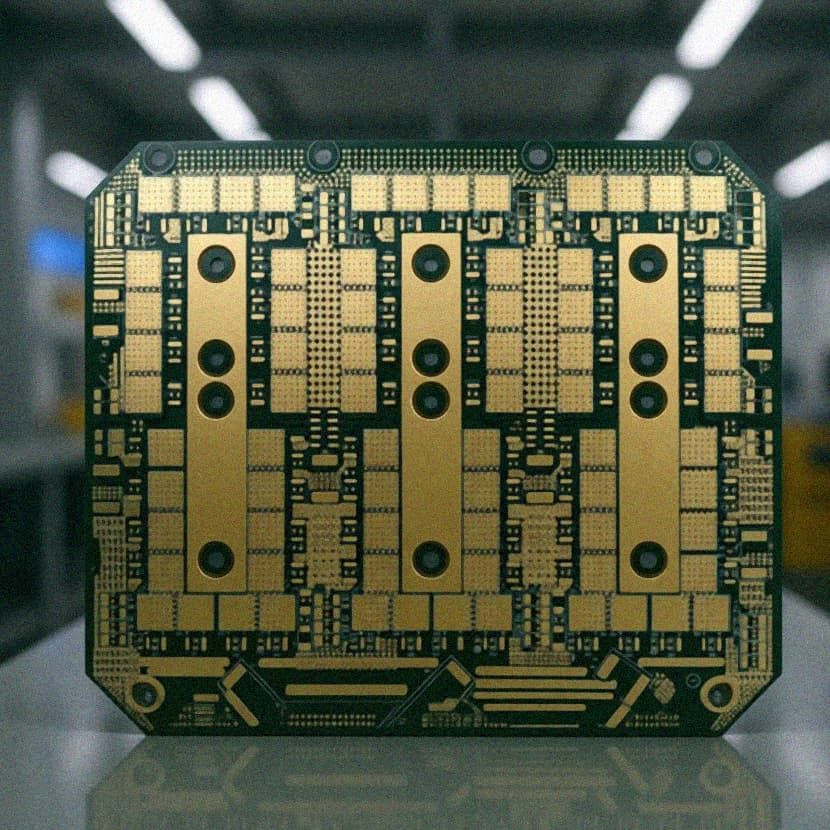
  • Heat Dissipation and Substrate Optimization: The power board uses 10OZ Ultra-heavy... Copper (ultra-thick copper) process (document 3, special process category), combined with high TG (Tg≥170℃) Shengyi S1000H substrate, improves high temperature resistance and thermal conductivity efficiency; surface ENIG (immersion gold) treatment enhances soldering reliability and corrosion resistance.
  • EMI/EMC Specific Optimization: Through differential pair wiring, impedance matching, and other signal integrity control technologies, combined with grounding shielding design, implement EMI/EMC PCB Design standards to ensure product compliance with automotive electromagnetic compatibility requirements.
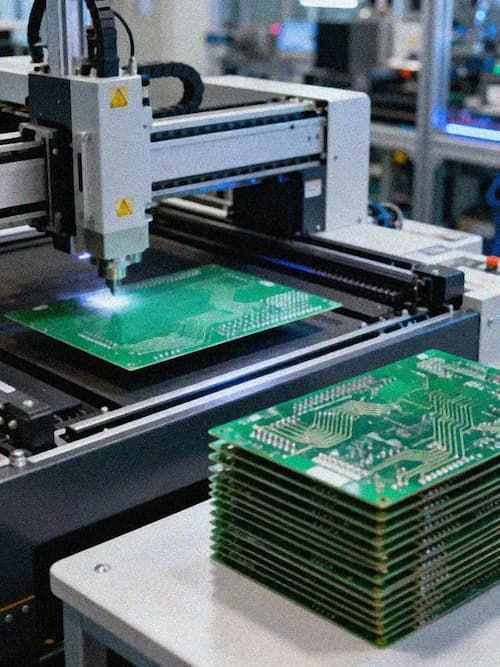
  • Manufacturability Upgrade: Provide customized DFM manufacturability solutions, relying on a 2368-rule library of DFM rules (document 1, core advantage) to proactively mitigate assembly risks; design dedicated tooling fixtures to fix components, optimize DIP assembly processes, and adapt to the high-efficiency mass production needs of PCBA Assembly Service.
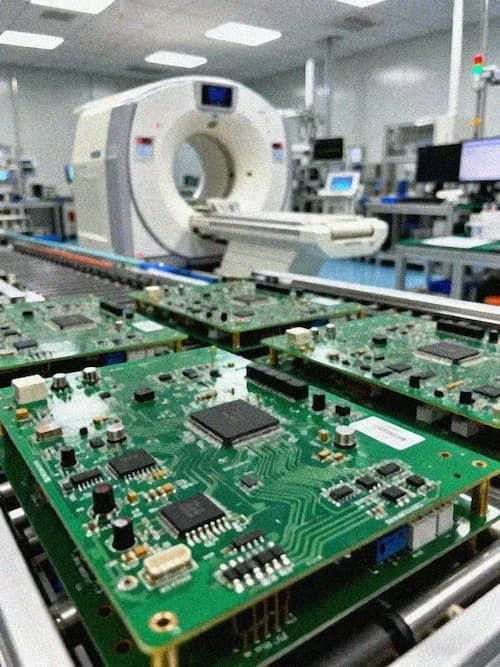
  • Full-Process Quality Control: Build a complete single-unit functional testing environment to achieve 100% FCT test coverage; provide full-dimensional failure analysis (RCA root cause analysis) for PCB, PCBA, and components, and output DFM improvement reports.
  • BOM Cost Optimization: Leveraging a library of 3.27 million certified materials, we conduct intelligent matching of multi-source alternative materials and implement domestic substitution solutions to balance cost and supply stability, fulfilling our BOM Optimization service.

Core Technical Parameter Table

Technical IndicatorsSpecific ParametersReference Basis
Product TypeAutomotive Battery Management PCBKeyword List + Application Scenarios
Substrate ModelShengyi S1000H (High TG, Tg≥170℃)Document 3 Material Parameters + Case 2 High Reliability Substrate Solution
Copper Thickness SpecificationPower Board 10OZ (Ultra-heavy copper)Document 3 Special Process (10-18OZ Ultra-thick Copper)
Line Width/Spacing4.0mil/4.0milDocument 3 PCB Basic Parameter Standards
Surface TreatmentENIG (Immersion Gold)Document 3 Surface Treatment Optimal Solution
Circuit LayersPower Board 8 Layers + Control Board 6 LayersDocument 3 Multi-layer Board Mass Production Capability (Up to 32 Layers)
Special ProcessesThick Copper Heat Dissipation Process, EMC Optimization, DFM Design for ManufacturabilityDocuments 1 & 3 Core Technology System
Testing Standards100% FCT Functional Testing, EMC Compliance Testing, High Voltage Insulation TestingDocument 1 Product Highlights + Quality Assurance System

Implementation Results

  • Cost Optimization: Through domestic BOM substitution and vertical integration, procurement costs are reduced by 17% (Document IPM Advantage range 15%-20%), resulting in a significant decrease in overall product costs.
  • Reliability Improvement: Product defect rate reduced by 50%, EMC pass rate reaches 98.5% (Document Core Advantage Data), fully adaptable to the complex electromagnetic environment and temperature and humidity fluctuations in automotive applications.
  • Mass Production Efficiency: DFM optimization reduces assembly defect rate by 48%, compressing the mass production cycle to 65% of the industry standard, facilitating rapid product deployment and installation. Risk Management: Comprehensive failure analysis and testing throughout the entire process proactively mitigates early design and manufacturing defects, reducing overall machine maintenance and rework costs by 40%.
Share To:
Trusted

Certifications & Standards

/
/
/
/
/
/
/
/