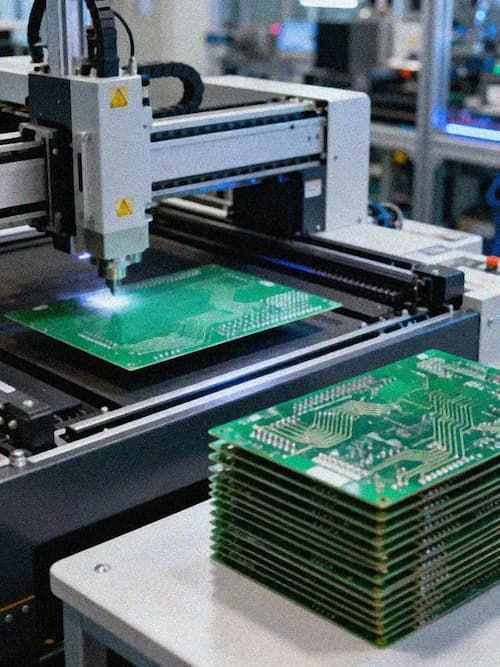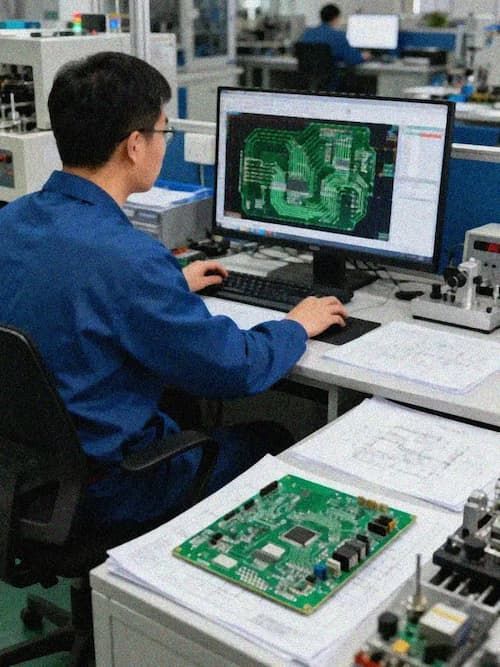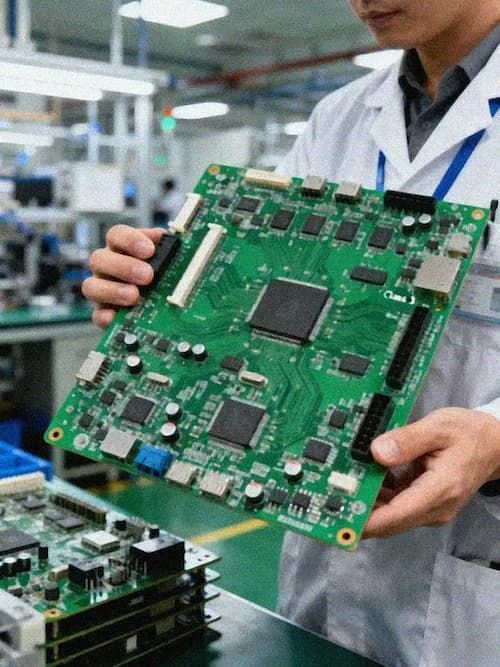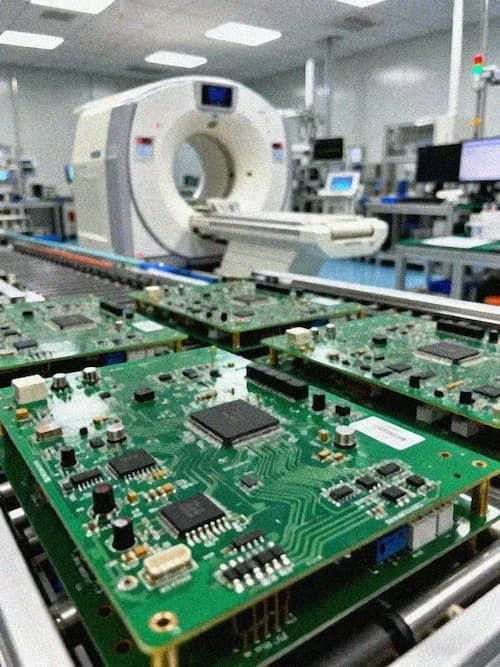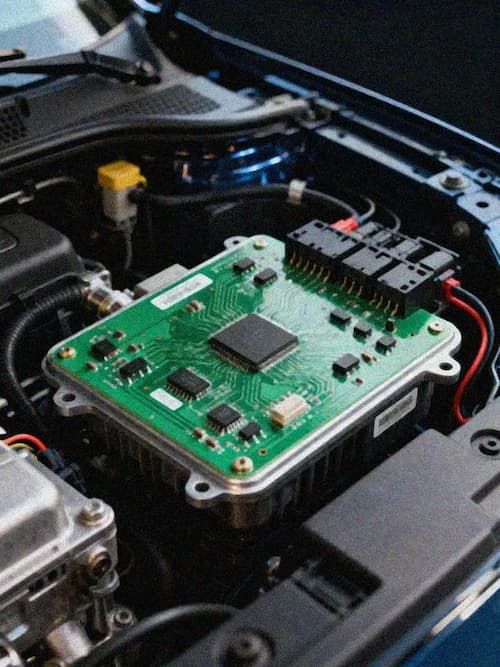
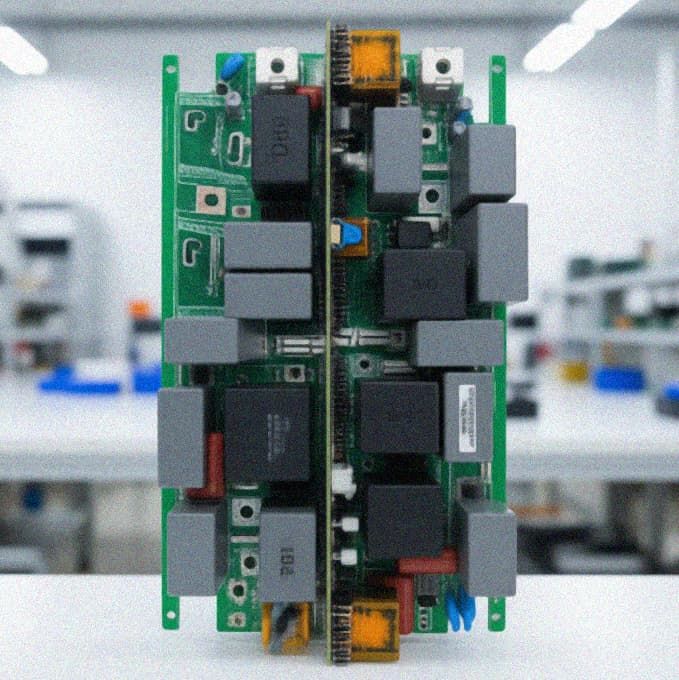
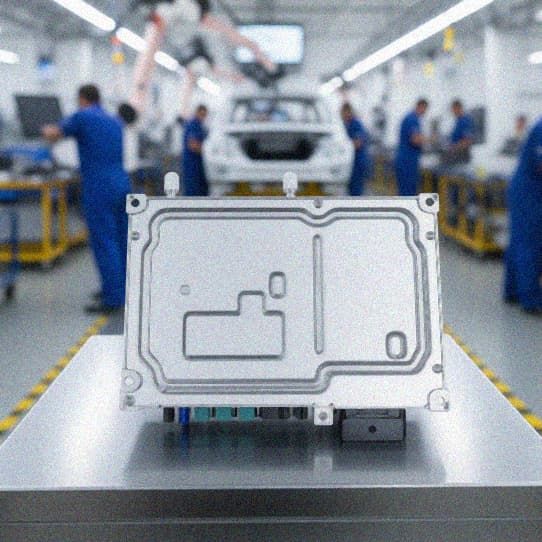









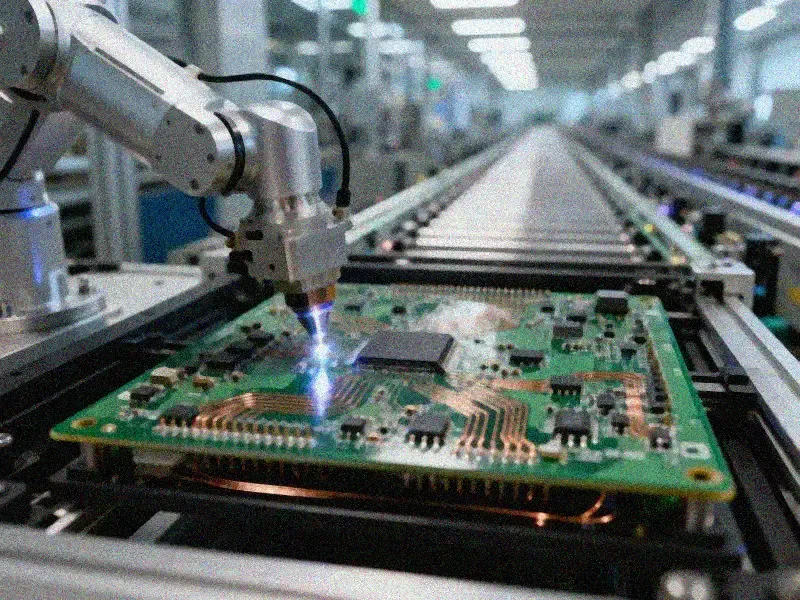
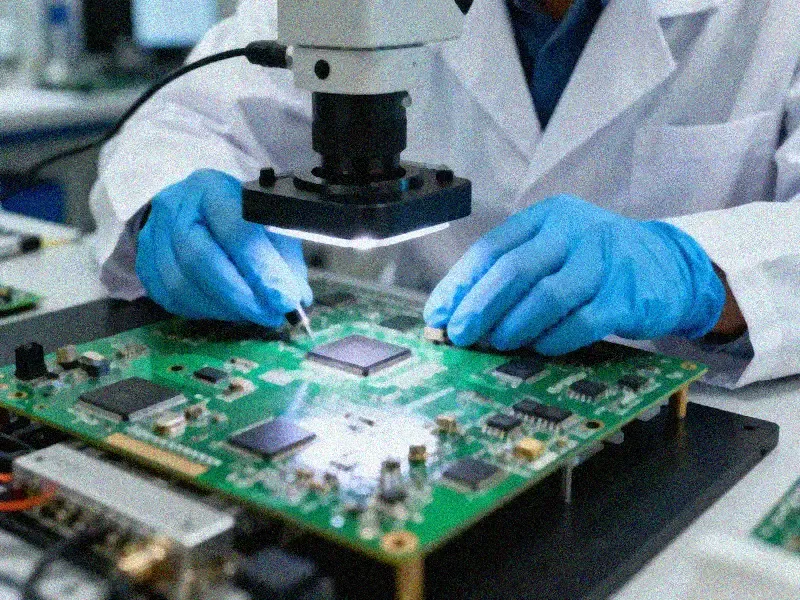
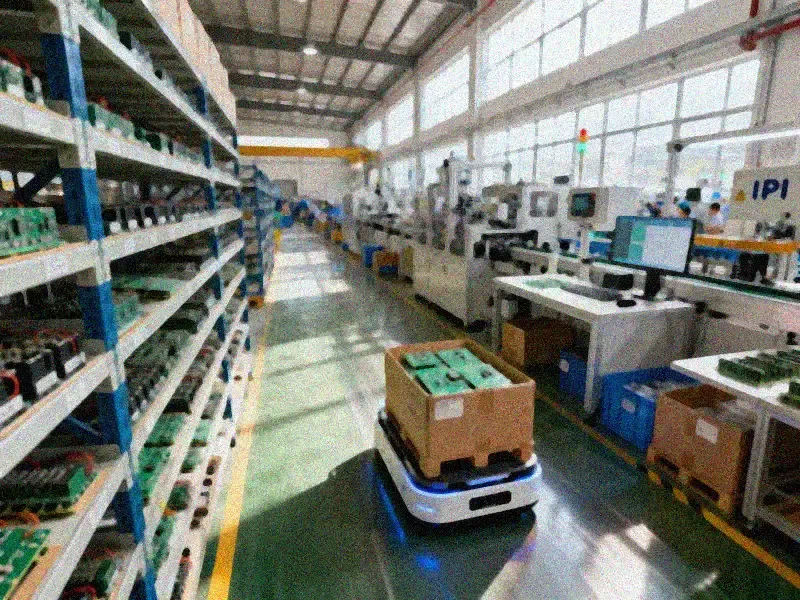







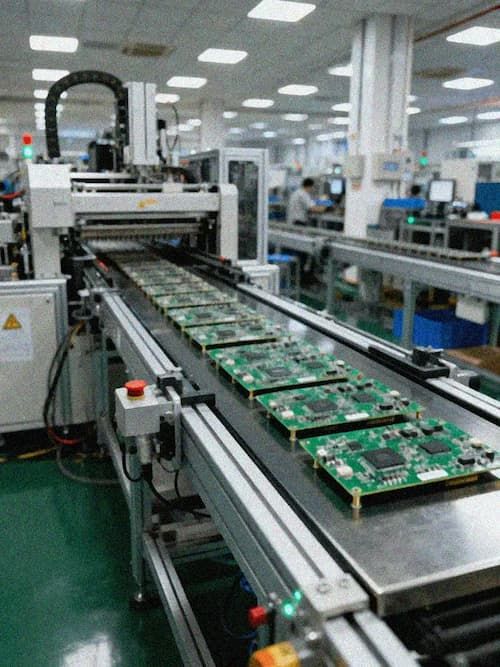
PCB board for automotive infotainment control panel.jpg

Automotive Infotainment Control Board

Overview

Automotive Infotainment Control Board (IPD Solution) | Intelligent Driving

Core Customer Needs

  • Complies with the automotive industry's IATF 16949:2016 certification standard, strictly adhering to the battery life and thermal management specifications of in-vehicle infotainment systems, and adaptable to a wide operating temperature range of -40℃ to 85℃.
  • Requires efficient processing of massive multimedia data, with stringent requirements for video encoding/decoding and image rendering capabilities, supporting multi-screen 联动 display and high-definition image output.
  • Possesses high reliability and anti-interference capabilities, meeting EMC (electromagnetic compatibility) requirements for automotive scenarios, ensuring data transmission stability under complex road conditions.
  • Supports multi-interface expansion and high-speed interconnection, requiring compatibility with common automotive peripherals (cameras, storage devices, sensors) and network communication protocols.
  • Controls hardware R&D costs, shortens product launch cycles, and requires the solution to have modular reusability and rapid iteration capabilities.

Core IPD Solution

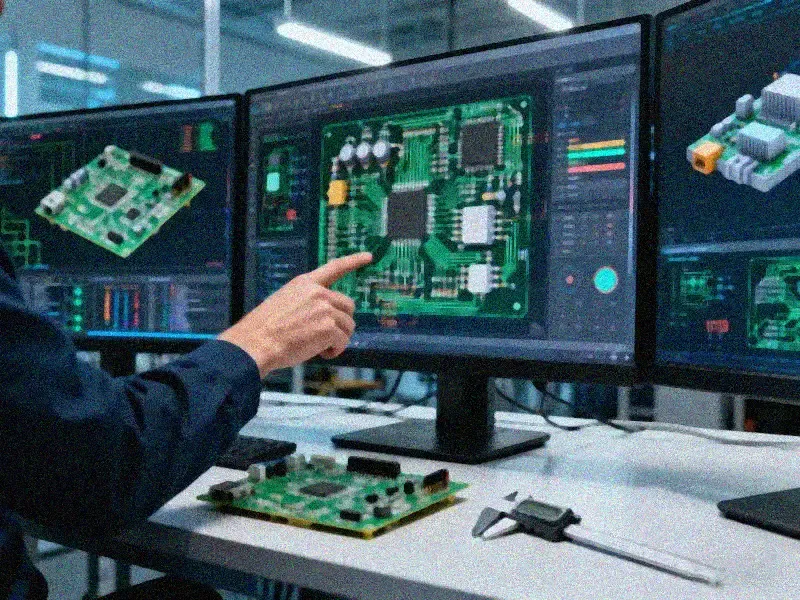
Based on the entire Integrated Product Design (IPD) technology chain, integrating AI embedded system PCB design, High-speed PCB Design, and EMI/EMC PCB Design and other key technologies are used to create an in-vehicle infotainment control board solution adapted to intelligent driving scenarios:

  • Chip Platform Selection: Utilizing an automotive-grade NXP i.MX8QM multi-core processor (ARM Cortex-A53+A72 architecture), paired with a GPU platform (NVIDIA Jetson Xavier NX), featuring a 12-core CPU and 21 TOPS computing power, supporting low-power dynamic adjustment mode.
  • Core Technology Integration:
    • Low-Power Design: Employing multi-power domain management and Dynamic Voltage Frequency Scaling (DVFS) technology, combined with PCB heat dissipation optimization (adding heat dissipation holes, copper fill layout, and partitioned design for heat-generating components).
    • Multimedia Processing: Integrating hardware video codecs (supporting 8K@30FPS HDMI output, 1080P AI intelligent encoding), dual image processors, and multi-sensor collaborative technology for efficient processing of audio and video data.
    • Security Protection: Supporting national cryptographic SM2/3/4 encryption and decryption algorithms, with a built-in TrustZone security environment and SKE symmetric encryption engine to ensure secure in-vehicle data transmission.
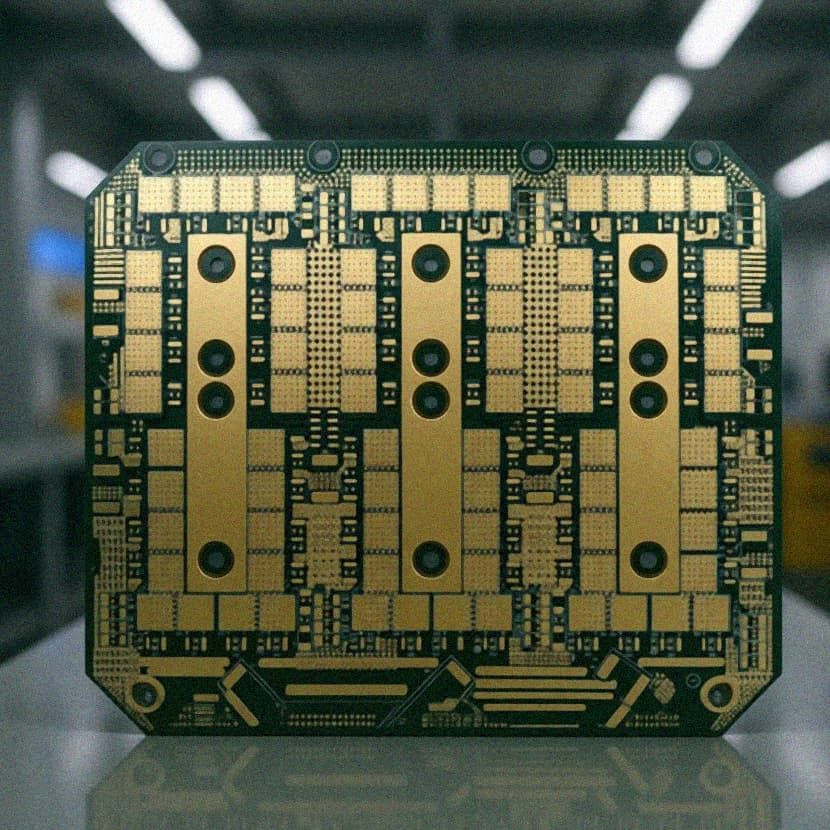
    • Anti-interference optimization: Signal integrity is improved through differential pair routing and impedance matching design. The PCB adopts an immersion gold surface treatment process to enhance corrosion resistance and soldering reliability.
    • Interface expansion capabilities: Compatible with dual-channel Gigabit Ethernet (100M/1000M adaptive), WiFi 6+5G full network compatibility, high-speed USB 3.2, multi-channel CAN/LIN bus, 4-channel HD camera interface (MIPI CSI), and storage expansion interface (eMMC 5.1/SD 4.0).

Core Parameter Specification Table

ItemSpecific Parameters
Chip platformNXP i.MX8QM (ARM Cortex-A53+A72) + NVIDIA Jetson Xavier NX
Core computing power21 TOPS (supports AI intelligent encoding and image optimization)
Video processingSupports 8K@30FPS HDMI output, 1080P video encoding/decoding (H.264/H.265/VP9)
Power consumptionTypical power consumption 8W, reduced to 3.5W in low-power mode
Interface configurationDual Gigabit Ethernet, WiFi 6, 5G full network compatibility, USB 3.2×4, CAN/LIN bus×2, MIPI CSI×4
PCB design12-layer HDI board (Anylayer interconnection), trace width/spacing 3.0mil/3.0mil, immersion gold surface treatment
Operating environmentTemperature: -40℃~85℃, Humidity: 10%~90% (non-condensing)
Compliance certificationsIATF16949:2016, EMC (ISO 11452), RoHS, AEO certification
Modular reusability68% (35% higher than the industry average)

Core Advantages of the Solution

  • Technology Adaptability: Deeply aligned with the needs of Automotive infotainment PCB manufacturers, the PCB design meets high reliability standards for automotive applications, achieving a 98.5% EMC pass rate.
  • Cost Reduction and Efficiency Improvement: Leveraging a library of 3.27 million certified components and BOM optimization services, it achieves domestic substitution of common components, reducing procurement costs by 15%-20%; modular design compresses the development cycle to 60% of the industry average.
  • Performance Assurance: Reliability verification by CNAS/CMA accredited laboratories, including high and low temperature cycling, vibration, and salt spray testing, with a product defect rate controlled below 0.5%.
  • Safety and Compliance: The entire process adheres to automotive industry standards, supporting the ISO 26262 functional safety standard and meeting automotive data security and privacy protection requirements.
  • Flexible Expansion: Based on an IPD modular architecture, it can quickly adapt to different vehicle models' screen counts, peripheral interfaces, and functional requirements, increasing the solution success rate by 35%.

Implementation Results

  • Development Cycle: 30% shorter than conventional industry solutions, helping customers accelerate product launch by 2 times.
  • Performance: Video processing latency ≤20ms, data transmission rate up to 1Gbps, smooth multi-screen interaction.
  • Power Consumption Control: 25% lower than traditional solutions, fully meeting automotive battery life requirements.
  • Reliability: Stable operation in harsh automotive environments such as high temperature and vibration, reducing overall maintenance and rework costs by 40%.
  • Market Feedback: The solution has been successfully applied to multiple intelligent driving companies, achieving large-scale mass production delivery through AI Hardware Solution and Integrated Product Design & Manufacturing (IPDM) capabilities.
Share To:
Trusted

Certifications & Standards

/
/
/
/
/
/
/
/