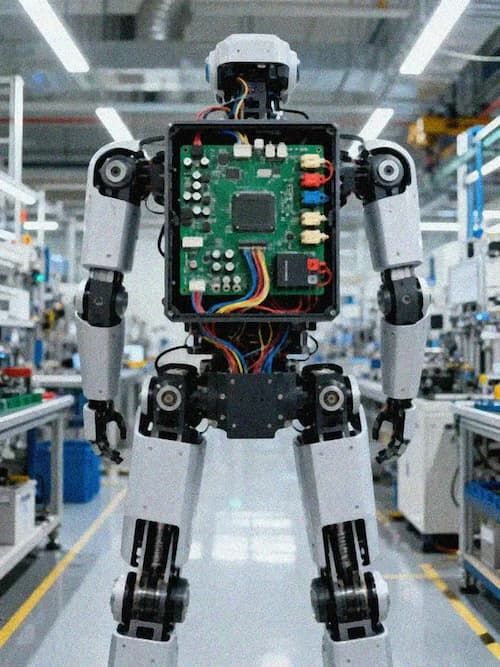
In the AIoT & Robot Components Manufacturing field, the stability of intelligent robot component PCBs directly determines the success rate and safety margins of terminal devices. As the complexity and integration of humanoid robots, intelligent lawnmowers, and medical AI devices continue to increase, traditional consumer electronics-level PCB designs can no longer meet the long-term stability requirements under harsh operating conditions. A single failure often means mission failure, huge losses, or even personal injury. Therefore, building a PCB reliability assurance system covering the entire lifecycle has become an industry consensus.
The Cornerstone of Reliability in the Design Phase: AI Computing PCB Design and Material Selection
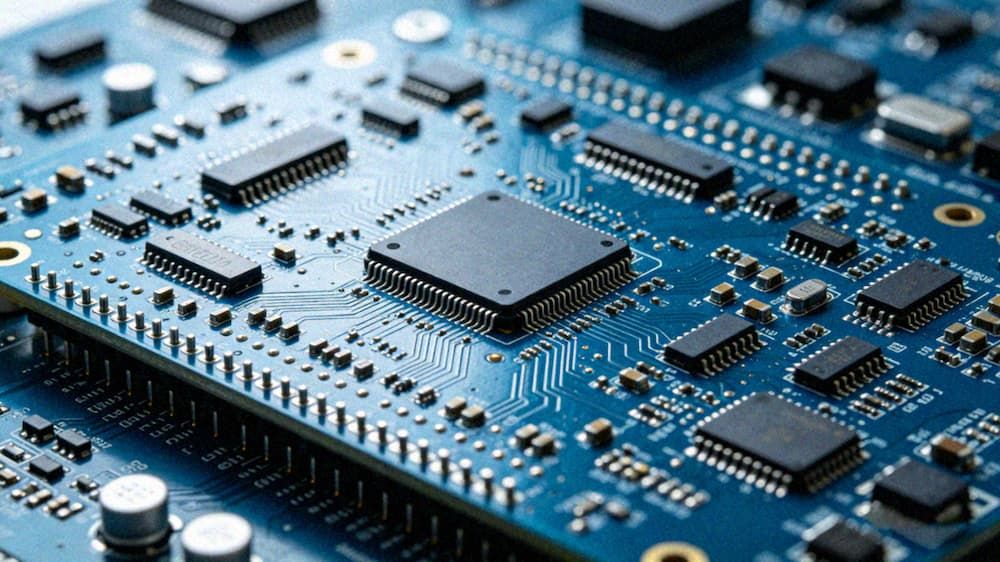
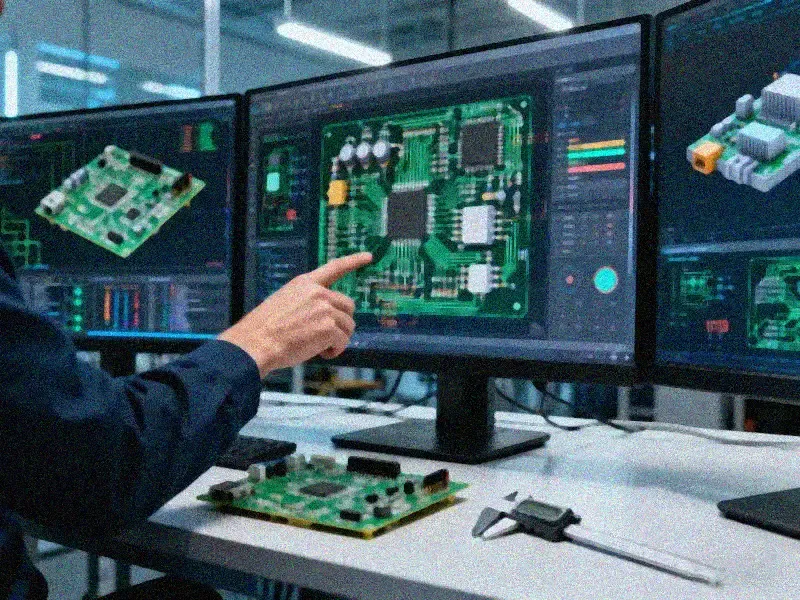
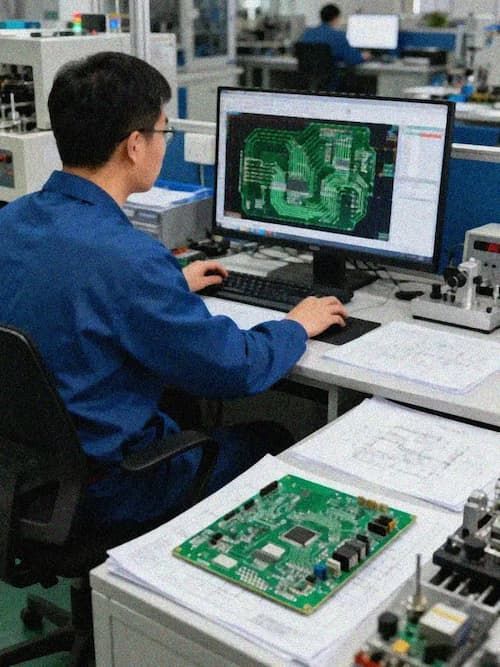
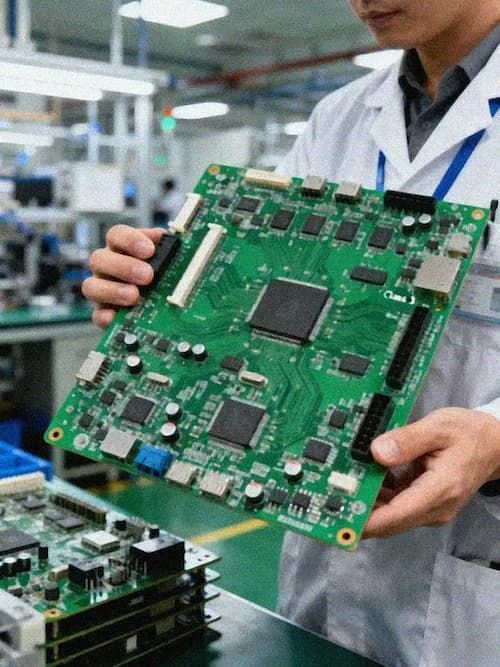
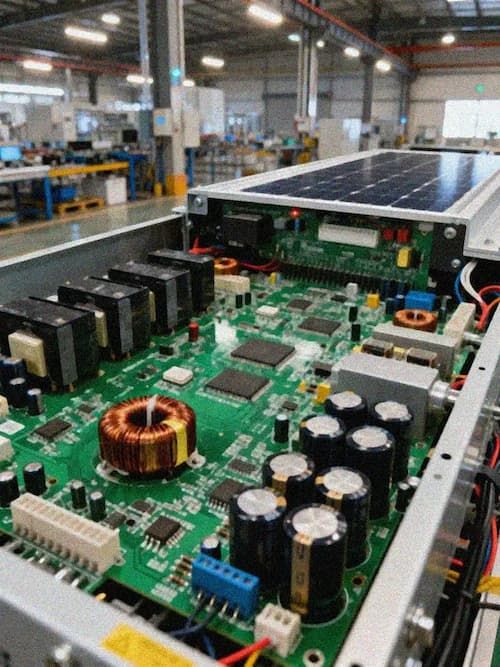
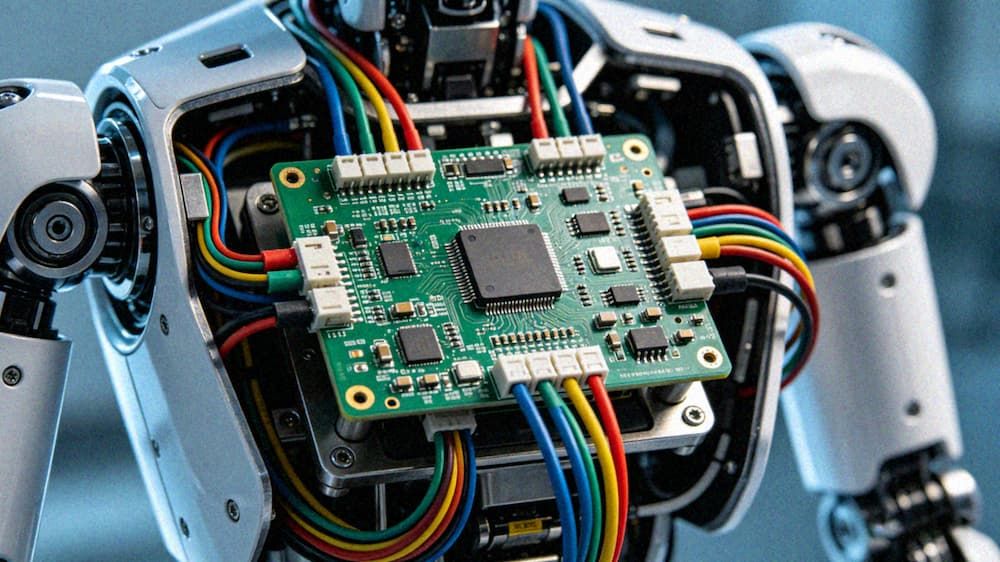
Reliability design is not a post-hoc remedy, but begins with the top-level architecture. In the AI computing PCB design stage, a multi-dimensional evaluation of material principles, materials, processes, structures, electrical characteristics, failure modes, and mechanisms is required based on the application scenario. Taking an AI main control system as an example, the substrate used is S1000H, a material with excellent electrical properties, mechanical strength, and heat resistance. The board thickness is set at 1.6mm, employing a 6-layer structure design with a 10Z copper thickness to meet stringent requirements for current carrying capacity and signal transmission. Line width and spacing are both set at 6mm to ensure sufficient electrical isolation. For high-computing demands, such as a high-performance AI smart terminal controller based on the NVIDIA Jetson AGX Orin module, featuring a 1792-core GPU and AI computing power of up to 200 TOPS, its PCB layout must fully consider conductive passive heat dissipation design to ensure excellent heat dissipation capabilities.
For high-density interconnect requirements, HDI PCB and Flex PCB technologies are widely used. In the humanoid robot product matrix, rigid-flex PCBs, rigid-flex PCBs with buried vias, and rigid-flex PCBs with gold finger reinforcement are used for intelligent main control boards and joint drive boards to achieve 3D assembly and micro-packaging. The core control component, equivalent to the robot's "brain," employs a high-performance microprocessor or microcontroller, such as the STM32H723VGT6 chip, and features abundant interfaces for connecting other sensors, actuators, and expansion modules. Simultaneously, signal integrity control reduces signal interference and reflections through reasonable wiring design (such as differential pair wiring and impedance matching), ensuring stable signal transmission.
Process and Manufacturing Control: Controlled PCB Fabrication Process
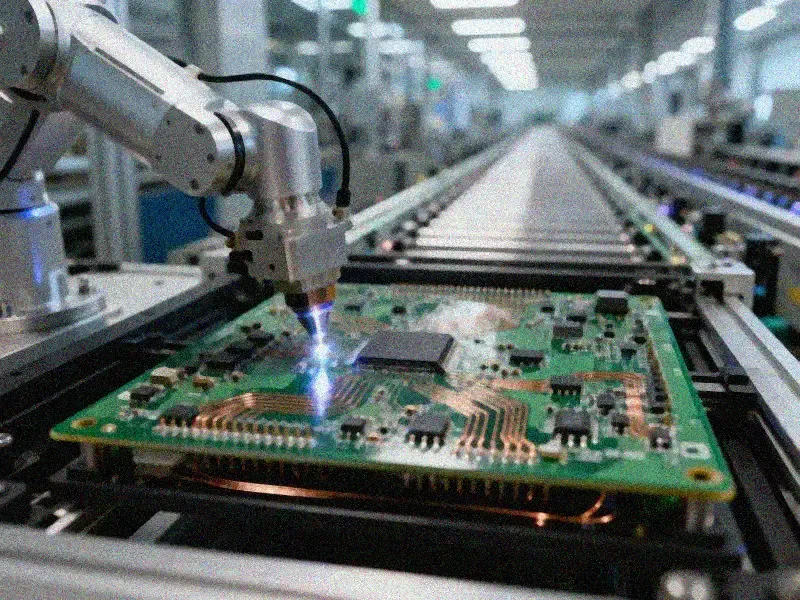
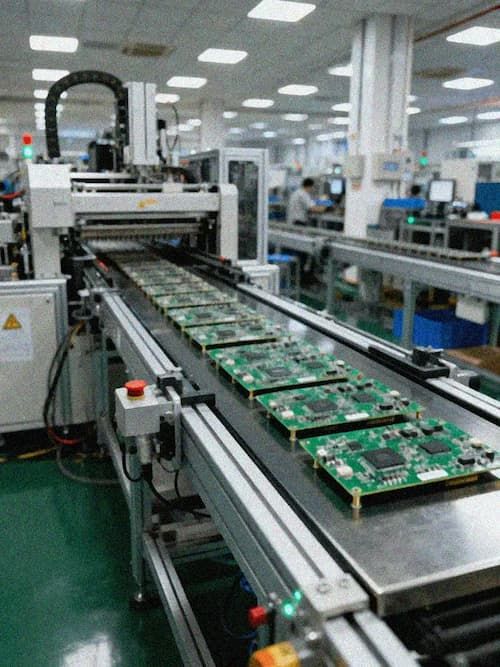
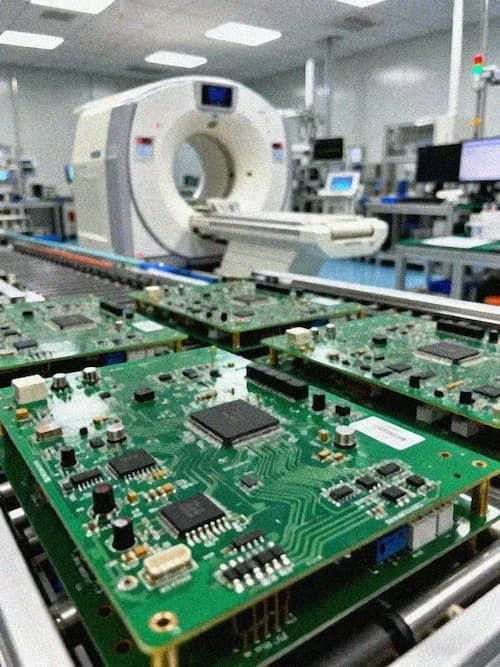
The stability of the manufacturing process is the physical foundation for PCB reliability. In the PCB fabrication stage, comprehensive and standardized process design guidelines, material selection and control systems, and quality evaluation systems are established, encompassing process design, material selection and control, process implementation, quality evaluation, and organizational management. This significantly improves the technical and organizational capabilities for process reliability, reducing the product's process failure rate. Process reliability covers key nodes such as component molding, reflow soldering, printing, testing, and depaneling.
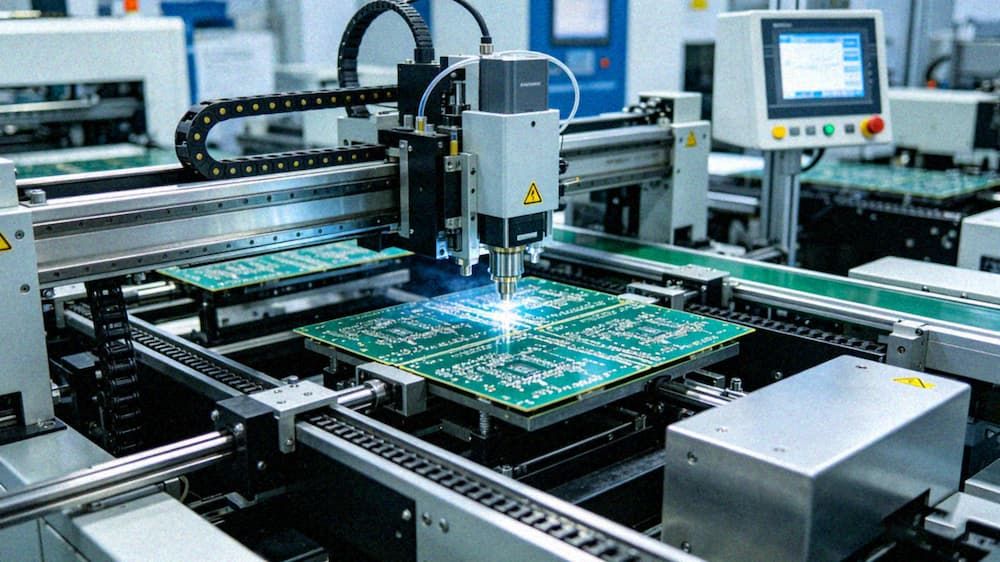
To ensure manufacturing quality, the production system must be certified to ISO9001, IATF16949, and ISO13485, and operate 24/7. For PCBs used in intelligent robot components, the smallest package size can reach 0201 (0.6mm0.3mm) or even 01005 (0.3mm0.2mm), and the mounting accuracy of BGA, FCAA, POP, and other components must reach 0.5 pitch. During the PCB prototyping stage, component and product reliability testing is conducted using online SPI and 3D-AOI methods. High-reliability surface treatment processes, such as immersion gold, immersion tin, or OSP, are used to improve soldering reliability and corrosion resistance. For specialized fields such as Medical AI PCB design, even more stringent cleanliness and biocompatibility requirements must be met.
Testing and Verification System: Environmental Stress and Failure Analysis
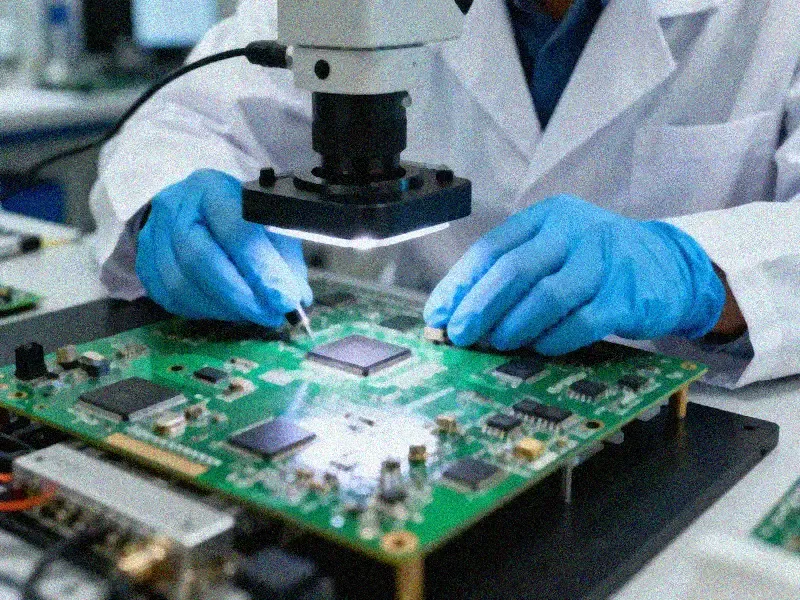
The verification phase is the last line of defense for reliability assurance. By analyzing the external environmental stress during product testing, we identify reliability-sensitive stresses during product use and provide customers with environmental reliability, mechanical reliability, and electrical reliability testing services (including component screening). Reliability testing equipment includes aging chambers, constant temperature and humidity chambers, thermal shock chambers, rapid temperature change chambers, salt spray chambers, vibration chambers, drop testers, CAF testers, insulation resistance testers, and withstand voltage testers.
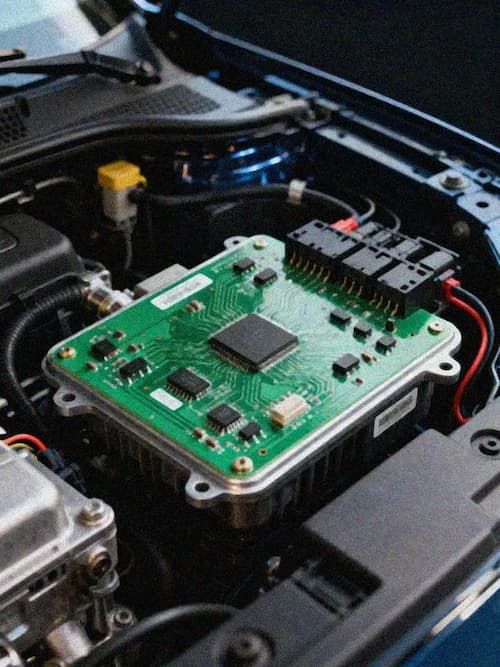
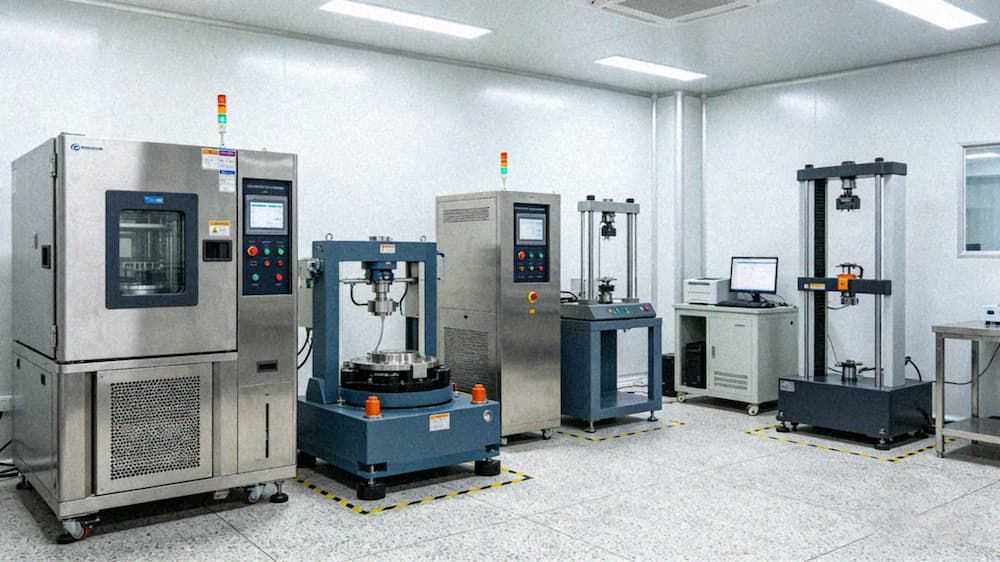 Using failure mechanism analysis, testing, and mechanism verification, we identify the root cause (RCA) behind the failure and provide customers with PCB, component, PCBA, and product failure analysis services. We propose targeted rectification and preventative measures. For example, in the case of the intelligent lawnmower's main control system, the core board is equipped with a high-efficiency heatsink to effectively reduce the chip's temperature during operation. It uses the Horizon Solar X3 processor, supporting software-level frequency control to ensure the lawnmower's stability and control. For AI server PCB manufacturers, long MTBF (Mean Time Between Failures) is a key performance indicator, enabling the deployment of AI computing power for deep learning at the application level.
Reliability Indicators Summary Table
| Indicator Category | Specific Parameters/Descriptions | Remarks |
|---|
| Design Life | Ultra-long MTBF Stable Operation | Based on KB-BOX-AGX01 Case |
| Operating Temperature | Excellent Heat Dissipation Capacity | Conductive Passive Heat Dissipation Design |
| Material Specifications | S1000H Substrate, 1.6mm Thickness, 6-Layer Structure | AI Main Control System Case |
| Current Bearing | 10Z Copper Thickness | Meets High Current Requirements |
| Electrical Isolation | 6mm Line Width and Spacing | Ensures High Voltage Isolation |
| Certification System | ISO9001, IATF16949, ISO13485 | Quality Certificates and Standards System |
Accelerated Test Equivalence Table
| Test Type | Test Equipment (Based on KB) | Equivalence Explanation |
|---|
| Temperature Cycling | Thermal Shock Chamber, Rapid Temperature Change Chamber | Simulates on-site temperature fluctuation stress, assesses lifespan based on industry practice |
| Damp Heat Aging | Aged Constant Temperature and Humidity Chamber | Assesss insulation resistance and CAF risk, equivalent to a humid on-site environment |
| Mechanical Stress | Vibration Machine, Drop Tester | Simulates transportation and operational vibration, verifies structural strength |
| Corrosion Testing | Salt Spray Chamber | Assess surface treatment corrosion resistance, equivalent to a harsh atmospheric environment |
| Electrical Stress | Withstand Voltage Tester, Insulation Resistance Tester | Verifies electrical clearance and creepage distance safety |
Ruggedization Technology Selection Table
| Ruggedization Technology | Applicable Scenarios | Performance Characteristics | Cost Assessment |
|---|
| Rigid-Flexible Plate | Robot Joints, Confined Spaces | 3D Assembly, Miniature Packaging, High Reliability | High |
| High Heat Dissipation Plate | AI Computing Module, Power Board | Conductive Passive Heat Dissipation, Reduces Chip Temperature | Medium |
| Thick Copper Printed Board | Power Supply Layer, High Current | Copper Thickness ≥10 OZ, High Power Output | Medium |
| Proof Coating | Outdoor Robots, Agricultural and Livestock Inspection | Corrosion Resistance, Insulation Protection (Immersion Gold/OSP) | Low |
| Potting Protection | High Vibration Environment, Driver Board | High Mechanical Strength, Good Shock Resistance | Medium |
Conclusion
Ensuring the reliability of intelligent robot component PCBs is a systematic project that needs to be implemented throughout the entire process of design, manufacturing, and testing. IPDM's one-stop solution covers the entire chain from design to manufacturing, providing BOM optimization, component procurement and management, and a one-stop solution for R&D and production needs. Whether in general scenarios in AIoT & Robot Components Manufacturing or in special fields such as Medical AI PCB design, it is necessary to adhere to a dual-axis drive of market and technology to build a structured technical system. Only by embedding the concept of AI robot PCB reliability into every aspect can we provide a solid "hardcore foundation" for future technological life.