Overview
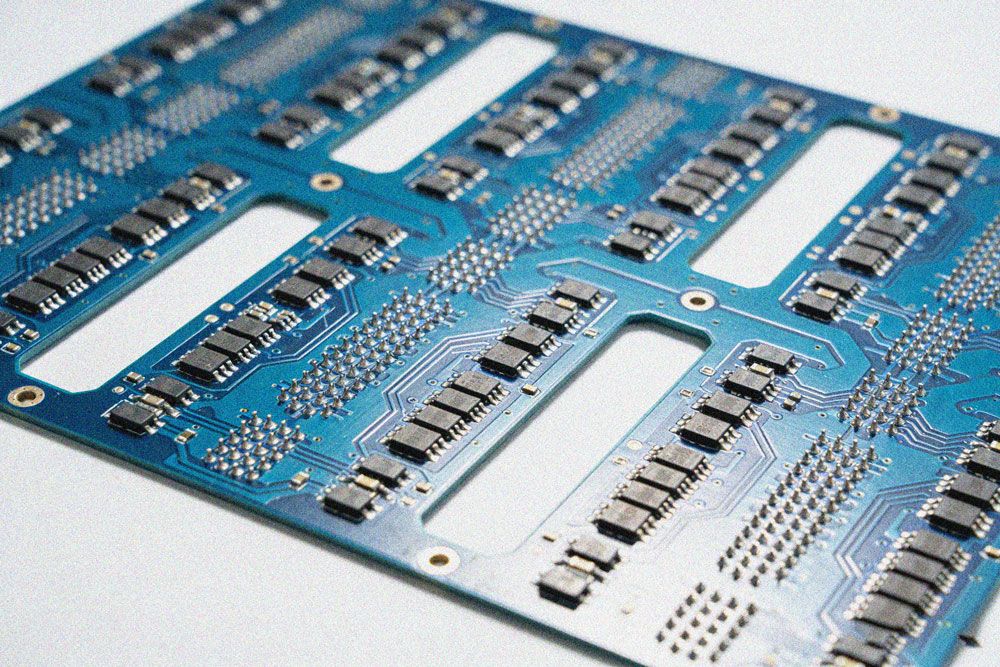
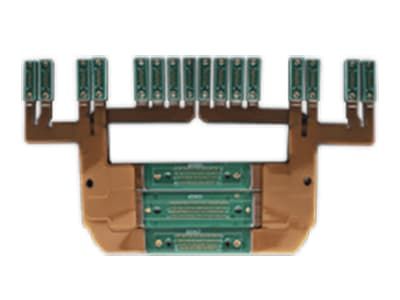
Flex PCB (flexible printed circuit board) is a high-performance interconnect solution built on flexible insulating substrates, designed to address the growing demand for compact, lightweight, and form-factor adaptive electronic systems. As consumer electronics, 5G communication, automotive electronics, and medical device sectors continue to push for higher integration and more complex product designs, traditional rigid PCBs can no longer meet the requirements of three-dimensional assembly, space reduction, and dynamic bending scenarios. Modern flex PCB solutions combine high-density routing capabilities, excellent signal integrity, and long-term mechanical fatigue resistance, supporting both static installation in compact devices and dynamic bending applications that require repeated flexing during use. These circuits can be folded, twisted, and bent to fit the internal structure of electronic products, reducing overall assembly volume by up to 60% compared to rigid PCB solutions, while improving system reliability by eliminating redundant wiring and connector points. For high-speed and high-frequency application scenarios, flex PCBs can be configured with specialized high-frequency substrates and optimized stackup designs to support high-bandwidth signal transmission with minimal loss.
Technical Capabilities
Our flex PCB manufacturing capabilities cover a wide range of specifications to meet diverse project requirements across industries:
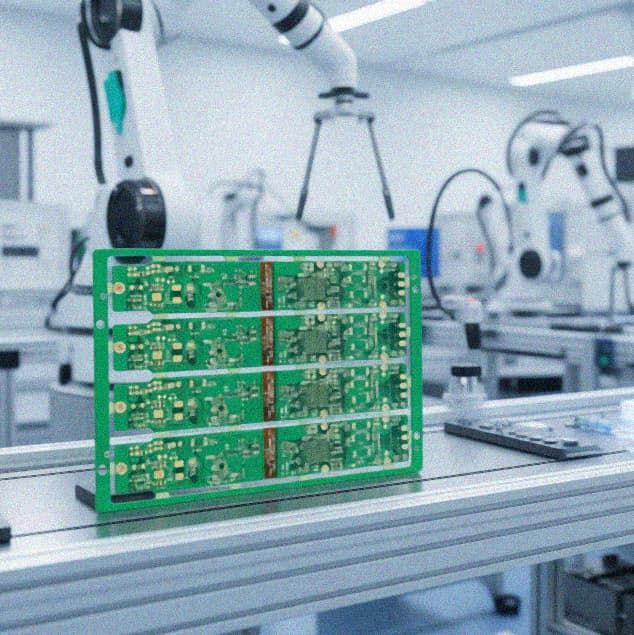
- Multi-Layer Stackup Support: Supports up to 12 independent flex layers, with rigid-flex combined stackup total layers up to 20, adapting to complex high-density routing requirements for mixed-signal and high-speed systems. Layer configurations can be customized to integrate independent ground planes, signal layers, and power layers for optimal interference shielding.
- High-Speed Transmission Performance: Delivers maximum transmission speeds up to 112Gbps, compatible with 5G couplers, millimeter-wave radar modules, and high-speed optical module signal transmission requirements, minimizing signal attenuation, crosstalk, and reflection loss.
- Large Format Manufacturing: Supports single and double-sided flex PCB production up to 2000mm x 200mm in size, suitable for long-length interconnect applications such as mini-LED backlight strips, industrial sensor arrays, and linear lighting systems.
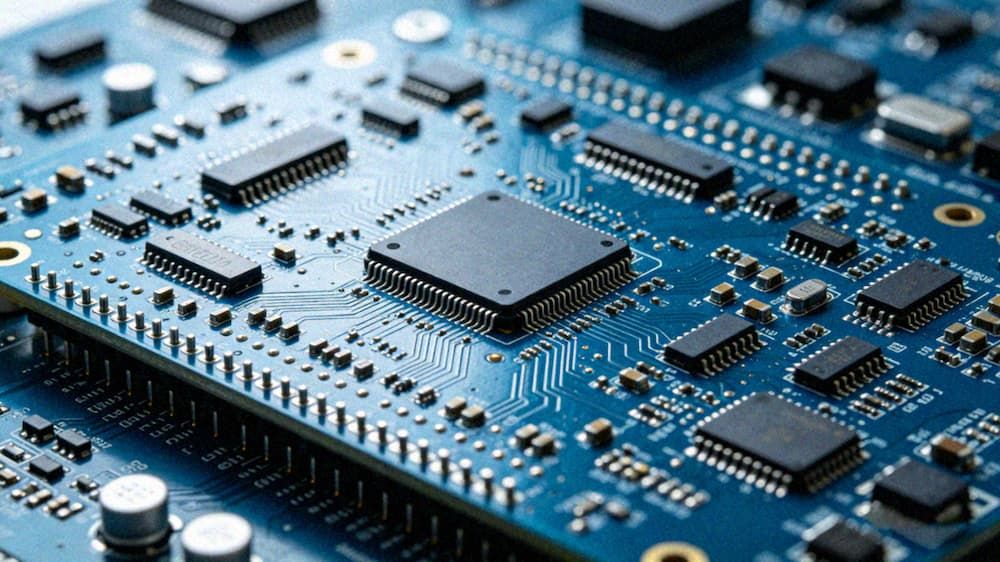
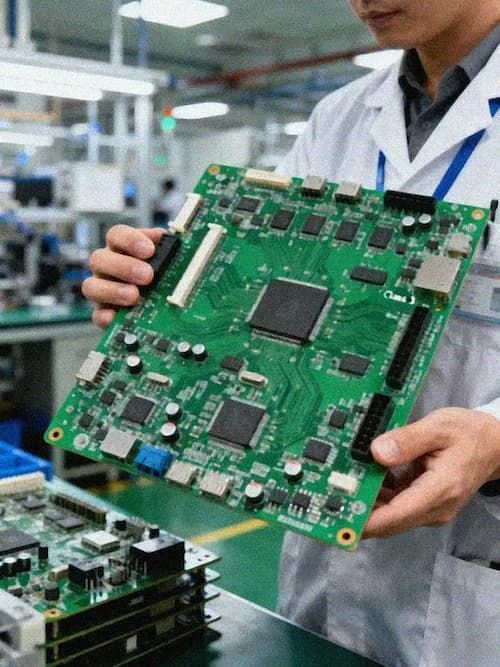
- High-Precision Fabrication: Supports ultra-fine trace width/space specifications, minimum 0.5 pitch component placement, and compatibility with 01005 (0.3mm x 0.2mm) ultra-small SMD packages, enabling high-density component mounting for compact wearable and medical devices. Double-sided assembly supports component heights up to 25mm, adapting to mixed component type requirements.
- Material Compatibility: Works with a wide range of substrate materials including PI, modified PI, PTFE, and high-frequency hybrid laminates, adapting to high-temperature, high-frequency, and flexible fatigue resistance requirements. Pure PTFE substrate options are available for millimeter-wave and high-frequency 5G applications.
- Thickness Flexibility: Supports finished flex PCB thickness from 0.5mm to 3mm, with custom thin-profile options below 0.5mm available for ultra-compact applications, and thickened configurations up to 6mm for high-strength, high-current use cases.
Quality Standards
All flex PCB production processes follow strict international industry standards, with multi-stage quality control to ensure consistent performance and reliability:
- Impedance Control Accuracy: Achieves ±5% impedance control tolerance for 90Ω, 100Ω, and custom differential impedance requirements, ensuring stable signal transmission for high-speed interfaces including MIPI, PCIe, and SerDes.
- Reliability Testing Compliance: Undergoes rigorous reliability testing including flex cycle testing (up to 10,000 bending cycles for dynamic applications), thermal shock testing between -40℃ and +85℃, humidity resistance testing, and solderability testing, ensuring long-term stable operation in harsh environments.
- Regulatory Compliance: Full compliance with RoHS, REACH, and other global environmental and safety regulations, with material traceability across the entire production chain to meet industry-specific access requirements for automotive, medical, and aerospace sectors.
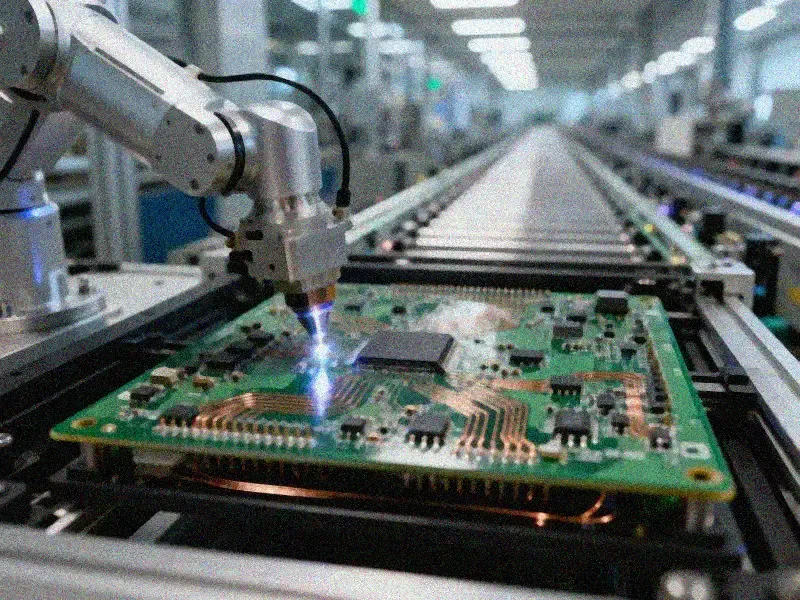
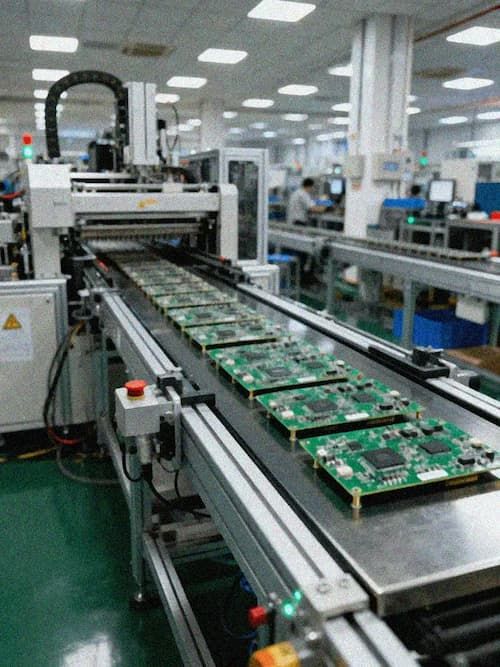
- Dimensional Accuracy Control: Strict control of board dimensional tolerances, mark point placement accuracy, and component position deviation, ensuring compatibility with automated SMT assembly processes and reducing assembly error rates.
Applications
Flex PCB solutions are widely used across high-growth electronic sectors, including but not limited to:
- 5G Communication Equipment: Used in 5G couplers, millimeter-wave radar modules, high-speed optical modules, and base station antenna interconnects, supporting high-frequency and high-speed signal transmission requirements for 5G network infrastructure.
- Automotive Electronics: Applied in autonomous driving perception systems, smart cockpit display interconnects, battery management systems, and in-vehicle sensor wiring, offering high vibration resistance and wide temperature adaptability for complex automotive operating conditions.
- Consumer Electronics: Used in foldable smartphones, wearable devices, laptop display hinges, mini-LED backlight panels, and camera module interconnects, enabling compact form factors and flexible assembly for portable consumer products.
- Medical Devices: Applied in portable diagnostic equipment, implantable medical sensors, and surgical robotic interconnection systems, meeting biocompatibility and miniaturization requirements for clinical and consumer medical products.
- Industrial Equipment: Used in industrial robot wiring, industrial control sensor arrays, and aerospace avionics systems, offering high mechanical fatigue resistance and stable operation in harsh industrial and aerospace environments.
Key Advantages
Our flex PCB solutions offer distinct value for B2B customers across different project scales:
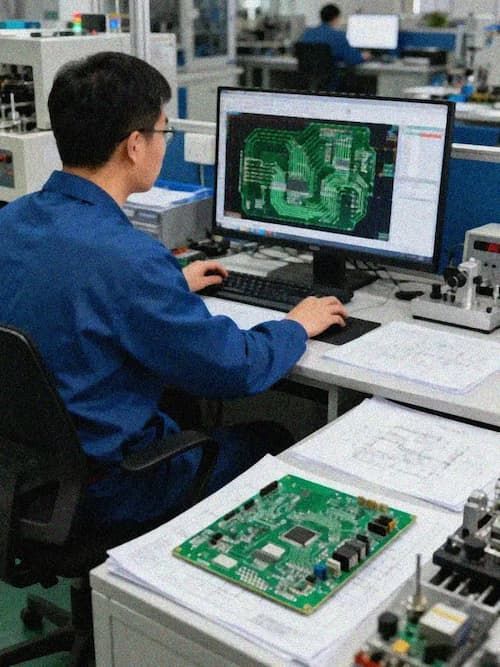
- Customized Configuration Support: Offers fully customized flex PCB design and manufacturing services, including custom stackups, material selection, surface finish options, and bending resistance tuning, adapting to unique project requirements across different industries.
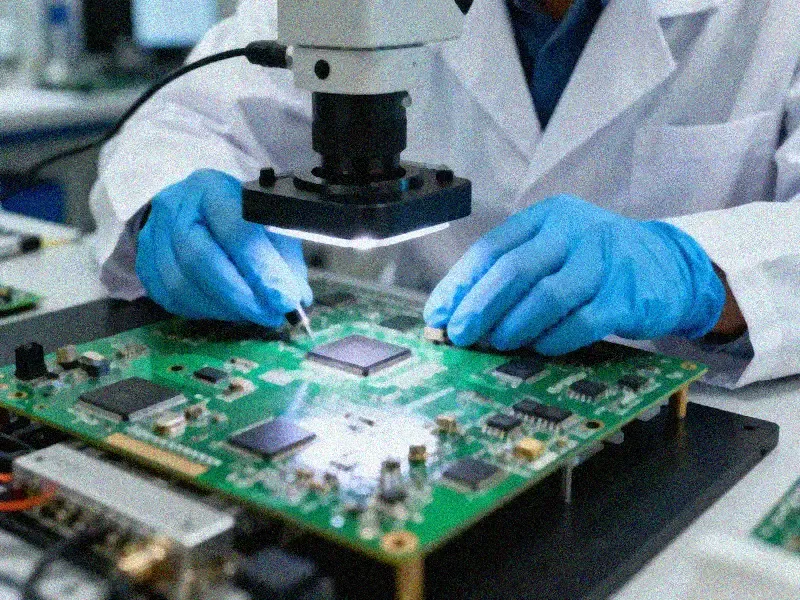
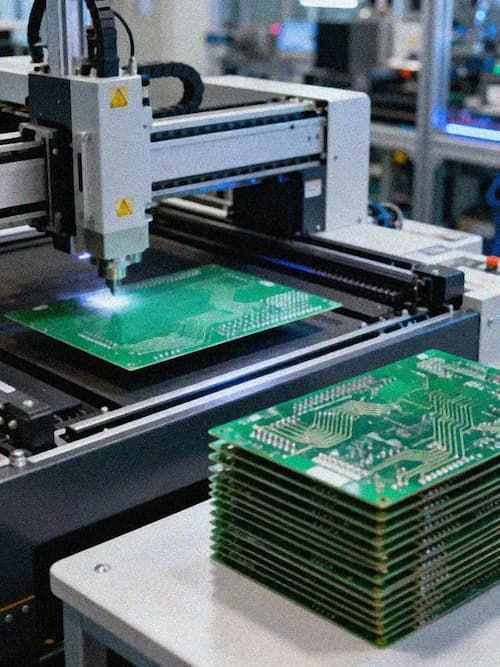
- High Yield Rate: Leverages advanced production processes including laser drilling, LDI laser direct imaging, and X-ray non-destructive testing, ensuring high yield rates even for complex high-density flex PCB designs with micro-vias and fine trace specifications.
- Full Lifecycle Support: Covers services from prototype design and small-batch verification to large-scale mass production and PCBA assembly, reducing cross-stage communication costs and shortening product time-to-market by up to 30% compared to split vendor solutions.
- Cost Optimization: Balances performance and cost through material selection and process optimization, delivering cost-effective solutions for both low-volume prototyping projects and high-volume production runs, without compromising on quality or performance.
Contact Information
If you have any custom Flex PCB design or manufacturing requirements, please reach out to our technical support team. We provide free technical evaluation services, customized solution design, and timely quote responses to help you achieve your product performance and cost goals. Our team of experienced PCB engineers will work with you throughout the project lifecycle to address any technical challenges and ensure your product meets all required specifications.