Overview
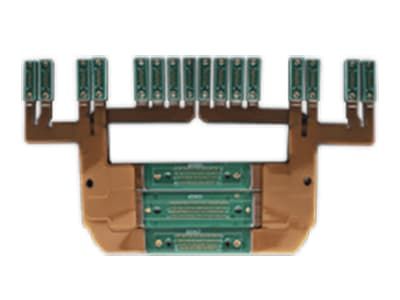
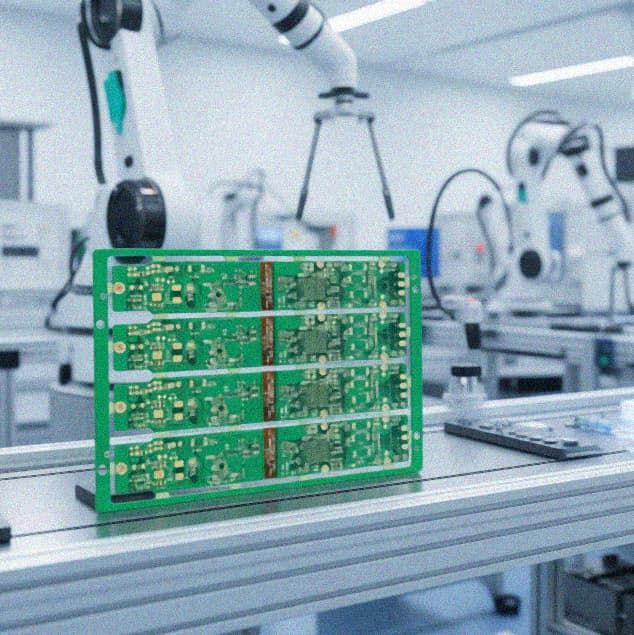
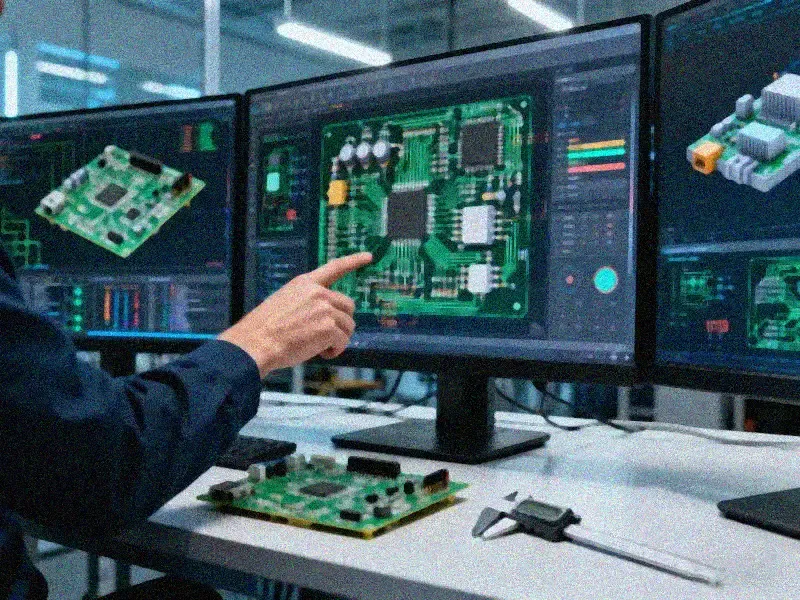
Rigid-flex PCB is a hybrid circuit board product that integrates rigid PCB layers and flexible PCB layers into a single assembly via specialized lamination processes. It combines the structural stability of traditional rigid boards and the bending, folding, torsion resistance of flexible boards, addressing core pain points of traditional rigid board + connector assembly solutions, including excessive space occupation, high signal loss at connection points, and low mechanical reliability under vibration, shock, or frequent bending conditions. As a preferred circuit solution for high-density, high-performance electronic design, rigid-flex PCB supports 3D packaging and miniaturization of devices while ensuring stable high-speed signal transmission, meeting the increasingly strict performance requirements of modern electronic products.
Technical Capabilities
Rigid-flex PCB manufacturing processes support a wide range of customized specifications to adapt to diverse application scenarios, with core technical capabilities including:
- Flexible Layer Stacking: Supports total layer counts up to 30, with flexible layer counts ranging from 2 to 12, enabling customized stack design tailored to different circuit complexity, bending frequency, and space constraint requirements.
- High-Speed Transmission Support: Adaptable to high-speed signal transmission requirements up to 112Gbps, with optimized stack planning and precision impedance control to minimize signal attenuation, crosstalk, and reflection loss, meeting high-bandwidth data transmission demands.
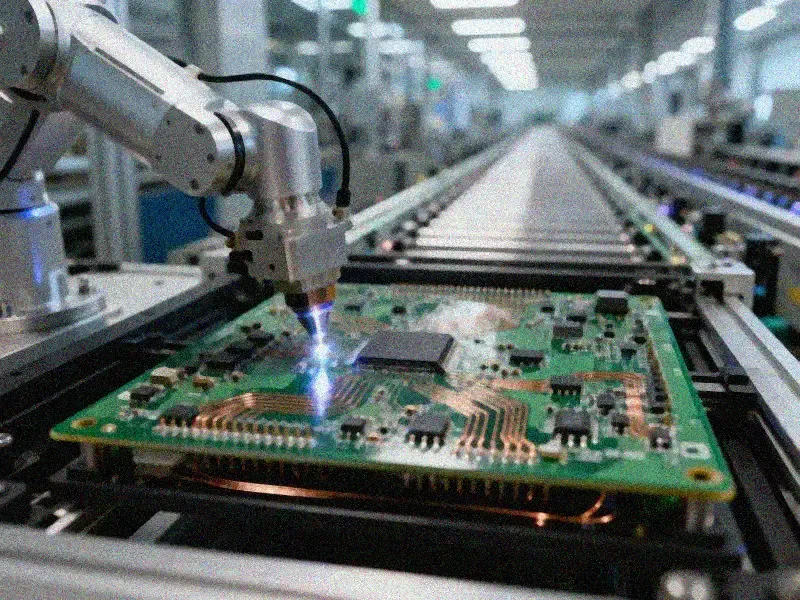
- High-Precision Manufacturing Process: Achieves minimum line width/space of 2.0mil/2.0mil, supporting high-density routing for compact device designs. Additional process capabilities include via-in-pad, blind and buried vias, back drilling, control depth routing, epoxy plug, step slot processing, and countersink hole fabrication to meet diverse design requirements.
- Custom Parameter Configuration: Supports board thickness up to 12mm, with multiple optional surface treatment processes including combination surface treatment, long and short gold fingers, and half-plated holes, adapting to different application environment and assembly requirements.
- Special Material Compatibility: Compatible with a wide range of substrate materials including FR4, high-speed materials such as TU872SLK, and high-frequency hybrid materials, enabling rigid-flex PCB manufacturing for specialized application scenarios such as millimeter-wave and 5G devices.
Quality Standards
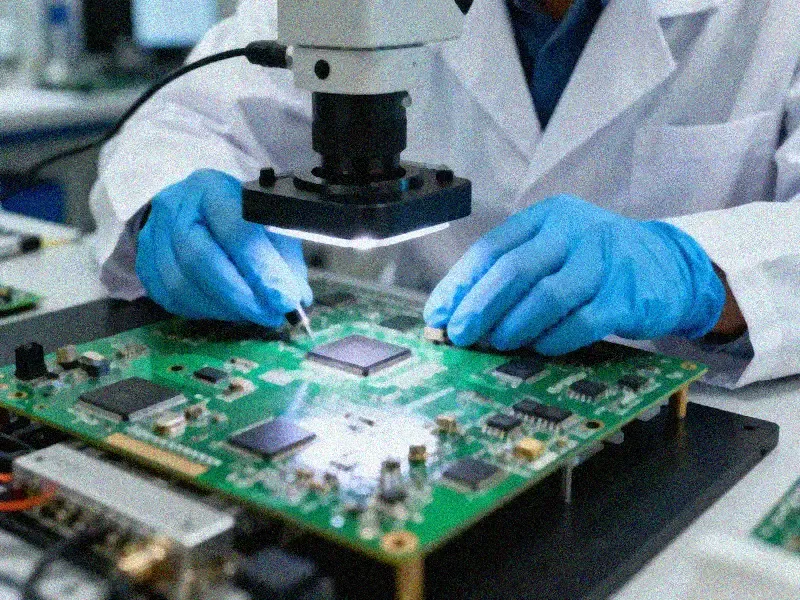
All rigid-flex PCB products comply with international industry quality and performance standards, with strict multi-stage quality control implemented across the entire manufacturing process from material incoming inspection to final product delivery:
- 100% electrical testing is conducted for all finished products to ensure circuit continuity, insulation performance, and impedance accuracy, eliminating open circuit, short circuit, and impedance mismatch defects.
- Reliability testing covers thermal shock, vibration, bending fatigue, humidity resistance, and salt spray resistance to verify stable operation across wide temperature ranges and harsh operating environments.
- Products meet applicable industry standards for communication, automotive, medical, and industrial electronics applications, ensuring alignment with the strict reliability requirements of end-use scenarios.
Applications
Rigid-flex PCB solutions are widely applicable across multiple high-tech industries, including but not limited to:
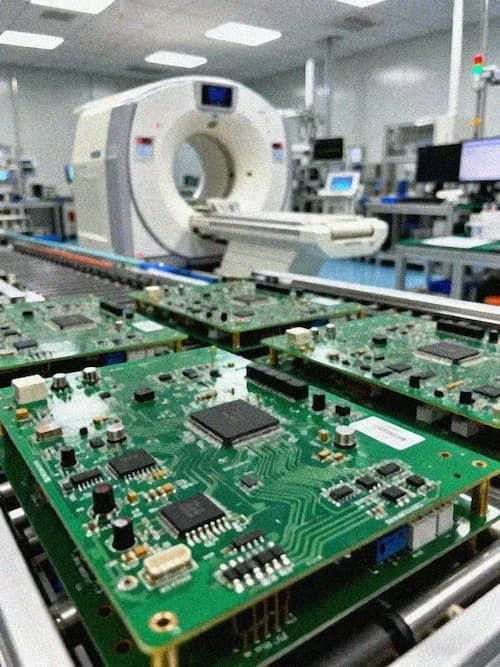
- Communication Equipment: 5G couplers, high-speed optical modules, base station signal processing units, and millimeter-wave radar communication devices, supporting high-bandwidth, low-latency signal transmission requirements.
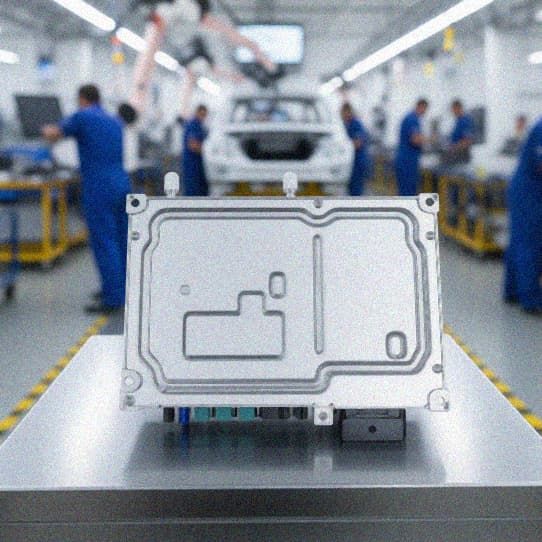
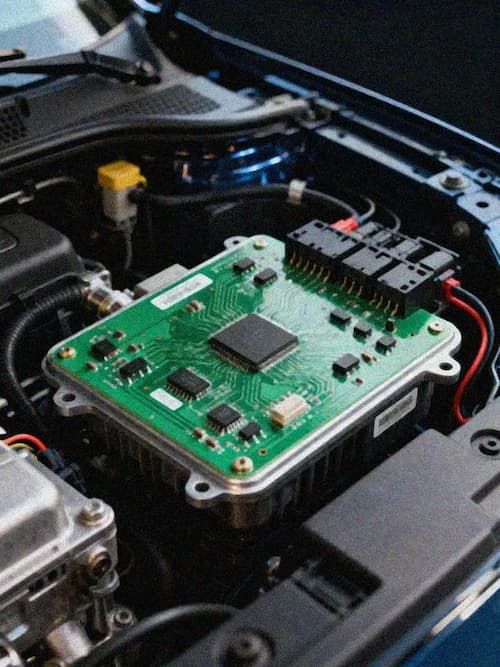
- Automotive Electronics: Autonomous driving domain controllers, smart cockpit control units, automotive sensor systems, and in-vehicle communication modules, delivering high mechanical reliability under long-term vibration and temperature fluctuation conditions.
- Consumer Electronics: Foldable smart devices, wearable electronics, and mini-LED backlight modules, enabling compact 3D packaging and repeated bending performance.
- Industrial and Medical Devices: Industrial control terminals, portable medical diagnostic equipment, and high-precision test instruments, combining stable signal transmission with resistance to harsh operating environments.
- Aerospace and Defense: Avionics systems, satellite communication modules, and portable military equipment, meeting strict requirements for light weight, high reliability, and resistance to extreme environmental conditions.
Key Advantages
Compared with traditional rigid PCB and flexible PCB solutions, rigid-flex PCB offers the following core advantages:
- Space and Weight Reduction: Eliminates the need for redundant connectors, wiring harnesses, and separate rigid board assemblies, reducing overall device weight by up to 30% and occupying 40% less space than traditional assembly solutions, supporting device miniaturization and lightweight design.
- Improved Signal Integrity: Integrates rigid and flex circuits in a single board, eliminating signal loss and interference at connection points between separate boards and connectors, ensuring stable high-speed signal transmission even for high-bandwidth, high-frequency applications.
- Enhanced Mechanical Reliability: Reduces the number of solder joints and connection points, minimizing the risk of failure caused by vibration, shock, and thermal expansion mismatch, extending the service life of electronic devices significantly.
- Reduced Assembly Complexity: Simplifies the assembly process by replacing multi-board and wiring harness assembly with a single rigid-flex PCB, reducing assembly time, labor costs, and the probability of assembly errors.
- Design Flexibility: Supports custom bending radii and 3D installation configurations, enabling designers to optimize device internal space utilization and develop innovative product form factors that are not feasible with traditional rigid PCBs.
Contact Information
If you have rigid-flex PCB design or manufacturing requirements for your project, please reach out to our technical support team. We provide free technical evaluation, customized solution design, and professional consulting services to help you meet your product performance, cost, and delivery timeline requirements.