On August 19, the 2026 World Robot Conference (WRC 2026) opened at the Beijing Etrong International Exhibition & Convention Center and runs through August 23. The most visible change this year appeared on the screens behind the booths, where a number of robot makers replaced acrobatics and dance routines with live footage from real-world deployments. Each screen linked to an active site in some city, showing robots on duty at intersections, manning storefronts, and patrolling campuses. None of those robots traveled to the exhibition; they stayed at their real posts and kept working.
That scene pointed to the conference's central message: the robot industry's center of gravity is now shifting toward real deployment. Inside the venue, Xiong Youjun, CEO of the Beijing Humanoid Robot Innovation Center, noted that the industry is on the eve of embodied intelligence, with companies turning their attention from individual technical specs to systemic capabilities spanning R&D, supply chain, scenario engineering, and after-sales service. As this shift reaches the hardware layer, the first thing it rewrites is the demand structure and delivery standards for robot PCBs.
Real-World Deployment Replaces Stage Demonstrations
The industry's scale and enthusiasm have already run ahead of humanoid robots' actual adoption. This year's event brought together more than 300 exhibitors, up 36% from last year, along with more than 2,000 exhibits and over 150 new product debuts. At the show, Yu Chao, founder of humanoid robot maker Lumos Robotics, said the defining milestone for embodied intelligence is still roughly three years away. Three years is not long, and for the hardware supply chain the preparation window is already narrowing. Robot makers are moving their attention from frontier demonstrations to repeatable scenarios, where customers sit down and calculate return on investment; logistics, inspection, and storefront duty are the first to pencil out because their cadence and accuracy requirements are clearly defined. The board demand for a single robot scales by orders of magnitude as a result: a few dozen boards at the prototype stage become hundreds of thousands at mass production.
Real-World Scenarios Push Reliability to the Forefront
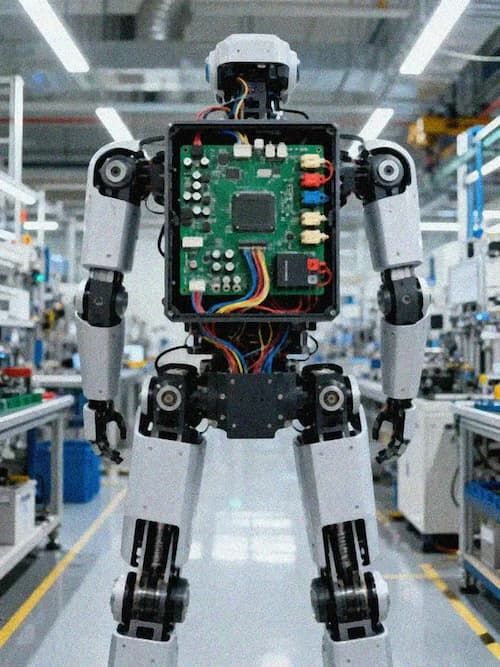
What real-world scenarios expose first is hardware reliability. An exhibition demo can tolerate an occasional failed motion; a real job cannot. Juha Röning, vice president of the European robotics association euRobotics and a professor at the University of Oulu in Finland, noted at the show that a robot learns something new every time it enters a real environment, and that high-intensity tests like marathons, though not real work, still verify whether motors and batteries can run for long stretches and make the system more dependable. Humanoid robots work for long periods in unstructured environments, where uneven ground, unknown obstacles, and changing light all push up task-failure rates; bipedal endurance generally falls short of two hours, and joint solder joints fatigue under repeated flexing. These problems eventually reach the PCB layer, concentrating on the reliability of the joint driver board, communication board, and power board.
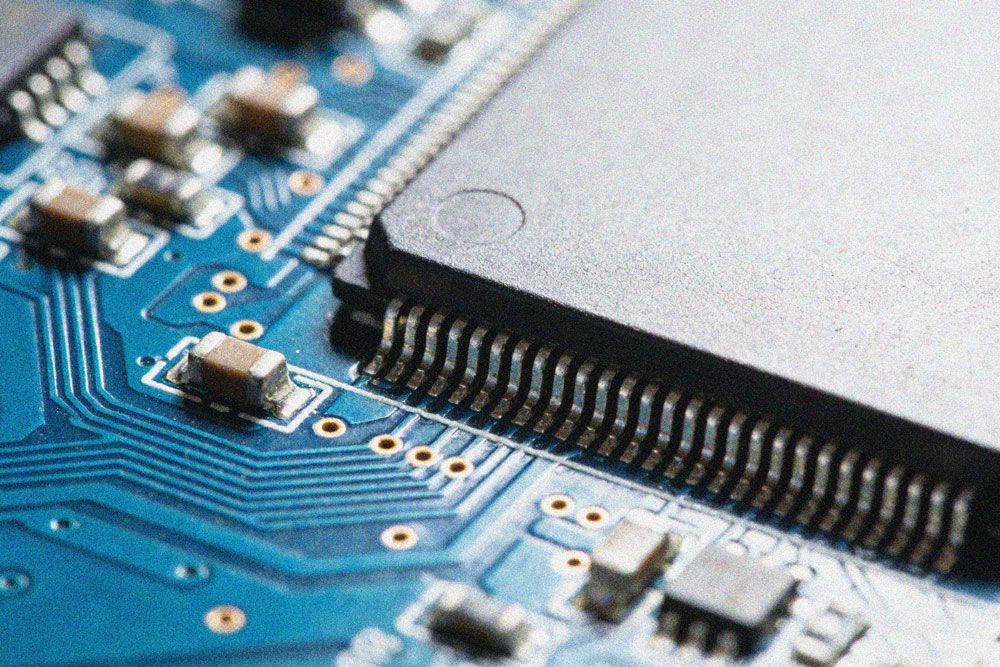
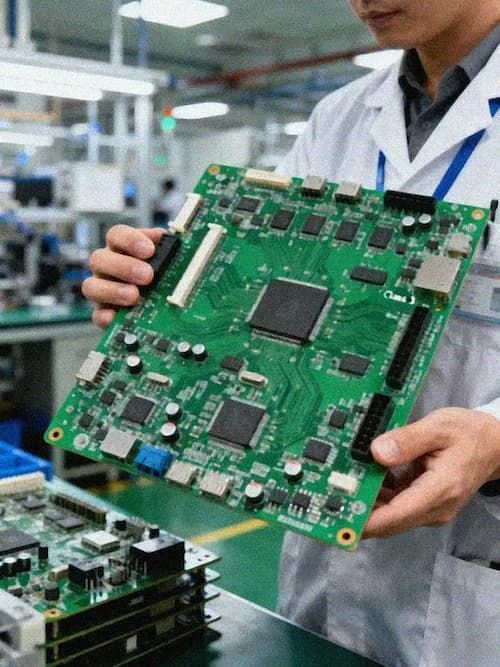
The joint driver board is the most technically dense of the group. It typically uses a rigid-flex structure with a flexible region: the rigid section carries component soldering and mounting, while the flexible section passes through the joint for dynamic routing, and copper foil elongation, coverlay selection, and lamination expansion control together determine flex life. At the same time, high-speed data transfer among the drive, communication, and vision modules creates significant electromagnetic interference, and the twin constraints of space and flexibility in precision assembly keep scrap rates and costs under continuous pressure. Problems that can be corrected through repeated debugging at the prototype stage become hard batch-consistency constraints once production reaches the thousand-unit level.
A One-Stop Mass Production Approach for Embodied Intelligence
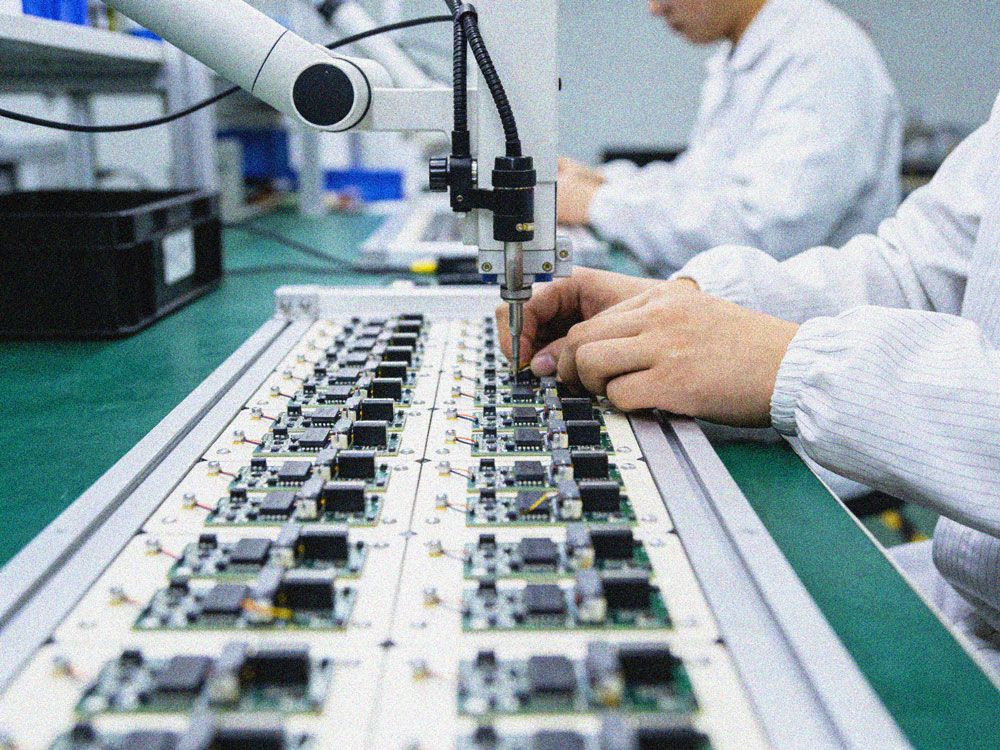
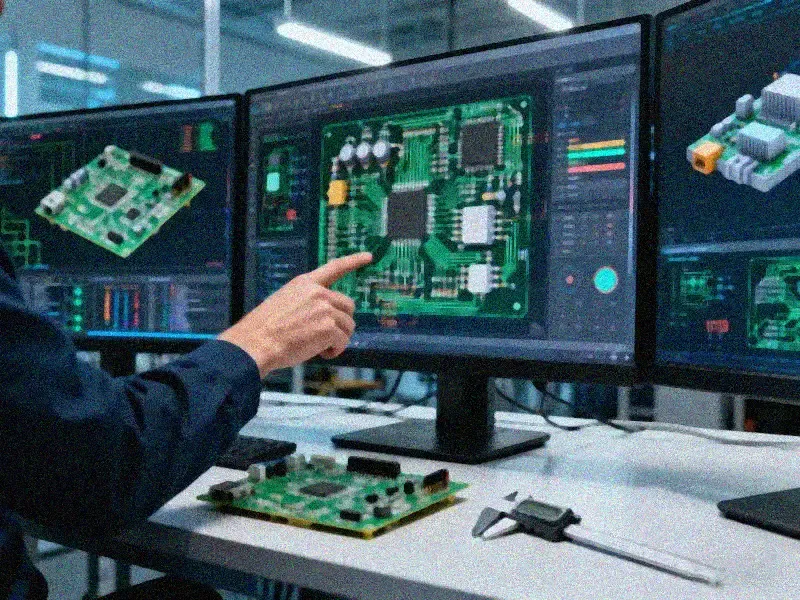
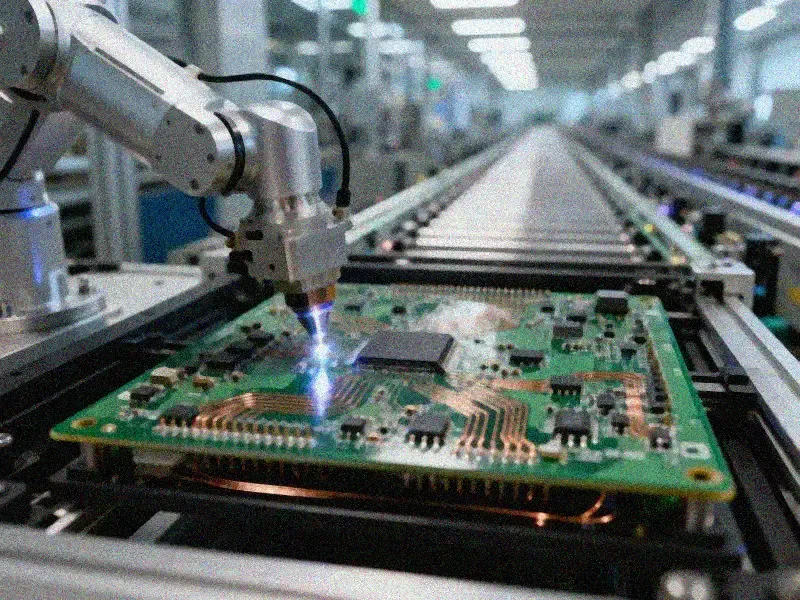
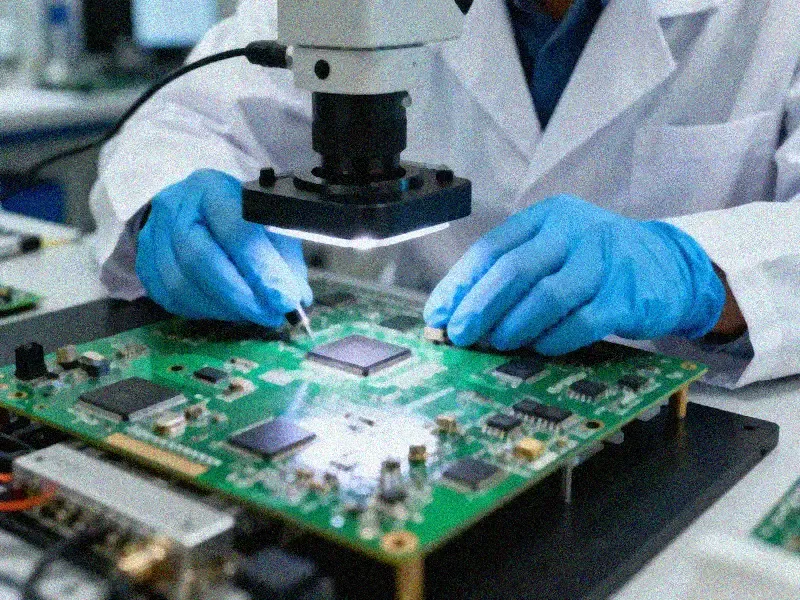
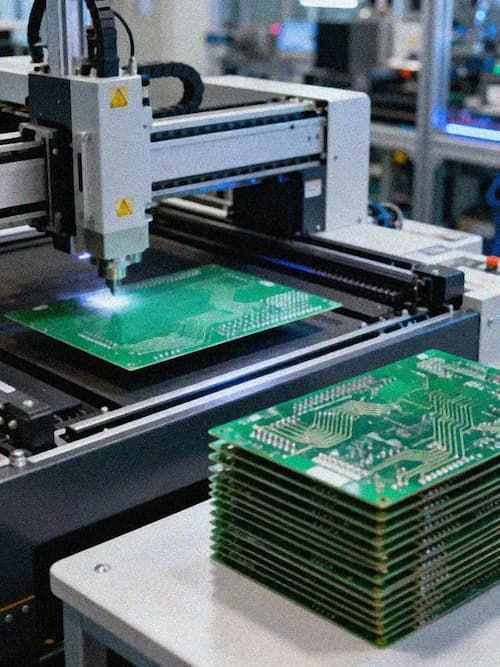
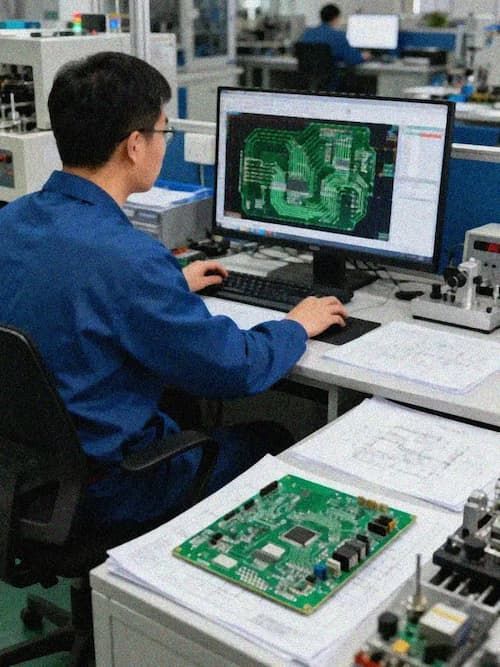
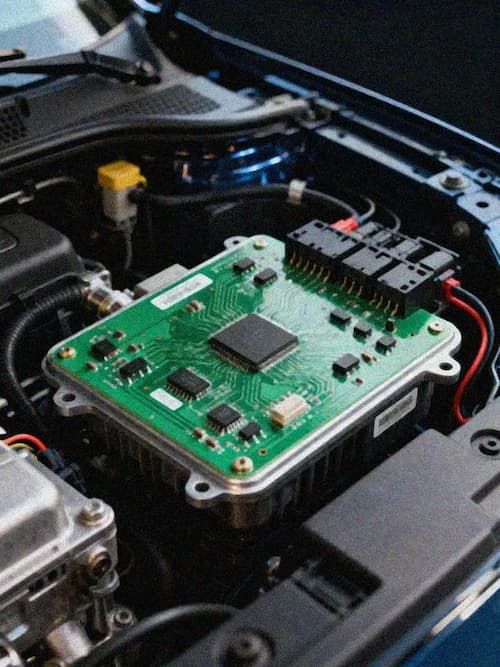
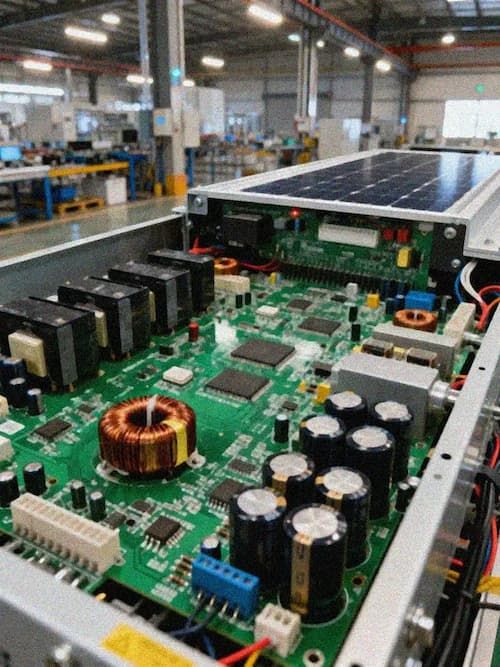
For the engineering variables that surface at mass production, KINGBROTHER's one-stop embodied-intelligence solution places design, DFM, prototyping, and volume production on a single path, covering the power, control, communication, and drive boards at the core of a humanoid robot. Take the control board and driver board: the control board is built around the STM32H723VGT6 with six-layer high-density routing, while the driver board pairs with the MT6835GT driver chip for high-precision closed-loop control. Before these boards enter production, they pass through successive gates of DFM review, AOI, X-ray, and electrical performance testing, with reliability verification handled by CNAS- and CMA-certified laboratories.
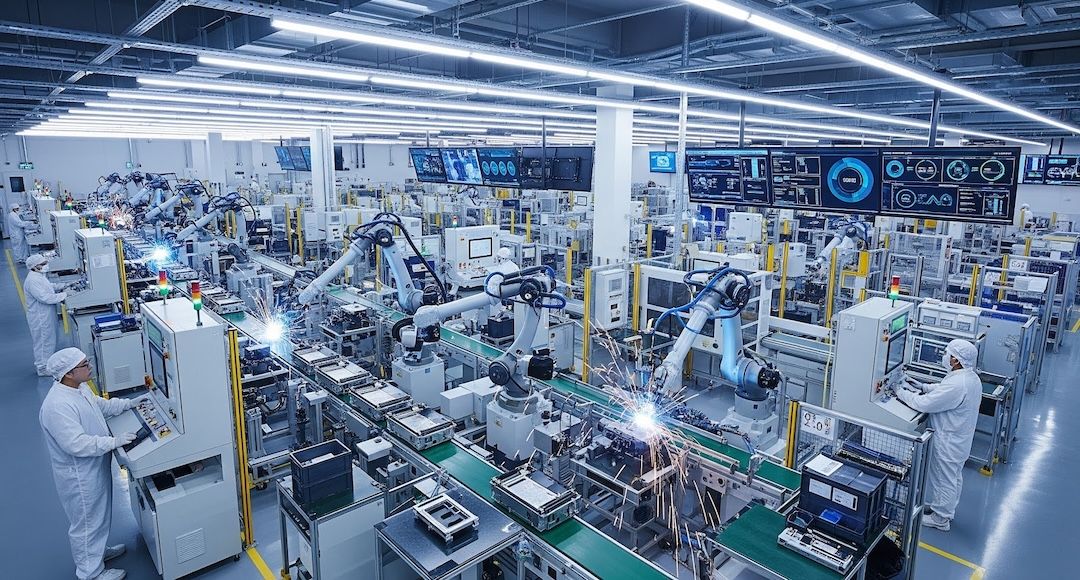
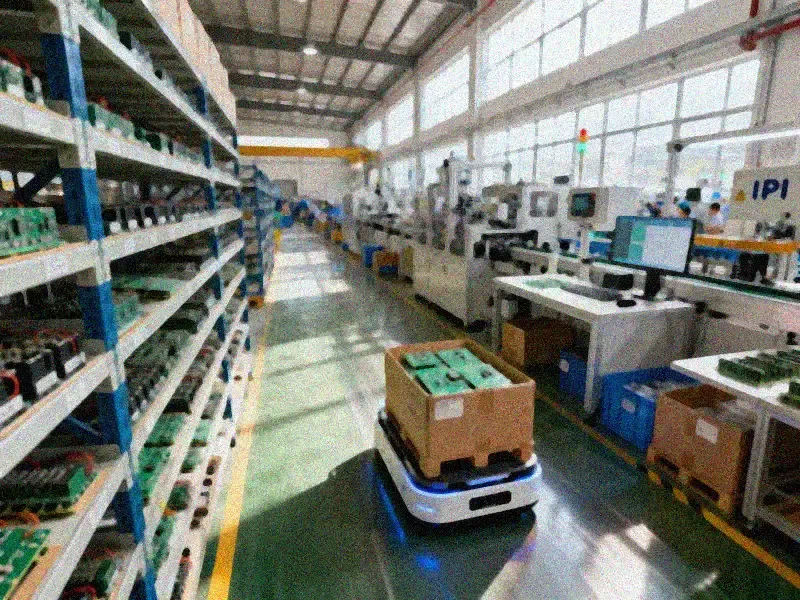
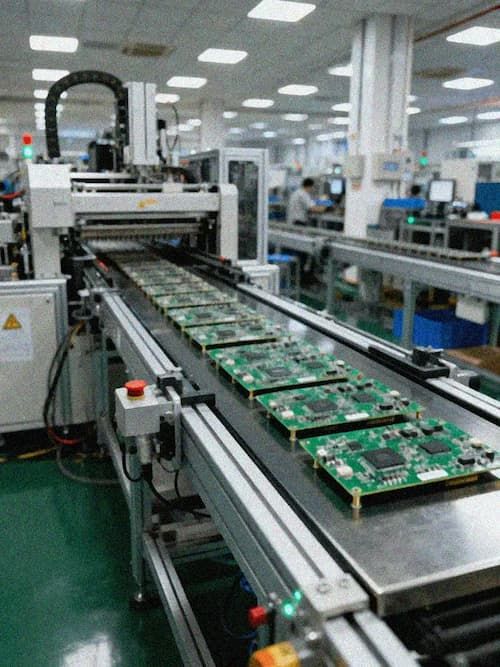
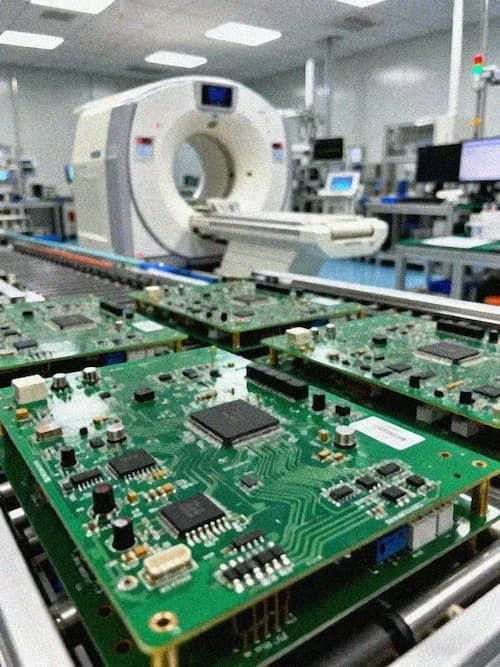
Mass production capability ultimately comes down to a few hard metrics. KINGBROTHER's published figures include 56-layer, 112Gbps high-speed PCB design, a modular reuse rate of 68% that sits well above the industry average, a certified material library of 3.27 million records, a DFM rule base totaling 2,368 entries, and a 98.5% EMC pass rate. Behind those numbers is repeatable delivery: production cycles compressed to 60% of the original, yield improved by 15% to 30%, and rework rates cut in half. For humanoid robot makers moving toward volume production, single-board performance specs have given way to batch consistency and delivery capability, and whoever can reliably turn an order plan into actual shipments stands the better chance of winning the next round of orders.
The mass production inflection point for embodied intelligence has yet to arrive, and the preparation window is now in countdown. Yu Chao's three-year timeline, measured against the pace of robot hardware iteration, means the supply chain has to turn rigid-flex, HDI, thick copper, and reliability verification into repeatable production-line capability now. When embodied-intelligence robots finally land, the first to benefit will be the suppliers that have already worked through their production processes and built up batch consistency and inspection systems.