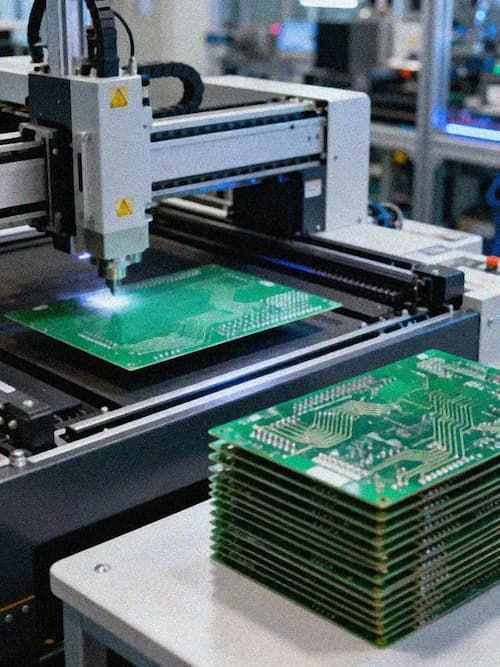
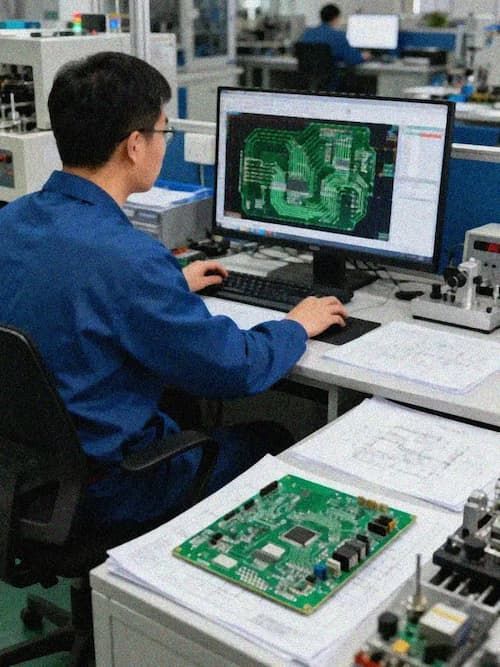
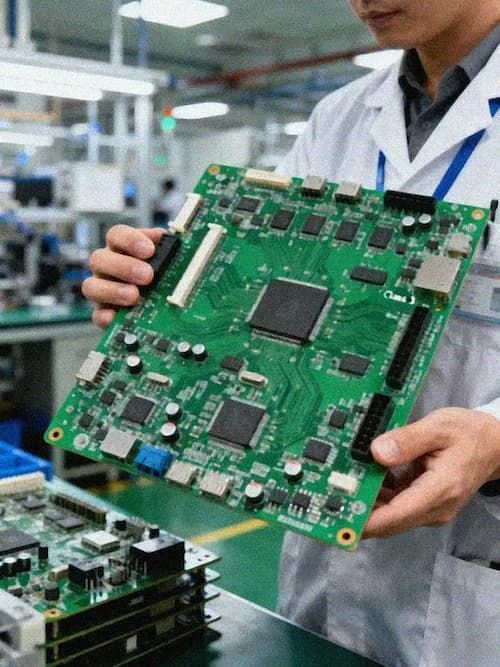
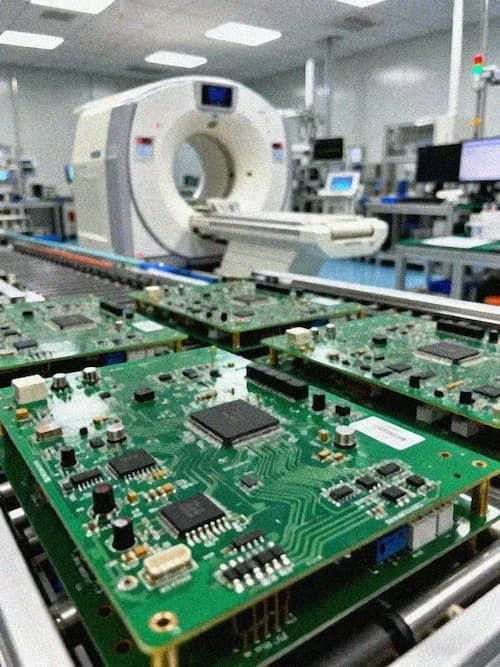
The 2026 Munich Shanghai Electronics Show will be held at the Shanghai New International Expo Center from July 1st to 3rd. The exhibition area is nearly 120,000 square meters. More than 1900 global companies have participated in the exhibition. Automotive electronics, AI hardware, and industrial control have become three core issues. Two weeks later, from July 17 to 20, WAIC 2026 will also kick off in the same city with the theme of "Smart Partners for a Better Future". Among them, more than 300 AI products will be launched globally, covering large models and embodied intelligence.(Embedded AI), AI chips and industry applications. The time difference between the two exhibitions is only two weeks. The links between components and intelligent systems, and between PCBs and humanoid robots are being opened. The global electronics industry is undergoing a complete reconstruction from underlying materials to end products.
What signal does electronica Shanghai 2026 send
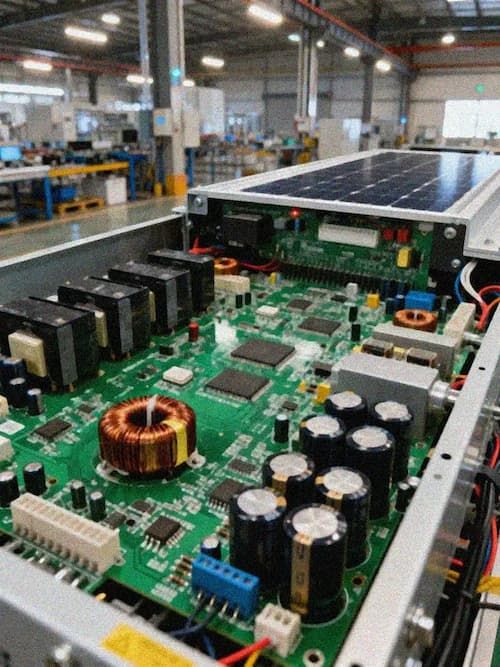
A noteworthy change in this year's exhibitor structure at the Shanghai Electronics Show in Munich is the significant increase in the number of booths for high-speed connector manufacturers and CCL (copper clad laminate) material manufacturers. Focusing on the topic of evolution from 112Gbps to 224Gbps, there are more and more cases where connectors, CCL and PCB companies are showing joint development solutions on the same stage. In the past, each link was relatively independent: connector manufacturers only cared about the physical path of the signal from A to B, CCL manufacturers only cared about the dielectric properties of the plate, and PCB manufacturers only cared about the continuous stacking of layers. However, once the rate exceeds 112Gbps, impedance mismatch in any link may cause the signal integrity of the entire link to collapse. As a result, joint development has changed from "bonus items" to "must-have options."
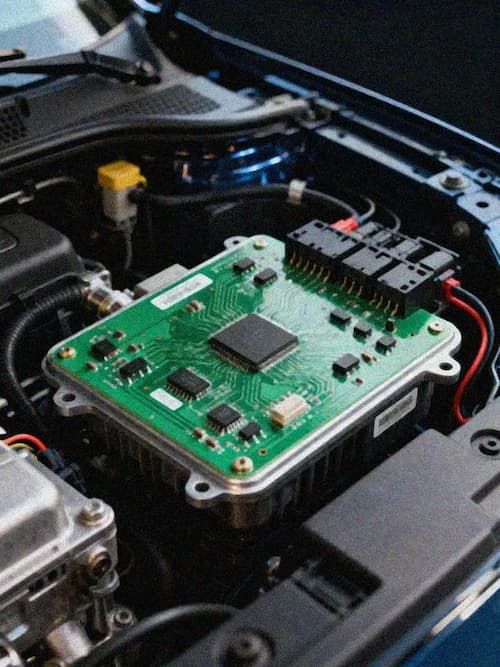
The popularity of the automotive electronics exhibition area also remains high. Prismark's forecast data shows that the global automotive PCB market will reach US$12.8 billion in 2026, with a compound growth rate of 7.91% from 2021 to 2026. ADAS (Advanced Driver Assistance System) domain controllers, battery management systems (BMS), and in-vehicle communication modules constitute the three main incremental sources of automotive PCBs. Among the booth materials of many PCB manufacturers on site, the "Material Certification List" and "Process Capability Matrix" replaced the traditional "maximum number of layers" and "minimum line width" as the focus of the display. Customers no longer only care about how many plies the supplier can make, but instead care about what high-speed material combinations the supplier can achieve and what reliability verification data the supplier can provide.
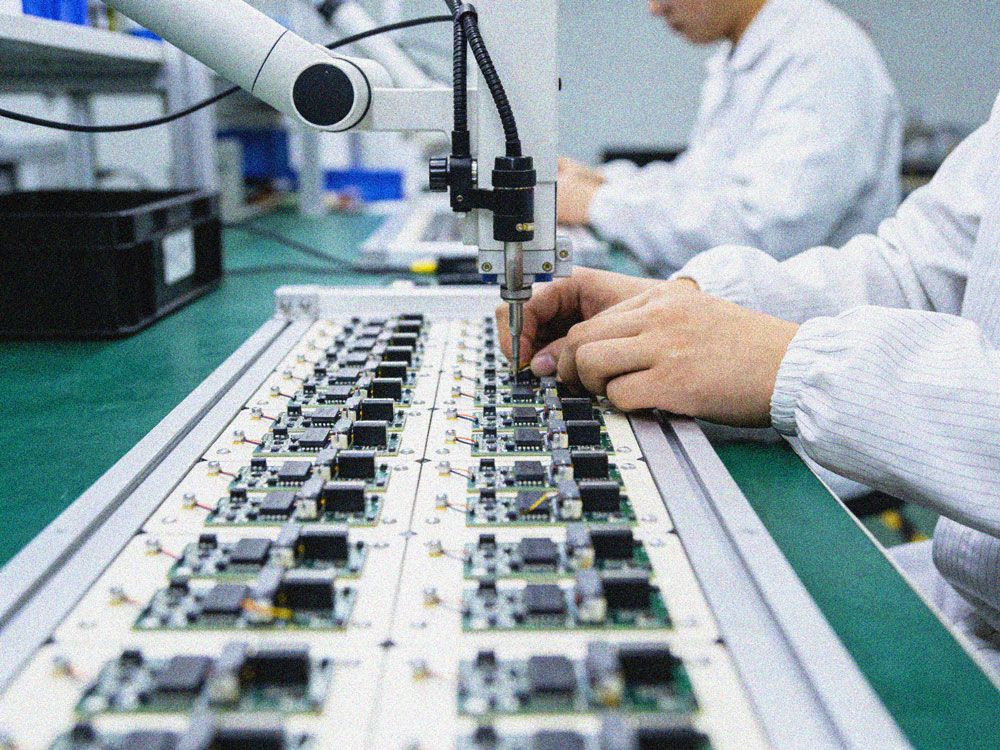
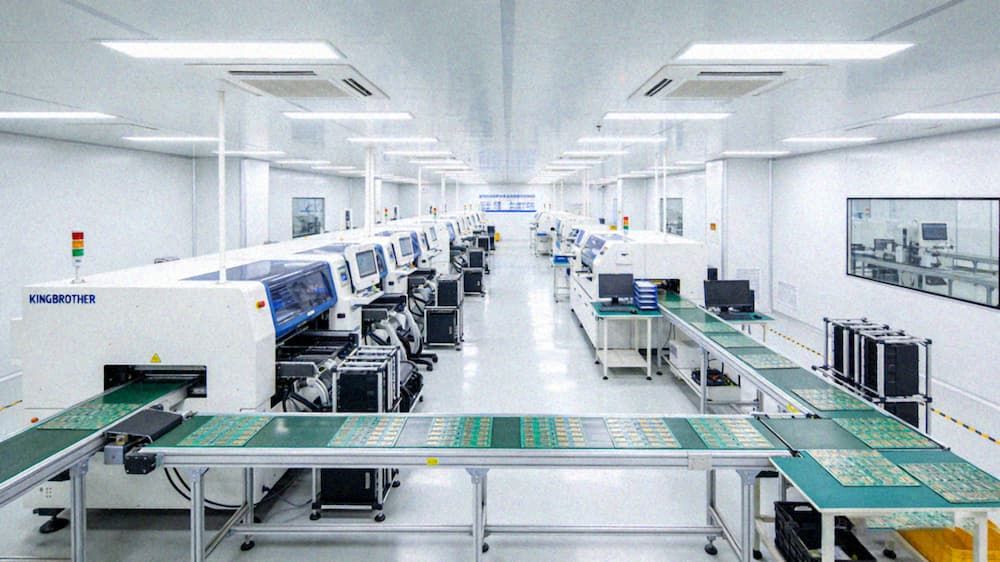
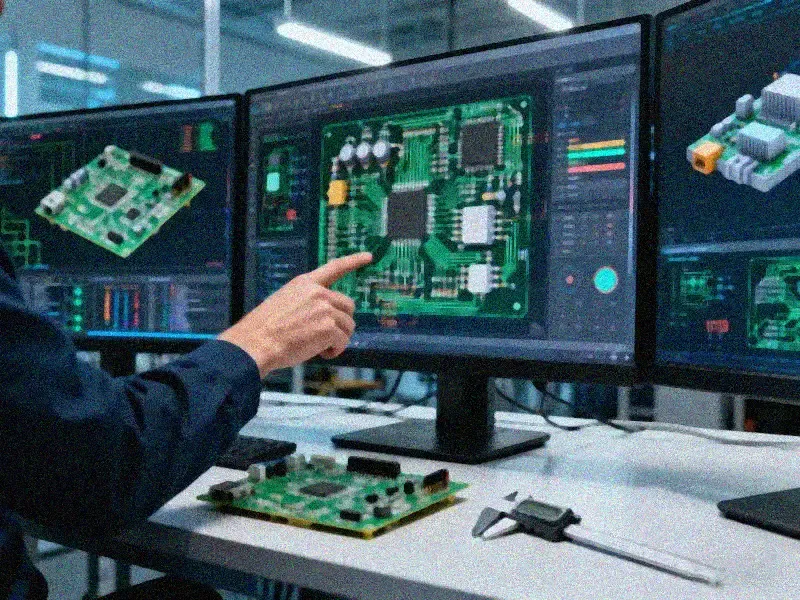
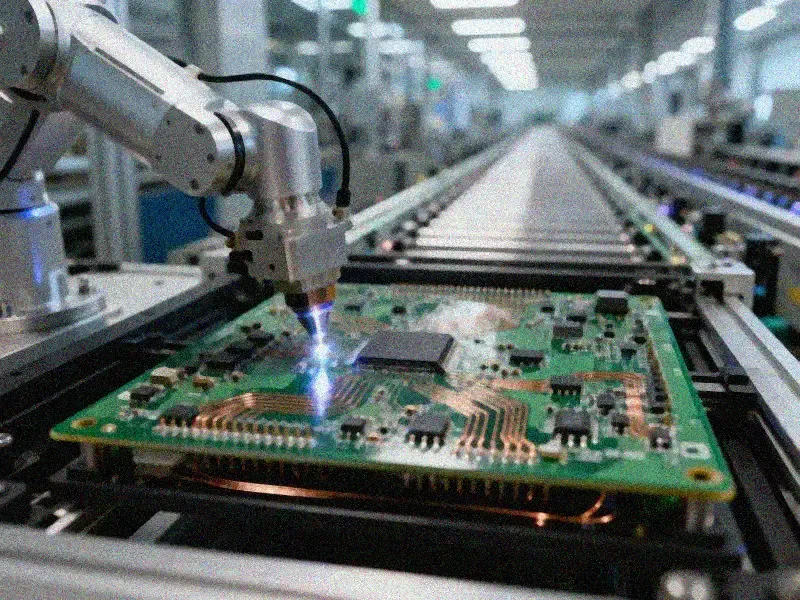
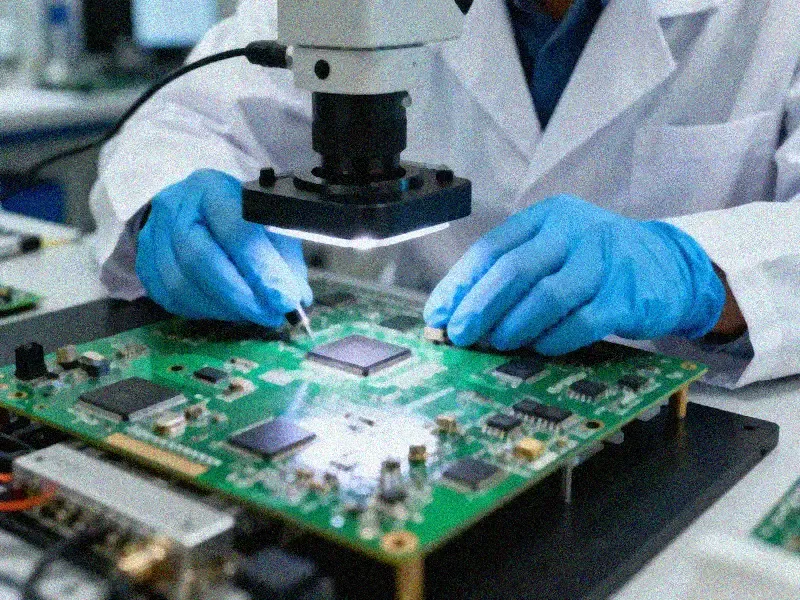
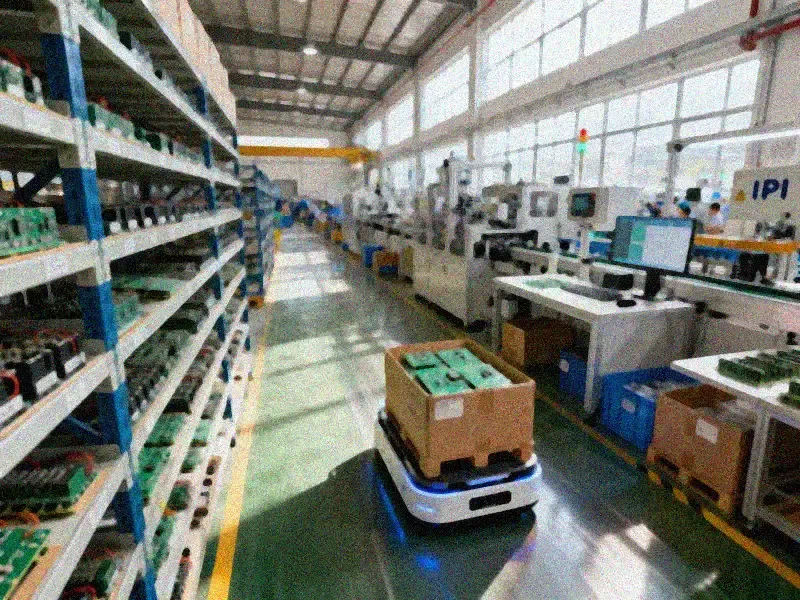
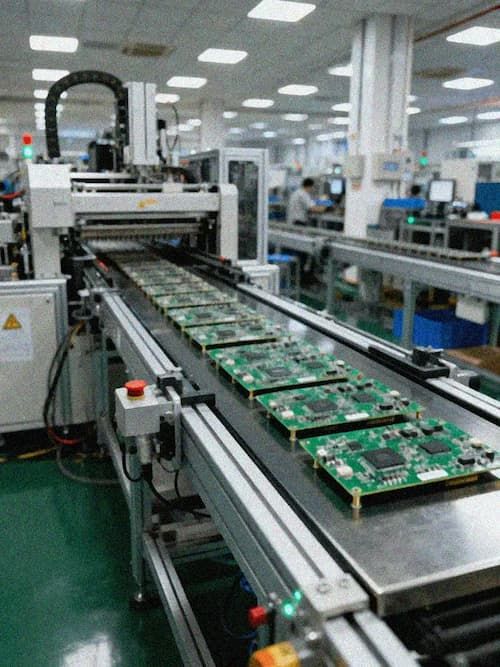
The IPDM (Integrated Product Design and Manufacturing) model also received more attention than expected at the exhibition. Full-chain service capabilities covering chip selection, PCB Layout, PCBA manufacturing and complete machine assembly are becoming a core consideration for customers in selecting suppliers: more and more customers tend to connect with a service provider that covers the entire chain rather than Looking for different suppliers in different links. Behind this change in preferences is the time pressure caused by the accelerated speed of product iteration. For a project from project establishment to mass production, if design, PCB, and PCBA each find a supplier, communication costs and delivery cycles will increase exponentially. The IPDM model integrates these links into one service system, which can compress the mass production cycle to 60% of the industry average, and triple the time to market for products.
Personalized smart hardware dock on WAIC 2026
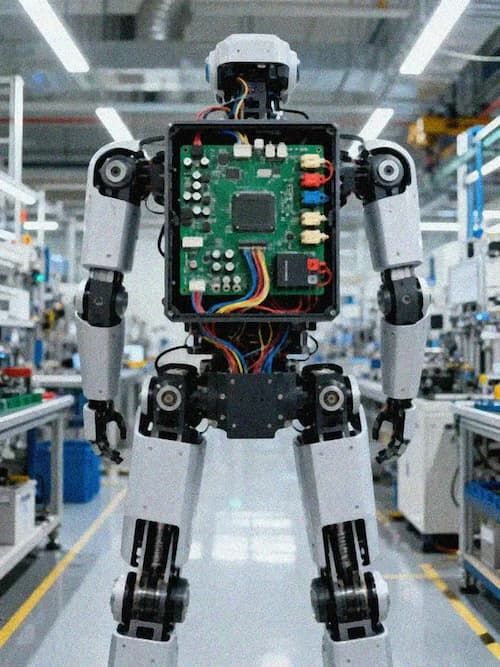
If electronica Shanghai showcases the "muscles" and "bones" of the electronics industry: components, materials and manufacturing processes, WAIC 2026 showcases how AI algorithms drive these hardware into the physical world. Among the core topics of this year's WAIC, Embodied AI is one of the most concerned directions. Unlike the craze for pure language models triggered by ChatGPT in 2023, the AI industry in 2026 is shifting its attention from "letting AI learn to speak" to "letting AI learn to do things." AI is moving away from text and image generation in the virtual world to physical tasks such as robotic arm control, vehicle driving, walking and handling in the real world. Humanoid robots are the most concentrated hardware carrier under this trend: the number of PCB boards inside a humanoid robot far exceeds that of ordinary consumer electronics products. The head control board, chest main control board, multiple joint drive boards, communication boards, and power supply boards usually add up to more than ten. The technical requirements of each board are different, and they are interconnected with each other through various protocols such as CAN, RS485, and Ethernet, forming a highly complex electronic system.
Take the control board as an example. It is usually equipped with high-performance processors (such as the STM32H7 series) and requires multiple power domain architectures to power chips of different voltage levels. It also requires vehicle-level design standards and composite cooling solutions. The communication board requires the integration of multiple communication modules such as Wi-Fi, Bluetooth, Ethernet, CAN and RS485 on a single PCB, and the design of electromagnetic compatibility (EMC) is extremely difficult. The joint drive board directly drives the motor, with high power density and large heat generation, which puts forward strict requirements on the copper thickness, heat dissipation design and overcurrent protection of the PCB.
According to information from WAIC 2026, a number of humanoid robots will announce mass production plans at the exhibition. Tesla Optimus's third-generation production line has been put into trial operation at the Fremont plant and will be officially put into production in 2026. The arrival of the mass production stage has put forward completely different requirements for PCB suppliers from the proof-of-concept stage. During the research and development stage, what customers are most concerned about is "whether it can be done": whether the technical indicators can meet the standards and whether the functions can be realized. After entering the mass production stage, the core demands of customers focus on these levels: batch consistency is the primary concern, and the quality fluctuations of each batch of cards must be controlled within a very narrow range. At the same time, the pressure for cost control is also increasing, and BOM costs need to be continuously reduced through DFM (Design for Manufacturability) optimization and material substitution solutions. In addition, delivery guarantee directly affects the launch pace of customers 'products, and the stability and response speed of the supply chain become equally critical.
The intersection of technologies on the two intersection lines
Looking at the signals of the two exhibitions together, there are a lot of technical intersections between the AI server PCB and the humanoid robot PCB, and high-speed signal transmission capabilities are the first intersection. The 112Gbps PCB design is no longer the exclusive technology of AI accelerator cards. The main control system of the humanoid robot also needs to process high-speed data streams from multiple sensors, cameras and communication modules, and the signal rate has rapidly climbed to 112Gbps. A supplier with 112Gbps high-speed PCB design capabilities can serve both AI server customers and robot customers, and the two fields share the same set of signal integrity simulation and impedance control systems.
Thermal design also faces similar engineering issues in both areas. The power consumption of the GPU in the AI server can be hundreds of watts, and the instantaneous power of the joint drive motor of the humanoid robot is equally considerable, both of which need to efficiently export heat in a compact space. Technical means such as thermoelectric separation of copper substrates, thick copper processes (the maximum copper thickness can reach 18OZ), and DBC (direct bonded copper) ceramic substrates have clear application scenarios in both the fields of AI servers and robots, and are not unique to a certain field. Technical route.
The convergence of reliability requirements becomes a meeting point. AI servers require uninterrupted operation 24 hours a day, 7 days a day, and humanoid robots need to work for long periods of time in complex physical environments with vibrations, collisions, temperature and humidity changes. The environmental reliability requirements of both PCBs are at the same level, and both require strict temperature cycling, humidity aging, vibration and impact tests. This intersection of technologies feeds back to the industry level, promoting the rapid penetration of the IPDM service model in the robotics field. Take KINGBROTHER's humanoid robot IPDM solution as an example. This solution relies on 56-layer/112Gbps high-speed PCB design capabilities to cover the high-speed signal requirements of the robot's main control system. The modular design reuse rate has reached 68%, far exceeding the industry average of 35%, which can effectively reduce R & D costs and mass production cycles. In terms of EMC, the pass rate of 98.5% ensures the stable operation of the robot in complex electromagnetic environments. Behind the plan is the accumulation of a large number of certified materials and DFM rules, supporting the optimization of the entire process from design to mass production.
In actual customer cases, the effectiveness of this model has been verified. In a head core control system project, the plan uses the STM32H7 core processor and designs three power domains: respectively power the processor core, communication interface and sensors, and cooperates with vehicle specification design standards and composite cooling system to achieve High-density integration on a 6-layer HDI board. In another infrared camera control system project, the RV1126K AI vision processing chip realizes real-time video codec at 30fps at 4K resolution. With the vehicle-level design and heatsink solution, it meets the high reliability of health care medical scenarios. requirements. In the AI main control system project, a 6-layer 1.6mm board with S1000H substrate was used to achieve a 35% improvement in signal transmission stability through the HDI process.
Conclusion
The two exhibitions in July 2026 sent signals that were highly consistent in direction: AI is accelerating its penetration into the physical world, and the hardware infrastructure (PCBs, connectors, materials, manufacturing processes) that support this transformation is undergoing a round of systematic upgrades. electronica Shanghai demonstrated the technical reserves of components and materials, and WAIC demonstrated the path and speed of AI commercialization. Technical systems originally belonging to different fields (high-speed PCB design, high-reliability manufacturing, and IPDM integrated services) are accelerating their integration due to the cross-needs of AI hardware and humanoid robots. KINGBROTHER has served many humanoid robot corporate customers. Relying on more than 20 years of accumulation of electronic interconnection technology and the IPDM one-stop service model, KINGBROTHER will continue to provide support for hardware innovation in the field of specific intelligence. Outside the booth, the pace of mass production and delivery has further accelerated in the second half of 2026.