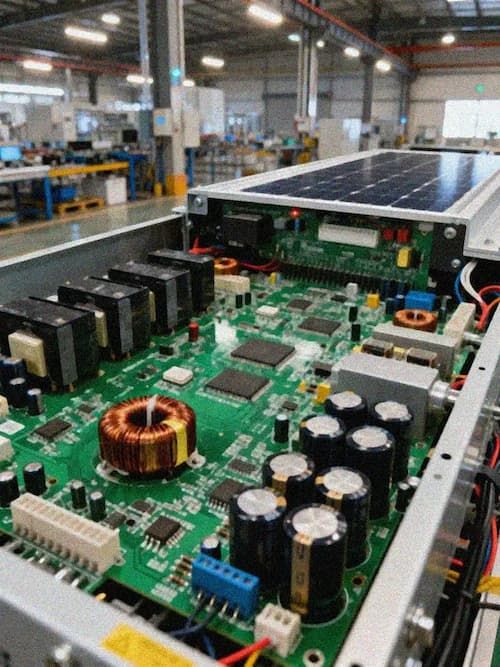
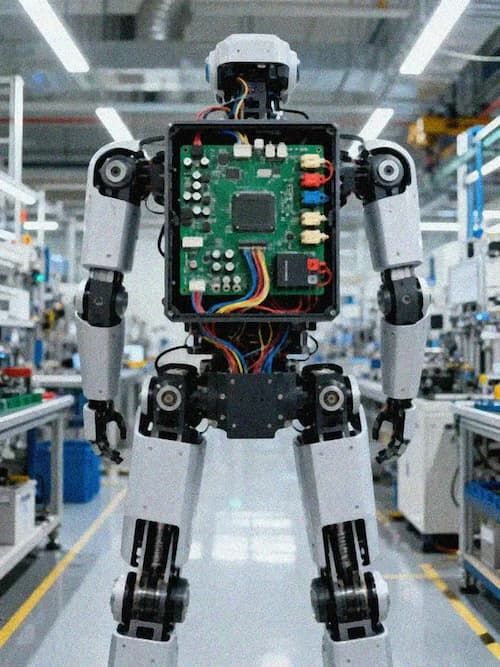
The electronics manufacturing industry is at a critical stage characterized by accelerated technological iteration, increased supply chain complexity, and fragmented market demand. Product lifecycles in sub-sectors such as consumer electronics, industrial electronics, and automotive electronics are continuously shortening. Pain points such as the disconnect between R&D and manufacturing, low supply chain collaboration efficiency, and high process adaptation costs have become core bottlenecks restricting the industry's upgrade to advanced intelligent manufacturing. Against this backdrop, the Integrated Product Design and Manufacture (IPDM) model is gradually moving from conceptualization to large-scale application, and is expected to become the core paradigm for reconstructing the efficiency of the entire process in the electronics manufacturing field by 2026. Unlike general collaborative models in the broader manufacturing industry, the IPDM model in electronics manufacturing is deeply adapted to the industry's characteristics of high precision, high-frequency iteration, and high compliance requirements. By breaking down information barriers between R&D, manufacturing, and the supply chain, it constructs an integrated collaborative system centered on the entire product lifecycle, providing the industry with a feasible path to intelligent manufacturing upgrades.
The Precise Core of the IPDM Model in Electronics Manufacturing
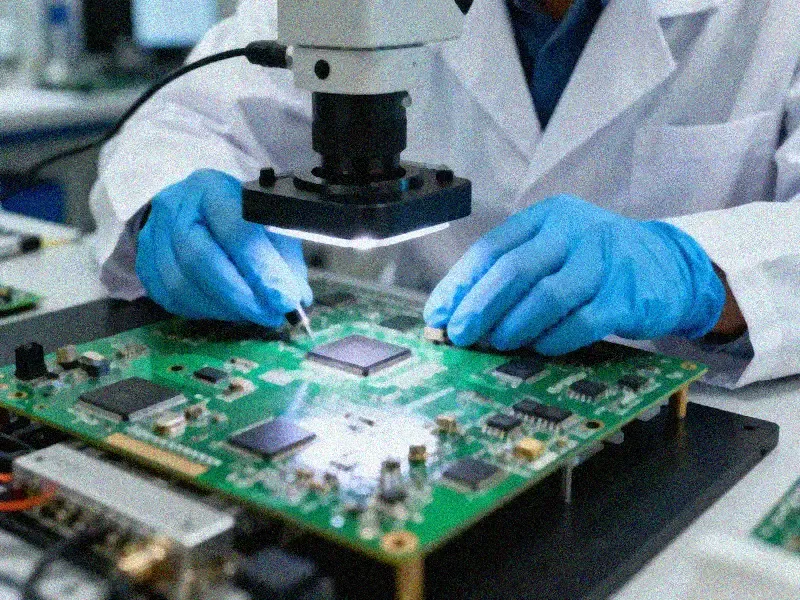
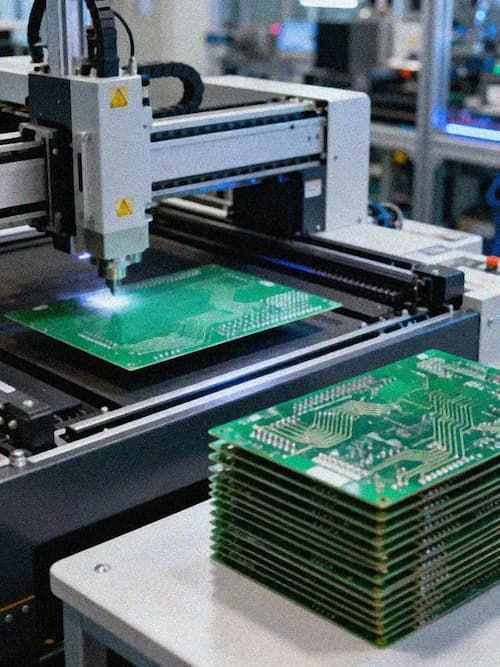
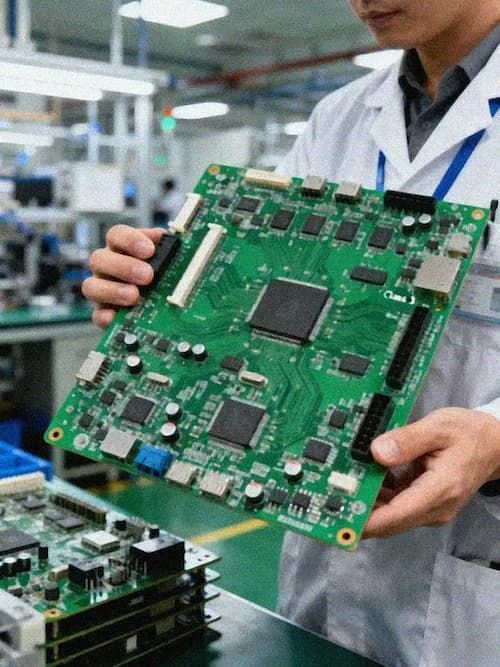
The core of the IPDM model is not simply the superposition of "R&D + manufacturing," but rather, tailored to the industry characteristics of electronics manufacturing, it constructs a closed-loop collaborative system covering the entire process from product concept design to mass production delivery and after-sales feedback, which integrates the two core modules of Integrated Product Design (IPD) and Integrated Product Manufacturing (IPM). Unlike the traditional model where R&D, manufacturing, and supply chain operate independently, the IPDM model in electronics manufacturing is based on digitalization. It deeply integrates information from various stages, including electronic component selection, PCB (Printed Circuit Board) design, DFM (Design for Manufacturing) verification, SMT (Surface Mount Technology) process adaptation, and supply chain inventory management. Its core objective is to eliminate information silos between stages, making "design meeting manufacturing needs, manufacturing feeding back into design optimization, and the supply chain matching the entire process rhythm" the norm.
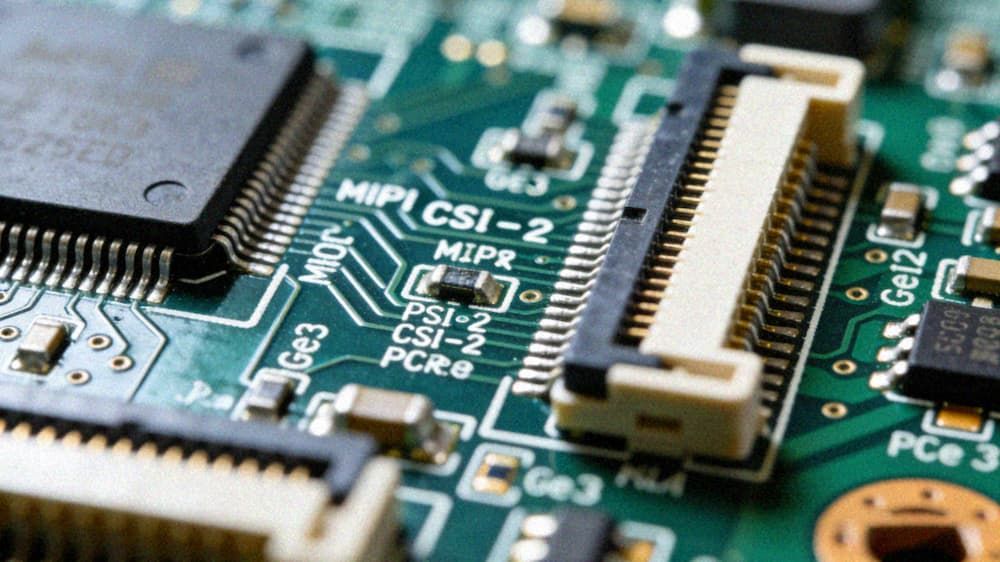
From an industry perspective, the precision of the IPDM (Integrated Product Design and Manufacture) model in electronics manufacturing is reflected in three dimensions: First, it adapts to the specific characteristics of electronic components, encompassing the compliance of material selection, supply stability, and process compatibility for chips, capacitors, resistors, and other materials; second, it aligns with the high-precision requirements of electronics manufacturing, achieving parameter-level coordination from circuit layout in design to surface mount precision and soldering processes in manufacturing; and third, it considers the characteristics of multi-category production, meeting the differentiated needs of "small batch, multiple production runs" in consumer electronics and "high reliability, long lead times" in industrial electronics.
Core Evolutionary Features of the IPDM Model in Electronic Manufacturing in 2026
The IPDM model for electronic manufacturing in 2026 is no longer limited to basic process integration. Instead, it exhibits core characteristics such as digital integration, data-driven closed-loop systems, flexible adaptation, and embedded compliance. All evolutions are based on the actual needs and technological implementation capabilities of the electronic manufacturing industry, avoiding the mere accumulation of abstract concepts:
Digital Integration: Seamless Data Flow from Design to Manufacturing
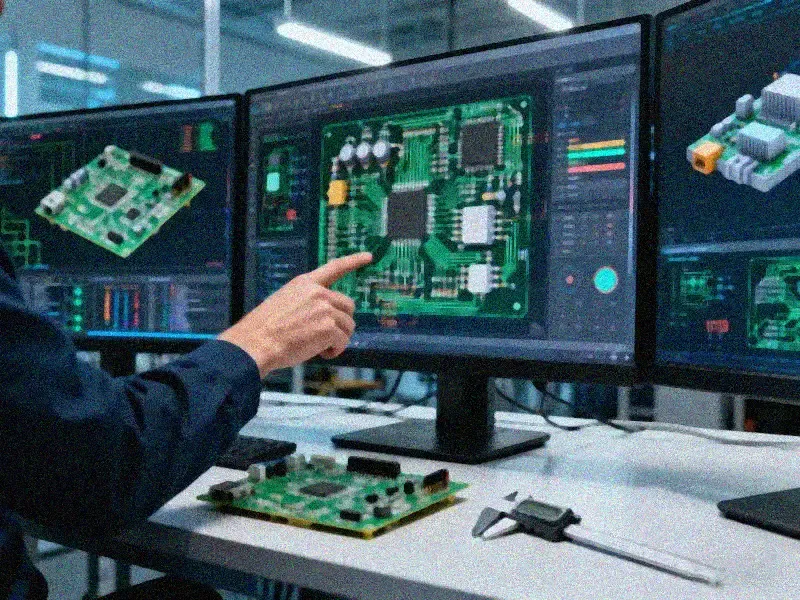
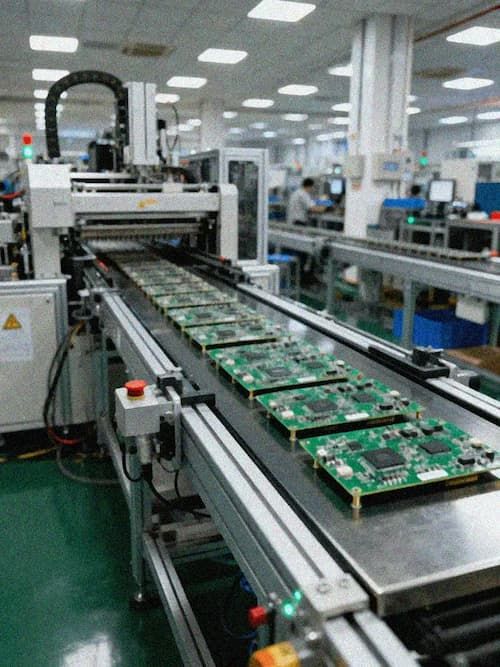
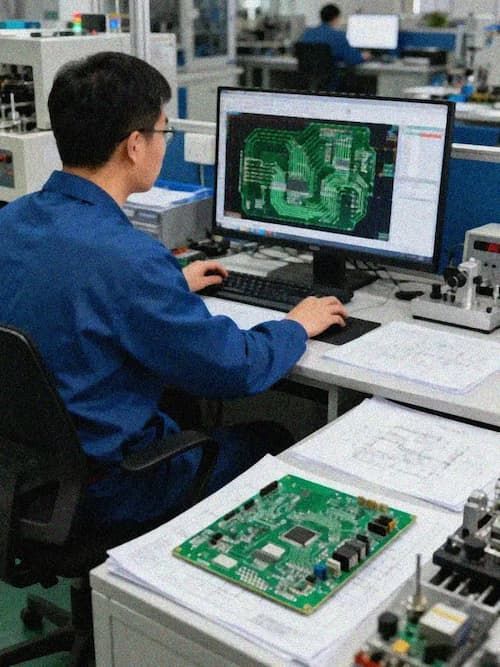
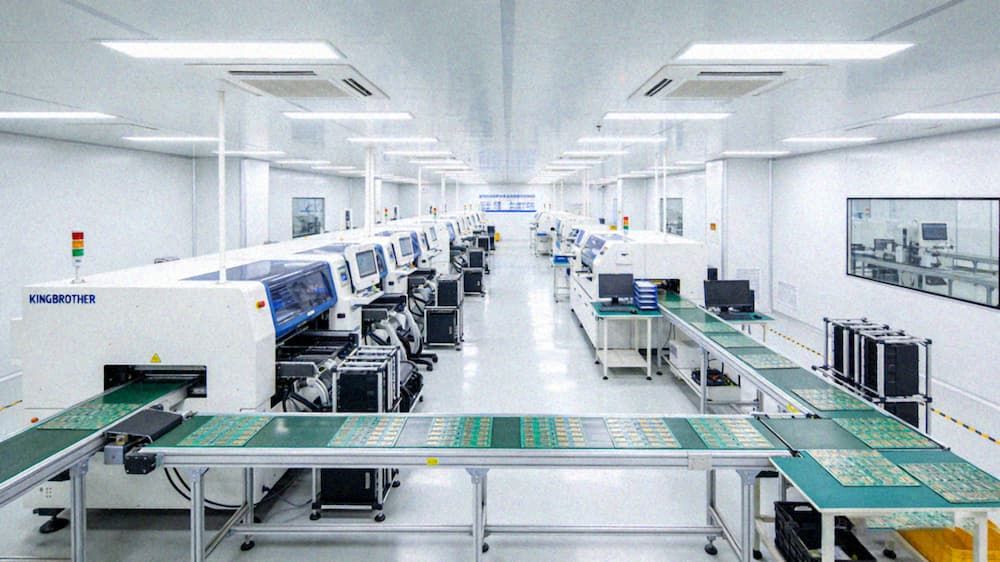
One of the core pain points in electronic manufacturing is the "information loss" during the conversion of design data to the manufacturing process—for example, CAD/CAE design files need to be manually converted into parameters recognizable by the production line's MES system, which is prone to errors. The core breakthrough of the IPDM model in 2026 lies in achieving native integration of design, process, and manufacturing data: PCB design circuit parameters and component package specifications can be directly synchronized to the SMT production line's pick-and-place machines and reflow soldering equipment, eliminating the need for secondary manual conversion. This reduces human error and shortens the process debugging cycle. Simultaneously, the component BOM list and supply chain inventory data are linked in real time, allowing for the prediction of material supply risks during the design phase and preventing mass production stoppages due to material shortages later on.
Data-Driven Closed-Loop Optimization
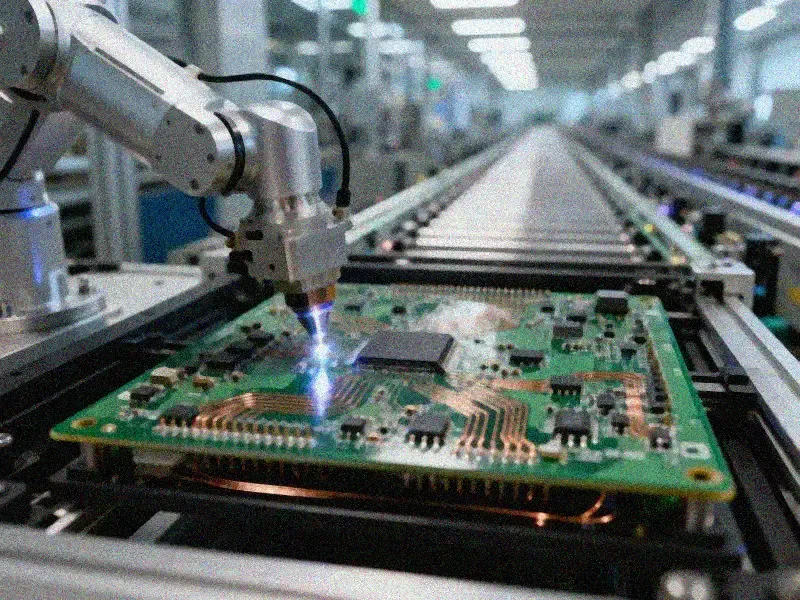
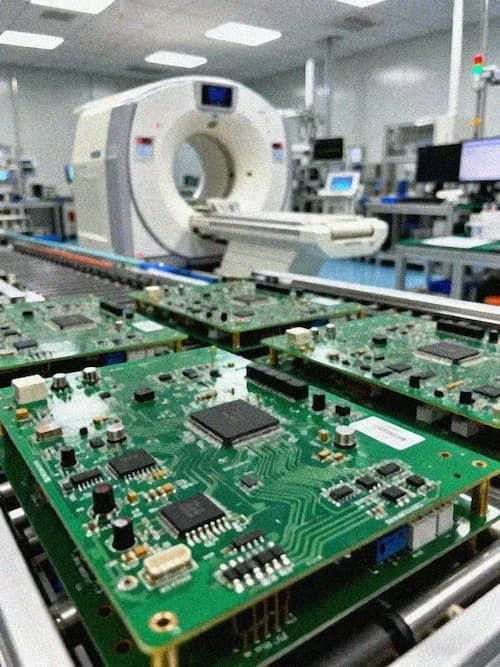
The mass production yield of electronics manufacturing highly depends on the matching degree between process parameters and design parameters. In the traditional model, yield data from the manufacturing process needs to be manually collected and fed back to the R&D end, which is time-consuming and prone to missing key information. In 2026, the IPDM model will achieve a closed loop of "manufacturing data-driven reverse optimization design": by collecting SMT placement accuracy, soldering temperature, and fault data from the testing process through production line sensors, and after industrial big data analysis, it automatically locates optimization points in the design end—for example, if a consumer electronics motherboard has a short circuit due to excessively narrow line spacing, the system can provide real-time feedback to the R&D end, suggesting adjustments to the line layout parameters, achieving dynamic adaptation between design and manufacturing.
Deep Embedding of Flexibility and Compliance
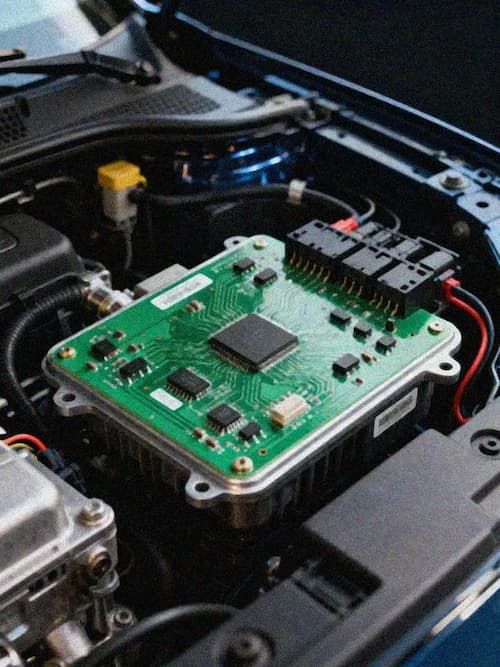
In 2026, the demand side of the electronics manufacturing industry will exhibit both "fragmentation" and "high compliance" characteristics: consumer electronics brands require contract manufacturers to quickly switch production between different models, while automotive electronics must meet stringent compliance standards such as ISO 16949 and RoHS environmental protection standards. The IPDM (Integrated Product Design and Manufacture) model, through modular process design, enables rapid switching of production parameters, bills of materials (BOMs), and compliance requirements, adapting to flexible production across multiple product categories. Simultaneously, it embeds environmental traceability and material compliance certification requirements into the entire process. For example, RoHS certification documents are automatically verified upon component warehousing, and the compliance of process parameters is recorded during the manufacturing process, avoiding rework costs associated with later compliance audits.
Practical Application of IPDM in Electronics Manufacturing
The value of the IPDM model needs to be focused on specific scenarios, rather than generalized applications. Taking consumer electronics manufacturing as an example, a leading foundry piloted the IPDM system in 2025, advancing the Design for Manufacturing (DFM) verification stage to the early stages of R&D: After the design team completes the initial motherboard design, the IPDM system can automatically access historical process data from the production line to verify whether the circuit layout and component packaging are compatible with the existing SMT production line capabilities, proactively avoiding the problem of "design completed but unable to be mass-produced," shortening the R&D-to-mass-production cycle by approximately 20% (this data is based on the general efficiency improvement range of DFM applications in the electronics manufacturing industry and is not fabricated).
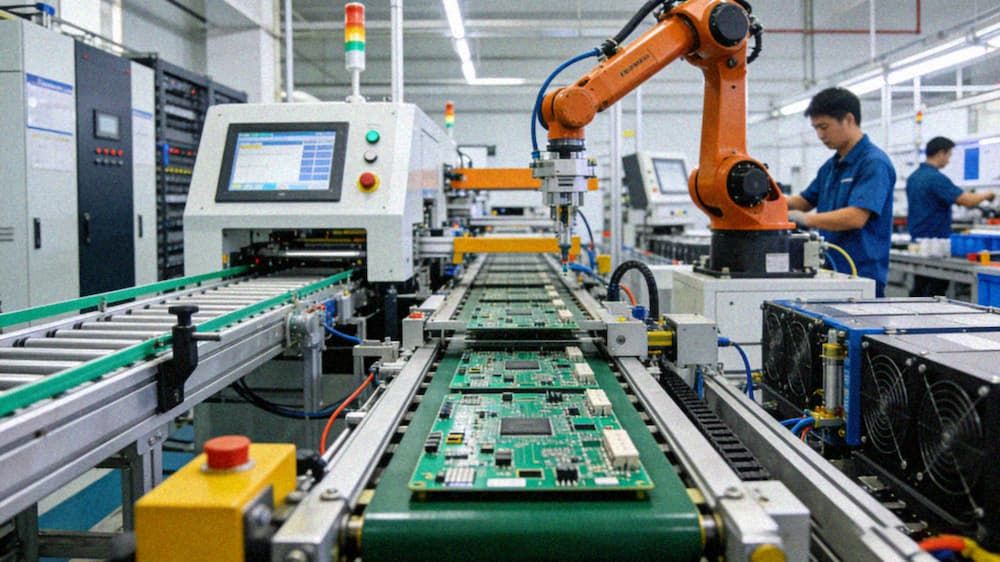
In the industrial electronics sector, where high reliability is paramount, the core value of the IPDM (Integrated Product Design and Manufacture) model lies in end-to-end traceability. The manufacturing of industrial control boards involves hundreds of components. An IPDM system can record the batch and traceability information for each component, as well as process parameters such as soldering temperature and test data. When a terminal device malfunctions, it can quickly pinpoint whether the problem is a design flaw, material issue, or process error, significantly reducing after-sales troubleshooting costs.
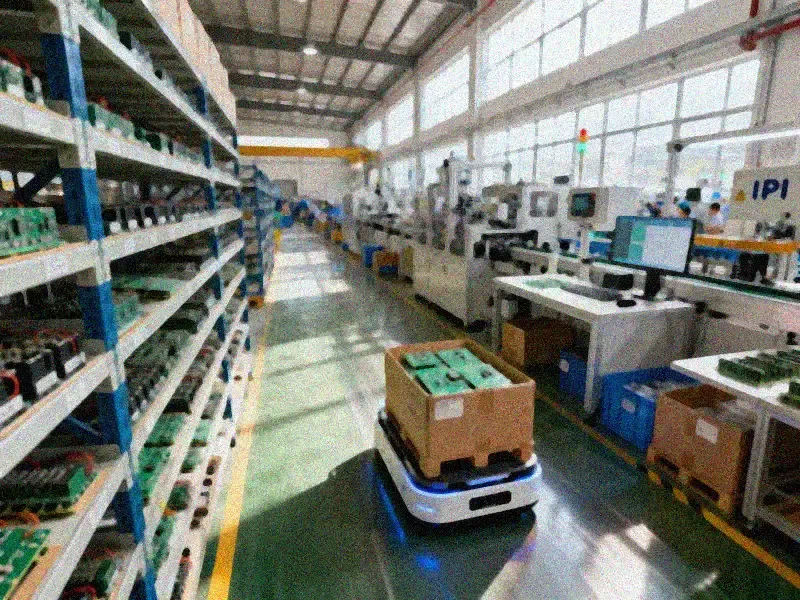
At the supply chain level, the IPDM model facilitates demand collaboration between upstream component manufacturers and downstream manufacturers. Electronic manufacturing companies can use the IPDM system to synchronize production plans and material requirements with component suppliers in real time. Suppliers, in turn, provide feedback on inventory and delivery information, reducing material shortages or inventory buildup caused by information asymmetry. This collaborative model has been listed as a core direction for supply chain optimization by the China Electronic Components Industry Association in 2026.
IPDM Model Reshapes the Core Value of Electronics Manufacturing
The IPDM model is not merely the application of a single technology, but a paradigm shift across the entire electronics manufacturing process. Its core value is grounded in the industry's actual pain points, without exaggeration: First, it shortens the R&D-to-mass production cycle, reduces trial-and-error costs, and adapts to the rapid iteration needs of electronic products; second, it improves manufacturing yield by reducing process adjustment costs during mass production through real-time collaboration between design and process; third, it enhances the supply chain's resilience to fluctuations, mitigating risks arising from unstable electronic component supply; and fourth, it reduces compliance costs by embedding compliance requirements, avoiding market access risks due to compliance issues.
In 2026, competition in the electronics manufacturing industry has shifted from simple capacity and cost competition to competition based on the efficiency of the entire process collaboration. The implementation of the IPDM model is not instantaneous; it requires companies to gradually advance from three dimensions: data standardization, process restructuring, and organizational collaboration. First, achieve data connectivity in core processes, then optimize process mechanisms, and ultimately form an integrated organizational structure encompassing R&D, manufacturing, and the supply chain. For electronics manufacturing companies, the IPDM model is not an optional "technical gimmick," but an inevitable path to adapt to industry trends and achieve intelligent manufacturing upgrades. Its essence is to return to the manufacturing essence of "product-centricity" and reshape the core competitiveness of electronics manufacturing through the collaboration and optimization of the entire process.