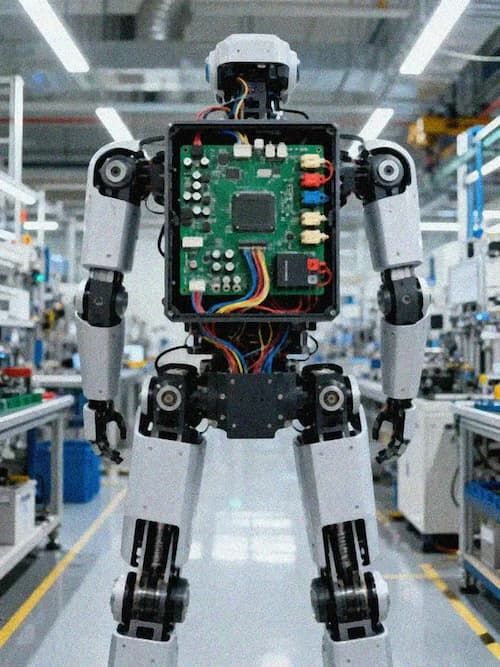
From High-Speed PCB Design to System Integration: Building a Solid Foundation for Intelligent Medical Diagnosis Hardware
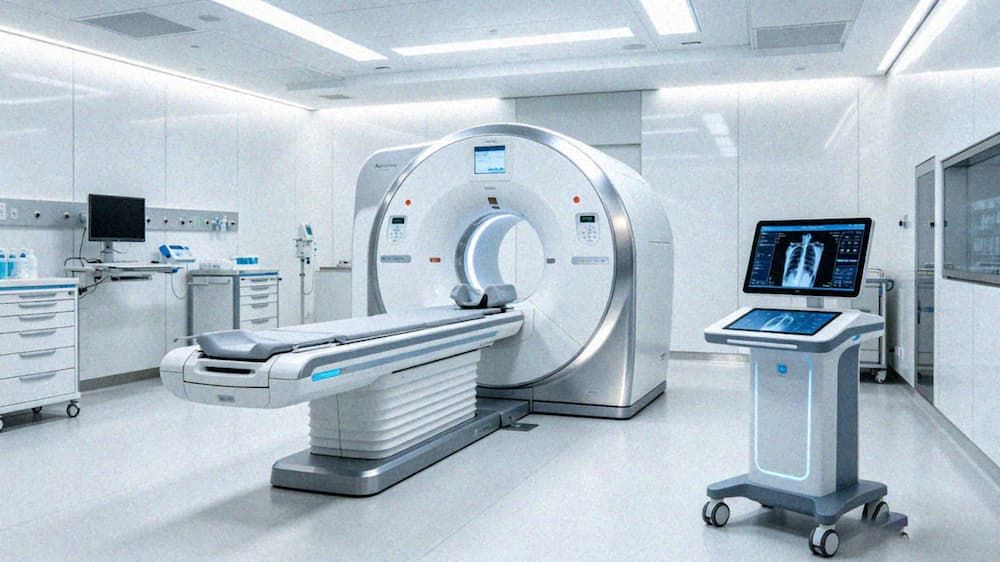
With the accelerating aging population, the deep implementation of hierarchical medical policies, and the rapid iteration of AI diagnostic technologies, medical imaging has become a core basis for clinical diagnosis, disease assessment, and scientific research innovation. Medical imaging AI workstations, integrating high-performance computing power, medical image processing software, and AI algorithm platforms, are becoming the core infrastructure for medical institutions, medical AI companies, and research institutes to achieve accurate diagnosis and technological innovation.
Medical imaging AI workstations place extremely high industry demands on their hardware systems: multi-card parallel heterogeneous computing architecture requires high-frequency, high-speed signal transmission capabilities; 24/7 operation in clinical scenarios requires medical-grade high reliability; medical data management requires compliant storage and network architecture; and the accelerated localization of domestic alternatives in the industry also places clear demands on the independent controllability of hardware platforms. Behind these demands lie multiple industry challenges in hardware R&D and design, mass production, supply chain management, and medical compliance certification.
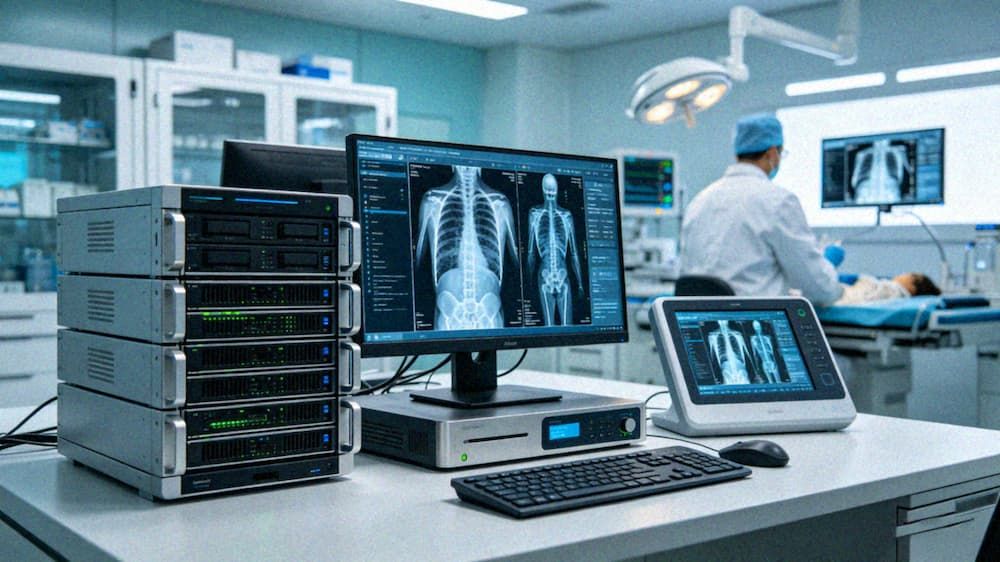
With years of experience in the medical electronics field, KINGBROTHER focuses on its IPDM (Integrated Product Design and Manufacturing) one-stop solution, connecting the entire chain of medical imaging AI workstations from conceptual design and prototype verification to large-scale mass production. It integrates high-speed PCB R&D and manufacturing, full-stack hardware design, precision PCBA manufacturing and EMS integration, and medical-grade compliance assurance capabilities, providing industry customers with full-stack hardware innovation support and contributing to the high-quality development of the medical intelligent diagnostics industry.
I. The Industry Opportunities and Core Challenges of Medical Imaging AI Workstation Implementation
(I) Three Core Driving Forces of Industry Development
Explosive Demand: The global intelligentization of medical equipment is accelerating, and the market for portable diagnostic equipment and high-end medical imaging equipment continues to expand, with a projected compound annual growth rate of 15% over the next five years. The comprehensive advancement of hierarchical diagnosis and treatment and telemedicine is enabling medical imaging AI workstations to rapidly penetrate from tertiary hospitals to regional medical centers and primary healthcare institutions, continuously releasing market demand.
Policy-Driven: China's 14th Five-Year Plan explicitly promotes the localization of high-end medical equipment. Medical imaging equipment, as a core sector, is poised for a market worth hundreds of billions of yuan in domestic substitution. Simultaneously, increasingly stringent requirements for medical data security compliance are driving the local deployment of edge AI in medical imaging workstations to become the mainstream solution in the industry.
Technological Upgrade: The rapid development of large-scale multimodal medical models is enabling deep integration of imaging and clinical data, placing higher demands on hardware computing power, real-time data processing, and storage bandwidth. The rapid maturation of domestic computing platforms is propelling medical imaging AI workstations towards full-chain self-control from the underlying hardware.
(II) Four Core Pain Points in Hardware Implementation
Signal Integrity Challenges of High-Performance Hardware: The parallel architecture of multi-core CPUs and multiple GPUs with large memory, along with the demands of 10 Gigabit Ethernet and real-time transmission of high-definition imaging data, places stringent requirements on the high-frequency, high-speed signal processing capabilities of PCBs. Impedance control deviations, signal crosstalk and attenuation, and EMC electromagnetic compatibility issues directly affect the accuracy and real-time performance of imaging data processing, resulting in extremely high hardware design barriers.
Medical-Grade High Reliability and Compliance Barriers: Medical imaging AI workstations must meet the requirements of long-term uninterrupted operation in clinical scenarios, with stringent standards for hardware environmental adaptability, anti-interference capabilities, and lifespan. Simultaneously, products must comply with the ISO13485 medical quality management system, and the entire hardware process must meet medical device registration and certification requirements. This results in long R&D and certification cycles and significant compliance control challenges.
Domestic Adaptation and Supply Chain Security Challenges: The accelerated replacement of domestic computing power platforms necessitates hardware manufacturers to achieve deep adaptation and performance optimization of domestic CPUs/GPUs. Furthermore, the supply of core components for medical equipment is heavily influenced by geopolitics, making supply chain stability and compatibility design for domestic alternatives key bottlenecks for large-scale product deployment.
Engineering Gap from R&D to Mass Production: Medical AI companies and research institutions often focus on algorithm and software R&D, lacking the ability to develop and manage the entire hardware chain and manage mass production. A significant gap exists in DFM (Dual Factor Manufacturing) optimization, process control, and yield improvement from prototype design to large-scale mass production, leading to long product launch cycles, cost overruns, and insufficient mass production stability.
II. KINGBROTHER IPDM Full-Chain Solution: Solving the Hardware Deployment Challenges of Medical Imaging AI Workstations
Leveraging the practical experience accumulated from over 20,000 customers, KINGBROTHER's IPDM one-stop solution integrates three core capabilities: Integrated Product Design (IPD), Integrated Product Manufacturing (IPM), and High-Precision PCB R&D and Manufacturing. It provides a full-chain customized service from underlying hardware to complete system integration, systematically solving the industry's core pain points for medical imaging AI workstations.
(I) High-Speed and High-Reliability PCB Customized R&D and Manufacturing: Building a Solid Foundation for High-Performance Hardware
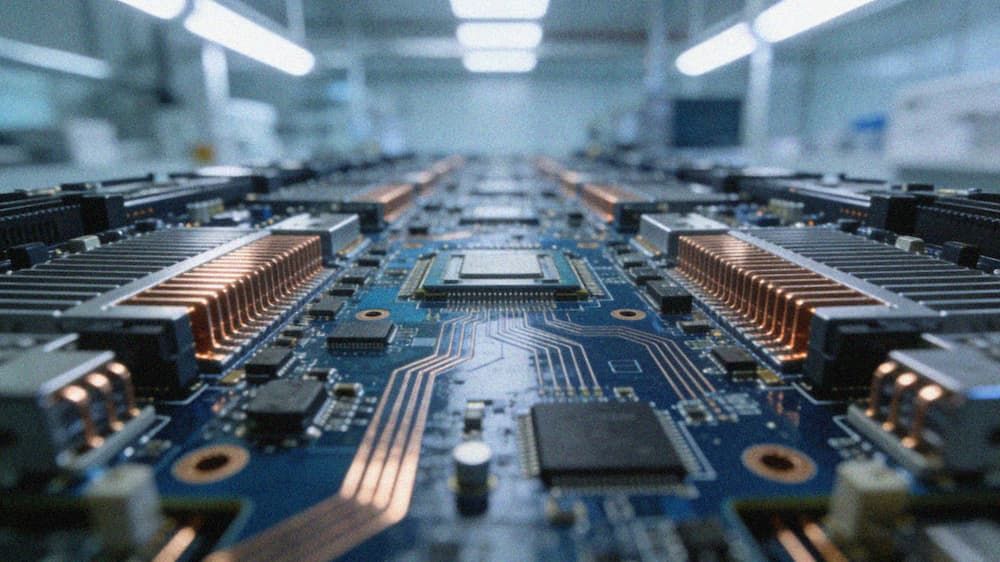
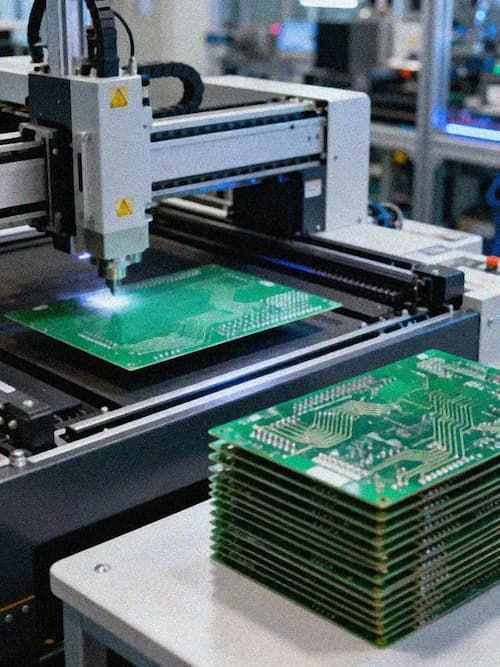
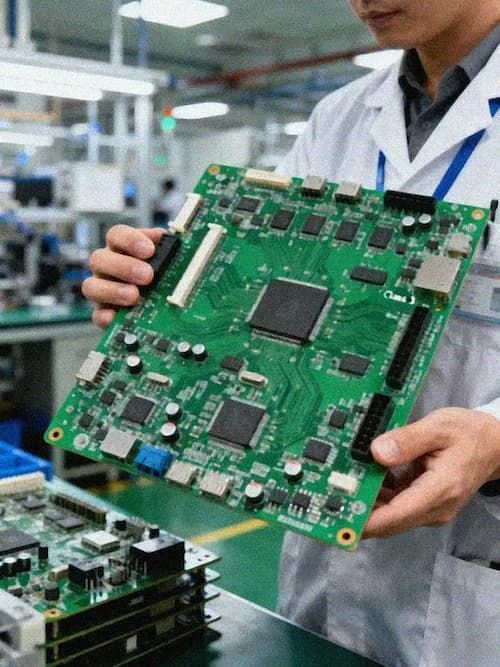
Addressing the core requirements of high-frequency, high-speed signal transmission, high-performance heat dissipation, and medical-grade stable operation for medical imaging AI workstations, KINGBROTHER possesses full-category high-precision PCB R&D and manufacturing capabilities. It can provide customized solutions for high-speed, multilayer boards (20 layers or more), high-frequency boards, and high-heat-dissipation printed circuit boards. Having accumulated mature design experience in medical imaging equipment such as CT/MRI main control boards and ultrasound diagnostic instrument signal processing modules, it can quickly adapt to the hardware architecture requirements of medical imaging AI workstations.
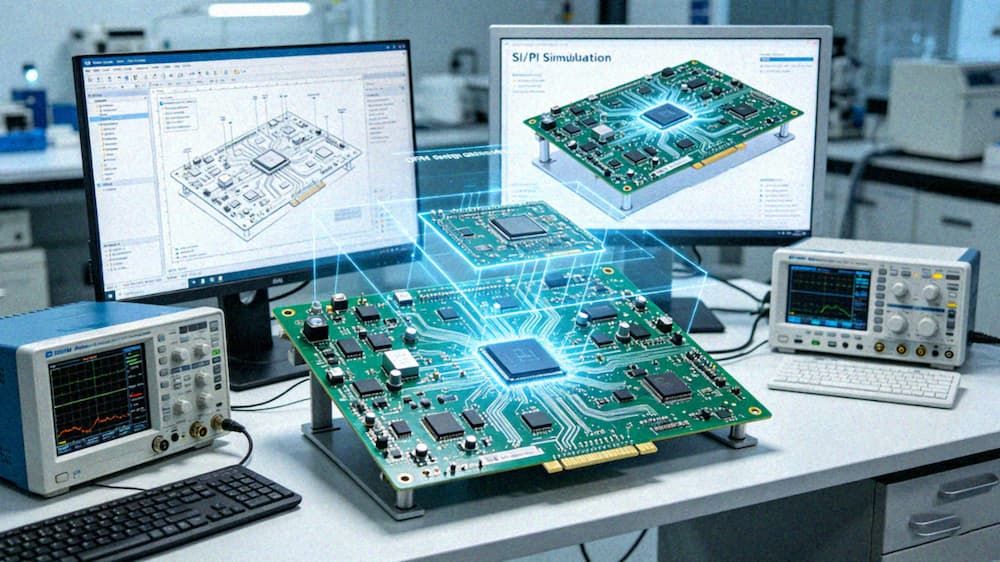
High-Speed Signal Design Optimization: Capable of 56-layer 112Gbps high-speed PCB design, utilizing professional SI/PI simulation, precise impedance control, and dedicated shielding layer design to perfectly resolve crosstalk and attenuation issues in multi-GPU parallel architectures, ensuring low-latency transmission and lossless processing of high-definition medical imaging data. Addressing the electromagnetic compatibility requirements of hospital clinical environments, professional EMC design and optimization achieve a 98.5% first-pass yield, avoiding electromagnetic interference between devices and meeting medical equipment usage standards.
High Heat Dissipation and High Stability Design: Addressing the heat dissipation needs of high-performance chips operating at full load for extended periods, customized solutions are provided, including embedded copper PCBs, aluminum-based thick copper high thermal conductivity PCBs, and ultra-thick copper PCBs (≥10 OZ), optimizing the overall heat dissipation architecture. Simultaneously, optimized PCB layer structure achieves voltage isolation, electrostatic discharge and surge protection, and overvoltage and overcurrent protection, improving the long-term operational stability of the equipment in complex medical environments.
High-Speed Signal Design Optimization: Features 56-layer 112Gbps high-speed PCB design capabilities, utilizing professional SI/PI simulation, precise impedance control, and dedicated shielding layer design to perfectly resolve crosstalk and attenuation issues in multi-GPU parallel architectures, ensuring low-latency transmission and lossless processing of high-definition medical imaging data. ### (II) Integrated Product Design (IPD) Full-Stack Development for Customized Hardware Architecture Innovation
Leveraging its full-platform hardware development capabilities across ARM, FPGA, and GPU, KINGBROTHER provides medical imaging AI workstations with a complete IPD solution, encompassing schematic design, hardware development, structural design, and system adaptation, addressing the core pain point of gaps in customers' hardware R&D capabilities.
Customized Heterogeneous Computing Architecture Design: Supports multi-card parallel and heterogeneous computing architecture design with Xeon/EPYC multi-core CPUs and professional-grade GPUs with over 24GB of dedicated memory. It also deeply adapts to domestic computing platforms, completing hardware schematic design, interface adaptation, and performance optimization for domestic CPUs/GPUs, helping customers achieve domestic hardware substitution and ensuring supply chain self-sufficiency and control.
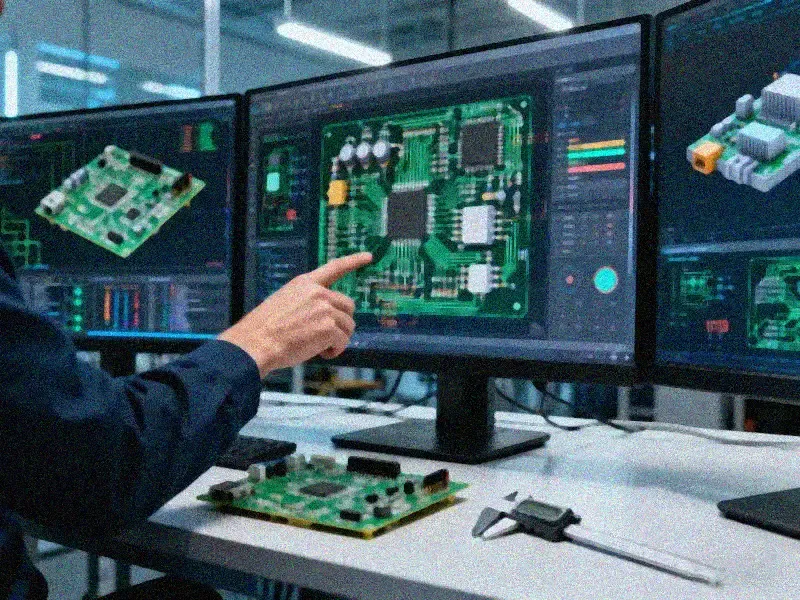
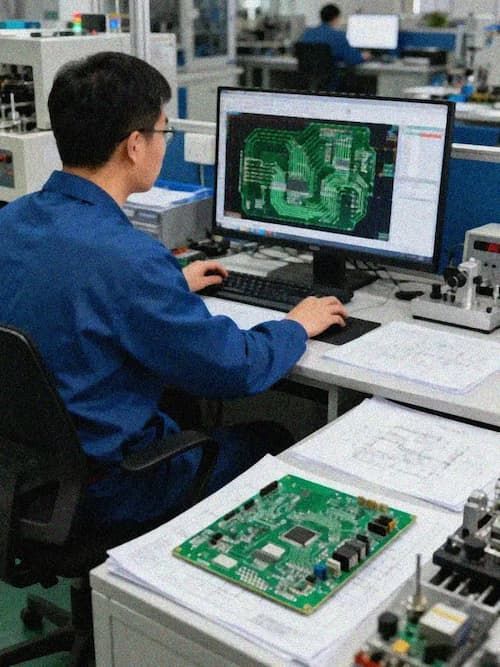
Full-Process Simulation and Design Optimization: Provides full-process services including SCH design, SI/PI simulation, DFX manufacturability review, and EMC design and optimization. Through proactive design optimization, it reduces design iterations by 60%-80%, eliminates 90% of solder pad defects and 70% of assembly risks, improving hardware design maturity and reliability from the source and significantly shortening the R&D cycle.
Integrated System Design: Covers the entire system design, including NVMe high-speed SSD system + tiered data storage system design, 10 Gigabit Ethernet interface adaptation, PACS/HIS in-hospital system integration, and hardware-level data encryption module adaptation. It meets the needs of high-speed storage, secure transmission, and seamless integration with in-hospital systems for medical imaging data, while perfectly adapting to various deployment models such as edge AI localization and cloud-edge collaboration.
(III) Integrated Product Manufacturing (IPM) and EMS Integration for Efficient Design-to-Mass Production Implementation
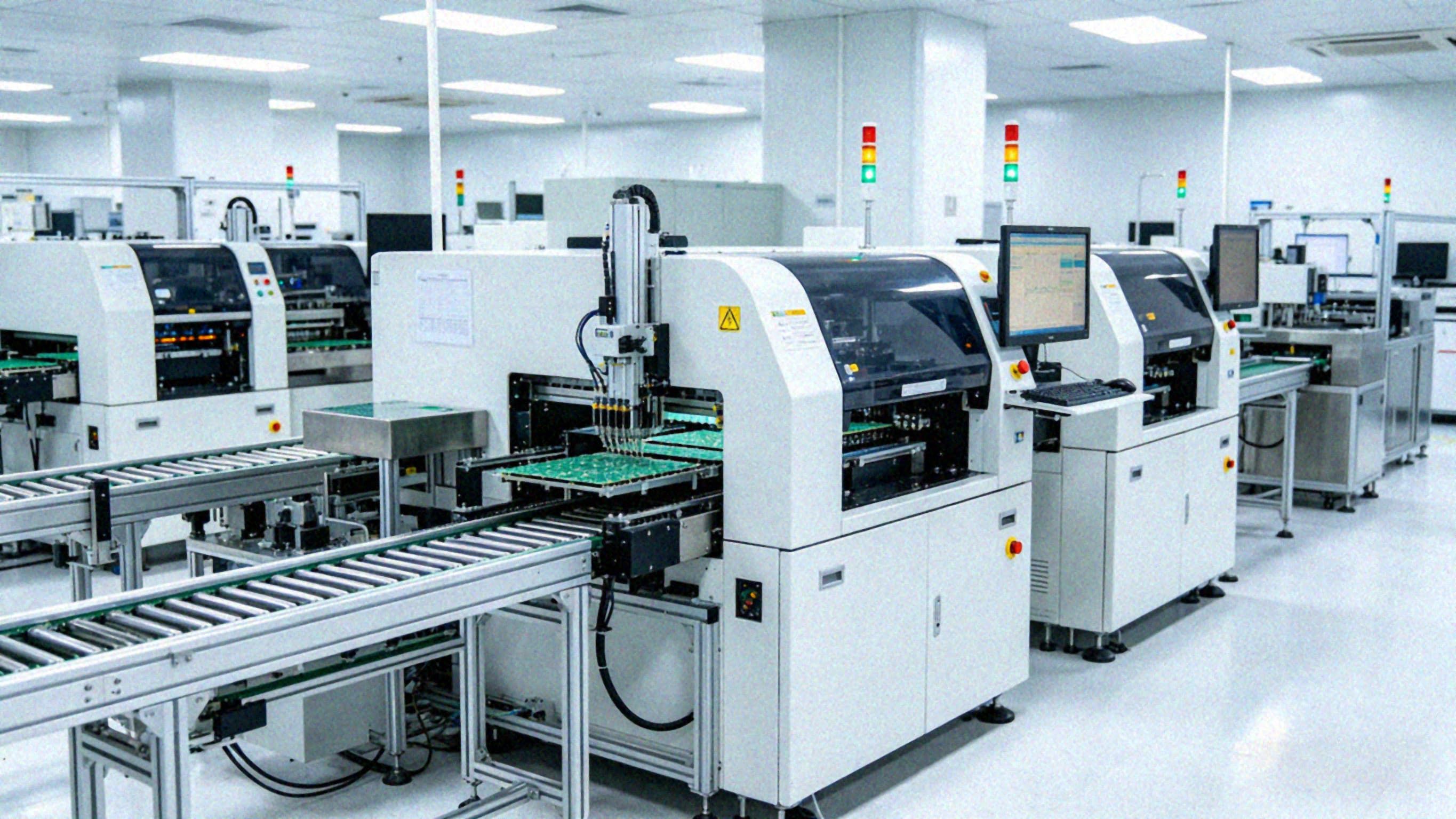
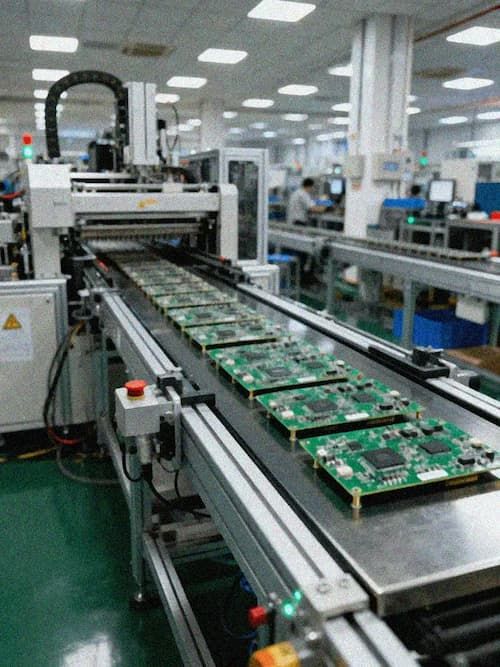
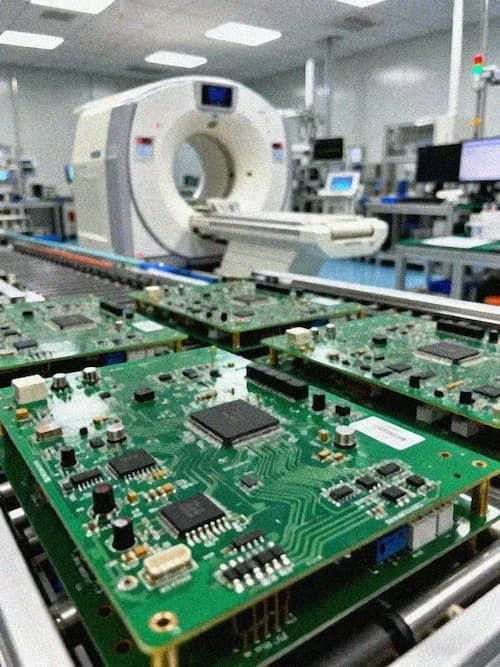
KINGBROTHER's IPM solution integrates high-precision PCBA manufacturing, KBOM material management, and integrated testing capabilities across the entire supply chain, providing one-stop mass production manufacturing services for medical imaging AI workstations. This addresses core challenges such as long production cycles, difficult yield control, and cost optimization.
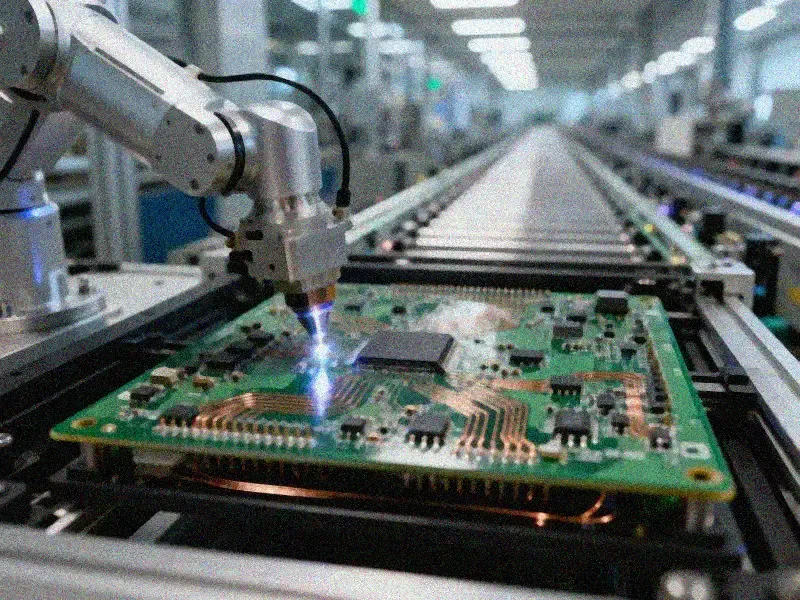
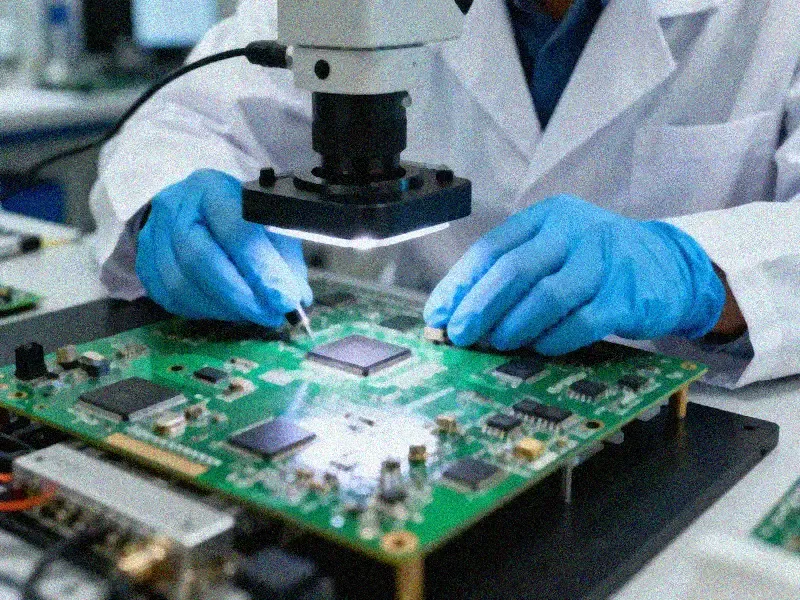
High-Precision PCBA Manufacturing Process: Possesses advanced manufacturing capabilities including 01005 ultra-small component mounting, BGA/CSP packaging, double-sided mixed assembly, and 3D assembly. Combined with 3D AOI automated optical inspection and X-ray inspection for comprehensive quality control, this achieves a 15%-30% improvement in PCBA manufacturing yield and a 50% reduction in rework rate. Through conformal dispensing and specialized coating processes, it enhances the equipment's resistance to moisture, corrosion, and dust in the complex hospital environment, ensuring long-term operational stability.
Full Lifecycle Material and Supply Chain Management: Leveraging a database of over 3.27 million certified materials and a KBOM technology platform, we provide one-stop services for BOM optimization, component selection, intelligent matching of multi-source alternatives, and domestic substitution. This enables the domestic substitution of common components, reducing procurement costs and shortening delivery times. Simultaneously, we establish a full lifecycle BOM risk warning mechanism to ensure supply chain security and mass production stability.
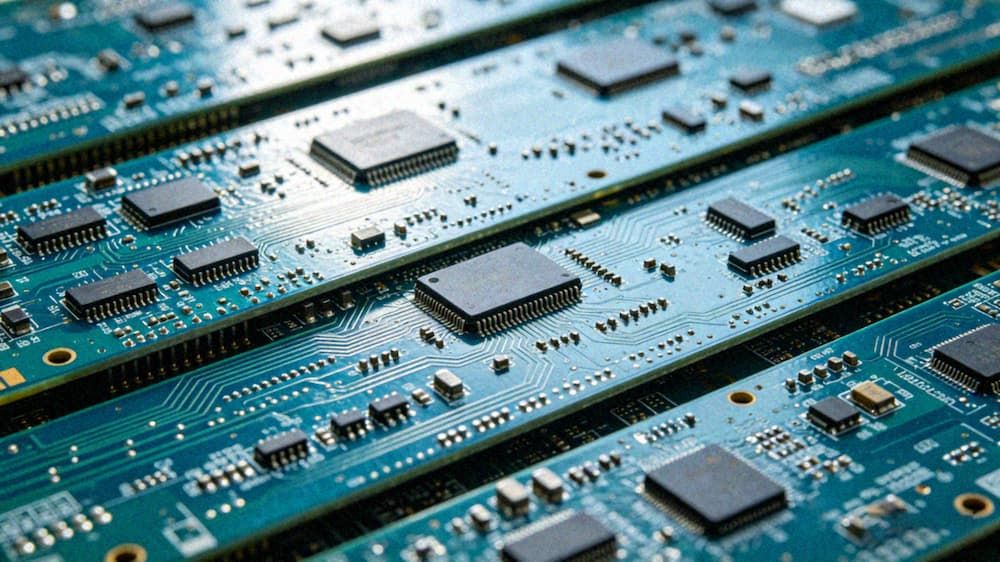
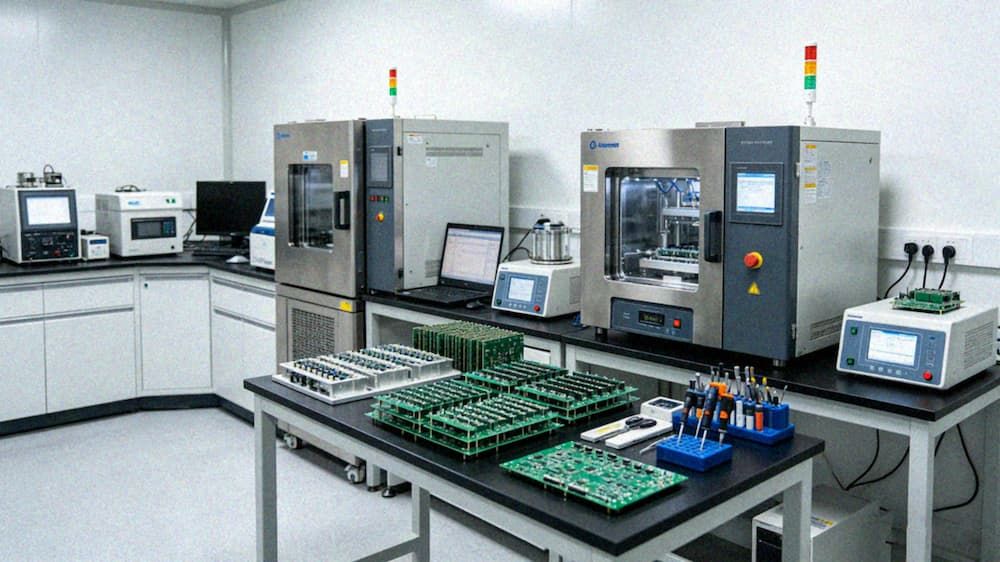
- Medical-Grade System Integration and Testing: We provide end-to-end EMS services from PCBA mounting, system assembly, functional testing to aging verification. This includes environmental testing such as high and low temperature cycling, vibration, and salt spray; electrical safety testing such as withstand voltage, insulation, and leakage current; and 85℃/168h high-temperature aging testing to ensure products meet medical device-grade MTBF standards. A full-process barcode tracking system meets the unique identification requirements of medical devices (UDI), enabling full lifecycle data traceability.
(IV) Medical-Grade Reliability and Compliance Assurance, Accelerating Product Launch
Based on the ISO13485 medical quality management system, KINGBROTHER has developed a comprehensive reliability solution (TSR). This solution systematically improves the reliability of medical imaging AI workstations across four dimensions: design, materials, processes, and usage. It also provides clients with full-process technical support for medical compliance certification.
Comprehensive Reliability Engineering Services: With a CNAS/CMA accredited laboratory, KINGBROTHER provides a full-process service including design review, reliability design verification, environmental and electrical reliability testing, and failure analysis and root cause analysis (RCA). This proactively identifies product reliability risks, develops corrective and preventative measures, improves product lifespan and environmental adaptability, and significantly shortens the R&D and certification cycle.
Comprehensive Medical Compliance System Support: The company has obtained multiple authoritative certifications, including ISO13485 Medical Quality Management System, ISO9001, and UL. The entire hardware design and manufacturing process strictly adheres to medical device regulations, providing compliance technical documents such as technical specifications, design guidelines, and test reports. This offers proactive technical support for clients' medical device registration and certification, mitigating compliance risks and accelerating product launches.
III. Full-Scenario Adaptability, Empowering Diverse Applications of Medical Imaging AI
KINGBROTHER's IPDM one-stop solution is deeply adaptable to the full-scenario deployment needs of medical imaging AI workstations, providing customized hardware support for different types of clients:
Tertiary Hospital Radiology Departments/Regional Remote Imaging Centers: Provides domestically produced, highly reliable integrated medical imaging AI workstation hardware solutions, supporting localized edge AI deployment, ensuring patient image data security, and meeting the high stability requirements of 24/7 clinical diagnosis, facilitating the implementation of hierarchical medical services and telemedicine.
Specialty Hospitals (Oncology, Cardiovascular, etc.): Customized and optimized hardware computing architecture and signal processing capabilities to meet the high-computing and high-precision processing needs of specialized medical imaging, adapting to specialized AI diagnostic algorithms and providing hardware support for precision medicine.
Medical AI Companies and Research Institutions: Providing end-to-end services from prototype development and algorithm verification hardware platforms to large-scale mass production, significantly reducing the barriers to hardware R&D and mass production. Leveraging mature IPDM solutions, product mass production cycles can be compressed to 60% of the industry average, helping clients double their product launch efficiency and accelerating the productization of AI algorithms and the application of research results.
IV. Working Together to Create a New Future for Intelligent Healthcare
Currently, intelligent healthcare has become an inevitable trend in the industry. Medical imaging AI workstations, as the core infrastructure for intelligent diagnosis, are rapidly developing towards localization, edge AI localization, multimodal large-scale model fusion, and integrated development.
As a leading domestic provider of integrated circuit design and manufacturing services, KINGBROTHER has been deeply involved in the medical electronics field for many years. Always prioritizing customer needs and driven by technological innovation, KINGBROTHER leverages its IPDM one-stop solution to continuously streamline the entire chain of medical hardware from R&D and design to mass production. In the future, KINGBROTHER will continue to deepen its presence in the medical electronics sector, constantly upgrading its technological capabilities and service system, and working with industry partners to jointly promote the localization of high-end medical equipment and create a new future of intelligent healthcare.