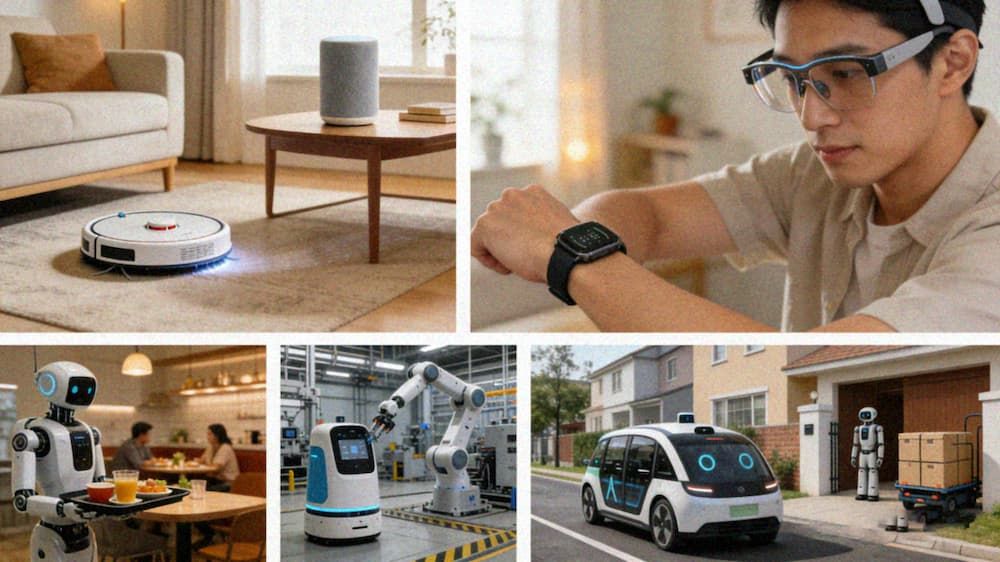
Currently, China's artificial intelligence technology is rapidly moving beyond digital screens and deeply integrating into the physical world. From driverless taxis and delivery robots routinely operating in city streets, to humanoid robots performing high-difficulty maneuvers like singing, dancing, parkour, and martial arts on professional stages, to tens of thousands of drones collaboratively forming complex formations in the night sky, China is igniting a global surge in physical artificial intelligence development through large-scale applications.
This physical AI boom has already crossed the Pacific Ocean. At the Consumer Electronics Show (CES) in Las Vegas earlier this year, Chinese startups shone brightly with a full range of AI hardware products, covering smart home devices, wearables, and various commercial and home robots, becoming the focus of the exhibition.
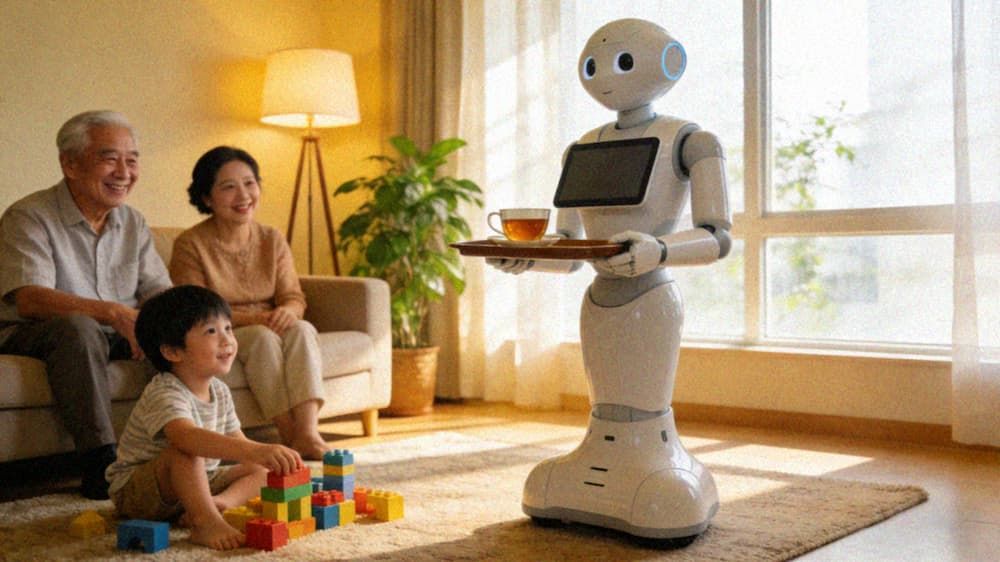
While cutting-edge US labs are fiercely competing on large-scale language model leaderboards, China's AI capabilities are being demonstrated in a more tangible way—moving out of the virtual screen and integrating into real daily life. As venture capitalist Marc Andreessen said, over the past decade, we have experienced an era of "software eating the world"; now, with the deep integration of hardware and mathematics, hardware is eating the world. As artificial intelligence (AI) fully integrates into the physical world, we are rapidly entering a new chapter of embodied intelligence. Unlike the past few years where China was striving to catch up in AI modeling, China has now surpassed the United States in the field of physical AI. The core strength of this leap lies in China's deep control over the entire physical AI industry chain and its end-to-end engineering capabilities, from R&D and design to large-scale mass production.
China's Full-Scale Investment in Physical AI
Imagine streets filled with driverless taxis and delivery robots; general-purpose humanoid robots as ubiquitous as smartphones, handling housework, caring for the elderly, and taking over jobs humans are unwilling to do; fully automated "dark factories" operating 24/7, producing more robots without human workers; and swarms of drones and robotic dogs commanded by various countries, capable of making autonomous decisions and executing tasks without human intervention.
We are standing at the entrance to this future, and this future is largely driven by China. For a long time, the core bottleneck in the development of robotics technology has been its large-scale deployment. On the one hand, high hardware costs have constrained the speed of popularization; on the other hand, the engineering gap from product design to mass production has made it difficult for many technological innovations to be quickly transformed into marketable products. Today, with China's dominant position in the global manufacturing sector, particularly in electric vehicles and related industries, hardware costs have decreased by more than half. This has directly driven explosive technological innovation and economies of scale in core robot components (including actuators, sensors, and batteries). Simultaneously, the latest advancements in multimodal artificial intelligence are continuously enhancing robots' ability to generalize and handle everyday tasks.
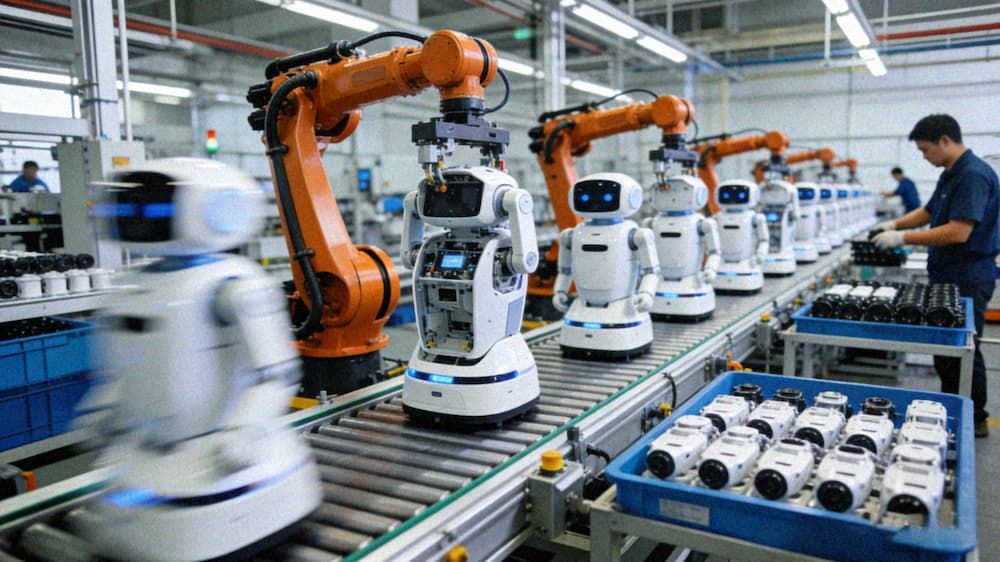
Today, China controls most of the core links in the robotics industry chain. In the field of LiDAR sensors, China is a global leader, accounting for about 70% of the global market share; China has the world's largest manufacturer of harmonic reducers, and the precision gears produced by these manufacturers are core components of various robots; it also has the world's first automated production line for humanoid robot joints; in addition, many manufacturers are rapidly emerging in the field of robot controllers (considered the brain of robots), joining the ranks of global leaders.
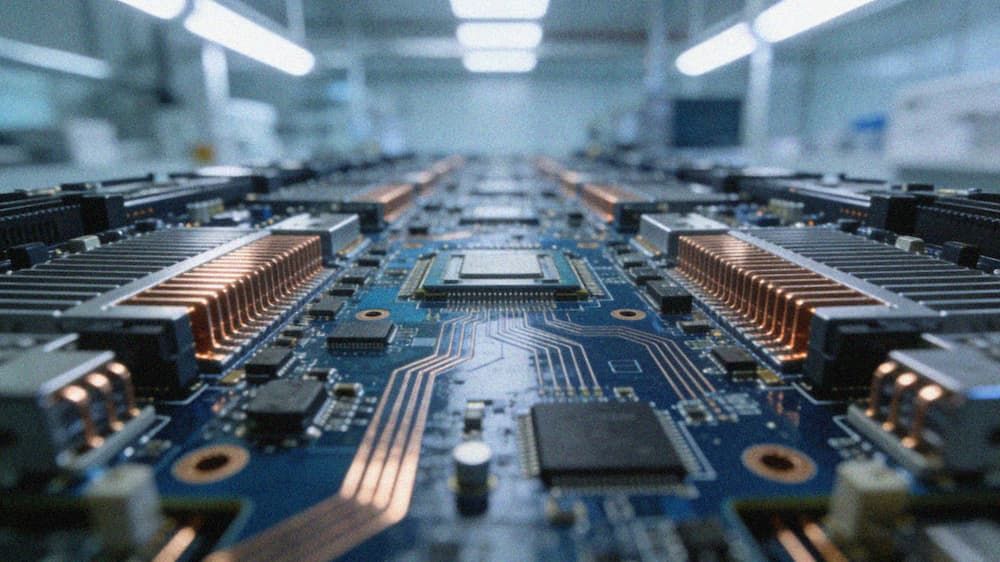
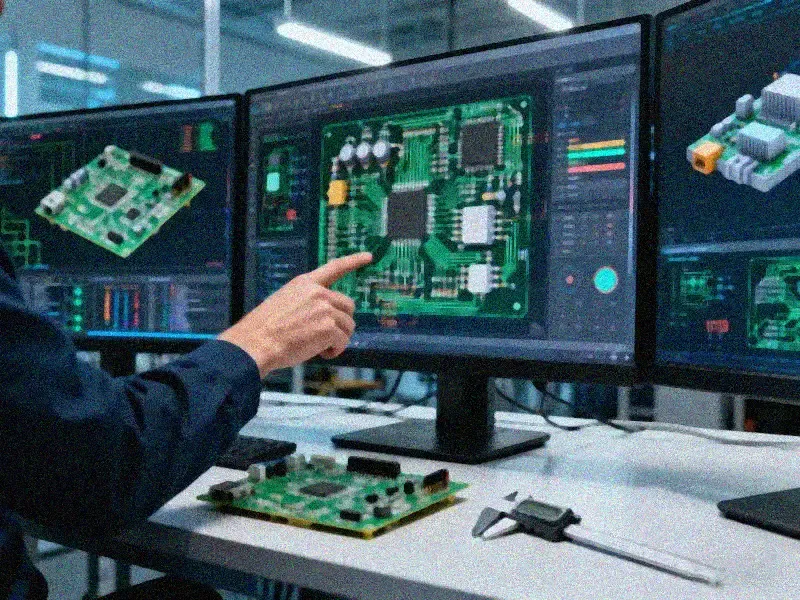
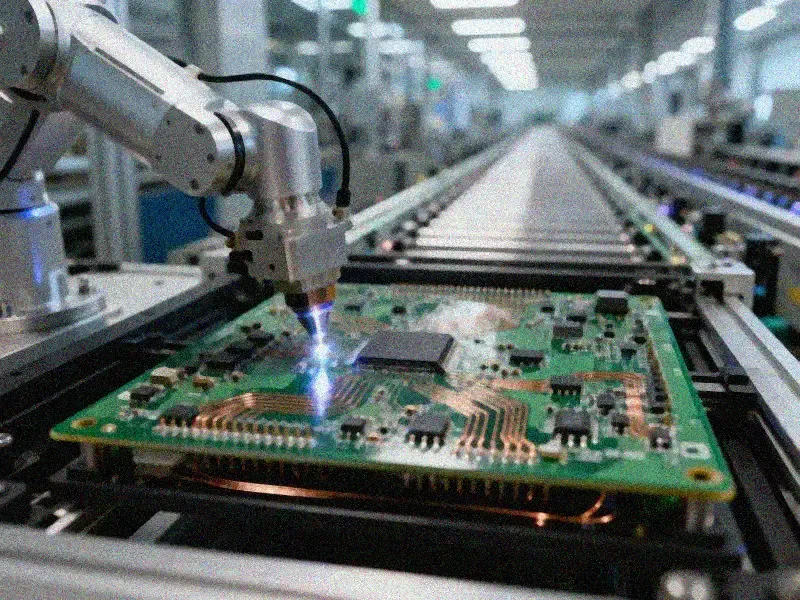
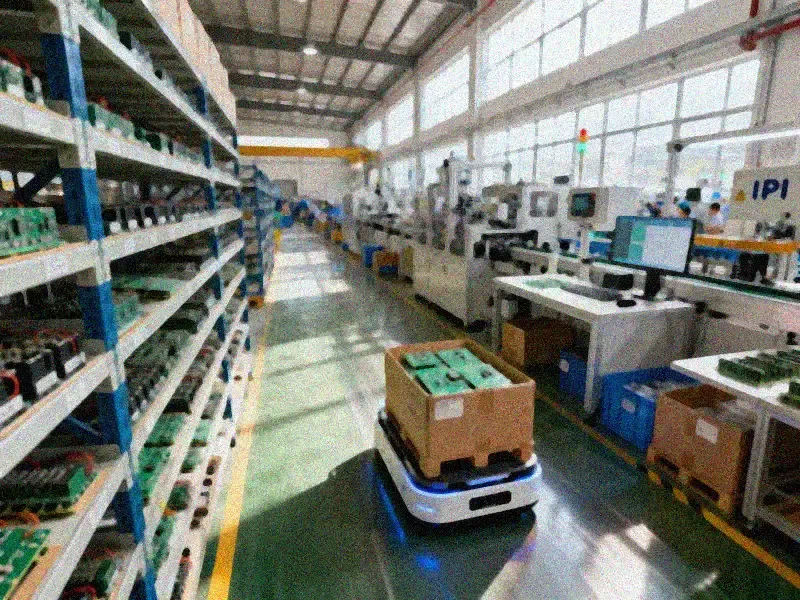
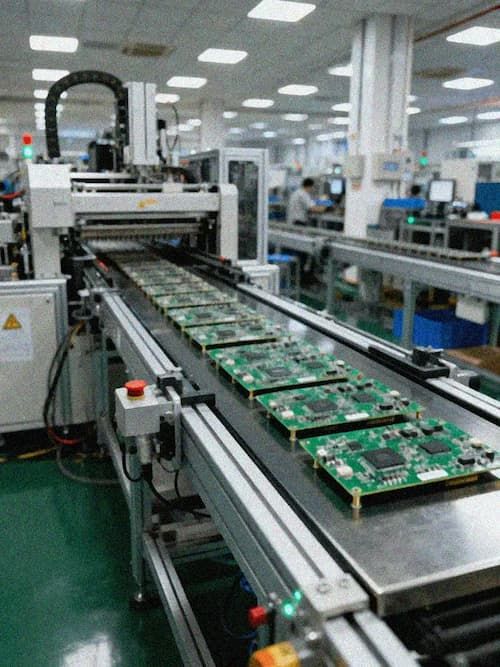
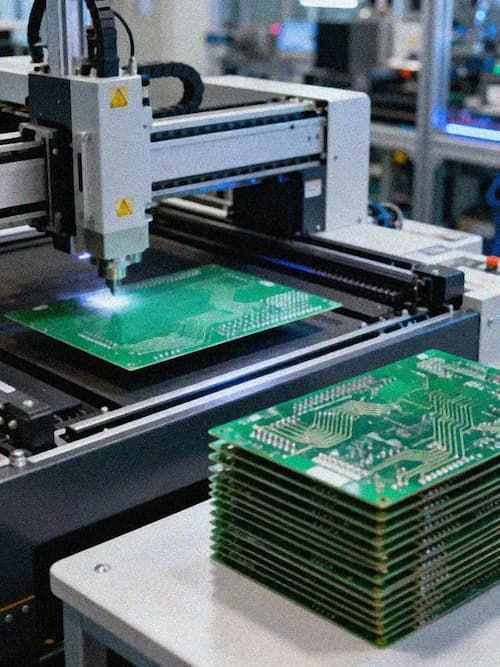
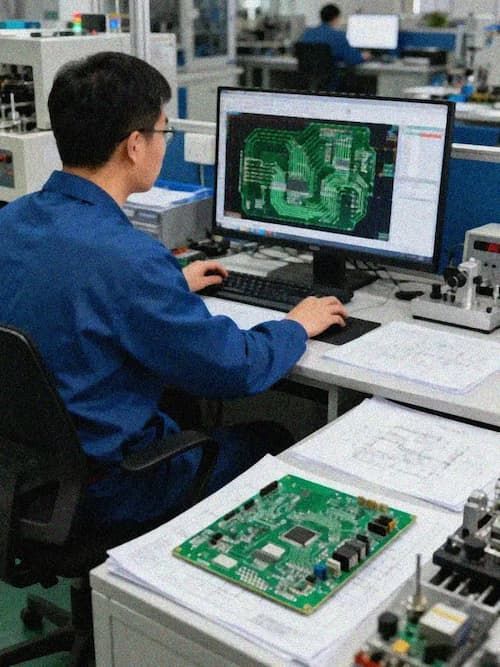
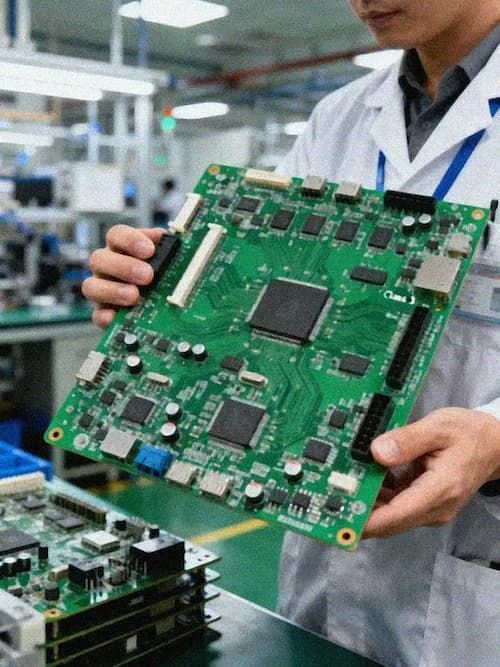
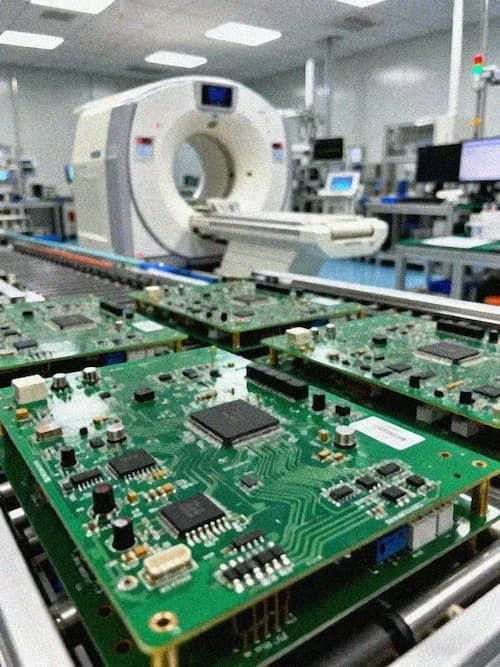
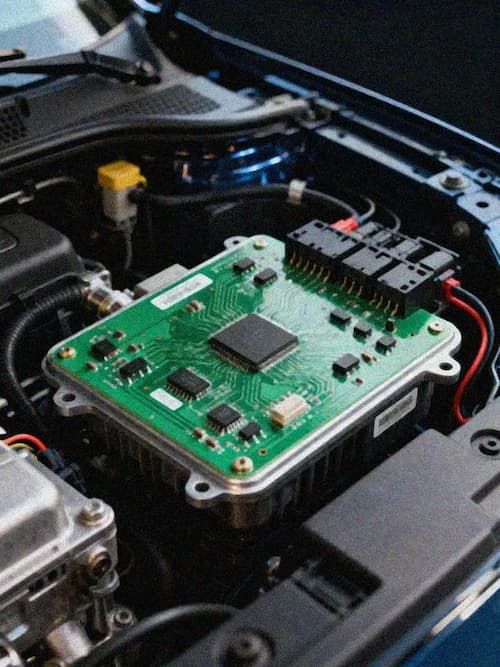
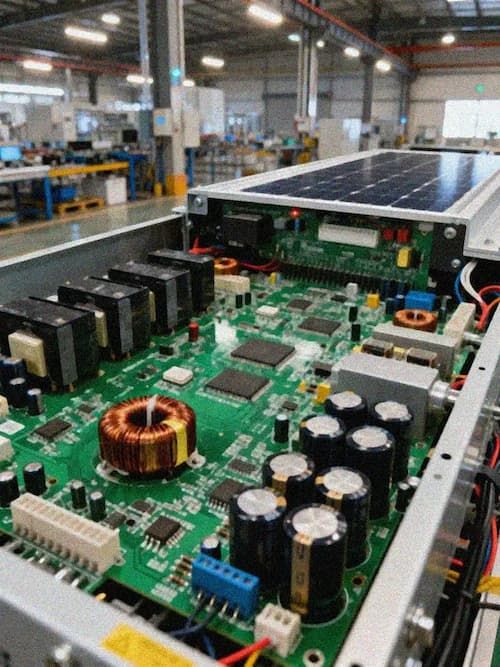
In the crucial area of integrated design and manufacturing of core robot circuit boards, domestic companies have also built globally leading service capabilities. KINGBROTHER, a leading electronic circuit industry service provider, has created a one-stop IPDM (Integrated Product Design and Manufacturing) solution, which is the core support for connecting the key links of humanoid robots from R&D and design to large-scale mass production. This solution integrates the technical capabilities of Integrated Product Design (IPD), Integrated Product Manufacturing (IPM), and the entire PCB chain, covering the entire process of robot manufacturing, from schematic design and simulation verification to PCB manufacturing, PCBA assembly, material selection, domestic substitution, and reliability testing. It solves core pain points commonly found in the industry, such as technological gaps, long mass production cycles, and difficulties in cost control. Based on the practical experience of over 20,000 customers, this solution can reduce the product mass production cycle to 60% of the industry average, helping customers double their product launch efficiency and laying a solid engineering foundation for the large-scale deployment of physical artificial intelligence.
Accelerated Large-Scale Deployment of Humanoid Robots
China's strong domestic mass production capabilities continue to reduce the manufacturing costs of robots, including those with extremely high technical barriers, such as humanoid robots. The research and development and production costs of humanoid robots have long been high due to the limitations imposed by the flexibility and dexterity required for human movements. However, China's advantages across its entire industrial chain are continuously breaking this barrier, from core components to system integration.

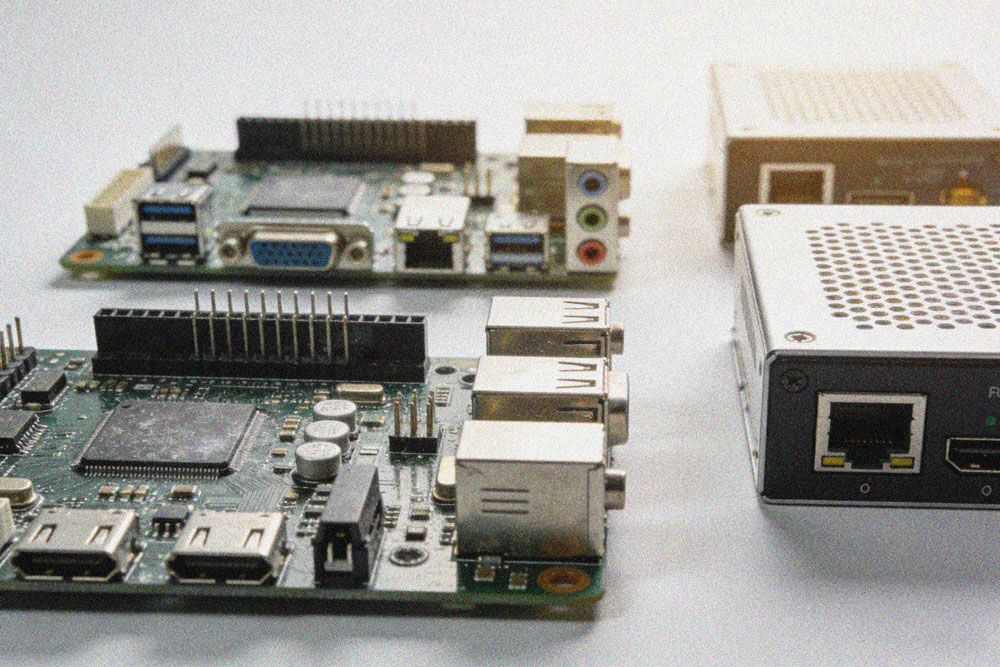
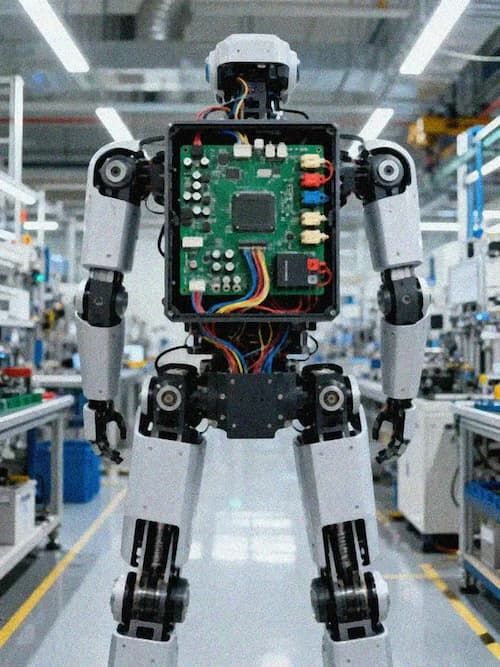
Last year, Chinese companies launched several entry-level home humanoid robots to the mass market, including Noetix's Bumi, a family companion and education robot priced as low as $1400, significantly lowering the consumer threshold for humanoid robots. Behind this price reduction lies the cost reduction through technological advancements and improved engineering efficiency achieved through collaboration across the entire industrial chain. For the core hardware requirements of humanoid robots, industry service providers have developed full-scenario technology adaptation capabilities. For example, KINGBROTHER has created a full-stack board solution around the five core layers of humanoid robots: at the control and computing layer, a smart main control board adapted for high computing power and low power consumption; at the execution and drive layer, a lightweight, high-precision joint motor drive board; and simultaneously covering sensor boards at the perception and acquisition layer, interconnection boards at the communication and transmission layer, and high-reliability power boards at the power supply layer, achieving full coverage of the core hardware system of humanoid robots.
Although the full-scenario technology required for adaptive humanoid robots is not yet fully mature, the countries with the fastest robot deployment speed will be able to collect more real-world scenario data, thereby achieving more efficient technology iteration and implementation. It is projected that by 2026, China will account for more than 80% of the global installed base of humanoid robots and more than half of the global installed base of industrial robots. Furthermore, Chinese cities such as Beijing, Wuhan, and Shanghai are accelerating the construction of robot training bases, building simulated retail stores, nursing homes, smart homes, and other full-scenario environments to promote robot adaptation to diverse real-world scenarios and collect standardized training data.
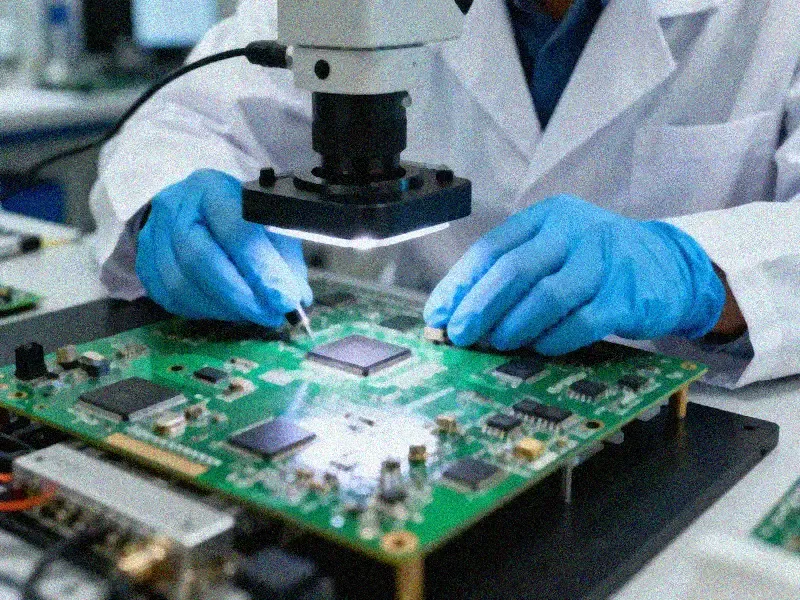
The market's surging enthusiasm for humanoid robots, still in their nascent stage, has already pointed to the future direction of physical artificial intelligence. As early as the 1970s, major global companies began to attempt to develop autonomous robots, but for a long time they were limited to pre-programmed fixed tasks and could only operate in controlled environments. After decades of technological exploration, the revolution of generative artificial intelligence has enabled robots to truly perceive the real world, generalize from limited training data to adapt to new scenarios, and achieve autonomous operation in dynamic environments. This technological leap places extremely high demands on the signal integrity, low-latency communication, and high-reliability operation of hardware systems, driving continuous upgrades across the industry chain. Through high-speed PCB design, SI/PI simulation, EMC design and optimization, and end-to-end reliability verification, local service providers are solving the challenges of anti-interference and high-stability operation of robots in complex environments. Through comprehensive testing by CNAS/CMA-certified laboratories, they are helping robot products improve environmental adaptability and lifespan, supporting embodied intelligence to move from the laboratory to real-life scenarios.
In time, robots will be able to operate independently without continuous cloud connections, performing reasoning, environmental adaptation, and real-time task execution. Ultimately, robots can complete tasks such as operations, construction, manufacturing, agriculture, and even battlefield missions without human intervention, becoming a workforce that doesn't need rest, achieving full supply chain automation, and performing physical labor that humans cannot handle. Currently, China is at the forefront of this robotics revolution. From core components to system integration, from design and development to mass production, the collaborative advantages of the entire industry chain are continuously amplifying China's leading position in the field of physical artificial intelligence.
The Foundation and Future of China's Physical Artificial Intelligence Development
China's leading position in the field of physical artificial intelligence stems from both the synergistic advantages of the entire industry chain and continuous self-iteration and optimization. This foundation is being continuously strengthened, propelling the industry towards higher quality.
Faced with developmental challenges, China is consolidating its advantages through multi-dimensional efforts: on the one hand, it is increasing investment in basic research and core technology development, focusing on weak links such as high-end components and high-computing-power chips to promote independent technological breakthroughs; on the other hand, it is continuously improving the industrial chain layout, encouraging collaborative innovation among enterprises, and promoting the deep application of robotics technology in industry, people's livelihood, and medical fields through standardization and scenario-based pilot projects, further amplifying the scale effect. Meanwhile, local service providers are also continuously upgrading their service capabilities. For example, KINGBROTHER helps enterprises solve technical problems in product implementation and accelerate technology transformation efficiency by optimizing full-process services such as PCB design, simulation verification, and reliability testing.
From core components to system integration, from R&D design to mass production, the full-chain advantages of China's physical artificial intelligence industry are continuously expanding. Even facing phased challenges, the upward trend of the industry is clear, and China's confidence in leading the future of physical artificial intelligence is becoming increasingly solid through continuous iteration and breakthroughs.
This article is based on publicly available global news information. Any views expressed in this article do not constitute the official position of this website.