With the deep advancement of the dual-carbon strategy, my country's construction of a new power system based on new energy sources is entering a period of accelerated implementation. The intelligent upgrading of core scenarios such as new energy power generation, smart distribution networks, and electrochemical energy storage places stringent industry-level requirements on the real-time computing capabilities, on-site decision-making efficiency, and long-term operational reliability of terminal equipment.
Traditional centralized computing architectures centered on the cloud face multiple insurmountable technical bottlenecks in power production scenarios. Core aspects such as power system fault handling, real-time prediction of new energy power output, and energy storage battery status management all require millisecond-level response and closed-loop control. However, the inherent network transmission latency of cloud computing cannot meet the real-time requirements of power production. Simultaneously, the large number of new energy power plants and distribution network terminal nodes, along with the centralized transmission of massive amounts of operational data, puts enormous pressure on transmission bandwidth. The cross-network transmission of core power production data also brings dual risks to data security and industry compliance.
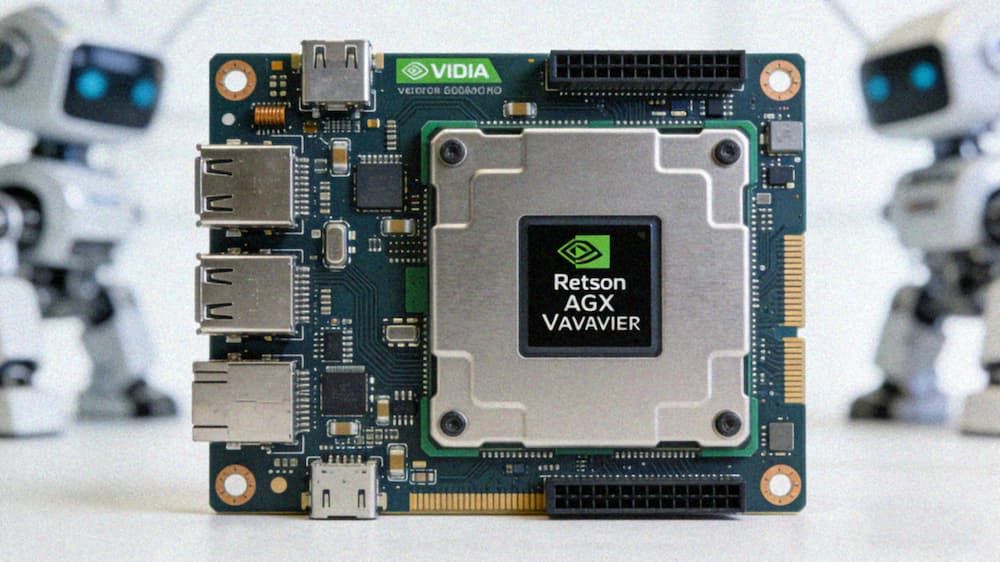
Edge AI Computing, with its core technological characteristics of "local perception, local computation, and real-time response," has become a key technological path to address the pain points of intelligent power systems. Unlike centralized cloud computing, edge AI computing brings AI inference and data processing capabilities down to the power production site terminal. It completes feature extraction, intelligent analysis, and control command output at the data acquisition end, significantly reducing data transmission bandwidth consumption. Simultaneously, it enables localized processing of core production data, balancing the real-time, security, and reliability requirements of power scenarios. Currently, it has been widely applied in scenarios such as intelligent operation and maintenance of new energy power plants, intelligent fault location in distribution networks, and thermal runaway early warning of energy storage systems.
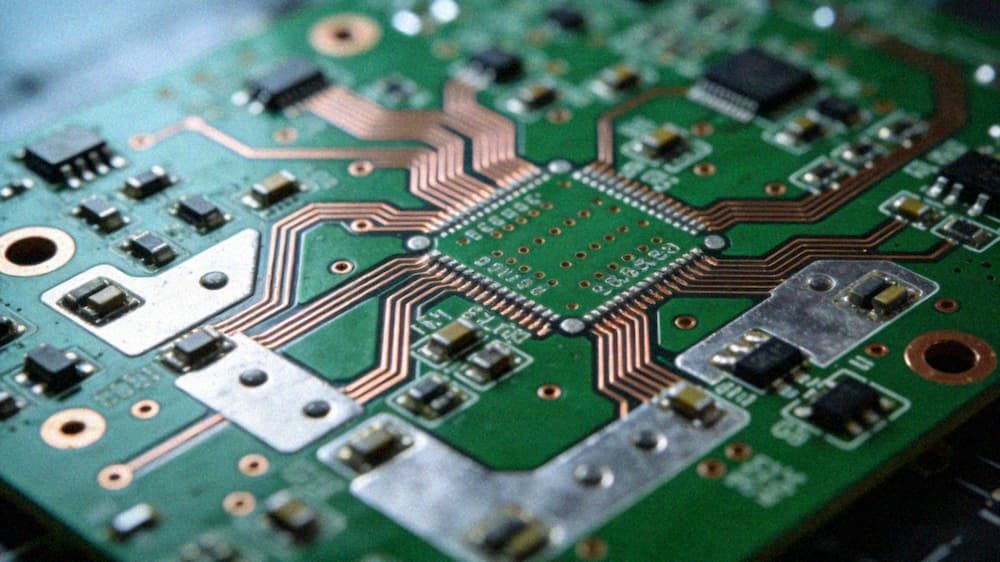
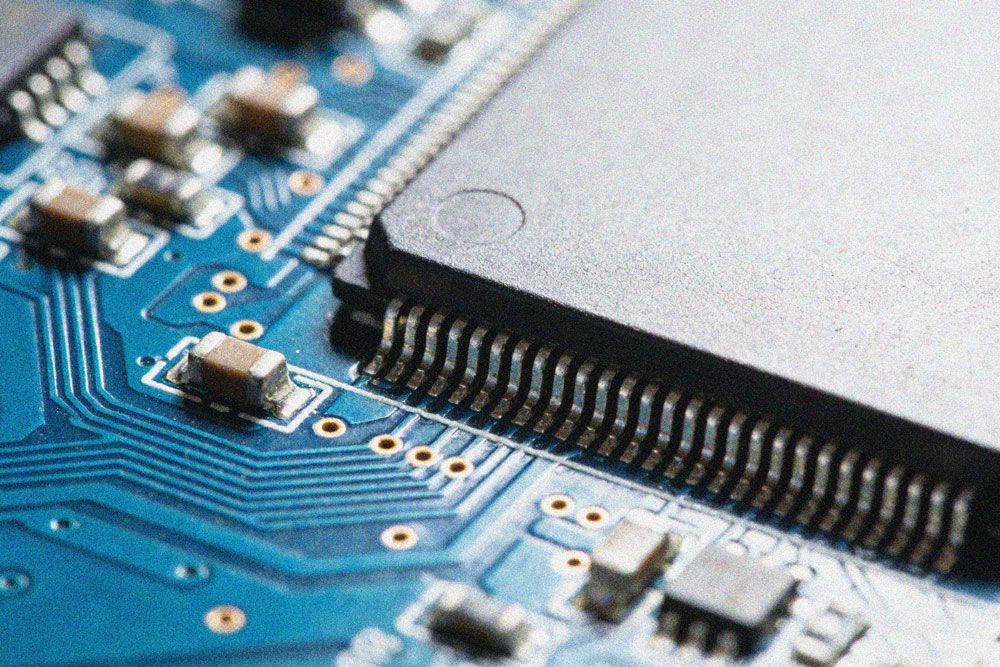
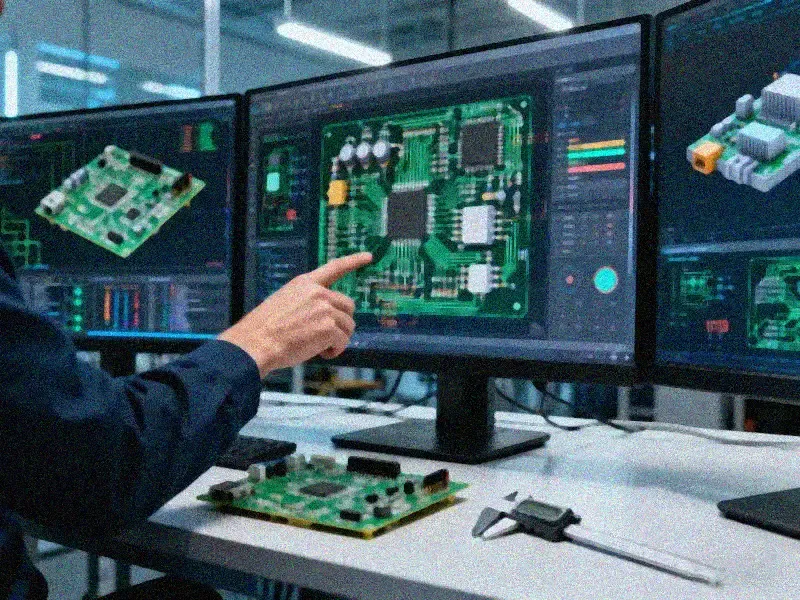
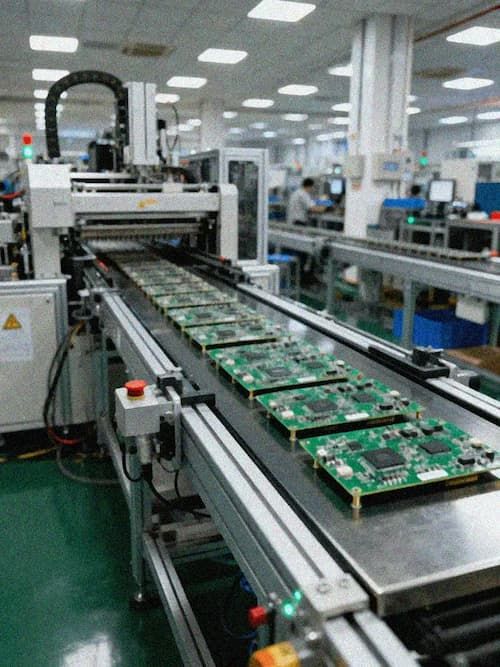
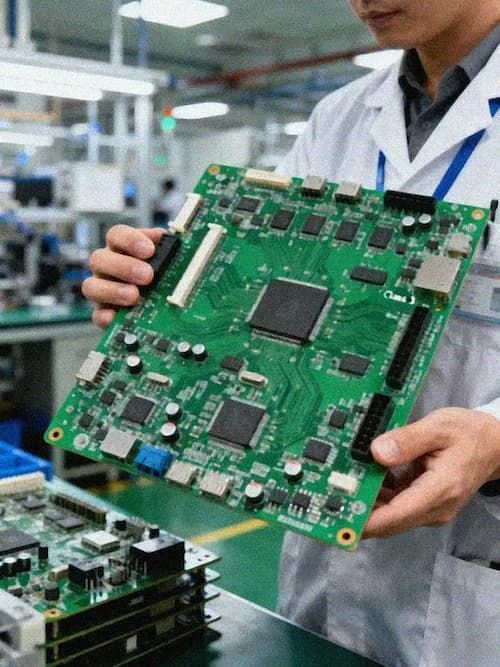
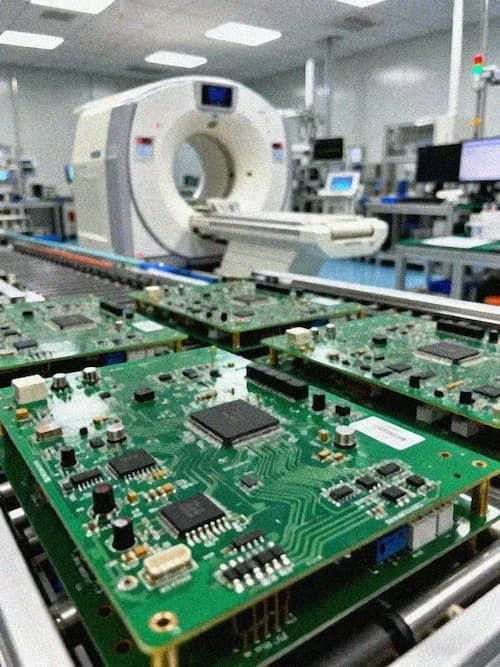
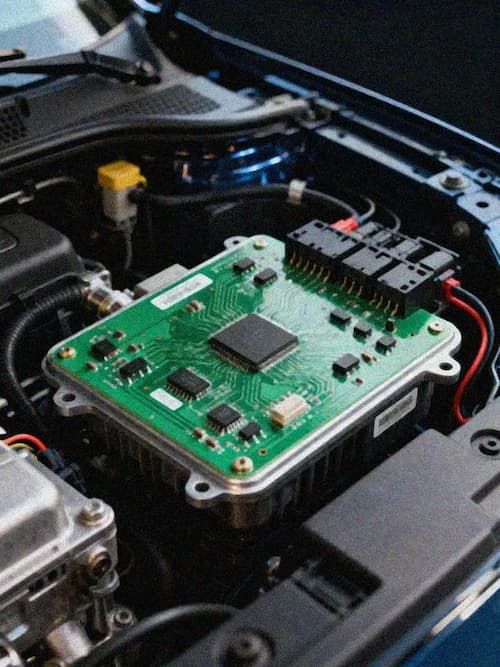
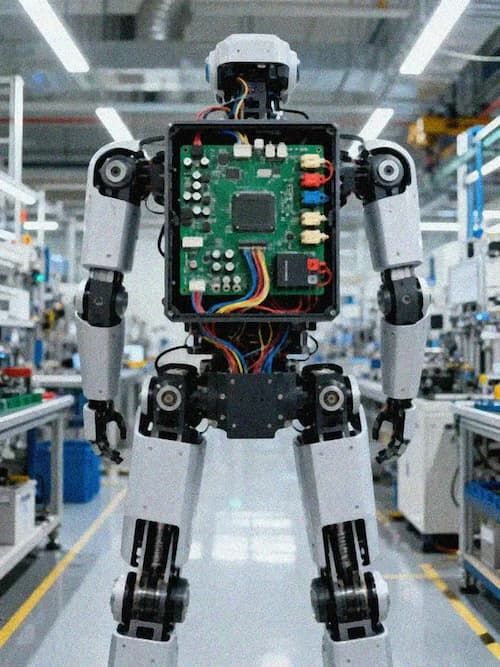
Embedded AI Hardware PCB, as the core physical carrier supporting edge AI computing power, high-speed signal transmission, and power management, is the hardware foundation for the stable implementation of edge AI computing in power scenarios. Its performance and reliability directly determine the computing efficiency, signal transmission quality, and long-term operational stability of edge AI terminals under complex power conditions. As the core carrier integrating AI computing chips, high-speed storage units, multi-protocol communication interfaces, and dedicated power acquisition circuits, embedded AI hardware PCBs require a collaborative design that balances high-density component layout with high-reliability electrical performance, providing underlying hardware support for the stable operation of edge AI algorithms.
The energy and power industry typically experiences harsh operating conditions such as strong electromagnetic interference, wide temperature fluctuations, high humidity and dust, and outdoor salt spray corrosion. Simultaneously, secondary power equipment must meet mandatory industry standards for functional safety, data isolation, and long-term operational reliability. This dictates that embedded AI hardware PCBs for power applications differ fundamentally from consumer-grade and general industrial-grade PCBs in design and manufacturing. A deep balance must be achieved between computing power capacity, signal integrity, and environmental adaptability to provide a hardware foundation adapted to the characteristics of the power industry for the large-scale deployment of edge AI computing.
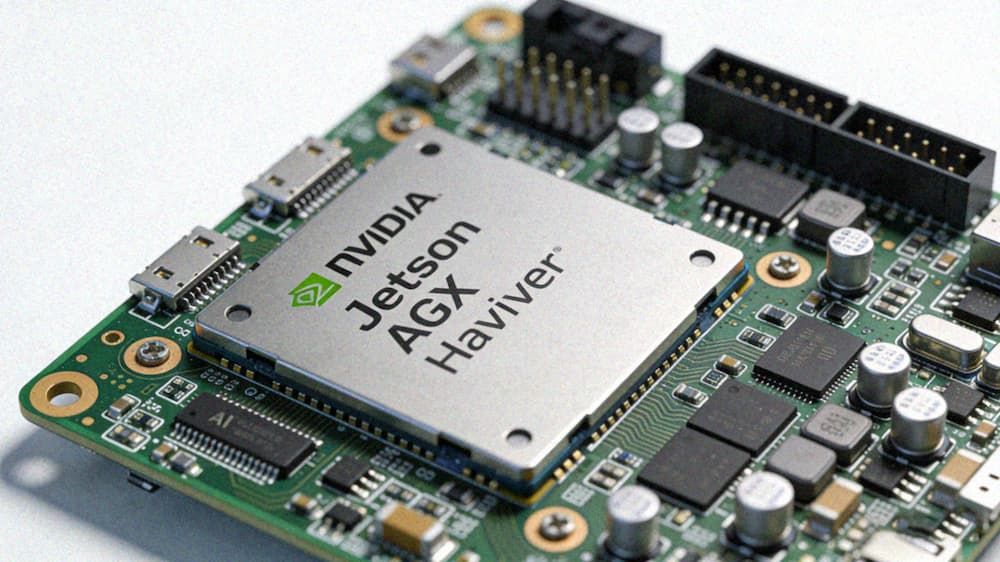
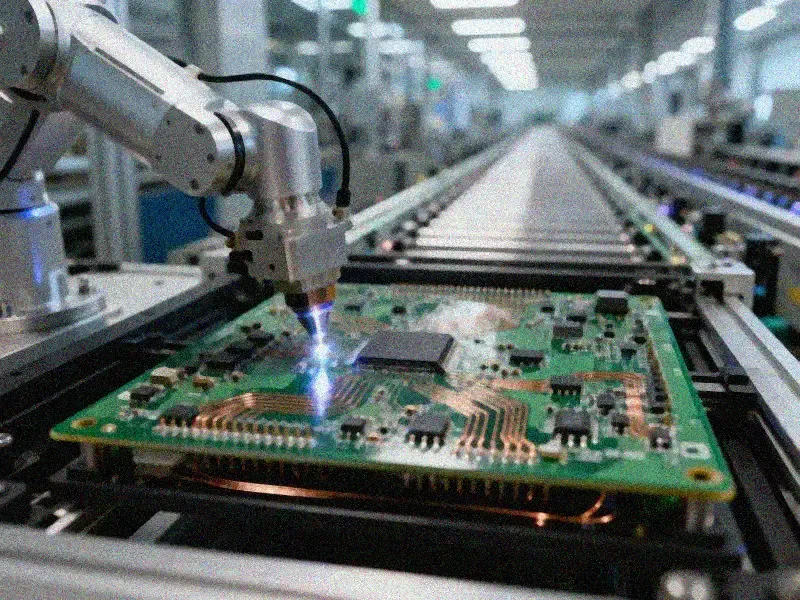
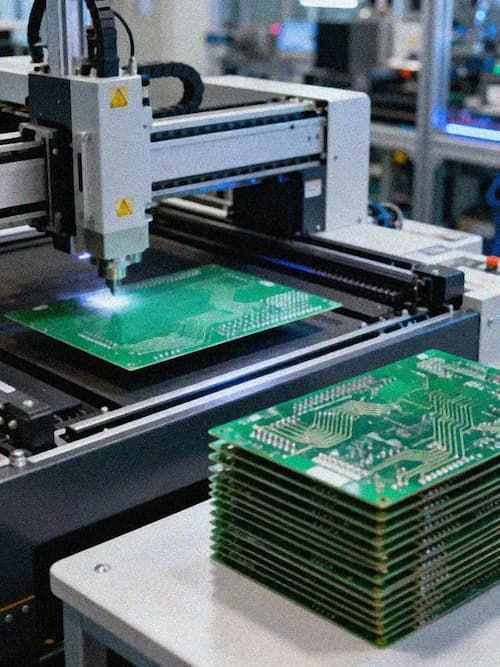
In terms of computing power, this type of PCB needs to be compatible with mainstream AI computing platforms such as Rockchip RK3588 and NVIDIA Jetson series. It achieves high-density integration of AI chips, memory chips, and peripheral circuits through High Density Interconnect (HDI) technology and blind/buried via processes. Simultaneously, it can employ 16-32 layer high-multilayer board designs to meet the layered layout and electrical isolation requirements of AI computing units and power acquisition and communication modules.
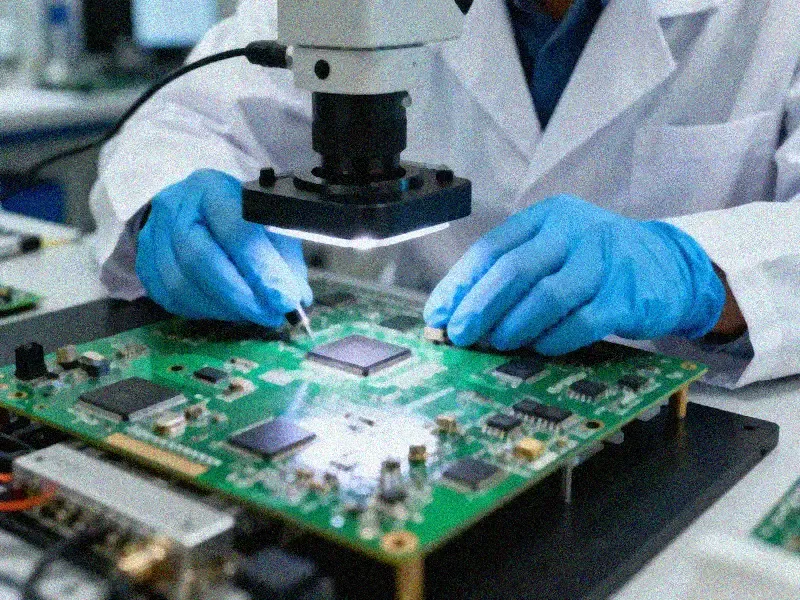
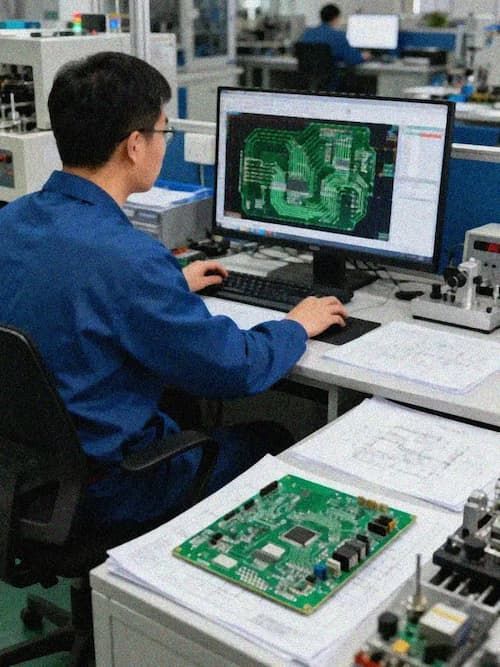
In terms of signal integrity control, for the strong electromagnetic interference environment of power scenarios, it reduces signal reflection and crosstalk through ±5% high-precision impedance control, differential pair routing optimization, and back-drilling processes. Furthermore, through dedicated Electromagnetic Compatibility/Electromagnetic Interference (EMC/EMI) design, it resists electromagnetic interference caused by power grid load fluctuations and lightning strikes, ensuring the signal transmission stability of the AI computing unit and acquisition circuit.
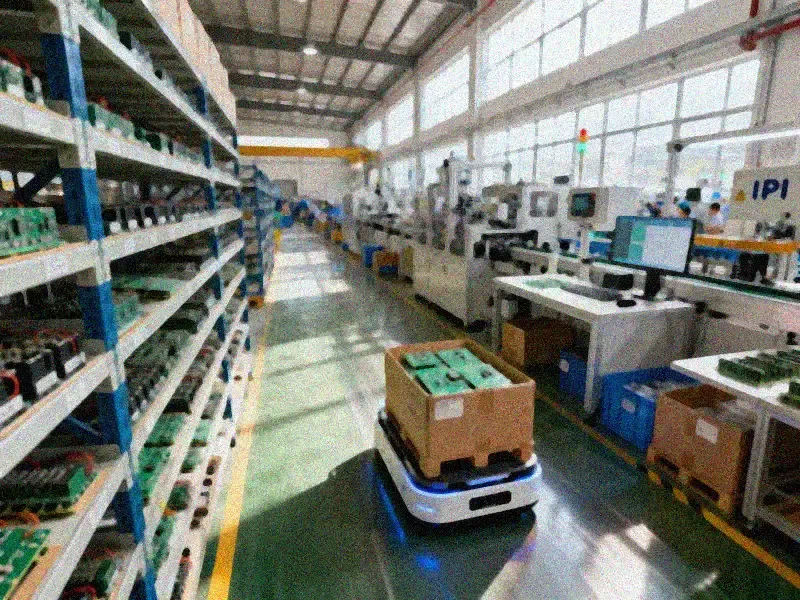
In terms of environmental adaptability and reliability, for harsh outdoor and substation operating conditions in power plants, the substrate uses specialized materials such as high-TG FR-4, metal-based materials, and high thermal conductivity. The heat dissipation performance of high-current circuits and AI chips is optimized through heavy copper plating and embedded copper block design. Simultaneously, high corrosion-resistant surface treatment processes such as conformal coating, electroless nickel immersion gold, and electroless nickel-palladium immersion gold are employed to improve the long-term operational reliability of the PCB in high humidity, high dust, and salt spray environments, meeting the long lifecycle requirements of power equipment.
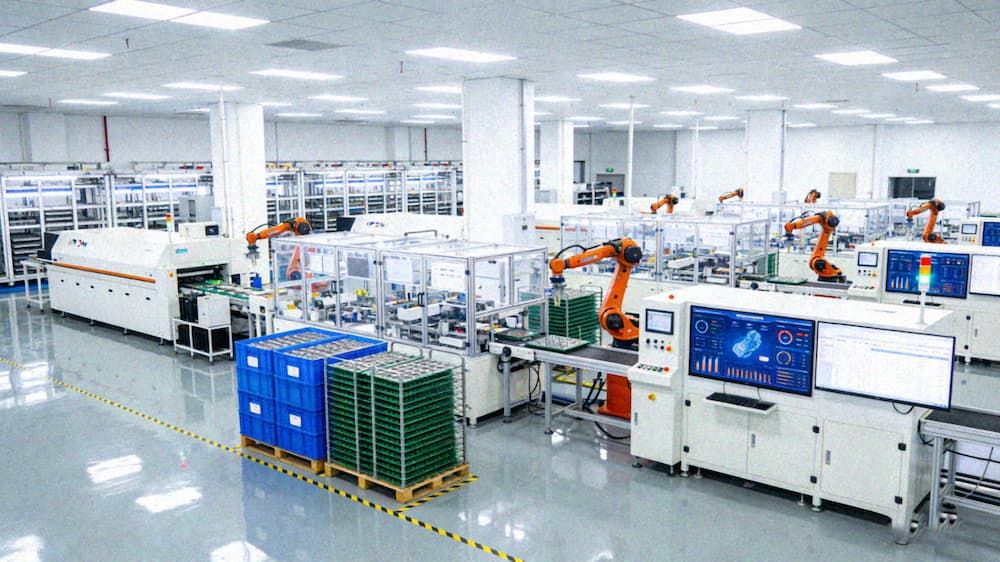
As new power systems continue to evolve towards higher proportions of new energy and power electronic devices, the penetration of edge AI computing will continue to deepen. Embedded AI hardware PCBs, as the core hardware foundation, will also iterate towards higher integration, higher reliability, and lower power consumption, providing solid hardware support for the full-scenario intelligent upgrade of new power systems.
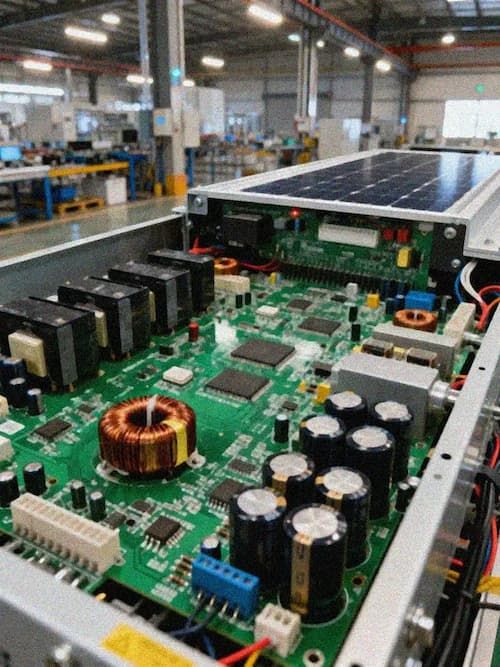
In the field of new energy power generation, edge AI terminals for wind power converters and photovoltaic string inverters utilize embedded AI hardware PCBs to achieve power generation optimization and on-site diagnosis of equipment health status. These PCBs, based on multi-core AI SoCs and industrial-grade interface designs, ensure real-time sampling and defect identification of voltage and current waveforms by AI algorithms through precise impedance control and high-speed signal routing, reducing equipment fault warning response time from seconds in traditional cloud solutions to milliseconds. Simultaneously, employing high-TG FR-4 substrate and a three-proof coating process, they are adaptable to a wide operating temperature range of -40℃ to 85℃ in outdoor power plants, effectively resisting salt spray, humidity, and dust corrosion, meeting the long-term unattended operation requirements of wind and solar power plants.
In smart distribution network scenarios, embedded AI hardware PCBs for line fault indicators and feeder terminal units (FTU) are the core carriers for edge AI computing in distribution networks. This type of PCB integrates multiple analog signal acquisition channels, AI computing units, and dedicated power communication interfaces. It employs EMC/EMI-specific design to resist electromagnetic interference from grid load fluctuations. Furthermore, it utilizes blind vias and HDI high-density interconnect technology to achieve terminal miniaturization, adapting to confined installation spaces such as ring main units and pole-mounted switches. With stable hardware support, edge AI algorithms can intelligently identify and accurately locate single-phase grounding and short-circuit faults on-site, significantly reducing power outage time and improving power supply reliability.
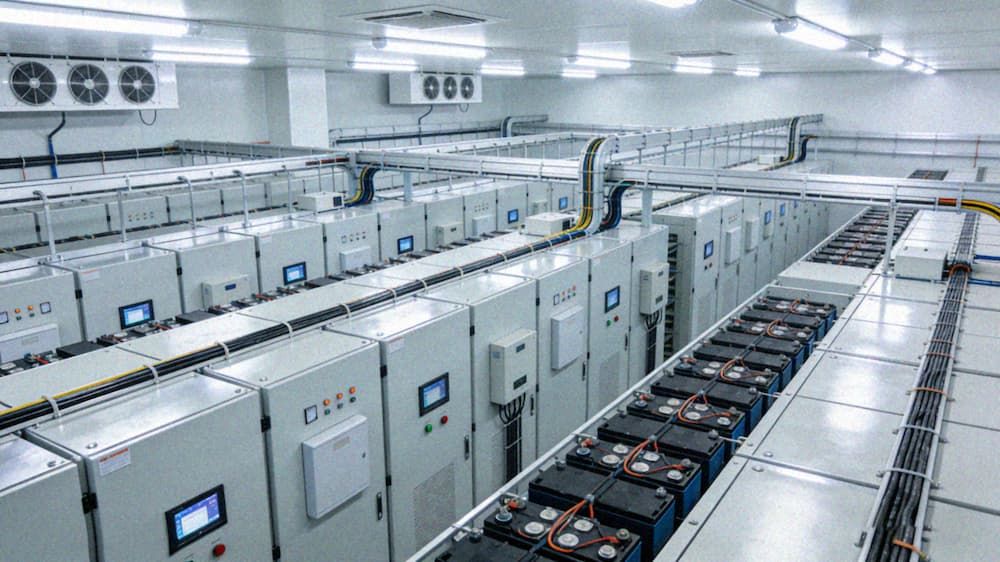
In electrochemical energy storage systems, AI-based battery management systems (BMS) impose high-current, high-heat-dissipation, and high-safety design requirements on embedded hardware PCBs. This type of PCB uses heavy copper processing and buried copper block heat dissipation design to ensure high accuracy of the cell sampling circuit and stability of the high-current charging and discharging circuit. Simultaneously, a layered layout achieves physical isolation between the high-voltage circuit and the AI low-voltage control unit. Combined with edge AI computing, it enables real-time monitoring of cell voltage and temperature and early warning of thermal runaway, effectively improving the operational safety and battery cycle life of energy storage power stations.
The deep integration of embedded AI hardware PCBs and edge AI computing is reshaping the underlying hardware logic of intelligence in the energy and power industry. Through targeted material selection, structural design, and process optimization, embedded AI hardware PCBs have broken through the industry pain point of "the incompatibility between computing power enhancement and reliability assurance," enabling the large-scale deployment of edge AI computing in core scenarios of power production. As new power systems continue to evolve towards higher proportions of renewable energy and power electronic equipment, embedded AI hardware PCBs will iterate towards higher integration, higher reliability, and lower power consumption, providing solid hardware support for the digital and intelligent upgrade of the energy and power industry.