Overview
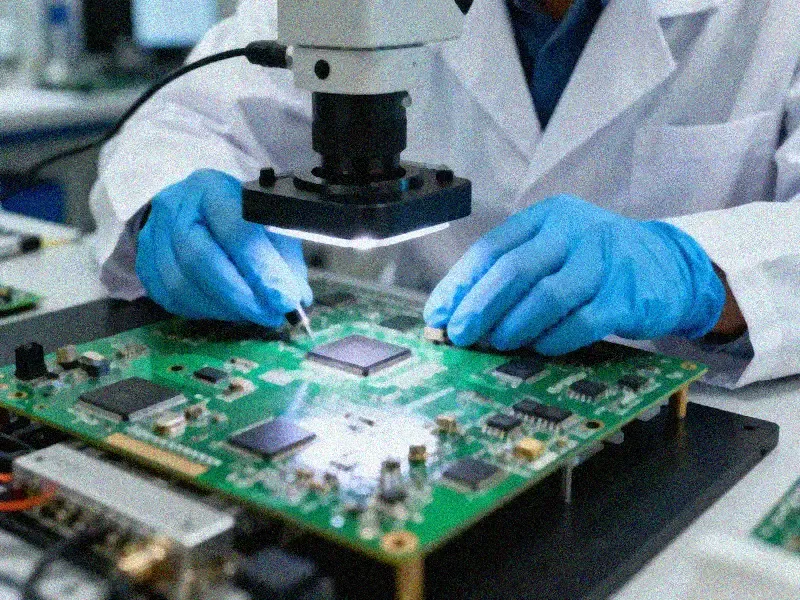
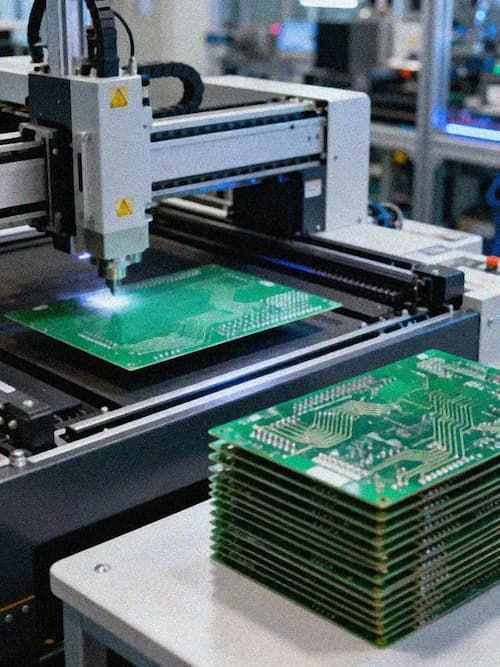
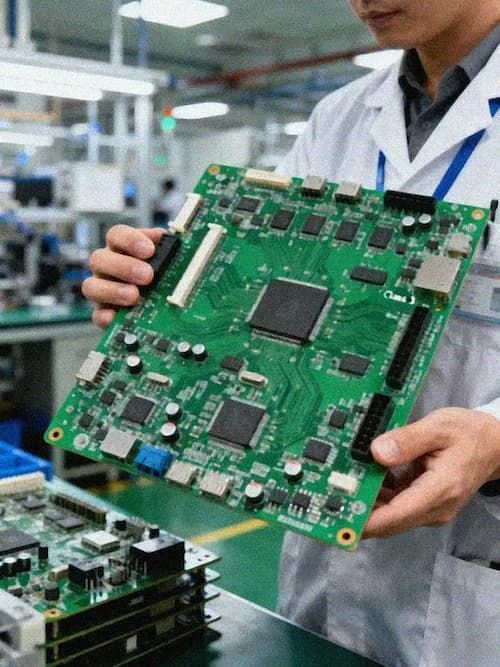
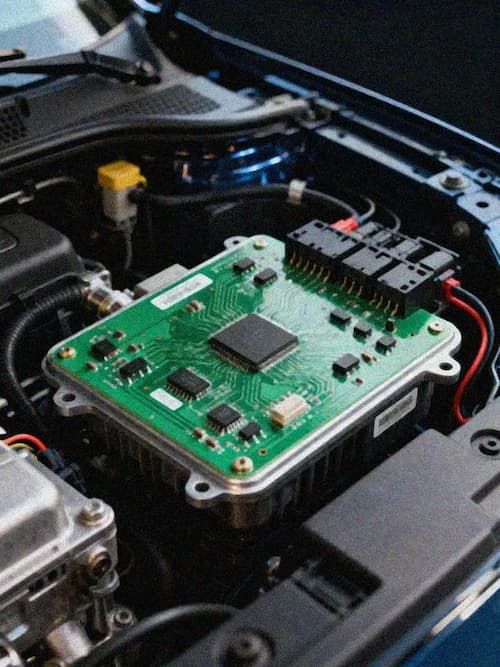
Medical telemetry systems are core infrastructure for modern remote patient care, real-time surgical guidance, and connected diagnostic services, transmitting vital biological data, imaging streams, and motion control signals between clinical endpoints and monitoring centers without wired constraints. As the core carrier of all telemetry device functions, PCBs for medical telemetry face far stricter performance requirements than standard industrial circuit boards: they need to accurately capture sub-1mV weak bioelectrical signals, eliminate electromagnetic interference in complex clinical environments, ensure zero-latency real-time data transmission, and support long-term safe contact with or implantation in the human body. Our medical telemetry PCB solutions cover the full lifecycle from design optimization, material selection, manufacturing, to performance testing, addressing all core pain points of medical telemetry device development, and meeting the regulatory and clinical use requirements of all medical telemetry scenarios.
Technical Capabilities
Our medical telemetry PCB technical system covers all mainstream circuit board types required for medical telemetry devices, with customizable parameters adjusted to specific functional demands:
- Low-noise biopotential acquisition PCB design: For telemetry devices collecting electrocardiogram, electroencephalogram, electromyogram and other weak bioelectrical signals below 1mV, we adopt 6+ layer stackup designs with fully isolated analog and digital ground planes, paired with optimized trace routing and impedance matching, reducing crosstalk and ambient noise interference by up to 70% compared to standard PCB designs, ensuring 100% accuracy of biometric data capture.
- High-speed signal transmission PCB manufacturing: For telemetry systems transmitting large-volume medical imaging data or real-time motion control signals, we support 12 to 20 layer high-frequency multilayer PCB fabrication, with integrated full-coverage electromagnetic shielding layers, and impedance control accuracy within ±5%, perfectly adapting to gigabit Ethernet, 5G and other high-speed transmission protocols, eliminating signal attenuation and distortion during long-distance wireless transmission.
- Miniaturized rigid-flex PCB solutions for wearable/implantable devices: We provide ultra-compact rigid-flex PCB designs paired with biocompatible nano-coating treatments, reducing the overall volume of telemetry modules by up to 40%, while ensuring long-term resistance to body fluid corrosion and compliance with implantable biocompatibility requirements, suitable for implantable cardiac telemetry sensors, wearable continuous vital sign monitors and other miniaturized devices.
- High-reliability high-TG PCB for harsh clinical scenarios: For telemetry terminals used in pre-hospital emergency, surgical robot control and other high-stability demand scenarios, we adopt 14 to 16 layer high-TG (Tg≥170℃) base materials, supporting stable operation in a wide temperature range from -40℃ to +85℃, with strong vibration and impact resistance, avoiding equipment failure during patient transfer or surgical operation.
- High-density HDI PCB for integrated telemetry terminals: We support 2 to 8 order HDI PCB production with micro-vias as small as 0.06mm and line width/space as low as 2.0/2.0mil, enabling integrated arrangement of ARM, FPGA and other high-density control components on a single board, meeting the integration requirements of multifunctional telemetry terminals that integrate data acquisition, storage, transmission and display functions.
Quality Standards
All medical telemetry PCBs are manufactured and tested in strict accordance with global medical device industry standards, ensuring full compliance with clinical and regulatory requirements:
- Follow IPC-A-610 Class 3 electronic assembly standards for medical devices, with zero critical defects for outgoing products
- Material selection meets RoHS, REACH and medical device non-toxic material requirements, with no harmful heavy metal residues
- Biocompatible materials and coatings meet ISO 10993 biological evaluation standards for implantable and wearable devices
- EMC performance meets IEC 60601 medical device electromagnetic compatibility standards, avoiding interference with other medical equipment in clinical environments
- All products undergo 100% electrical performance testing, signal integrity testing, and reliability testing before delivery, including thermal cycling testing, salt spray corrosion testing, vibration and impact testing, ensuring long-term stable operation of products with a service life of more than 5 years for non-implantable devices and more than 10 years for implantable devices.
Applications
Our medical telemetry PCB solutions are widely applicable to all types of medical telemetry device scenarios:
- Wearable and implantable vital sign telemetry devices: Including continuous ECG monitors, implantable cardiac pacemaker telemetry modules, wearable HRV monitoring devices, blood glucose telemetry sensors, supporting long-term stable operation on or inside the human body
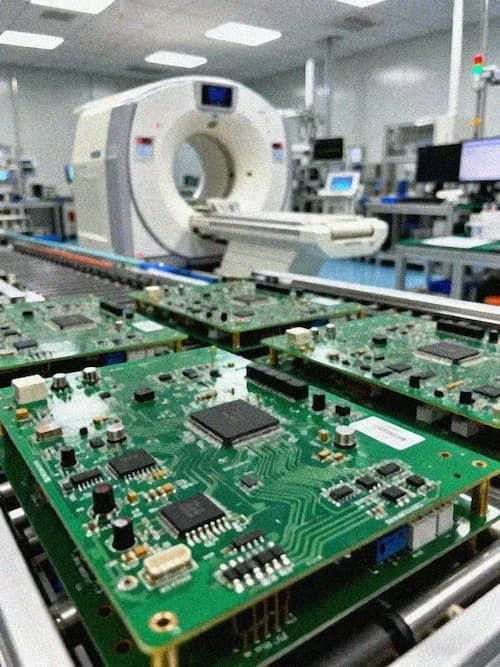
- Medical imaging telemetry systems: Used for MRI, CT, ultrasound imaging remote transmission and real-time display, supporting high-speed transmission of large-volume image data without distortion, enabling remote radiological diagnosis and intraoperative imaging guidance
- Surgical robot telemetry control modules: Supporting multi-axis motion control real-time feedback and gigabit Ethernet data transmission, ensuring low-latency response between surgical robot operating terminals and execution ends, meeting the accuracy requirements of minimally invasive surgery
- Point-of-care testing (POCT) telemetry terminals: Including immunization analyzer mainboards, blood testing control boards, gene detection device telemetry modules, enabling real-time upload of test data to cloud platforms for remote diagnostic analysis
- Intensive care unit (ICU) centralized telemetry systems: Including multi-parameter patient monitor mainboards, central monitoring station backplanes, supporting simultaneous acquisition and transmission of vital sign data from dozens of patients without signal interference.
Key Advantages
- Scenario-based customized design: We provide fully customized PCB stackup, material selection, and routing schemes according to the functional requirements of different telemetry devices, adapting to the unique needs of low-noise acquisition, high-speed transmission, miniaturization, and biocompatibility for different application scenarios
- Flexible production scale support: We support both rapid prototyping of small batches (no minimum order quantity requirement) and large-scale mass production, adapting to the full product lifecycle from R&D verification, clinical trial to commercial mass production, effectively reducing R&D and production costs for customers
- Full-process quality control: We implement strict quality control from raw material incoming inspection, manufacturing process monitoring to finished product performance testing, with traceable records for all production links, ensuring consistent quality of products across different production batches
- Regulatory compliance support: Our design and manufacturing processes fully align with global medical device regulatory requirements, and we can provide complete test reports and certification materials to help customers quickly complete relevant medical device certification, shortening product time to market by more than 30%.
Contact Information
If you have any requirements related to medical telemetry PCB design, prototyping, mass production or performance testing, please contact our technical support team at any time. We will provide you with free professional technical evaluation, and tailor targeted PCB solutions according to your specific device functional and performance demands.