Overview
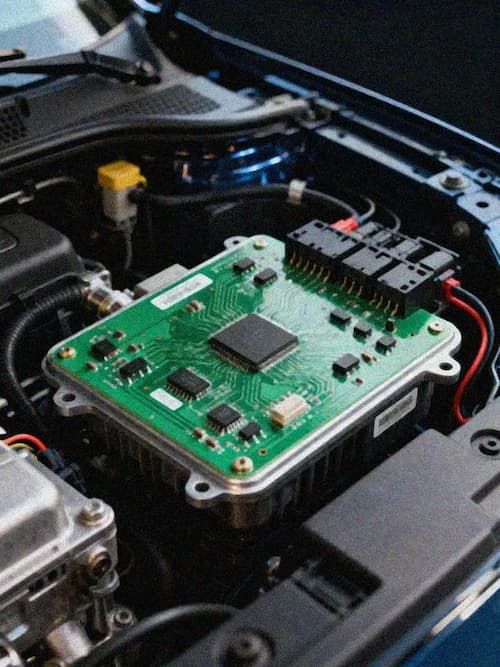
Automotive electronics have the strictest requirements for PCB reliability, signal transmission stability, environmental adaptability, and safety compliance compared with most industrial and consumer electronic scenarios. The rise of intelligent cockpits, advanced driver assistance systems (ADAS), autonomous driving, and new energy vehicle power systems has put forward higher demands for high-speed data transmission, high-power load carrying capacity, and anti-interference performance of on-board PCBs. Core pain points in automotive PCB design include signal attenuation and crosstalk in high-bandwidth sensor transmission, thermal failure of high-power power modules, unstable operation in wide temperature and high vibration environments, and non-compliance with automotive industry safety specifications. Systematic automotive PCB design services cover the full process from schematic optimization, stack architecture planning, component placement and routing adjustment, simulation verification, to prototyping and mass production process guidance, effectively solving the above industry pain points, and meeting the differentiated design needs of different automotive electronic application scenarios.
Technical Capabilities
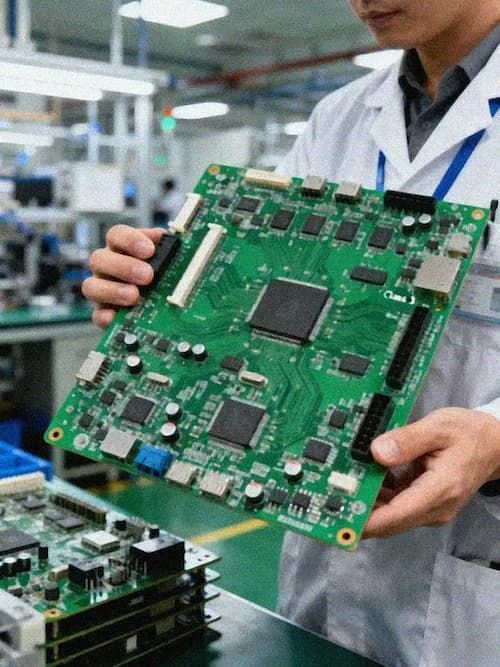
- Multi-type PCB Design Support: Covers design services for all common automotive PCB categories, including single and double-sided boards, conventional multilayer boards, high-speed high-layer backplanes, HDI boards, rigid-flex boards (buried via soft board integrated rigid-flex, gold finger reinforced rigid-flex, semi-flex boards), heavy copper heat dissipation boards, high-frequency hybrid boards, buried resistance/capacitance/copper block/ceramic embedded boards, and metal core/substrate boards, adapting to the structural and performance requirements of different automotive electronic products.
- High-Speed Signal Integrity Optimization: Supports design matching for up to 750Gbps high-speed I/O transmission, supports stack design with up to 4 independent ground planes, and achieves 90Ω/100Ω high-precision impedance control with industry-leading error range, effectively shielding crosstalk between different signal layers, reducing signal reflection and attenuation loss, and meeting the transmission requirements of high-bandwidth interfaces such as high-definition display, multi-sensor data fusion, and high-bandwidth memory for autonomous driving computing units.
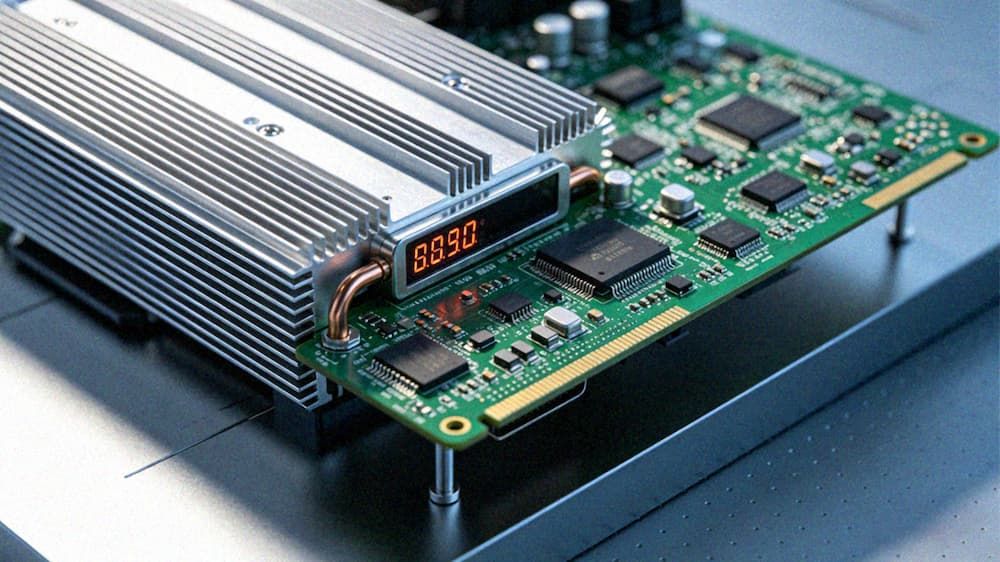
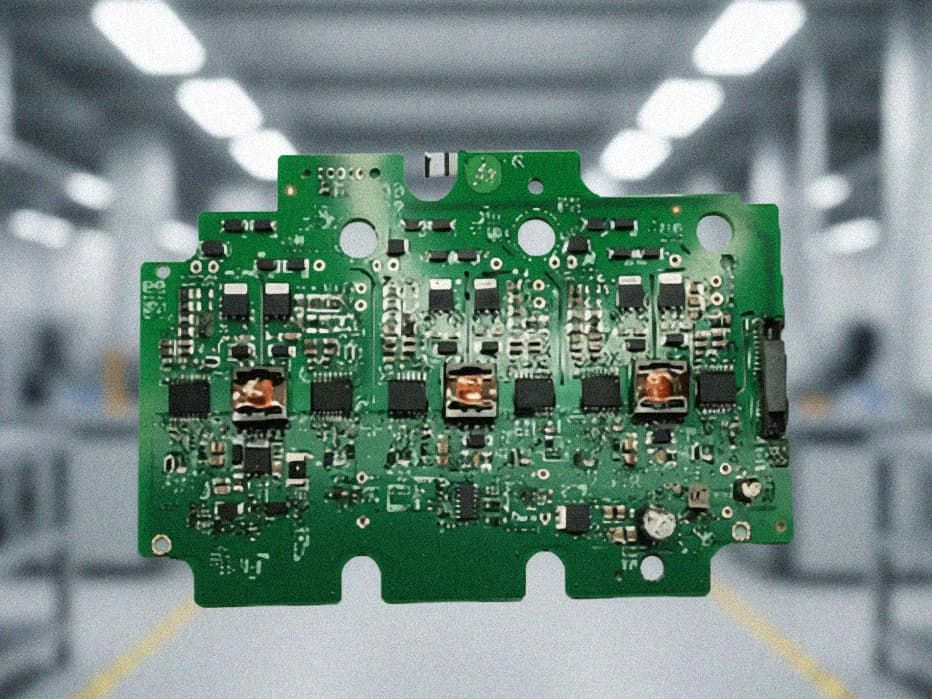
- High Heat Dissipation Design Optimization: Provides targeted thermal design schemes for high-power automotive electronic products, including ultra-thick copper routing design, buried copper block embedded design, metal core/substrate matching, and heat dissipation path planning for high-heat components, effectively reducing the overall thermal resistance of the board, and ensuring stable operation of power modules such as motor drive, DC/DC power supply, and charging inverter under long-term high load conditions.
- Structural Reliability Optimization: Combines the working conditions of on-board products to carry out reinforcement design, protective design, and electromechanical coordination optimization, supports rigid-flex integrated design to reduce welding connection points between separate boards, improves the overall vibration and shock resistance of the product, and adapts to the harsh working environment of long-term driving on complex road conditions.
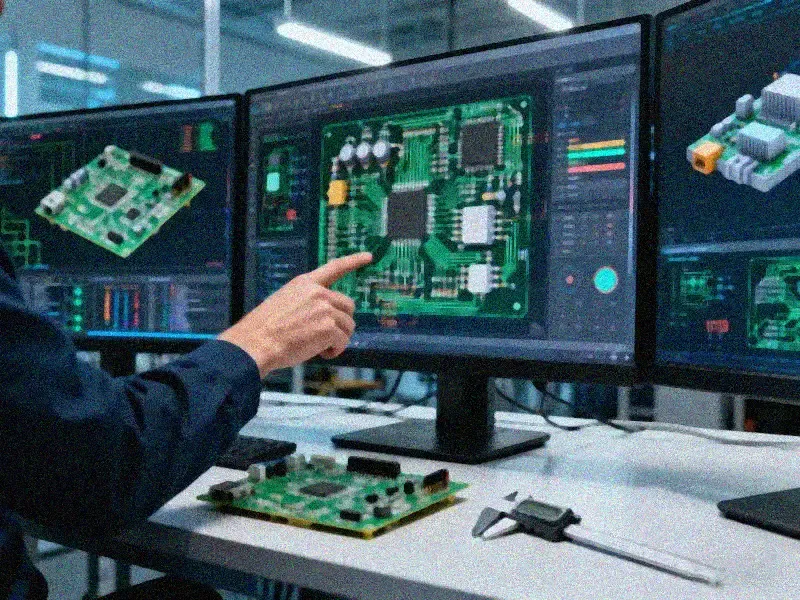
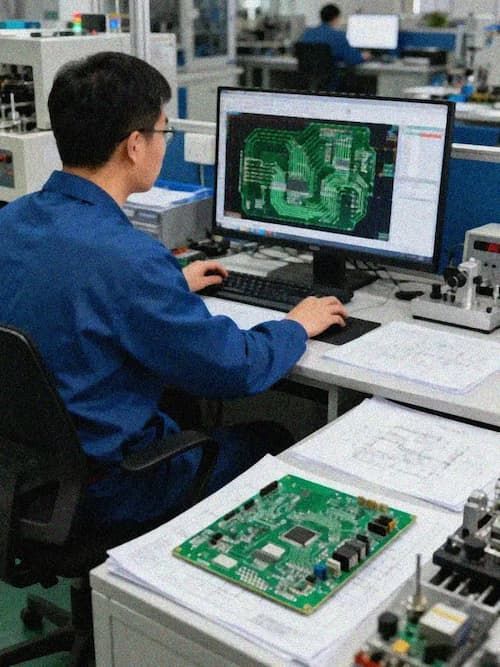
- Full-Link Simulation Verification Support: Provides multi-dimensional verification services including signal integrity simulation, power integrity simulation, EMC simulation, high and low temperature cycle reliability simulation, and vibration stress simulation, fully verifying the performance compliance of the design scheme before prototyping, reducing the number of design iterations and shortening the R&D cycle.
Quality Standards
Automotive PCB design follows unified industry standards and strict control processes to ensure that the final product meets the access requirements of the automotive electronics industry:
- Material selection follows IPC-A-600 and IPC-6012 automotive grade substrate specifications, all materials are RoHS and REACH compliant, adapt to lead-free reflow assembly processes, and meet the halogen-free requirements of most mainstream automotive manufacturers.
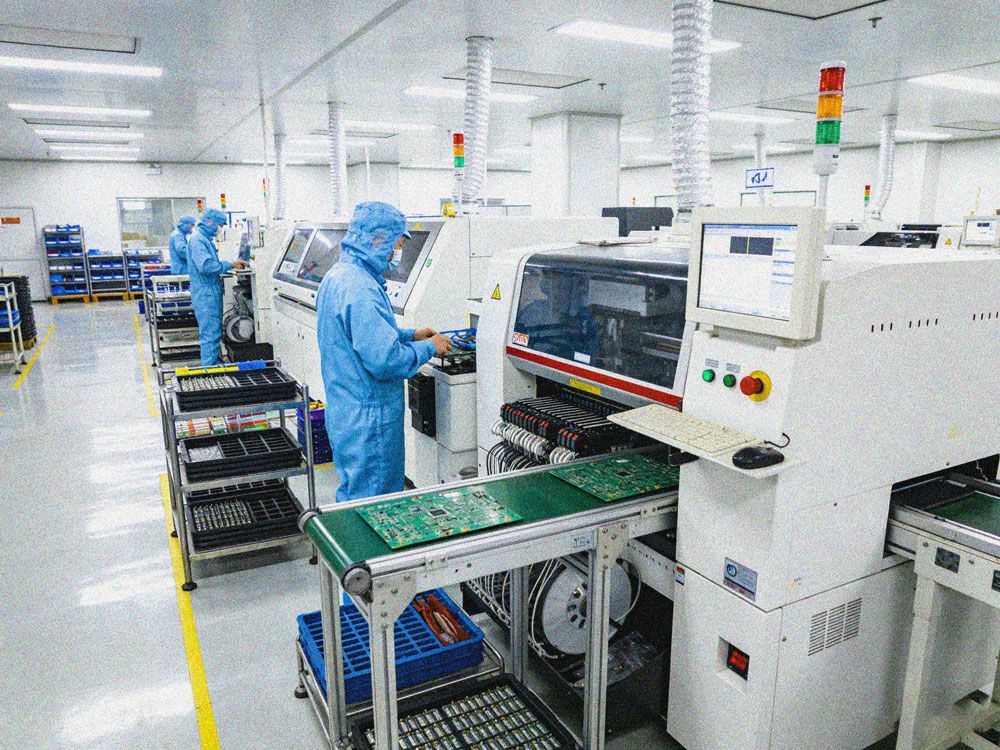
- Design processes strictly follow IPC-2221 general PCB design standards and IPC-2223 rigid-flex PCB design standards, integrate DFM (design for manufacturability), DFT (design for test) and DFA (design for assembly) checks in every design link, avoid manufacturability defects in the later production stage, and improve the mass production yield of products.
- For functional safety related automotive electronic products, the design process aligns with ISO 26262 functional safety requirements, supports design matching for ASIL A to ASIL D safety levels, and reduces the risk of functional failure during product operation.
- All design schemes are verified to meet the requirements of stable operation in the industrial grade temperature range of -40℃ to +85℃, resist 10~2000Hz vibration and 100G shock, and can be customized to meet different IP protection level requirements according to product installation positions.
Applications
Automotive PCB design solutions are widely applicable to all on-board electronic scenarios, including but not limited to the following categories:
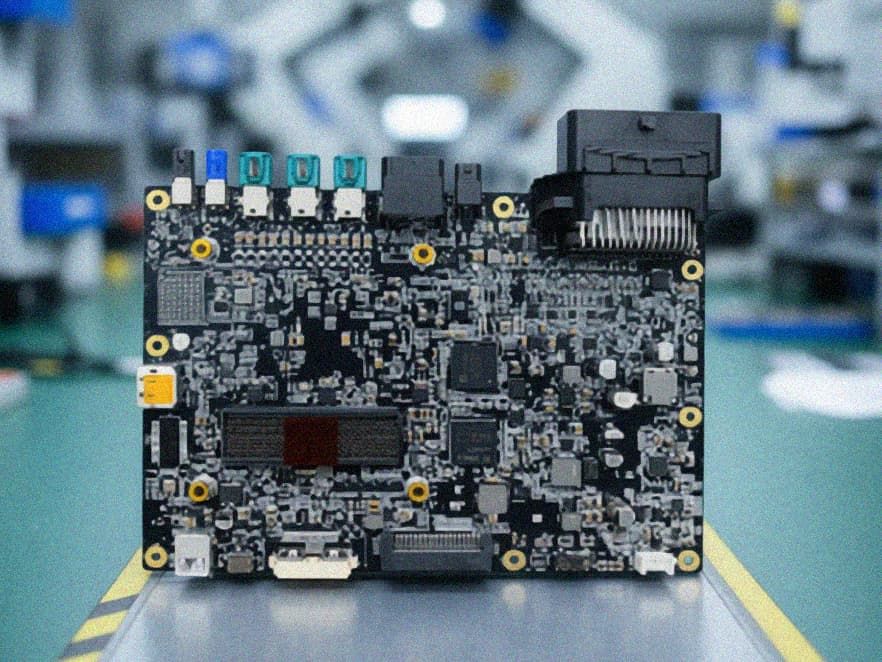
- Smart Cockpit Systems: Core control boards for intelligent central control, in-vehicle navigation, smart rearview mirrors, display driver boards, audio and video processing boards, and human-computer interaction module boards, meeting the requirements of high-definition signal transmission, low-latency interaction, and long-term stable operation.
- Autonomous Driving Perception and Control Systems: 77G/24G vehicle-mounted millimeter wave radar boards, LiDAR interface boards, autonomous driving domain controllers, ARM and FPGA core boards (compatible with mainstream automotive chip platforms such as NXP i.MX series, Renesas TW series, Xilinx Zynq series), and multi-sensor data fusion processing boards, meeting the requirements of high-speed data processing, large bandwidth transmission, and anti-interference.
- New Energy Vehicle Power and Drive Systems: DC/DC power modules, charging and inverter integrated boards, motor drive modules, power acquisition boards, and ultra-thick copper heat dissipation boards, supporting high current load, high heat dissipation, and long-term reliable operation requirements.
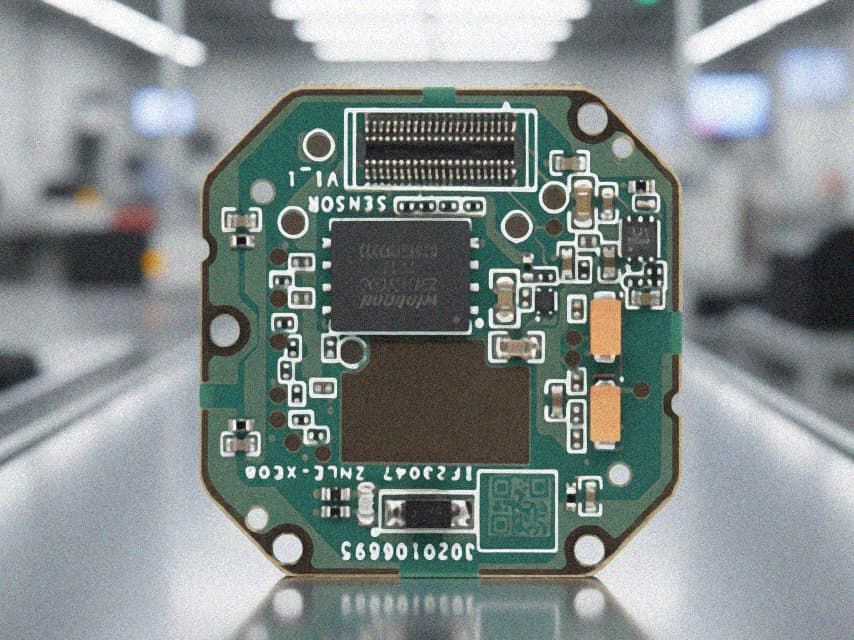
- In-vehicle General Functional Modules: Filter boards, communication module boards, body control boards, sensor acquisition boards, and ADAS auxiliary function module boards, meeting the requirements of small size, high integration, and strong anti-interference performance.
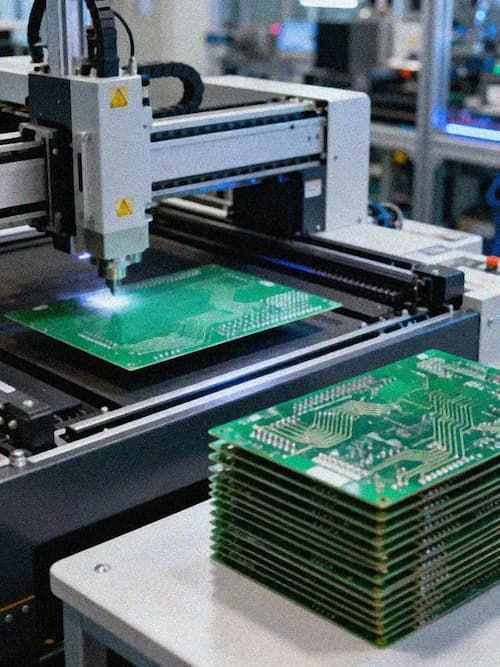
- **R&D Verification and Trial Production: Supports rapid prototype design and small batch trial production design optimization, provides targeted process adjustment suggestions for prototype and small batch manufacturing, and shortens the product R&D and market launch cycle.
Key Advantages
- Full Scenario Customization Support: Provides targeted design schemes according to the application scenario and performance requirements of the product, for example, high-frequency PTFE material matching for vehicle radar boards, heavy copper design for power modules, rigid-flex integrated design for space-constrained scenarios, and low-cost FR-4 material matching for conventional body control modules, balancing performance and cost to the greatest extent.
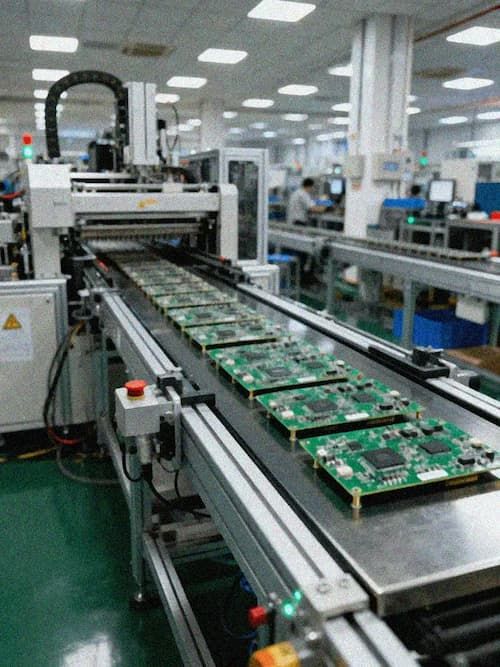
- Manufacturability Priority Design Logic: Embeds DFM checks in the early stage of design, evaluates the feasibility of the design scheme for conventional mass production processes in advance, avoids over-design that increases manufacturing costs, and reduces the overall R&D and production cost of products by 15% to 25% on average while ensuring performance compliance.
- Full Lifecycle Service Coverage: Covers end-to-end services from schematic design, stack planning, layout routing, simulation verification, prototyping guidance to mass production process optimization, supports the whole product lifecycle from R&D verification, small batch trial production to large-scale mass production, and reduces communication costs between different links.
- Standardized Process Control: All design links follow a standardized control process, each stage has clear deliverables and acceptance standards, ensuring the consistency and traceability of the design scheme, and meeting the quality management requirements of the automotive industry.
Contact Information
If you have any automotive PCB design needs, whether for early R&D prototype verification, small batch trial production optimization, or mass production design upgrading, you can contact our technical team at any time. We will provide you with free pre-sales technical consultation, customized design solutions, and professional DFM evaluation services to help your automotive electronic products be developed and launched efficiently.