Energy infrastructure is shifting from hardware-driven to software-defined
Global data center power consumption has doubled in the past five years, accounting for 3% of global power demand. At the same time, the AI server market size has climbed to US$298 billion in 2025. These two sets of data are superimposed and point to one reality: the control systems of energy infrastructure are undergoing structural transformation. The control board no longer just executes simple opening and closing instructions. It needs to simultaneously handle real-time scheduling, fault prediction and optimization operation, which places new requirements on the computing power and communication capabilities of the underlying hardware.
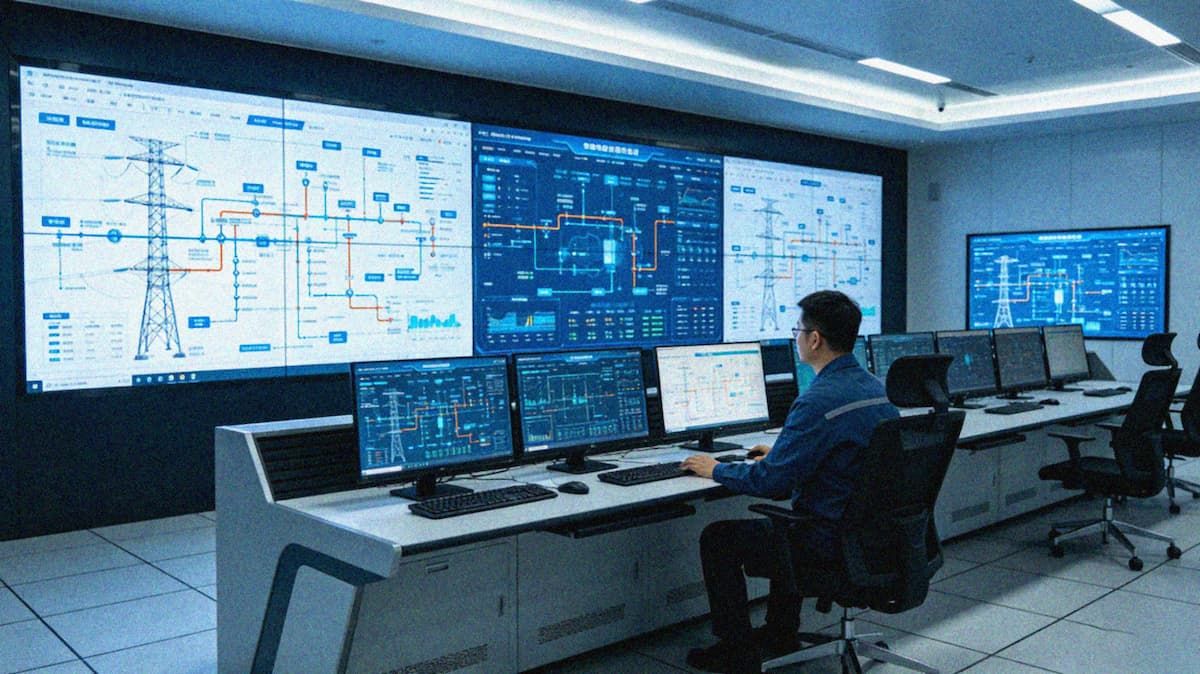
Traditional power grid control systems take SCADA (Supervisory Control and Data Acquisition) as the core, and their functions focus on remote monitoring and basic control. Smart grid control systems introduce advanced applications such as state estimation, power flow optimization, fault prediction, and self-healing control, requiring stronger computing power and a more complex communication architecture. Virtual Power Plant (VPP) and distributed energy management further increase the control dimension, and a single control board may need to interact with dozens of distributed resources simultaneously.
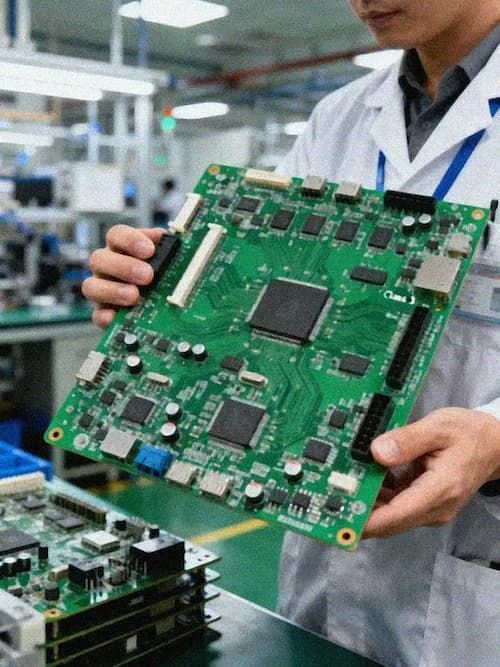
The challenges faced by control circuit boards are reflected in three aspects. In terms of computing power requirements, AI inference models deployed on the edge side require sufficient processor performance support, while meeting power consumption and heat dissipation constraints. In terms of communication interfaces, it needs to be compatible with multiple protocols such as IEC61850, DNP3, and Modbus, and supports multiple physical layers such as Ethernet, serial port, and CAN. In terms of reliability, control board failures may lead to loss of scheduling instructions or false refusal of protection actions. Availability needs to be ensured through redundant design and fault detection mechanisms.
Evolution of hardware architecture of smart grid control systems
Traditional power grid control hardware is mainly PLC (programmable logic controller) and RTU (remote terminal unit), with relatively single functions and limited communication interfaces. Smart grid control hardware has evolved into edge computing gateways and smart terminals, with local data processing capabilities and multi-protocol conversion capabilities. The core driving force of this evolution is that access to distributed energy requires more granular control, fault prediction requires real-time data analysis, and optimized scheduling requires rapid response from the edge side.
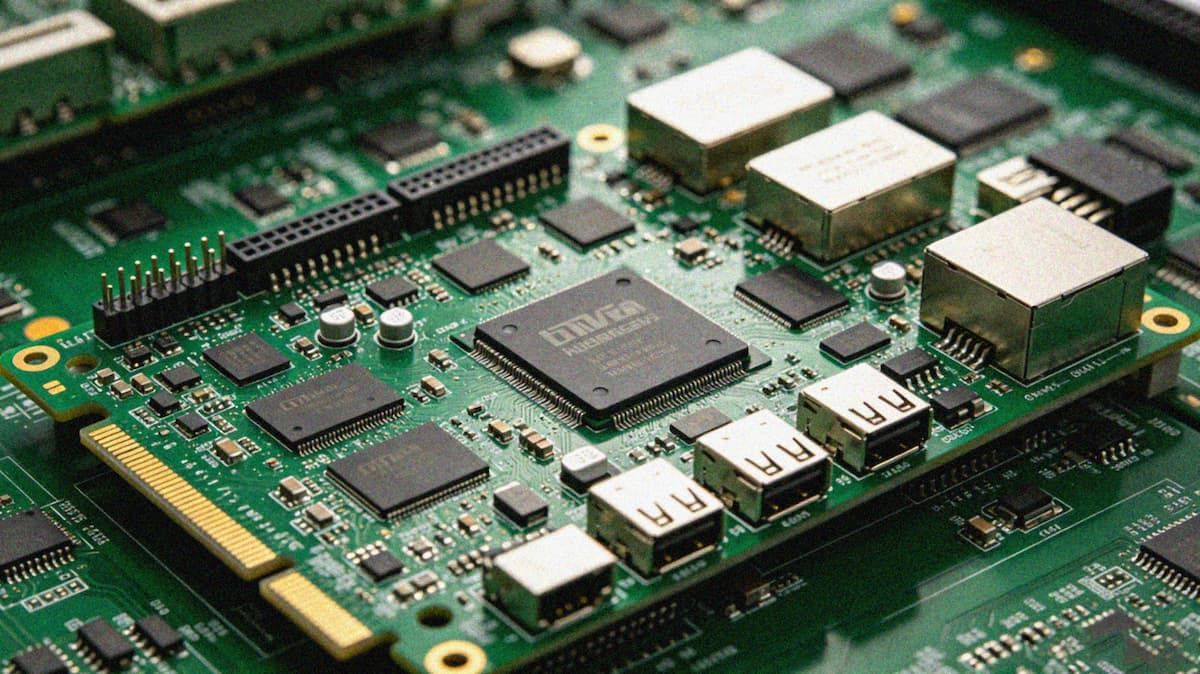
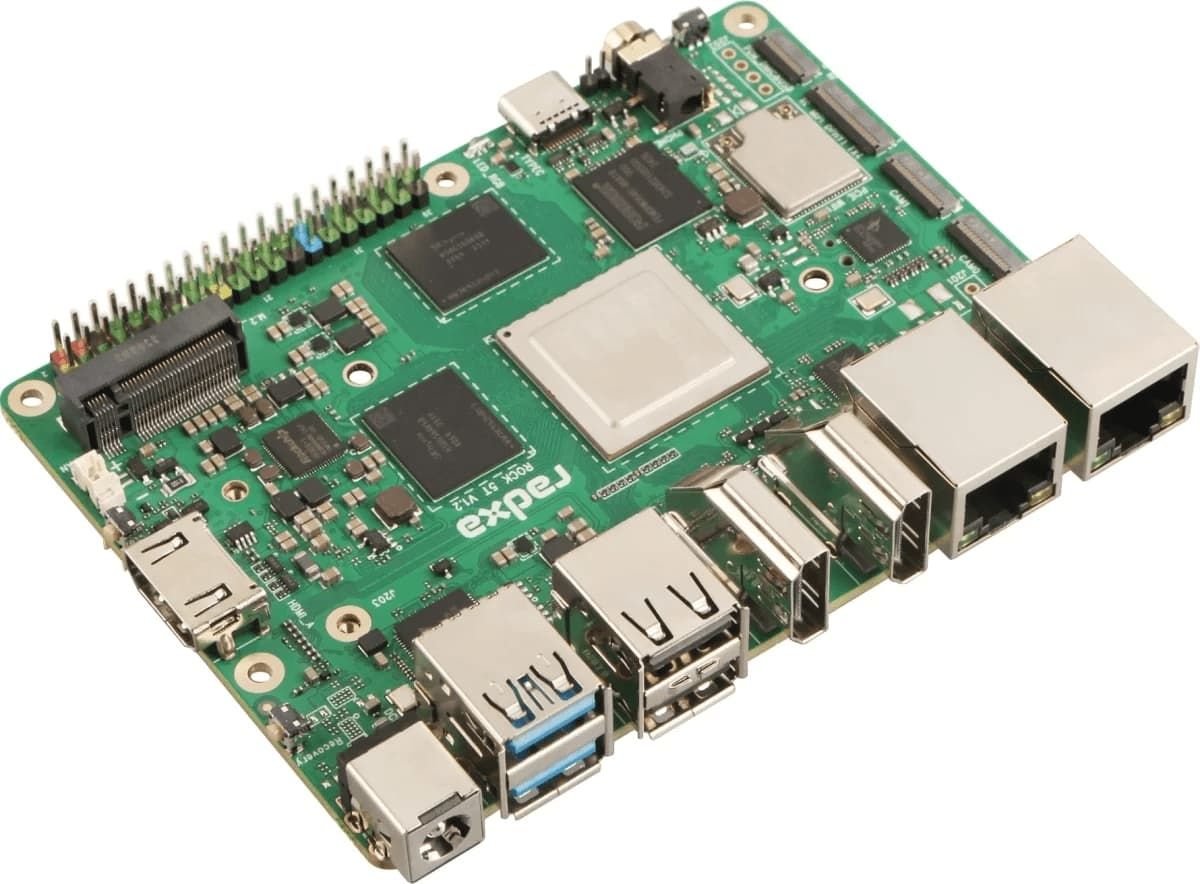
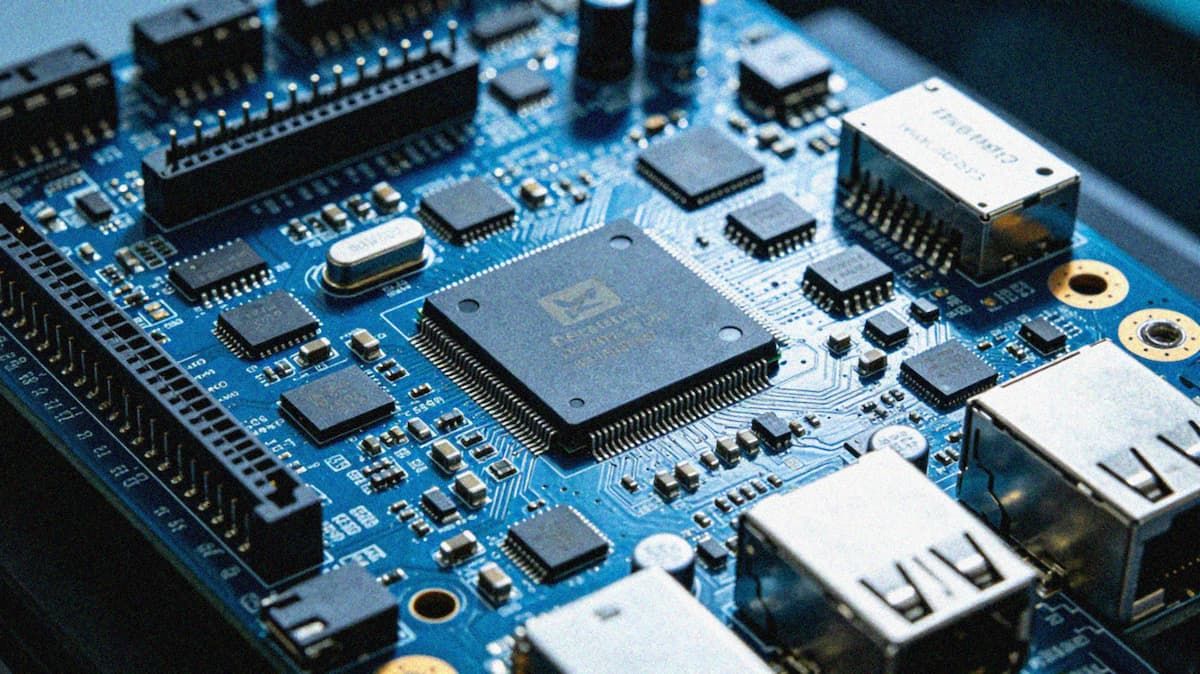
Processor platform selection is a key decision in control board design. ARM Cortex series processors are widely used in real-time control scenarios. TI AM3358/AM4376/AM5728, NXP i.MX6/i.MX8, RK3288/RK3399/RK3566/RK3568/RK3588 and other chips provide a complete selection phase transition from the entry stage to the high-end. FPGAs have advantages in scenarios that require parallel processing and hardware acceleration. SoC FPGAs such as the XILINX ZYNQ7020 integrate ARM cores and programmable logic, balancing flexibility and performance. DSPs still have a place in digital signal processing-intensive applications, and multi-core DSPs such as TI TMS320C6678 are suitable for computation-intensive tasks such as filtering and transformation.
The diverse needs of communication interfaces pose challenges to board design. UART, I2C, and SPI are used for on-board communication, CAN, and LIN are used for field bus, Ethernet is used for station control layer and scheduling layer communication, USB2.0/USB3.0/Type C is used for debugging and maintenance interfaces, and PCIE, SATA, and SerDes are used for high-speed data transmission. The electrical characteristics, timing requirements, and EMI characteristics of different interfaces are different and need to be considered during the PCB layout stage.
The IPD (Integrated Product Development) dual-platform development model supports parallel development of ARM and FPGA, and can select the optimal processor architecture based on application characteristics. The core chip ecosystem covers mainstream manufacturers such as Intel, TI, ST, NXP, Microchip, and Infineon, providing a wealth of options for design selection. This multi-platform and multi-ecosystem support enables control boards to be optimized for specific application scenarios rather than compromising with common solutions.
Key points of circuit board design for energy management system
EMS (Energy Management System) is the control center of the smart grid. Its core functions include: data collection and processing, state estimation and power flow calculation, optimal dispatch and economic operation, prediction analysis and early warning decision-making. EMS control boards need to carry hardware implementation of these functions while meeting real-time, reliability, and maintainability requirements.
The data acquisition function requires the board to have multi-channel, high-precision sampling capabilities. Analog quantity collection includes electrical quantities such as voltage, current, power, and frequency, as well as non-electrical quantities such as temperature and pressure. Digital quantity collection includes switch position, protection signal, alarm status, etc. The sampled data needs to be stamped with a precise time stamp and supports the IEEE 1588 Precision Time Protocol (PTP) to achieve time synchronization across the network.
State estimation and power flow calculation require certain computing power support. Lightweight state estimation can be done at the edge side, and complex network-wide power flow calculations are usually performed at the dispatch center. Edge computing boards need to have local data preprocessing capabilities to reduce the amount of uploaded data and reduce communication bandwidth pressure. The optimization scheduling algorithm has high real-time requirements, and the control board needs to support rapid solution and instruction issuance.
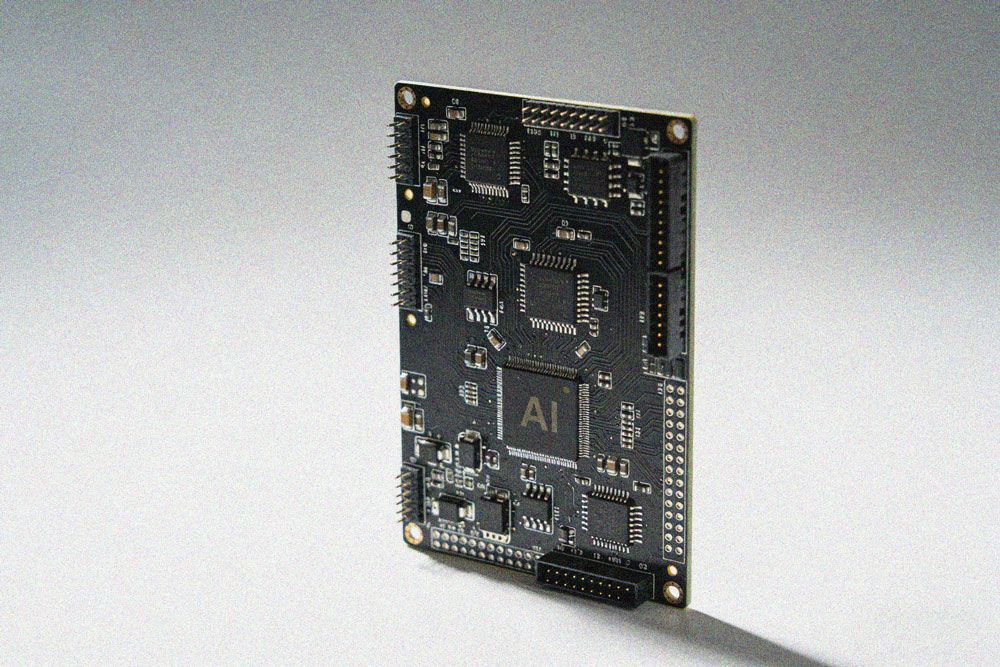
The predictive analysis function introduces an AI reasoning model. Models such as load prediction, new energy output prediction, and equipment failure prediction can be deployed on the edge side to achieve millisecond response. This requires the control board to have sufficient AI computing power and may require integrated NPU or GPU acceleration units. At the same time, model update mechanisms should be considered to support remote downloading and local deployment.
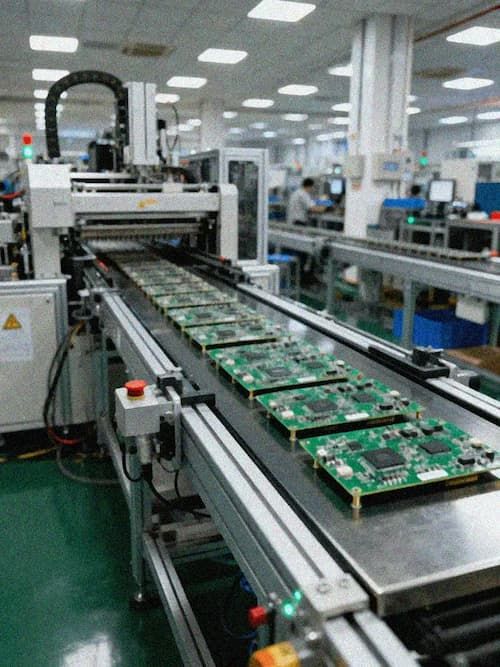
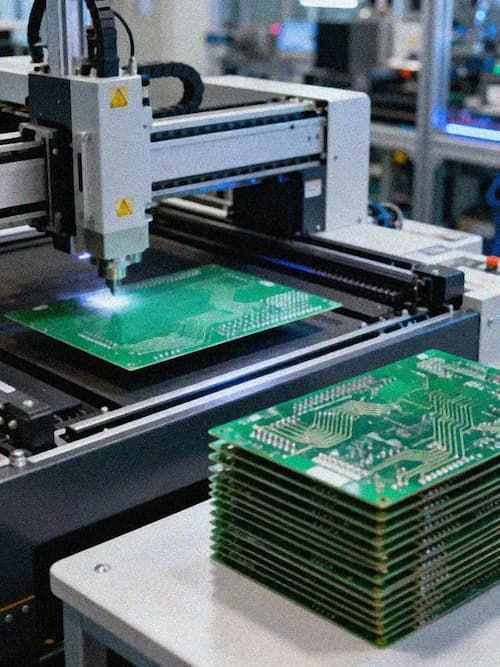
PCB technical capabilities are the foundation for supporting complex control systems. FR4 plate supports up to 68 layers (sample)/32 layers (mass production), and a signal rate of up to 112Gbps (sample)/25Gbps (mass production). Special processes include thick copper blind buried holes, metal cores, rigid-flexible combination, embedded copper, high-frequency hybrid, back drilling, control-depth drilling, etc., which can meet the design needs of different application scenarios. The microgrid scenario uses 4-6 layers of board manufacturing to meet the functional requirements, achieves 100% localized selection of devices, and reduces costs by 30%. The microgrid cabinet router adopts Xilinx FPGA solution to realize 750Vdc/380Vac interconnection through 10 Gigabit optical ports to meet the high-speed communication requirements in complex scenarios.
How one-stop hardware development services accelerate the implementation of energy control systems
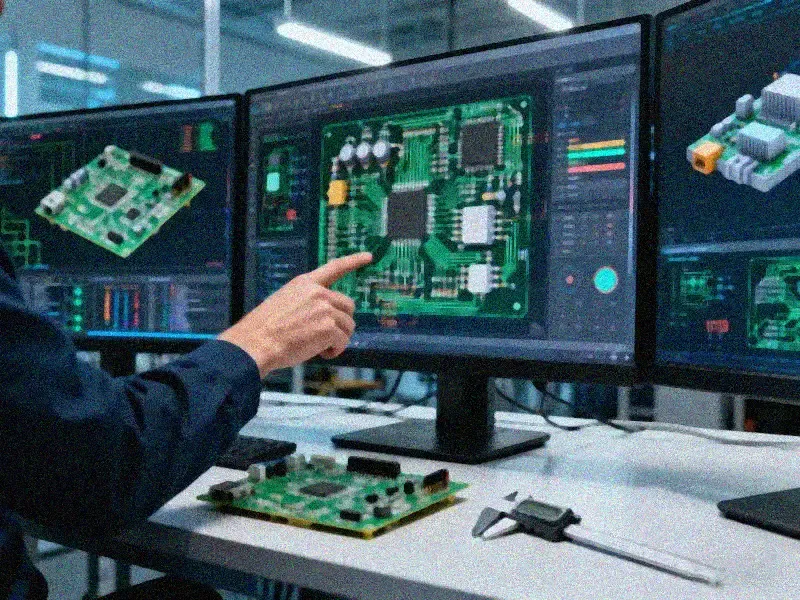
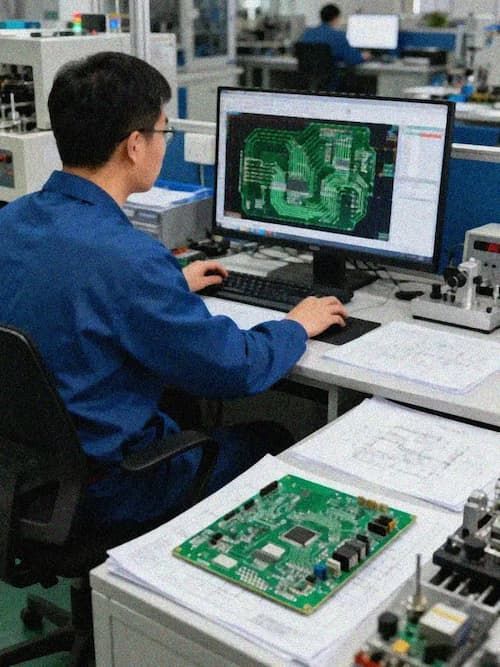
Energy control system hardware development faces full-process challenges. The requirements definition stage requires a deep understanding of the power business scenario and transform business requirements into hardware specifications. The design verification stage requires completing schematic design, PCB layout, signal integrity analysis, thermal simulation and other work. The certification testing stage requires passing mandatory certifications such as EMC testing, safety testing, and environmental testing. The large-scale delivery stage needs to ensure batch consistency, supply chain stability, and delivery timeliness.
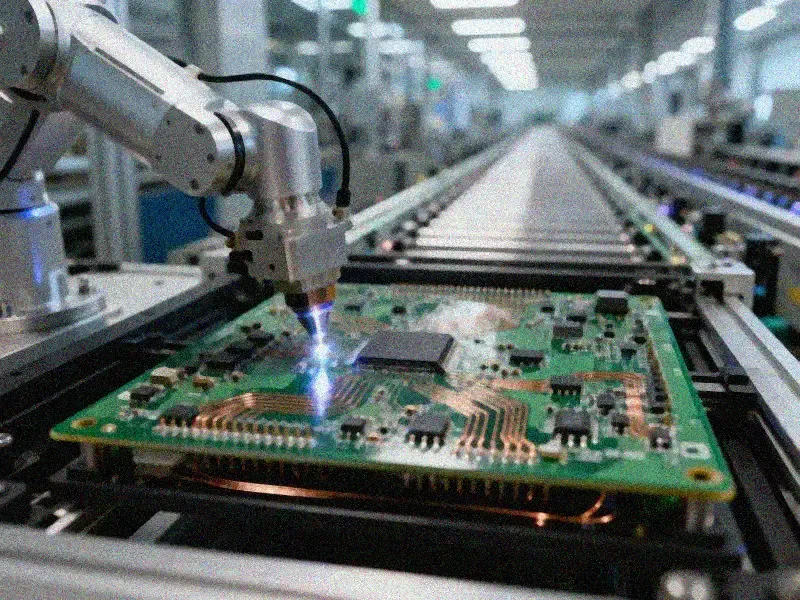
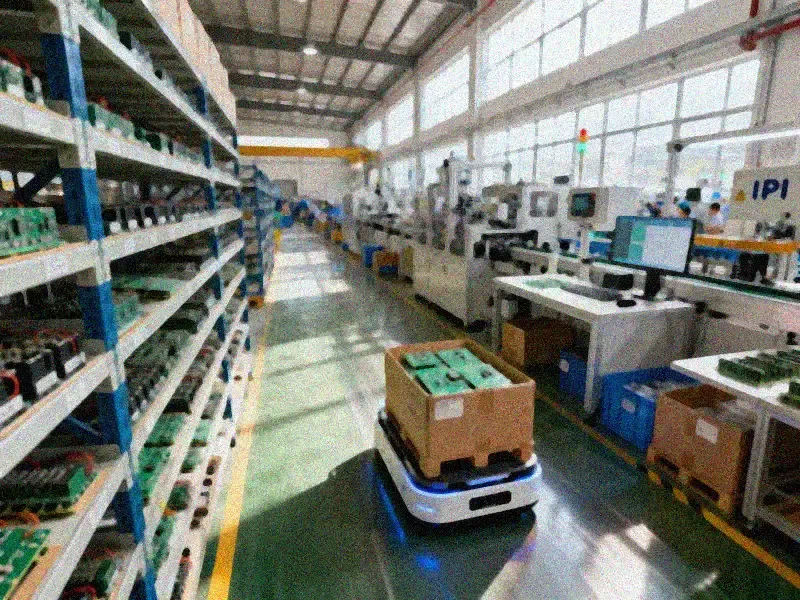
The IPDM one-stop model integrates the three links of IPD, IPM, and PCB, covering six platforms: IDH, CAD, PCBA, components, EES, and PCB. The value of this integration lies in: reducing interface coordination costs, and a single window meets the requirements of the entire process; accelerating the iteration cycle, so that design modifications can be quickly transferred to the manufacturing process; reducing technical risks, and supporting problem positioning and rectification by the full chain capabilities.
Vertical scenario solutions cover multiple energy segments: conventional DC transmission, flexible DC transmission, energy storage EMS, wind and photovoltaic inverters, charging power supplies, and microgrids. Each scenario has verified reference design and process parameters, on which new projects can be customized and developed, significantly shortening the development cycle.
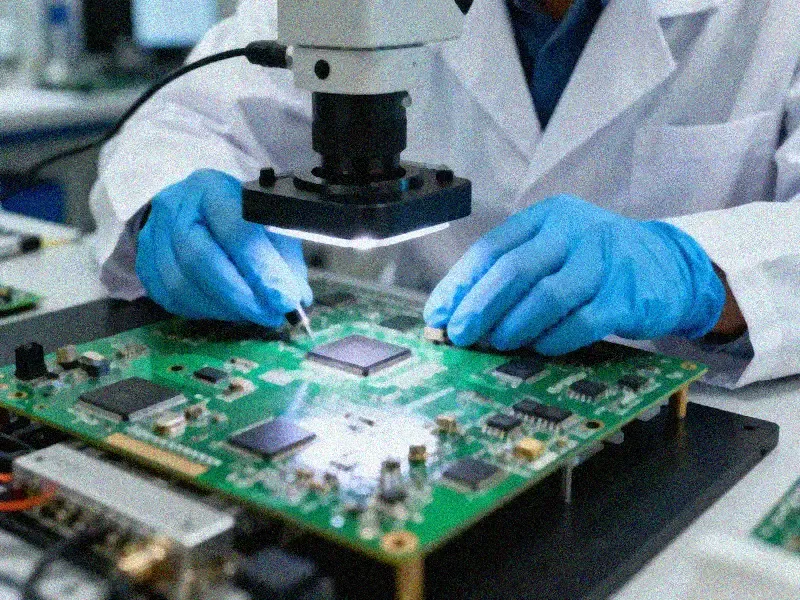
TSR four-dimensional solutions ensure design quality from four dimensions: technical support, reliability analysis, test verification, rectification and optimization. CNAS/CMA laboratory qualifications ensure the authority and traceability of test results. The standard implementation system covers ISO9001, ISO14001, IATF16949, ISO45001, ISO13485, CQC, UL, ISO/IEC17025 and other certifications, covering the entire chain of design, manufacturing, testing, and delivery.
The hardware development of energy control systems needs to be advanced simultaneously from three dimensions. At the architecture level, the ARM/FPGA dual platform solution can balance real-time performance and flexibility, and select the optimal processor architecture based on application characteristics. At the process level, mass production capabilities of 68-layer PCB and 112Gbps signal rates are the basis for supporting complex systems. Special processes such as thick copper, metal core, rigid-flexible combination, etc. can meet differentiated needs. At the delivery level, the IPDM one-stop model, combined with CNAS/CMA laboratory certification, can shorten the cycle from design verification to large-scale delivery to the shortest possible extent. For hardware teams in the energy industry, when evaluating suppliers, they should focus on their actual delivery records and complete quality system support in vertical scenarios, rather than just parameters.