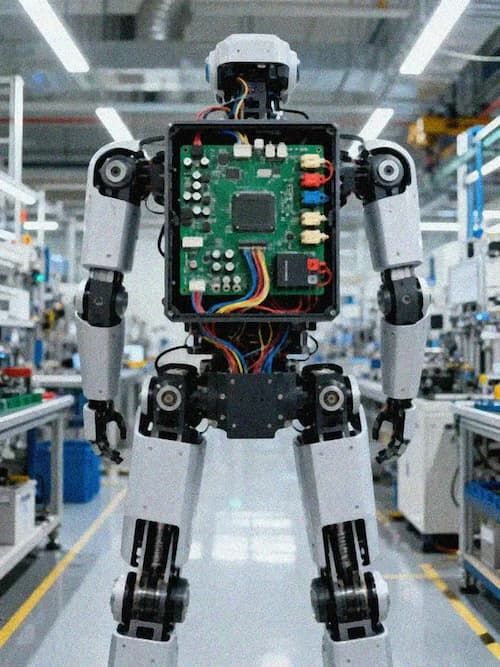
The 2026 Lunar New Year Gala for the Year of the Horse featured an unprecedented performance that stunned audiences worldwide: a group of agile and precise humanoid robots, dressed in traditional martial arts attire, flawlessly executed a series of highly difficult martial arts routines. Their movements—nimble leaps, swift turns, punches, and kicks—were not only powerful but also possessed a stylized aesthetic and astonishing synchronization. This scene not only showcased a stunning fusion of traditional Chinese culture and cutting-edge modern technology but also propelled the increasingly heated AI wave of recent years to a new, tangible, and perceptible climax.
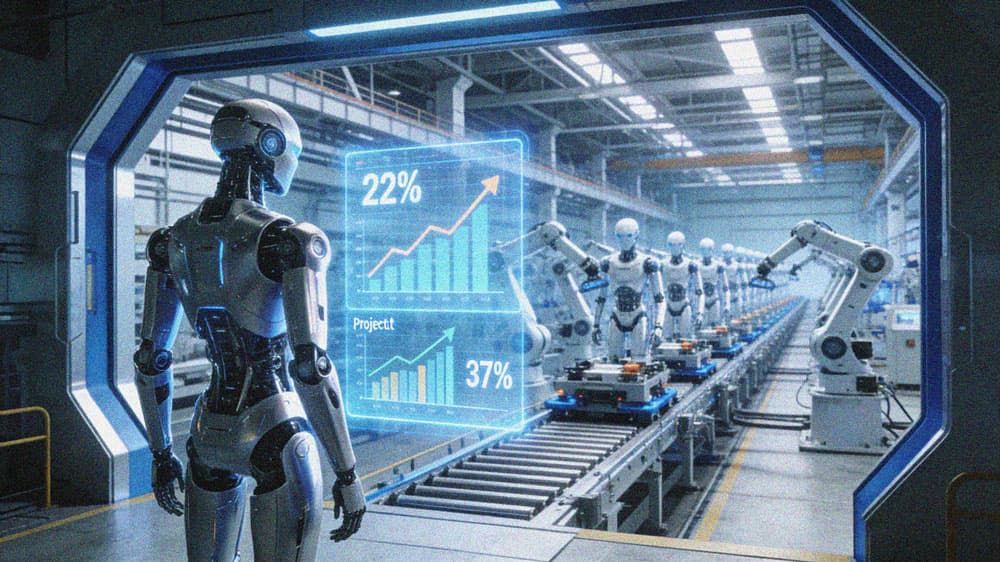
Behind this performance lies far more than just dazzling programming and motion capture. It signifies that humanoid robots are rapidly transitioning from laboratory prototypes and concept demonstrations to a highly reliable, high-performance, and mass-producible industrialization stage. The hardware foundation supporting their "brain" decision-making and "limb" execution—especially high-density, high-performance PCBs (printed circuit boards) and end-to-end hardware solutions—are the indispensable "unsung heroes" in this intelligent revolution.
The Hardware Core of the Spring Festival Gala's "Warrior": High-Multilayer PCBs and Precision Manufacturing
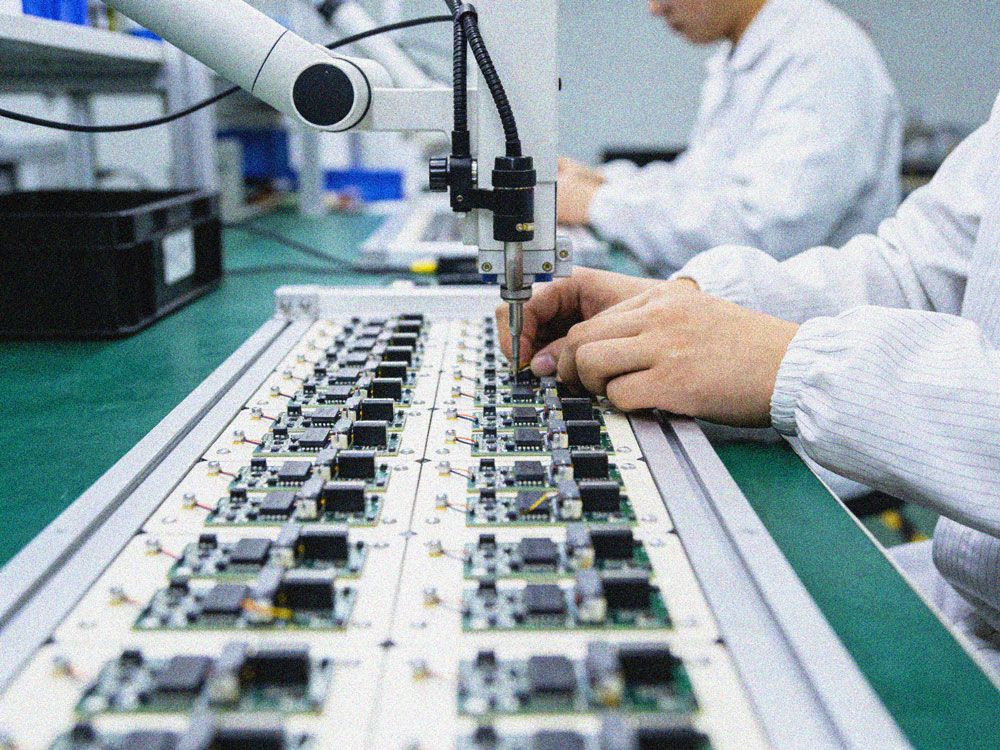
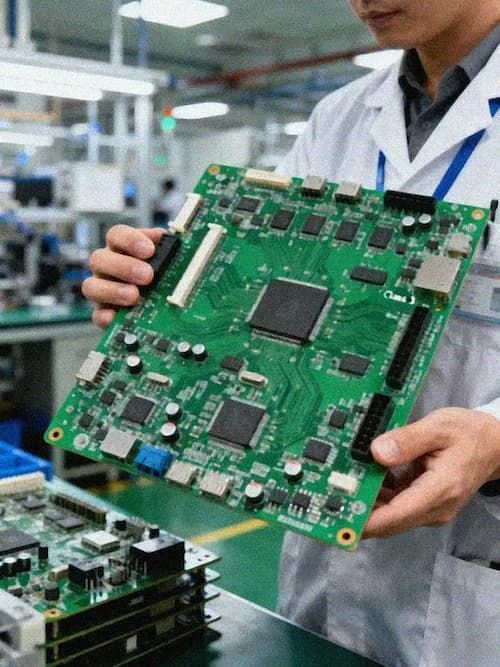
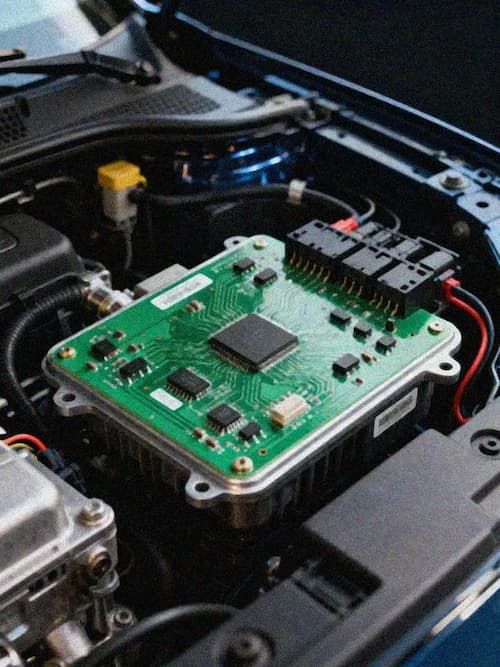
Like the human nervous system, robots are covered in sensors, processors, and actuators. The interconnection and efficient collaboration of these electronic components heavily rely on their "skeleton"—the PCB motherboard. For the Spring Festival Gala robot to perform such complex, high-speed, and real-time responsive actions, the computing power, signal transmission speed, stability, and reliability of its control motherboard are placed under extremely demanding requirements.
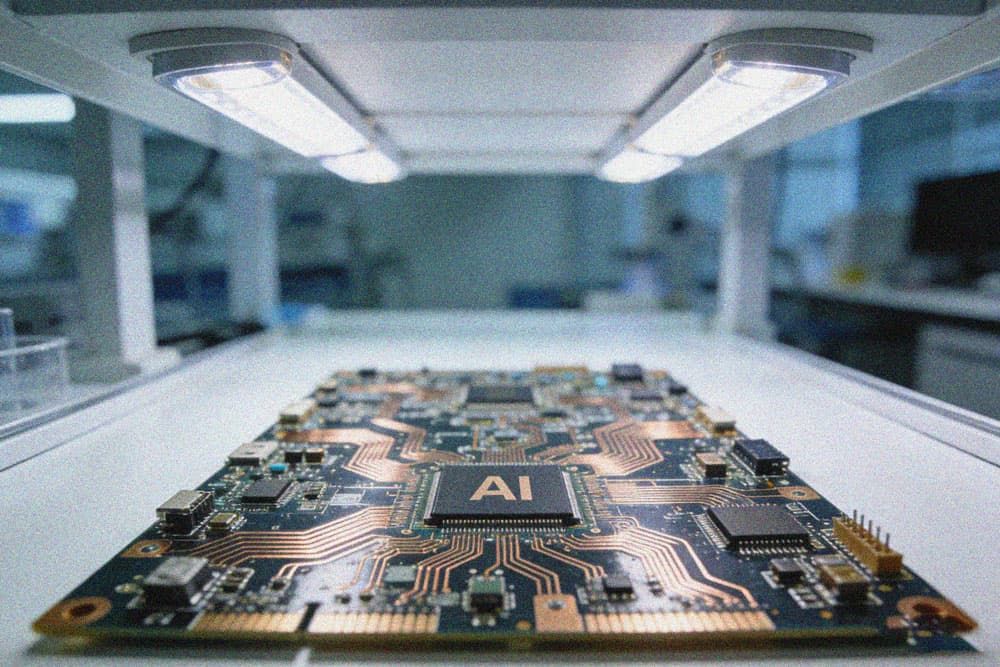
According to industry technical data, high-multilayer PCBs (such as 16-32 layers), specifically designed for AI computing servers and high-end equipment, are key to meeting these challenges. These products typically possess the following core capabilities:
High-speed materials and high-density interconnects: Utilizing high-speed materials such as TU933+, they support signal transmission rates of 112Gbps or even higher, ensuring real-time, zero-latency exchange of massive amounts of data between the "brain" (main control chip), "sensors," and "limbs" (actuators).
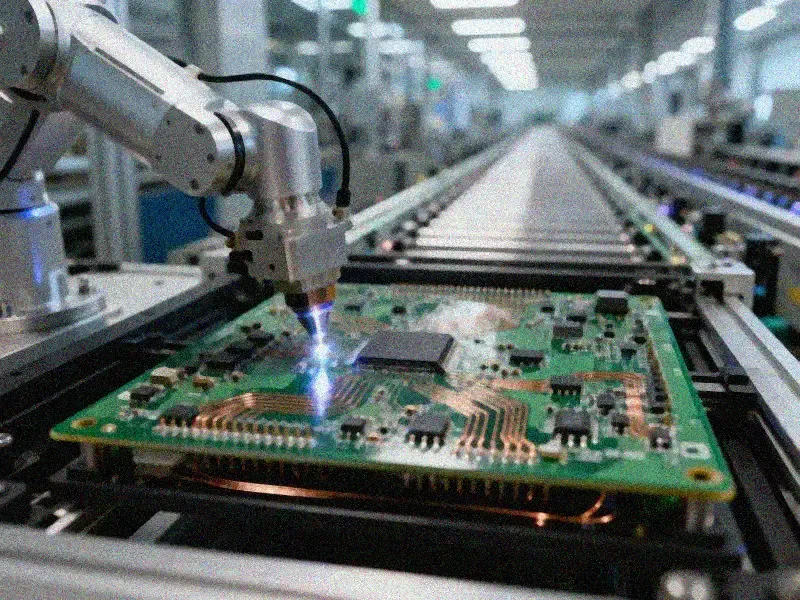
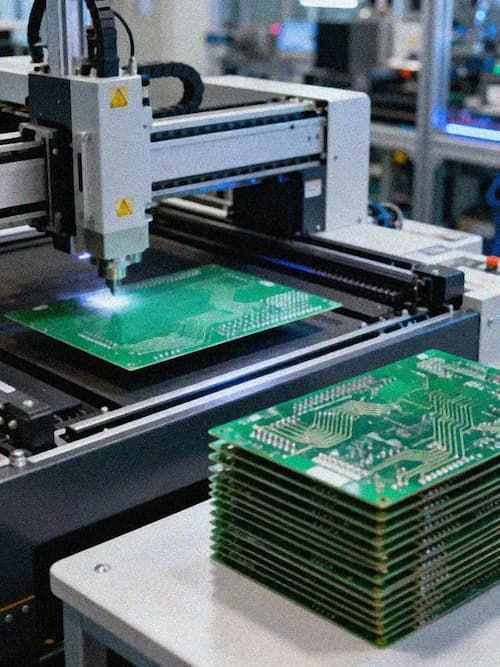
Extreme precision manufacturing: Achieving apertures as small as 0.2mm and specific fine line widths and spacings to meet the requirements of high-density wiring and miniaturized component installation, enabling lightweight and miniaturized robot designs. Core Process Guarantee: Mastering advanced processes such as precision control of metallized slots and multiple back-drilling resin filling effectively controls signal integrity, reduces interference, and enhances the long-term reliability of the motherboard under high-speed operation.
These process capabilities ensure that the robot's main control system maintains stable and low-power operation even when undertaking high-intensity AI calculations (such as real-time environmental perception and motion planning). This is the physical foundation for the precise and smooth movements of the robots on the Spring Festival Gala stage, with millisecond-level accuracy.
Beyond a Single Board: IPDM One-Stop Solution Empowers the Entire Lifecycle
However, a high-performance PCB motherboard is only the starting point. Humanoid robots are extremely complex system integration products, involving the collaboration of multiple hardware modules such as control calculation, execution drive, communication transmission, power management, and thermal management. From concept to mass production, companies face multiple challenges, including technological gaps, long R&D cycles, difficulty in cost control, and poor quality stability.
This is precisely where the value of the "IPDM (Integrated Product Design and Manufacturing) one-stop solution" proposed by companies like Kingboard Technology lies. This solution goes beyond simply providing PCB manufacturing; it integrates:
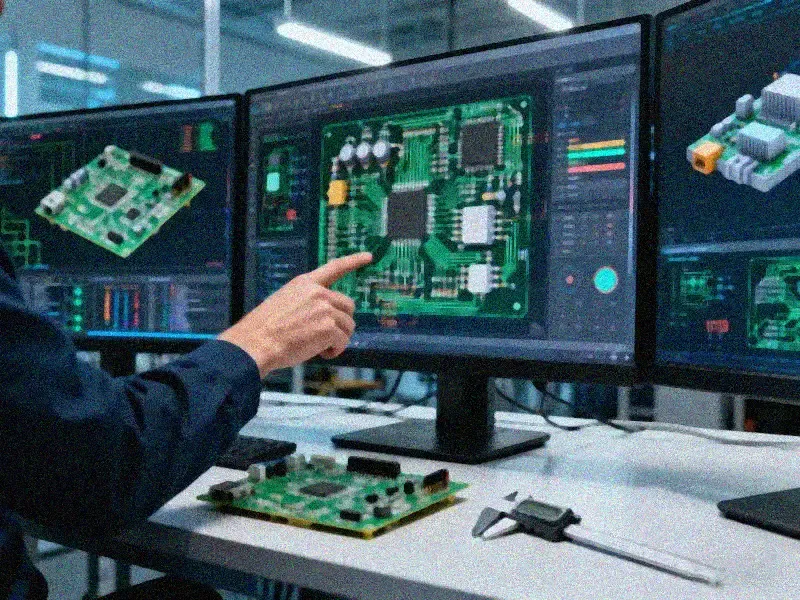
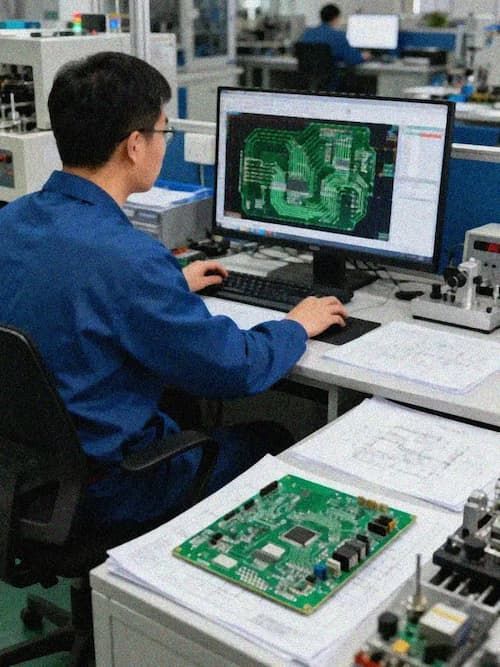
Integrated Product Design (IPD): Providing a full-process hardware development service, from system architecture design, chip platform selection (such as STM32H7, RV1126, etc.), high-speed PCB layout design (supporting 56 layers and 112Gbps), electromagnetic compatibility (EMC) design, to reliability design. Its modular reusability rate reaches up to 68%, significantly shortening the design cycle for new projects.
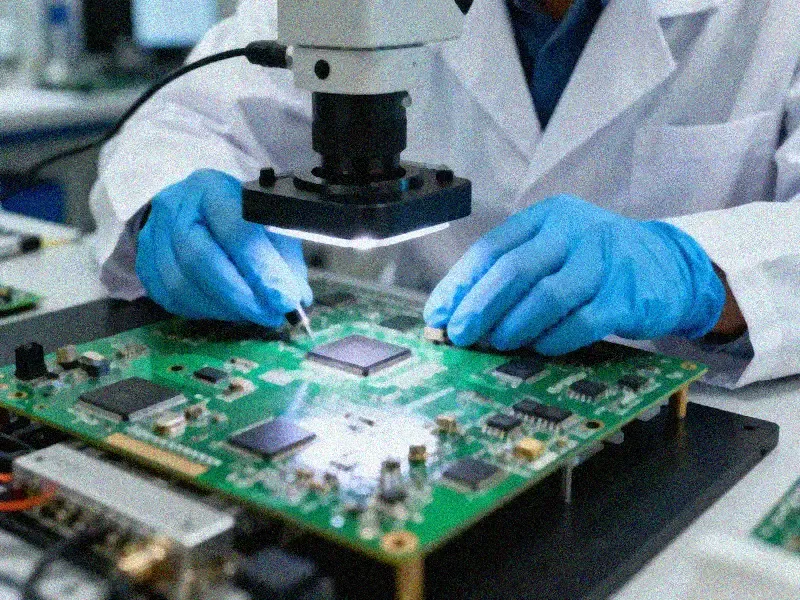
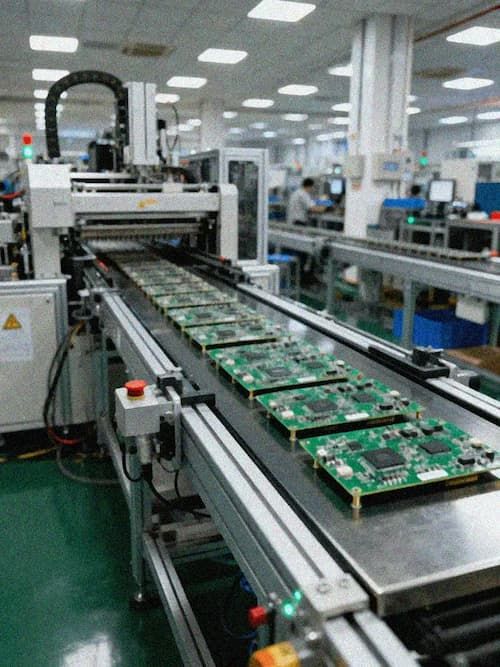
Integrated Product Manufacturing (IPM): Through robust Design for Manufacturability (DFM) reviews and a rich library of process experience (such as 2368 DFM rules), it proactively avoids design defects, optimizes production routes, improves product manufacturability and yield, and achieves a seamless transition from prototype to efficient mass production.
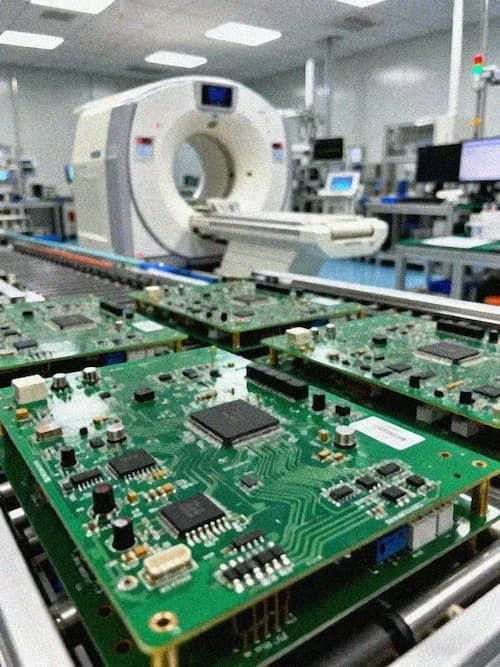
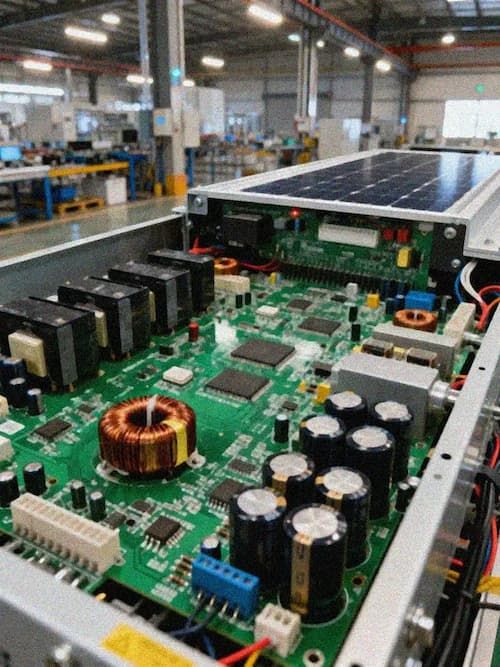
Printed Circuit Boards (PCBs): Providing a full range of PCB manufacturing capabilities, covering everything from standard to high-end (such as high-speed, high-frequency, high-heat-dissipation, and rigid-flexible designs), meeting the differentiated needs of different parts of the robot (main control, joint drives, vision modules, etc.).
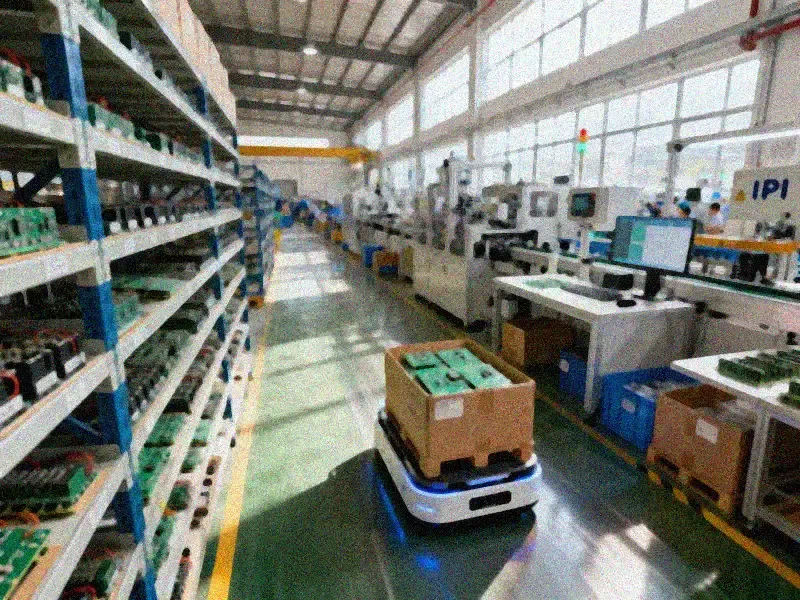
According to relevant case studies, adopting this type of IPDM solution can help customers reduce R&D cycles by 20%-30%, mass production cycles to 60% of the industry average, and reduce overall costs by 15%-20% through vertical integration, while significantly improving product reliability and first-pass yield.
The AI Wave Heats Up, Hardware Foundation First
The robot martial arts performance at the Spring Festival Gala was a landmark event marking the emergence of Embedded AI. The continued rise of the AI wave—whether it's large-scale model training in the cloud or intelligent terminals at the edge (such as AI edge devices, industrial controllers, and intelligent medical devices)—relies on a solid and reliable hardware infrastructure.
From the high-multilayer, high-speed PCBs required for AI computing servers, to the precision design and heat dissipation solutions needed for edge AI devices (such as evaluation boards based on the NVIDIA Jetson platform), and to various intelligent products across thousands of industries such as smart agriculture, industrial control, automotive electronics, and medical equipment, the demand for high-end PCBs and full-chain hardware solutions is exploding.
Industry solutions demonstrate that IPDM solutions for specific fields such as artificial intelligence, automotive, medical, industrial control, and power electronics are providing customized solutions to address the unique challenges of each industry (such as adaptability to harsh environments, functional safety, high power density heat dissipation, and long-term reliability), helping customers to quickly and reliably deploy their products.
The robot "Warrior" at the 2026 Spring Festival Gala, with its powerful technological performance, announced to the world the accelerated arrival of the Chinese humanoid robot industry. Behind this performance lies continuously iterating AI algorithms, and even more importantly, increasingly mature high-end electronic manufacturing and full-chain hardware service capabilities. As the "brain" of AI becomes increasingly intelligent, building a robust, reliable, and efficient "body" and "nervous system" for it is equally crucial. This wave of AI-driven hardware innovation and upgrades is laying a solid foundation for the next round of intelligent revolution across industries from consumer electronics to industrial manufacturing. In the future, we will see more innovative products integrating cutting-edge hardware and intelligent algorithms, moving from concept to life and profoundly changing our world.