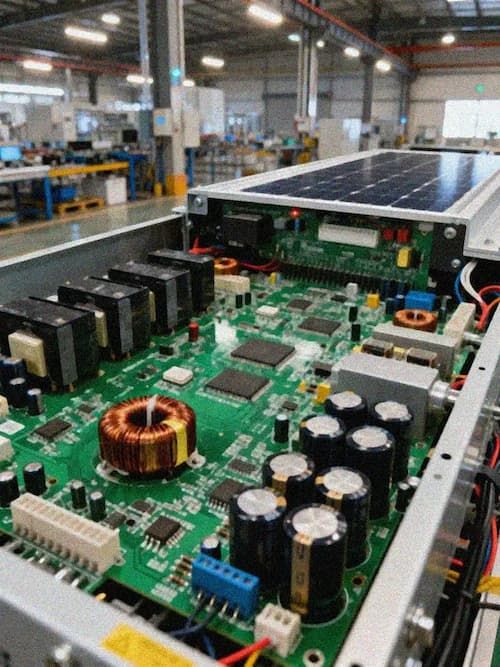
Reliability requirements for medical equipment exceed conventional standards
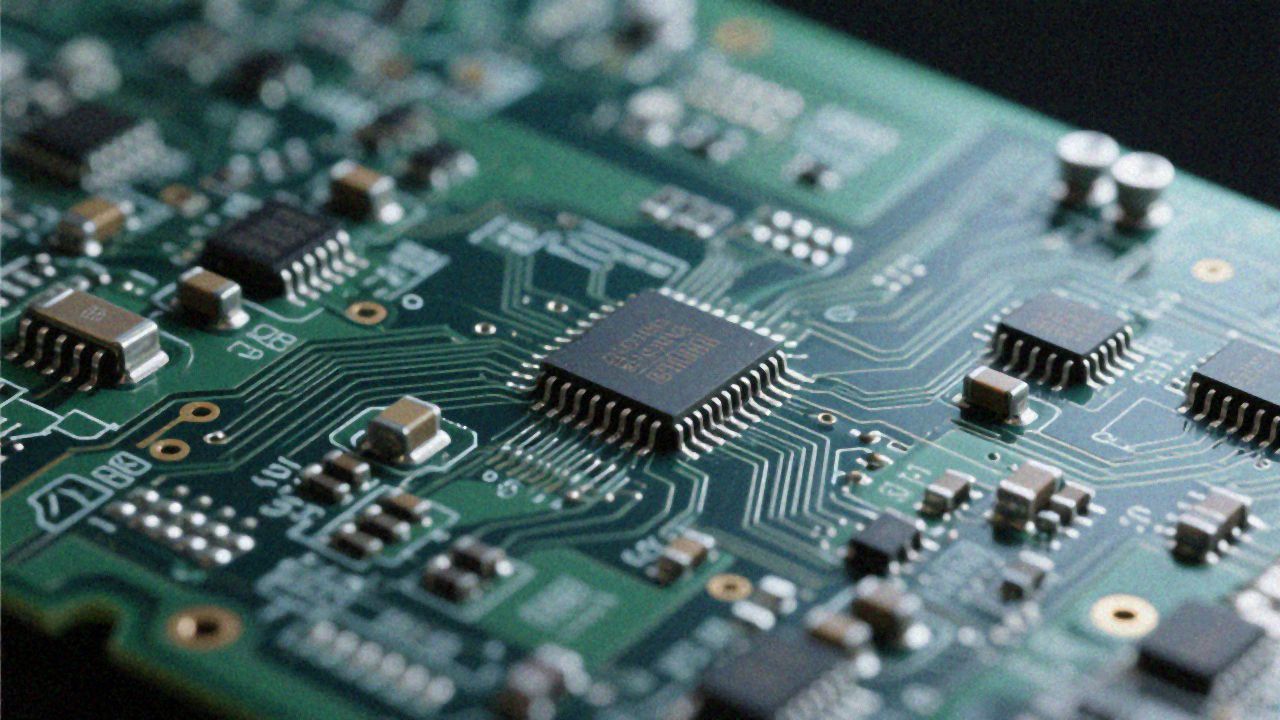
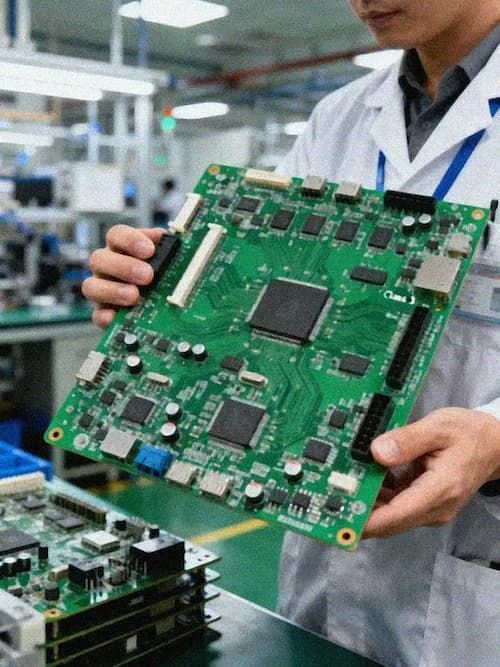
The global population over the age of 60 has exceeded 1 billion, and the medical device market has exceeded 1 billion units. Many of the circuit boards in these devices are directly or indirectly involved in the monitoring and regulation of vital signs. ECG monitors collect millivolt electrocardiograms, ventilators adjust airflow based on feedback from pressure sensors, and defibrillators release precise energy pulses within milliseconds. The realization of these functions relies on the stable and reliable operation of the PCB.
IPC Class 3 provides basic standards for high reliability and has strict requirements on solder joint quality, component installation, cleanliness, etc. In medical scenarios, this standard is often just the starting point. Medical equipment needs to meet the accuracy requirements of microvolt signal acquisition, need to reach a reliability indicator of more than 150,000 hours MTBF (Mean Time Between Failures), and need to be approved by regulatory agencies such as FDA, CE, and NMPA. These additional requirements have raised the engineering threshold for medical equipment PCBs.
The particularity of medical equipment is reflected in three aspects. First, life is at stake. Malfunctions may lead to misdiagnosis, missed diagnosis, or delayed treatment, directly affecting patient health. Second, long-term use. Many medical devices have a design life of 5-10 years, and some implantable devices are even longer. Third, strict supervision. Classification management, registration approval, and post-market supervision of medical devices all put forward clear requirements for PCB traceability and change control.
KINGBROTHER has been deeply involved in PCB manufacturing for 27 years, serving more than 18000 customers, and holds ISO13485 medical device quality management system certification. For teams developing medical equipment, evaluating suppliers 'medical industry experience and quality systems is a pragmatic preparation.
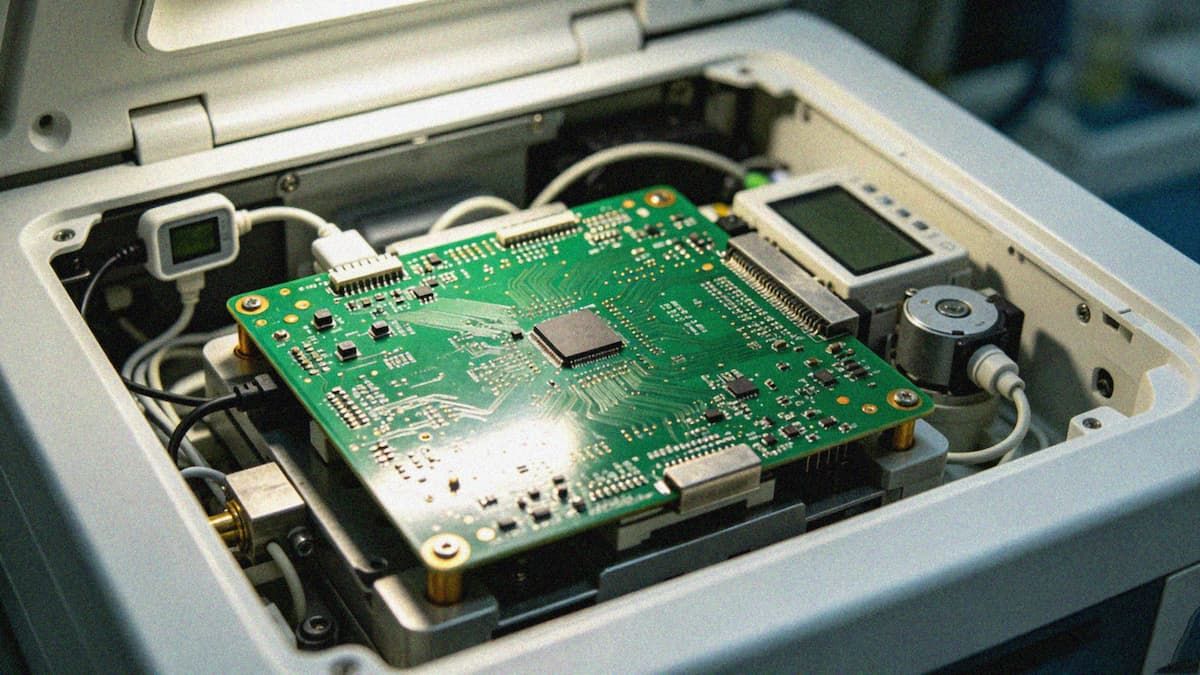
Design Points of Medical Equipment PCB
Electrical safety is the primary consideration for medical equipment PCBs. The IEC 60601 standard puts forward systematic requirements for the safety of medical electrical equipment, including insulation distance, leakage current limits, grounding continuity, etc. PCB design needs to meet these safety requirements, such as strengthening insulation, increasing creepage distances, and optimizing grounding topology.
The design of insulation distance needs to consider factors such as working voltage, pollution level, and material group. For applications in direct patient contact, insulation requirements are more stringent. When laying out the PCB, it is necessary to ensure sufficient insulation distance between the high-voltage circuit and the low-voltage circuit, and between the patient connection part and the isolation part.
Leakage current limitation is another safety consideration. The leakage current of medical equipment needs to meet the limit requirements of IEC 60601, including ground leakage current, patient leakage current, enclosure leakage current, etc. PCB design needs to consider the characteristics of insulating materials, layout symmetry, and filter circuit design to control leakage current within limits.
Electromagnetic compatibility design has special requirements in medical scenarios. On the one hand, medical equipment needs to suppress its own electromagnetic interference and avoid interfering with other equipment; on the other hand, it needs to have sufficient immunity to work normally in the complex electromagnetic environment of the hospital. In addition, medical equipment also needs to consider compatibility with life support equipment to avoid interference with life support equipment.
KINGBROTHER demonstrated a design case of a 20-layer high-frequency board matched with a shield in its IPDM solution for the medical industry. The high-frequency board is used for signal processing of imaging equipment such as MRI and ultrasound, and the shield is used to isolate sensitive circuits from interference sources. This design idea reflects the dual considerations of signal integrity and electromagnetic compatibility among medical equipment PCBs.
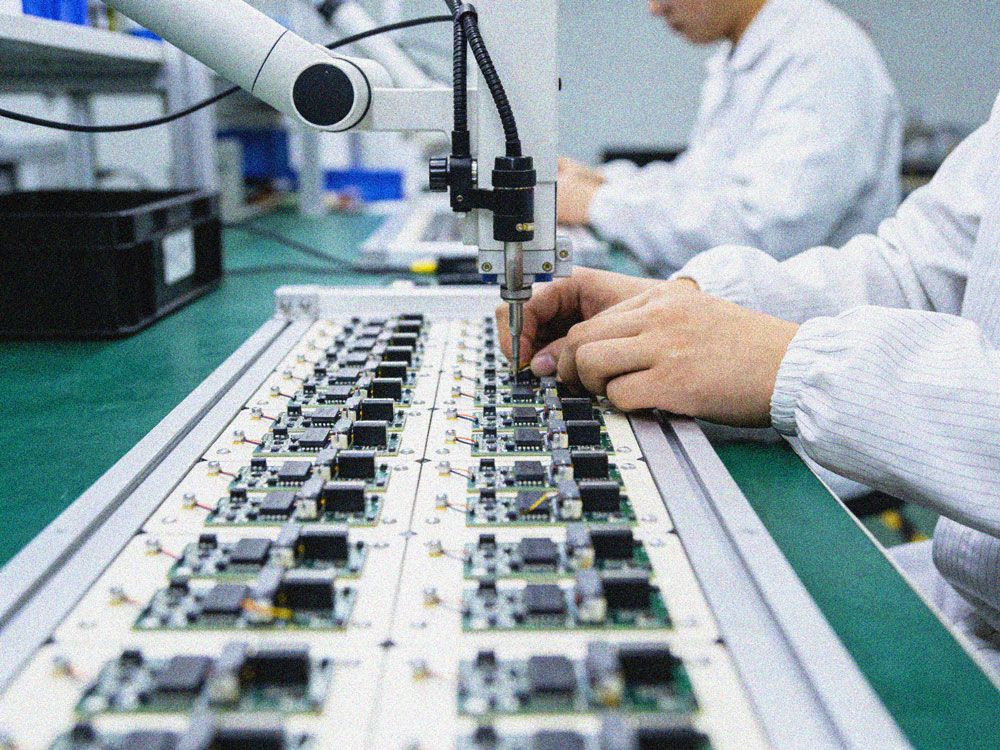
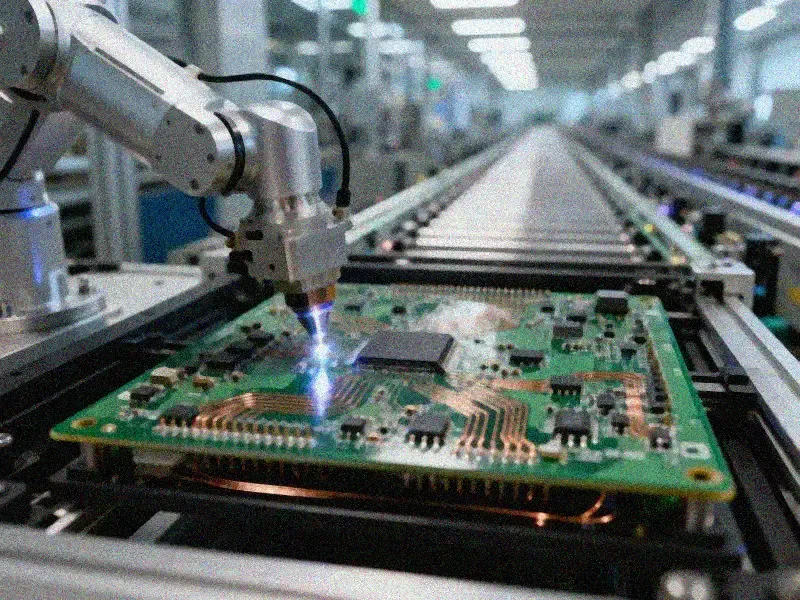
Traceability is a special requirement for medical equipment PCBs. Regulatory agencies require medical devices to have a complete traceability chain, from raw materials to finished products, and from production batches to sales records. PCB material traceability, process traceability, and batch management are all important links in the traceability chain. KINGBROTHER supports 01005 component placement capabilities and cooperates with ENEPIG surface treatment to provide a process foundation for precision assembly of medical equipment PCBs.
Quality control of the manufacturing process
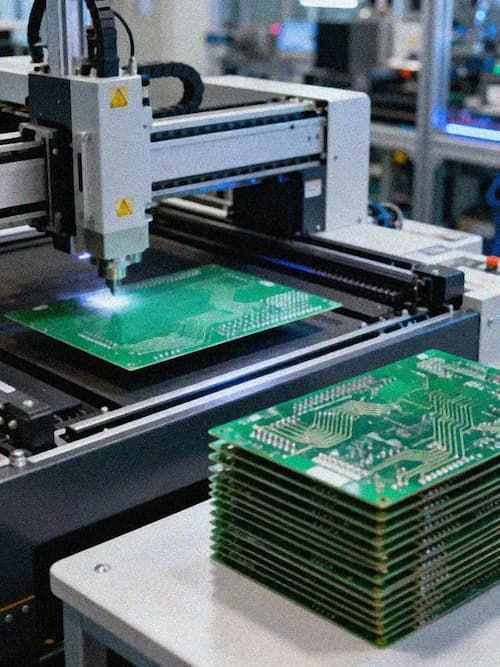
The manufacturing process of medical equipment PCBs requires stricter quality control than conventional PCBs. Special process requirements, process inspections, and batch traceability require meticulous management in every aspect.
Cleaning process is one of the special requirements for medical PCBs. Medical equipment has strict requirements on cleanliness, and ion residues and organic matter residues may affect insulation properties or cause corrosion. The cleaning process requires selecting appropriate cleaning agents, cleaning parameters and verification methods to ensure that the cleanliness meets the requirements.
The coating process provides environmental protection for the PCB. Three-proof paint (moisture-proof, salt-mist, milde-proof) application can improve the reliability of PCB in hot and humid environments, which is especially important for portable medical equipment. The selection of coating materials, the control of coating processes, and the inspection of coating thickness all need to be included in the quality control system.
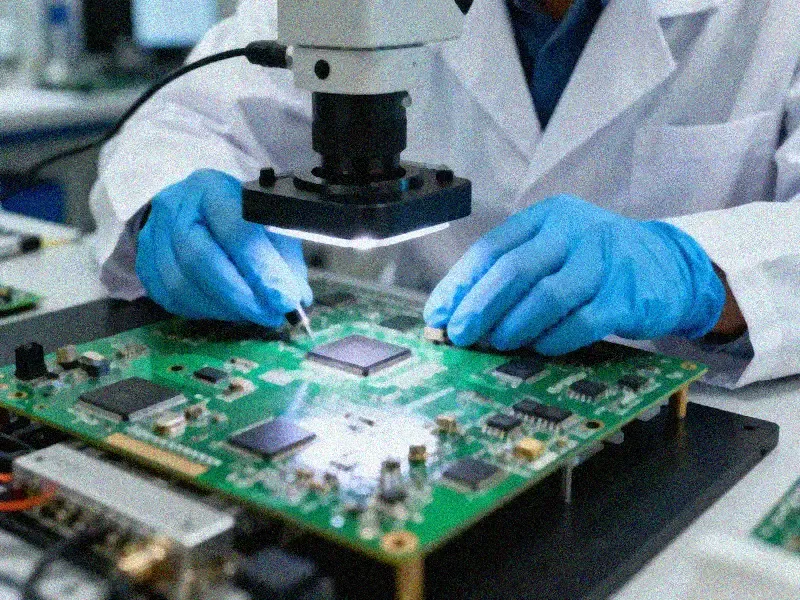
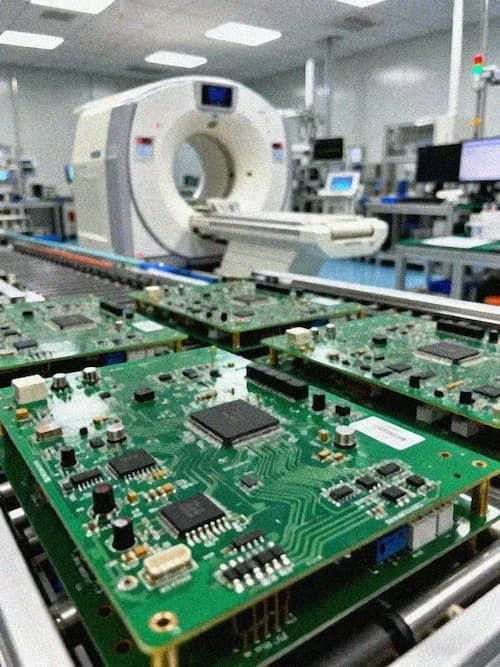
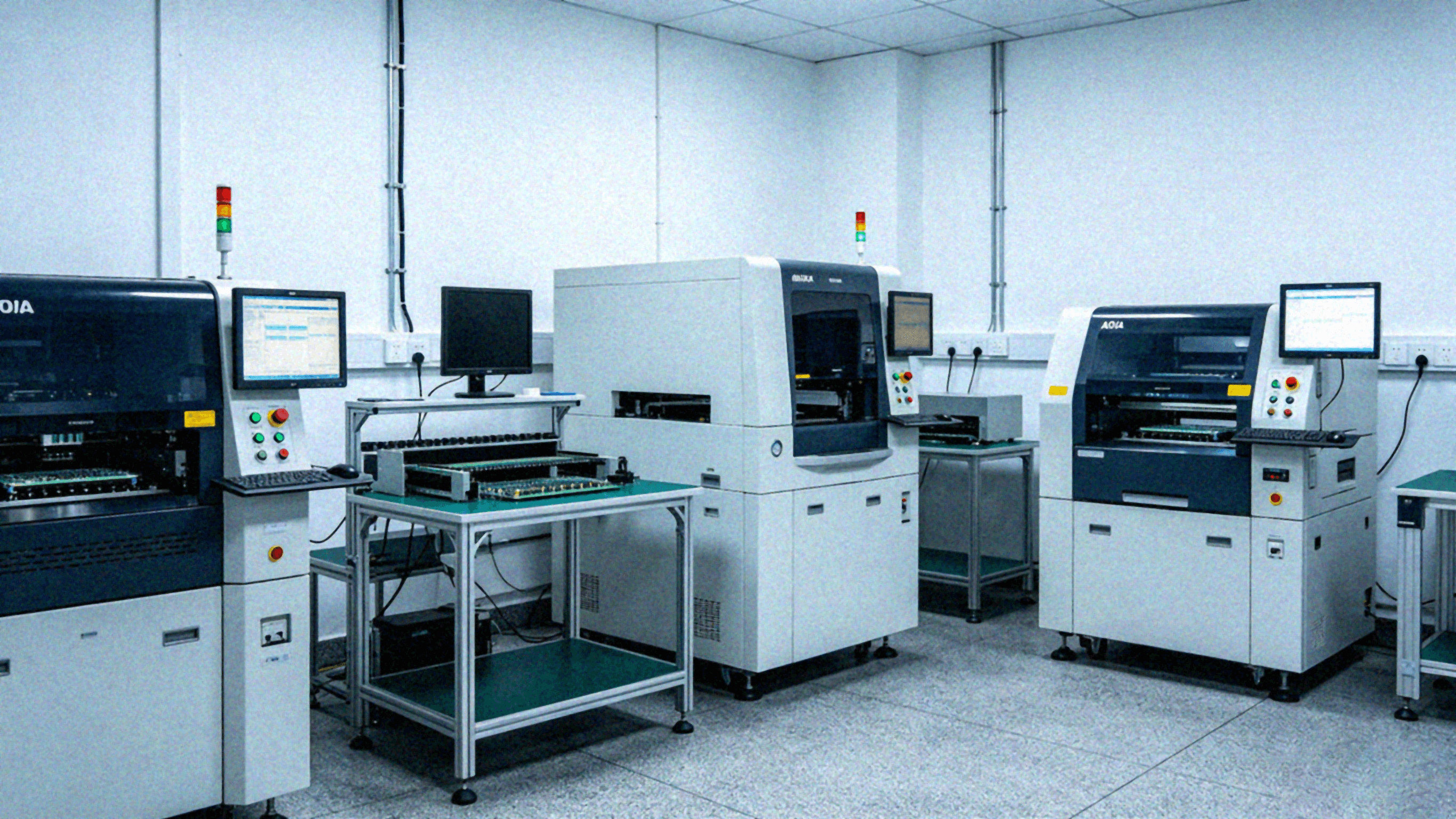
In-process inspection covers all aspects of manufacturing. AOI (Automatic Optical Inspection) inspects the quality of solder joints and component installation;X-Ray inspects the soldering quality of hidden solder joints such as BGA; functional testing verifies the electrical properties of the circuit board; and aging testing screens for early failures. KINGBROTHER is equipped with 4 PCB test equipment and 4 EMS test equipment. It cooperates with an ISO/IEC17025 certified laboratory to support the process inspection needs of medical PCBs.
Batch traceability is a basic requirement for medical equipment supervision. Each batch of PCB needs to record raw material batches, process parameters, inspection results, operators and other information to form a complete traceability record. When quality issues or regulatory inspections occur, the problem batches and scope of impact can be quickly located. KINGBROTHER has established a database of 3.27 million certified materials and 2368 DFM rules, providing a data foundation for material traceability and batch management.
Document management is an important part of the quality system. The development, production, and change of medical equipment need to be documented to meet the inspection requirements of regulatory agencies. PCB design documents, process documents, inspection records, and change records are all part of the document system. The supplier's document management capabilities directly affect the compliance efficiency of medical equipment.
Capacity threshold for medical equipment PCB suppliers
The evaluation of medical equipment PCB suppliers needs to be comprehensively considered from three dimensions: certification qualifications, technical capabilities and quality systems.
In terms of certification qualifications, ISO 13485 is the basic certification for the medical device quality management system. In addition, FDA registration, CE certification, and qualification certification for specific product categories are also the contents of the assessment. KINGBROTHER holds ISO13485 certification and cooperates with a complete set of certifications such as ISO9001, ISO14001, ISO45001, IATF16949, CQC, UL, and ISO17025 to provide a compliance foundation for medical equipment.
In terms of technical capabilities, high reliability design is the core indicator. Medical equipment PCBs usually need to meet Class 3 standards, which have strict requirements on manufacturing process and assembly quality. The ability to apply high-frequency board design, precision assembly, and special processes (such as coating and cleaning) is the content of technical evaluation. KINGBROTHER's PCB manufacturing capabilities cover FR4 up to 72 layers (samples)/32 layers (mass production), HDI 30 layers of arbitrary layer interconnections (samples), and combined with ENEPIG surface treatment, provides a process foundation for medical equipment PCBs.
In terms of quality system, traceability system and change control are core considerations. Changes to medical equipment require a complete process of evaluation, verification, approval, and recording, and changes to PCBs also need to be included in this system. The supplier's change management process, the integrity of traceability records, and the standardization of the document system are all the contents of the evaluation. KINGBROTHER's ISO/IEC17025 certified laboratory provides institutional support for testing and verification.
The selection of medical equipment PCB suppliers requires comprehensive evaluation from three dimensions: certification qualifications, technical capabilities and quality system. ISO 13485 is the basic threshold, microvolt signal acquisition and high-frequency board design capabilities are technical extras, and a complete batch traceability and change control system is the guarantee for long-term cooperation. It is recommended to introduce suppliers for technical review during the project start-up stage, rather than waiting until the design is finalized before looking for resources.