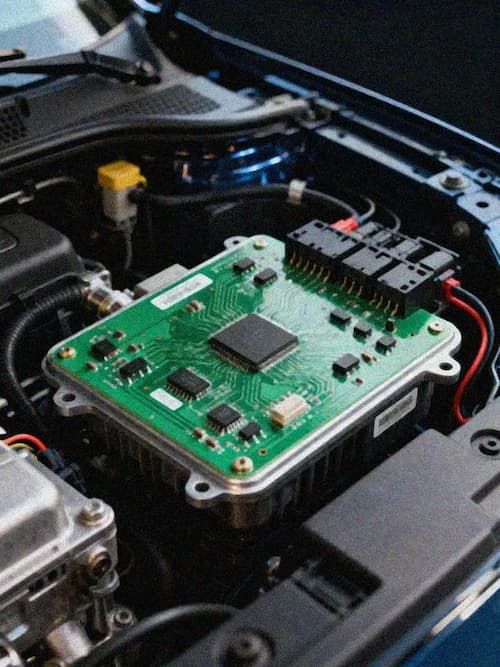
Overview
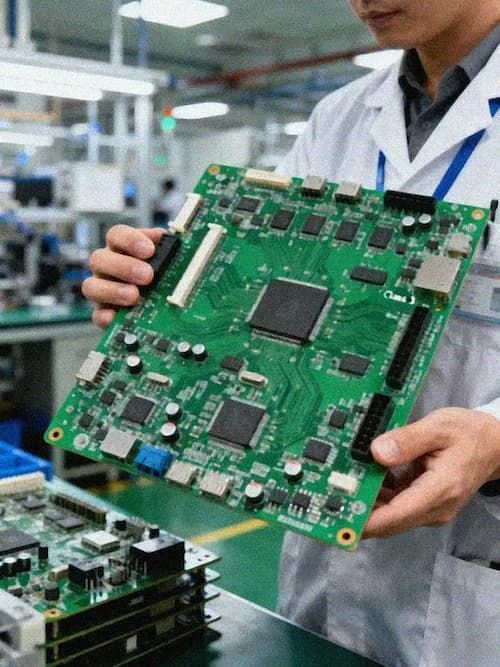
Connected medical IoT devices span from wearable personal health monitors to life-critical implantable devices, surgical robots, and large diagnostic imaging systems, all of which impose extremely stringent requirements on PCB reliability, signal accuracy, environmental adaptability, and biocompatibility. Poor PCB design or manufacturing can lead to distorted biopotential acquisition results, delayed signal transmission for motion control, device failure after implantation, or non-compliance with medical regulatory standards, directly threatening patient safety and product market access. Medical IoT PCB solutions cover the entire process from design optimization, material selection, fabrication, to full performance testing, addressing core industry pain points such as low-noise weak signal acquisition, high-speed high-integrity data transmission, ultra-miniaturization of implantable devices, and real-time response of motion control systems, adapting to the differentiated needs of all medical IoT device categories.
Technical Capabilities
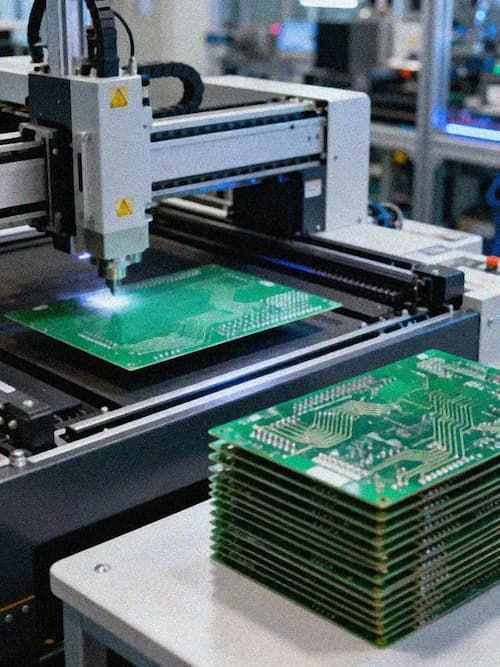
- High-Speed High-Multilayer PCB Fabrication: Supports up to 20+ layer high-frequency PCB designs with integrated copper shielding layers, impedance control precision up to ±5%, effectively suppressing crosstalk and electromagnetic interference. It meets the 10Gbps+ high-speed signal transmission demands of medical imaging equipment that requires real-time uploading of raw scan data to cloud diagnostic platforms, and is fully compatible with gigabit Ethernet, USB 3.2, and other high-speed interface transmission requirements.
- Low-Noise Signal Acquisition PCB Design: Implements 4-8 layer stack designs with isolated analog/digital ground planes, reducing cross-interference between high-frequency digital circuits and low-sensitivity analog acquisition circuits, with background noise controlled below 0.1mV. It ensures accurate capture of microvolt-level biopotential signals such as ECG, EEG, and EMG, ideal for wearable and fixed-site vital sign monitoring IoT devices.
- Ultra-Miniaturized Rigid-Flex PCB Manufacturing: Provides custom rigid-flex PCB designs that eliminate redundant connectors and wiring harnesses, reducing device weight while improving connection reliability. Paired with medical-grade nano-coating that meets biocompatibility standards, it can reduce overall device volume by up to 40% to meet the minimally invasive and wearable design demands of implantable and portable medical IoT devices.
- High-Reliability Motion Control PCB Production: Adopts 12-16 layer high-TG substrate materials with a glass transition temperature of up to 170℃, supporting repeated high-temperature sterilization cycles, and maintaining stable performance under high mechanical stress scenarios of multi-axis robot motion. Design schemes support 1ms-level low-latency data transmission between control modules, meeting the real-time motion control requirements of surgical and interventional robot IoT systems.
- Diversified Specialized Process Support: Covers HDI boards, heavy copper boards, high-frequency hybrid boards, metal core boards, buried copper block boards, buried ceramic PCBs, ceramic boards, high-resistance carbon oil boards, semi-flexible boards, and IC substrate boards, adapting to the differentiated process requirements of all medical IoT device categories.
Quality Standards
Medical IoT PCB solutions follow strict medical industry quality control systems, with all design and manufacturing processes aligned with IPC-A-610 Class 3 medical electronic standards and relevant regional medical device regulatory requirements. The quality control system covers:
- Medical-Grade Material Screening: All substrate, coating, and metal materials are medical-grade, with full batch traceability records, and biocompatibility testing is provided for materials used in implantable and long-term skin-contact devices.
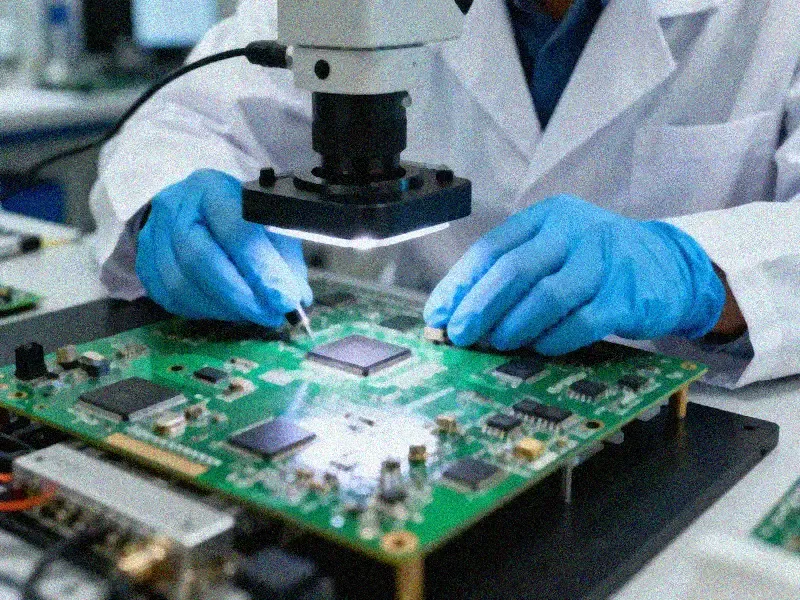
- Full-Link Process Control: Implements 100% visual inspection and X-ray non-destructive testing for all high-risk medical device PCBs, with defect control standards adjusted to achieve 0 manufacturing defects for life-critical device circuit boards.
- Comprehensive Performance Verification: Provides a full range of reliability testing services, including signal integrity testing, EMC/EMI testing, high and low temperature cycle testing, salt spray corrosion testing, and repeated bending testing for rigid-flex boards, ensuring products meet 10+ year service life requirements for fixed devices and 5+ year service life requirements for implantable devices.
Applications
Medical IoT PCB solutions can be adapted to almost all connected medical device scenarios, including but not limited to:
- Wearable and Implantable Health IoT Devices: Smart oximetry watches, heart rate variability (HRV) monitors, wearable EEG feedback devices, implantable cardiac monitors, hearing aids, and other personal connected health devices that require low power consumption, small volume, and high signal acquisition accuracy.
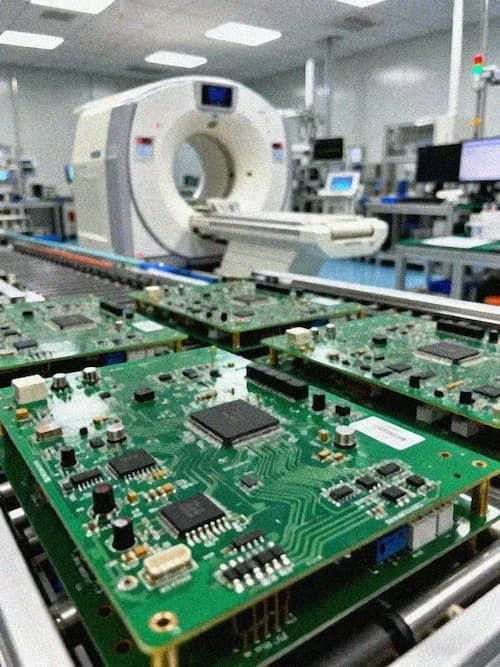
- Diagnostic Imaging IoT Systems: Superconducting MRI equipment, CT scanners, ultrasound multilayer circuit boards, medical endoscopes, and other connected diagnostic devices that require high-speed data transmission to cloud diagnostic platforms and strong anti-electromagnetic interference performance.
- Surgical and Interventional Robot IoT Systems: General surgical robots, vascular intervention robots, and other connected operating room devices that require real-time multi-axis motion control, high mechanical stress resistance, and low-latency data interaction with central control systems.
- In-Vitro Diagnostic (IVD) IoT Equipment: Gene sequencing instruments, immune analyzers, blood detection main control boards, POCT testing terminals, and other connected IVD devices that require high test accuracy and real-time data upload to hospital information systems.
- Medical Beauty and Rehabilitation IoT Devices: Beauty instrument main control boards, rehabilitation therapy equipment, and other connected medical and consumer medical devices that require stable performance and compliance with medical safety standards.
Key Advantages
- Full-Lifecycle Service Coverage: Supports end-to-end services from schematic design, stack planning, placement and routing optimization, PCB fabrication, PCBA assembly to full performance testing, adapting to all demand stages from R&D prototype verification, small-batch trial production to large-scale mass manufacturing, reducing cross-stage communication costs and shortening product launch cycles.
- Scenario-Based Customized Design: Provides targeted design adjustments based on specific device use scenarios, including low-noise optimization for biopotential acquisition equipment, miniaturization and biocompatibility design for implantable devices, and high-temperature resistance design for repeatedly sterilizable surgical equipment, fully matching the unique requirements of different medical IoT product lines.
- Ultra-High Reliability Control: Implements strict full-link quality inspection for all medical PCBs, with custom defect control standards for different risk levels of medical devices, achieving 0 manufacturing defects for life-critical device circuit boards, ensuring long-term stable operation of products even in harsh application scenarios.
- Global Regulatory Compliance Alignment: All design and manufacturing processes comply with ISO 13485 medical quality management system standards, IPC medical electronic standards, and relevant regulatory requirements for medical devices in the EU, US, and other major global markets, providing corresponding certification support materials to help customers reduce product compliance risks.
Contact Information
If you have any customized demands for medical IoT PCB solutions, including prototype fabrication, small-batch trial production, or mass manufacturing, please contact our professional technical team. We will provide you with targeted solution recommendations and free pre-sales technical evaluation services according to your specific product requirements.