Overview
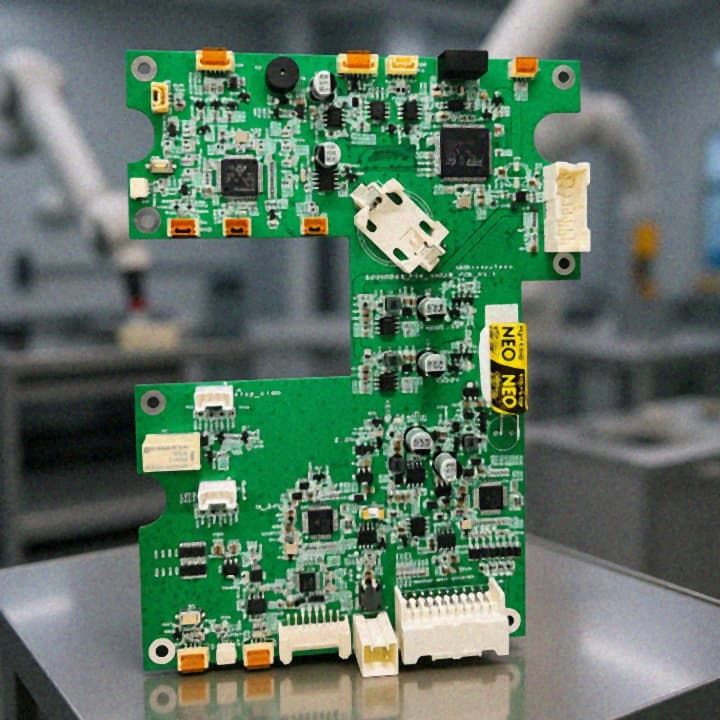
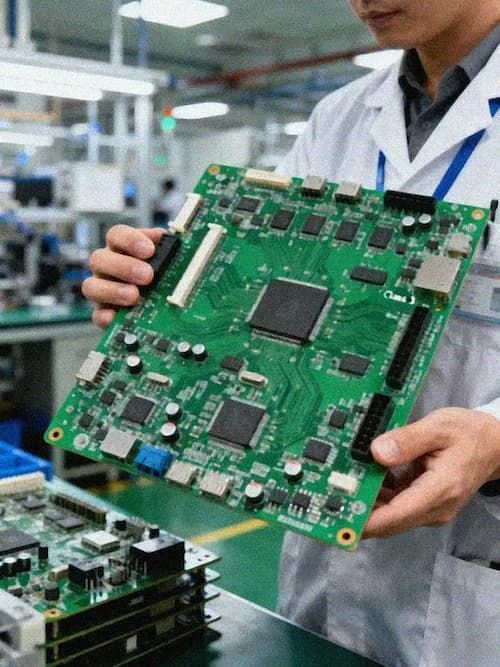
Medical devices are directly related to patient safety and clinical diagnostic accuracy, so their core PCB components have far stricter performance, reliability and compliance requirements than consumer or industrial electronics. Different categories of medical devices have highly differentiated functional demands: medical imaging equipment requires high-speed, interference-free transmission of large image data, vital sign monitors need to accurately capture extremely weak bioelectric signals below 1mV, implantable devices demand ultra-miniature sizes and long-term biocompatibility, and surgical robots require real-time, low-latency response for multi-axis motion control. Medical device PCBs are purpose-built to address these unique scenario-specific challenges, covering the entire process from stack design, material selection, manufacturing to full-performance testing, to meet the strict regulatory and functional requirements of the medical industry.
Technical Capabilities
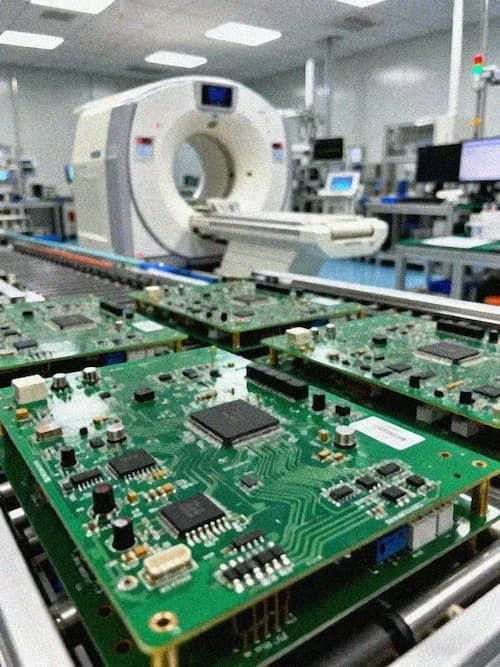
- High-speed high-layer PCB for medical imaging equipment: Supports 20+ layer high-frequency PCB design and manufacturing with integrated electromagnetic shielding layers, achieving impedance control accuracy within ±5%, effectively suppressing electromagnetic interference and signal attenuation during high-speed image data transmission, fully meeting the performance requirements of high-resolution medical imaging devices such as MRI, CT and digital ultrasound.
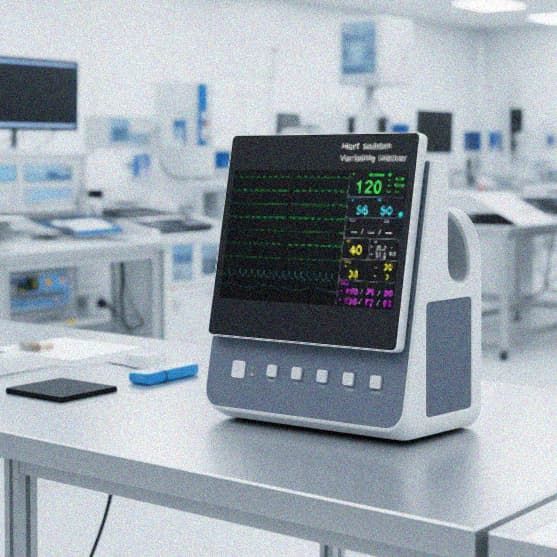
- Low-noise PCB design for biological signal acquisition: Adopts 4-8 layer stack architecture with physically isolated analog and digital ground planes, reduces background noise interference by more than 70%, supports stable acquisition of weak bioelectric signals as low as 0.5mV, suitable for vital sign monitors, ECG/EEG devices, and other monitoring and diagnostic equipment.
- Miniaturized rigid-flex PCB for implantable and wearable devices: Combines rigid-flex integrated board structure with biocompatible nano-coating process, reduces overall device volume by up to 40% while ensuring mechanical stability, meets the ultra-miniaturization, long-term biocompatibility and low-power operation requirements of implantable pacemakers, wearable health monitors and other portable/implantable medical devices.
- High-reliability PCB for surgical and interventional devices: Uses 12-18 layer high-TG (glass transition temperature) substrate materials, supports gigabit Ethernet communication and microsecond-level low-latency signal transmission, adapts to the real-time multi-axis motion control requirements of surgical robots, vascular robots and medical endoscopes, ensuring stable operation even under frequent high-temperature sterilization cycles.
- Full-type PCB manufacturing support: Covers production of all medical device applicable PCB types, including HDI boards, thick copper high-heat dissipation boards, high-frequency hybrid boards, embedded component boards, semi-flexible boards, and ceramic substrates, with line width/space as small as 2.0/2.0mil and micro-vias down to 0.06mm, supporting no minimum order quantity for both prototyping and mass production.
Quality Standards
Medical device PCBs follow a full-process quality control system aligned with global medical regulatory requirements, to ensure absolute reliability and compliance. First, material selection strictly follows medical industry standards: materials for implantable and skin-contact devices pass ISO 10993 biocompatibility testing, while high-reliability application materials meet UL94 V-0 flame retardant requirements. Second, all production processes implement full traceability management, with each batch of products retaining complete production and testing records for more than 10 years, meeting the traceability requirements of medical device regulatory authorities. Third, all finished products undergo multi-dimensional performance verification, including EMC testing to meet IEC 60601 medical electrical equipment electromagnetic compatibility standards, signal integrity testing, thermal cycle testing across -40℃ to +85℃, vibration and shock testing, and long-term aging testing, to ensure products can operate stably in complex clinical and home medical environments.
Applications
Medical device PCB solutions can be widely applied to all categories of medical equipment, including but not limited to:
- Medical imaging equipment: MRI scanners, CT machines, digital ultrasound systems, X-ray imaging devices, high-resolution medical endoscope imaging systems
- Patient monitoring and diagnostic equipment: Vital sign monitors, ECG/EEG devices, HRV monitoring systems, brain electric feedback instruments, sleep monitoring devices
- In-vitro diagnostic (IVD) equipment: Immun analyzers, gene sequencing devices, blood analyzers, biochemical detection terminals, rapid detection instrument control boards
- Surgical and interventional medical devices: Surgical robot control systems, vascular robot master control boards, interventional navigation equipment, surgical instrument motor control boards
- Implantable and wearable medical devices: Implantable pacemakers, implantable nerve stimulators, wearable health monitors, smart medical wristbands, portable diagnostic terminals
- Other medical equipment: Medical beauty instrument control boards, FPGA-based medical diagnostic equipment, medical core backplanes, smart medical terminal motherboards
Key Advantages
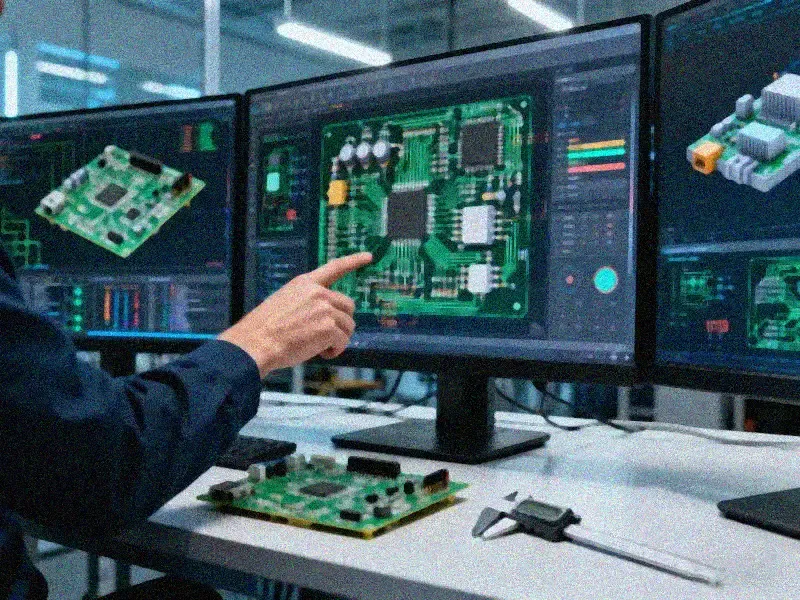
- Scenario-based customized solutions: Develop targeted PCB design and manufacturing schemes based on the specific functional requirements of different medical device types, addressing core pain points such as high-speed large data transmission, low-noise weak signal acquisition, ultra-miniaturization, and high thermal dissipation, to meet the differentiated needs of various medical application scenarios.
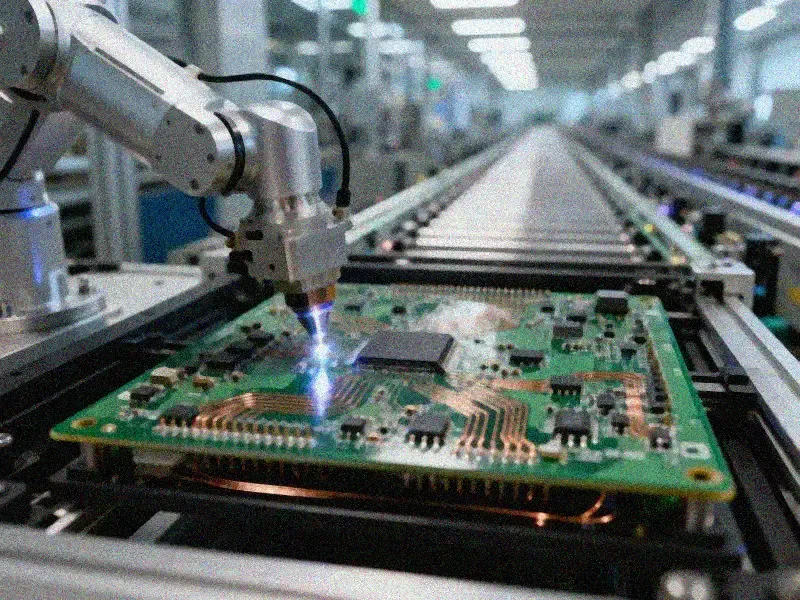
- High-precision full-process manufacturing capability: Supports production of 1 to 32 layer PCBs across all applicable types for medical devices, with advanced production processes such as laser drilling, LDI laser direct imaging, and X-ray non-destructive testing, ensuring stable yield and consistency even for high-complexity, high-density PCB designs.
- Comprehensive verification and compliance support: Equipped with accredited testing laboratories, providing one-stop verification services including signal integrity testing, EMC testing, biocompatibility testing, and reliability testing, helping medical device manufacturers quickly pass regulatory certification and shorten product launch cycles.
- Flexible production adaptation: No minimum order quantity restrictions, adaptable to different production scales including R&D prototyping, small-batch trial production, and large-scale mass production, with fast turn-around times for prototyping orders to support rapid product iteration of medical device manufacturers.
Contact Information
If you have any medical device PCB design, prototyping, mass production or technical consulting needs, please contact our professional technical team. We will provide you with customized solutions, free pre-sales technical evaluation, and full-process technical support, to help you develop high-reliability, compliant medical device products that meet clinical and regulatory requirements.