Overview
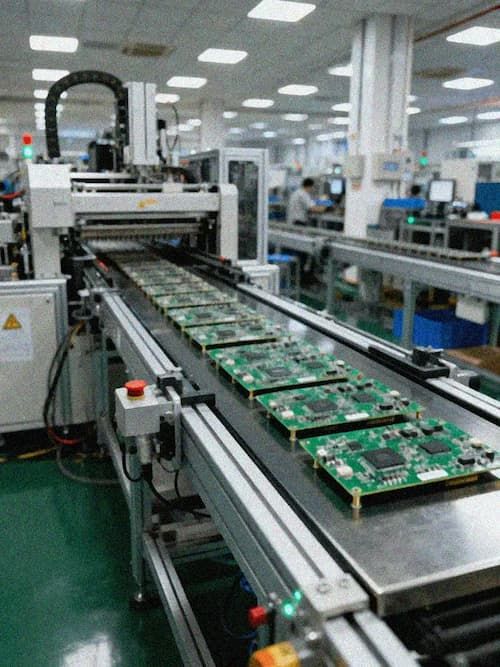
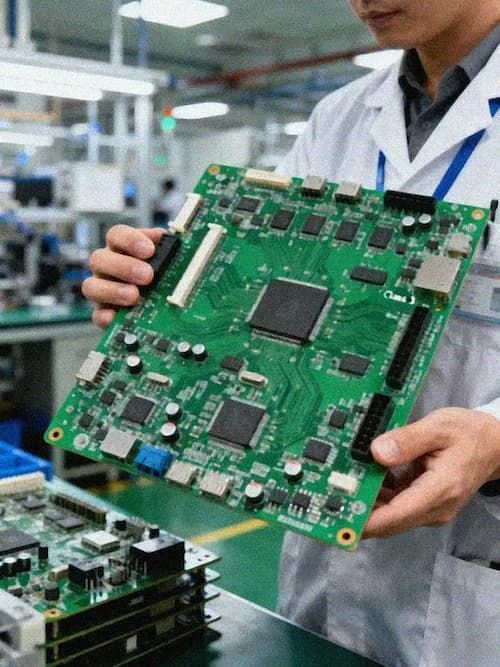
IoT (Internet of Things) devices serve as the core foundation of digital transformation across industries, placing unique demands on PCB performance including miniaturized layout, low power consumption, mixed signal stability, and harsh environment adaptability. As the carrier of sensing, communication, computing and power modules for connected devices, IoT PCBs directly determine the operating stability, data transmission accuracy and service life of end products. Common industry pain points include signal crosstalk between mixed analog-digital circuits, limited layout space for compact edge devices, reliable operation under extreme temperature and humidity conditions, and cost control for large-scale mass production. Professional end-to-end IoT PCB solutions cover the entire process from design optimization, prototype verification, mass production to performance testing, addressing the differentiated needs of consumer, industrial, infrastructure and vertical industry IoT deployments.
Technical Capabilities
- Full Board Type Coverage: Supports production of single-sided, double-sided, 2-32 layer multilayer boards, HDI boards, rigid-flex boards, semi-flexible boards, heavy copper boards, high-frequency hybrid boards, metal core/substrate boards, ceramic boards, high-speed backboards, and special function boards including buried resistance/capacitance boards, buried copper block boards, buried ceramic boards, and buried component boards, adapting to diverse IoT device form factor and performance requirements.
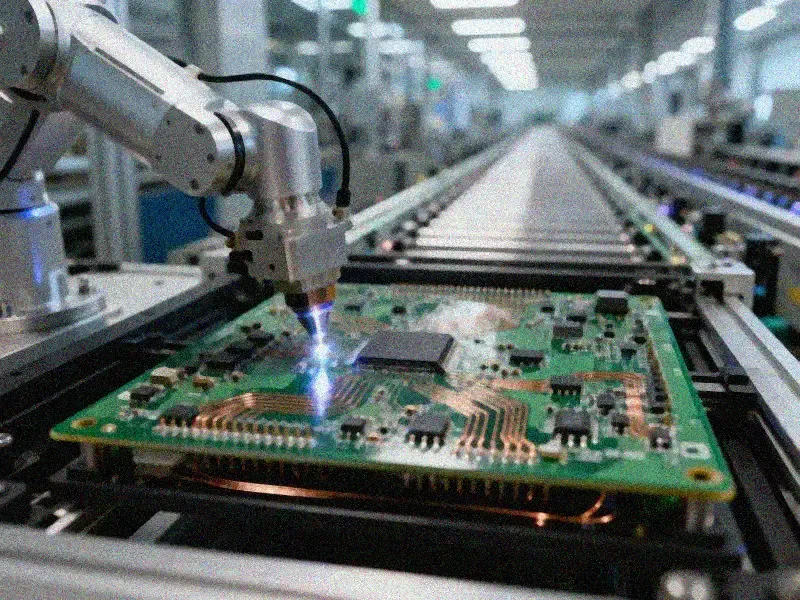
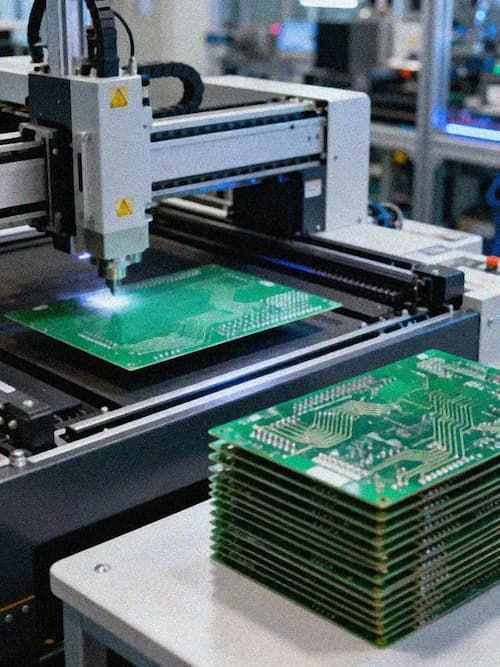
- High-Density Integration Support: Equipped with advanced laser drilling and LDI direct imaging processes, supporting minimum micro-via size of 0.06mm, line width/line spacing as low as 2.0/2.0mil, enabling compact layout of IoT edge devices with limited internal space, integrating sensing, communication, and computing modules on a single board to reduce product volume by 30% on average compared to conventional board designs.
- Mixed Signal and Interface Adaptation: Optimized routing and stack design to support common IoT communication interfaces including I2C, TDM, PCM, as well as DC and AC power supply configurations, effectively isolating analog sensing signals, digital communication signals, and power circuits to reduce crosstalk and signal attenuation, ensuring stable data transmission even in complex electromagnetic environments.
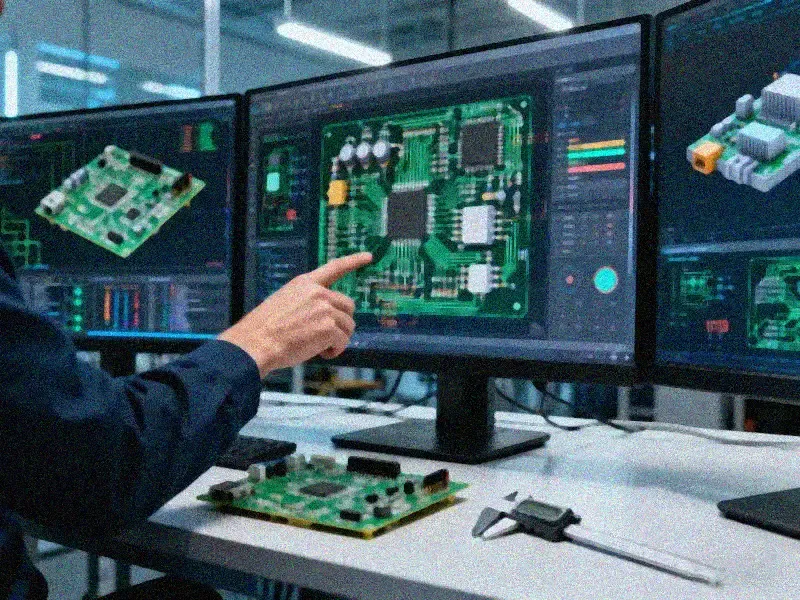
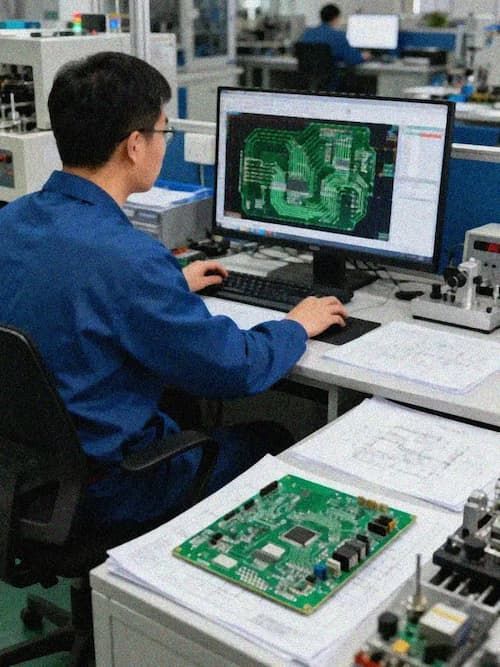
- Custom Design Support: Provides end-to-end design support covering ID design (appearance style, material matching, electromechanical coordination), structural design (material selection, process optimization, reinforcement and protection design), and circuit layout optimization, adapting to custom IoT product development needs from prototype verification to mass production.
- High-Frequency and High-Speed Performance: Supports high-frequency step boards, high-frequency hybrid boards, and high-speed optical backboards, adapting to 5G, Wi-Fi 6, Bluetooth, LoRa, NB-IoT and other mainstream IoT communication protocol transmission requirements, with impedance control accuracy of ±5% to meet low-latency, low-loss signal transmission demands for high-throughput connected devices.
- Special Function Customization: Supports custom configurations including high-resistance carbon oil layers, backlight mini-LED integration, buried magnetic components, and IC substrate designs, adapting to the special performance needs of innovative IoT products such as wearable devices, miniaturized sensor nodes, and edge AI computing terminals.
Quality Standards
IoT PCBs are often required to operate 24/7 in unmonitored, complex environments, so strict quality control systems are implemented through the entire production process to meet global industry standards:
- Material selection complies with RoHS, REACH environmental standards, and supports UL 94 V-0 flame retardant rating, meeting the fire safety requirements of industrial, consumer and public infrastructure IoT deployments.
- Wide temperature operation adaptability: Products pass reliability testing to operate stably in -40℃ to +85℃ industrial temperature range, adapting to outdoor, industrial site, low-temperature cold chain, high-temperature manufacturing workshop and other special deployment environments.
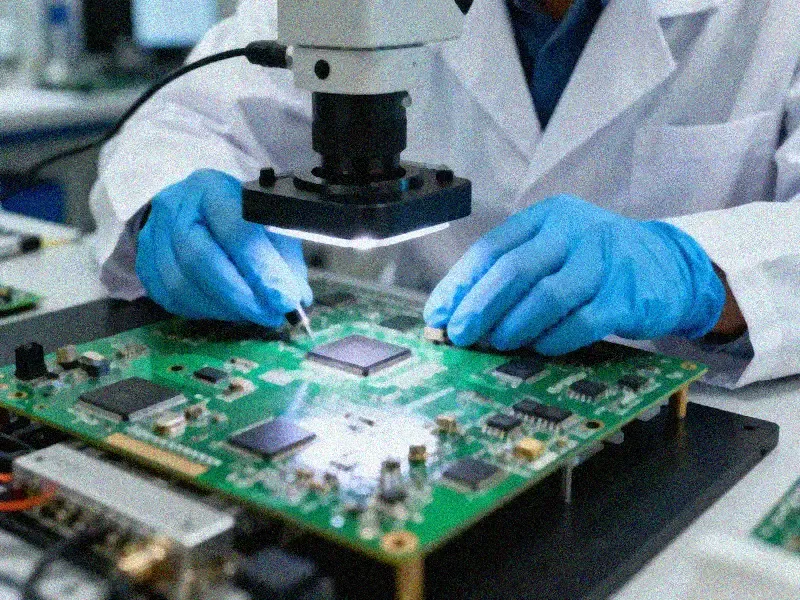
- Rigorous testing process: Covers signal integrity testing, EMC testing, vibration and shock testing, salt spray corrosion testing, high and low temperature cycle testing, and aging testing, ensuring long-term stable operation of IoT PCBs in complex application scenarios, with an average service life of more than 10 years for industrial grade products.
- Process compliance: Strictly follows IPC-2221, IPC-6012 and other international PCB industry standards for design and manufacturing, with impedance error controlled within ±5% for high-speed signal boards, fully meeting global IoT product market access requirements.
Applications
IoT PCB solutions are widely applicable to all segments of the connected device ecosystem, covering the following core scenarios:
- Consumer IoT: Smart home devices (smart speakers, security cameras, smart thermostats, intelligent door locks), wearable health devices, connected home appliances, consumer-grade environmental monitoring terminals.
- Industrial IoT (IIoT): Industrial edge computing nodes, production line condition monitoring sensor nodes, industrial gateway devices, predictive maintenance terminals, intelligent inspection robots, energy management monitoring terminals.
- Smart City Infrastructure: Intelligent street light control boards, traffic flow monitoring sensors, smart parking terminals, public air and water quality monitoring nodes, emergency response communication devices.
- Agricultural IoT: Soil moisture and nutrient monitoring sensors, intelligent greenhouse control terminals, agricultural drone control boards, livestock health monitoring wearable devices.
- Medical IoT: Portable health monitoring devices, remote patient monitoring terminals, intelligent medical equipment control boards, hospital asset tracking nodes.
- Logistics and Retail IoT: Cold chain temperature and humidity monitoring terminals, inventory tracking RFID readers, smart shelf control boards, logistics vehicle positioning and monitoring devices.
Key Advantages
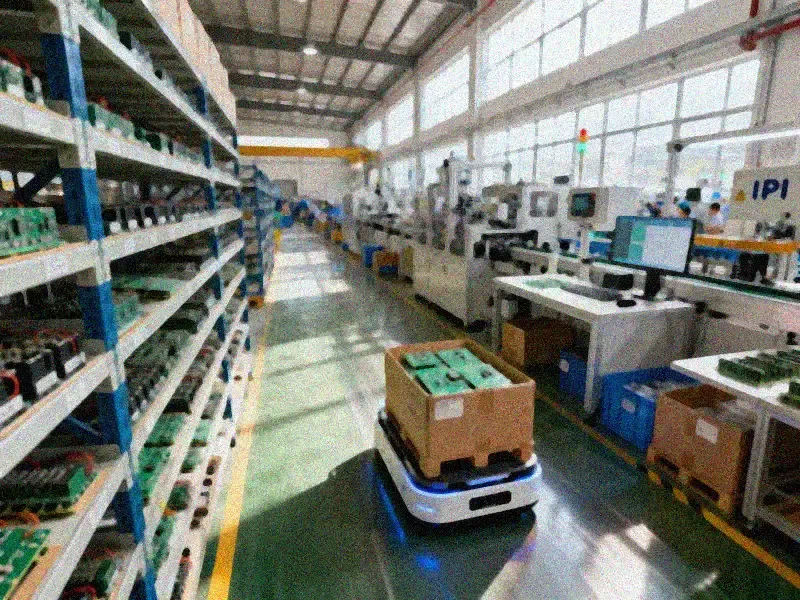
- Full Lifecycle Production Support: Covers small-batch prototype production to 100K+ level large-scale mass production, with flexible production lines that can adjust production volume according to customer needs, supporting 3-7 day fast prototype delivery to shorten IoT product R&D cycles by an average of 20%.
- Cost Optimized Design: Professional design teams optimize material selection, process flow, and board layout based on application scenarios, balancing performance and manufacturing cost to reduce overall product R&D and production investment by 15% on average without compromising quality.
- High Customization Flexibility: Supports special function customization for niche IoT scenarios, including waterproof and corrosion-resistant surface treatment, anti-static design for industrial environments, and low-power layout optimization for battery-powered sensor nodes, adapting to the needs of innovative IoT product development.
- Stable Supply Guarantee: Mature supply chain system for raw materials including high-frequency substrates, copper foils, and special functional materials, ensuring stable supply for long-term mass production orders, avoiding delivery delays caused by material shortages.
Contact Information
If you have custom IoT PCB design, prototyping, or mass production needs, you can reach out to the technical support team for a free pre-project technical evaluation and customized solution quotation. Professional engineers will provide one-on-one technical support throughout the project cycle, from schematic review to final product delivery, to help you bring high-quality, high-reliability IoT products to market quickly.