Overview
The growing demand for real-time data processing and autonomous decision-making across industrial, commercial and public service sectors has driven widespread adoption of edge AI devices. Unlike cloud-based AI computing that relies on stable high-bandwidth network connectivity and faces inherent latency issues, edge AI devices deploy high-performance computing power close to the data collection point, enabling low-latency deep learning inference and real-time response without continuous cloud connection. These devices are specifically designed for rugged on-site deployment, supporting a wide range of workloads from lightweight sensor data analysis to high-complexity autonomous driving perception, making them the core hardware foundation for all types of intelligent autonomous systems. They address core industry pain points including cloud latency, high bandwidth costs, and data privacy risks, supporting reliable operation across diverse indoor and outdoor scenarios.
Technical Capabilities
Edge AI devices are built with scalable, industrial-grade design configurations to meet varied workload requirements across sectors, with core technical capabilities including:
- Scalable AI Computing Performance: Available in multiple performance grades, delivering 21 TOPS floating point AI processing power for lightweight workloads up to 275 TOPS peak AI computing power for high-complexity perception tasks, based on leading embedded AI computing module architectures to support flexible matching with different application demands.
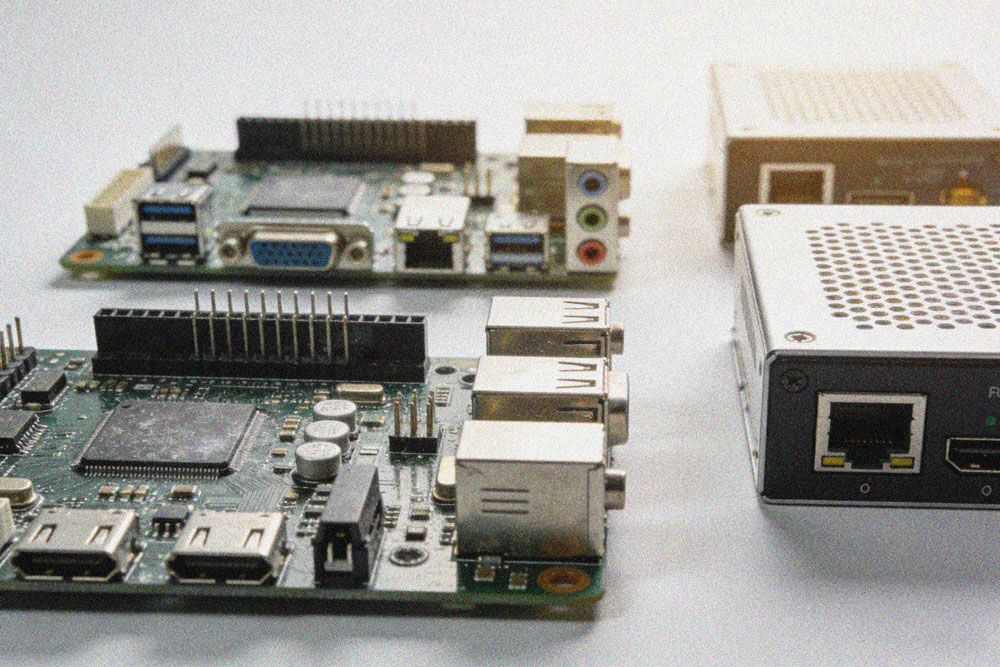
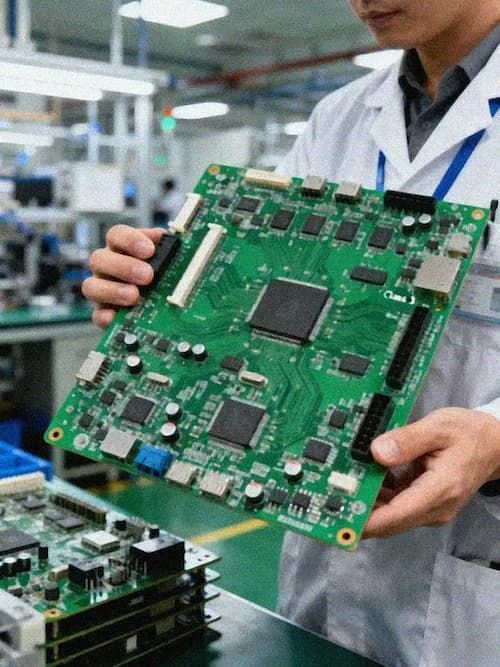
- Rich IO Interface Support: Equipped with a full range of standard IO interfaces including USB, CAN, RS232, GPIO, and synchronous signal input/output, supporting direct connection with multiple types of sensors, actuators, display devices and other peripherals without additional adapter hardware, simplifying integration into end systems.
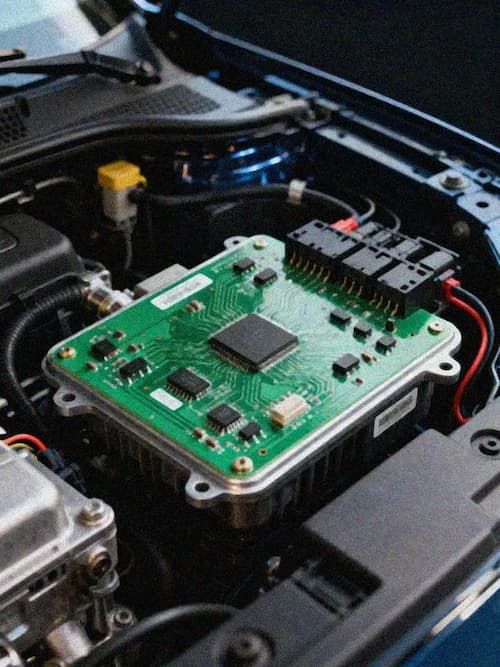
- Optimized Thermal and Mechanical Design: Available in both fan cooling and passive conduction cooling configurations to adapt to different environmental requirements, with rugged lightweight aluminum alloy enclosures that resist shock, vibration and corrosion, and compact form factors that fit into space-constrained devices such as robots and drones.
- Built-in Connectivity Modules: Integrated 4G and WIFI communication modules support real-time data transmission to the cloud for backup and big data analysis, as well as remote status monitoring and over-the-air (OTA) firmware updates, reducing on-site maintenance requirements for distributed deployment scenarios.
- Long-Term Stable Operation: Designed with high-reliability components and optimized circuit design to achieve ultra-long mean time between failures (MTBF), supporting 24/7 continuous operation under high load, reducing downtime and operational costs for end users.
Quality Standards
All edge AI devices undergo strict design verification and production testing to meet industrial-grade quality requirements, complying with the following core standards:
- Environmental Adaptability Standards: Support stable operation across an industrial-grade temperature range of -40℃ to +85℃, with enclosure protection grades suitable for dust-proof and water-resistant requirements for outdoor deployment, passing strict shock and vibration testing to adapt to bumpy operating conditions in mobile scenarios such as unmanned vehicles and drones.
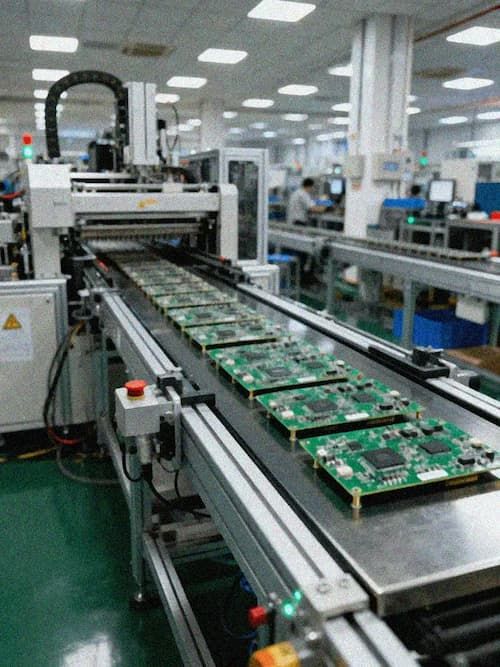
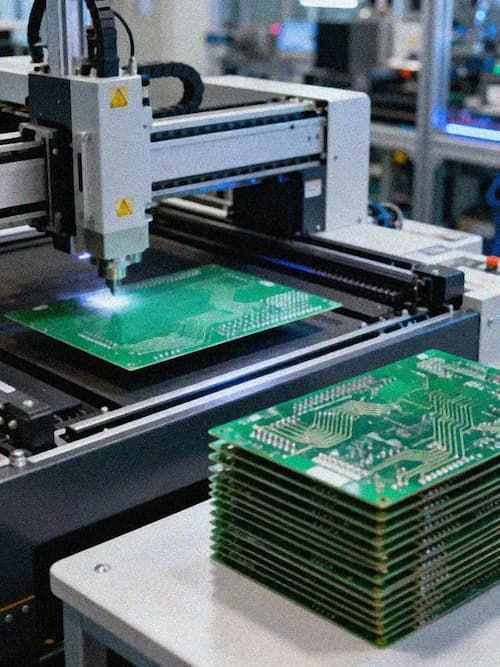
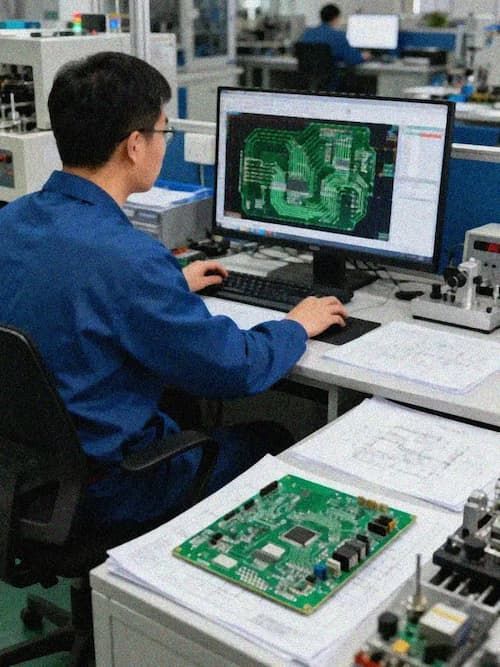
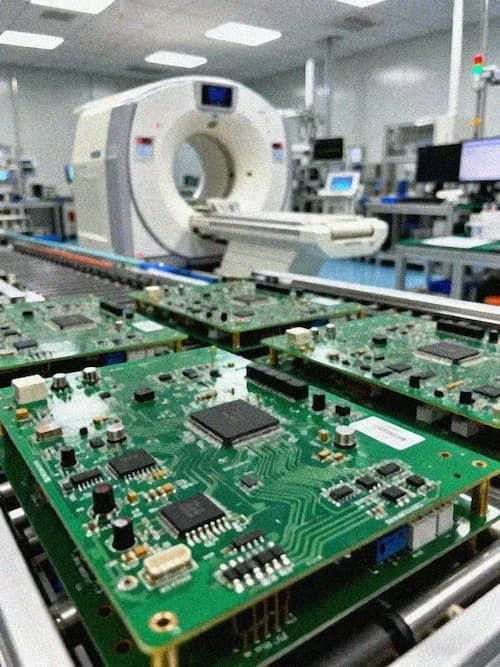
- Signal Integrity Standards: Optimized PCB design achieves 100Ω/90Ω high-precision impedance control, supporting high-speed data transmission between the computing core, memory and peripherals without signal attenuation, crosstalk or reflection, ensuring reliable data exchange and consistent computing performance.
- Reliability Testing Standards: Every device passes a full set of reliability verification before delivery, including high and low temperature cycle testing, EMC anti-interference testing, long-term load operation testing, and electrostatic discharge testing, ensuring consistent performance in real working environments.
- **Industry Regulatory Standards: Comply with general electronic product safety standards and sector-specific regulatory requirements for use cases in transportation, medical, agricultural, public security and manufacturing sectors, meeting international safety, emission and data privacy requirements.
Applications
Edge AI devices can be widely deployed across almost all intelligent edge scenarios, with common application areas including:
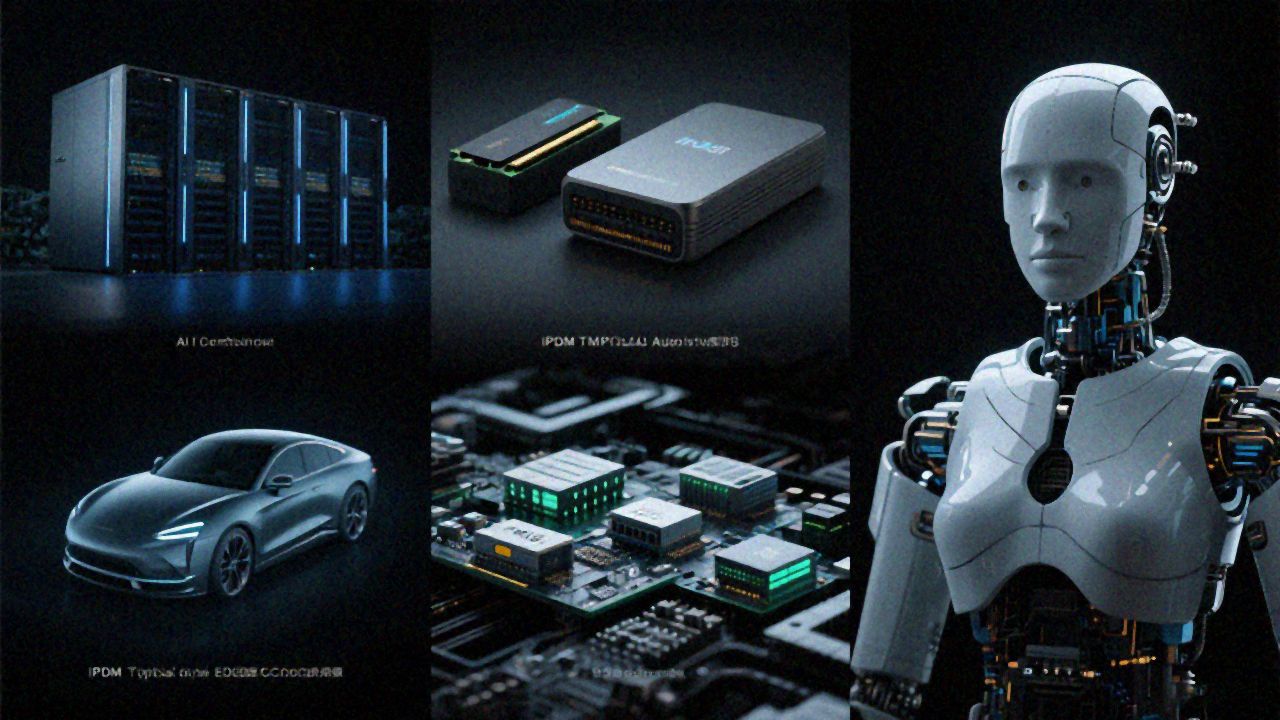
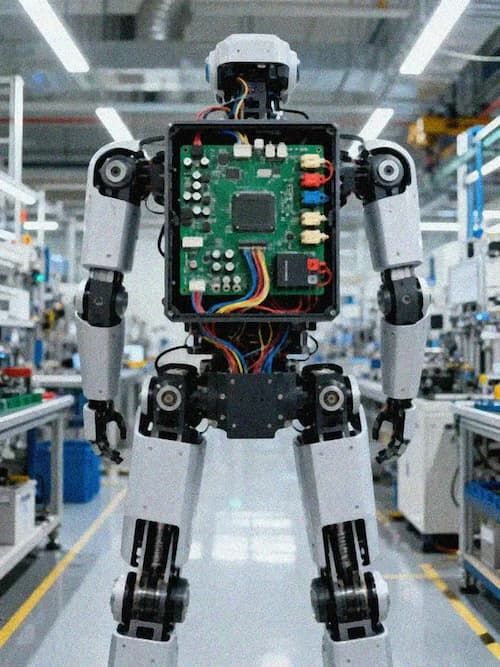
- Autonomous Mobile Systems: Suitable for all types of autonomous mobile devices including material handling robots, cleaning robots, unmanned delivery vehicles, AGVs, drones, low-altitude defense systems, portable medical devices and intelligent law enforcement equipment, providing real-time support for environment perception, path planning, obstacle avoidance and autonomous decision-making.
- **Smart City and Community Infrastructure: Used in intelligent road inspection, smart security monitoring, smart traffic management, and smart building control systems, collecting and processing on-site video, sensor and IoT data in real time, reducing response time for emergency events and improving the operational efficiency of public infrastructure.
- **Industrial and Agricultural Intelligence: Applied to manufacturing workshop inspection, production line quality detection, agricultural field inspection, and livestock monitoring scenarios, supporting offline operation in areas with poor network coverage, realizing real-time analysis of production and farming data without relying on cloud connectivity, and improving operational efficiency while reducing data transmission costs.
- **Specialized Commercial Scenarios: Suitable for portable medical diagnostic devices, logistics sorting and identification systems, retail smart interaction terminals, and financial service intelligent terminals, meeting the low power consumption, compact size, high stability and data security requirements of specialized commercial edge use cases.
Key Advantages
Compared with general-purpose computing hardware, edge AI devices have distinct advantages for edge deployment scenarios:
- Flexible Cost Matching: Multiple performance configurations are available, allowing users to select the appropriate computing power grade based on their actual workload requirements, avoiding overinvestment in redundant computing power and reducing overall deployment and operation costs.
- Shortened Development Cycle: Standardized form factor, pre-configured bottom mounting brackets and plug-and-play rich IO interfaces eliminate the need for customized connection hardware and structural design, shortening the development cycle of end products and accelerating time-to-market.
- Low Operation and Maintenance Cost: Ultra-long MTBF, low power consumption design and remote monitoring and OTA update functions reduce on-site maintenance frequency and cost, making them suitable for large-scale distributed deployment across hundreds or thousands of sites.
- Wide Scenario Adaptability: Multiple cooling solutions, protection grades and connectivity options are available, which can be adapted to almost all edge AI deployment scenarios from indoor constant-temperature retail environments to outdoor high-dust, extreme-temperature agricultural and transportation scenarios, meeting the diversified needs of different industries.
Contact Information
If you have any customization or deployment needs for edge AI devices, please contact our technical team at your convenience. We provide free requirement evaluation, customized hardware configuration design, and full-cycle technical support to help you build stable, high-performance edge AI systems that fit your specific scenario requirements.