Overview
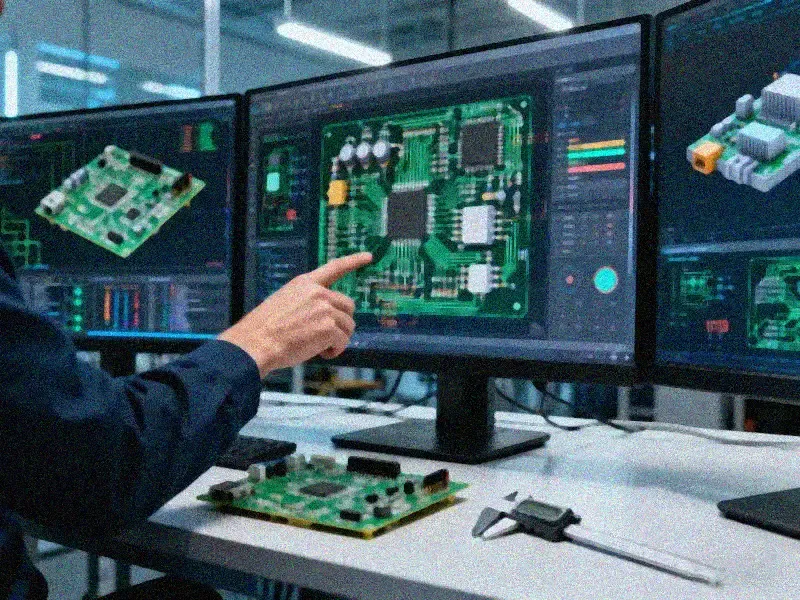
The rapid advancement of new energy vehicles, high-level autonomous driving, and intelligent connected car technologies has driven exponential growth in the complexity and performance requirements of automotive electronic systems. Modern vehicles integrate hundreds of electronic control units, high-resolution display systems, millimeter wave radar perception modules, and high-power drive components, all of which place extremely stringent demands on PCB reliability, signal transmission efficiency, heat dissipation performance, and environmental adaptability. Common industry pain points include signal attenuation and crosstalk in high-speed data links, overheating of high-power power modules, mechanical failure under long-term vibration and shock, and unstable operation in extreme temperature environments. Automotive PCB innovation solutions provide end-to-end technical support covering design, manufacturing, testing, and assembly, tailored to the unique needs of automotive electronic scenarios, addressing core industry challenges and supporting the stable operation of next-generation automotive systems.
Technical Capabilities
Automotive PCB innovation solutions cover a full range of PCB types and technical specifications, adapting to the diverse needs of different automotive subsystems:
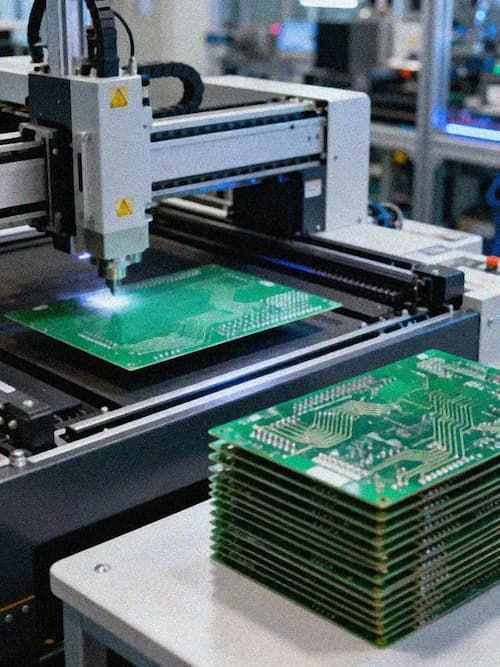
- High-Speed Multi-Layer PCB Manufacturing: Supports fabrication of up to 32-layer high-speed backplanes and core computing boards, with impedance control accuracy of ±5%, compatible with 10Gbps+ Ethernet, PCIe 4.0, LVDS and other high-speed interface transmission requirements. The stack design can be configured with up to 6 independent ground planes to effectively shield crosstalk between signal layers, meeting the signal integrity requirements of automotive central computing units and autonomous driving domain controllers with peak computing power of 32TOPS and above.
- Rigid-Flex PCB Customization: Provides three main rigid-flex PCB variants for automotive scenarios: standard rigid-flex boards, buried via design rigid-flex boards, and gold finger reinforced rigid-flex boards. These products offer 40% higher vibration resistance than traditional rigid boards, reduce assembly space by up to 50%, and maintain stable signal transmission under -40℃ to +125℃ temperature fluctuations, ideal for compact, high-reliability automotive subsystems.
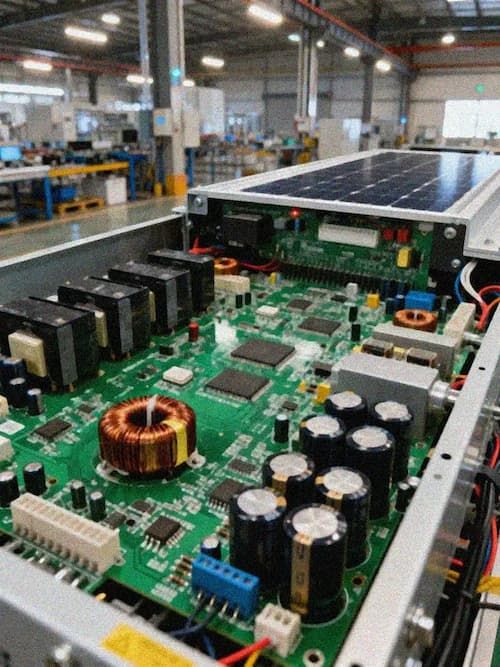
- High Heat Dissipation & High Power PCB Solutions: Supports single-layer copper thickness ranging from 2oz to 20oz, with peak current carrying capacity up to 100A, and power loop impedance controlled below 1mΩ to minimize conduction loss. Optional substrate solutions include metal core substrates, buried copper block substrates, and buried ceramic substrates, which deliver 30% to 70% higher thermal conductivity than standard FR4 boards, effectively solving the heat dissipation problem of high-power motor drive and battery management systems.
- High-Frequency & HDI PCB Production: Equipped with mature processes for 77G vehicle-mounted millimeter wave radar high-frequency board manufacturing, supporting hybrid lamination of high-frequency and high-speed substrates, with dielectric constant control accuracy of ±0.02 to ensure stable radio frequency signal transmission. HDI production capacity supports micro-vias as small as 0.06mm, line width/space down to 2.0/2.0mil, and backlight mini-LED board fabrication, meeting the high-density routing needs of smart cockpit display and perception system PCBs.
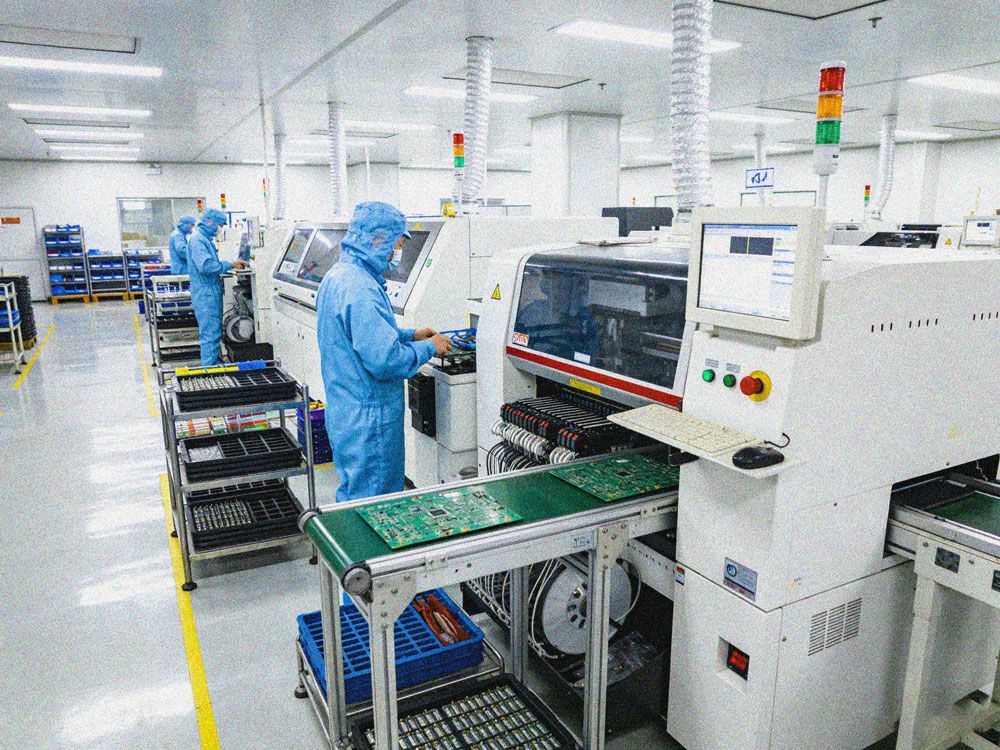
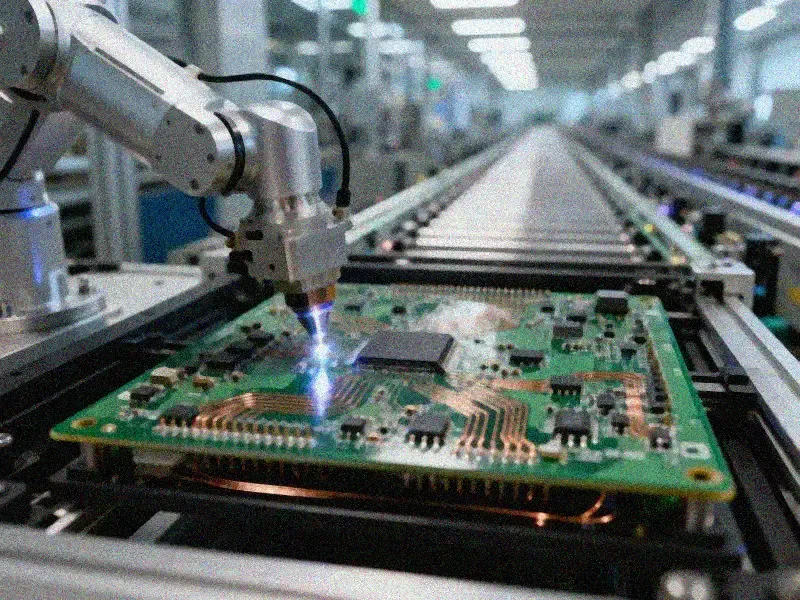
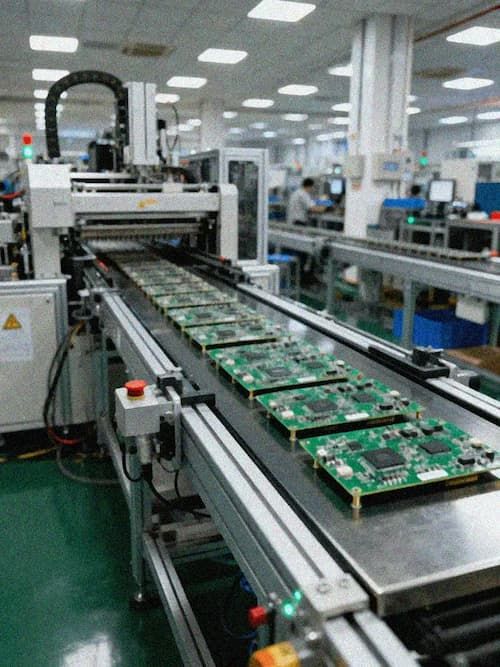
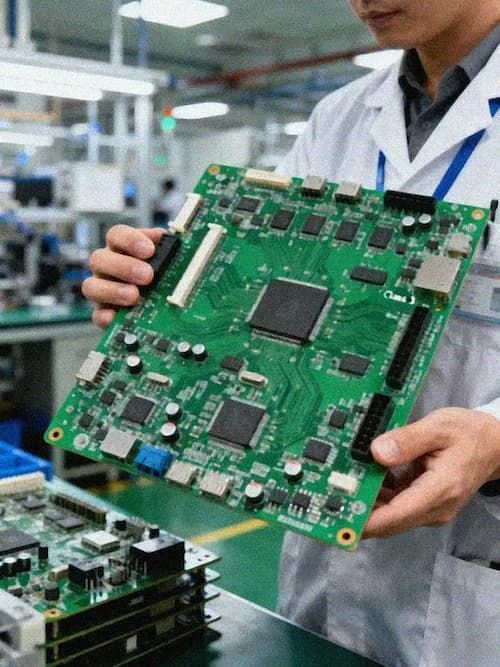
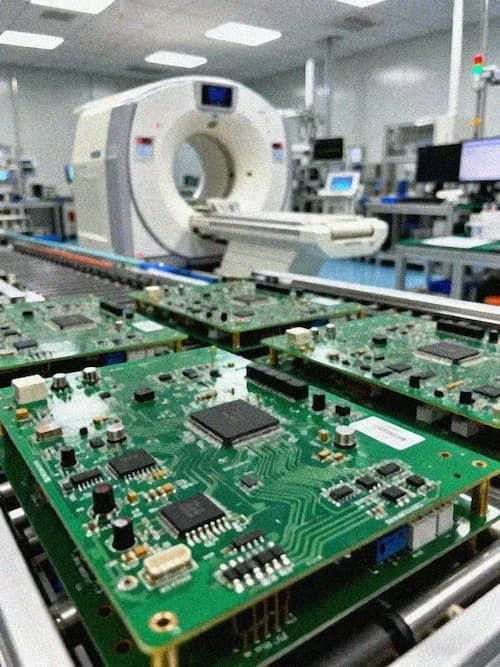
- Full PCBA Integration Support: Covers component sourcing, SMT assembly, functional testing, and reliability validation for finished board assemblies, compatible with mainstream automotive chip platforms including NXP i.MX6/i.MX8 series, Xilinx Zynq series, and Renesas TW series, supporting turnkey delivery of automotive electronic products from schematic design to finished functional modules.
Quality Standards
All products under automotive PCB innovation solutions strictly follow automotive industry quality management specifications, ensuring consistent reliability across the full product lifecycle:
- Align with IATF 16949 automotive quality management system requirements, with full traceability for all production batches, from incoming material inspection to finished product delivery.
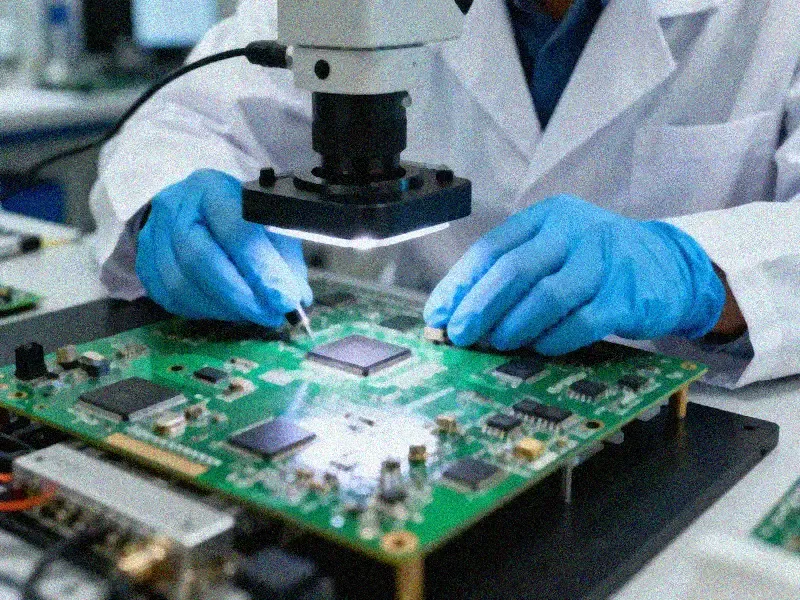
- Support a full range of reliability testing services based on AEC-Q200 automotive electronic component standards, including -40℃ to +125℃ wide temperature cycle testing, EMC/EMI compliance testing, 1000-hour high temperature and high humidity aging testing, vibration and shock testing, salt spray corrosion testing, signal integrity testing, and power integrity testing.
- Implement 100% electrical testing and visual inspection for all mass-produced products, with a defective rate controlled below 50PPM, meeting the zero-defect quality requirements of automotive tier 1 suppliers.
Applications
Automotive PCB innovation solutions are widely applicable to all core automotive electronic subsystems, including but not limited to:
- Smart Cockpit Systems: Core control boards for automotive central control, display driver boards for smart rearview mirrors and in-vehicle navigation devices, backlight mini-LED boards for high-resolution in-vehicle displays, and multimedia processing boards supporting multi-display output, dual camera input, high-speed USB, and gigabit Ethernet interfaces.
- Autonomous Driving Perception & Control Systems: 77G vehicle-mounted millimeter wave radar boards, sensor signal acquisition boards, autonomous driving domain controller PCBs, high-speed backplanes for central computing units, and filtering boards for perception system signal processing.
- New Energy Vehicle Power Systems: Motor drive control boards, DC/DC power module PCBs, charging inverter all-in-one control boards, high copper thickness heat dissipation boards for battery management systems, and power distribution module boards.
- Body Electronics Subsystems: Functional module boards for lighting control, door control, and vehicle communication, semi-flexible boards for interior wiring harness replacement, high-resistance carbon oil boards for sensor interfaces, and IC substrate boards for automotive chip packaging.
Key Advantages
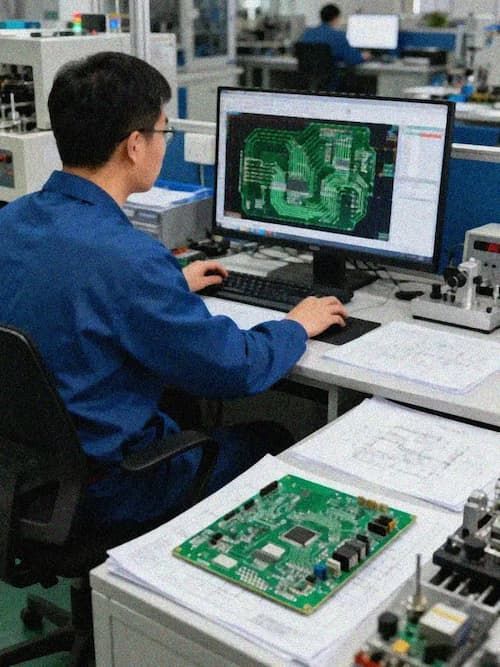
- End-to-End One-Stop Delivery: Covers the full lifecycle of automotive PCB projects, from schematic design, stack-up planning, prototype fabrication, small-batch trial production, to mass manufacturing and PCBA assembly, reducing cross-stage communication costs and shortening project lead times by up to 30% compared to fragmented service providers.
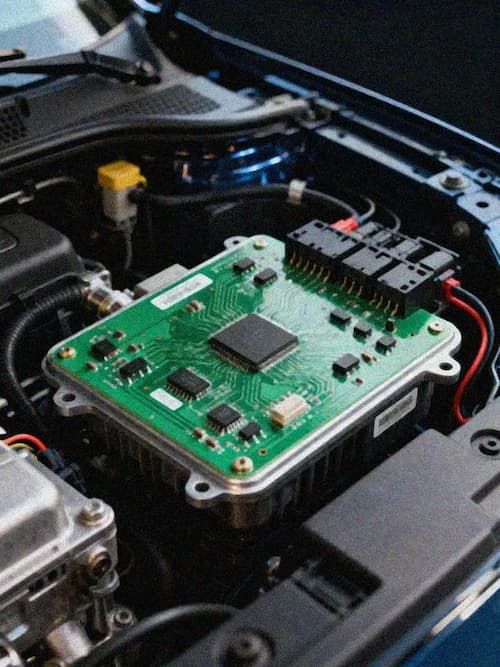
- Scenario-Specific Customization: Supports targeted optimization for special automotive use cases, including heavy copper design for high-power modules, impedance matching for high-speed signal links, substrate material selection for high-frequency radar applications, and vibration-resistant design for under-hood components, addressing unique technical pain points for each project.
- Full Process Quality Control: Implements strict quality inspection at 12+ key production stages, from incoming substrate and component material testing to final product reliability validation, with real-time data recording for all production processes, ensuring consistent compliance with automotive industry quality requirements.
- Mature, Cost-Effective Implementation: Has a proven track record of high-volume delivery for core automotive subsystems, with mature design and manufacturing processes that effectively balance product performance, production yield, and manufacturing cost, reducing overall project costs by 15% to 25% on average without compromising reliability.
Contact Information
If you have requirements related to automotive PCB innovation solutions, including custom design, rapid prototyping, mass production, or PCBA turnkey assembly services, you can reach out to the professional technical support team to discuss your project details. The team will provide you with a customized technical solution, free feasibility evaluation, and detailed quotation based on your specific performance, delivery cycle, and cost requirements.