Extreme Challenges in the Industrial Environment
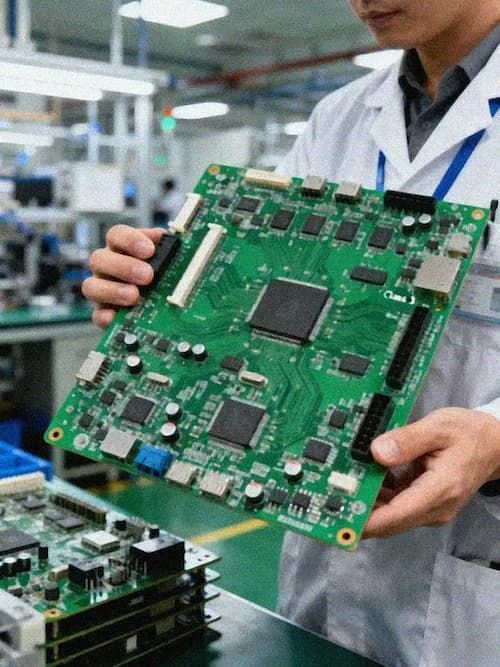
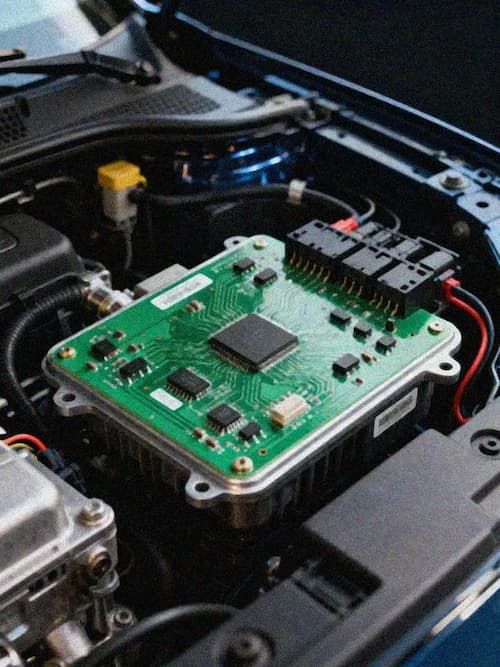
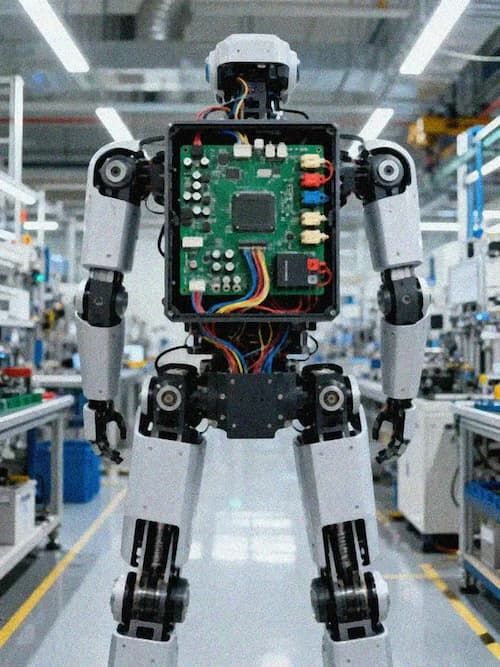
The temperature range, electromagnetic interference intensity and vibration frequency that industrial site PCBs have to withstand are far beyond the imagination of most people. The temperature in the workshop may fluctuate between -20°C and 60°C. The electromagnetic interference generated by frequency converters and motors can reach the V/m level. The vibration frequency during equipment operation covers a wide range from low frequency to high frequency. These environmental factors impose strict requirements on the materials, design and process of PCBs.
Prismark predicts that the global industrial control market size will reach 105 billion yuan by 2027, with an average annual compound growth rate of 8.5%. Many of the circuit boards in these devices require continuous operation 24/7. Any malfunction could lead to production line shutdowns, product scrapping, and even safety accidents. For factory managers, the cost of equipment failures is not only the repair expenses but also includes downtime losses, delivery delays, and impacts on brand reputation.
The differences between industrial control PCBs and traditional consumer electronics PCBs are primarily reflected in the reliability requirements. The failure rate of consumer electronics can be acceptable at the ppm level, while the failure rate of industrial control equipment is often required to be controlled at the ppb level. Secondly, the service life of industrial control equipment is usually 5-10 years or even longer, and the PCB needs to maintain stable performance within this time span. Thirdly, the maintenance window for industrial control equipment is limited, and many devices are deployed in inaccessible locations, making the repair cost after a failure very high.
The hardware architecture of the industrial control system can be divided into five layers: the perception layer, the communication layer, the control layer, the execution layer and the platform layer. The perception layer is responsible for collecting process parameters such as temperature, pressure, flow rate and position; the communication layer handles data transmission via field buses, industrial Ethernet, and wireless communication; the control layer executes core algorithms such as PLC logic, motion control, and PID regulation; the execution layer drives actuators such as motors, valves and cylinders; the platform layer provides human-machine interfaces, data storage and remote access functions. Each layer has its own reliability design considerations for the corresponding PCB.
Jin Baize has been deeply engaged in the PCB manufacturing industry for 27 years, serving over 18,000 customers and establishing design capabilities covering all platforms such as ARM, FPGA, GPU, and DSP. For teams developing industrial control equipment, evaluating the reliability, design experience, and testing system of suppliers is a practical preparatory step.

Key Points of Reliability Design for Industrial Control PCBs
EMI/EMC design is the core consideration for industrial control PCBs. The electromagnetic environment in industrial sites is complex, with devices such as frequency converters, motors, and welding equipment being strong interference sources. On one hand, industrial control PCBs need to suppress the electromagnetic emissions generated by themselves and meet the limit requirements for conducted emissions and radiated emissions; on the other hand, they need to have sufficient immunity to interference and be able to operate normally in a strong interference environment.
The key engineering points of EMC design include: shielding design, which isolates interference through a metal casing or shielding cover; filtering design, which adds filtering devices at the power input and signal interface; grounding design, which plans a reasonable grounding topology to avoid ground loop interference; layout design, which physically isolates sensitive circuits and noise sources. The EMC test pass rate of Jinbaize reaches 98.5%, providing data support for the EMC design of industrial control PCBs.
Thermal design is another crucial dimension. The operating temperature of industrial control equipment can reach up to 60°C or even higher. Coupled with the power consumption and heat generation of the PCB itself, the junction temperature of the chip may approach or exceed the rated value. Thermal design needs to consider various solutions such as natural convection, forced air cooling, and heat sinks, and find a balance point between cost and heat dissipation performance. Jinbaize supports the maximum copper thickness of 18OZ (sample) / 6OZ (mass production), providing a copper foil foundation for the heat dissipation of power devices.
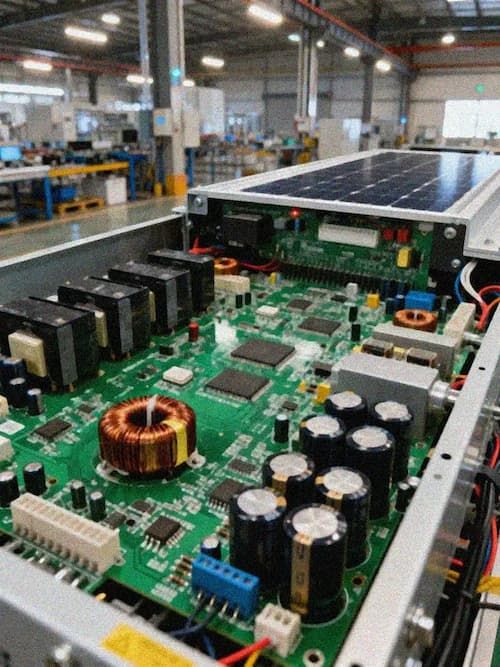
Power supply design needs to take into account wide voltage input and overvoltage/overcurrent protection. The power supply quality in industrial environments is unstable, and voltage fluctuations, surges, and transient disturbances can occur. The power input of industrial control PCBs usually needs to support a wide voltage range (such as a 24V DC range of 18-36V), and should have protection functions such as overvoltage, undervoltage, overcurrent, and reverse connection. Power supply design also needs to consider the isolation of multiple power domains to avoid digital noise interfering with analog circuits.
Jinbaize supports ARM processors such as TI AM335x, NXP i.MX6, RK3588, and Hisilicon Hi3559, FPGA platforms like ZYNQ7020, and DSP platforms like TMS320. It covers the mainstream processor options in the industrial control field. The case of the RK3588 5G edge controller demonstrates Jinbaize's design experience in the industrial control field, supporting multiple camera inputs, gigabit Ethernet, PCIe expansion, and local storage. It has been applied in industrial visual inspection and intelligent security scenarios.
Interface capabilities are also an important consideration for industrial control PCBs. Jinbaize's interface capabilities cover common industrial control interfaces such as Gigabit Ethernet, 10 Gigabit Ethernet, PCIe, USB 3.0, CAN, LVDS, etc., providing a technical foundation for device interconnection. The motion control capability supports 4 to 32 axes, meeting the motion control requirements ranging from simple positioning to multi-axis coordination.
Reliability Verification and Testing
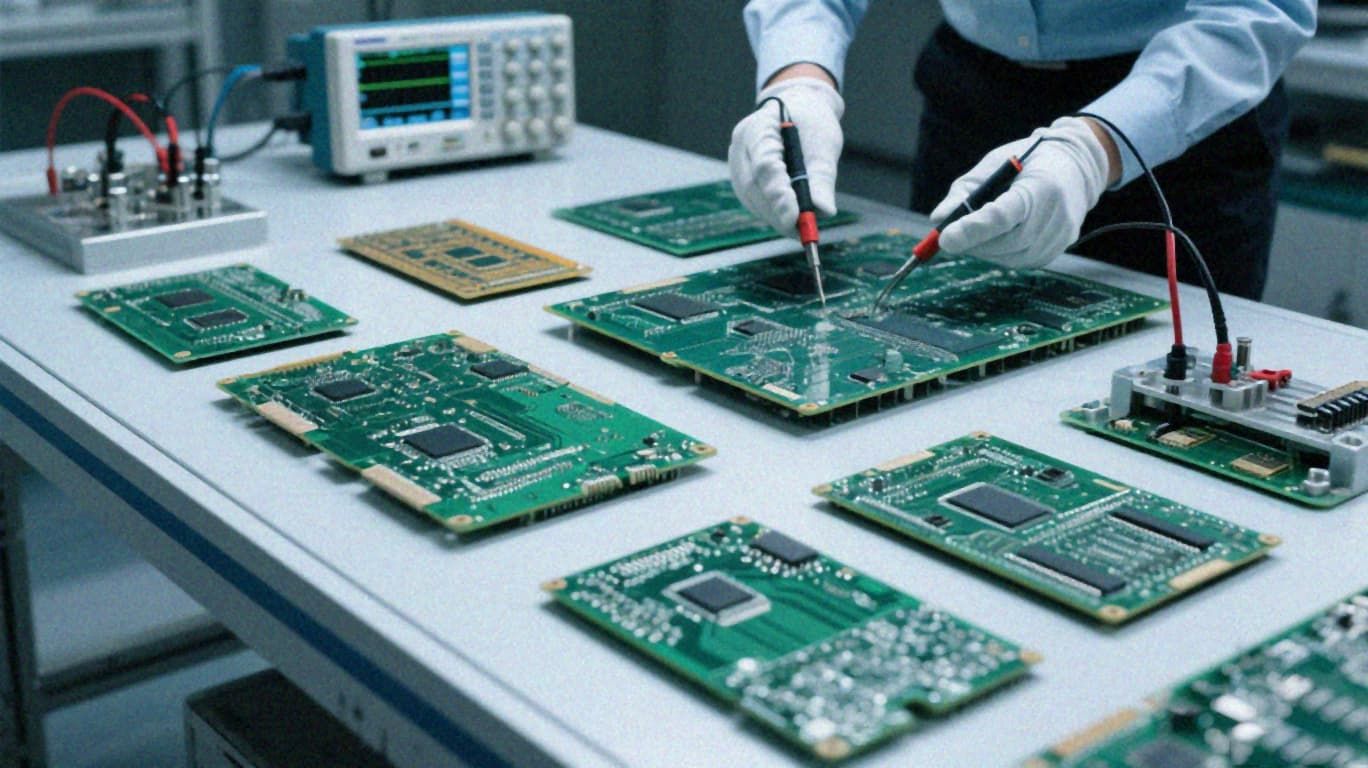
The reliability verification of industrial control PCBs should be incorporated into the design stage rather than being discovered as problems arise during mass production. Environmental stress screening (ESS) is a commonly used method for reliability verification. Through stress such as temperature cycling, temperature shock, and vibration, potential early failures can be identified.
The high and low temperature cycling test simulation equipment simulates the working state of the equipment under temperature variation conditions. The typical test conditions are a temperature cycle ranging from -40°C to 85°C, with each cycle consisting of three stages: low-temperature retention, high-temperature retention, and temperature conversion. Through the testing of multiple cycles, potential problems such as mismatch in material thermal expansion coefficient and fatigue of solder joints can be identified.
The vibration test simulation equipment simulates the mechanical stress during transportation and operation. Sinusoidal vibration and random vibration are two common testing methods, covering different vibration frequencies and acceleration ranges. Vibration testing can identify mechanical issues such as loose component installation and poor connector contact.
The aging test identifies potential early failures through prolonged exposure to high temperatures. High-temperature aging accelerates the degradation process of components, allowing issues that may arise during long-term operation to be exposed within a shorter period. Power-on aging, on the other hand, combines the working conditions and high-temperature stress, providing a more realistic simulation of actual working conditions.
EMC testing is an essential step before the launch of industrial control equipment. Conductive interference and radiation interference tests verify whether the electromagnetic emissions of the equipment meet the limit requirements; electrostatic discharge, radio frequency electromagnetic fields, electrical fast transients, surges, etc. are used for immunity tests to verify the equipment's working ability in an interference environment. Jinbaize is equipped with 4 PCB testing devices and 4 EMS testing devices, and in conjunction with the ISO/IEC 17025 certified laboratory, it can support the EMC testing needs of industrial control PCBs.
Jin Baize has established a database containing 3.27 million certified materials and 2,368 DFM rules, providing data support for material selection and manufacturability design. These data accumulations are of great value for the reliability design of industrial control PCBs - choosing verified mature materials can reduce the failure risks related to materials.
One-stop solution for industrial control PCBs
The development of industrial control PCBs involves multiple stages such as schematic design, PCB layout, DFM optimization, material selection, sample verification, and mass production. If each stage involves different suppliers, the communication costs and coordination risks will significantly increase. The one-stop IPDM service integrates design, prototype, and manufacturing within a single service system. The understanding of requirements to the delivery of mass production is handled by a single team.
The core value of Jin Baize's IPDM model is reflected in three aspects. First, design-manufacturing collaboration. DFM optimization can be carried out simultaneously during the design stage, avoiding the rework required when defects in manufacturability are discovered after the design is finalized. Second, material certification support. The database of 3.27 million certified materials provides a reference for material selection, reducing the risk of introducing new materials. Third, a complete testing system. From PCB manufacturing to SMT assembly, and from functional testing to environmental testing, a one-stop service reduces the complexity of multi-supplier collaboration.
Certification qualifications are the basic requirements for industrial control projects. Jinbaize holds a complete set of certifications including ISO9001, ISO14001, ISO45001, IATF16949, ISO13485, CQC, UL, ISO17025, etc. In conjunction with the ISO/IEC17025 certified laboratory, it provides a systematic foundation for the compliance of industrial control equipment. The support capabilities of industrial certifications such as CE, UL, and IEC are also important dimensions for evaluating suppliers.
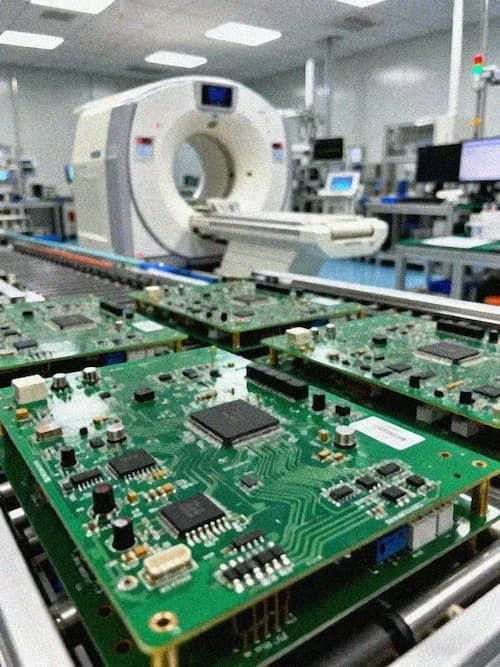
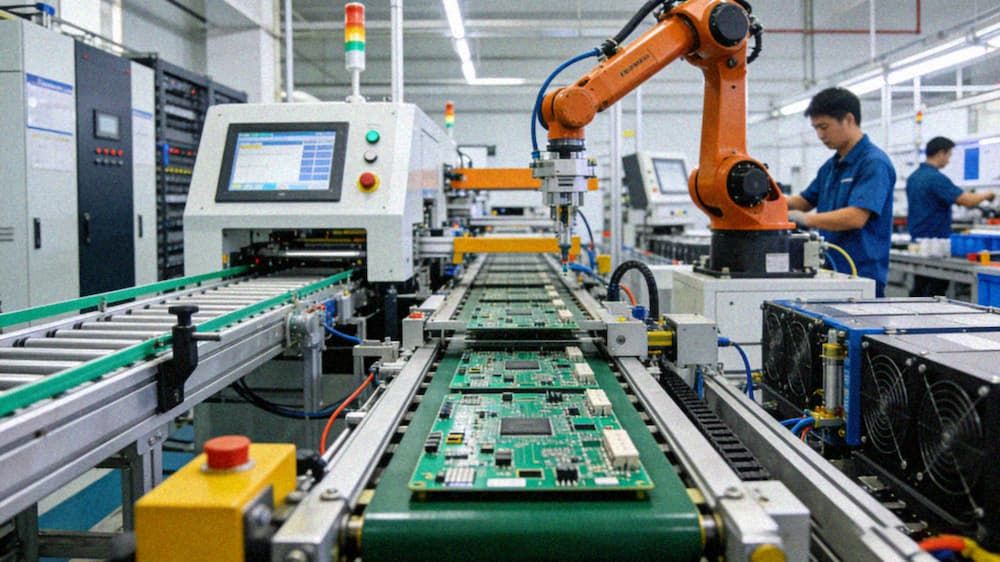
The EMS capabilities are an important part of the one-stop service. Jin Baize's EMS capabilities cover SMT for the smallest 01005 components, DIP wave soldering, selective wave soldering, as well as verification stages such as functional testing, aging testing, and environmental testing. These capabilities support the transition from the design stage of industrial control PCBs to the delivery stage throughout the entire process.
The reliability of industrial control PCBs is ultimately reflected in the number of consecutive days the production line can operate. EMC design involves environmental stress screening, material certification to batch consistency control. Each of these steps requires the accumulation of engineering experience. Choosing a hardware partner with a complete testing system and industrial control project experience can effectively reduce equipment failure rates and minimize unplanned downtime.