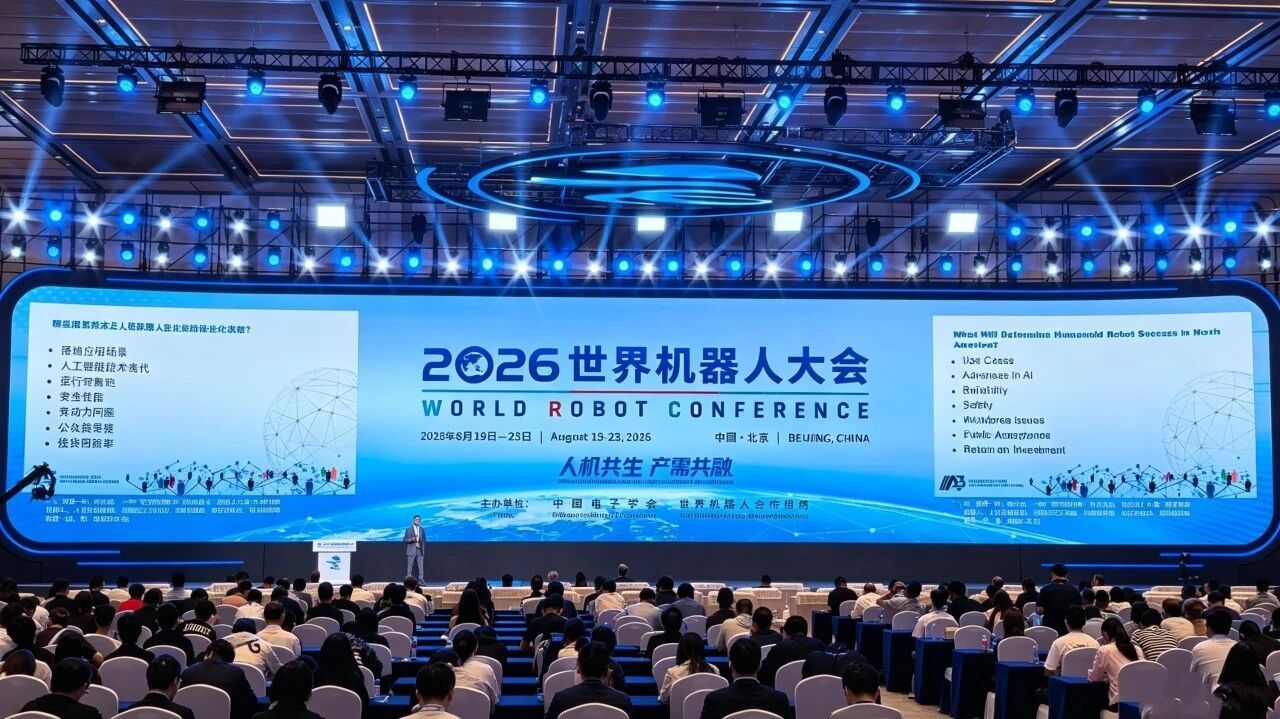
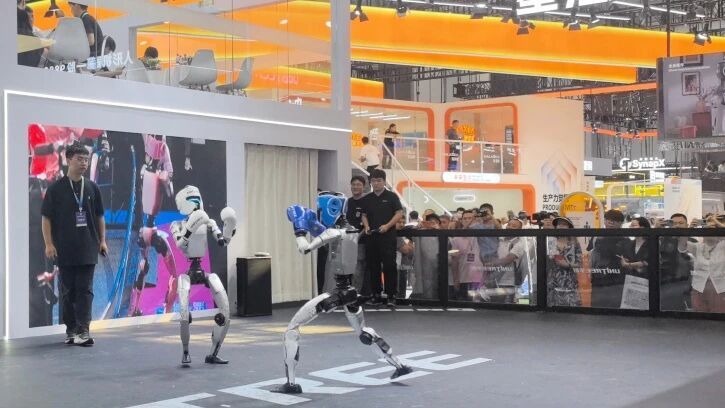
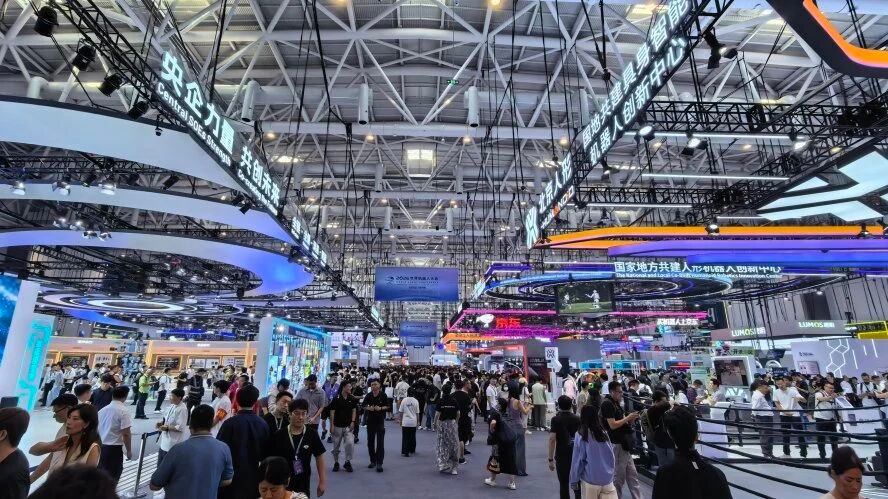
From August 19 to 23, the 2026 World Robot Conference (WRC), themed "Human-Machine Symbiosis, Integration of Production and Demand," was held in Beijing. As large AI models move toward physical entities, Physical AI has become the new main thread — AI is no longer confined to computation in virtual space, but must complete the "perception–decision–execution" loop in the real world.
Toward the Real Physical World: Embodied Intelligence Accelerates Toward At-Scale Application
On the afternoon of August 19, the WRC 2026 main forum focused on the theme of "Open Cooperation," discussing the global iteration and commercialization paths of robotics technology and promoting cross-border industry collaboration and at-scale deployment. KINGBROTHER Chairman Wu Shoukun was invited to attend, holding in-depth exchanges with industry representatives on building the hardware foundation for embodied intelligence and its path to real-world deployment.
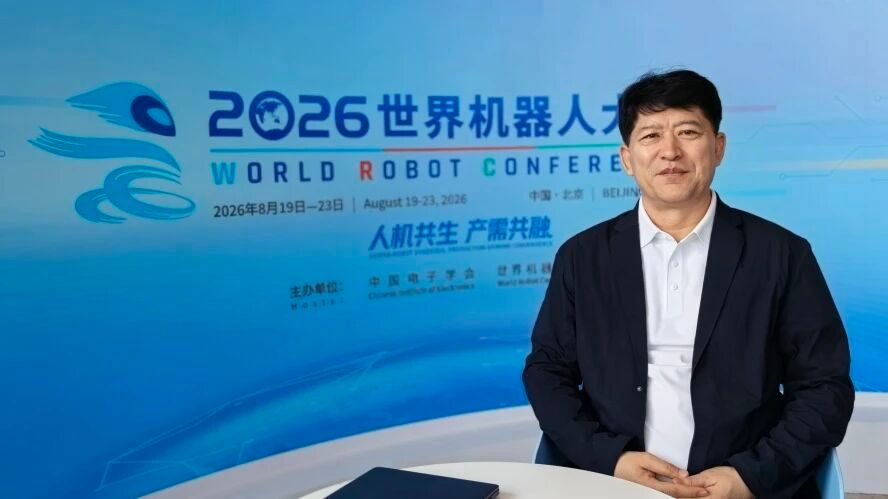
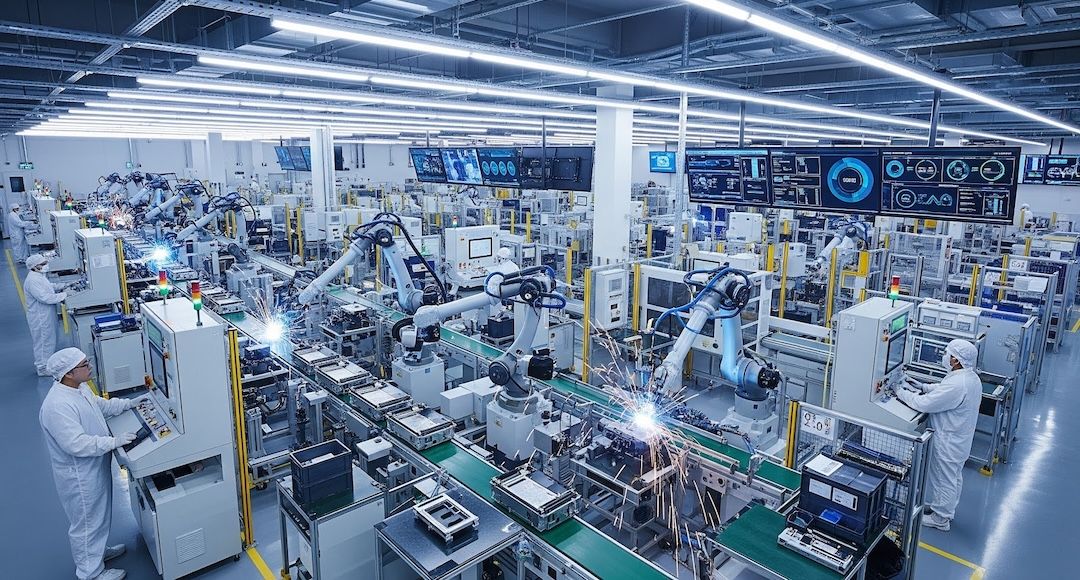
As a key application scenario for Physical AI, embodied-intelligence robots have long since moved past the concept stage of "showing demos and prototypes." The next stage of competition centers on the ability to deliver at scale — moving from simulation environments into the real physical world. Latency control, system reliability, localization of core components, and supply-chain stability became the keywords repeated throughout the forum.
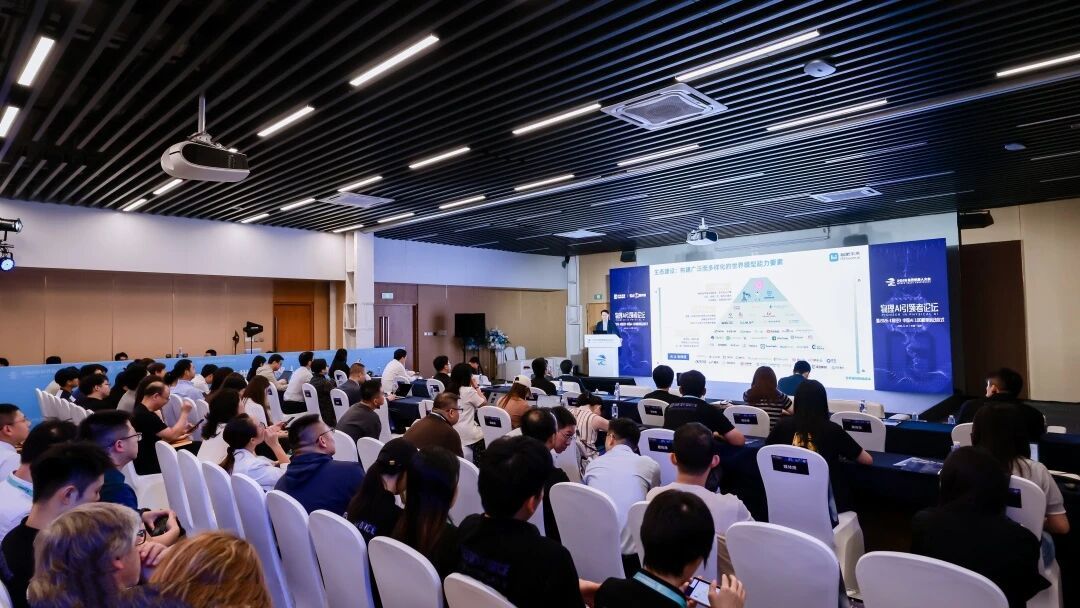
At the same time, KINGBROTHER's partner DexForce hosted the "Physical AI Pioneer" forum, focusing on 3D physical-world perception modeling, software-hardware co-adaptation between large models and robot bodies, and optimization of on-device hardware computing power, confronting head-on the two bottlenecks the industry widely faces: "excellent simulation results but difficult real-machine deployment" and "fast algorithm iteration but lagging hardware adaptation."
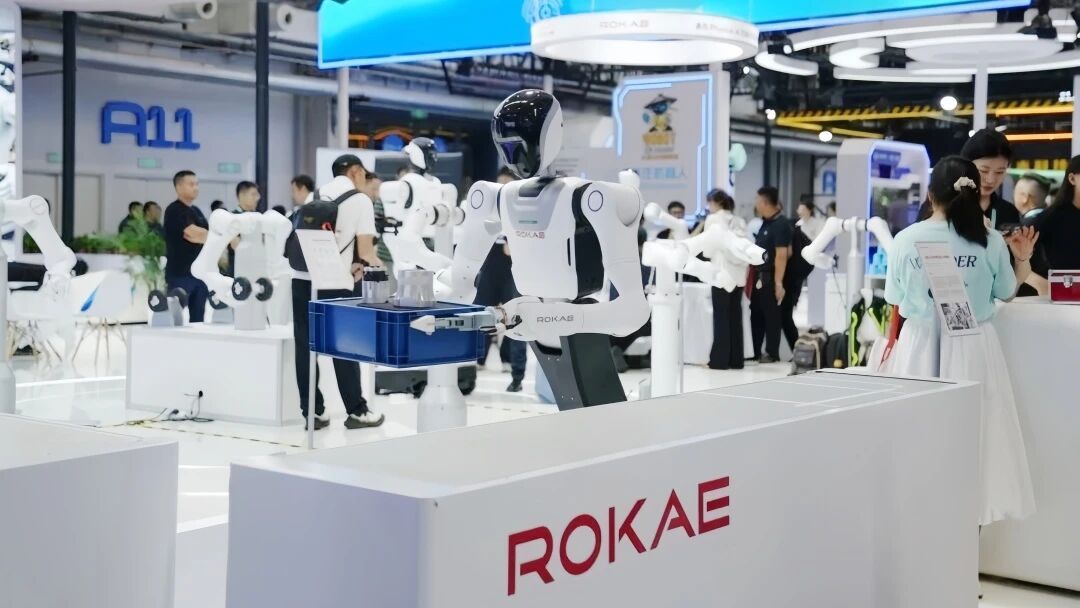
That evening, KINGBROTHER was invited to the "WRC Night" industrial embodied-intelligence dinner hosted by ROKAE Robotics, further exchanging views with decision-makers from core companies across the robotics value chain, exploring flexible production-line transformation and intelligent upgrading of Physical AI in industrial scenarios, and discussing industry-collaboration paths to bridge the gap between simulation and on-device deployment.
Physical AI has entered a new stage of full-stack collaboration spanning simulation engines, on-device computing, robot-body execution, data closed loops, and the hardware foundation. Industry development increasingly requires a standardized, highly reliable, rapidly iterable hardware-engineering system as its backbone, laying a solid foundation for technology deployment, scenario scale-up, and localization.
Innovative Collaboration: Working with Customer Partners to Break Through Physical AI Hardware Bottlenecks
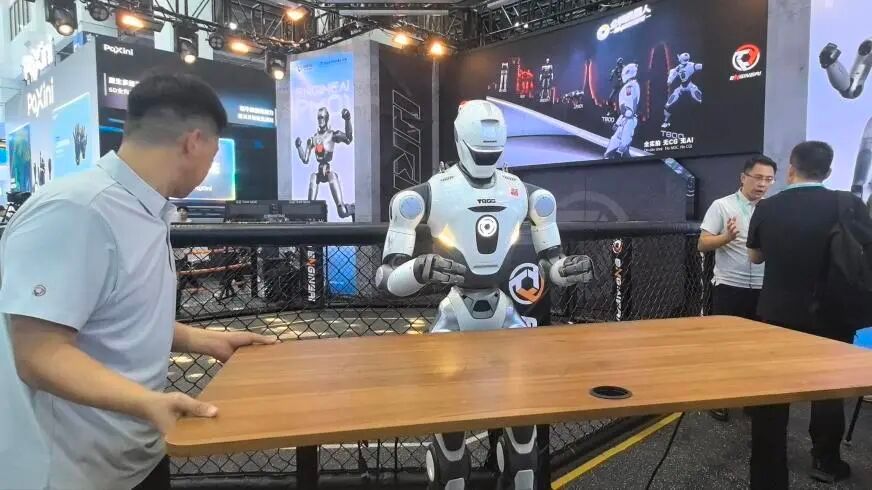
On the exhibition floor, the KINGBROTHER team held in-depth exchanges with customer partners including Robot Era, EngineAI, and Galileo, sharing technical perspectives and collaboration ideas around the common challenges in hardware engineering.
The conversations made one common pain point stand out: Physical AI places far higher demands on hardware systems than traditional equipment. High-compute boards must not only operate reliably under multiple constraints such as signal integrity, thermal management, and vibration resistance, but also keep pace with the rapid prototype refresh cadence driven by fast algorithm iteration.
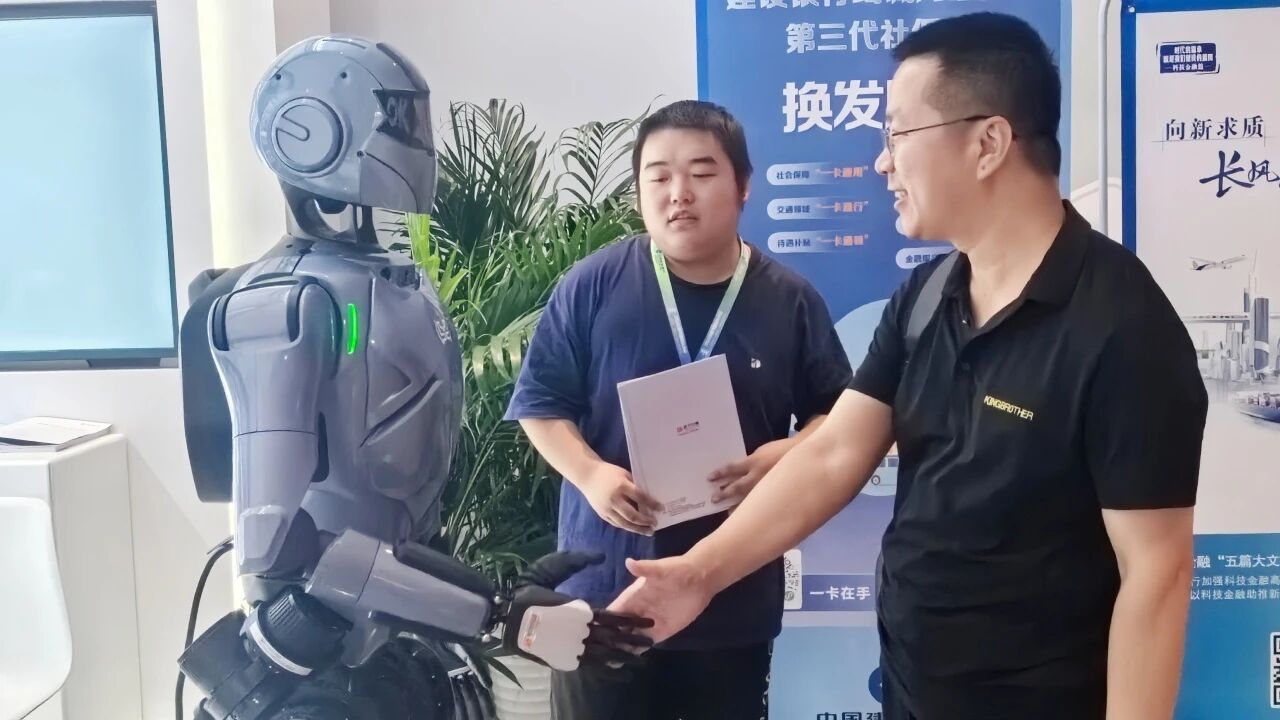
When hardware engineering lacks a system-level solution, teams often get bogged down in repeated board rework, parameter tuning, and component selection at the underlying-hardware level. Core R&D resources are continuously consumed, directly slowing algorithm validation and overall machine optimization. How to make hardware engineering specialized and standardized so that R&D resources can return to algorithm and whole-machine development — this is a proposition worth attention in the era of Physical AI.
IPDM: An Engineering Partner from Prototype to Deployment
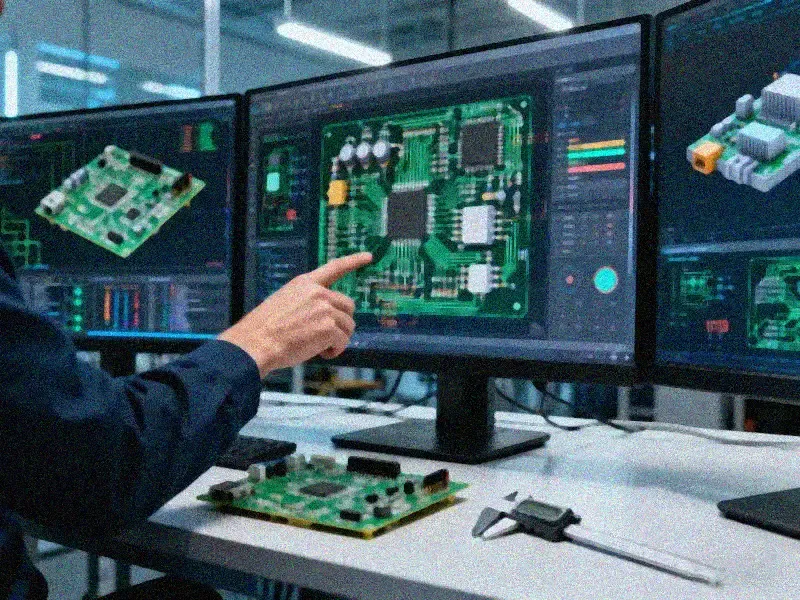
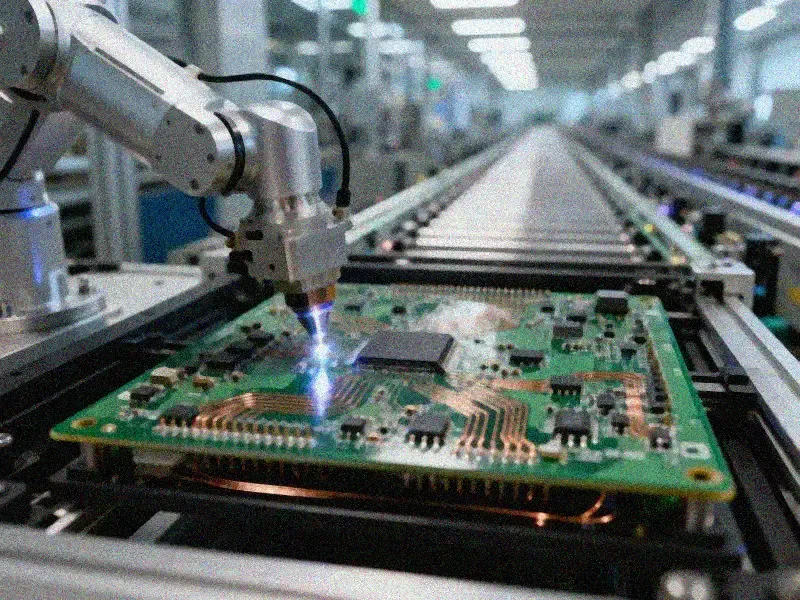
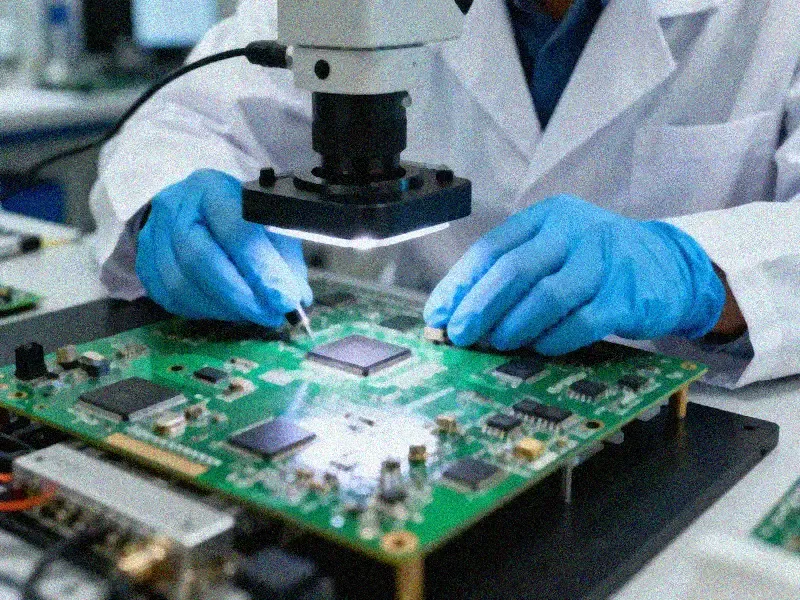
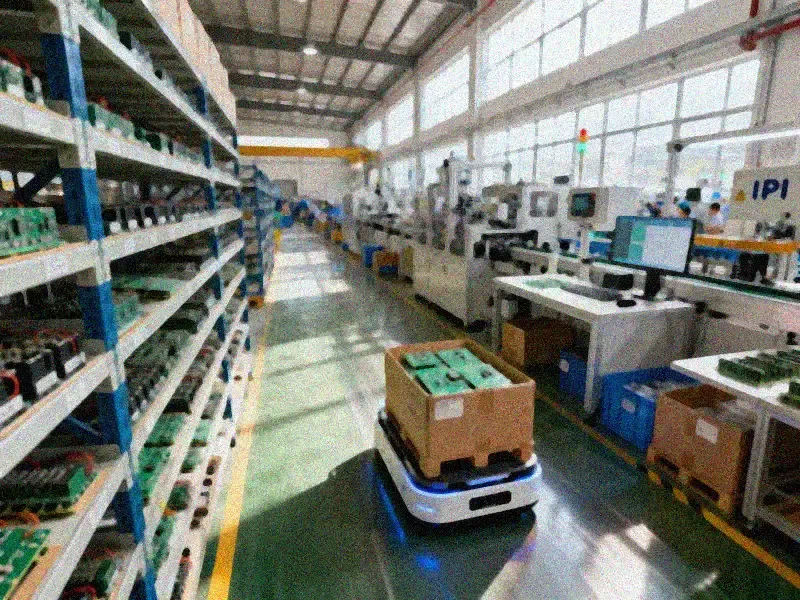
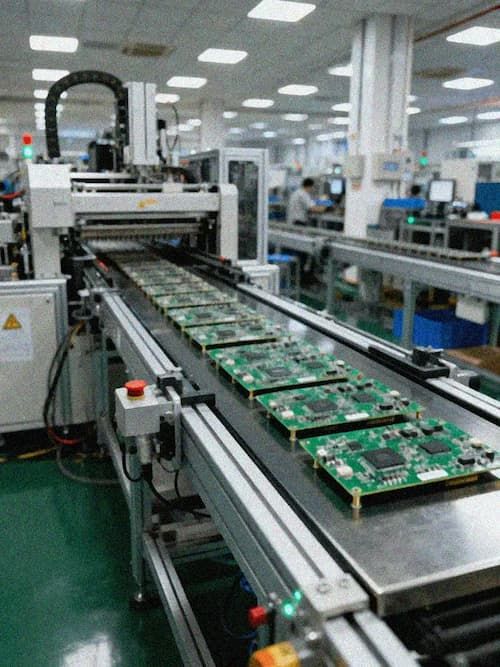
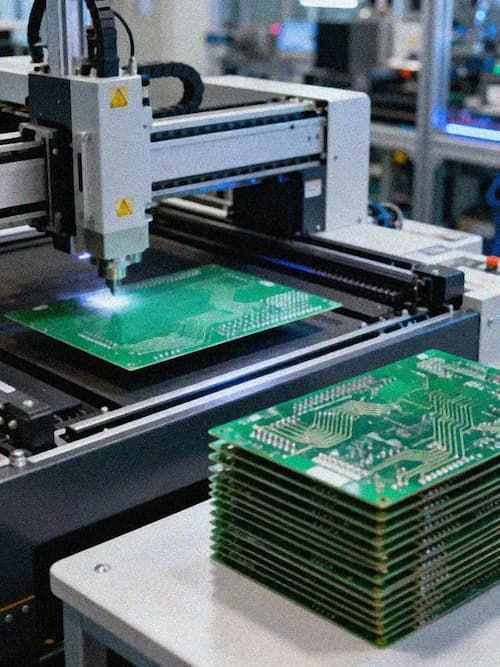
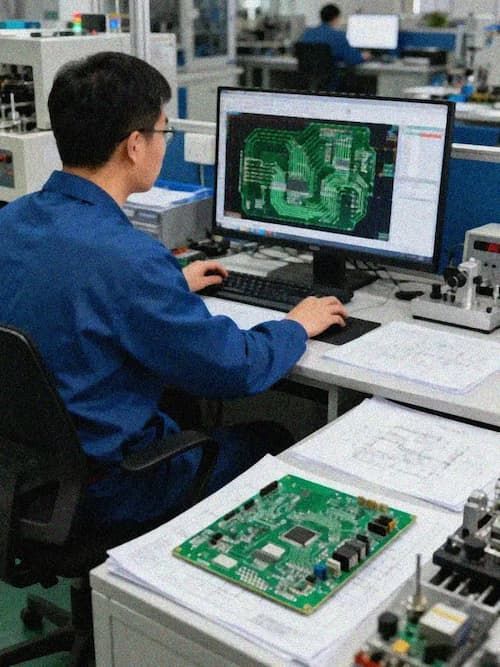
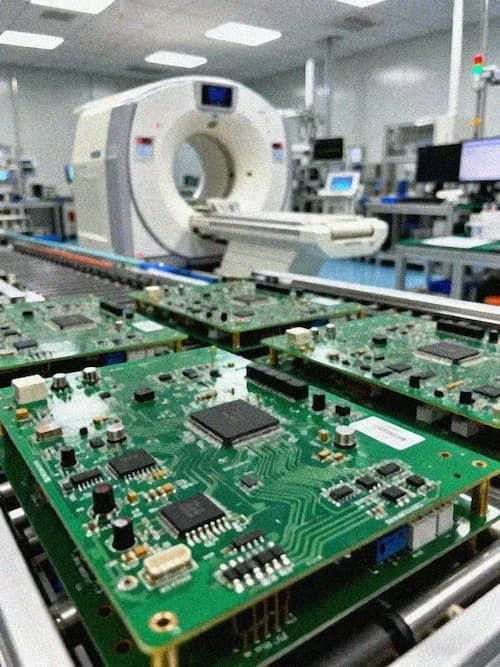
Building on common industry needs while accounting for the real differences across enterprises in product stage, technical path, and scenario deployment, KINGBROTHER tailors IPDM one-stop solutions for each company, providing a full-chain service from requirement decomposition, hardware design, and high-reliability PCB development to specialty board manufacturing, assembly testing and validation, and volume delivery.
Tailored to the Special Requirements of Physical AI Hardware
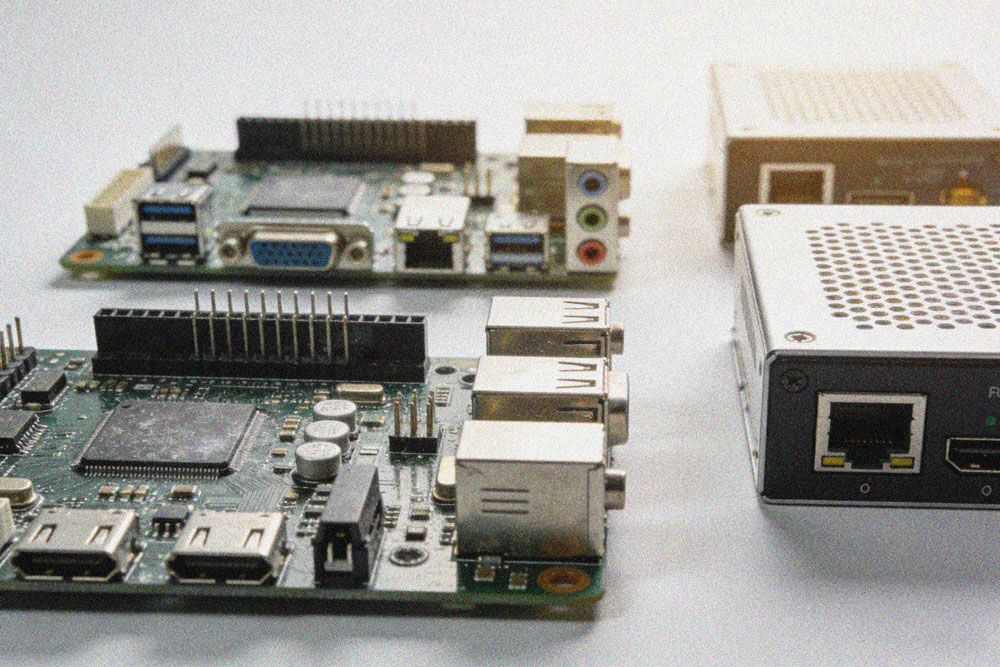
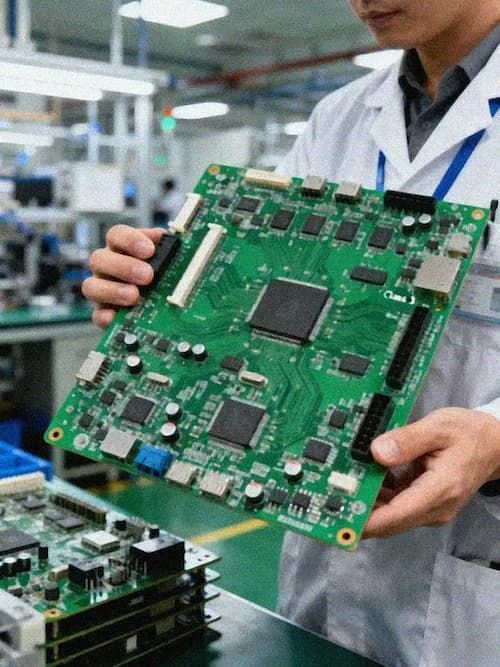
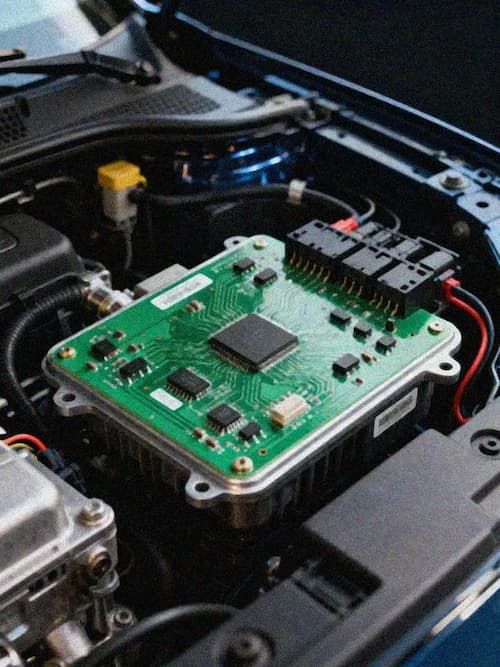
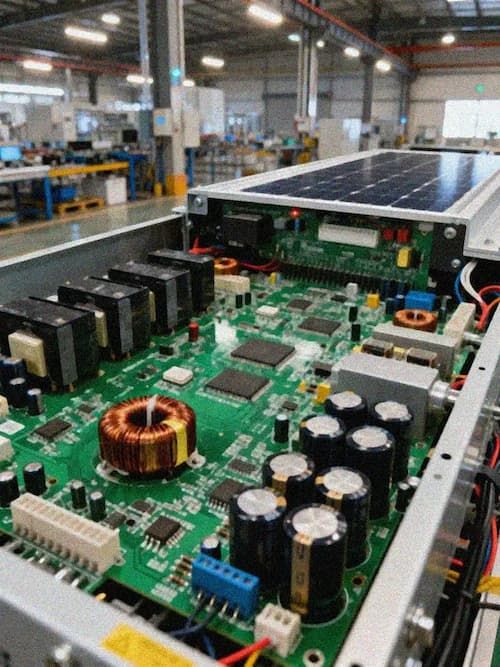
For on-device NPU computing boards, multi-sensor fusion perception boards, and servo motion-control boards, KINGBROTHER addresses Physical AI-specific hardware challenges such as high-speed signal integrity, power integrity, high-density heterogeneous integration, reliability under strong vibration, and thermal design.
Supporting a High-Frequency Iteration R&D Cadence
Matching the rapid multi-version iteration of Physical AI prototypes, KINGBROTHER enables fast prototype validation, narrowing the cycle gap between algorithm iteration and hardware iteration and reducing the hardware trial-and-error cost of migrating from simulation to reality.
Bridging the Path from Prototype to Volume Production
KINGBROTHER helps innovation teams smoothly transition from laboratory prototypes to volume products, and puts localized supply-chain selection into practice.
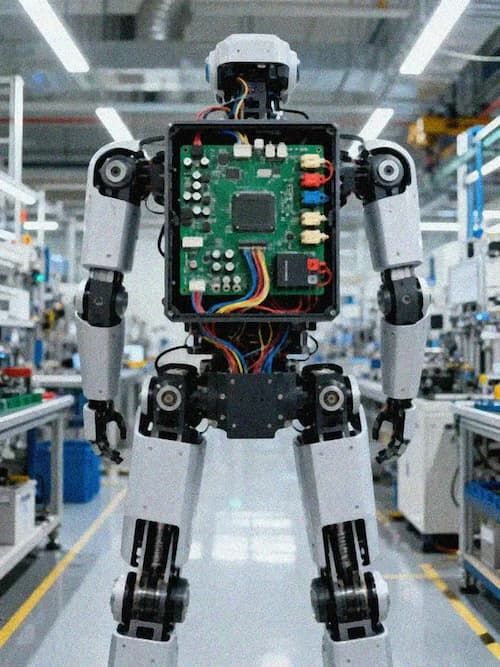
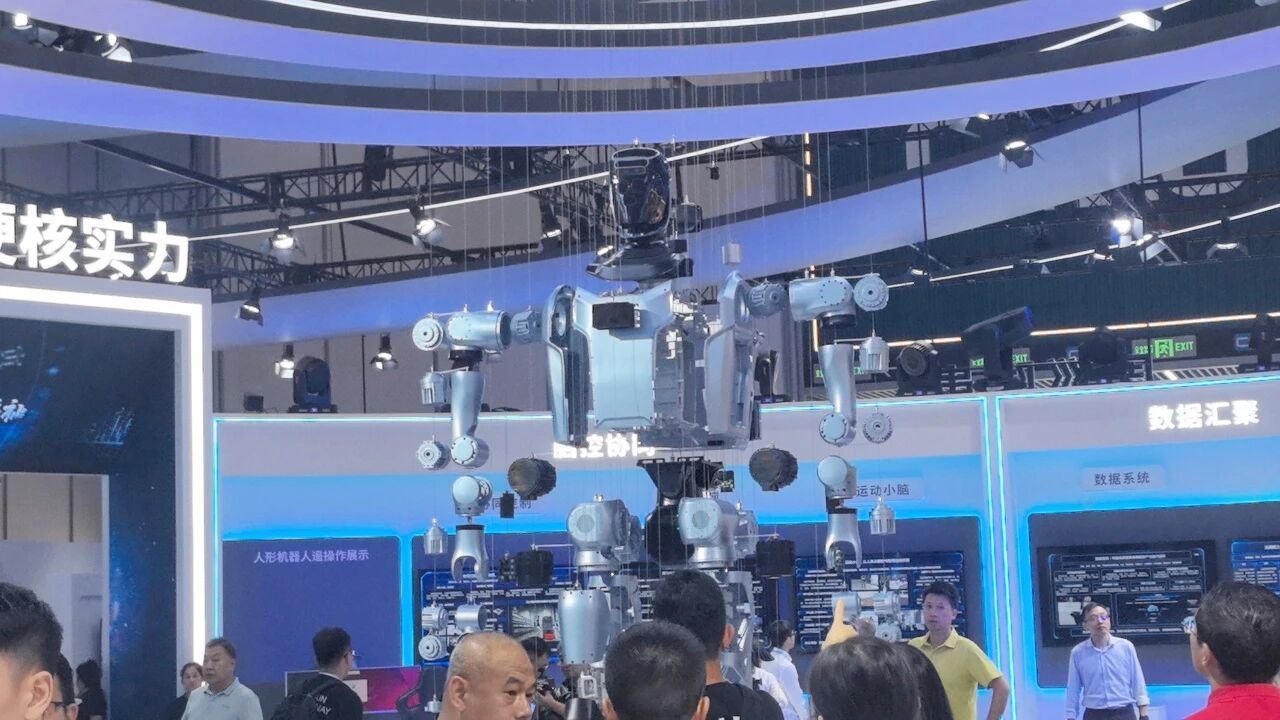
Leveraging its full-chain IPDM service capability, KINGBROTHER has delivered multiple projects in the humanoid-robot field. For core hardware such as humanoid-robot head control boards, torso computing boards, and servo drive boards, it resolves engineering challenges including high-speed signal integrity, reliability under strong vibration, and localized-component adaptation, helping shorten product validation cycles and lower trial-and-error costs.
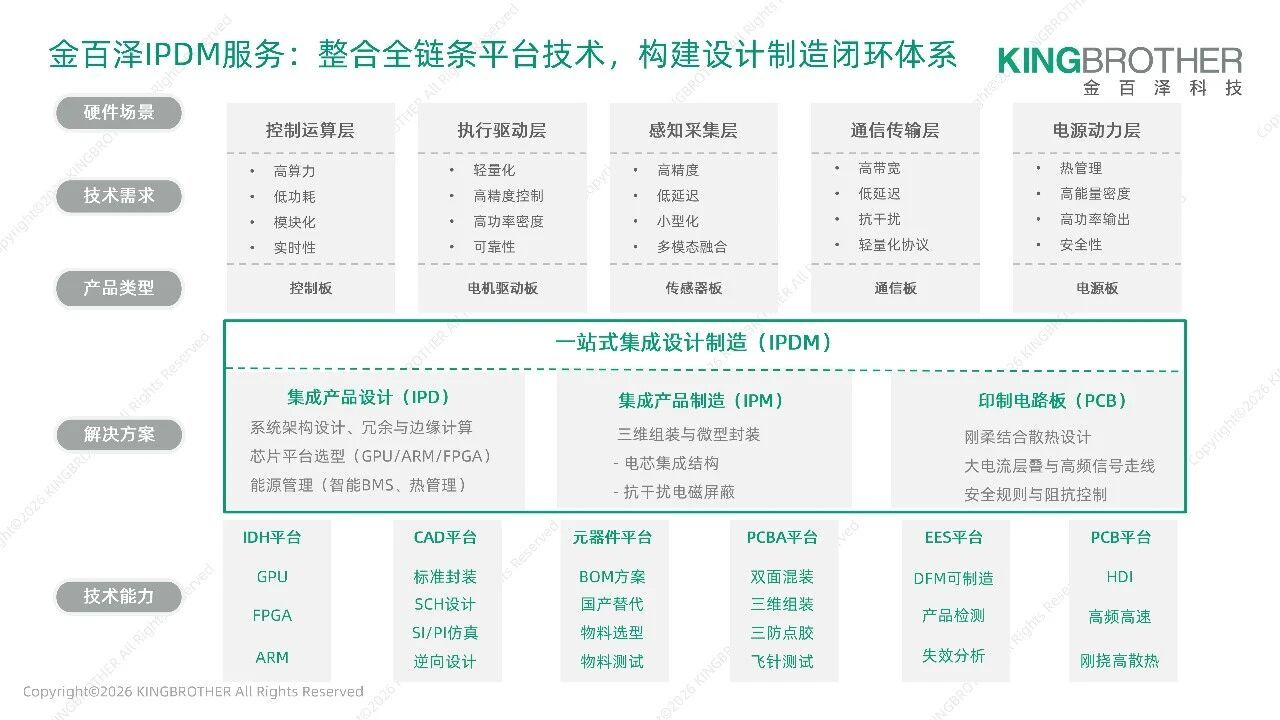
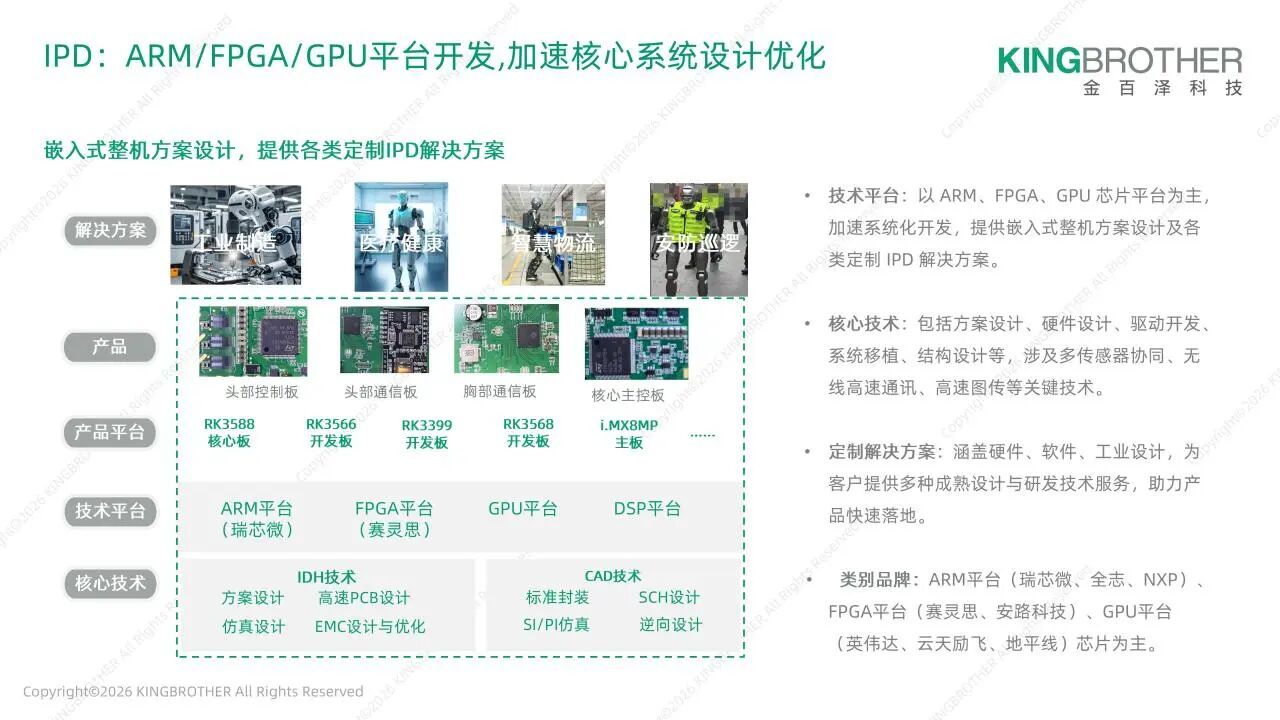
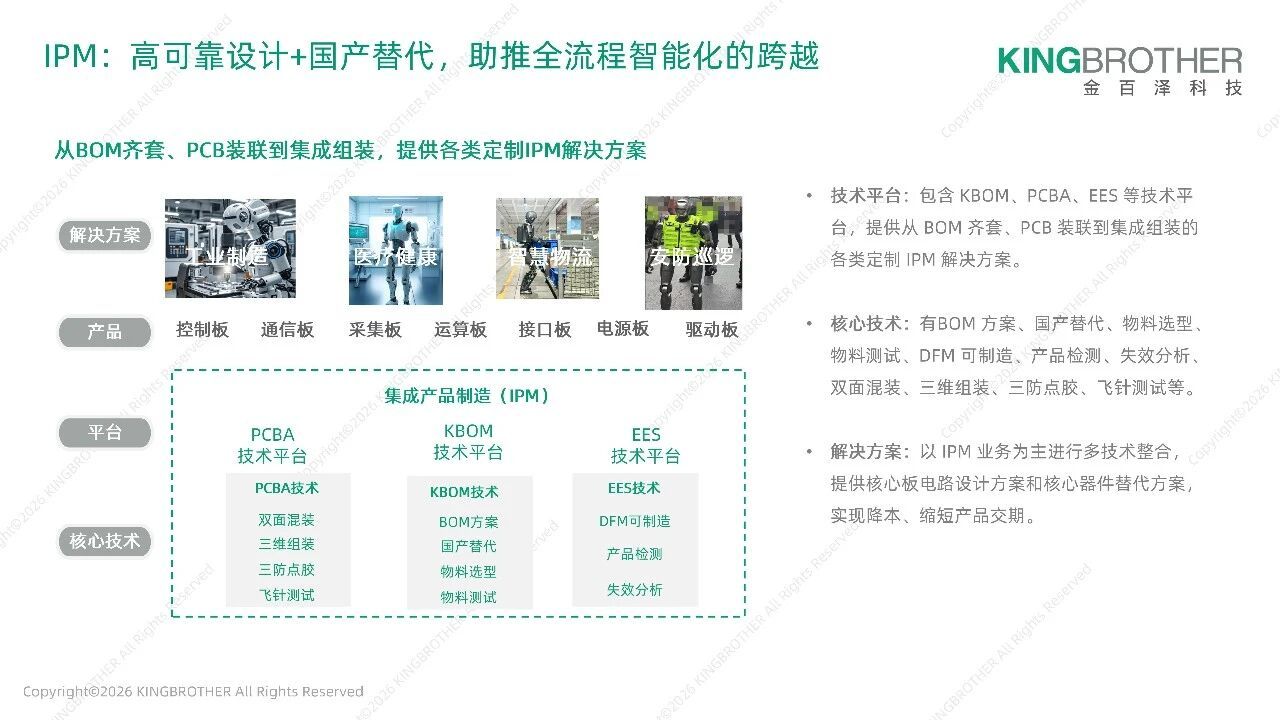
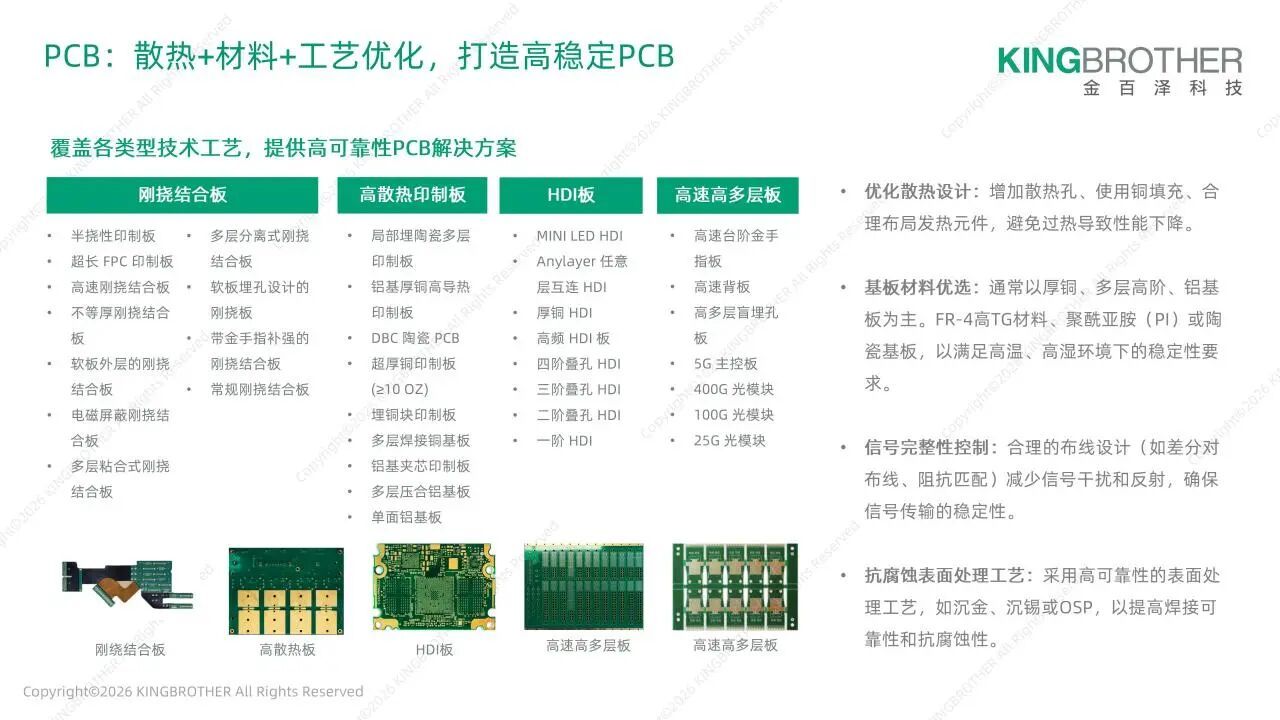
Swipe left or right to view more solutions.
Physical AI: A Full-Chain Collaborative Marathon Spanning Algorithms and Hardware
To move Physical AI from algorithm validation to at-scale application, the full chain — robot body, actuation, perception, and the hardware supply chain — must be connected. Model performance in virtual environments must be repeatedly validated on physical hardware before it can be translated into real-world application value.
The at-scale deployment of AI hardware requires both breakthrough innovation from whole-machine companies and sustained deep cultivation of hardware engineering across the supply chain. With its full-chain IPDM capability, KINGBROTHER will continue to accompany embodied-intelligence companies as they cross the engineering threshold from prototype to volume production, and work with the industry to drive Physical AI toward scale deployment.