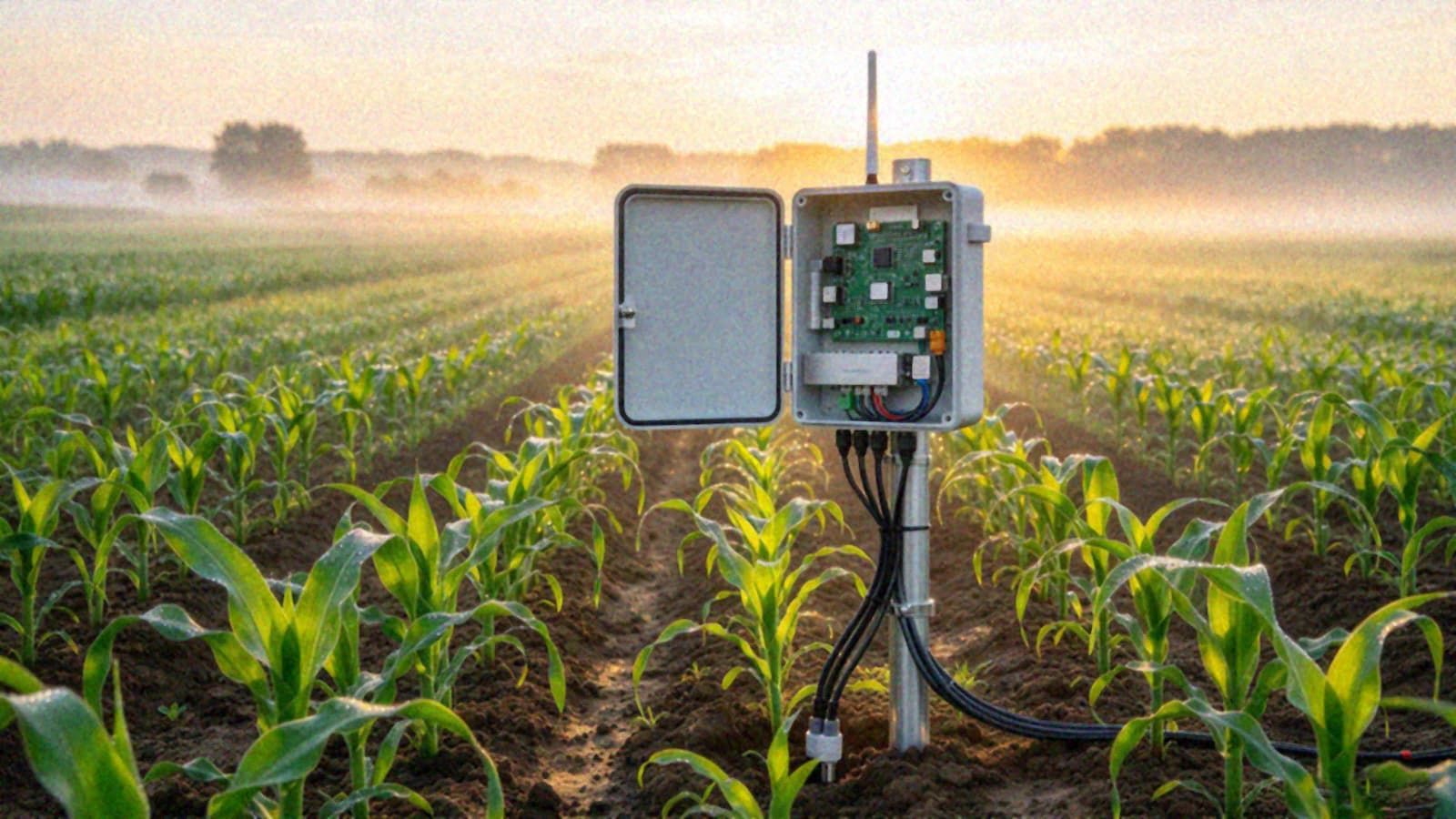
IoT devices in farmland face a set of constraints that look nothing like the city. Cellular coverage is sparse, uplink bandwidth is limited, and the equipment has to run unattended outdoors through heat, humidity, and dust. The value of an agricultural edge gateway is that it preprocesses and compresses data locally, uploading only the information that matters instead of pushing raw data into the cloud.
Constraints of Agricultural Weak-Network Scenarios
Wide-area sparse connectivity is the defining feature. Low bandwidth, high latency, and intermittent links make local preprocessing and incremental sync necessary, so the gateway caches data when offline and uploads incrementally when the connection returns, avoiding data loss. Environment and power are the other constraints: outdoor equipment runs unattended for long periods, so wide-temperature, moisture-proofing, and low power decide whether it can stay online for a growing season or longer.
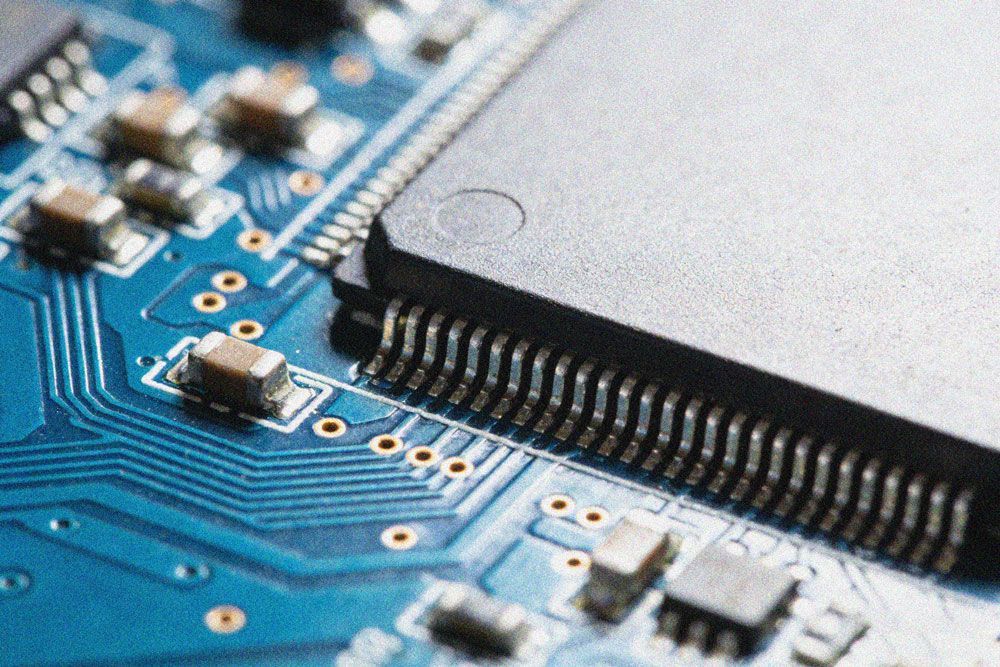
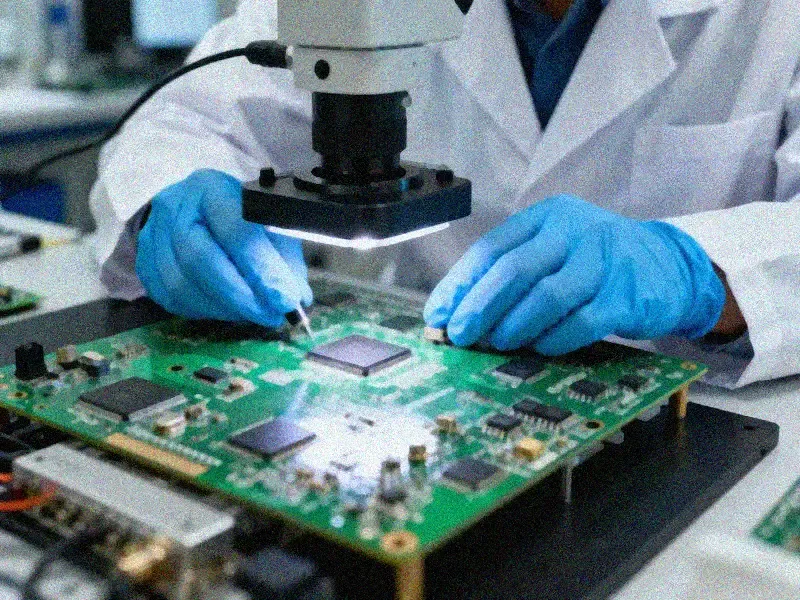
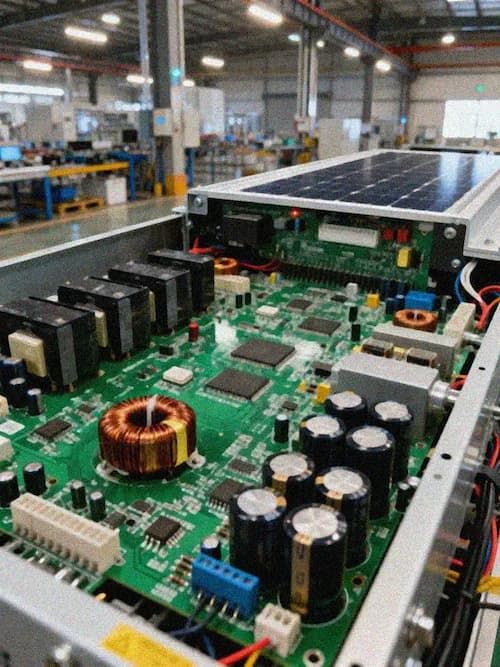
Wide-temperature and moisture protection come from both component selection and process. Wide-temperature parts cover outdoor swings, while moisture protection and conformal coating reduce humidity damage, with the IEC 60068 series supplying the test reference for temperature and humidity. On low power, sleep and wake mechanisms, low-power processors, and power management together cut standby draw and extend runtime in battery or energy-harvesting deployments.
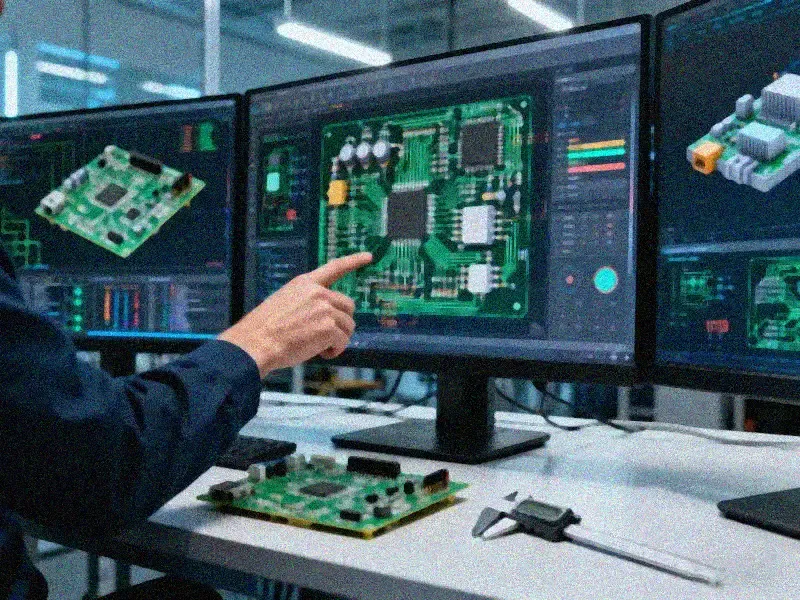
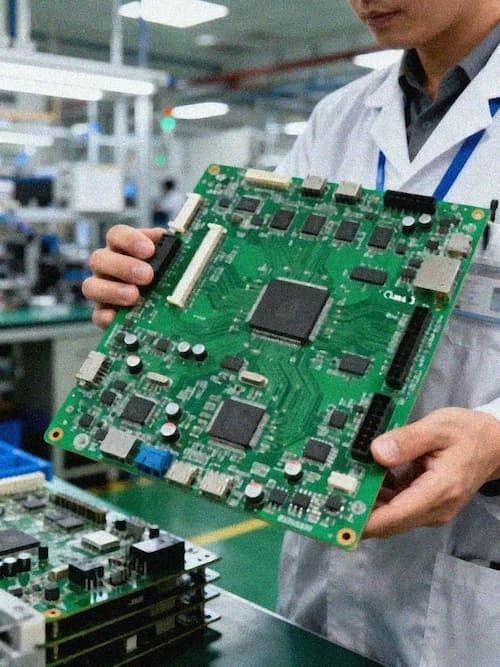
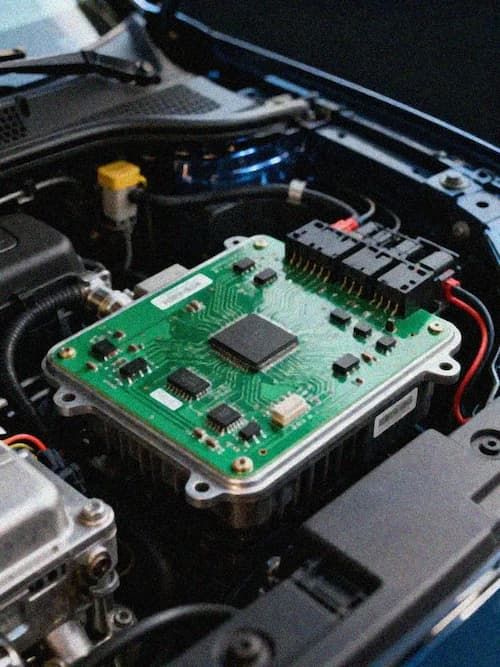
Sensors and communication interfaces form the hardware backbone. Multi-channel sensor inputs have to adapt to different agricultural sensor types, while LoRa, cellular, and Ethernet interfaces decide uplink capability. The layout, protection, and signal-integrity design of those interfaces directly affect how reliably data is collected and how stable communication remains.
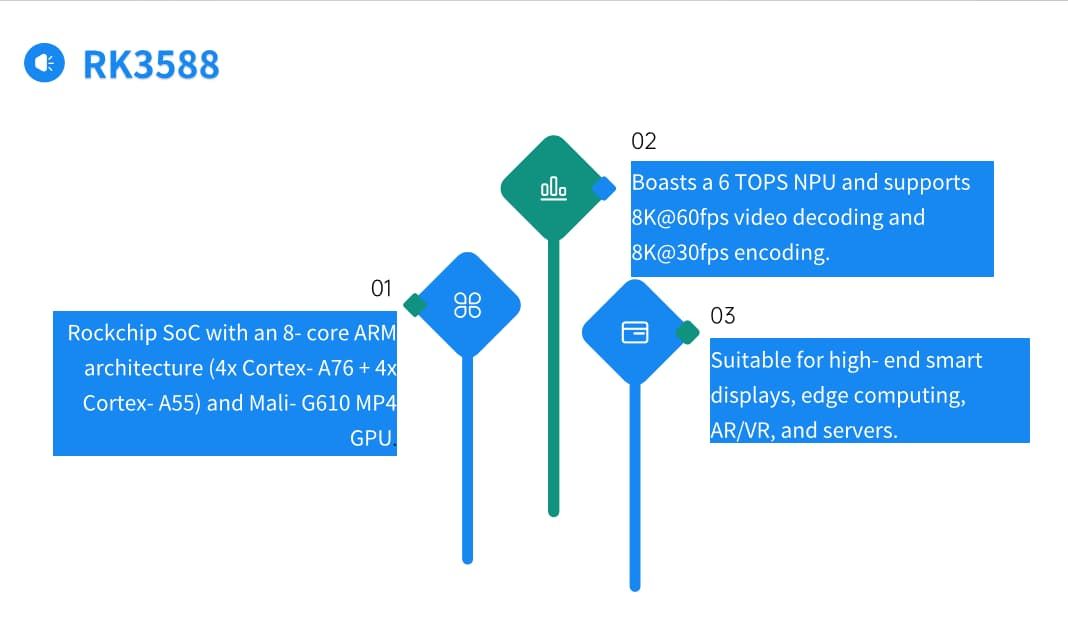
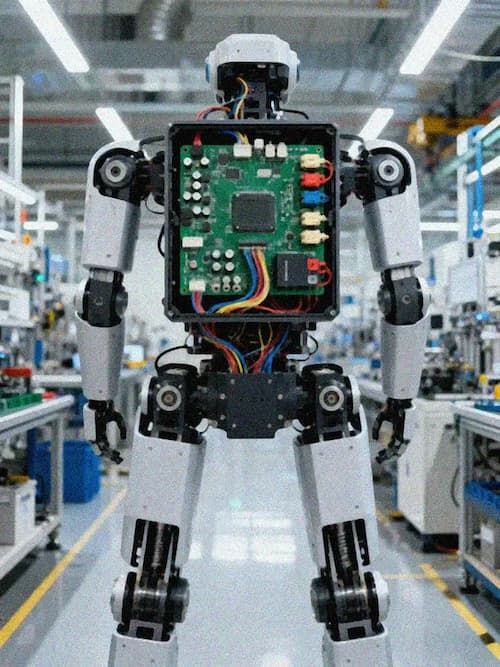
John Deere's See & Spray is a representative example of edge vision compute on farmland. It uses cameras, machine-learning algorithms, and high-speed GPUs to identify crops and weeds in real time during spraying, applying treatment only to the target area to reduce chemical use. That system keeps the heavy computation on the device, which is exactly the on-device compute demand an agricultural edge gateway has to serve.
Manufacturing
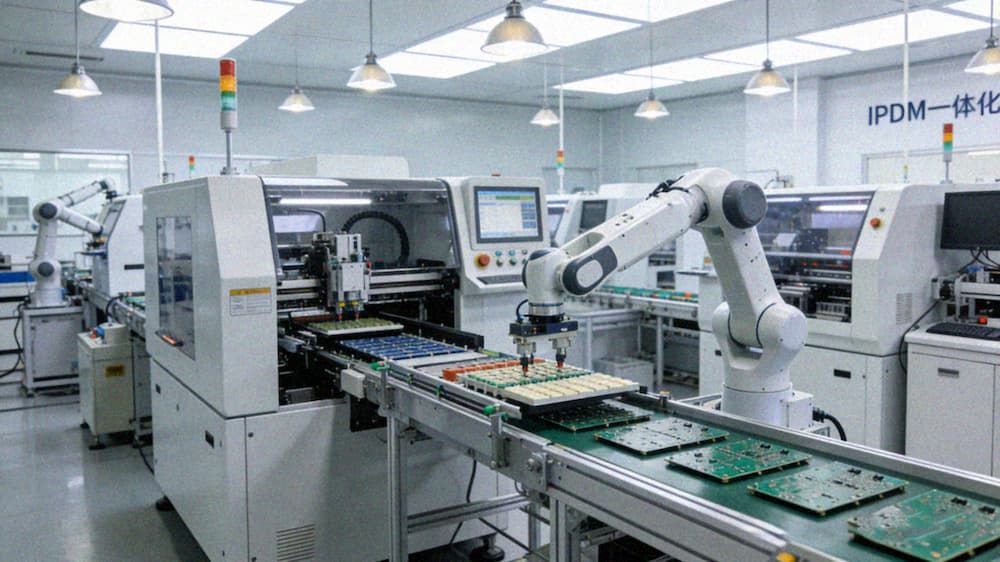
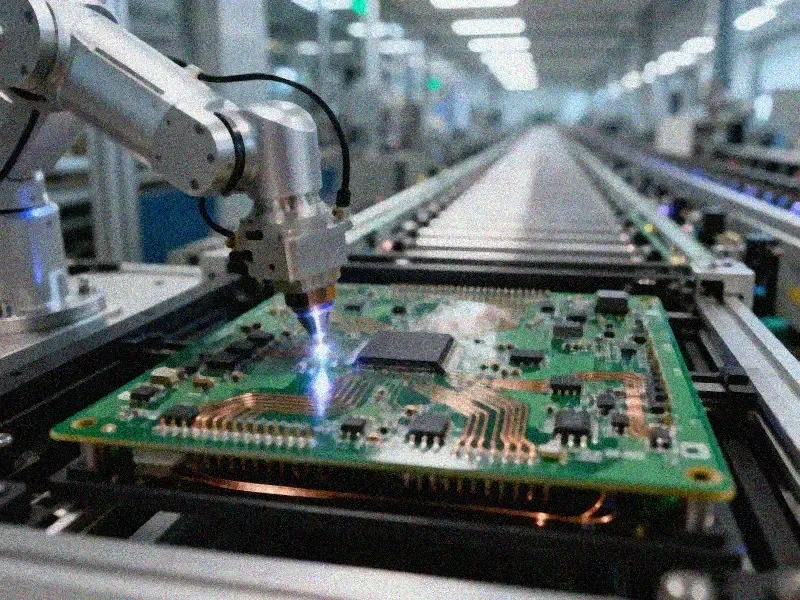
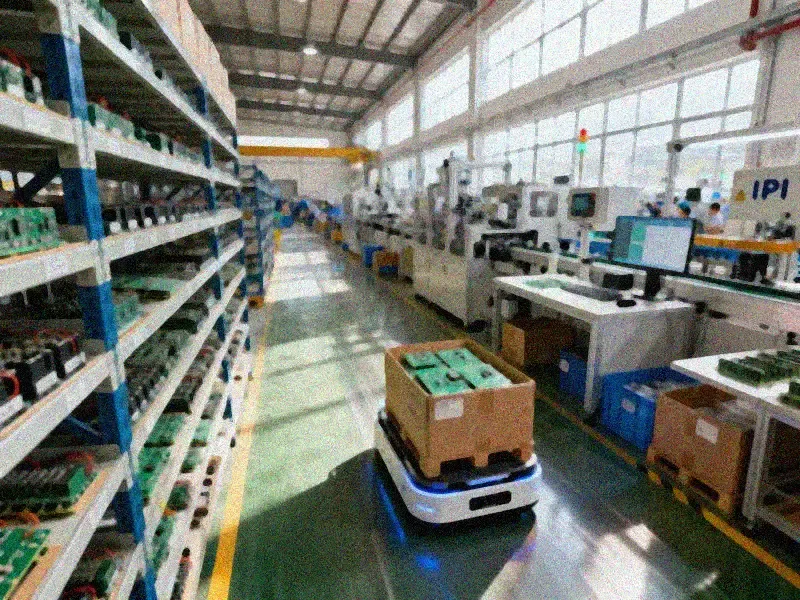
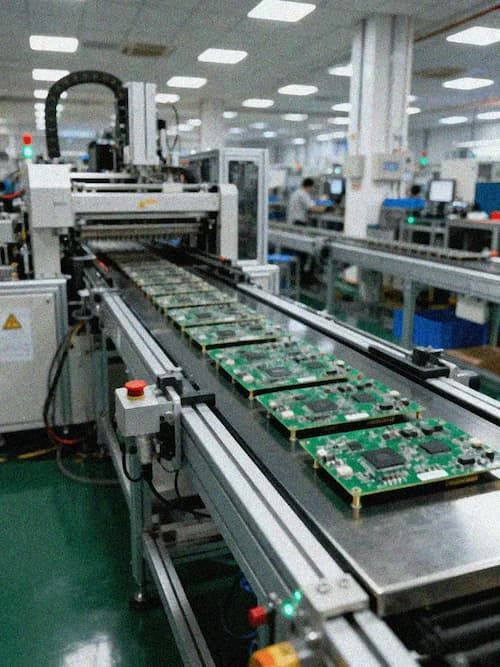
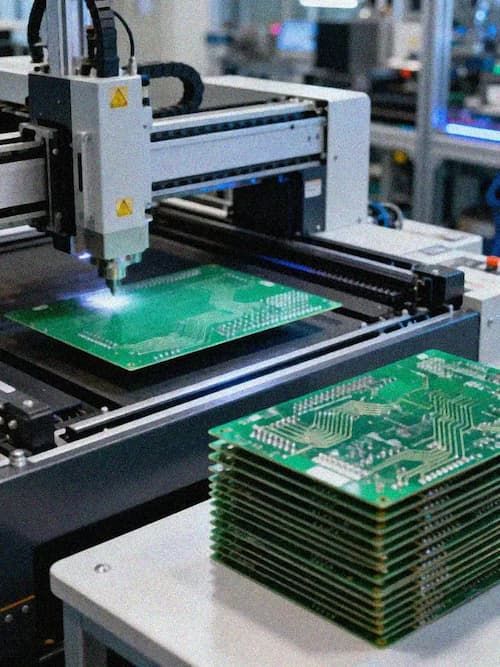
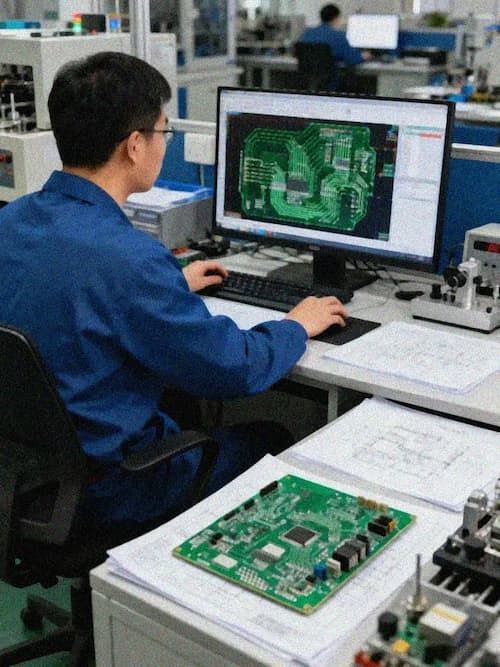
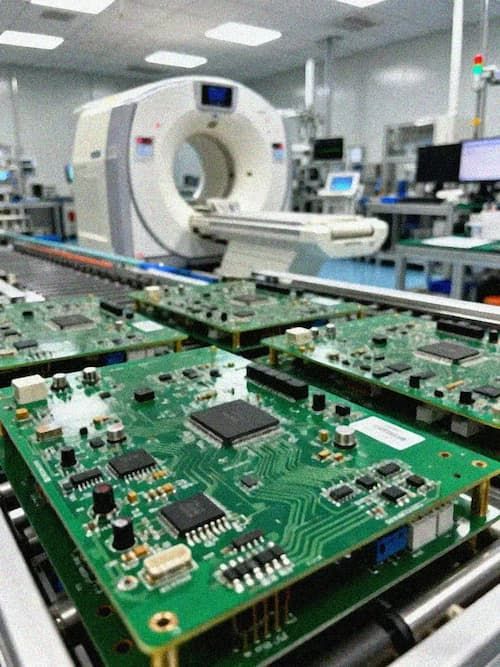
Agricultural hardware and industrial-grade gateway manufacturing are where the design lands. KINGBROTHER provides a smart agriculture hardware solution and an industrial IPDM one-stop service covering industrial-grade edge gateway PCB/PCBA, conformal coating, and batch manufacturing, turning weak-network field requirements into a product that can ship.
Closing
Reliable agricultural IoT depends on combining edge preprocessing with high-reliability hardware. Weak networks make local compute a requirement, while wide-temperature, moisture-proof, and low-power design decide whether the gateway stays online. As agricultural digitalization moves from pilots to scale, stable delivery of industrial-grade edge gateways will become a key variable in how fast projects advance.