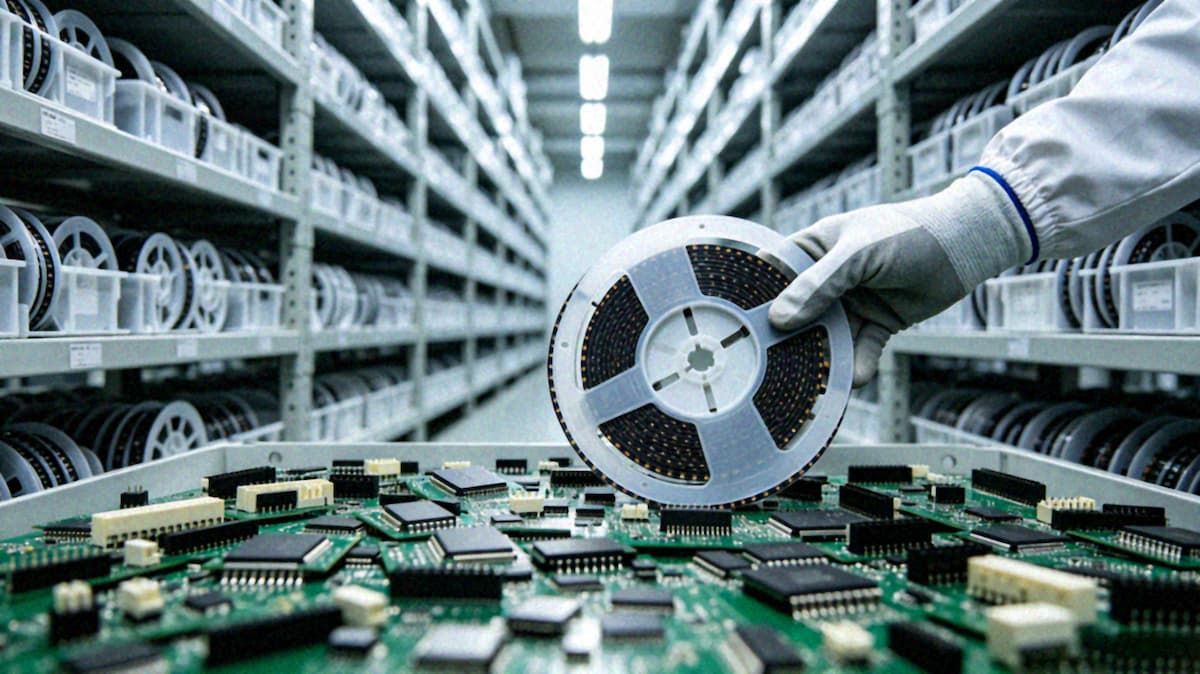
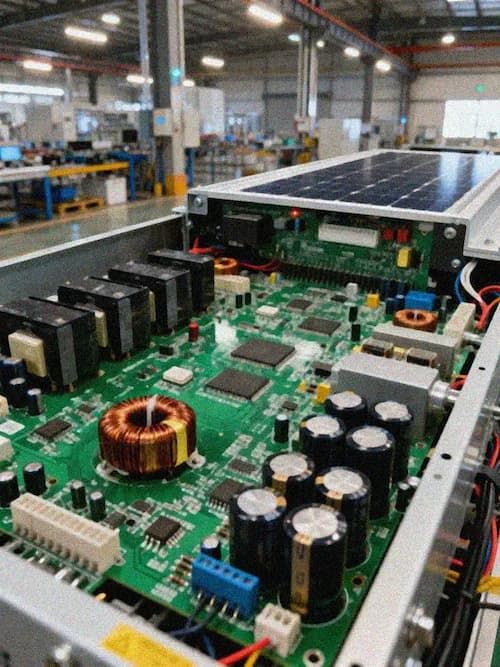
This article discusses common procurement challenges faced by AI hardware startups. Regarding the Bill of Materials (BOM), components such as processors, power modules, connectors, and passive components span diverse categories; furthermore, many items are characterized by high unit costs and low volumes. Consequently, the absence of a single component can stall an entire project—a classic "long-tail" supply chain issue. For teams still in the low-volume production phase, the priority in BOM procurement is ensuring a stable supply rather than chasing the lowest price.
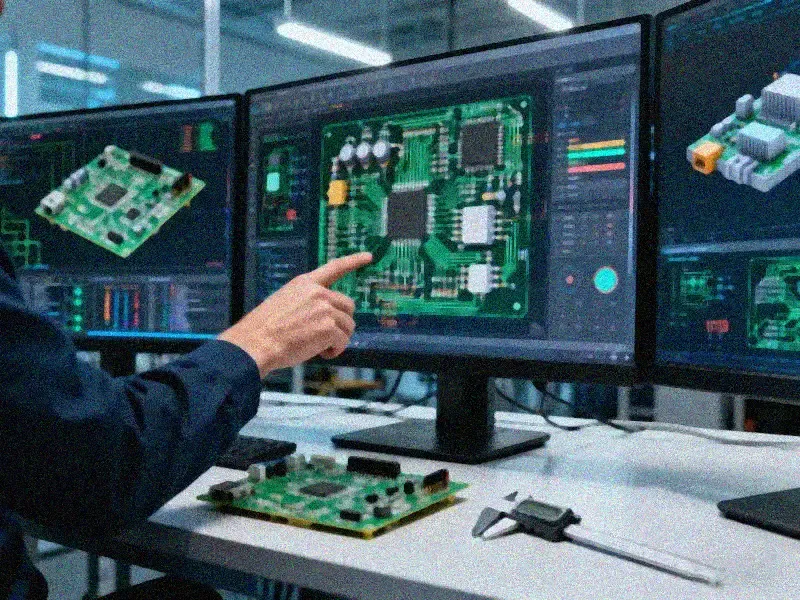
BOM Review and Component Selection
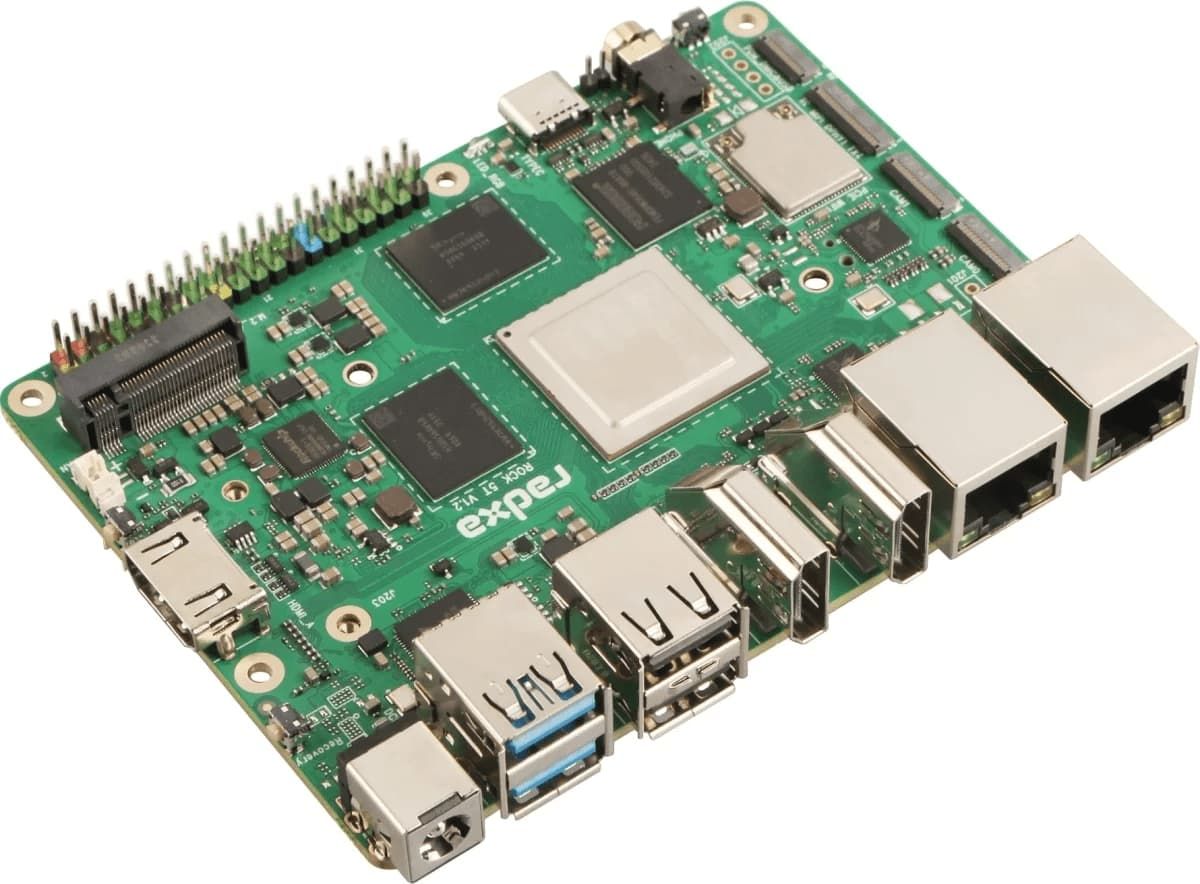
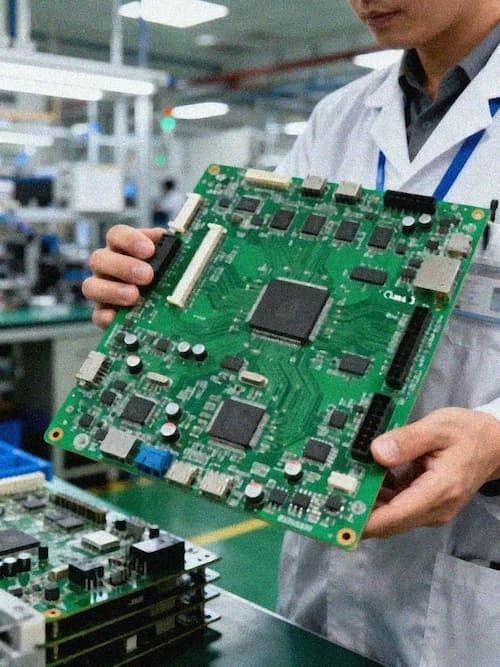
When formulating strategies for critical components and alternatives, core elements—such as processors, motherboards, power supplies, and connectors—often pose supply risks due to the sheer variety of available options. Developing alternatives requires a line-by-line comparison of electrical parameters, packaging, and lead times, rather than a simple part-number match; our procurement checklist offers a practical method for component selection and supply risk assessment.
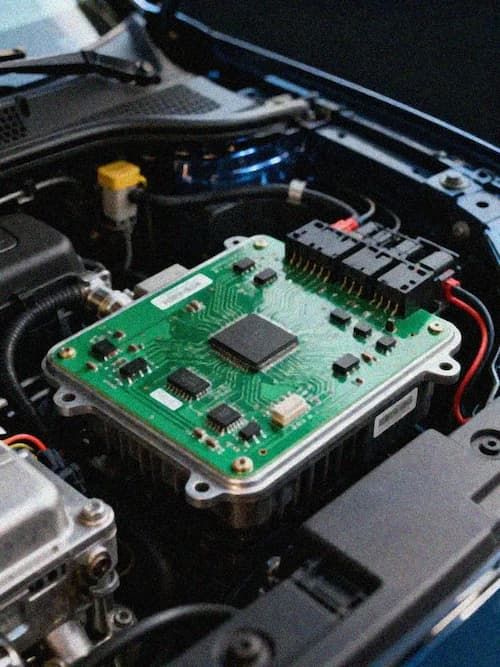
The global chip shortage of a few years ago remains a frequently cited case study. The lack of a microcontroller (MCU) costing just a few dollars forced multiple global automakers to cut production, exposing the vulnerabilities inherent in single-source components and long supply chains. This shortage transformed BOM procurement from a back-office task into a critical determinant of whether a product could ship, making the adoption of alternative components and dual-sourcing strategies an industry standard.
Lifecycle and supply risks must be identified early. Product obsolescence, long lead times, and single-supplier dependency are primary risk factors, any of which can halt production. Procurement departments should compile risk lists for critical materials, evaluate the viability of alternative suppliers, and—where design constraints allow—build in flexibility to validate alternative solutions.
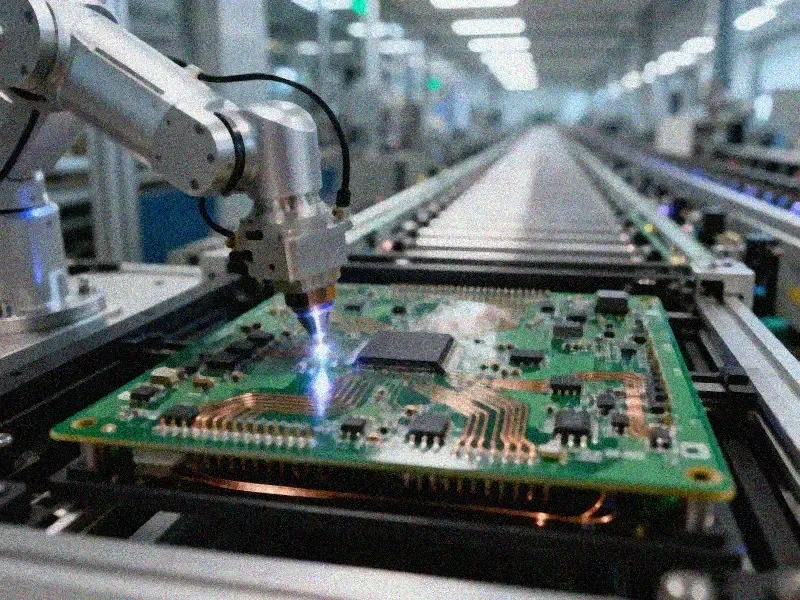
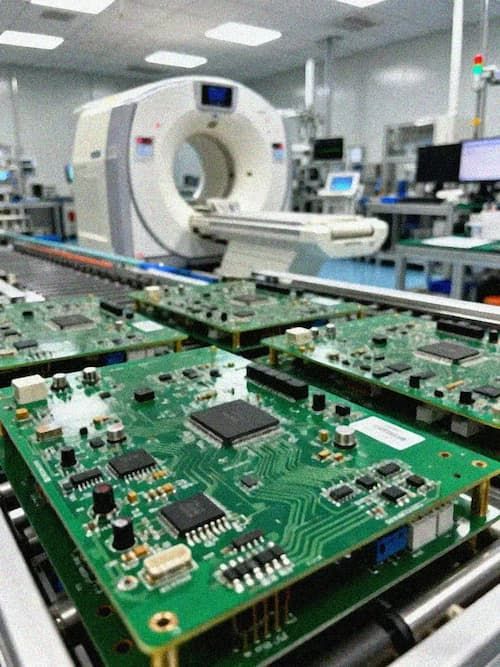
Optimizing Low-Volume PCB Assembly
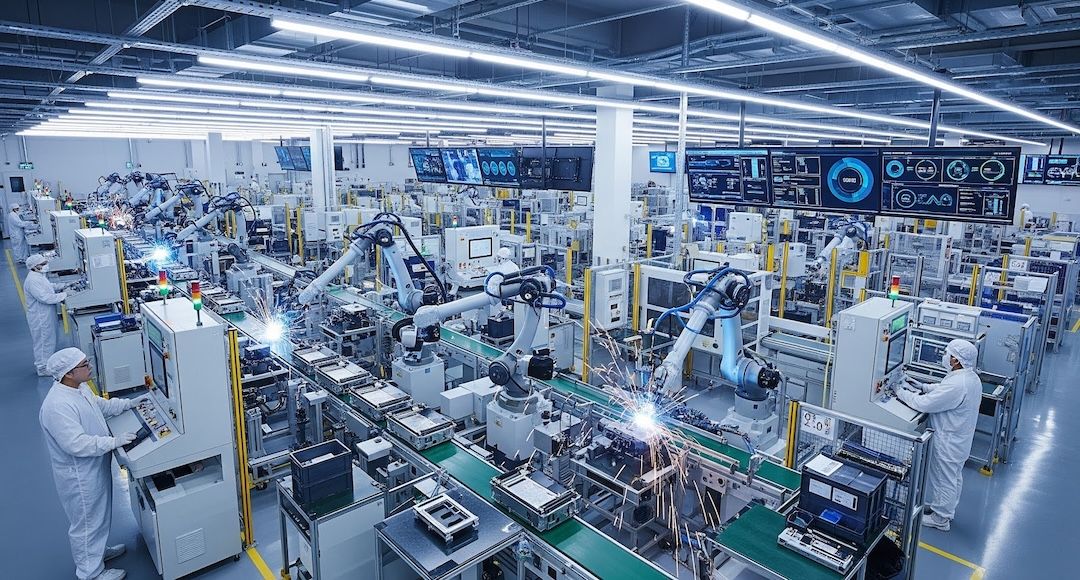
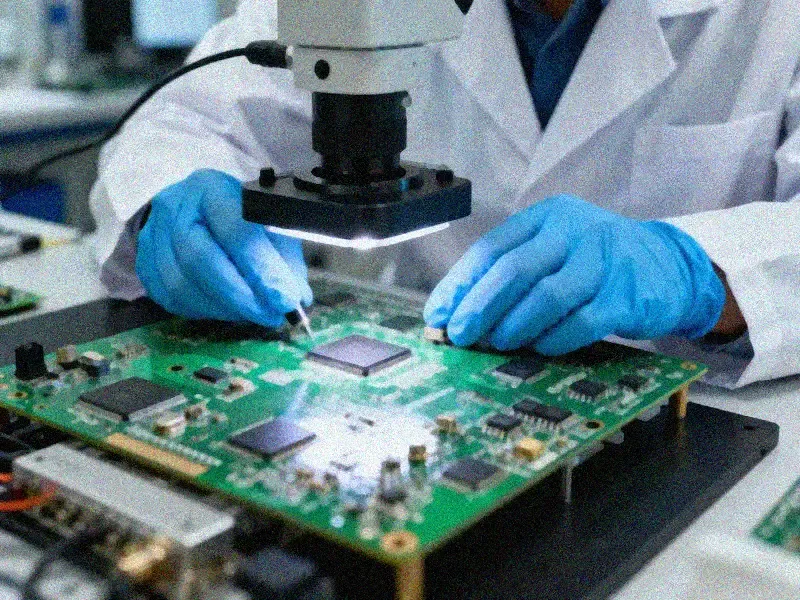
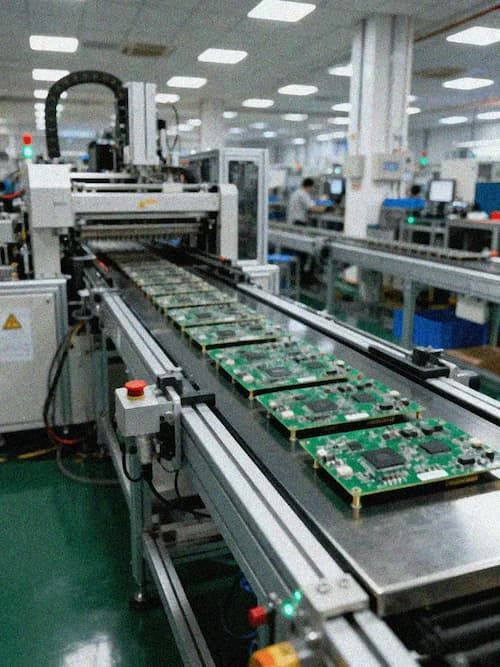
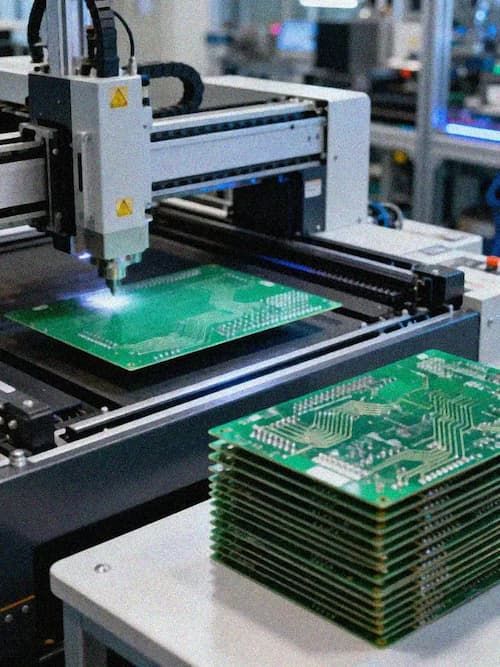
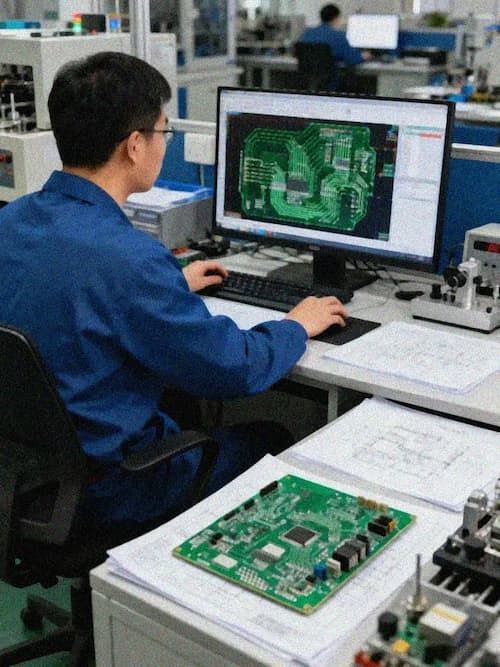
Optimizing low-volume assembly hinges on the seamless transition between prototyping and New Product Introduction (NPI). While prototypes serve to validate functionality and manufacturing processes, consistency must be maintained when moving to low-volume validation batches. Furthermore, Design for Manufacturability (DFM) analysis must be conducted early to prevent manufacturability issues from surfacing only during the assembly stage. The IPC-A-610 standard provides a practical framework for electronic assembly, enabling the control of quality fluctuations across batches within acceptable limits while simultaneously reducing rework costs.
One-Stop Procurement and Manufacturing
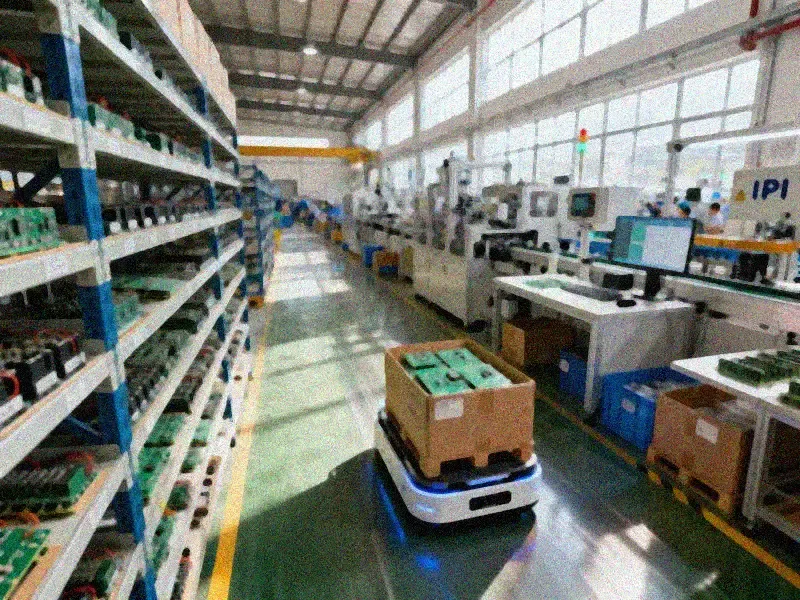
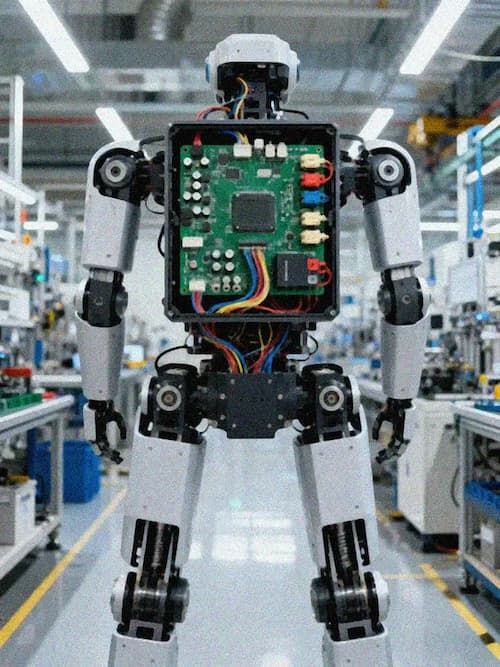
Managing a fragmented supplier base increases risks related to communication and delivery lead times. KINGBROTHER offers customers a comprehensive, one-stop service—covering BOM consolidation, component procurement, supply chain coordination, and IPDM solutions (integrating embodied intelligence and AI)—that unifies the entire process from BOM to PCBA delivery into a single supply chain, thereby alleviating the burden of coordinating across multiple suppliers.
Ultimately, a secure supply is a prerequisite for mass production. BOM procurement, alternative sourcing strategies, and small-batch assembly are interdependent; any gap in one of these areas is amplified as production scales up. As hardware products transition from the prototyping phase to small-batch production, teams that consolidate procurement and manufacturing with a single partner are typically able to bring their products to market faster.