Overview
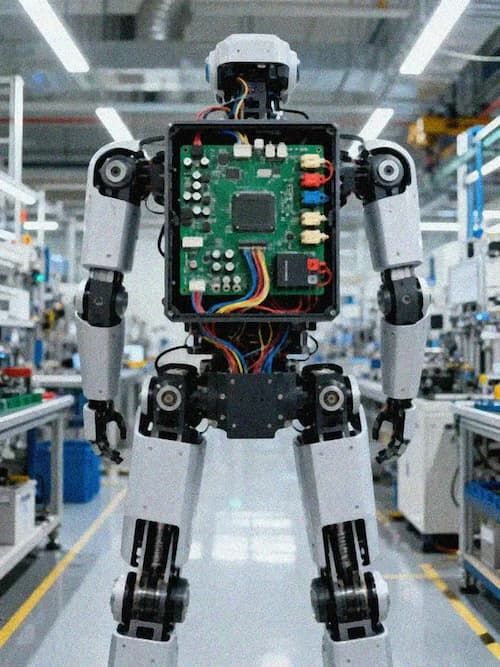
Product design & manufacturing is a core end-to-end process that bridges conceptual hardware innovation and scalable mass market deployment, directly determining product performance, production yield, time-to-market, and total cost of ownership for hardware projects. Disjointed design and production workflows often lead to common industry pain points including manufacturability flaws in design outputs, repeated prototype iterations, unplanned cost overruns, performance mismatches between design intent and finished products, and delayed launch timelines. Integrated product design & manufacturing services unify all stages of the hardware development lifecycle, from initial concept validation and schematic design to prototype testing, mass production, and post-delivery technical support, resolving these pain points while adapting to the diverse functional, performance, and cost requirements of cross-industry hardware projects. These services are suitable for both new product development initiatives and optimization upgrades for existing product lines, providing reliable technical support for hardware teams of all sizes.
Technical Capabilities
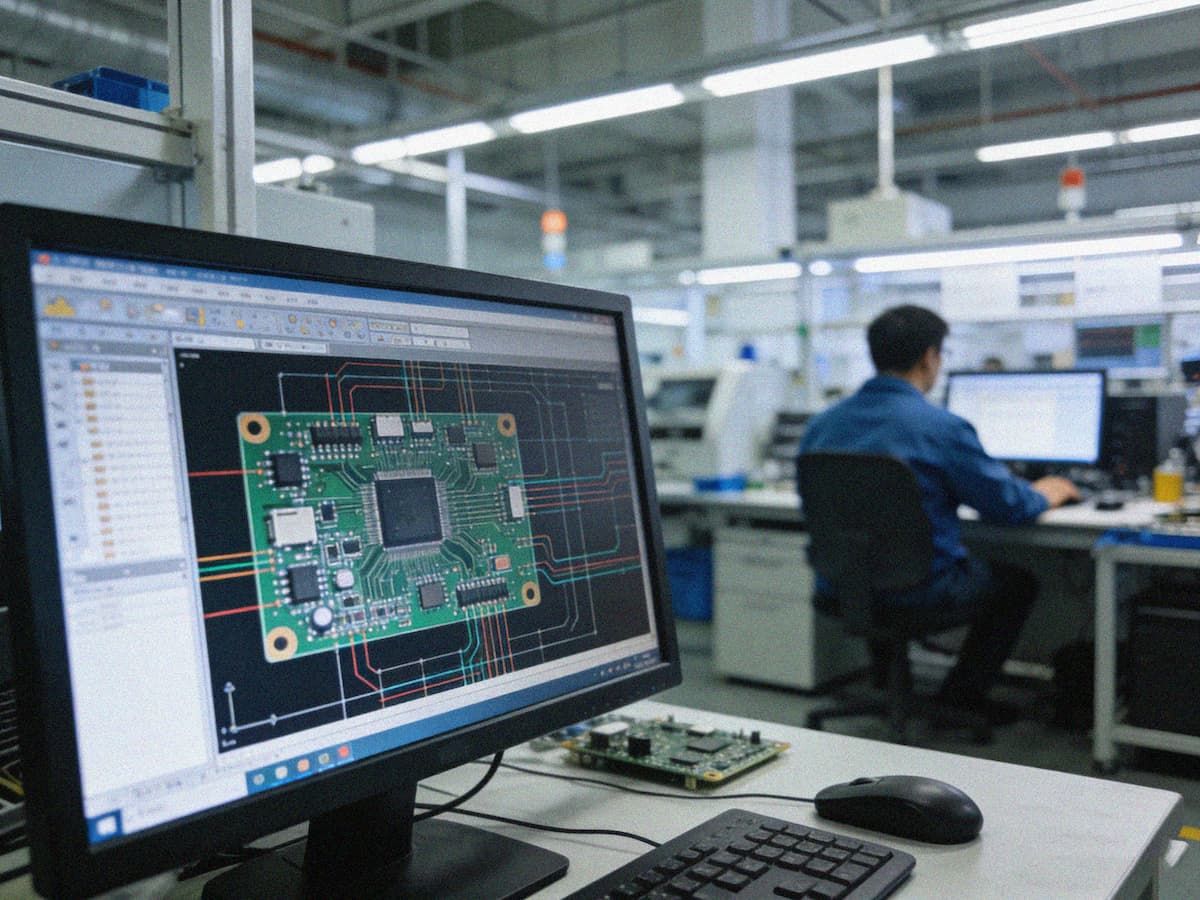
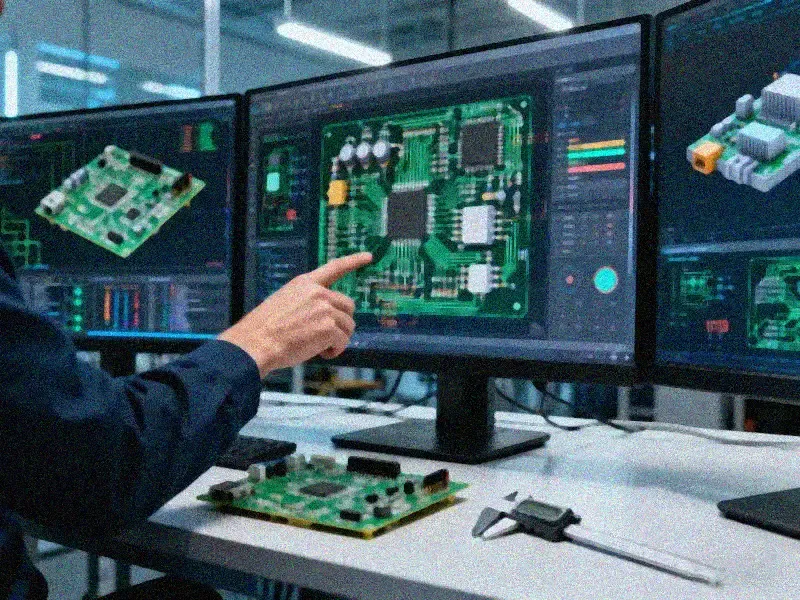
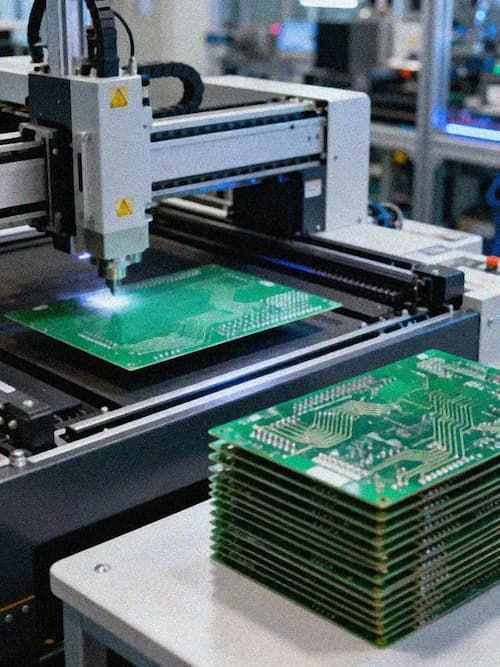
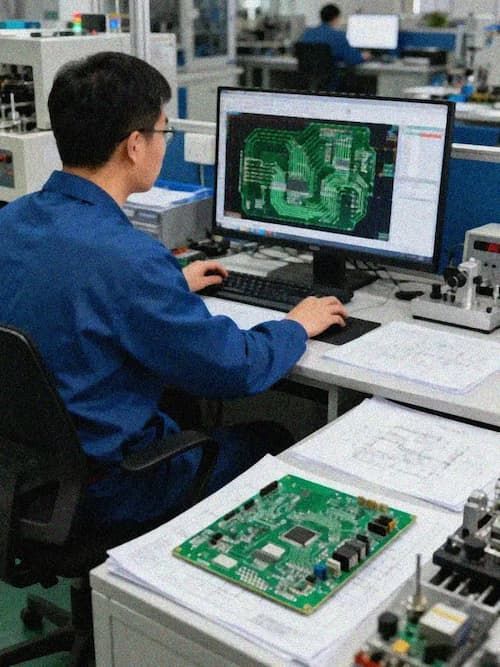
- Full-Coverage Design Service System: The service scope covers all core design segments required for hardware product development, including industrial design (ID) focused on appearance styling, material selection, color matching, and cross-component electromechanical coordination to balance product aesthetics and functional practicality. Structural design services include material performance matching, production process optimization, mold opening solution refinement, structural reinforcement design, and environmental protection design, ensuring products meet required mechanical strength, impact resistance, dust and water resistance, and other environmental adaptability indicators. The system also supports professional CAD design, schematic development, and high-complexity PCB layout design, compatible with specialized PCB types including buried resistance buried capacitance boards, buried magnet boards, buried component boards, buried copper block boards, and buried ceramic boards for high-performance hardware scenarios.
- Multi-Platform and Multi-Interface Compatibility: Design capabilities support all mainstream hardware development architectures, including ARM, DSP, FPGA, and GPU platforms, adapting to the computing power and functional requirements of different hardware products. Interface design support covers common communication and power supply protocols, including voice transmission protocols such as I2C, TDM, and PCM, as well as DC and AC power supply design, meeting the diversified interface configuration requirements for different application scenarios.
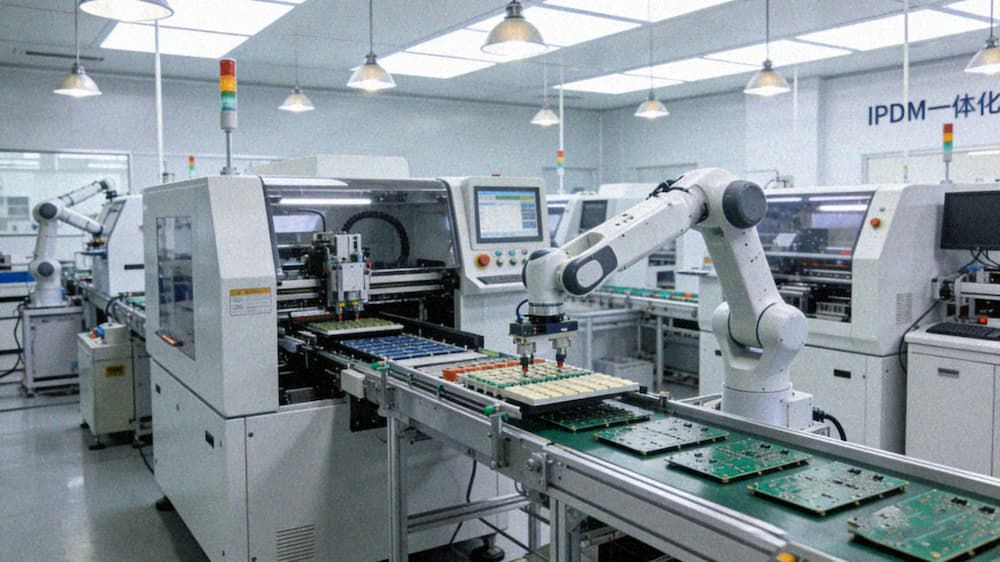
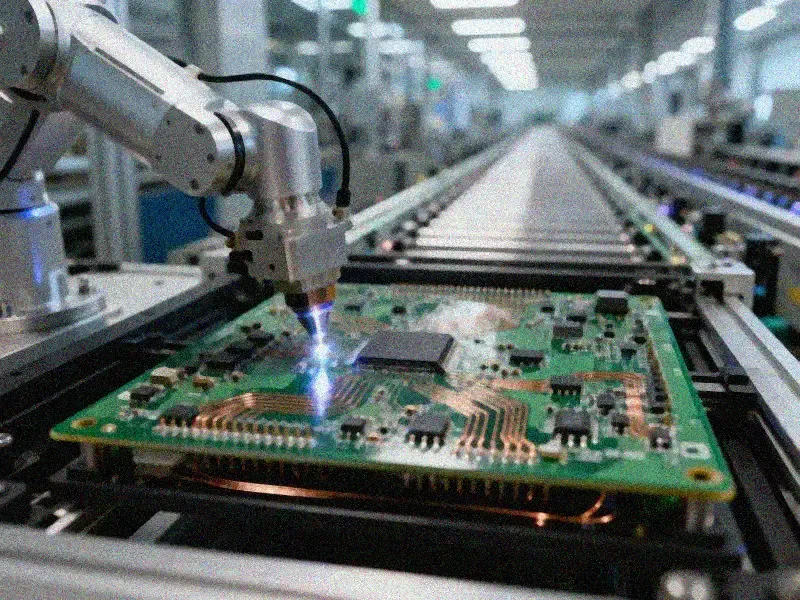
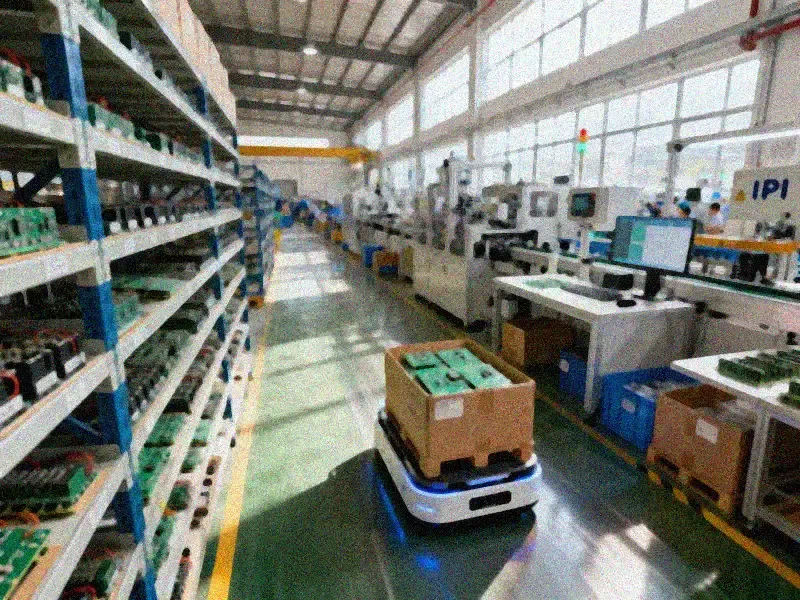
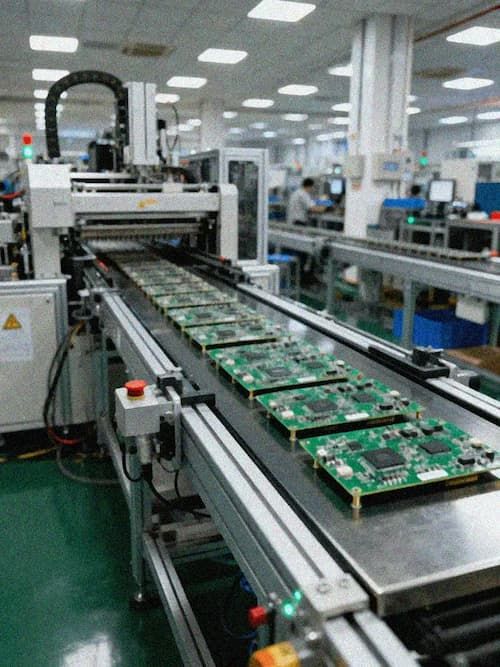
- Flexible Production Capacity Configuration: Production lines are configured to support both low-volume prototype production for functional and reliability verification, as well as high-volume mass manufacturing for official market deployment, with dynamic adjustment of production resources to meet order requirements of different scales without compromising production accuracy, quality consistency, or lead time commitments.
- Whole-Process Technical Support: Technical support runs through the entire product development and production lifecycle, including early-stage solution component selection, hardware scheme design and feasibility verification, firmware burning and debugging, development environment construction for subsequent secondary development, and post-production functional testing guidance, eliminating technical bottlenecks across all stages and reducing the technical threshold for hardware project implementation.
Quality Standards
- Design for Manufacturability (DFM) Pre-Verification: All design outputs undergo systematic DFM inspection prior to entering the production stage, covering line width and spacing compliance, impedance control accuracy, material compatibility, mold opening feasibility, and assembly process rationality, to identify and resolve potential manufacturability issues at the design stage, reducing post-production modification costs and improving the first-pass yield of prototype and mass production.
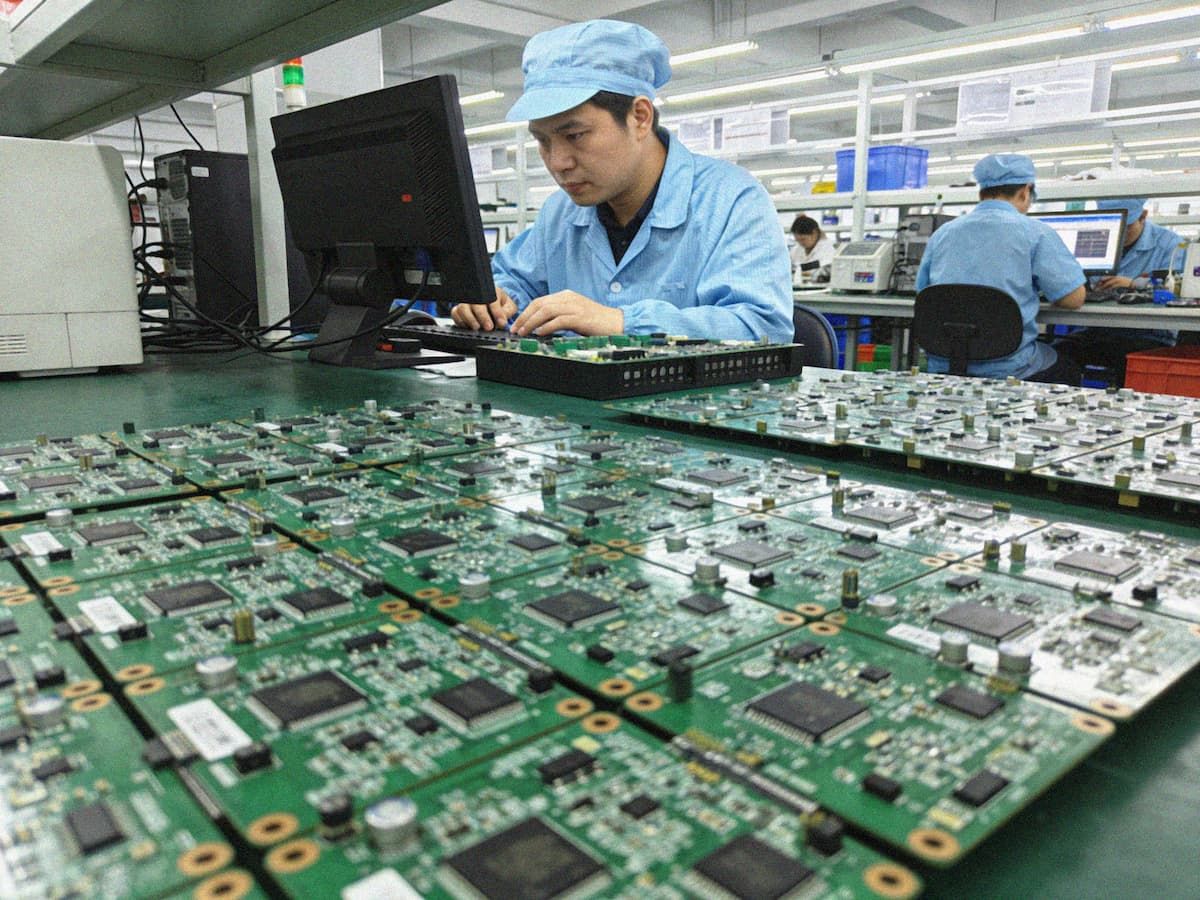
- Full-Process Production Traceability Control: All production processes follow international general quality management system specifications, with full traceability records for raw material batches, production process parameters, operator information, and testing results for each production unit, ensuring consistent product performance across different production batches and supporting subsequent quality tracking for product batches after delivery.
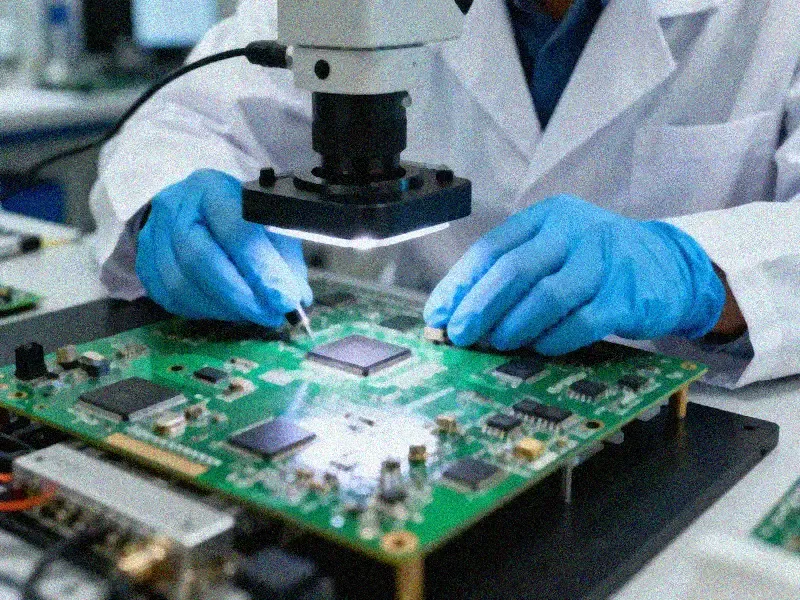
- Multi-Dimensional Finished Product Testing System: Finished products undergo a comprehensive testing process before delivery, including electrical performance testing to verify functional compliance, environmental reliability testing covering high and low temperature cycling, constant humidity and heat resistance, vibration and shock resistance to verify adaptability to harsh application environments, EMC testing to ensure compliance with electromagnetic compatibility requirements, and full functional validation to ensure all design indicators are met.
Applications
Integrated product design & manufacturing solutions can be widely adapted to hardware development needs across multiple industry segments, including:
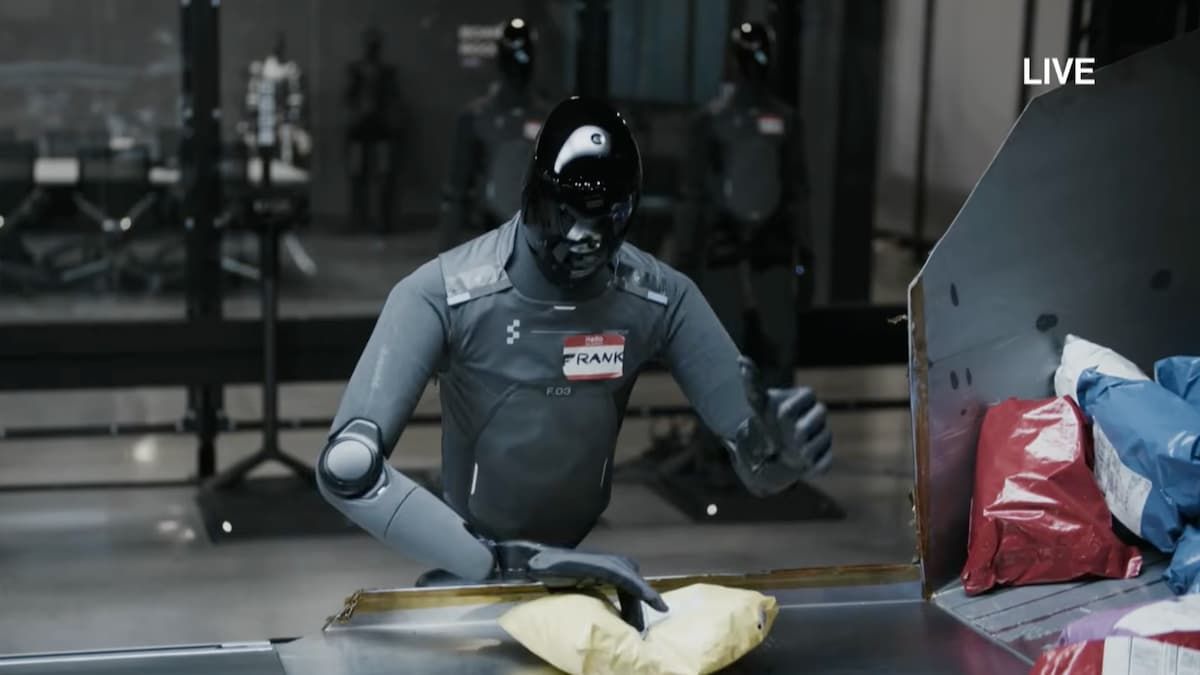
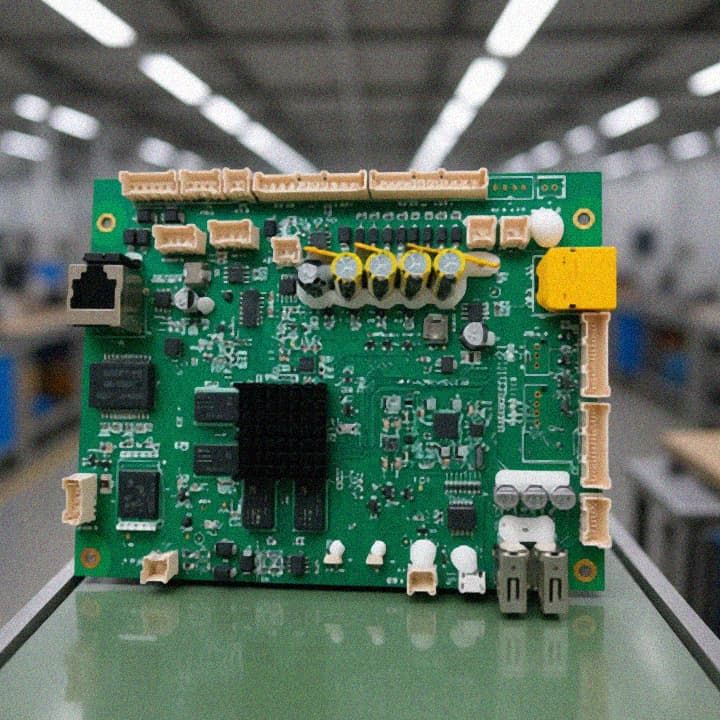
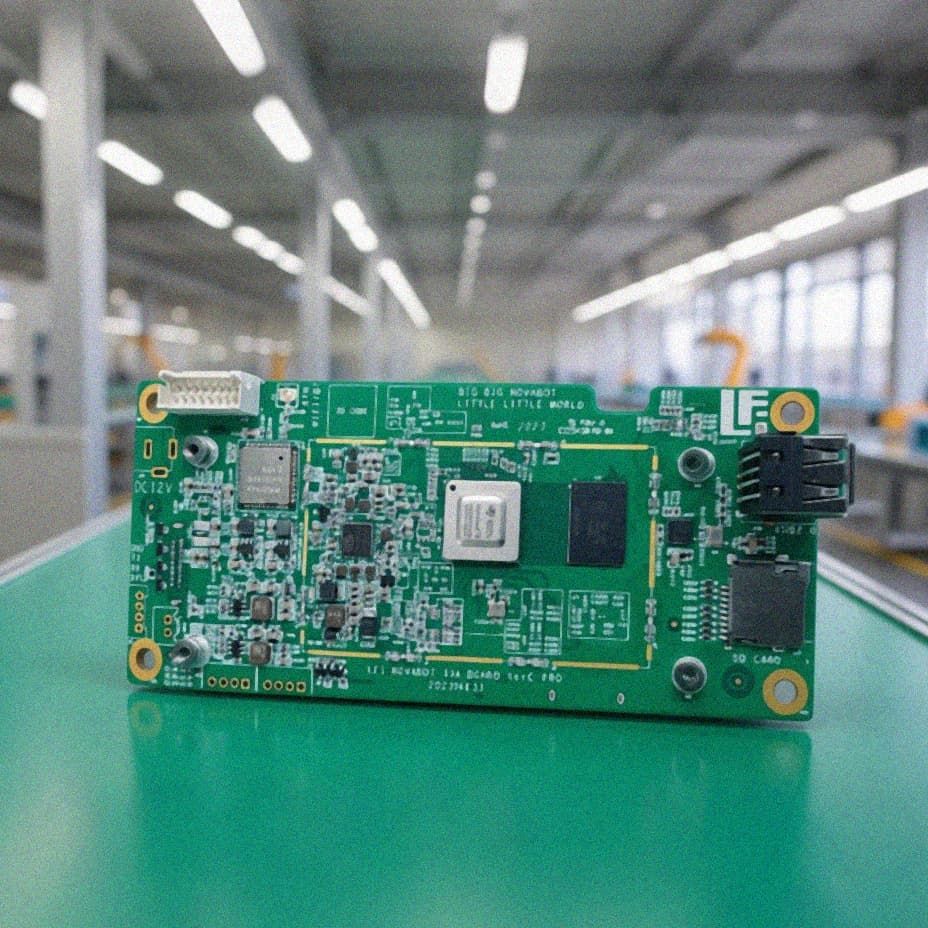
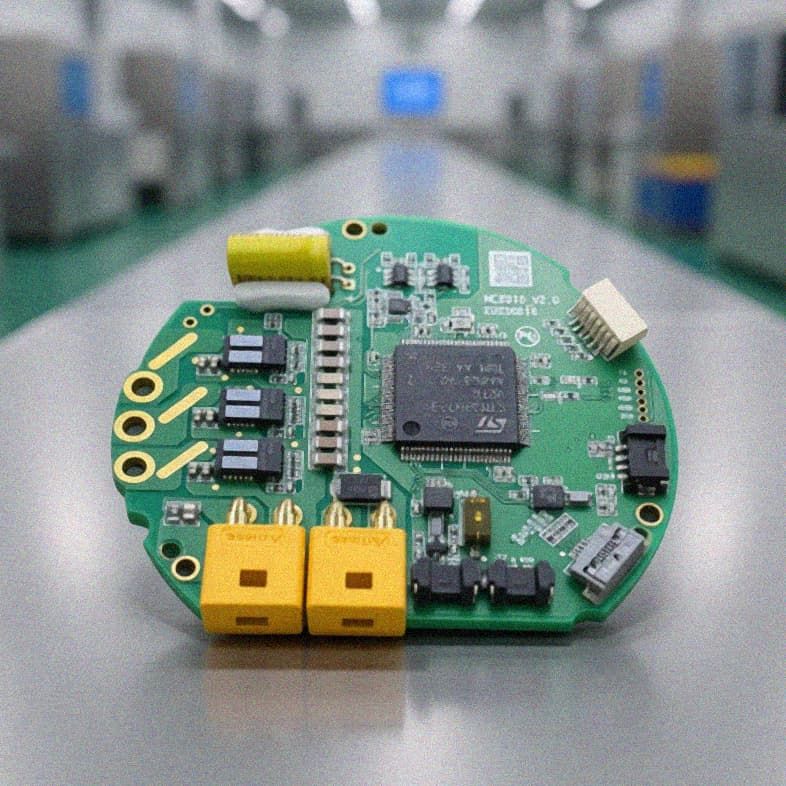
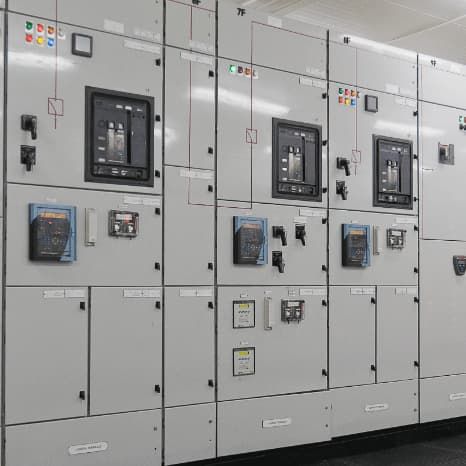
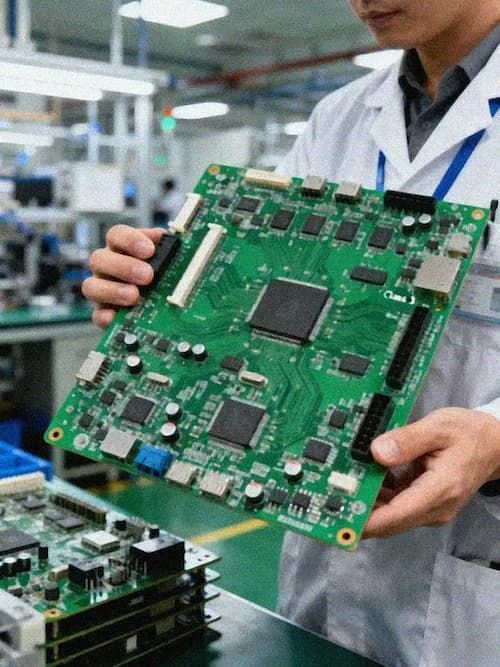
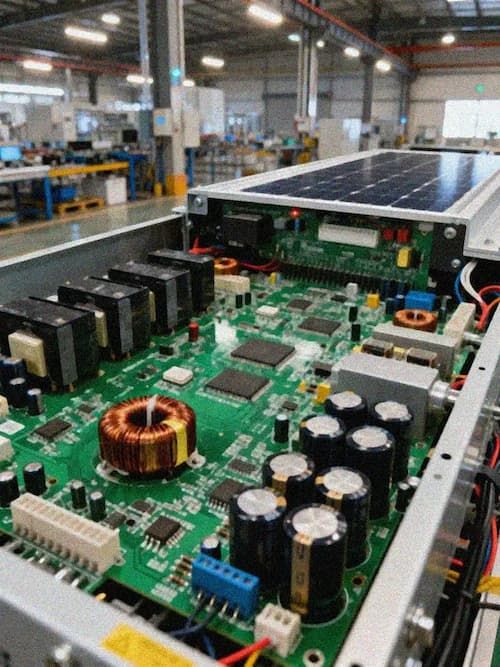
- Industrial Electronics: Suitable for the development of industrial control mainboards, edge computing gateways, industrial sensor modules, production line automation equipment, and autonomous inspection robots, meeting requirements for long-term stable operation in harsh industrial environments with high dust, high temperature, and high electromagnetic interference.
- Consumer Electronics: Applicable to smart wearable devices, smart home control terminals, portable audio and video equipment, and IoT interactive devices, balancing aesthetic design requirements, functional performance indicators, and mass production cost control to support large-scale deployment in the consumer market.
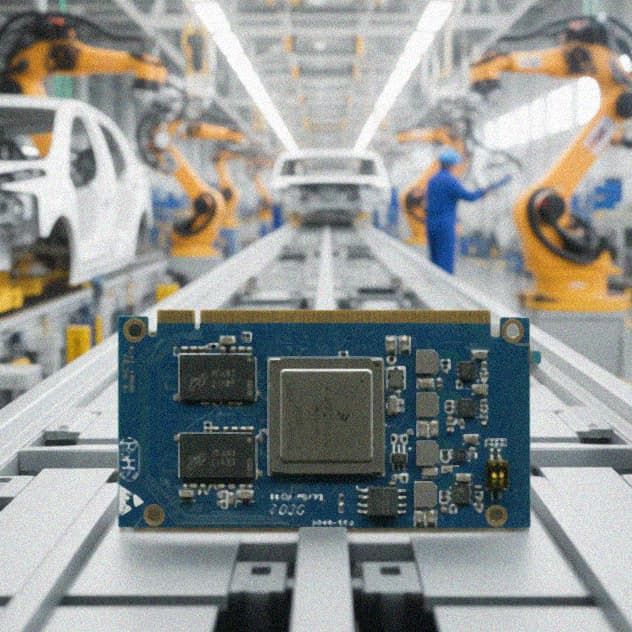
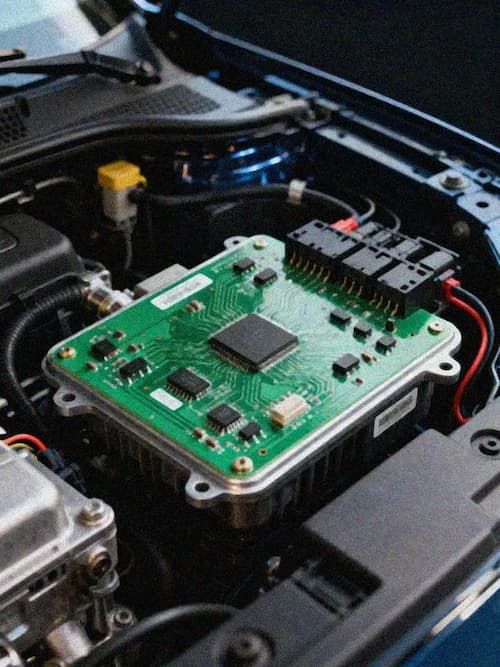
- Automotive Electronics: Supports the development of in-vehicle infotainment systems, autonomous driving perception modules, vehicle domain controllers, and smart cockpit core control units, complying with strict automotive industry reliability and safety standards for wide temperature range operation and long service life.
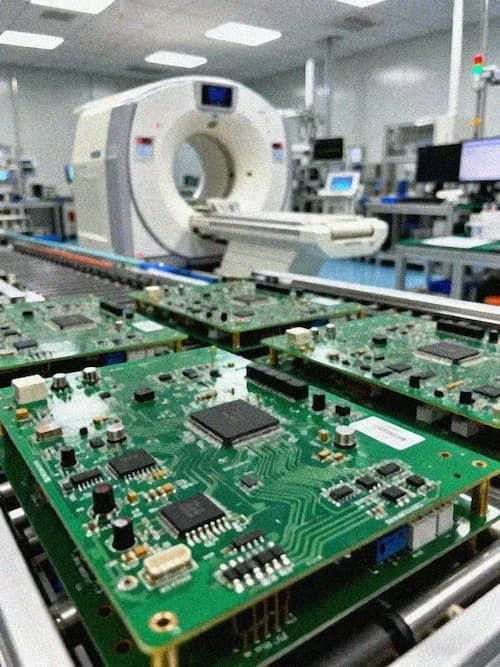
- Medical Electronics: Adapted to the development of portable diagnostic equipment, patient monitoring terminals, medical imaging auxiliary devices, and in-hospital IoT transmission systems, meeting medical industry regulatory requirements for product safety, performance stability, and data transmission accuracy.
- Communication Equipment: Suitable for the development of 5G small base stations, network switching equipment, optical module terminals, and data center internal hardware, supporting high-speed signal transmission design requirements and high-density circuit board manufacturing needs.
Key Advantages
- Seamless Design and Production Alignment: The integrated design and production workflow eliminates communication gaps between separate design and production teams, ensuring that design intent is fully realized in the mass production stage, while optimizing design solutions for manufacturability to reduce unnecessary design iterations and shorten project cycles.
- Significantly Reduced Time-to-Market: End-to-end service coverage eliminates the need for customers to coordinate multiple third-party vendors for different stages of design, production, and testing, shortening the entire product development cycle by 30% to 40% compared with traditional disjointed service models, helping products gain first-mover advantage in highly competitive markets.
- Optimized Total Cost of Ownership: DFM optimization in the early design stage reduces production waste and post-production repair costs, while bulk raw material procurement advantages and efficient production line configuration help reduce overall production costs without compromising product quality, effectively controlling the total cost of ownership for hardware projects.
- Flexible Customized Service Configuration: Services can be flexibly tailored according to customer project needs, supporting full-cycle end-to-end services for new product development, as well as separate stage support for design optimization, production capacity upgrade, or testing validation of existing products, adapting to project requirements of different scales and complexity levels.
Contact Information
If you have product design & manufacturing needs for hardware products of any complexity, please reach out to our technical team for professional support. We provide free pre-sales technical evaluation, customized solution drafting, and detailed quote services to help you turn your product innovation into a market-ready reality efficiently.