Overview
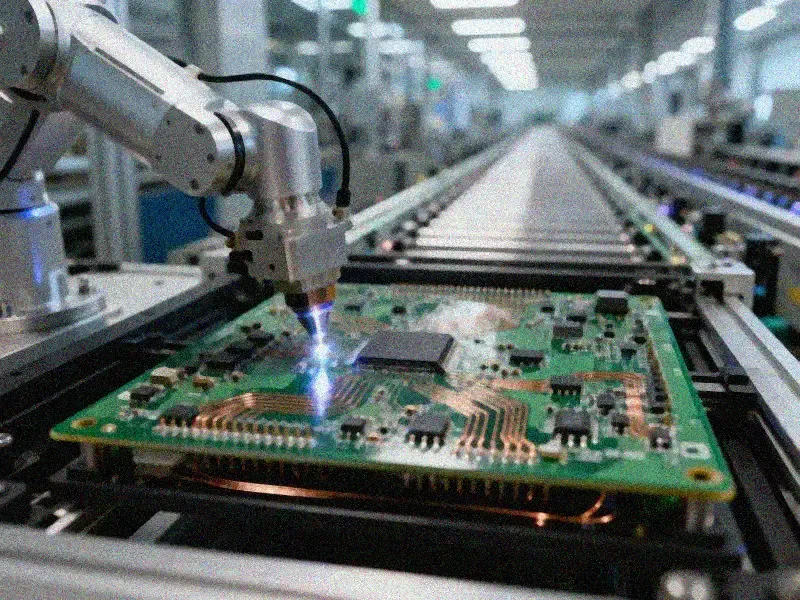
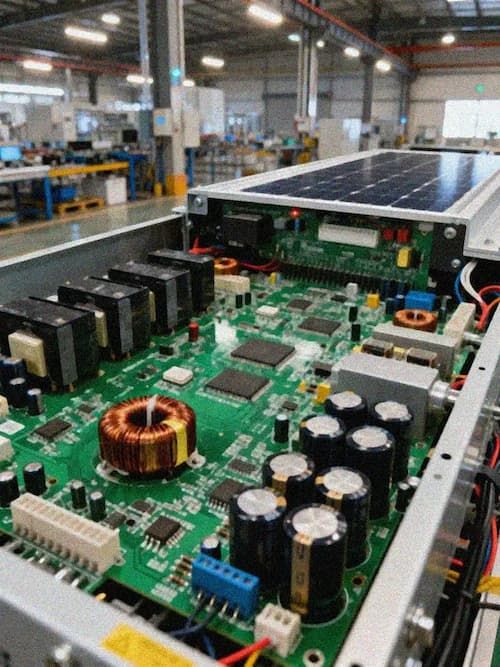
PCB design & manufacturing is the foundational core of all modern electronic systems, directly determining the performance, reliability, and production feasibility of end products across consumer, industrial, and high-tech sectors. The disconnect between design intent and manufacturing capabilities often leads to extended R&D cycles, unexpected production costs, and product performance failures after launch. End-to-end PCB design and manufacturing services integrate the full workflow from initial requirement assessment, schematic design, stack-up planning, layout optimization, and DFM (Design for Manufacturing) verification to prototyping, mass production, and post-production testing, eliminating cross-stage communication gaps and ensuring design solutions are both high-performance and production-ready. These services support custom requirements for a wide range of specialized board types, addressing core industry challenges including high-speed signal integrity, thermal management, harsh environment adaptability, and high-density component integration.
Technical Capabilities
Design Capabilities
- Interface and Power System Design: Supports design for mainstream communication and audio interfaces including I2C, TDM, and PCM, as well as DC and AC power system design with optimized power distribution networks to minimize power loss and noise interference.
- ID and Structural Design: Covers appearance styling, material selection, color matching, and electromechanical coordination for end product integration, alongside structural design optimizations including material and process selection, mold opening adjustment, structural reinforcement, and protective design for shock, vibration, and corrosion resistance.
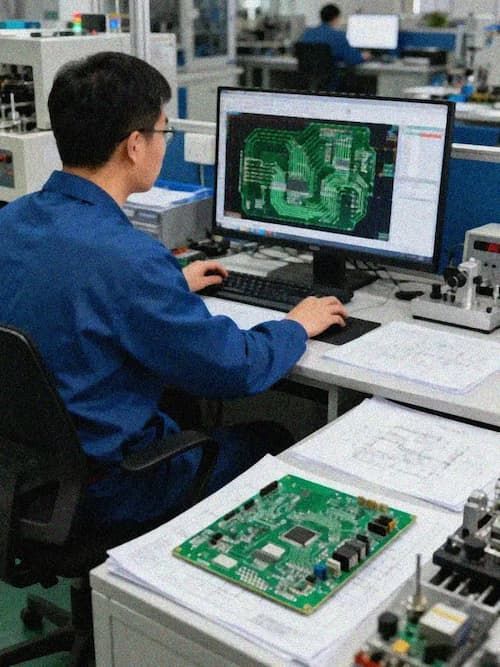
- Electronic Design Optimization: Includes schematic capture, stack-up planning, placement and routing optimization, signal integrity (SI) and power integrity (PI) simulation, and impedance matching to ensure stable signal transmission for high-speed and high-frequency applications. DFM checks are embedded at every design stage to identify and resolve manufacturing feasibility issues early, reducing later iteration costs.
Manufacturing Capabilities
- Wide Product Category Support: Covers nearly all mainstream and specialized PCB types, including:
- Standard boards: single-sided, double-sided, and multi-layer boards, HDI boards, rigid-flex boards, semi-flexible boards, heavy copper boards, metal substrate/metal core boards
- High-performance specialized boards: high-frequency boards, high-frequency hybrid boards, high-speed backboards, high-speed optical boards, IC substrate boards, ceramic PCBs
- Function-specific boards: buried resistance/buried capacitance boards, buried component boards, buried copper block boards, buried ceramic boards, buried magnet boards, high-resistance carbon oil boards, backlight mini-LED boards, mechanical blind buried boards
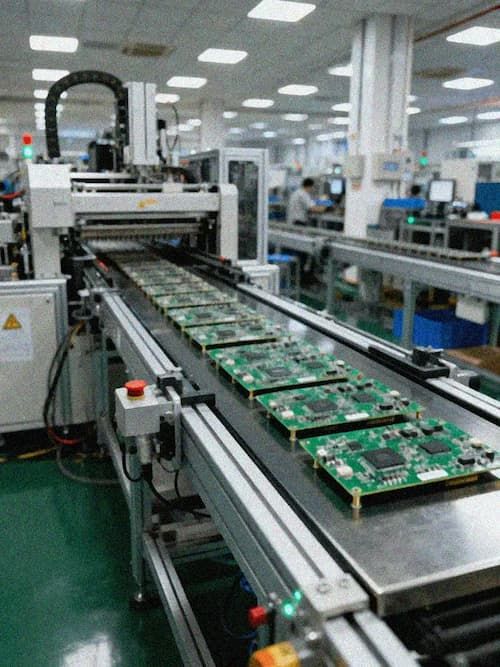
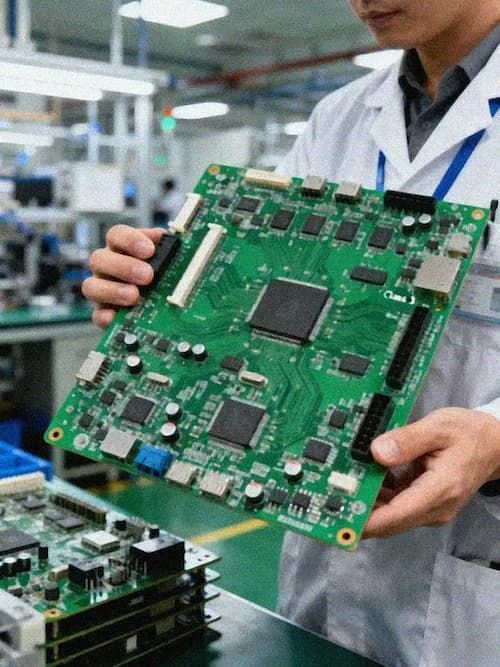
- Flexible Production Scaling: Supports both small-batch prototype production for R&D verification and large-scale mass production for commercial launch, with adjustable lead times to match different project timelines.
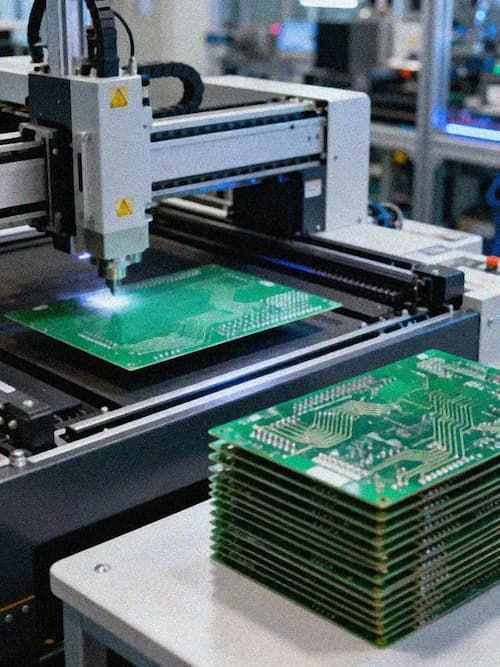
- High-Precision Process Control: Supports micro-via technology, fine line width/spacing down to 2.0/2.0mil, and high-precision impedance control with tight tolerance, meeting the requirements of high-density, high-performance electronic systems.
Quality Standards
All PCB design and manufacturing processes comply with international IPC standards and industry-specific regulatory requirements for different application sectors. A full set of testing and verification processes is implemented across the entire workflow to ensure product performance and reliability:
- Design Stage Verification: Includes SI/PI simulation, thermal performance simulation, EMC pre-testing, and DFM/DFT (Design for Testing) checks to eliminate design flaws before production.
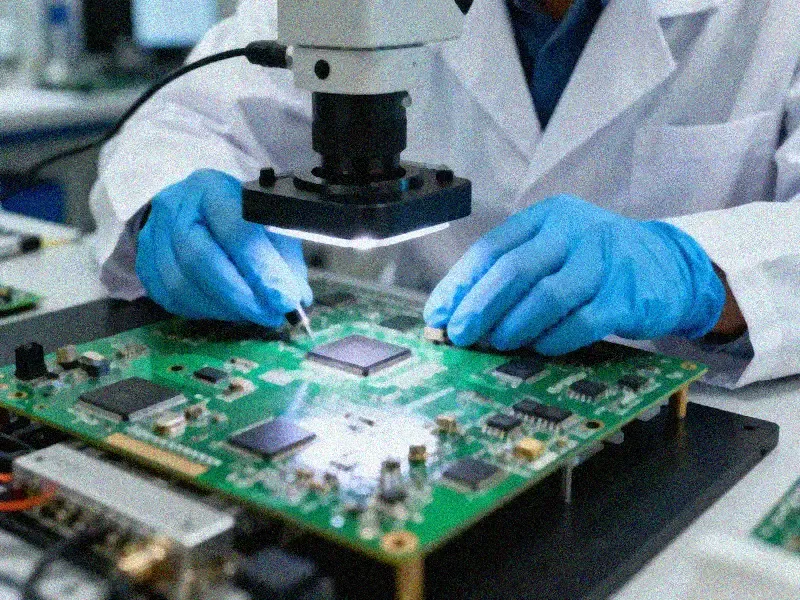
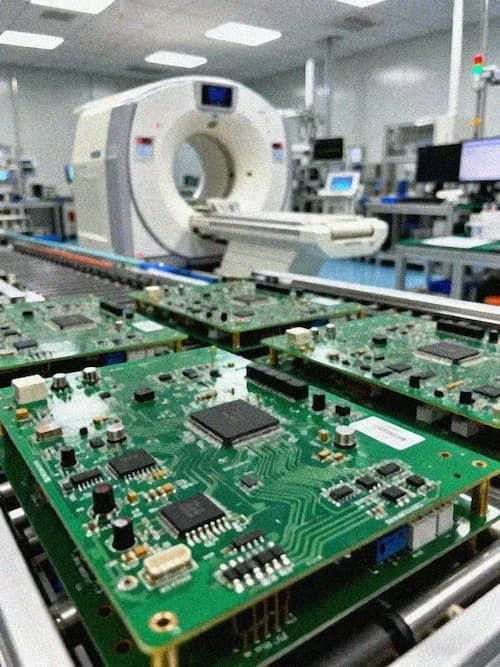
- Production Stage Testing: Covers X-Ray non-destructive testing for internal structure and alignment defects, electrical performance testing for connectivity and impedance accuracy, and appearance inspection for surface defects.
- Reliability Testing: Includes high/low temperature cycle testing, vibration and shock testing, humidity resistance testing, and salt spray testing for products intended for harsh industrial or outdoor environments, ensuring stable operation across a wide range of operating conditions.
Applications
PCB design & manufacturing solutions can be adapted to nearly all electronic application scenarios, including but not limited to:
- Communication Infrastructure: High-frequency and high-speed boards for 5G base stations, edge computing nodes, core network equipment, and satellite communication systems, supporting high-bandwidth, low-latency signal transmission.
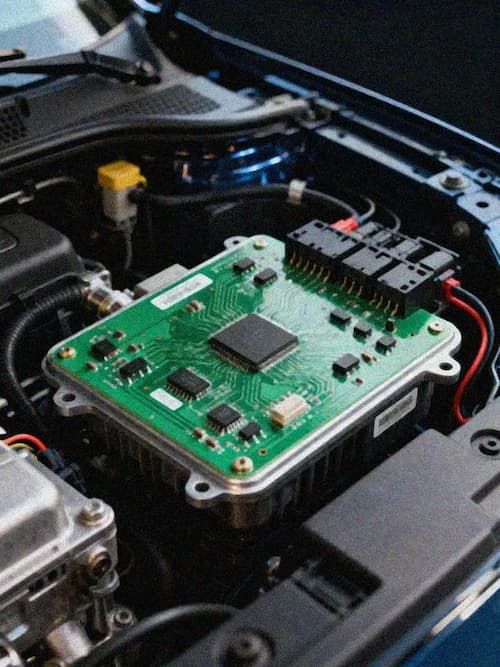
- Automotive Electronics: High-reliability metal core boards, rigid-flex boards, and high-speed boards for autonomous driving domain controllers, smart cockpit control units, battery management systems, and in-vehicle perception systems, meeting strict automotive-grade reliability and temperature adaptability requirements.
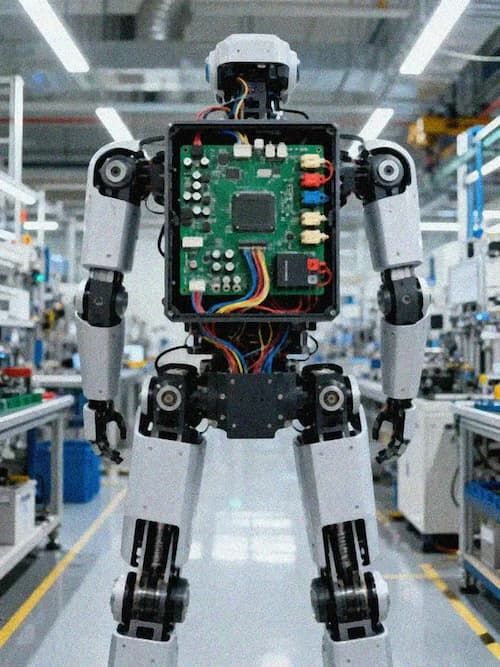
- Industrial Automation: Heavy copper boards, rigid-flex boards, and protective design optimized boards for industrial robots, PLC control systems, industrial inspection equipment, and power control units, adapting to harsh workshop environments with high vibration, high temperature, and dust exposure.
- Consumer Electronics: HDI boards, semi-flexible boards, and mini-LED backlight boards for smartphones, wearable devices, smart home terminals, and high-resolution display devices, supporting high-density integration and slim product form factors.
- Medical Electronics: High-reliability ceramic boards and biocompatible material PCBs for medical imaging equipment, patient monitoring devices, and in vitro diagnostic equipment, meeting strict medical industry safety and reliability standards.
- High-Performance Computing: High-speed backplanes and high-frequency hybrid boards for servers, AI computing hardware, and semiconductor testing equipment, supporting high-speed data transmission between high-performance computing chips and memory modules.
- Aerospace and Defense: Lightweight, high-reliability specialized boards for avionics systems, satellite payloads, and defense communication equipment, withstanding extreme temperature, pressure, and radiation conditions.
Key Advantages
- Integrated Design and Manufacturing Workflow: The close alignment between design and production teams ensures that design solutions are optimized for manufacturing feasibility from the earliest stages, reducing R&D iteration cycles by 30% on average and lowering unexpected production costs caused by design flaws.
- Comprehensive Specialized Board Support: Covers almost all niche and high-complexity PCB types, eliminating the need for customers to coordinate with multiple suppliers for different board requirements, simplifying supply chain management.
- Customizable Performance Tuning: Services can be tailored to specific project requirements, including impedance control parameters, thermal management optimizations, protective design for special environments, and production scaling plans, adapting to unique performance and cost targets for different projects.
- Full-Process Quality Traceability: Each production stage has complete quality records, enabling full traceability of product performance from design to final delivery, making it easy to identify and resolve issues quickly for both prototype and mass production batches.
Contact Information
If you have custom requirements for PCB design & manufacturing, including technical feasibility assessment, cost estimation, prototype testing, or mass production planning, you can reach out to the professional technical support team for targeted, customized solutions and free pre-sales technical consultation.