Overview
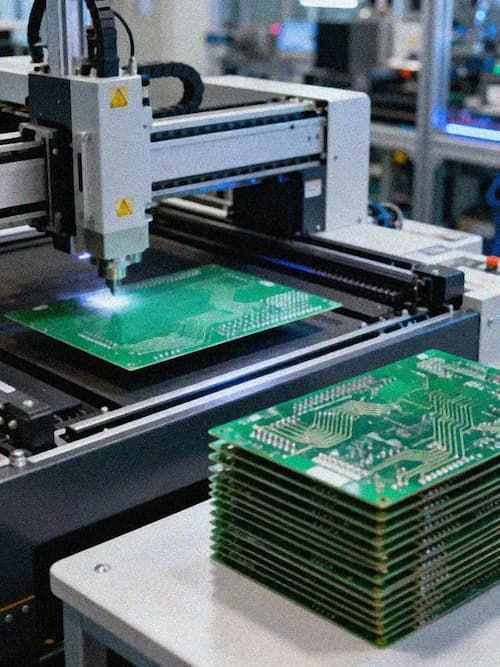
Open source IoT hardware serves as the foundational layer for scalable, interoperable IoT ecosystem deployment, eliminating vendor lock-in, reducing product development cycles, and lowering long-term iteration costs for enterprises across industries. As connected device deployments grow in complexity, demands for flexible, customizable open source hardware that supports multiple processor architectures, open operating systems, and edge computing workloads continue to rise. Our end-to-end open source IoT hardware solutions cover the entire product lifecycle from schematic design and PCB fabrication to PCBA assembly, firmware integration, and whole-machine testing, addressing core pain points such as signal integrity degradation in high-density designs, cross-platform compatibility issues, and reliable operation in harsh deployment environments. These solutions are optimized to support rapid prototyping, small-batch trial production, and large-scale mass production, enabling teams to bring innovative IoT products to market faster without compromising on performance or reliability.
Technical Capabilities
Processor & Hardware Platform Support
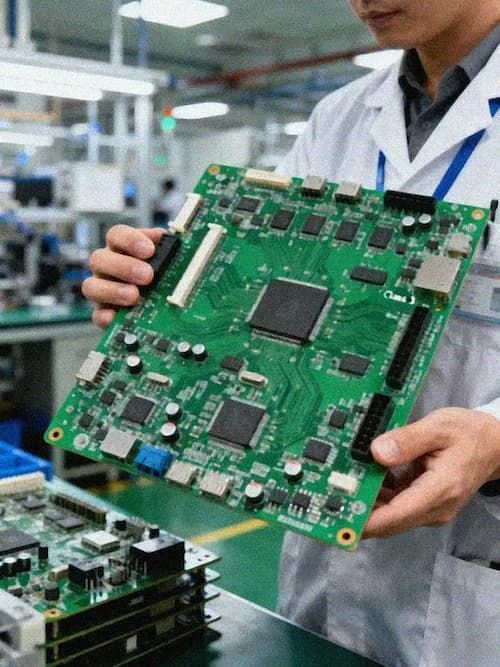
- Diverse Processor Architecture Support: Covers all mainstream processor platforms suitable for open source IoT use cases, including ARM (TI AM3358, AM4376, AM5728; NXP i.MX6, i.MX8, LS1043; Rockchip RK3288, RK3399, RK3566, RK3568, RK3588; Allwinner T3, T5, A20; HiSilicon Hi3519, Hi3559), DSP (TI TMS320C6678, TMS320C665x series), FPGA (Xilinx ZYNQ7020 series), and GPU (Nvidia Jetson series, edge AI accelerator chips) platforms, adapting to diverse workloads from low-power sensor nodes to high-performance edge computing gateways.
- Full Storage Configuration Support: Supports all common storage types for IoT hardware, including SDRAM, DDR2, DDR3, LPDDR3, DDR4, LPDDR4, eMMC, NAND FLASH, SPI FLASH, QSPI FLASH, EEPROM, and SRAM, enabling flexible configuration based on data storage and processing requirements of different IoT scenarios.
PCB Design & Fabrication Capabilities
- High-Density Routing Support: Achieves minimum trace width/space of 2.0/2.0 mil for standard PCBs and 25/25 um for IC substrates, supporting miniaturized design of compact IoT devices for space-constrained deployment scenarios.
- Wide Process Parameter Range: Supports maximum board thickness of 12mm, maximum copper thickness of 18 OZ, and minimum mechanical hole diameter of 0.10mm, adapting to special requirements for high-power, high-vibration, and high-temperature IoT deployment environments.
- Precision Impedance Control: Delivers high-precision 100Ω/90Ω impedance control, minimizing signal reflection and crosstalk for high-speed communication interfaces including Ethernet, MIPI, and USB, ensuring stable data transmission for connected devices.
Software & System Integration Support
- Multi-OS Compatibility: Supports all mainstream open source operating systems for IoT, including Android, Linux, Wince, Ubuntu, and Debian, with full BSP development, kernel customization, and driver adaptation services to ensure seamless interoperability with existing IoT software ecosystems.
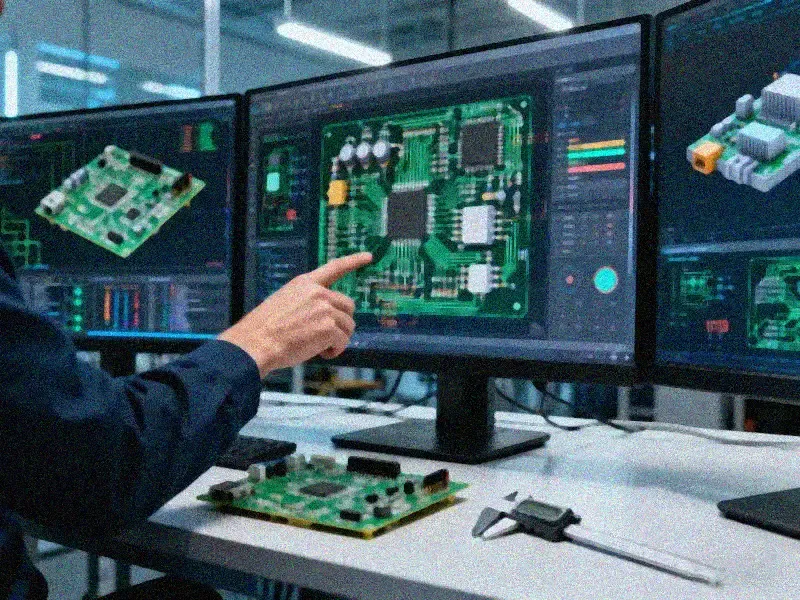
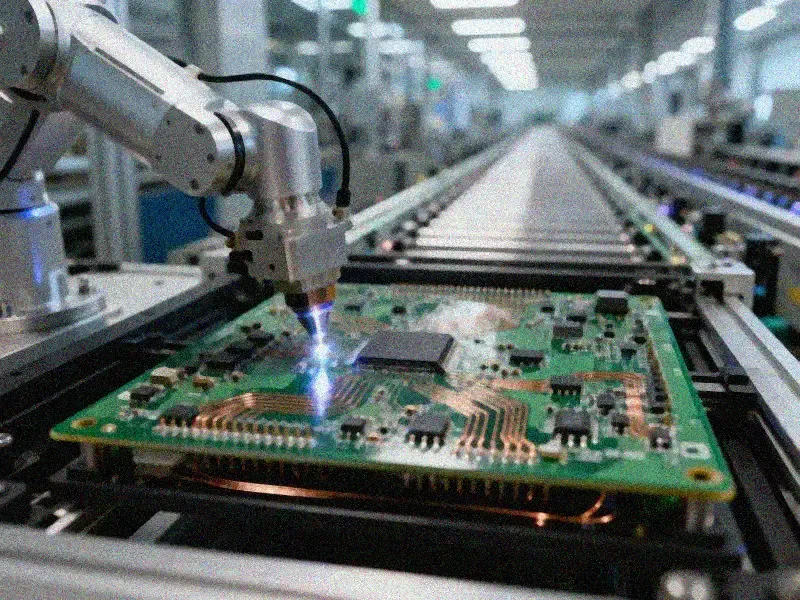
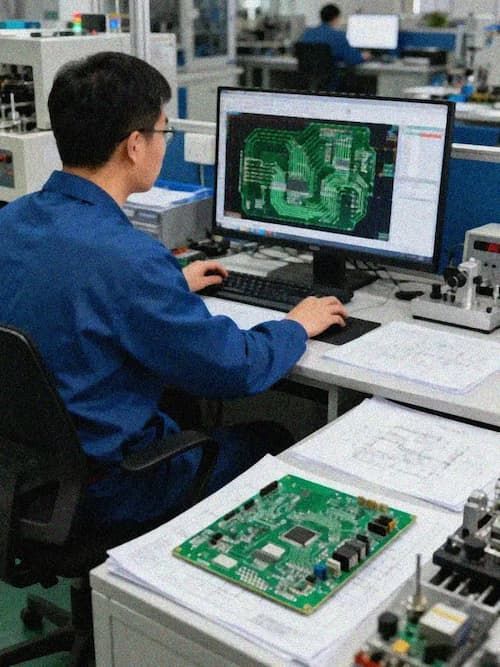
- End-to-End Integration Capabilities: Covers full-process services including component selection, schematic design, PCB layout, firmware burning, BOM procurement, PCBA production testing, and whole-machine assembly testing, eliminating the need for cross-vendor coordination and reducing integration risks.
Quality Standards
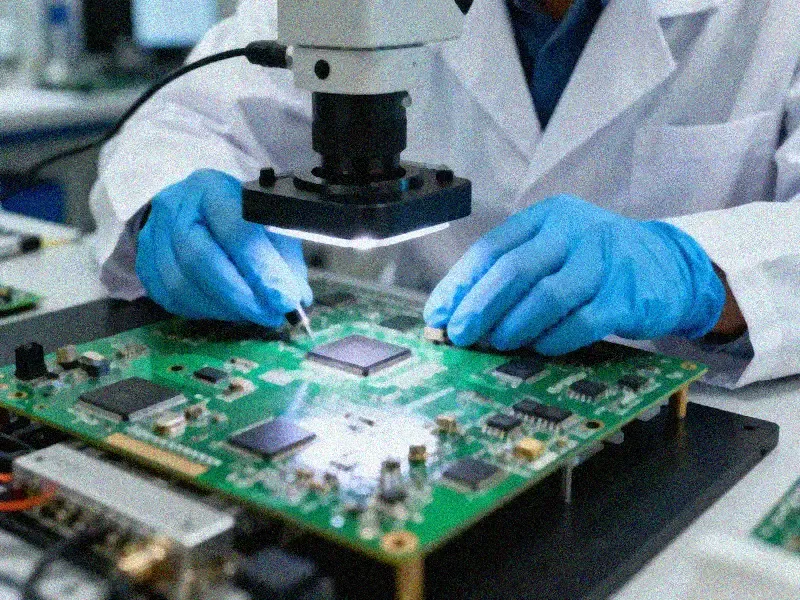
- Signal Integrity Validation: All open source IoT hardware designs undergo rigorous signal integrity verification, including insertion loss, return loss, and crosstalk testing, to ensure stable operation of high-speed communication interfaces under long-term load.
- Environmental Reliability Testing: Products are validated for stable operation across an industrial-grade temperature range of -40℃ to +85℃, with additional testing for vibration resistance, dust and water ingress protection, and EMC compliance, adapting to harsh deployment conditions in industrial, outdoor, and transportation scenarios.
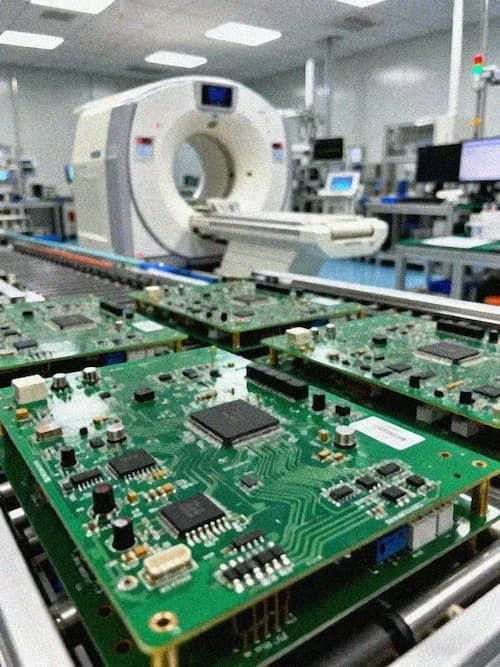
- Full-Lifecycle Quality Control: Implements strict quality inspection at every stage from prototype design to mass production, with 100% functional testing for all delivered units, ensuring consistent yield and long-term reliability for large-scale IoT deployments.
- Regulatory Compliance: All designs and manufacturing processes adhere to global IoT industry regulatory requirements, including CE, FCC, and RoHS standards, supporting product launch in multiple regional markets.
Applications
Open source IoT hardware solutions are applicable across a wide range of industry scenarios, including:
- Industrial IoT: Edge gateways, equipment condition monitoring sensors, production line data acquisition terminals, and industrial control nodes, enabling interoperability between legacy industrial equipment and modern cloud management platforms.
- Smart City: Public environment monitoring sensors, traffic flow collection terminals, smart street light control units, and community security edge nodes, supporting flexible iteration of smart city management functions via open source software ecosystems.
- Smart Agriculture: Soil and climate monitoring hubs, livestock tracking terminals, and irrigation system control units, with low-power design optimized for off-grid deployment in remote agricultural areas.
- Retail & Commercial IoT: In-store interactive terminals, customer flow analysis devices, inventory tracking sensors, and smart vending machine control units, enabling seamless integration with third-party retail management systems.
- Open Source Development Tools: Evaluation boards, development kits, and reference design platforms for IoT research and product development teams, reducing pre-development workload and accelerating product iteration cycles.
- Medical & Healthcare IoT: Patient vital sign monitoring terminals, medical asset tracking devices, and telemedicine edge gateways, with design compliance meeting medical industry reliability and data security requirements.
Key Advantages
- One-Stop Full-Stack Service: Covers the entire open source IoT hardware lifecycle from schematic design and environment setup to mass production and whole-machine delivery, reducing cross-stage communication costs and shortening product development cycles by an average of 30% compared to fragmented multi-vendor solutions.
- No Vendor Lock-In: Full support for open source hardware and software standards enables seamless migration between different processor platforms and software ecosystems, giving enterprises full control over their product iteration roadmap and long-term cost management.
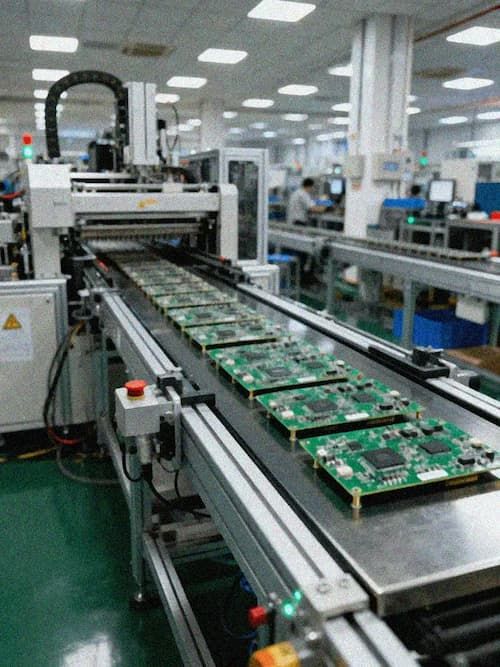
- Flexible Production Scaling: Adapts to all production volume requirements, from 1-unit prototype verification and 100-unit small-batch trial production to 100,000+ unit large-scale mass production, with consistent quality control across all production scales.
- Customized Technical Support: Provides tailored solutions based on specific use case requirements, including power consumption optimization for battery-powered devices, edge AI computing acceleration for intelligent IoT terminals, and miniaturization design for wearable IoT devices.
Contact Information
If you have any open source IoT hardware design, manufacturing, or integration requirements, reach out to our technical support team for a free pre-project evaluation. We will provide customized solutions aligned with your use case, performance, and budget parameters, with professional technical consulting support available throughout the project lifecycle.