Overview
The proliferation of AI-driven edge applications has created urgent demand for high-performance, high-reliability local computing hardware that eliminates the latency, bandwidth cost, and data privacy risks associated with cloud-based inference processing. Edge AI accelerators are purpose-built computing platforms designed to run deep learning workloads directly at the edge of the network, delivering low-latency, high-throughput AI inference capability for autonomous and intelligent devices that operate independent of consistent cloud connectivity. As edge deployment scenarios become increasingly diverse, ranging from mobile autonomous robots to fixed outdoor monitoring nodes, edge AI accelerators are required to balance strong computing performance, low power consumption, rugged environmental adaptability, and flexible integration capability to meet varied use case requirements. Modern edge AI accelerator solutions leverage advanced accelerated computing architectures to deliver industry-leading TOPS (tera operations per second) performance at low power draw, paired with rugged design and rich peripheral support to serve as the ideal computing core for edge deep learning deployment across industries.
Technical Capabilities
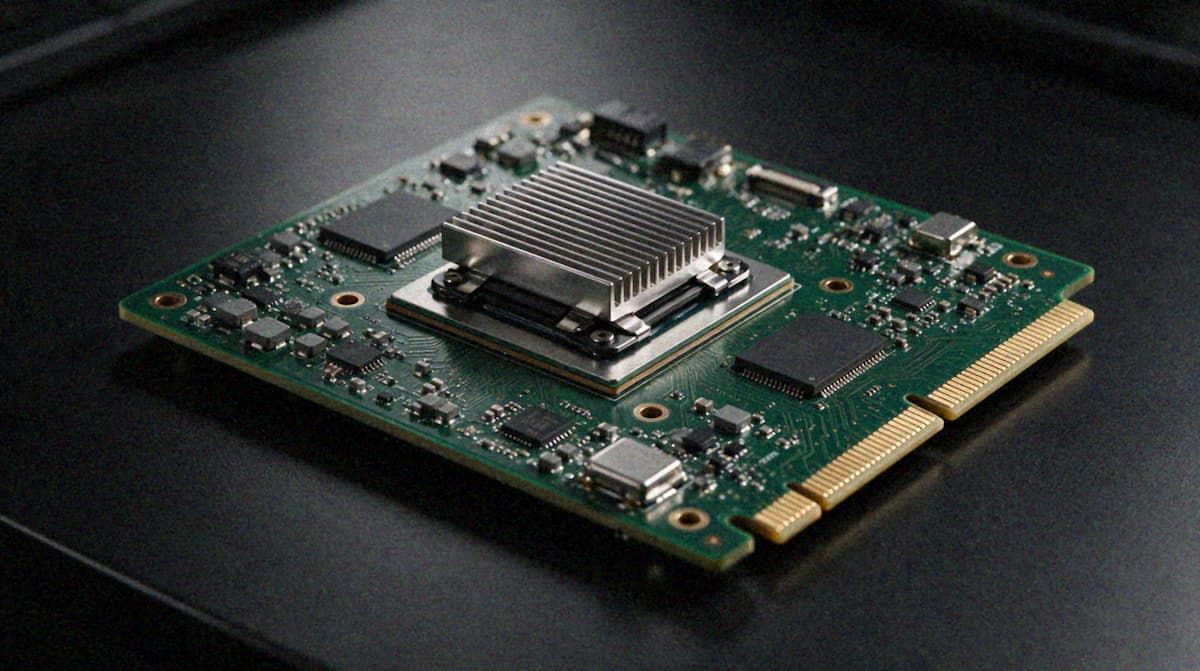
- Scalable AI Processing Performance: Offer tiered performance configurations ranging from 70 TOPS, 100 TOPS, 200 TOPS up to 275 TOPS peak AI computing power, built on advanced GPU modules with up to 1792 CUDA cores, supporting parallel processing of complex deep learning models including computer vision, natural language processing, and multi-sensor fusion workloads without offloading to cloud servers.
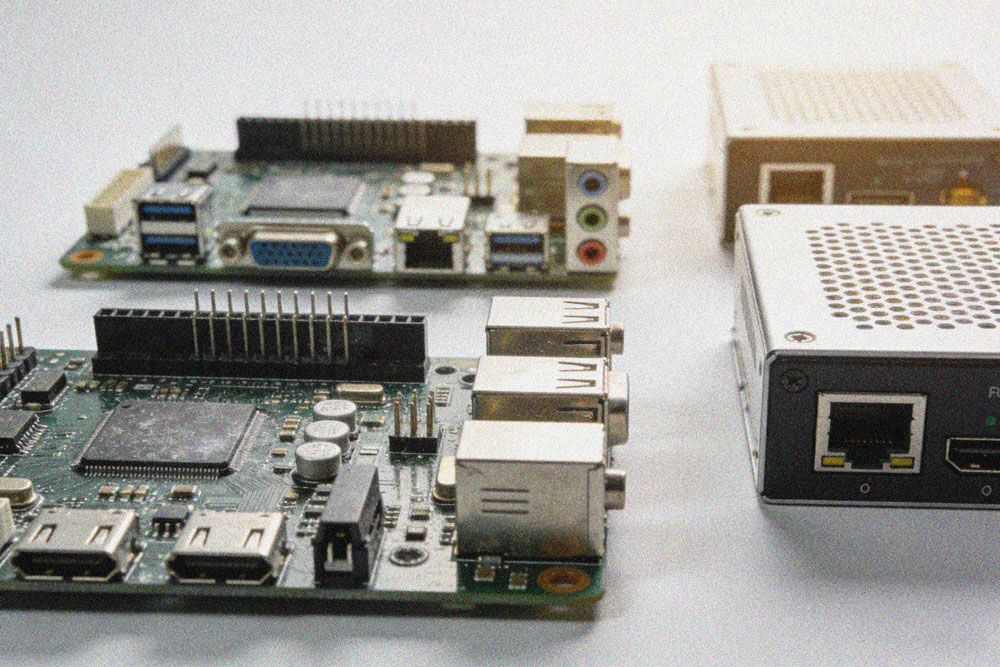
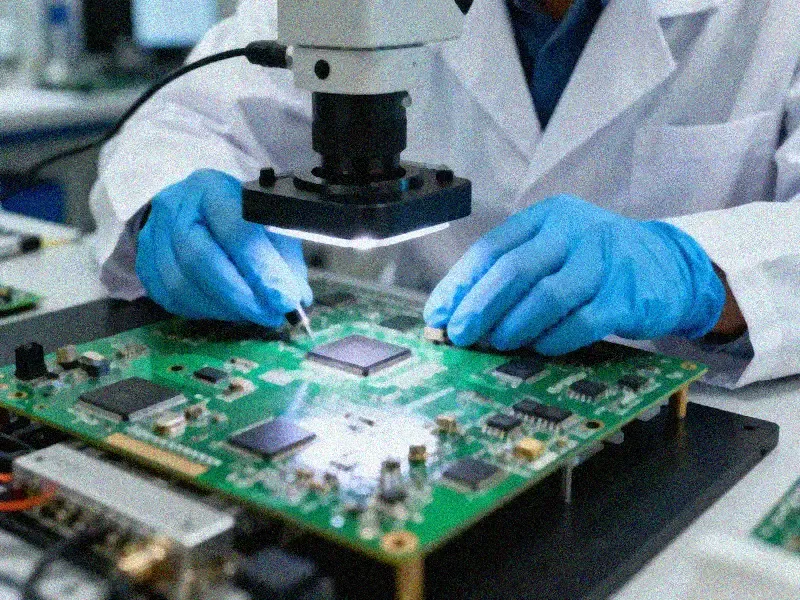
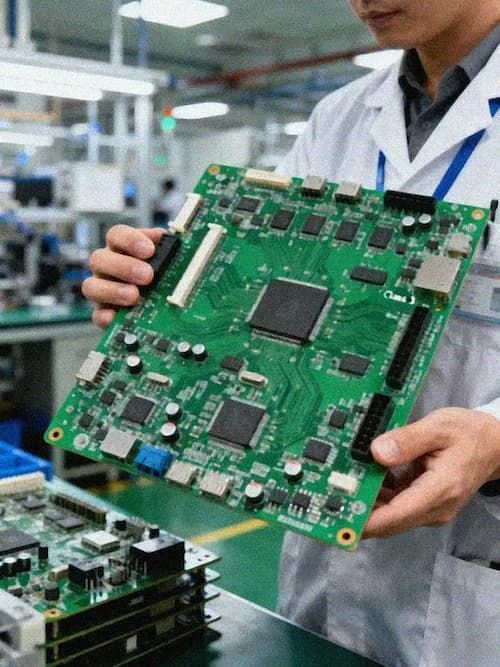
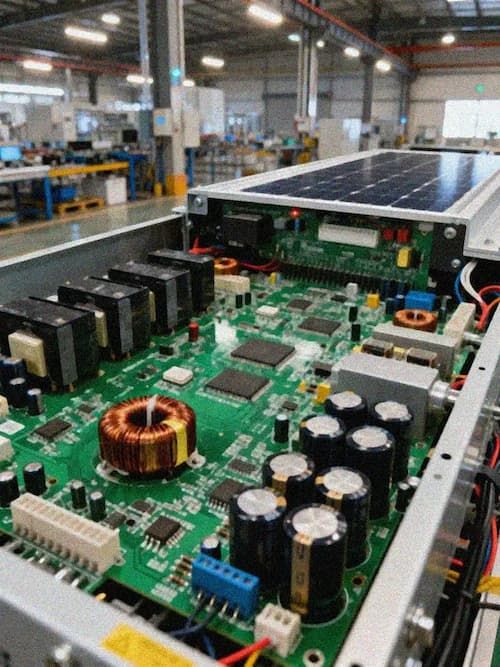
- Evaluation Board Support: Provide performance-optimized evaluation boards with full functional validation, supporting rapid prototyping and model testing for R&D teams, reducing the product development cycle while maintaining leading performance standards at a cost-effective price point.
- Rich I/O Interface Support: Equipped with a full range of standard and industrial I/O interfaces including USB, CAN, RS232, GPIO, and synchronous signal input/output, adapting to connection with various peripheral sensors, cameras, actuators, and communication modules to meet diverse edge deployment integration requirements.
- Optimized Thermal and Power Design: Adopt passive conduction cooling design paired with rugged lightweight aluminum alloy enclosures, delivering excellent heat dissipation performance without active fans, reducing mechanical failure points, supporting low-power operation suitable for long-term unattended edge scenarios.
- Built-in Connectivity Modules: Integrate 4G cellular and Wi-Fi communication modules natively, supporting real-time data transmission to upper management platforms as needed, while supporting offline operation mode to ensure service continuity when network connectivity is interrupted.
- Flexible Form Factor Design: Compact, lightweight form factor with dedicated field mounting brackets, adapting to installation in space-constrained edge devices and field sites, no complex retrofitting required for deployment.
Quality Standards
- Wide Temperature Operation Adaptability: Pass industrial-grade high and low temperature reliability testing, supporting stable operation across -40°C to +85°C ambient temperature range, adapting to harsh outdoor, factory floor, and mobile deployment environments.
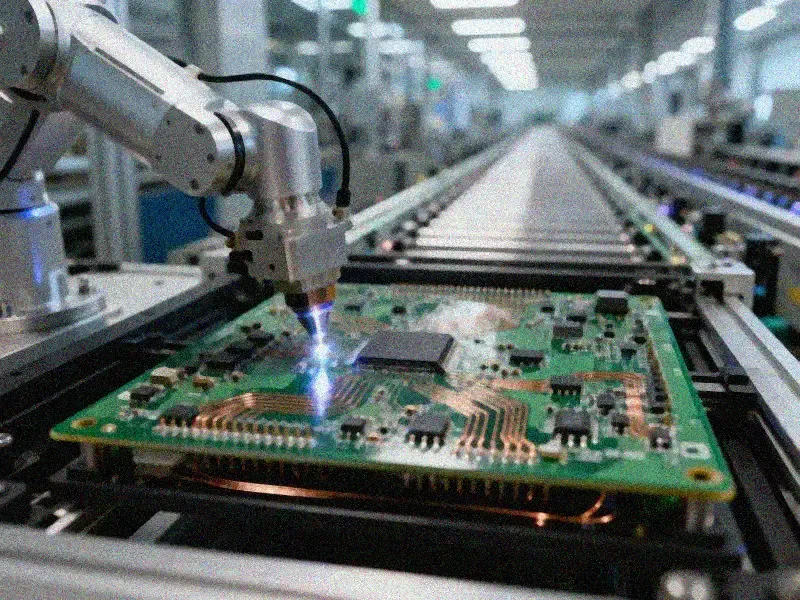
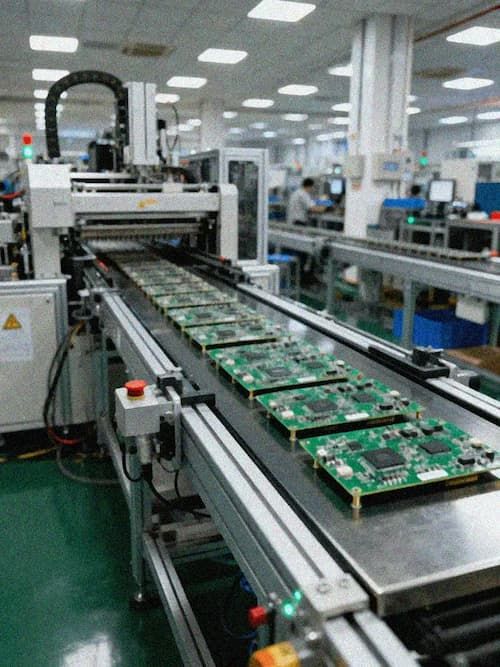
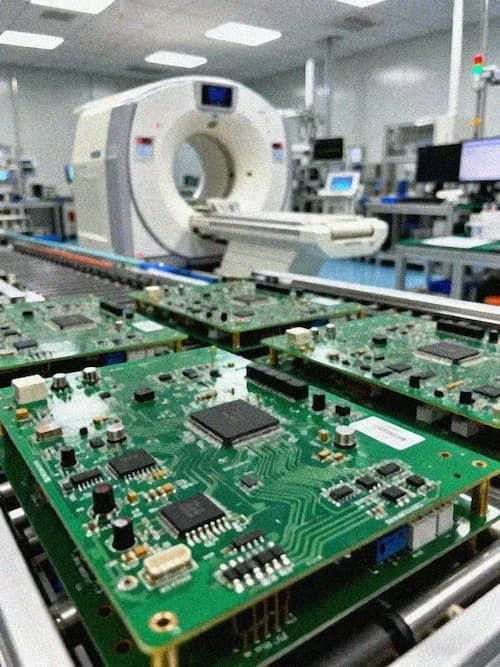
- Long MTBF Reliability: Undergo rigorous functional testing, vibration testing, and EMC verification before delivery, achieving industry-leading mean time between failures (MTBF) performance, reducing maintenance frequency and total cost of ownership for long-term deployment.
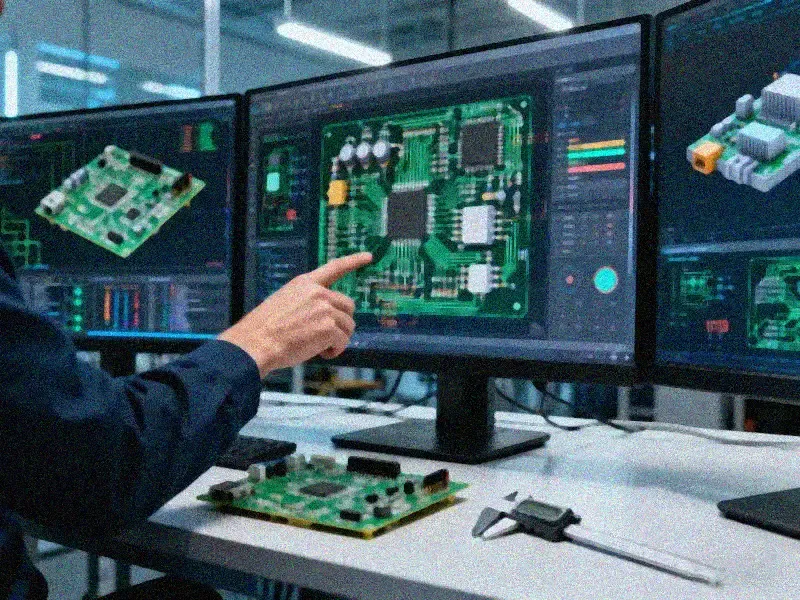
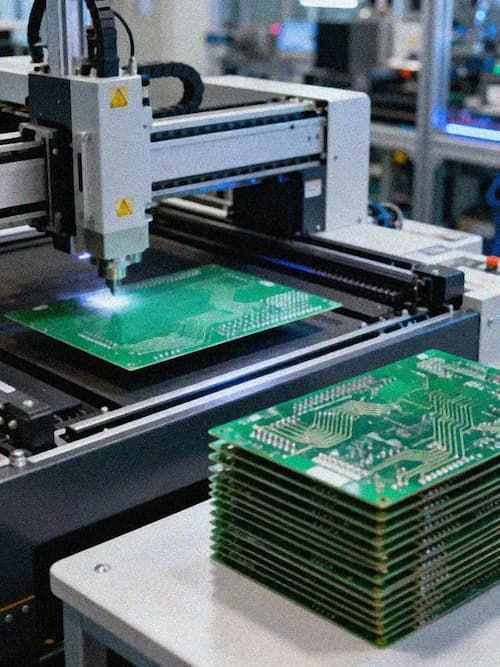
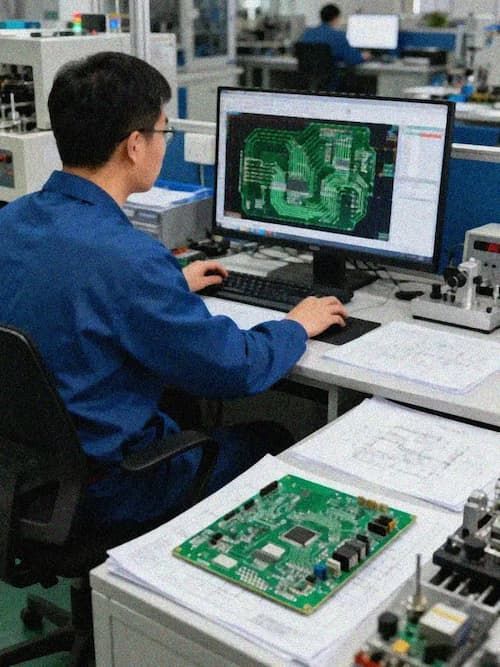
- Signal Integrity Assurance: Optimized PCB design with 100Ω/90Ω high-precision impedance control, independent ground planes, and electromagnetic interference shielding, ensuring stable high-speed signal transmission between computing units, memory, and peripheral interfaces, eliminating data loss or latency spikes during high-load AI inference operations.
- Compliance with Industry Standards: Meet global regulatory requirements for industrial electronic equipment, including EMC, safety, and environmental protection standards, suitable for deployment in multiple industries and regions without additional compliance modification.
Applications
Edge AI accelerator hardware is suitable for a wide range of edge deployment scenarios across industries, including but not limited to:
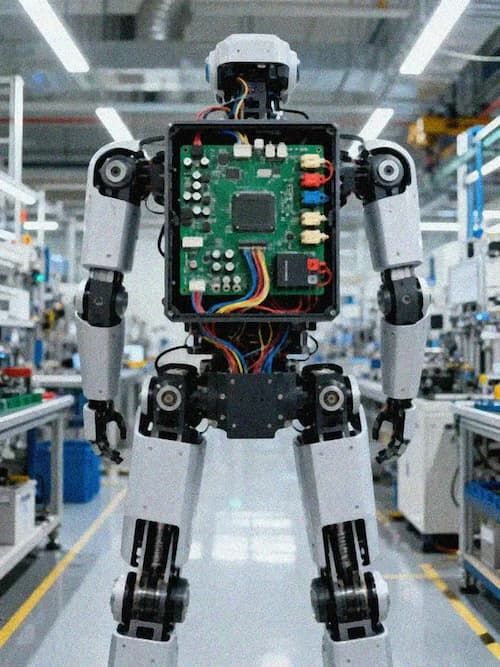
- Autonomous Mobile Robots: AGVs, material handling robots, cleaning robots, agricultural inspection robots, and last-mile delivery robots, supporting real-time perception, path planning, and obstacle avoidance inference directly on device.
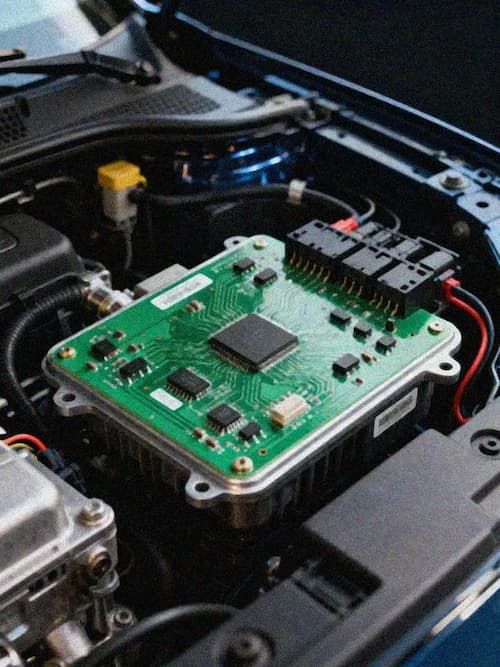
- Intelligent Transportation and Autonomous Driving: Road inspection systems, low-speed autonomous delivery vehicles, auxiliary driving perception units, and traffic edge monitoring nodes, supporting low-latency processing of multi-channel camera and LiDAR sensor data.
- Smart City and Community Deployment: Low altitude defense systems, building intelligent access control, public area security monitoring, and property management intelligent terminals, supporting simultaneous processing of multiple video streams for real-time anomaly detection.
- Industrial and Manufacturing Scenarios: Production line quality inspection terminals, equipment predictive maintenance sensors, and workshop intelligent patrol robots, supporting real-time defect identification and abnormal state warning without relying on cloud connectivity.
- Smart Agriculture and Animal Husbandry: Pasture inspection robots, crop growth monitoring terminals, and livestock health detection systems, supporting on-site analysis of visual and sensor data to reduce transmission bandwidth consumption and response latency.
Key Advantages
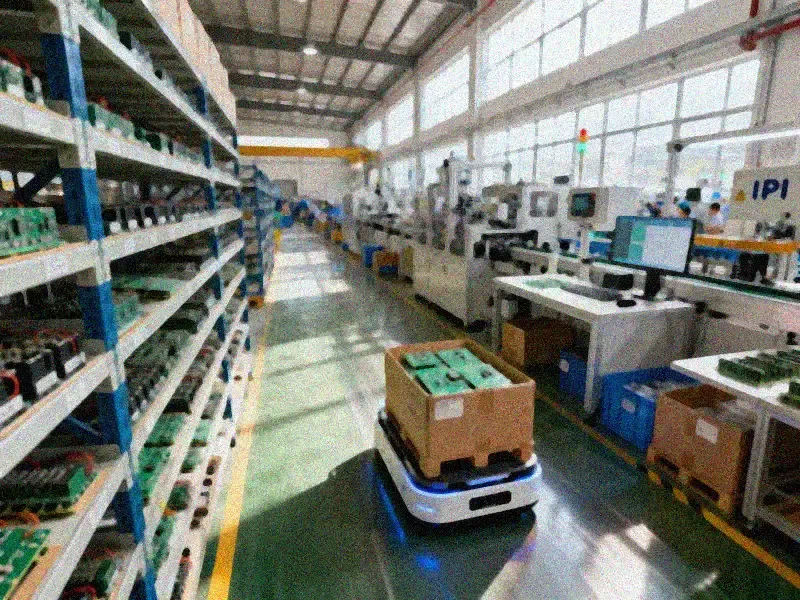
- Cost-Effective Performance Balance: Optimized hardware design balances high AI computing performance and manufacturing cost, avoiding over-provisioning of unnecessary specifications while meeting the inference performance requirements of most edge deep learning scenarios, reducing upfront investment for large-scale deployments.
- Mature Deployment Compatibility: Compatible with mainstream edge AI software frameworks and model training tools, supporting one-click deployment of common deep learning models, reducing secondary development workload and shortening time to market for end products.
- Customizable Configuration Support: Support flexible adjustment of computing power, I/O interface types, communication modules, and enclosure specifications according to specific scenario requirements, adapting to the unique needs of different industries and use cases.
- Full Lifecycle Technical Support: Covering the entire process from hardware selection, schematic design, prototype verification to mass production support, providing professional technical consulting and after-sales support to resolve issues encountered during deployment and operation.
Contact Information
If you have edge AI accelerator hardware design, customization, or mass production requirements, please get in touch with our technical team at your convenience. We will provide you with targeted solution proposals, free pre-sales technical evaluation, and customized support to match your specific deployment needs.