Overview
Medical imaging equipment including MRI, CT, ultrasound and digital X-ray systems form the core foundation of modern clinical diagnosis, and their imaging accuracy, operational stability and data transmission reliability directly depend on the performance of core PCB components. High-resolution image acquisition and transmission processes involve massive high-speed signal processing, weak sensing signal collection and complex electromagnetic environment adaptation, putting forward stringent requirements for PCB signal integrity, anti-interference capability and heat dissipation performance. Medical imaging PCB solutions cover the full process from design optimization, manufacturing to reliability testing, targeting core pain points in the medical imaging field such as signal attenuation, electromagnetic crosstalk and noise interference, and meeting the strict regulatory requirements of the medical device industry for core electronic components.
Technical Capabilities
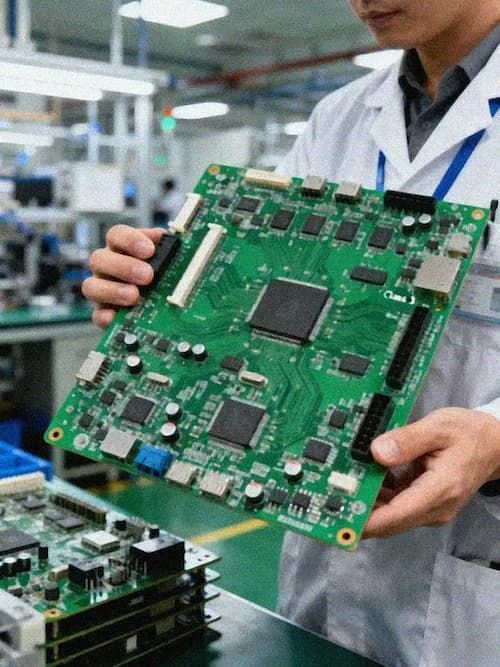
- High-frequency High-multi-layer PCB Manufacturing: Supports production of up to 30+ layer high-frequency PCBs, including 20-layer high-frequency substrate configurations with built-in full-coverage copper shielding layers, meeting the transmission demand of Gbps-level large-volume image data of large medical imaging equipment, and effectively suppressing electromagnetic crosstalk between adjacent signal layers by more than 70%.
- High-precision Impedance Control: Achieves ±5% impedance control accuracy for high-speed differential signal lines, adapting to 10Gbps+ high-speed data transmission interfaces, reducing signal reflection and attenuation loss, and ensuring zero distortion of high-resolution medical image data during cross-component transmission.
- Analog-digital Isolation Design: Supports separate analog and digital ground planning for 6-16 layer PCBs, with specialized isolation routing and ground plane partitioning design, reducing noise interference during weak image signal acquisition by over 60%, and ensuring integrity of low-amplitude sensing signals collected by imaging probes.
- High-heat Dissipation PCB Configuration: Provides multiple high thermal conductivity solutions including high-thermal-conductivity substrates, buried copper blocks and thick copper PCBs, solving heat accumulation problems of high-power imaging components such as X-ray tubes and signal processing units, and ensuring stable operation of equipment under 24/7 continuous working conditions.
- High-density Interconnect (HDI) and Rigid-flex PCB Support: Supports micro-vias as small as 0.06mm and line width/space down to 2.0/2.0mil, combined with rigid-flex integrated structure design, adapting to miniaturization design demands of portable and interventional medical imaging equipment, reducing overall PCB volume by up to 40% without compromising electrical performance.
Quality Standards
- Material Compliance: All substrates, coatings and electronic grade auxiliary materials meet biocompatibility requirements for non-contact and indirect contact medical device scenarios, free of harmful heavy metals and toxic substances, and fully compliant with RoHS, REACH and medical electronics industry material regulations.
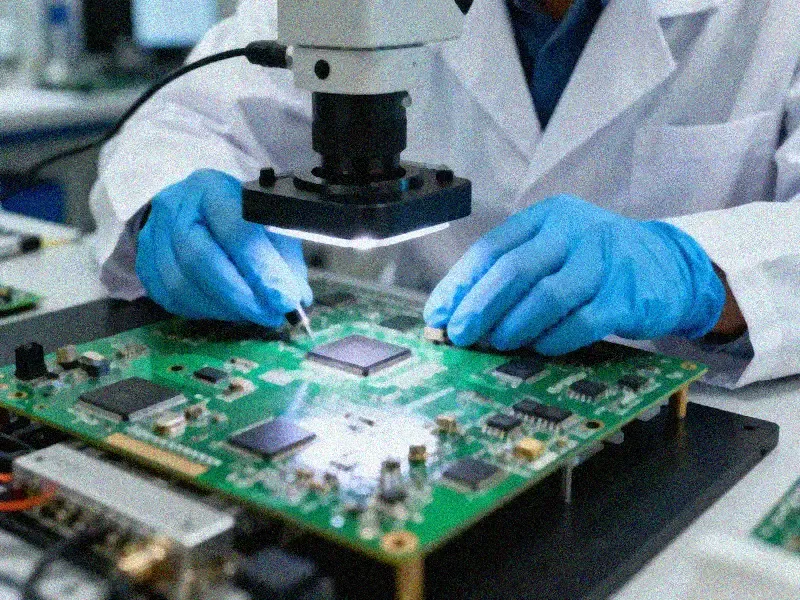
- Full-item Reliability Testing: Each batch of PCBs undergoes rigorous testing including signal integrity testing, EMC compliance testing, high and low temperature cycle testing, humidity resistance testing, vibration and shock testing, ensuring stable operation under medical site operating conditions of 10℃ to 40℃ and 30% to 80% relative humidity.
- Full Process Traceability: A complete traceability system is implemented for all production links from raw material incoming inspection, manufacturing process control to finished product delivery, supporting one-click traceability of key parameters of each PCB unit, and meeting the strict traceability requirements of the medical device industry for core components.
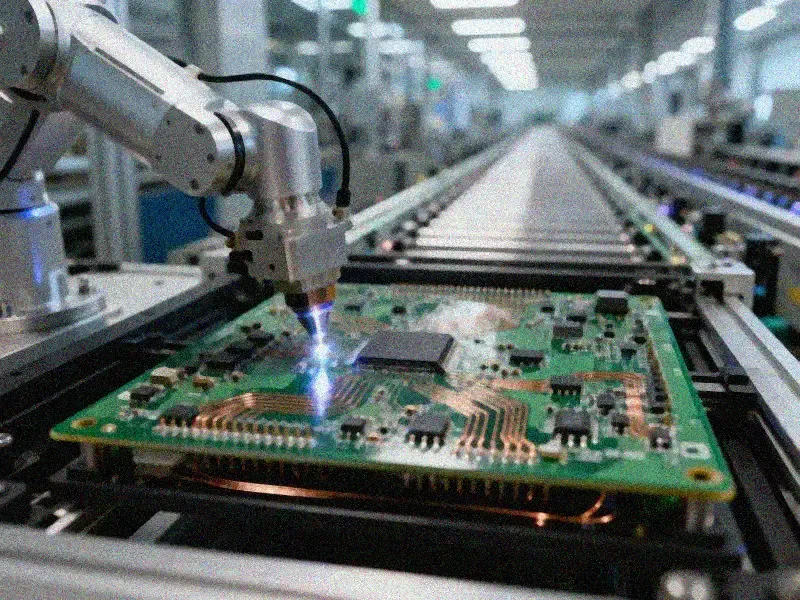
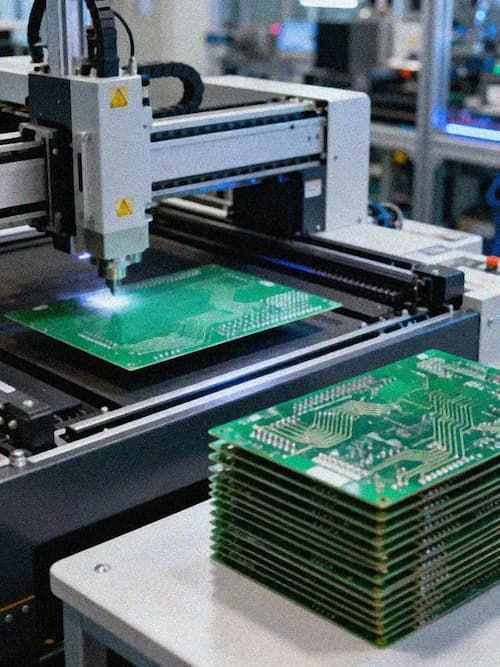
- Tight Manufacturing Tolerance Control: The manufacturing process adopts laser direct imaging, X-ray non-destructive testing and other precision processing technologies, controlling core parameters such as aperture deviation, line width error and layer alignment within industry leading levels, ensuring consistency of mass-produced products.
Applications
Medical imaging PCB solutions can be widely adapted to various medical diagnostic equipment scenarios, including:
- Superconducting Magnetic Resonance Imaging (MRI) Equipment: High-frequency high-multi-layer PCBs with multi-layer shielding layers support high-speed transmission of TB-level scanning image data, avoiding electromagnetic interference between internal radio frequency units and signal processing units, and ensuring high definition of soft tissue imaging results.
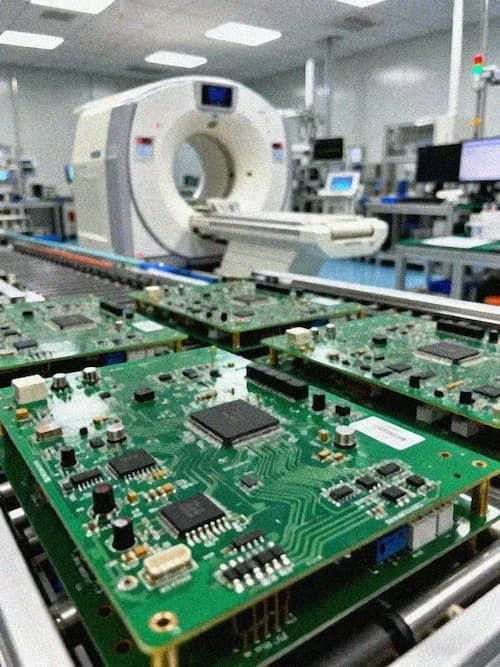
- Computed Tomography (CT) Scanners: 16-20 layer high-TG PCB configurations support real-time transmission of high-frame-rate X-ray sensing signals, with matching high heat dissipation design adapting to long-term continuous scanning scenarios of high-power equipment in tertiary hospital radiology departments.
- Ultrasound Diagnostic Equipment: Analog-digital isolation design effectively reduces noise interference during weak ultrasonic echo signal acquisition, ensuring accurate output of dynamic 3D ultrasound images, suitable for both fixed desktop ultrasound and portable handheld ultrasound devices.
- X-ray Digital Radiography (DR) Systems: High-precision impedance control ensures stable transmission of flat panel detector signals, improving the recognition rate of tiny lesion features such as micro fractures and early stage nodules in imaging results.
- Medical Endoscope Imaging Systems: High-density rigid-flex PCB solutions support high-speed transmission of 4K real-time endoscopic video signals, with ultra-thin miniaturized design adapting to the narrow installation space of endoscopic probes for digestive tract, respiratory tract and interventional surgery.
- Portable Emergency Imaging Equipment: HDI and lightweight rigid-flex PCB configurations reduce equipment weight by more than 30% while maintaining imaging accuracy, adapting to on-site diagnosis scenarios such as emergency treatment, pre-hospital first aid and home medical care.
Key Advantages
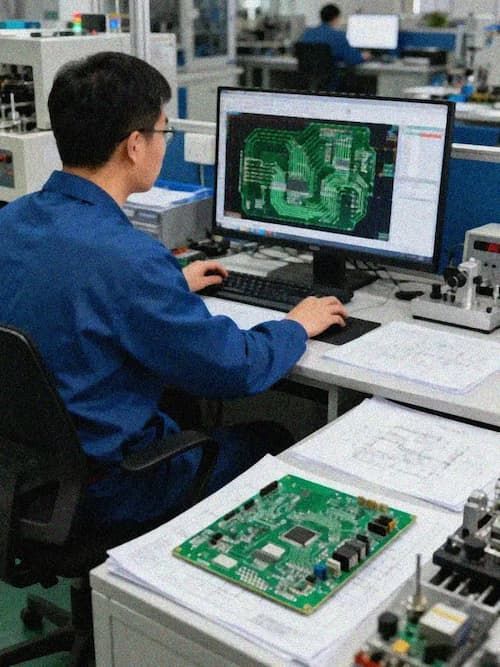
- Customized Design Support: Provides targeted PCB solutions based on specific application scenarios and performance indicators of medical imaging equipment, covering stack planning, placement and routing optimization, signal integrity simulation and other links, effectively balancing product performance and manufacturing cost.
- Full Lifecycle Service Coverage: Supports full-chain services from prototype verification, small and medium batch trial production to large-scale mass manufacturing, adapting to the entire product lifecycle of medical imaging equipment from R&D iteration to commercial launch, shortening product launch cycle by more than 30%.
- Global Regulatory Compliance Assurance: All design and manufacturing processes strictly follow international medical device quality management system standards, meeting the market access requirements of major regions including FDA (US), CE (EU) and NMPA (China).
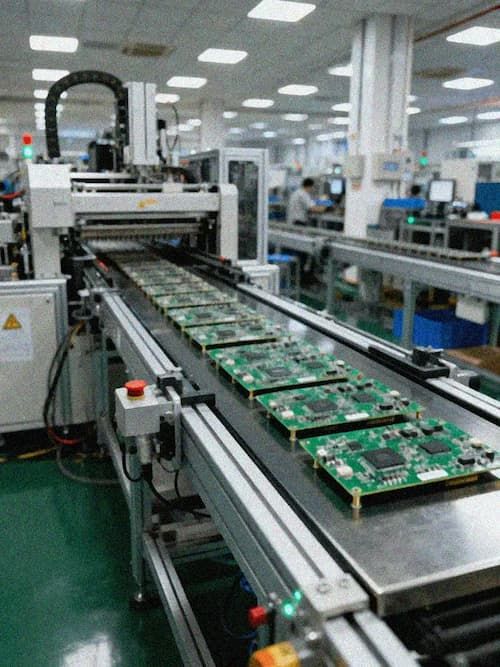
- Stable and Flexible Supply Capacity: Mature production process system ensures stable yield of high-end medical imaging PCBs of over 98%, with processing capacity supporting thousands of different part numbers per month, meeting both mass production demands of mature products and quick response demands of new product R&D verification.
Contact Information
If you have customized demands for medical imaging PCB solutions, please contact our technical support team. We will provide you with free pre-sales technical evaluation, targeted solution design and transparent quotation services according to your specific performance requirements and application scenarios.