Overview
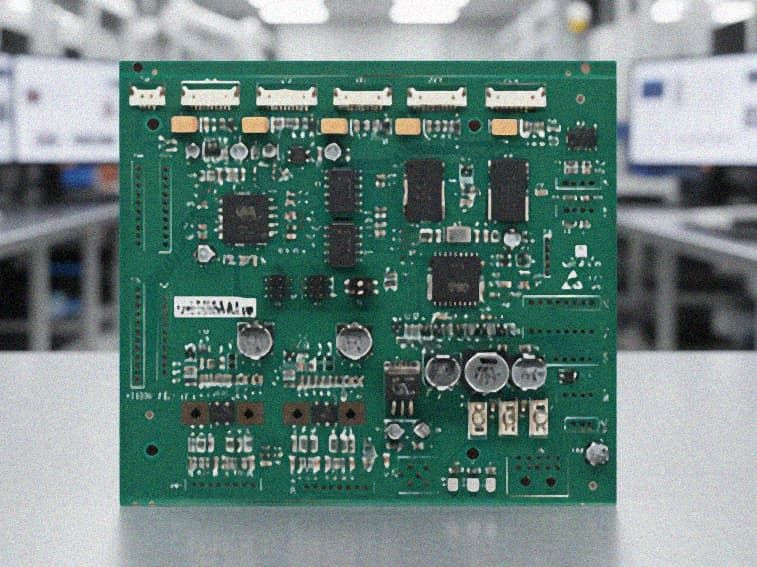
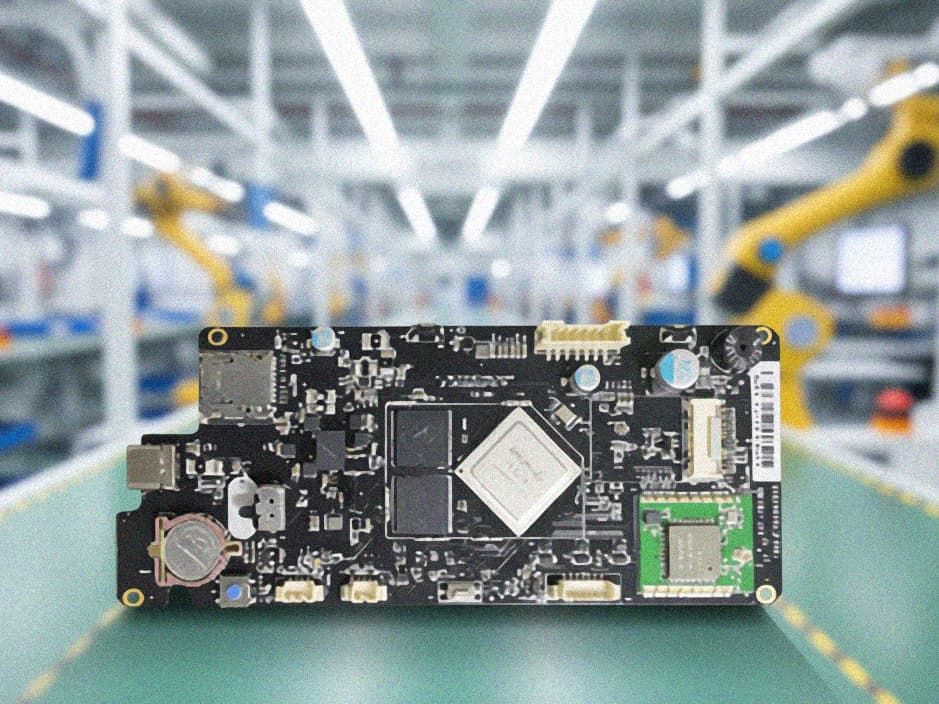
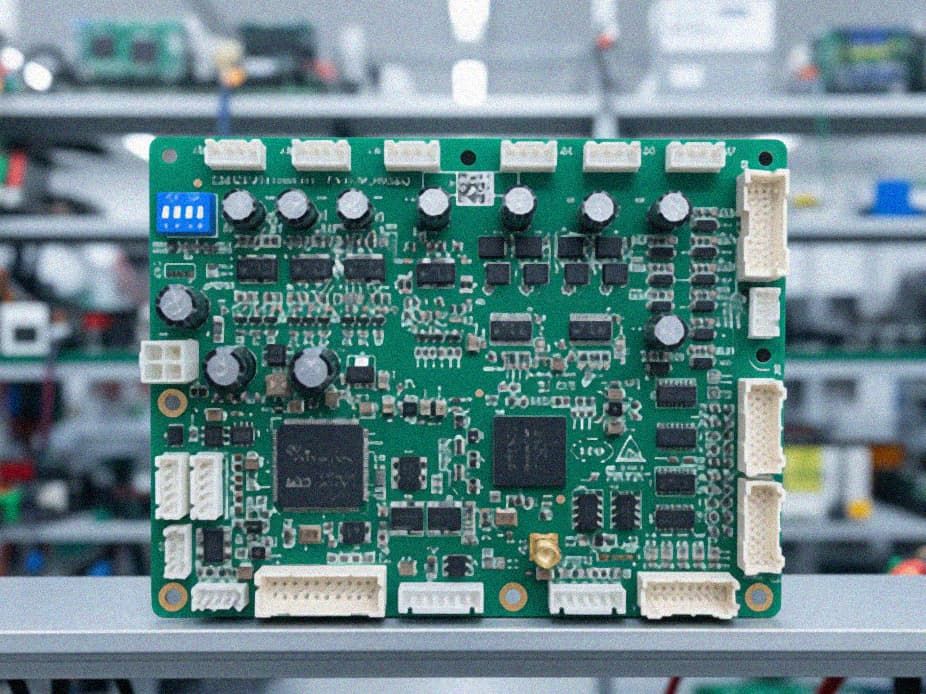
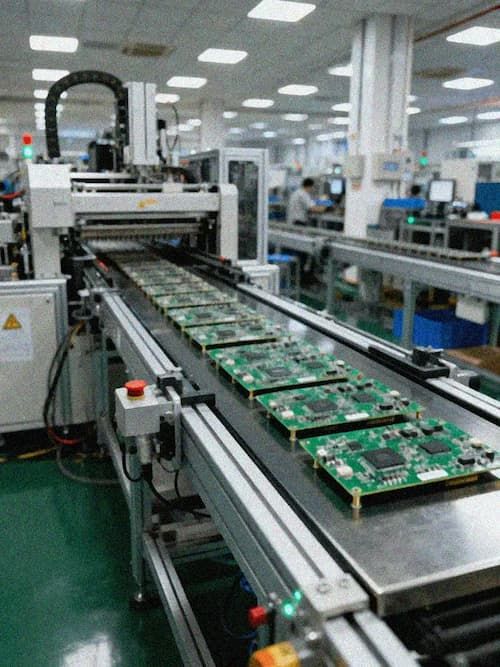
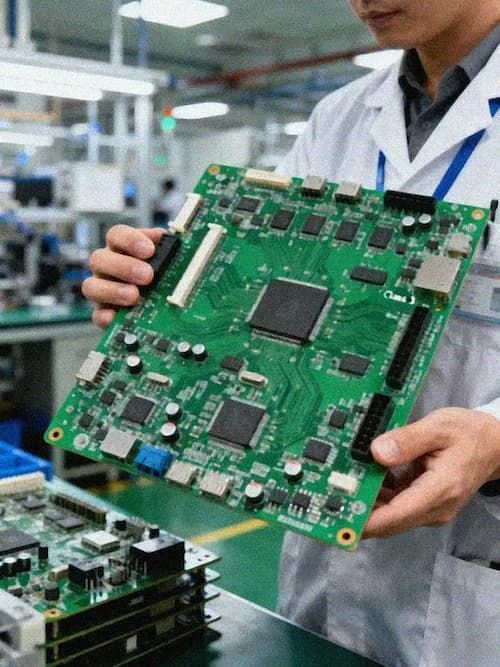
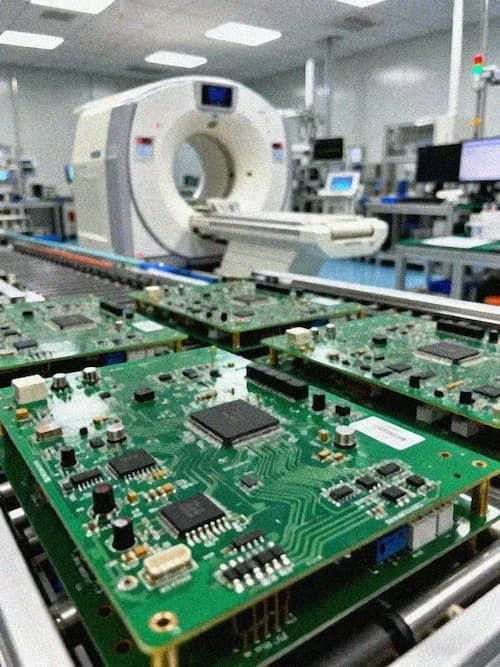
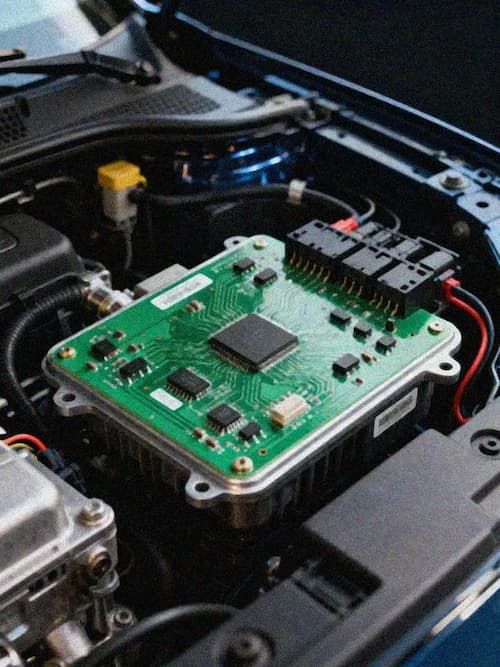
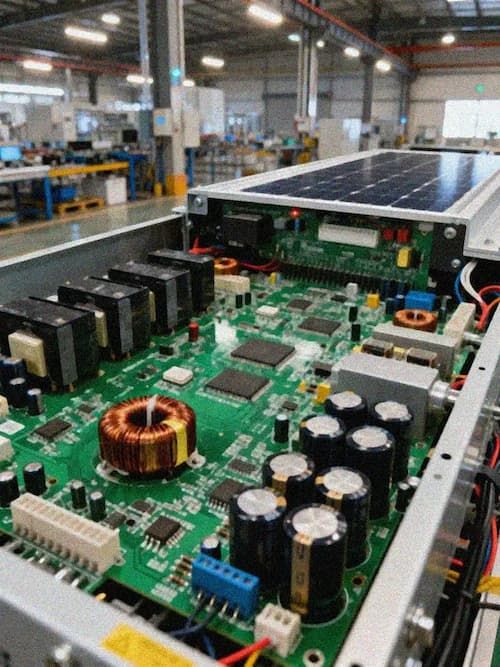
Medical devices are directly related to patient safety and clinical diagnostic accuracy, placing extremely stringent requirements on the reliability, stability, and performance consistency of printed circuit boards (PCBs). Core challenges in medical device PCB development include accurate acquisition of weak bioelectric signals, high-speed transmission of large-volume imaging data, ultra-miniaturization of implanted devices, long-term biocompatibility, and compliance with strict medical industry regulatory standards. Professional medical device PCB manufacturers deliver custom, scenario-specific PCB solutions covering design, prototyping, testing, and mass production, fully addressing the unique technical demands of various medical application scenarios and supporting the stable operation of medical equipment in long-term, high-load clinical environments.
Technical Capabilities
- High-Speed High-Layer PCB Manufacturing: Supports production of 2 to 30+ layer high-frequency, high-speed multi-layer PCBs, with impedance control tolerance as low as ±5% and optional integrated electromagnetic shielding layer designs. These capabilities meet the high-speed signal transmission and anti-interference requirements of medical imaging systems, as well as the low-latency gigabit Ethernet communication needs of surgical robot motion control systems using 16-layer high TG material substrates.
- Low-Noise High-Sensitivity Circuit Fabrication: Specializes in 4 to 8 layer PCB designs with isolated analog and digital ground planes, reducing crosstalk and background noise by over 60% compared to standard designs, enabling accurate acquisition of weak bioelectric signals below 1mV. This technology is perfectly suited for high-sensitivity monitoring and diagnostic equipment that requires high signal fidelity.
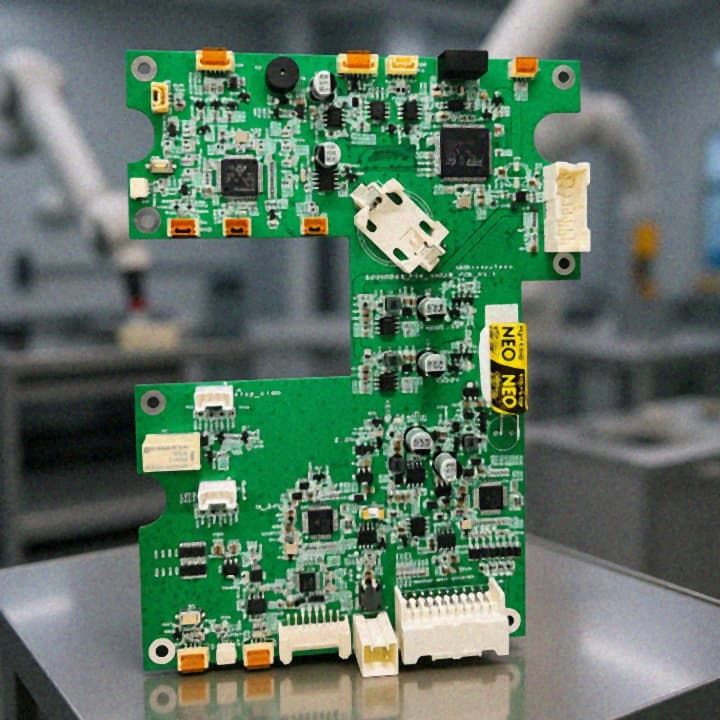
- Miniaturized Rigid-Flex PCB Solutions: Offers a full range of rigid-flex PCB products, including conventional rigid-flex boards and gold finger reinforced rigid-flex boards, combined with optional biocompatible nano-coating treatments. These solutions reduce product volume by up to 40% compared to traditional rigid PCB designs, making them ideal for implanted, wearable, and portable medical devices with strict size and weight constraints.
- Special Material and Special Function PCB Support: Manufactures a wide range of specialty PCBs, including embedded capacitor, embedded resistor, and embedded component PCBs, ceramic substrates, high-resistance carbon oil boards, heavy copper boards, high-frequency hybrid boards, semi-flexible boards, and IC substrates. These products meet specialized requirements for heat dissipation, high current load, high density, and long-term stability across diverse medical use cases.
- Flexible Production Scale Support: No minimum order quantity requirements are in place, supporting the full product lifecycle from rapid 48-hour prototyping, small-batch trial production for clinical verification, to large-scale mass production for commercial launch, fully adapting to the R&D and commercialization pace of medical device products of all sizes.
Quality Standards
All medical device PCBs are produced in strict accordance with international medical industry quality management specifications and IPC-A-610 Class 3 electronic assembly standards. Production processes comply with ISO 13485 medical quality system requirements, with full traceability of all raw materials, processing records, and testing reports for each batch of products, meeting the traceability requirements of global medical device regulatory agencies. Finished products undergo a full set of reliability and performance tests, including signal integrity testing, EMC testing, thermal cycling testing, humidity resistance testing, vibration testing, insulation resistance testing, and biocompatibility testing (for implantable device PCBs), ensuring zero defects in clinical use scenarios and stable operation for up to 10+ years in long-term use cases.
Applications
Custom medical device PCB solutions are widely used across all segments of the healthcare industry, including but not limited to the following core scenarios:
- Medical Imaging Equipment: 12 to 20 layer high-frequency PCBs with integrated shielding layers are deployed in MRI, CT, ultrasound, digital X-ray, and endoscopy systems, supporting high-speed transmission of large-volume imaging data while eliminating electromagnetic interference that would affect imaging clarity and diagnostic accuracy.
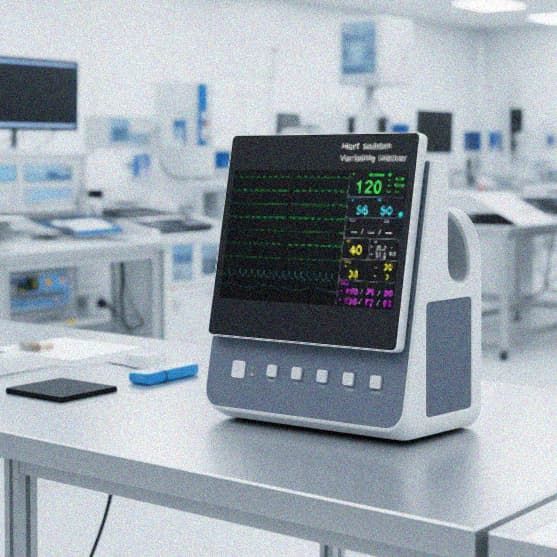
- Life Sign Monitoring Equipment: 4 to 6 layer low-noise PCBs with separated analog and digital ground planes are applied to ECG monitors, EEG devices, multi-parameter vital sign monitors, wearable health tracking devices, and Holter monitors, ensuring accurate capture and transmission of weak bioelectric signals without noise distortion, even in complex clinical use environments.
- Implantable Medical Devices: Ultra-miniature rigid-flex PCBs with food-grade biocompatible nano-coatings are used for cardiac pacemakers, implanted nerve stimulators, implantable glucose monitors, and cochlear implants, supporting long-term stable operation in human physiological environments while minimizing implantation trauma through ultra-small form factors.
- Surgical and Intervention Robotics: 12 to 16 layer high TG PCBs are used for master control boards, motor control boards, and image transmission boards of surgical robots, vascular intervention robots, and orthopedic navigation robots, supporting low-latency real-time signal transmission for multi-axis motion control and high-definition image transmission, ensuring precise and safe operation of robotic systems during surgery.
- In Vitro Diagnostic (IVD) Equipment: HDI boards, thick copper boards, and high-precision impedance control boards are deployed in gene sequencers, immunofluorescence analyzers, blood cell analyzers, PCR instruments, and POCT diagnostic devices, meeting the requirements for high stability, high accuracy, and long-term continuous operation of IVD systems.
- Medical Aesthetic and Rehabilitation Equipment: Custom heavy copper and high-power PCBs are used for laser aesthetic devices, RF beauty instruments, transcranial magnetic stimulation devices, and intelligent rehabilitation equipment, supporting stable high-power output and precise parameter control to ensure treatment safety and effectiveness.
Key Advantages
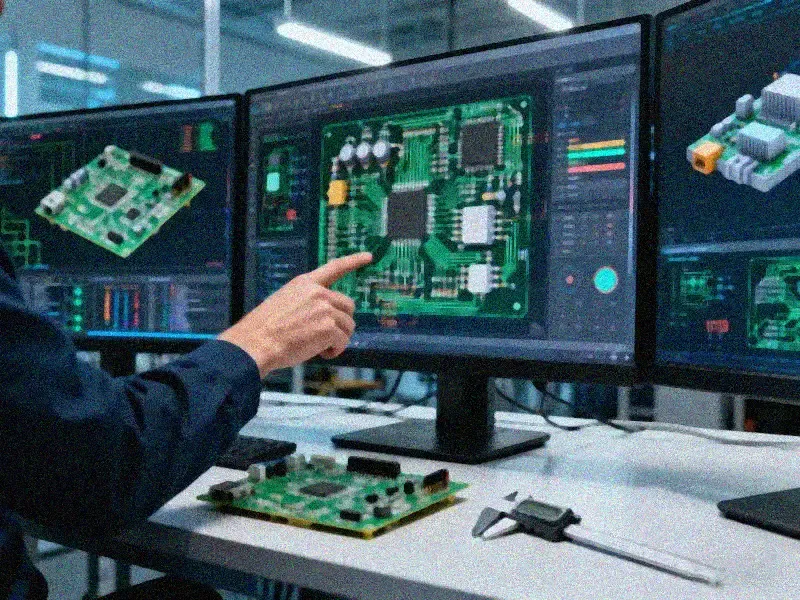
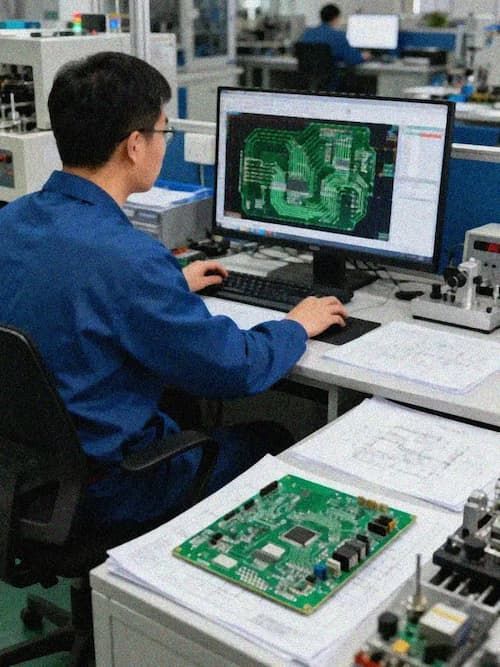
- End-to-End Full-Cycle Service Support: Covers the entire value chain from schematic design review, stack-up planning, placement and routing optimization, prototyping, mass production, to third-party testing verification, reducing cross-stage communication costs by over 30% and shortening product R&D and launch cycles by an average of 25%.
- Scenario-Based Customized Solution Matching: Develops targeted PCB solutions based on the specific performance requirements of different medical device scenarios, including signal integrity optimization, EMC design, thermal management design, and miniaturization design, to fully meet personalized product performance and cost requirements.
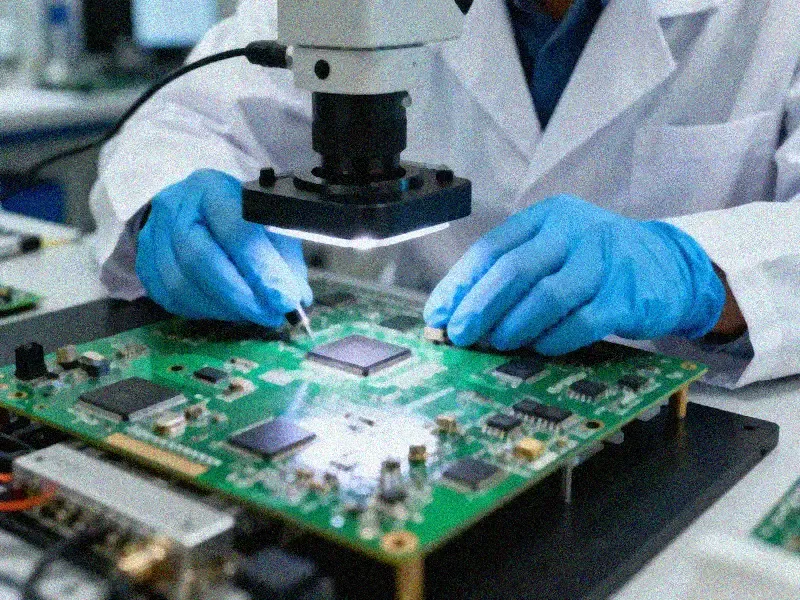
- Medical-Grade Strict Quality Control System: Implements 100% full inspection of all finished products, with more than 20 quality control checkpoints set up across the entire production process, ensuring product consistency and reliability that meets the highest standards of the medical industry.
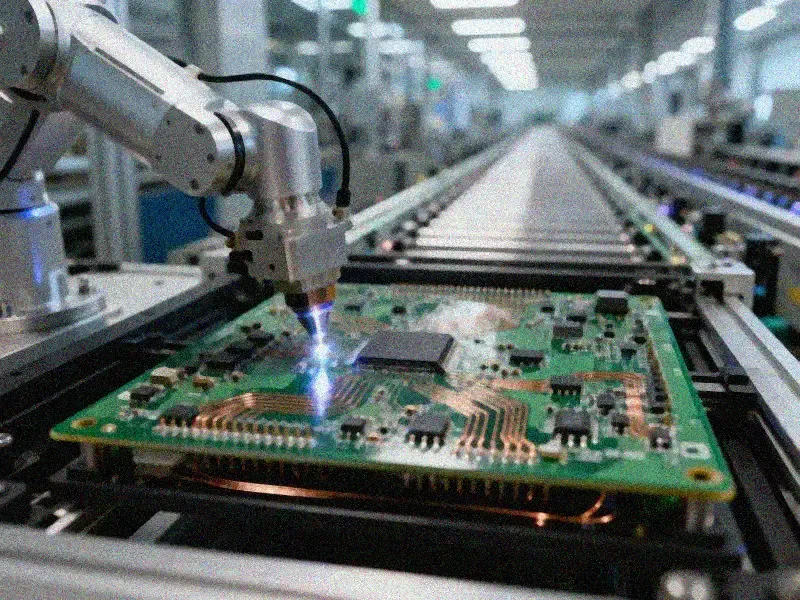
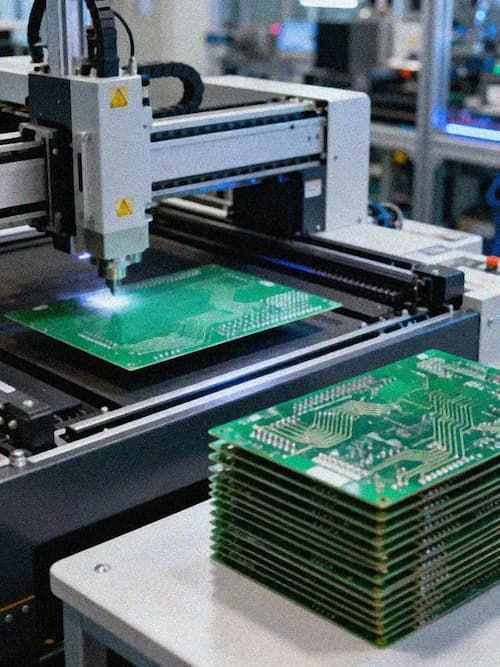
- Advanced Production and Testing Equipment Support: Equipped with high-precision production equipment including UV laser drilling machines, LDI laser direct imaging systems, and X-ray non-destructive testing equipment, supporting micro-via processing as small as 0.06mm and line width/space as low as 2.0/2.0mil, ensuring high yield of over 98% even for high-density complex medical PCBs.
Contact Information
If you have custom requirements for medical device PCBs, please reach out to our professional technical team at your convenience. We will provide you with tailored solution recommendations, free pre-sales technical evaluation, and transparent quotation services, to support the successful development, verification, and commercialization of your medical device products.