Overview
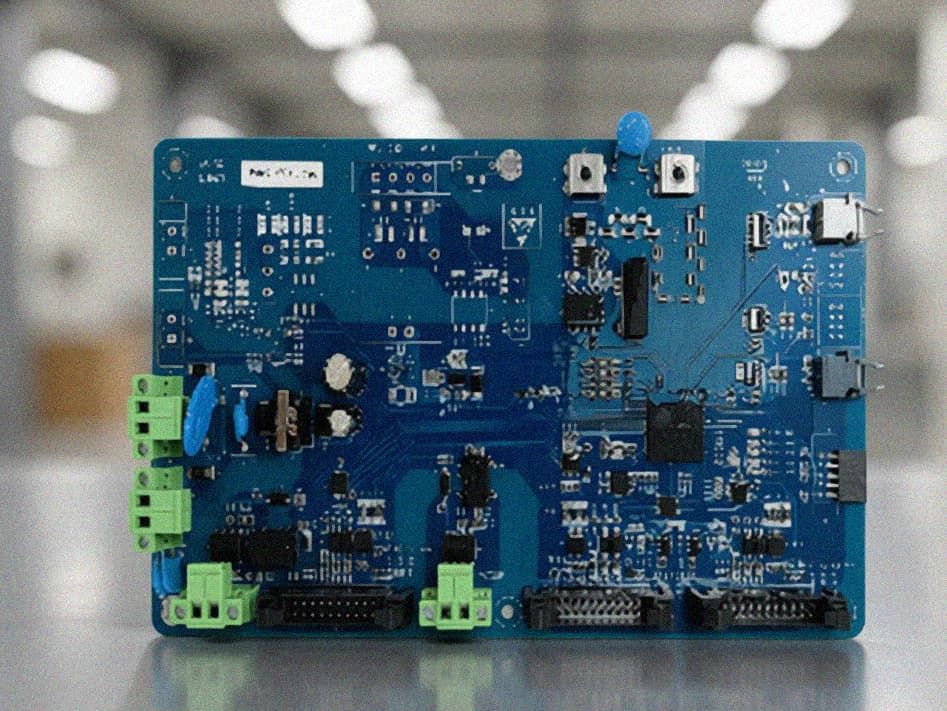
High-speed PCB design for optical transceivers is a core technical foundation for ensuring reliable high-bandwidth data transmission in modern communication systems. As optical transceivers evolve to support 2.5G to 112G transmission rates for data centers, 5G networks, and high-performance computing scenarios, improper PCB design can easily lead to signal attenuation, crosstalk, impedance mismatch, jitter, and packet loss, directly reducing transmission distance, increasing error rates, and even causing device failure. This specialized design service covers the entire product development lifecycle from stack-up planning, component placement, routing optimization, simulation verification, to post-production revision, adapting to the high-density, high-speed, and high-reliability requirements of various optical transceiver form factors, including SFP, QSFP, CFP, and OSFP.
Technical Capabilities
- High-Speed Serial Channel Simulation & Optimization: Supports signal channel simulation and optimization for 2.5G to 112G high-speed serial interfaces, including high-speed backplane system channel design, test verification, and passive structure S parameter extraction. It can effectively reduce insertion loss, return loss, and inter-channel crosstalk, ensuring design compliance with IEEE 802.3 and OIF international standard requirements.
- Power Integrity Analysis: Provides professional power IR-Drop voltage drop testing, PDN impedance analysis, and power supply noise suppression design, avoiding voltage fluctuations caused by high-speed signal switching, and ensuring stable power supply for sensitive optical transceiver components such as laser drivers, transimpedance amplifiers, and clock chips.
- High-Precision Impedance Control: Achieves industry-leading impedance control accuracy for 50Ω single-ended signals and 100Ω differential signals, adapting to the high-density routing requirements of miniaturized optical module PCBs, reducing signal reflection and transmission jitter, and supporting stable long-distance transmission of high-bandwidth signals.
- Full-Process Design & Revision Support: Compatible with multiple mainstream EDA design software versions, providing end-to-end services from schematic design, stack-up architecture planning, component placement optimization, differential pair routing adjustment, to post-production PCB revision, adapting to the fast product iteration needs of the optical communication industry.
- Signal Integrity Technical Support: Offers targeted signal integrity technology training and consulting services, helping R&D teams resolve common design challenges such as timing mismatch, EMI interference, and transmission line effect, effectively reducing design trial and error costs and shortening R&D cycles.
Quality Standards
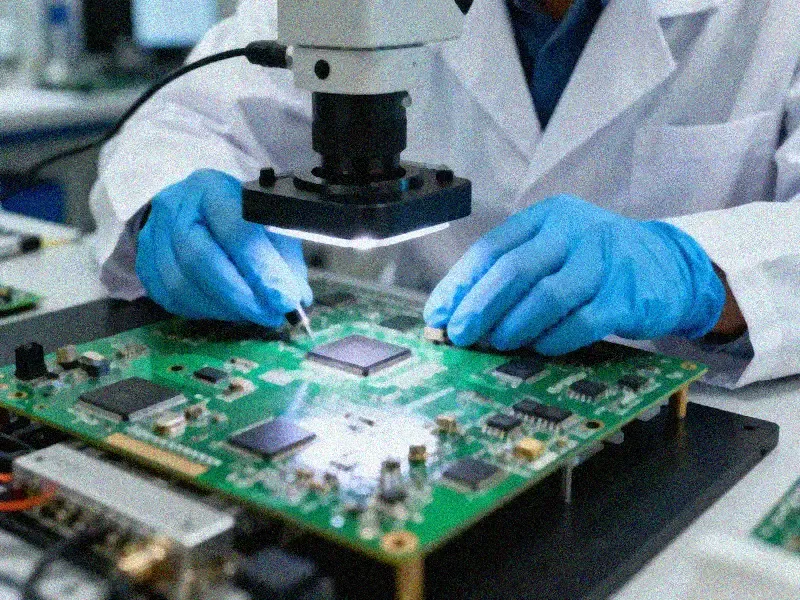
All high-speed PCB design processes for optical transceivers strictly follow international industry specifications, including IPC-2221 generic PCB design standards, IPC-2223 rigid-flex PCB design standards, IEEE 802.3 Ethernet transmission standards, and OIF optical interconnection standards, as well as RoHS and REACH environmental protection requirements. DFM (Design for Manufacturing) checks are integrated at every design stage, avoiding design flaws that lead to low production yield, and ensuring compatibility with mass production processes including HDI, high-frequency mixed lamination, and PTFE material processing. Before design finalization, all solutions undergo comprehensive pre-production verification covering signal integrity testing, thermal performance testing, temperature cycling reliability testing, and EMC testing, ensuring products can operate stably in industrial-grade temperature environments ranging from -40℃ to +85℃, adapting to harsh deployment scenarios such as outdoor base stations and industrial workshops.
Applications
High-speed PCB design solutions for optical transceivers are widely applicable to various optical communication scenarios:
- Data Center Optical Transceivers: Suitable for 10G/25G/100G/400G data center interconnection modules including SFP28, QSFP56, QSFP-DD, and OSFP form factors, supporting high-density interconnection requirements between servers, switches, and storage devices.
- 5G Telecom Optical Transceivers: Adapted to 5G fronthaul, midhaul, and backhaul optical module design needs, meeting low-latency, high-reliability transmission requirements for 5G access networks and core networks.
- Optical Transport Network (OTN) Equipment: Applied to line-side and client-side optical modules for OTN transmission equipment, supporting long-distance, high-bandwidth data transmission across metropolitan area networks and wide area networks.
- High-Performance Computing (HPC) Optical Interconnects: Suitable for optical interconnection modules for supercomputing clusters and AI computing centers, supporting high-speed data transmission between computing nodes and storage nodes.
- Industrial Optical Communication Modules: Adapted to industrial Ethernet optical transceivers, intelligent power grid optical communication modules, and other industrial scenarios, withstanding harsh operating conditions such as high humidity, vibration, and wide temperature fluctuations.
Key Advantages
- Systematic Design Optimization: Adopts a design-oriented systematic methodology, balancing signal transmission performance, energy consumption, manufacturing cost, and production cycle, providing optimal design solutions for different application scenarios and budget requirements.
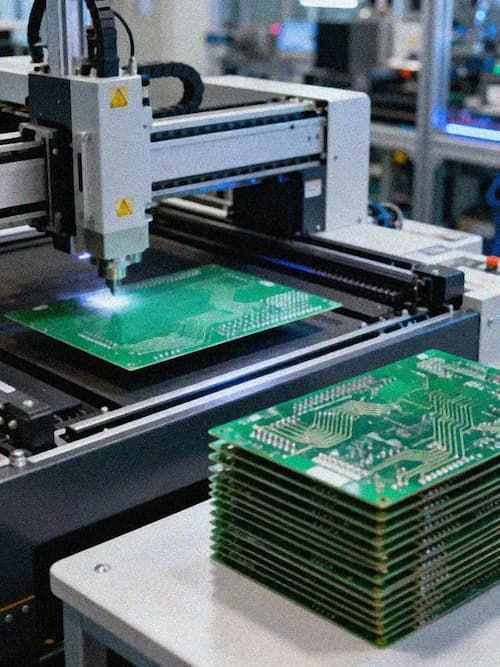
- Wide Material & Process Compatibility: Supports PCB design for a variety of substrates including FR4, high-frequency mixed pressure, pure PTFE, and rigid-flex materials, adapting to 2 to 68-layer rigid PCB, up to 30-layer rigid-flex PCB, and 28-layer HDI PCB manufacturing requirements, meeting diverse optical module design needs.
- Full-Process Verification Coverage: Integrates pre-design simulation, in-design rule check, and post-production performance testing processes, covering all core indicators such as signal integrity, power integrity, thermal performance, and EMC, reducing design iteration cycles by up to 30% compared to traditional design processes.
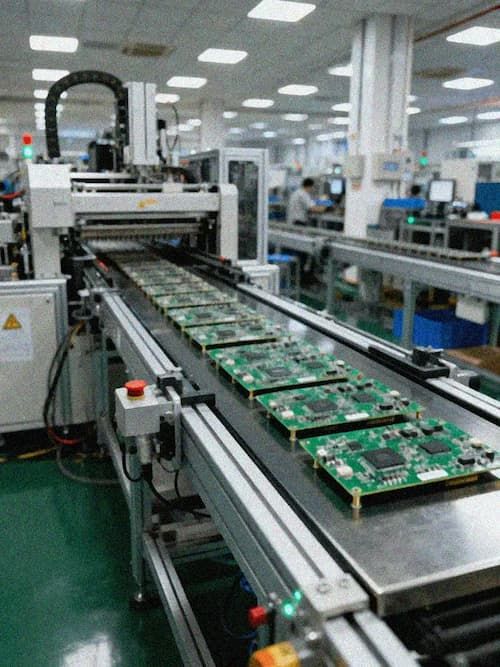
- Full Lifecycle Adaptability: Design solutions are optimized for both quick turn PCB prototyping and large-scale mass production, supporting fast prototype delivery for product R&D validation, as well as stable high yield for commercial mass production, adapting to the full lifecycle needs of optical transceiver products from R&D to large-scale deployment.
Contact Information
If you have any requirements related to high-speed PCB design for optical transceivers, you can reach out to our technical support team at any time. We provide free pre-design technical evaluation, customized design solution development, and professional after-sales technical consulting services to help you achieve high-performance, low-cost optical transceiver product development goals.