Overview
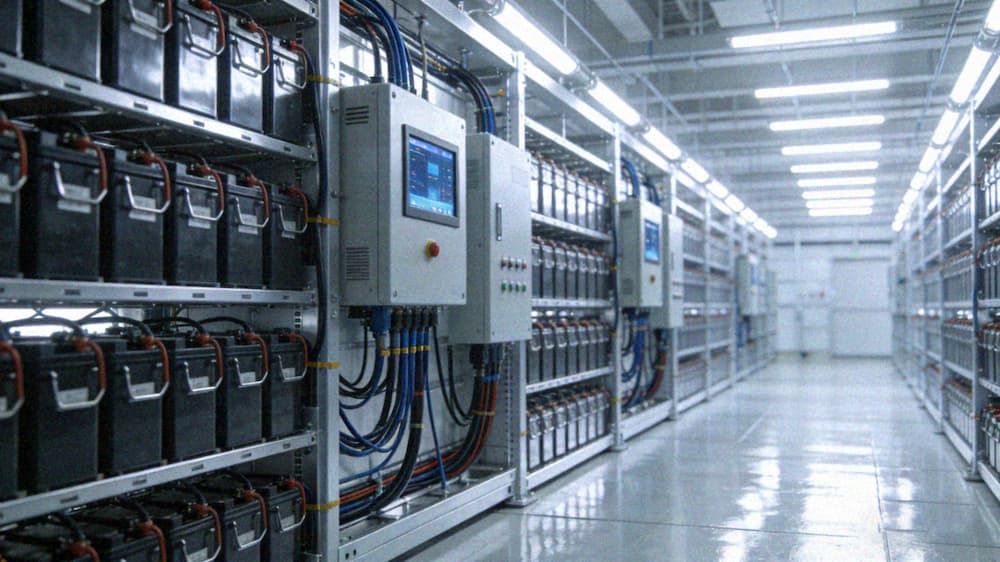
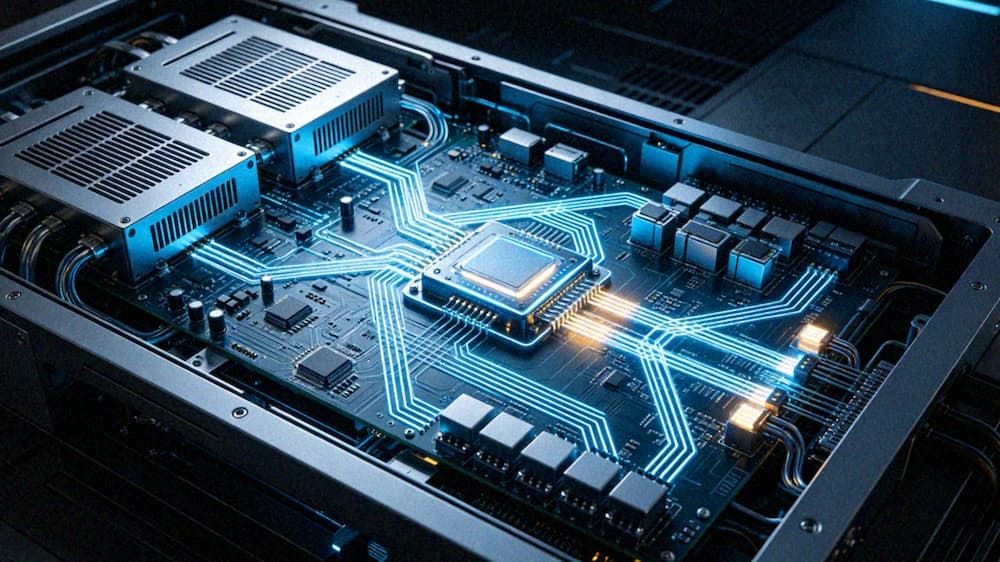
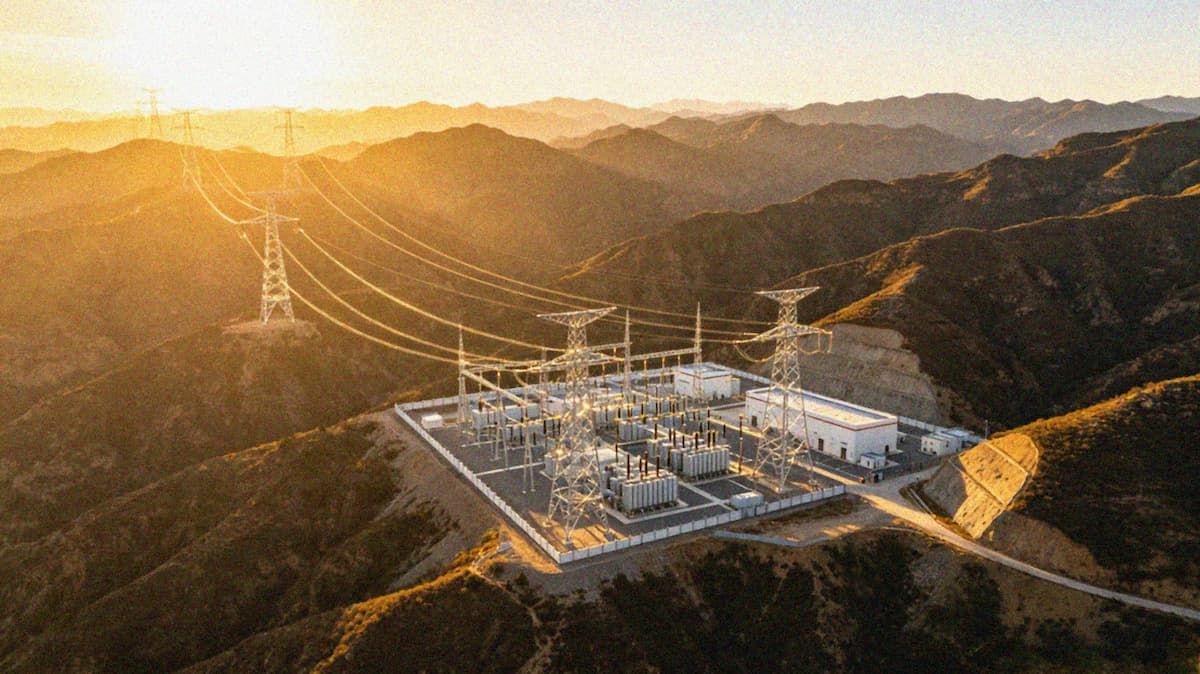
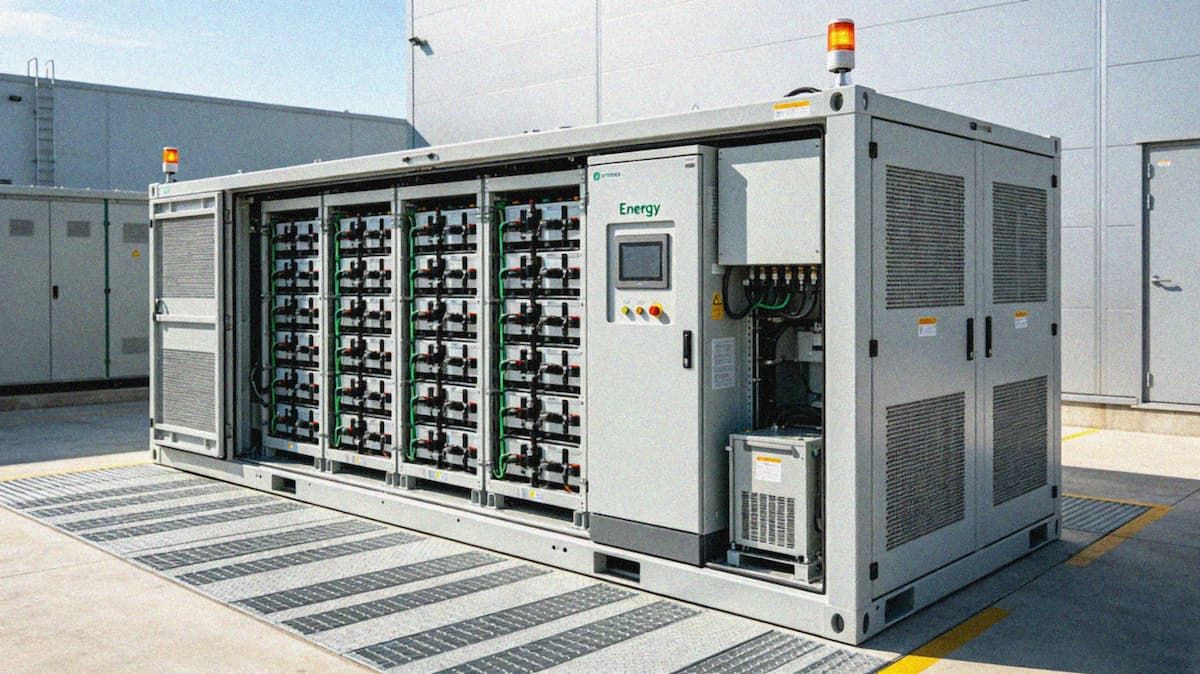
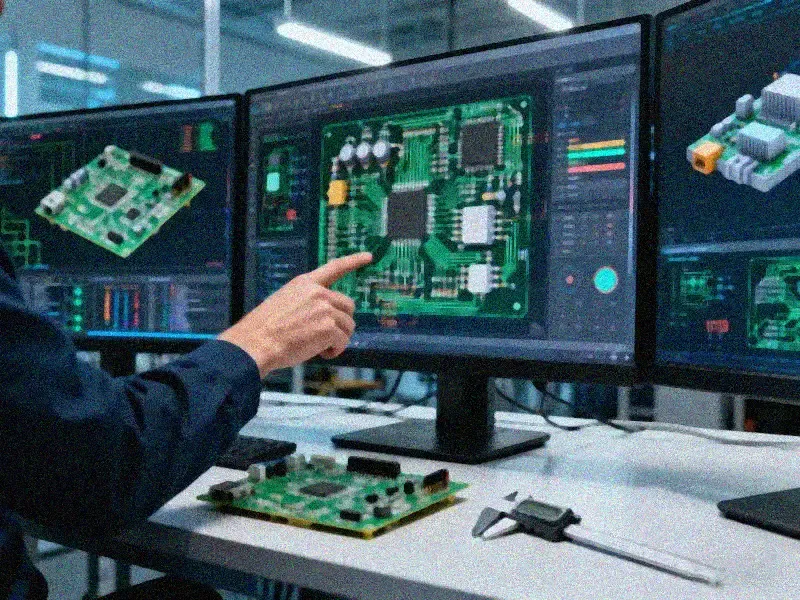
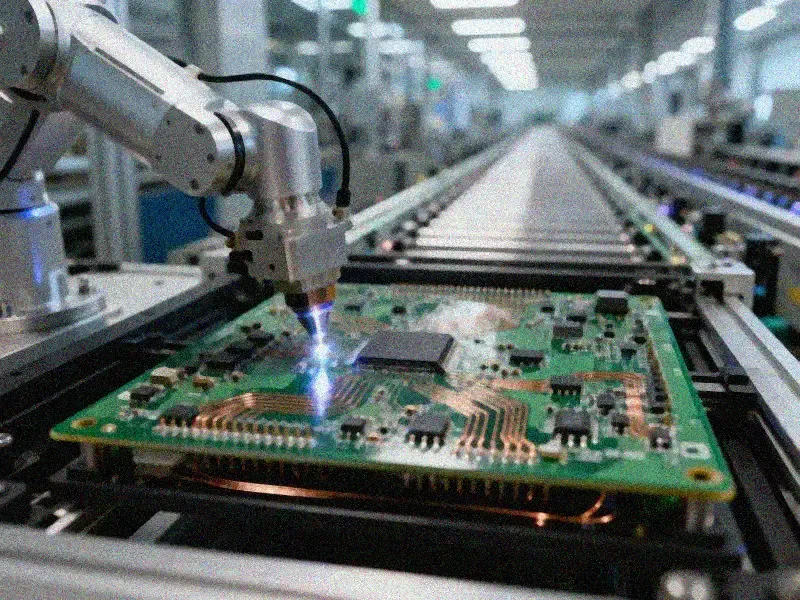
Energy storage system PCB design is the core foundation for reliable operation of modern energy storage equipment, directly impacting grid output stability, load demand matching efficiency, and overall energy utilization rate. Energy storage systems are widely deployed to reduce grid output fluctuation, lower energy transmission loss, and support smooth integration of renewable energy such as solar and wind power. The core functional modules of energy storage systems include battery packs, Battery Management Systems (BMS), Power Conversion Systems (PCS), Energy Management Systems (EMS), and related electrical connection components, all of which have extremely high requirements for PCB reliability, high-power transmission capacity, and signal transmission stability. Professional energy storage system PCB design services cover the entire process from schematic review, stack-up planning, component placement and routing optimization, to multi-dimensional reliability verification, addressing common industry pain points such as thermal concentration in high-power circuits, signal crosstalk between control and power modules, and insulation failure in high-voltage scenarios. Design solutions can be customized for different energy storage application scenarios, meeting the requirements of industrial-grade long-term stable operation.
Technical Capabilities
- Heavy Copper Circuit Support: Supports up to 20oz heavy copper PCB design, adapting to high-current transmission requirements of high-power energy storage integrated units, reducing circuit heat generation and voltage drop during long-term full-load operation.
- Custom Stack-Up Optimization: Provides tailored stack-up design for 2-32 layer PCBs, with optional built-in independent power and ground planes, effectively shielding interference between low-voltage control signal layers and high-power transmission layers, avoiding data transmission errors caused by crosstalk.
- High-Precision Impedance Control: Achieves ±5% impedance control accuracy for high-speed communication interfaces in EMS and BMS hardware, ensuring stable data transmission between battery packs, control units, and grid connection modules.
- Special Material Adaptation: Supports design and manufacturing for multiple special substrate types, including metal core substrates, high-frequency hybrid substrates, buried copper block boards, and high-temperature resistant ceramic substrates, adapting to harsh operating environments of outdoor and industrial energy storage equipment.
- Thermal Management Optimization: Integrates thermal simulation analysis in the early design phase, optimizing component placement and high-current routing paths to reduce thermal concentration, supporting stable operation in wide temperature ranges from -40℃ to +125℃.
- Full-Process Verification Support: Provides multi-dimensional verification services including EMC testing, high and low temperature cycle testing, vibration and shock testing, and insulation performance testing, ensuring compliance with industrial-grade reliability requirements for long-term operation.
- High-Density Design Support: Supports HDI, rigid-flex, and mechanical blind buried via PCB design, meeting the miniaturization and high integration requirements of distributed and household energy storage equipment.
Quality Standards
- Industry Compliance Alignment: Design processes fully comply with IPC-A-600, IPC-2221, and global power industry safety standards, meeting access requirements for grid-connected energy storage equipment in major regional markets.
- Safety Performance Requirements: All designs meet UL 94V-0 flame retardant requirements, with strict insulation gap and creepage distance control to avoid short circuit and electric leakage risks in high-voltage energy storage systems above 1000V.
- Reliability Testing Specifications: Implements standardized testing protocols for humidity resistance, salt spray resistance, and cyclic load impact, ensuring 10+ year service life for stationary utility-scale energy storage system PCBs.
- EMC Compliance: Designs meet EN 55032 and EN 61000 EMC standards, effectively suppressing electromagnetic interference between energy storage equipment and adjacent grid facilities, avoiding signal transmission disruption and grid operation anomalies.
- Environmental Protection Requirements: All selected materials comply with RoHS and REACH environmental standards, meeting the low-carbon and environmental protection requirements of the new energy industry.
Applications
Energy storage system PCB design solutions are applicable to a wide range of energy storage hardware scenarios, including:
- Battery Management Systems (BMS): For lithium iron phosphate battery packs, ternary battery packs, and flow battery energy storage systems, supporting cell voltage monitoring, temperature sensing, and charge-discharge control functions.
- Power Conversion Systems (PCS): For grid-tied and off-grid energy storage inverters, bi-directional AC/DC conversion modules, supporting high-power energy transmission between battery packs and the power grid.
- Energy Management Systems (EMS): For centralized energy storage control units, supporting load demand forecasting, grid output matching, and energy scheduling data processing and transmission.
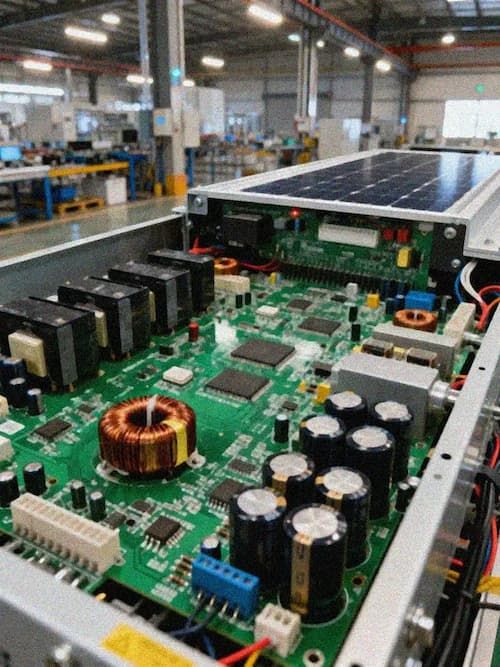
- Hybrid Photovoltaic Storage Integrated Units: For residential and commercial distributed solar-plus-storage systems, adapting to variable power input from photovoltaic modules and stable output to load or grid.
- High-Power Energy Storage Integrated Units: For utility-scale centralized energy storage stations, peak shaving and frequency modulation energy storage systems, supporting MW-level high-power load operation.
- Electric Vehicle Battery Storage Systems: For home and commercial V2G (vehicle-to-grid) energy storage equipment, adapting to bi-directional power transmission requirements between EV batteries and the grid.
- Portable Energy Storage Equipment: For outdoor and emergency power supply units, meeting the requirements of light weight, high power density, and impact resistance.
Key Advantages
- Scenario-Based Custom Design: Provides targeted design solutions based on specific application scenarios, power levels, and operating environment requirements, balancing product performance, reliability, and manufacturing cost.
- Full Lifecycle Support: Covers the entire process from schematic review, stack-up design, layout and routing optimization, prototyping, testing verification, to mass production guidance, reducing cross-stage communication costs and design iteration cycles.
- High-Power Scenario Expertise: Accumulates rich design experience in high-current, high-voltage energy storage scenarios, effectively solving common industry pain points such as thermal runaway, insulation failure, and signal interference in high-power equipment.
- Cost Optimization Capability: Optimizes material selection and manufacturing process routes during the design phase, ensuring design solutions meet performance requirements while reducing mass production costs and improving product yield.
- Fast Response Service: Provides technical support within 24 hours for design consultation and problem troubleshooting, adapting to tight R&D and production schedules of energy storage equipment manufacturers.
Contact Information
If you have energy storage system PCB design requirements for BMS, PCS, EMS, or other energy storage hardware, please reach out to our technical team. We will provide you with customized design solutions, free technical evaluation, and professional consulting services tailored to your project needs.