Overview
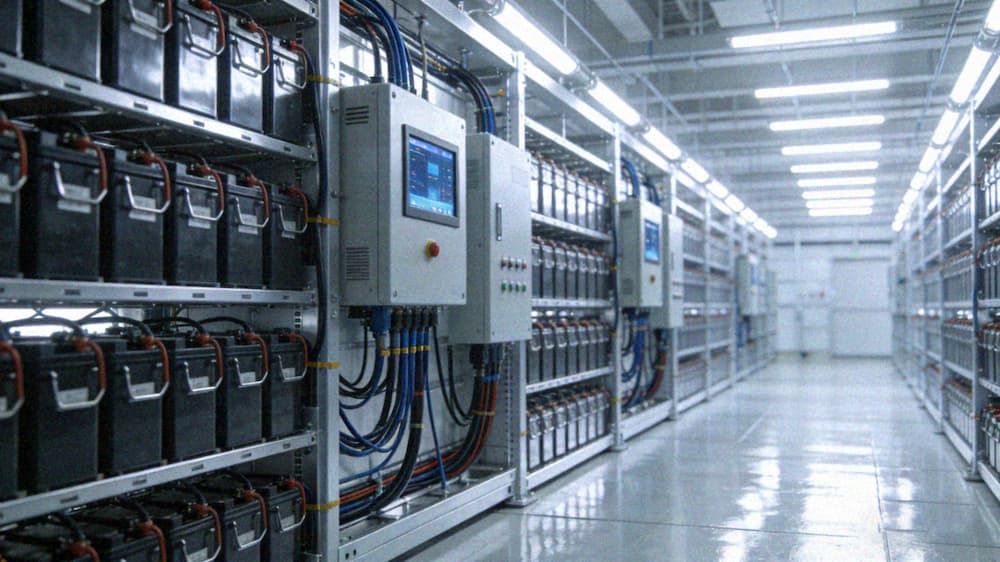
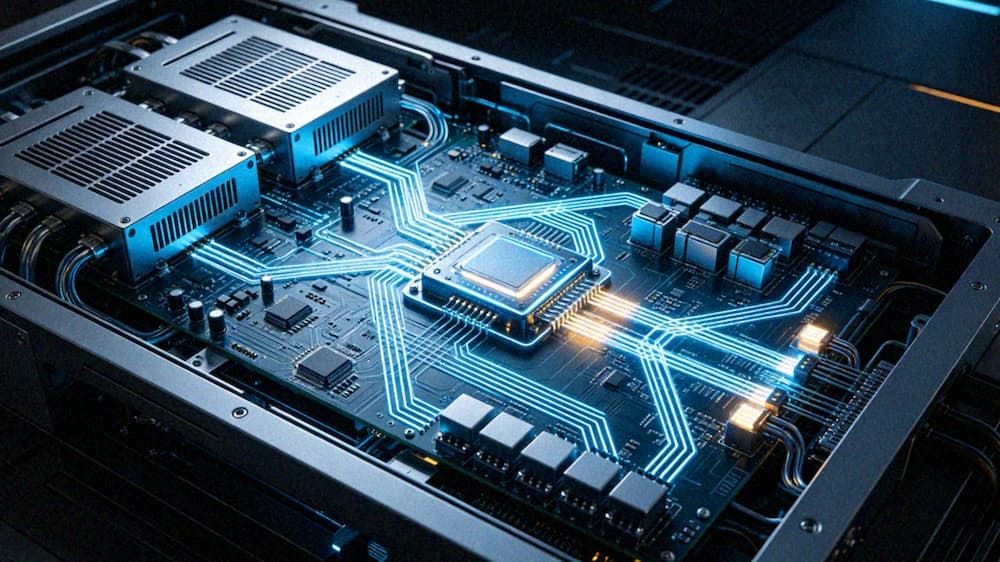
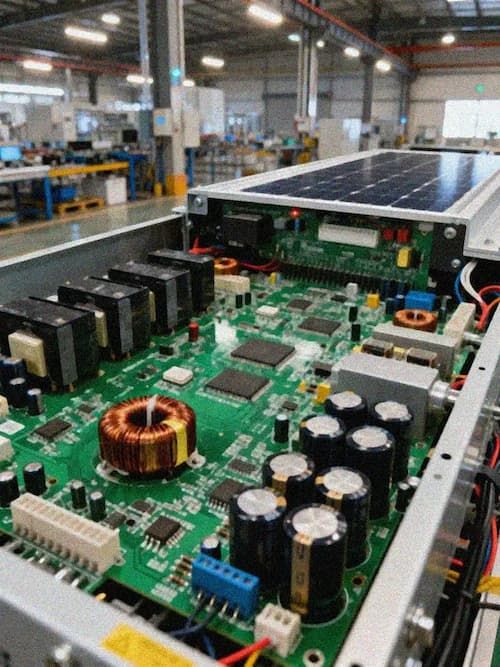
Energy management systems across industrial, renewable energy, smart grid, and electric mobility sectors have extremely stringent requirements for printed circuit board performance, as PCBs act as the core carrier for power transmission, signal processing, and control logic in these systems. Common operating challenges including high current loads, wide temperature fluctuations, long-term outdoor exposure, and high electromagnetic interference environments put forward higher requirements for PCB heat resistance, current carrying capacity, insulation performance, and anti-interference ability. Energy management PCB manufacturers specialize in designing and producing custom circuit boards tailored to these unique application requirements, addressing core industry pain points such as thermal runaway, power loss, signal distortion, and shortened service life in high-voltage, high-current operating scenarios. Their solutions cover the entire process from material selection, stack design, manufacturing, to testing verification, ensuring stable and reliable operation of energy management systems over a 10+ year service life.
Technical Capabilities
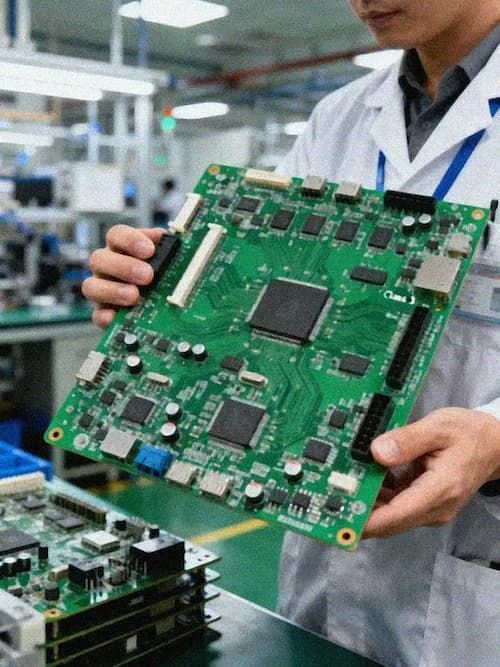
- Diverse PCB Type Support: Supports manufacturing of a full range of PCB configurations adapted to different energy management scenarios, including heavy copper boards (up to 10oz copper thickness for high current carrying requirements), high-frequency hybrid boards for smart grid signal transmission, metal core/metal substrate boards with excellent thermal conductivity for high-power heat dissipation, rigid-flex boards for compact enclosed energy control modules, high-speed backboards for energy data transmission units, ceramic PCBs for high-temperature extreme operating environments, and HDI boards for high-density BMS and inverter control modules.
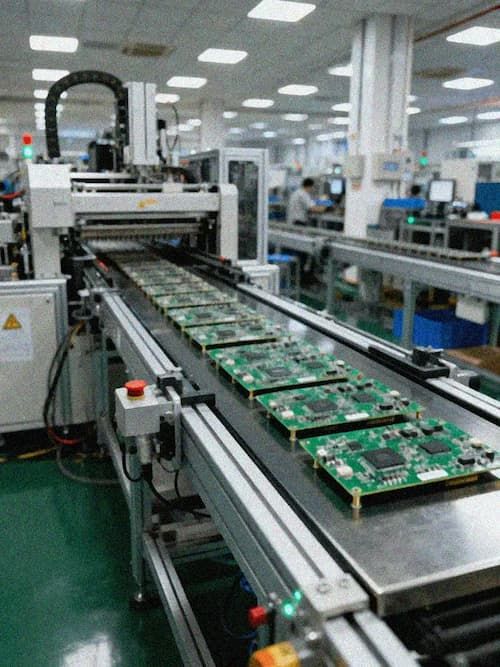
- High-Precision Manufacturing Tolerances: Achieves industry-leading manufacturing accuracy to meet the strict requirements of energy management systems, including minimum line width/spacing down to 2mil, micro via drilling accuracy as low as 0.06mm, and impedance control accuracy within ±5% to ensure stable signal transmission between sensing, control, and power modules. Supports surface mount of components as small as 01005 package (0.3mm0.2mm) for compact design requirements, with minimum mounting accuracy of 0.5 pitch. Maximum PCB production size reaches 600mm450mm to adapt to large-scale power distribution system design needs.
- Customized Stack-up Design: Supports 2 to 40 layer PCB stack configurations, with optional dedicated independent power and ground planes to reduce crosstalk, suppress electromagnetic interference, and improve overall power efficiency. Supports embedded structures including buried copper blocks and buried ceramic substrates for targeted thermal management in high-heat generation areas of the board, effectively reducing operating temperature of high-power components by 15% to 30% compared to standard stack designs.
- Wide Material and Surface Finish Compatibility: Works with a full range of high-performance substrate materials including high-Tg FR4, Rogers high-frequency laminates, aluminum/copper metal cores, and ceramic substrates, to adapt to different temperature resistance, dielectric constant, and thermal conductivity requirements. Supports multiple surface finish options including ENIG, OSP, lead-free HASL, immersion silver, and immersion tin, to meet different soldering requirements and corrosion resistance needs for indoor and outdoor applications.
Quality Standards
Energy management PCBs require strict quality control to ensure long-term stable operation in harsh working environments, and professional manufacturers follow comprehensive quality management systems throughout the production process:
- Environmental Reliability Testing: All finished PCBs undergo rigorous reliability verification before delivery, including thermal cycling testing between -40℃ and +125℃, 96-hour humidity and heat resistance testing, vibration and shock testing simulating transportation and operating conditions, and salt spray testing for coastal or high-corrosion outdoor application scenarios, to ensure products can adapt to various harsh operating environments.
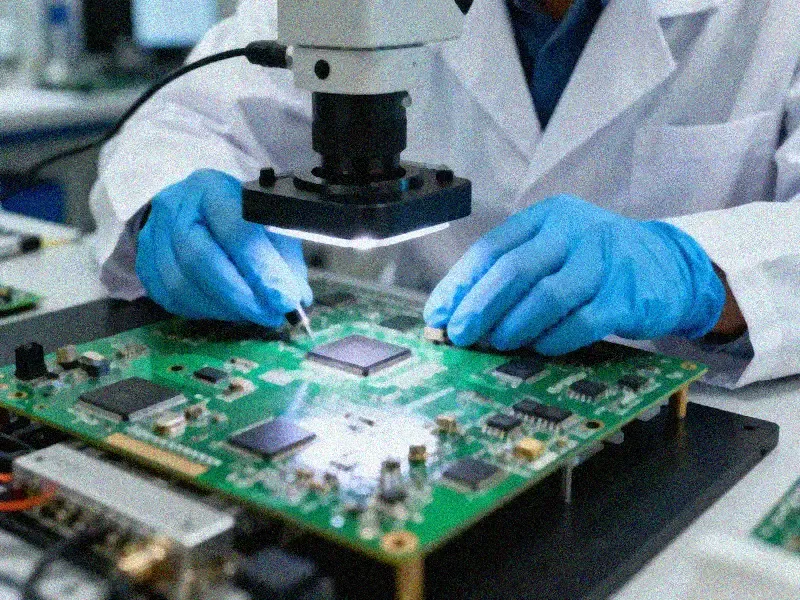
- Electrical Performance Verification: 100% of products undergo mandatory electrical testing, including insulation resistance testing, high-voltage withstand testing up to 5kV, impedance consistency testing, signal integrity testing, and power loss testing, to eliminate potential defects that could lead to short circuits, power leakage, or system failure.
- Regulatory Compliance: All production processes adhere to international industry standard requirements, products meet RoHS, REACH, and UL 94V-0 flame retardant specifications, and comply with regional energy sector equipment standards including IEC 61010 for industrial control equipment and IEC 62109 for renewable energy system components.
Applications
Custom energy management PCB solutions are widely used across multiple energy sector scenarios:
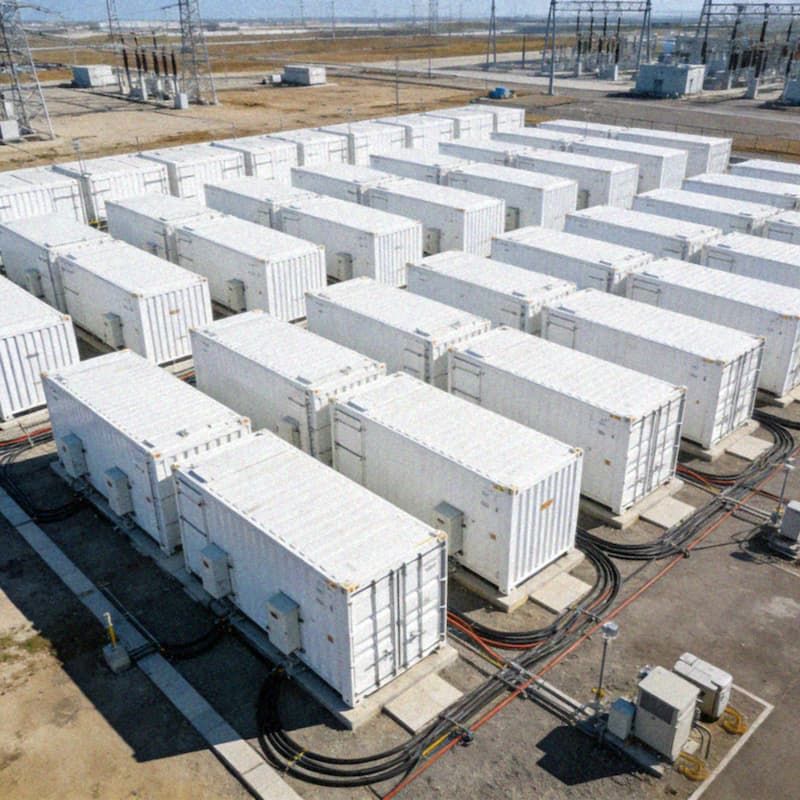
- Renewable energy systems: Solar inverter control boards, wind turbine power controllers, battery energy storage system BMS (battery management system) boards, photovoltaic power optimizer modules
- Smart grid infrastructure: Smart meter circuit boards, power distribution monitoring units, grid communication gateway boards, intelligent load control modules
- Industrial energy management: Industrial high-power power supply boards, motor drive controller PCBs, energy consumption monitoring system boards, UPS (uninterruptible power supply) control units
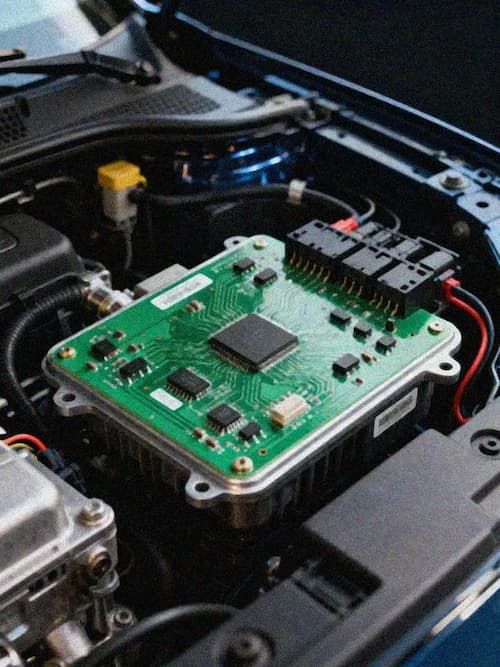
- Electric vehicle energy systems: On-board charger PCBs, DC-DC converter boards, traction motor controller boards, public charging pile control modules
- Commercial and residential energy management: Smart home energy control panel boards, commercial building power management system boards, backup power system control units
Key Advantages
- Tailored Solution Design: Manufacturers adjust PCB design, material selection, and manufacturing processes based on specific application scenarios, power levels, and operating environment requirements, balancing product performance, production cost, and scalability for both prototype verification and large-scale mass production needs.
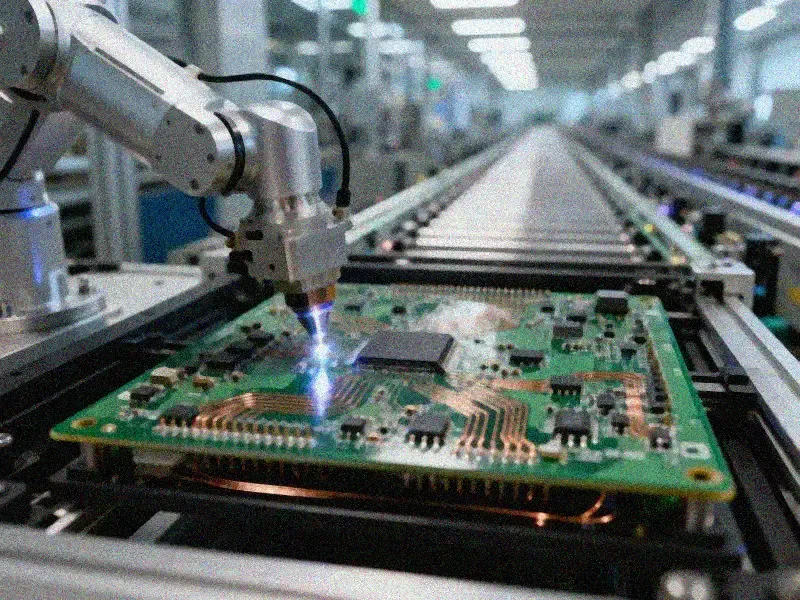
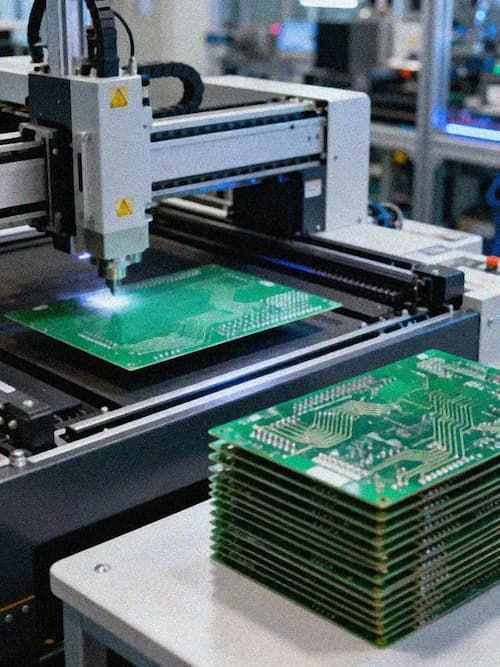
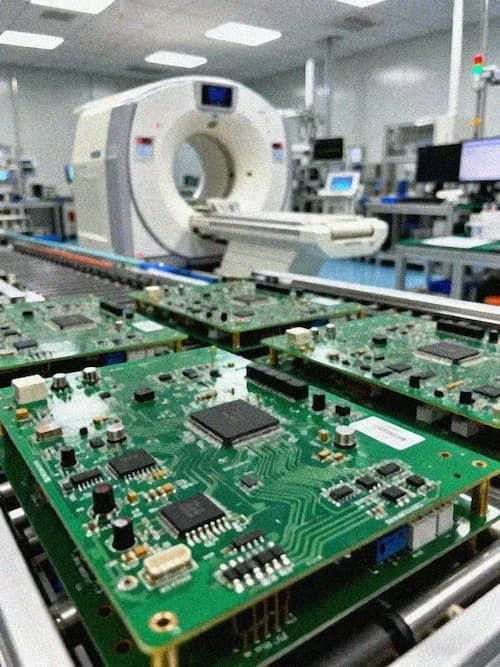
- High Production Yield: Equipped with advanced production and testing equipment including laser drilling machines, LDI laser direct imaging systems, and X-ray non-destructive testing equipment, achieving over 98% production yield even for complex high-power, high-density energy management PCB designs, effectively reducing project costs and shortening delivery lead times.
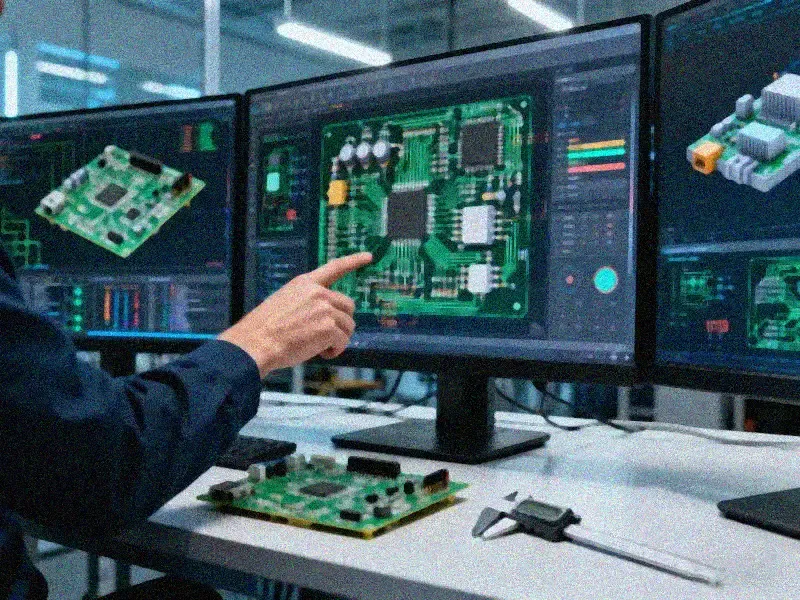
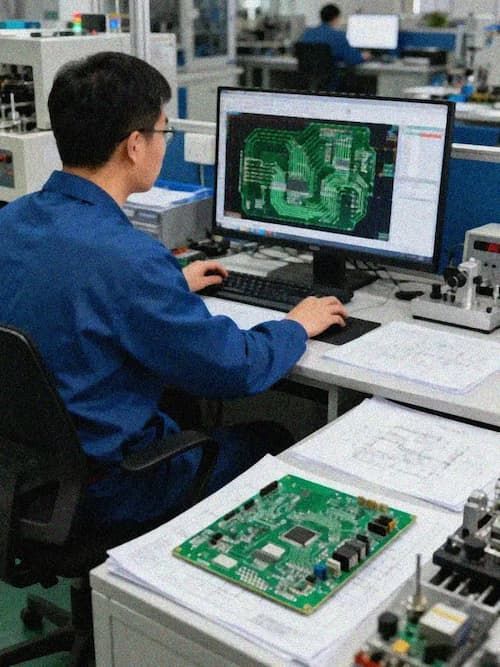
- Full-Cycle Service Support: Provides end-to-end services covering schematic review, PCB layout optimization, prototyping, mass production, and functional testing, supporting clients across the entire product development lifecycle from initial concept design to formal market launch.
- Scalable Production Capacity: Adapts to production volume requirements ranging from single-unit prototype orders to 100,000+ unit mass production orders, with flexible lead time options to meet different project schedule requirements.
Contact Information
If you have custom energy management PCB manufacturing requirements, you can reach out to professional technical support teams through official inquiry channels. The team will provide free technical feasibility evaluations, custom solution design, and transparent quote services based on your specific project parameters, to help you develop high-performance, cost-effective energy management system hardware.