Material Risk Is Reaching PCB Projects Earlier
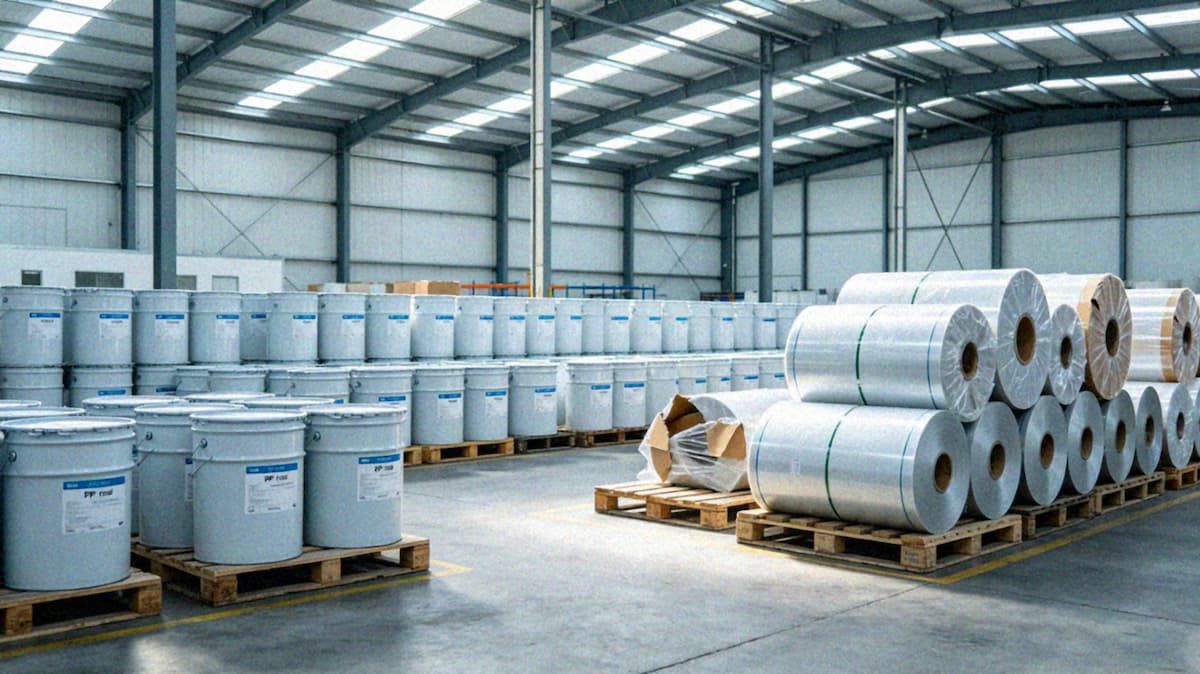
On June 8, several financial and industry media outlets reported that the Jubail industrial area in Saudi Arabia had previously supplied roughly 70% of global PPE resin, and that related production had stopped in late March after shipping through the Strait of Hormuz was disrupted. PPE resin is used in high-end printed circuit board materials, especially where high-frequency laminates, low-loss copper clad laminates, AI servers, and communication equipment require stable high-speed interconnect performance. For PCB buyers and hardware engineering teams, this type of material disruption rarely stays at the raw-material quotation level. It tends to move through laminate supply, prepreg availability, lamination parameters, material qualification, and delivery schedules before it reaches the final project timeline.
High-frequency PCB materials are more sensitive than standard FR-4 systems. For ordinary multilayer boards, procurement risk often comes from copper foil, glass fabric, production capacity, and fabrication yield. High-frequency and high-speed boards add another set of variables: dielectric constant (Dk), dissipation factor (Df), resin flow behavior, copper roughness, and lamination stability. If PPE resin remains tight, laminate suppliers may still support short-term demand from inventory, but allocation of higher-grade materials will become more cautious, and customers may see greater inconsistency between prototype builds, pilot runs, and volume production.
Engineering Verification Is Usually the First Pressure Point
Material shortages in high-speed PCB programs often appear before volume production starts. A common situation is that the engineering team has already completed schematic design, layout, and an initial stack-up, only to find during fabrication review that the specified low-loss laminate now has an extended lead time. A replacement material may not match the original Dk/Df profile, Tg, CTE, or copper foil type closely enough. For 112Gbps SerDes channels, 800G optical modules, AI server switch boards, and high-frequency communication boards, a material substitution can change insertion loss, return loss, impedance behavior, and the correlation between simulation models and test fixtures.
The manufacturing issues are equally specific. Resin systems differ in flow window, curing profile, and dimensional stability during lamination, so a substitute material can introduce resin starvation, local voids, layer registration drift, or increased drill smear. For high-layer-count high-speed boards, every additional sequential lamination cycle increases the chance that thermal expansion mismatch will show up as registration error or via reliability problems. If CAF risk, microcracking, or impedance drift appears during pilot production, the delay is usually measured in additional builds, reliability retesting, and BOM re-freezing rather than a few lost days.
A typical NPI case starts with a customer selecting a low-loss laminate during EVT. The fabricator then builds the stack-up recommendation and impedance compensation around that material, and the first test results meet the channel budget. During DVT or a small pilot run, the material supplier announces a longer lead time, so procurement introduces an alternative laminate. The hardware team then has to recheck trace width and spacing, dielectric thickness, copper compensation, and loss modeling. If the project has already entered system-level thermal testing or certification, the material change can also affect comparability of thermal cycling, damp heat aging, and solder reliability data, turning what looked like a supply-chain adjustment into an engineering revalidation loop.
Procurement Review Needs to Look Beyond Unit Price
In a tight high-frequency material environment, PCB sourcing decisions cannot be based on unit price alone. Buyers should ask suppliers to document the specified laminate, approved alternatives, inventory coverage, and material qualification status. They should also confirm whether replacement materials have been verified for impedance, insertion loss, heat resistance, CAF behavior, and peel strength. For AI servers, switches, RF communication equipment, and high-end industrial control products, the cost of material change is often higher than the material price increase itself because validation delays can compress the entire product delivery window.
Supplier engineering responsiveness becomes more visible under these conditions. Fabricators with real high-speed PCB experience usually check material availability before quoting and provide more than one manufacturable stack-up option: one optimized for the original performance target and another balancing lead time and cost. Project continuity becomes much easier when simulation, DFM review, material sourcing, and pilot-build engineering are connected early. Without that closed loop, a project team may be forced into a late tradeoff between delivery delay and reduced performance margin when a specified laminate becomes unavailable.
Fabrication Risk Extends Past Material Purchasing
PPE resin constraints have brought upstream material risk into focus, yet high-speed PCB delivery stability also depends on how well the fabricator controls material batch variation. Even within the same low-loss laminate family, resin content, glass weave opening, copper roughness, and thickness tolerance can vary between batches. If incoming material inspection and in-process monitoring are weak, impedance distribution can widen during production, and the margin on edge channels may shrink. For high-speed backplanes, switch boards, and accelerator cards, these issues may not be fully visible during standard electrical test; they often appear later as unstable links, elevated bit error rate, or temperature-related performance drift during system integration.
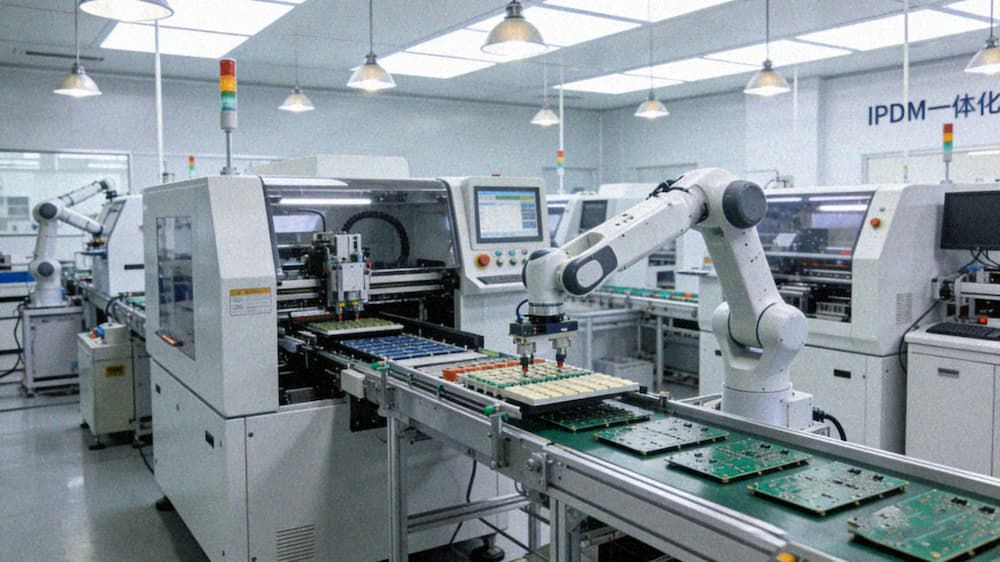
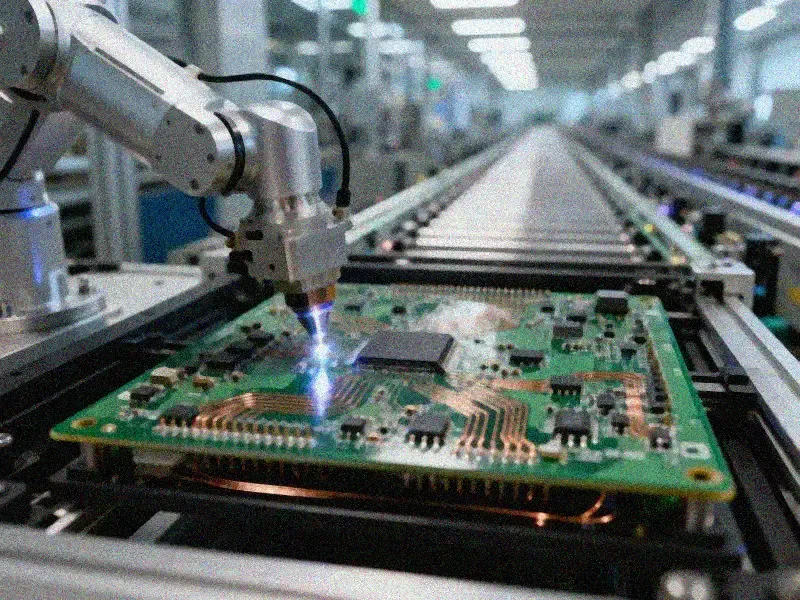
The factory also has to manage process drift caused by material switching. Lamination temperature profiles, drilling parameters, plasma desmear, electroless copper deposition, and plating windows may all need adjustment. The margin becomes especially narrow when high-aspect-ratio vias, thick copper power layers, and dense BGA regions appear on the same board. A production line with limited high-frequency experience may treat material substitution as an ordinary purchasing action, while the consequences show up in pilot yield, rework rate, and reliability testing.
Kingbrother has worked on AI hardware, industrial control, power electronics, and high-reliability electronics projects where design, material selection, fabrication, and testing cannot be separated. In periods of high-frequency material volatility, suppliers need to participate early in stack-up planning, material substitution review, DFM checking, and small-batch validation so that material risk is handled during engineering decision-making rather than after procurement pressure becomes urgent. For sourcing teams, transparency of material channels, documented alternative-material validation, and high-speed fabrication experience will say more about supply-chain resilience than a single quotation.
Delivery Planning Needs Room for Material Validation
The current PPE resin constraint may be only one example of wider volatility in the high-end PCB material chain. As AI servers, 800G and 1.6T network equipment, edge AI devices, and high-frequency communication products continue to pull demand for low-loss materials, any disturbance in resin, copper foil, or glass fabric supply can reach PCB lead times faster than many project teams expect. Hardware teams starting new programs should lock critical materials earlier, prepare alternative stack-ups, reserve validation samples, and establish qualified secondary sources where the application allows it.
The next phase of material competition will test more than purchasing leverage. Teams that can put material availability, engineering validation, process window control, and volume delivery onto the same planning schedule will have a better chance of protecting product launch timing. High-frequency PCB supply-chain management is becoming closer to engineering management: the earlier a team identifies material constraints and turns them into executable design and fabrication options, the more room it keeps when the material cycle becomes uncertain.