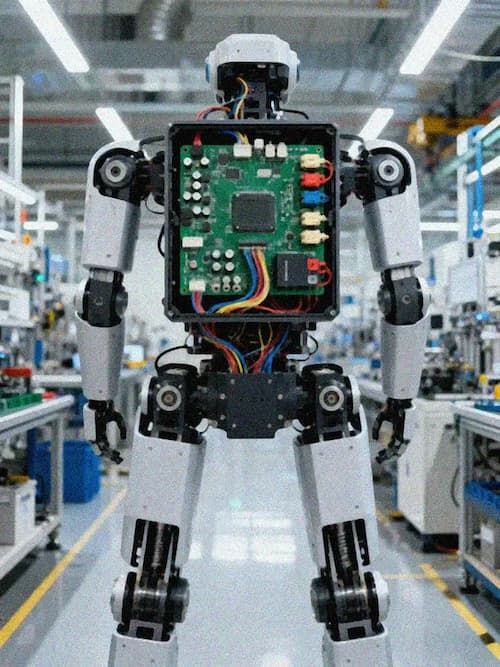
In September 2026, NVIDIA announced an agreement to acquire the open-model platform Hugging Face for roughly USD 12.9 billion, with the deal expected to close in the first half of 2027. Hugging Face counts about 18 million individual users and 200,000 enterprise customers, and it has committed to keeping the platform open. A second signal arrived from robotics around the same time: Pollen Robotics, part of the Hugging Face ecosystem, launched a USD 399, roughly 25 cm programmable bipedal robot called Microduck that can load small open models and be reprogrammed. Together, the two events point to a forming trend: as models become open and small enough, the hardware barrier for robot on-device AI is falling.
Hugging Face's Open Robot Model Ecosystem
Robot model openness is one of the fastest-moving parts of the Hugging Face ecosystem. Vision-language-action (VLA) models fuse visual perception, language understanding, and action generation into a single model, letting a robot output control actions directly from instructions. SmolVLA is a representative of this class, trained on 481 open datasets accumulated by the LeRobot community with an emphasis on efficiency and deployability. LeRobot itself is an open framework for robot learning and manipulation, and its v0.6.0 release unified reward-model APIs, added a SmolVLA baseline, and completed evaluation and Docker support.
The NVIDIA-Hugging Face collaboration accelerated the ecosystem further. NVIDIA brought Isaac GR00T 1.7 and Isaac Teleop into LeRobot and connected Jetson Thor with robot platforms such as Reachy 2. Open robot models are therefore gaining stronger hardware adaptation, and the conditions for moving them from cloud to device are maturing.
The step from cloud to device depends on quantization and format adaptation. INT8/INT4 quantization and formats such as GGUF let some VLA and lightweight models run on edge NPUs, and on-device inference delivers the low latency, data privacy, and weak-network availability that real-time robot control needs.
PCB Requirements for Robot On-Device AI
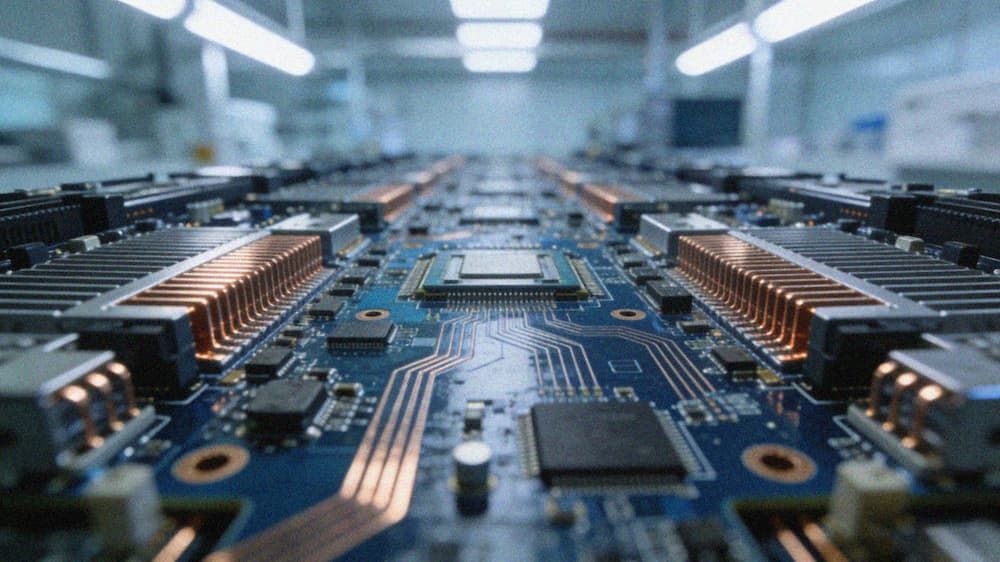
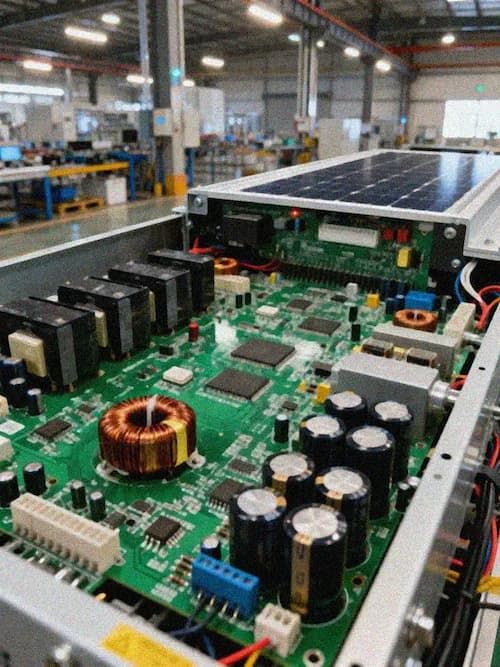
Robot on-device AI hardware centers on the balance between compute and power. NPU selection has to be layered by task, from 6 TOPS-class lightweight inference to Jetson Thor-class high-compute platforms, with each robot task mapping to its own compute budget. The power tree and decoupling are just as important, because multiple low-voltage rails with dynamic loads require a low-impedance PDN to keep supply stable while the robot moves.
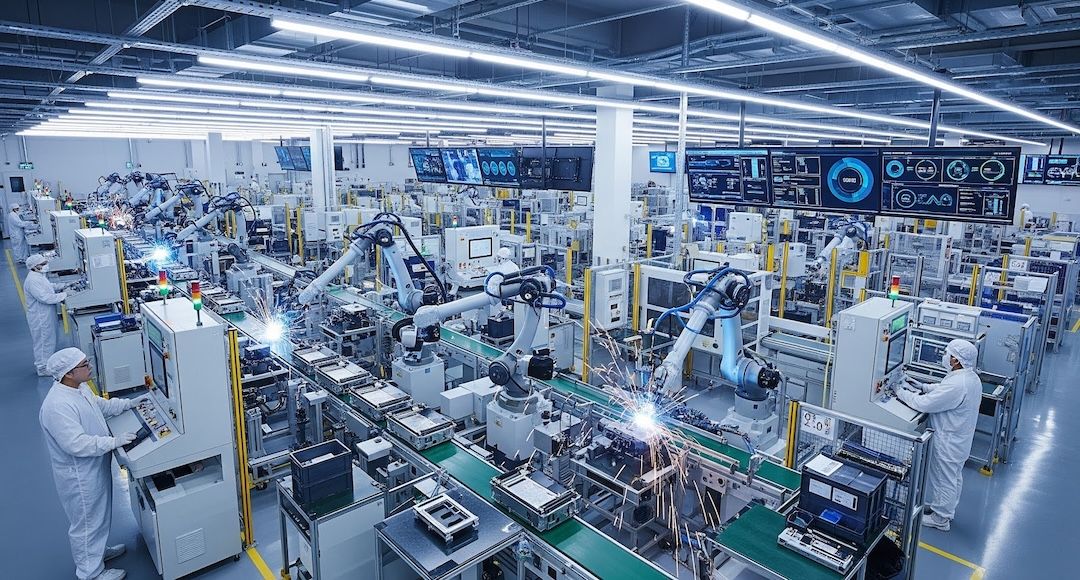
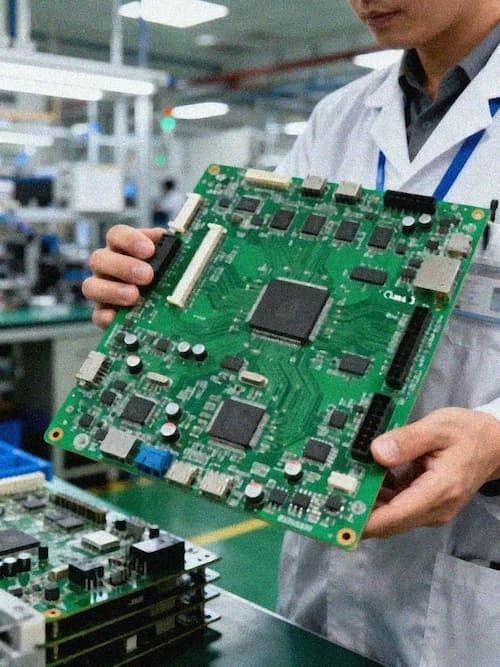
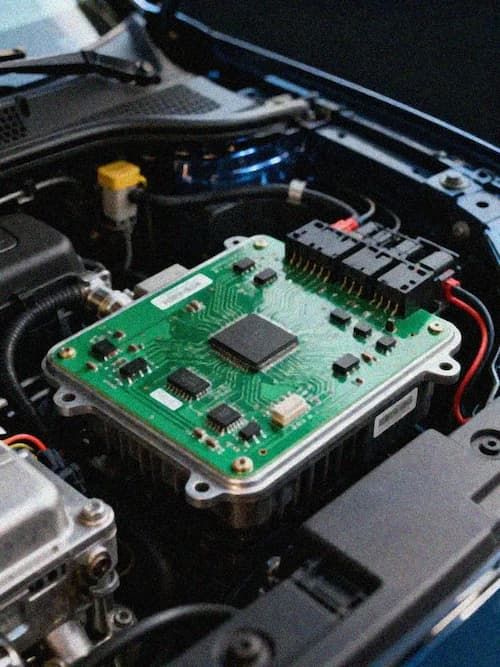
High-speed signaling and memory are the other hard part. LPDDR4X/5, PCIe, MIPI, and USB interfaces need strict impedance control and length matching, and 100-ohm differential plus return-path design directly affect inference-latency stability. Robot joints and bodies are space-constrained, which stacks high density, thin form factor, low power, and thermal requirements together, making HDI and rigid-flex boards a common choice for control boards and joint connections. Robots moving from lab to production line also face reliability constraints around wide temperature, vibration, EMC, and long life.
From Model to Board
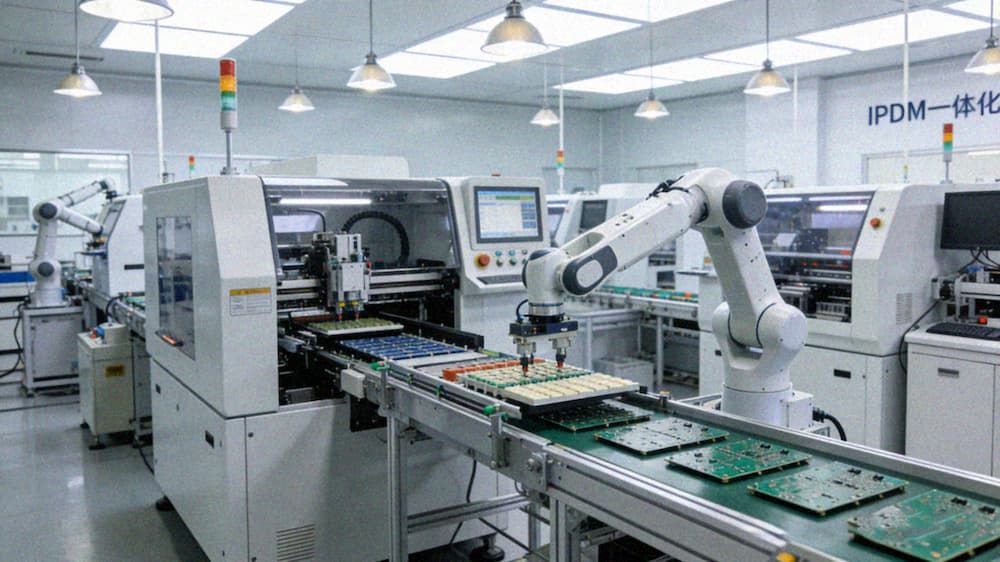
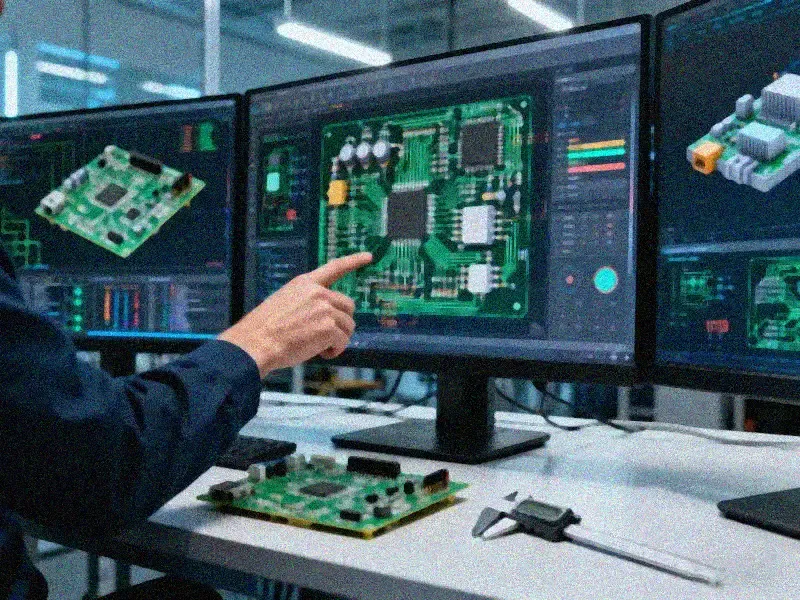
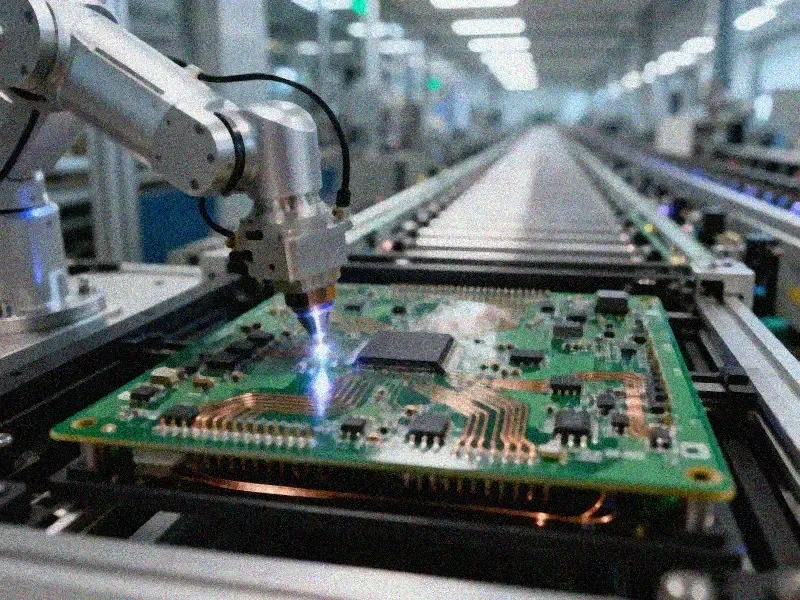
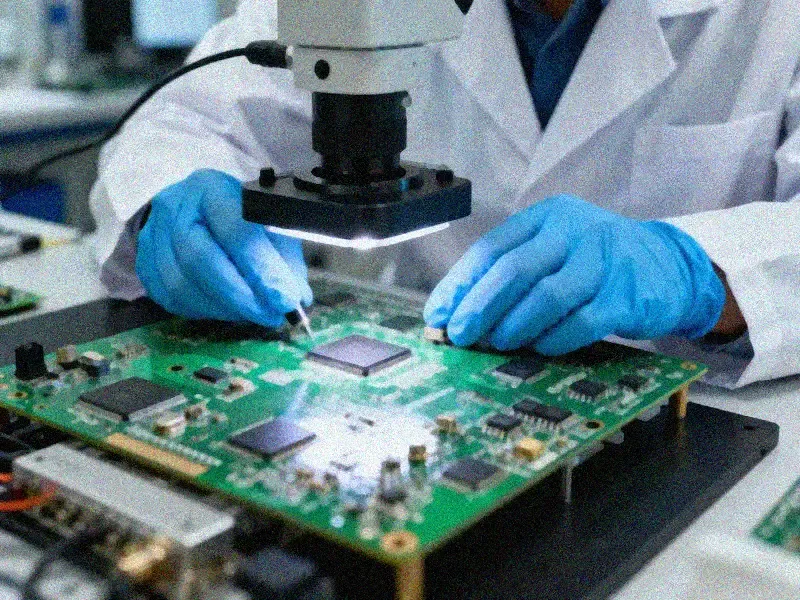
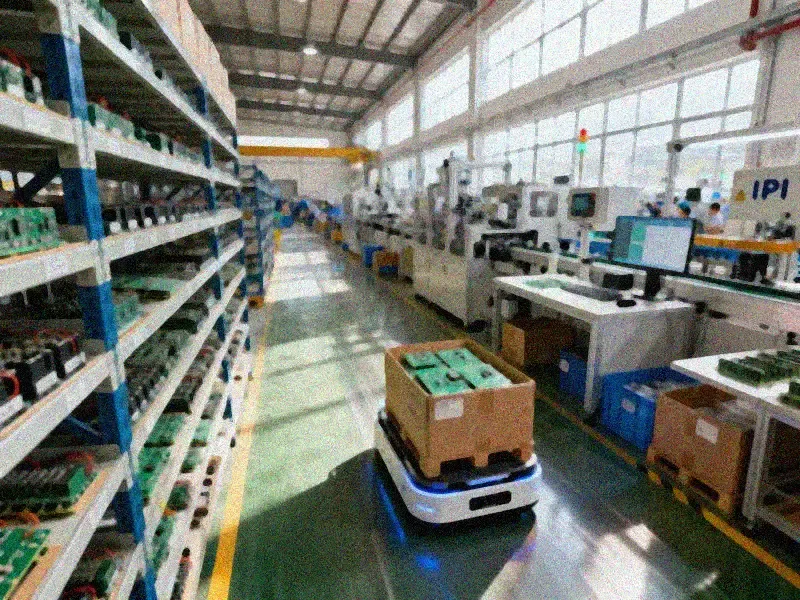
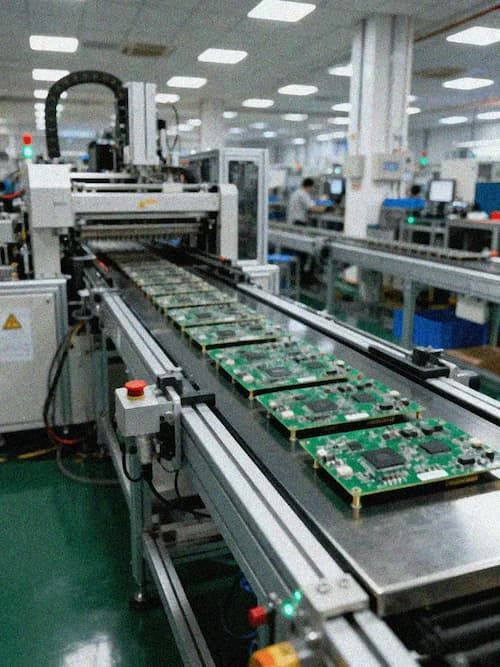
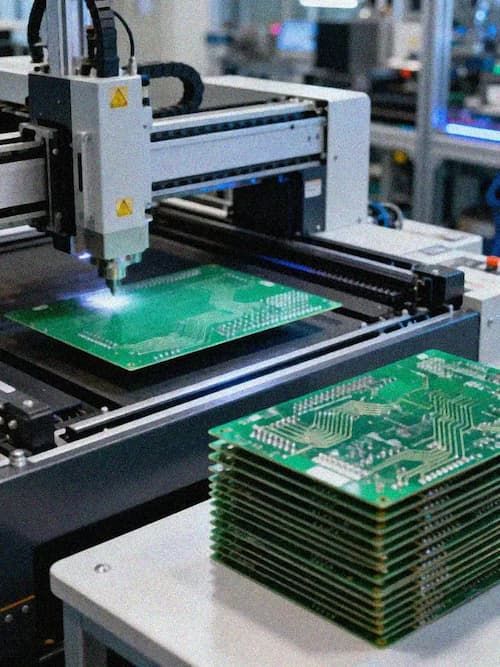
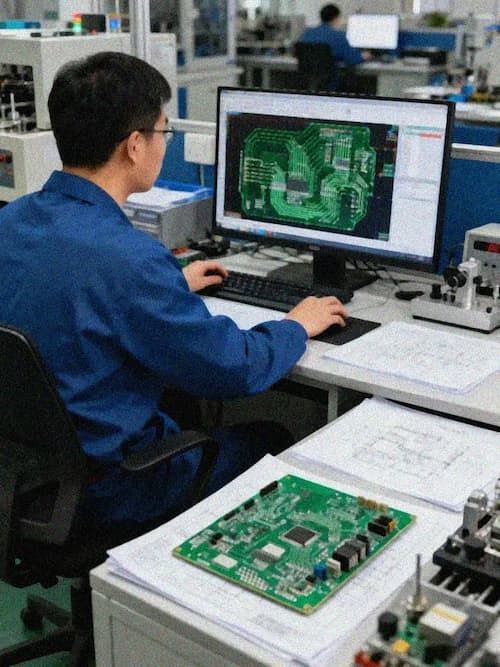
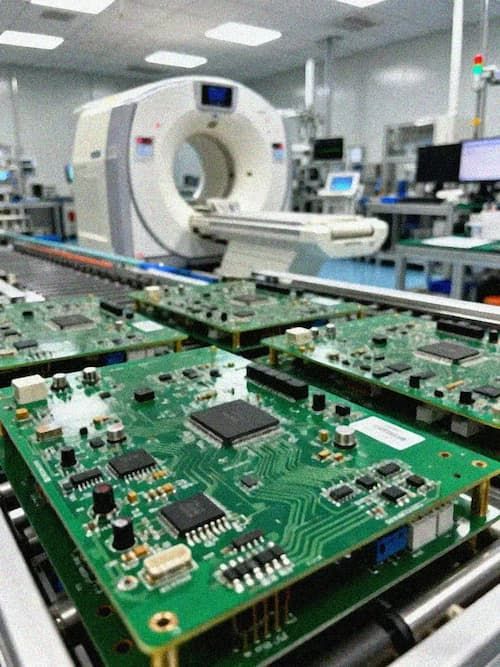
Open models lower the algorithm barrier, but stable, low-power, producible PCB/PCBA remains the bottleneck for robot products. KINGBROTHER holds HDI, high-frequency material, and rigid-flex capability, and its 10-layer, 100-ohm evaluation board experience carries directly into robot control boards. Fast iteration from evaluation board to volume, combined with design review, DFM, prototype, small-batch, and volume transition through IPDM one-stop service, shortens the time from an open model to a robot product.
Closing
The opening of the Hugging Face ecosystem is letting more teams enter robotics, while on-device AI board delivery is becoming the new competitive focus. As the algorithm barrier drops, the teams that can land open models on low-power, producible boards will get closest to robot deployment at scale.