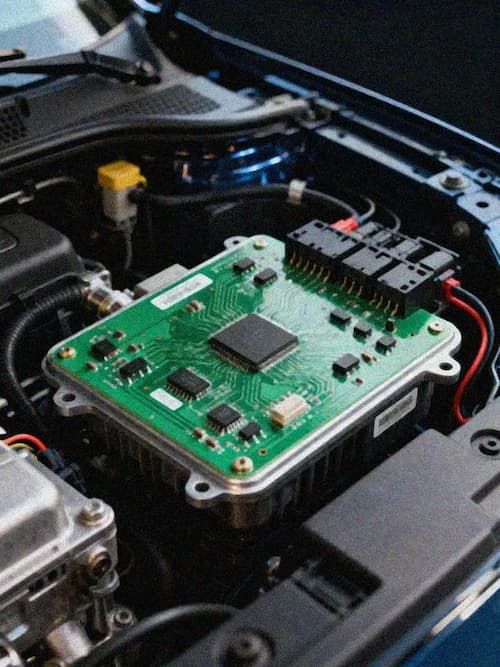
Overview
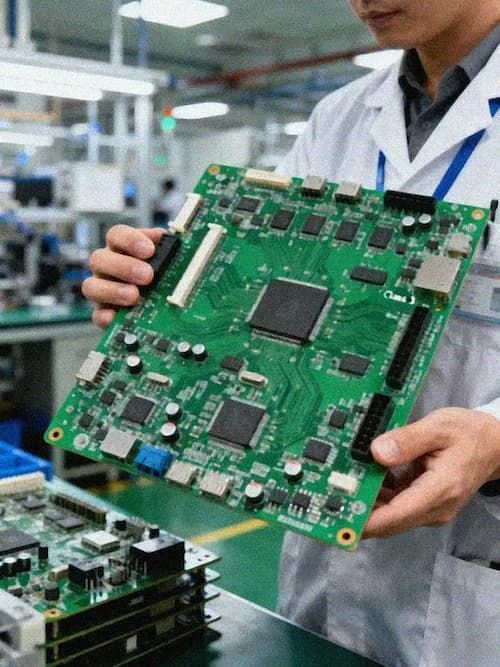
Medical monitoring PCB design is the core technical link to ensure the reliable operation of various biomedical monitoring equipment, directly affecting the accuracy of bioelectric signal acquisition, the stability of data transmission, and the safety of long-term equipment use. Different from conventional electronic product PCB design, medical monitoring scenarios have extremely strict requirements for noise suppression, anti-electromagnetic interference, biocompatibility, and miniaturization: for example, wearable vital sign monitors need to accurately capture microvolt-level (<1mV) weak bioelectric signals under complex motion interference, implantable monitoring devices need to meet long-term human body compatibility and ultra-small size requirements, and operating room monitoring equipment needs to avoid electromagnetic interference with other surgical equipment while ensuring real-time data transmission. A complete medical monitoring PCB design service covers the whole process from schematic review, stack-up planning, component placement and routing optimization, to performance testing and compliance verification, which can meet the design needs of different grades and application scenarios of medical monitoring hardware.
Technical Capabilities
- Low-noise micro-signal acquisition design: For vital sign monitoring equipment that needs to capture weak bioelectric signals such as ECG, EEG, and SpO2, it adopts a 6-layer board stack-up design with separate analog and digital ground planes, isolates analog signal traces and high-speed digital traces through targeted routing planning, and configures low-impedance power supply networks, which can effectively reduce crosstalk, power frequency interference, and ground bounce noise, ensuring the accuracy of microvolt-level signal acquisition.
- High-speed signal transmission and anti-interference design: For medical monitoring equipment with high-speed data transmission and imaging functions, it supports 12-20 layer high-frequency PCB stack-up design with built-in independent shielding layers, achieves ±5% high-precision impedance control, adapts to gigabit Ethernet, high-definition video output and other high-speed interface transmission requirements, avoids signal attenuation and distortion, and meets the real-time transmission needs of large-volume monitoring data and medical image data.
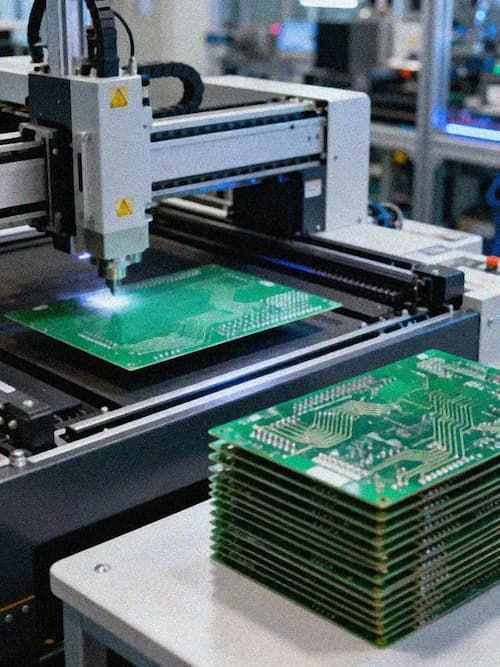
- Miniaturized rigid-flex integrated design: For wearable and implantable medical monitoring equipment, it adopts rigid-flex board stack-up solutions, cooperates with high-density routing processes with line width/line spacing as low as 2.0/2.0mil and micro-via processing technology, which can reduce the volume of the PCB by up to 40% compared with conventional rigid boards, and supports nano-coating treatment for implantable device boards to meet biocompatibility requirements.
- High-reliability material and process matching: For monitoring equipment that needs continuous long-term operation, it supports the selection of high-TG (170-180℃) plates, and provides targeted heat dissipation design schemes such as buried copper blocks and thick copper plates to ensure stable operation of equipment under long-term load. For surgical robot monitoring modules, it supports 16-layer high-TG plate design to meet the real-time response requirements of multi-axis motion control signals.
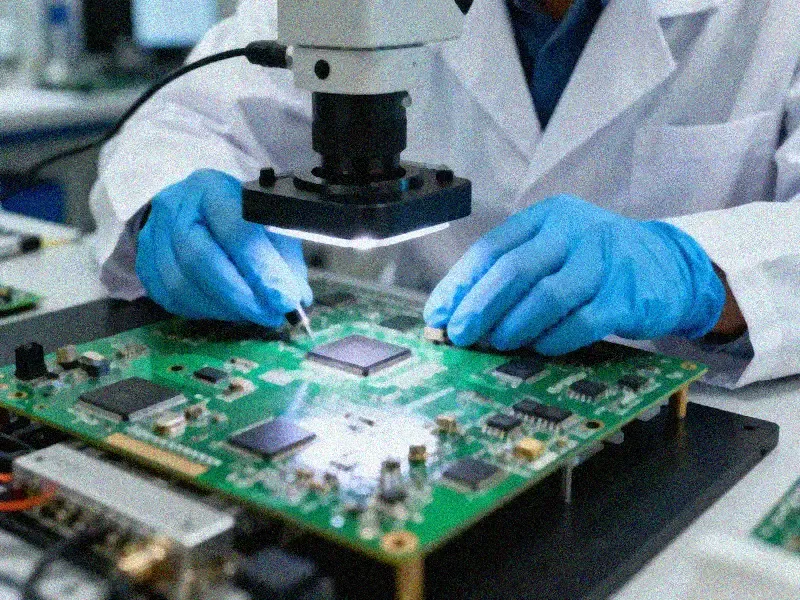
- Full-process performance verification support: Equipped with a professional testing system, it provides multiple verification services including signal integrity testing, EMC/EMI testing, high and low temperature cycle testing, humidity and heat resistance testing, and biocompatibility testing, which can fully verify product performance before mass production and reduce post-production iteration risks.
Quality Standards
Medical monitoring PCB design strictly follows the relevant standards of the global medical device industry, and the whole design and manufacturing process meets the following specifications:
- Complies with ISO 13485 medical device quality management system requirements, all design files and material information are traceable, which meets the audit requirements of medical device product registration
- Meets IPC-A-610 Class 3 high-reliability electronic product acceptance standards, suitable for long-term stable operation of medical equipment
- EMC performance meets IEC 60601 medical electrical equipment safety and electromagnetic compatibility standards, avoids mutual interference with other medical equipment in clinical scenarios
- All materials meet RoHS and REACH environmental protection requirements, and plates for implantable and wearable devices meet biocompatibility test standards
Applications
Medical monitoring PCB design solutions can be widely used in various medical monitoring and related biomedical equipment scenarios, including but not limited to:
- Wearable vital sign monitors (ECG patches, HRV monitoring equipment, continuous glucose monitors, smart wearable health terminals)
- Hospital bedside multi-parameter patient monitors
- Implantable monitoring devices (implantable ECG recorders, cardiac pacemaker monitoring modules)
- Surgical robot integrated motion control and monitoring modules
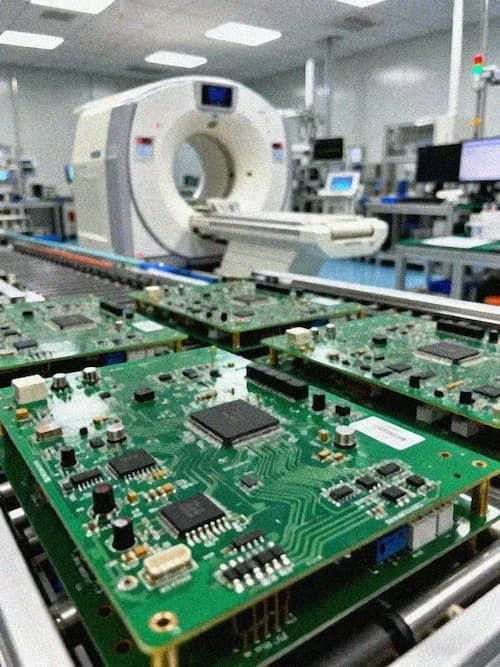
- Auxiliary monitoring units for medical imaging equipment such as ultrasound and magnetic resonance
- Home health intelligent monitoring terminals
- Brain electrical biofeedback monitoring instruments
- Monitoring modules for immunology analyzers, blood detection analyzers and other in vitro diagnostic equipment
- Medical endoscope image acquisition and monitoring modules
Key Advantages
- Scenario-based customized design: Adjust stack-up structure, material selection, routing scheme and process route according to the actual needs of different monitoring scenarios, from low-power wearable devices to high-performance operating room monitoring systems, can provide targeted design schemes, effectively balance product performance, manufacturing cost and mass production feasibility.
- Mature noise suppression technical accumulation: Has a large number of verified design schemes for microvolt-level bioelectric signal acquisition scenarios, which can effectively solve common industry pain points such as power frequency interference, motion artifact interference, digital-analog crosstalk in medical monitoring products, and shorten the R&D iteration cycle.
- Full lifecycle service support: Covers the whole process service from schematic review, PCB layout, prototype manufacturing, small batch trial production to mass production process matching, reduces cross-stage communication cost, and can shorten the product launch cycle by more than 30% compared with conventional split service mode.
- Regulatory compliance pre-assessment: Provides pre-design compliance assessment for medical device regulatory requirements in different regions, helps customers avoid regulatory risks in the R&D stage, and reduces the certification time of medical device products.
Contact Information
If you have technical requirements or customized demands for medical monitoring PCB design, you can contact our technical team for consultation. We will provide you with free pre-sales technical evaluation, targeted customized design solutions and professional full-process technical support to help your medical monitoring hardware R&D and production proceed smoothly.