Overview
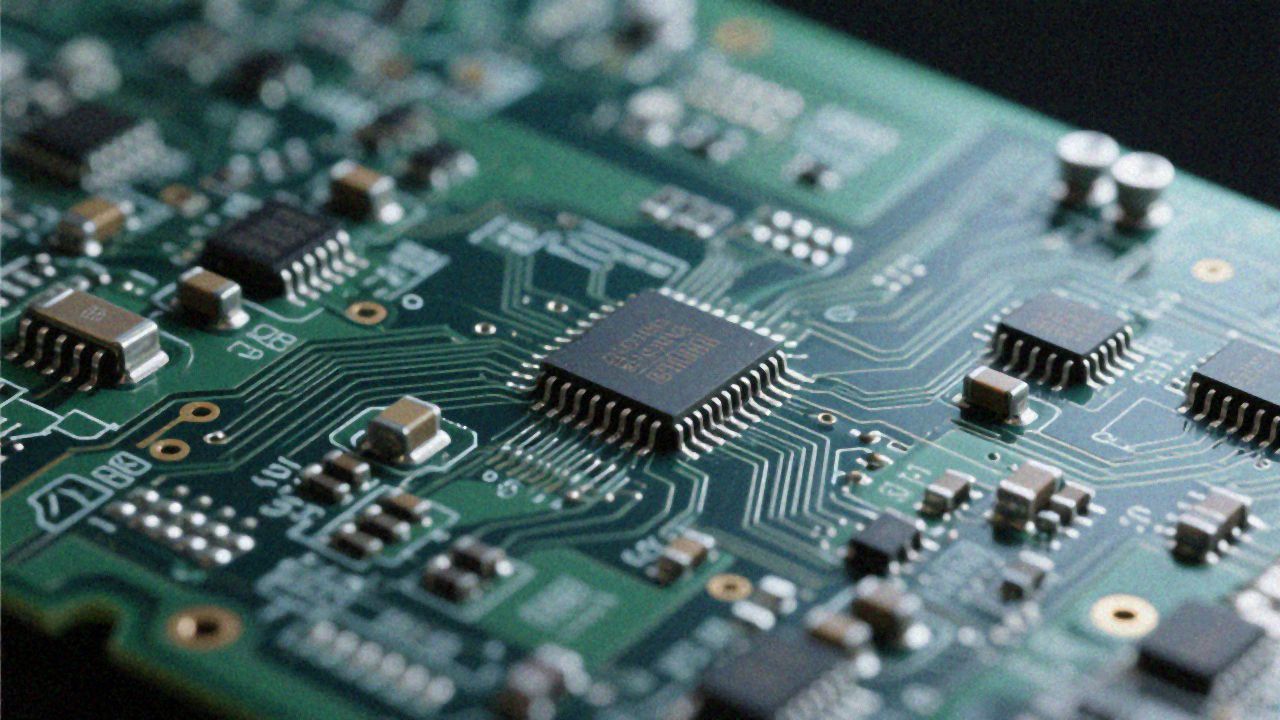
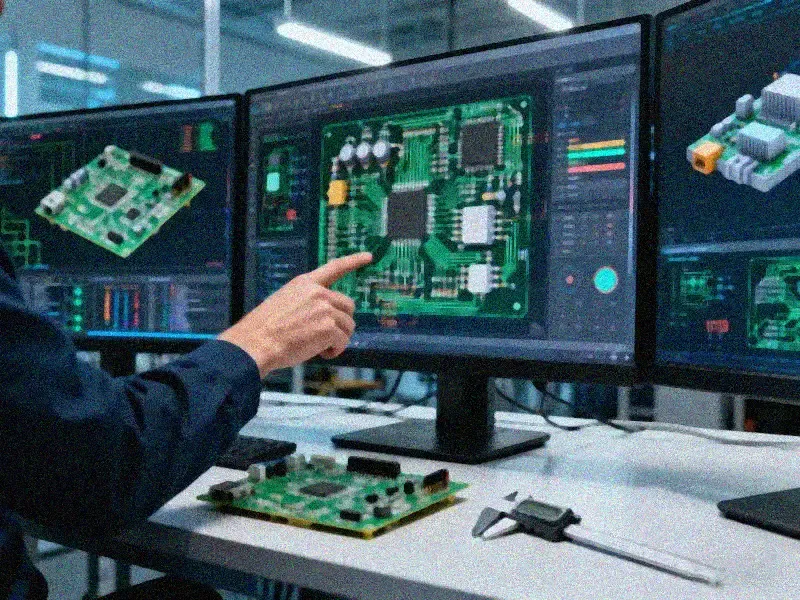
Medical equipment has extremely stringent requirements for PCB design, as the stability, accuracy and safety of PCBs directly affect diagnostic results, surgical outcomes and even patient life safety. Different types of medical devices have differentiated core demands: medical imaging equipment requires high-speed signal transmission and strong anti-interference ability, vital sign monitors need to accurately capture tiny biological electrical signals, implantable devices put forward requirements for miniaturization and biocompatibility, and surgical robots rely on real-time and high-reliability motion control signal transmission. Medical equipment PCB design covers the whole process of optimization from stack planning, component layout, routing adjustment, material selection to performance verification, which can effectively solve the industry pain points such as signal crosstalk, noise interference, size limitation and environmental adaptability, and meet the regulatory requirements for medical device listing and clinical application.
Technical Capabilities
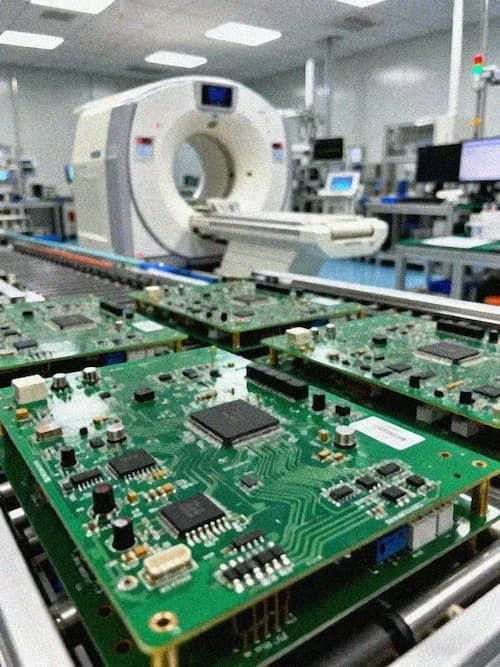
- High-speed signal transmission optimization design: For medical imaging equipment such as magnetic resonance, CT and ultrasound, it supports the design of 20+ layer high-frequency PCBs with built-in independent shielding layers, achieves impedance control accuracy within ±5%, effectively shields electromagnetic interference between different signal layers, avoids signal attenuation and crosstalk during high-speed data transmission, and ensures the clarity and accuracy of medical imaging.
- Low-noise biological signal acquisition design: For vital sign monitoring, electroencephalogram detection and other equipment that need to collect tiny biological electrical signals below 1mV, it adopts a 6+ layer stack design with independent analog and digital ground separation, optimizes the routing path of weak signal lines, reduces noise interference by more than 70%, and ensures the authenticity of collected biological signal data.
- Ultra-miniature biocompatible design: For implantable and wearable medical devices, it supports rigid-flex PCB integrated design matched with nano-coating surface treatment, reduces the overall volume of the control module by up to 40%, meets the requirements of long-term human tissue contact biocompatibility and corrosion resistance, and adapts to the miniaturization and wearing comfort needs of such devices.
- High-reliability motion control design: For surgical robots, vascular interventional robots and other equipment requiring multi-axis cooperative control, it adopts 12-16 layer high TG plate design, supports gigabit Ethernet and high-speed field bus signal transmission, ensures microsecond-level real-time response of motion control signals, and avoids operation delay and control deviation during surgery.
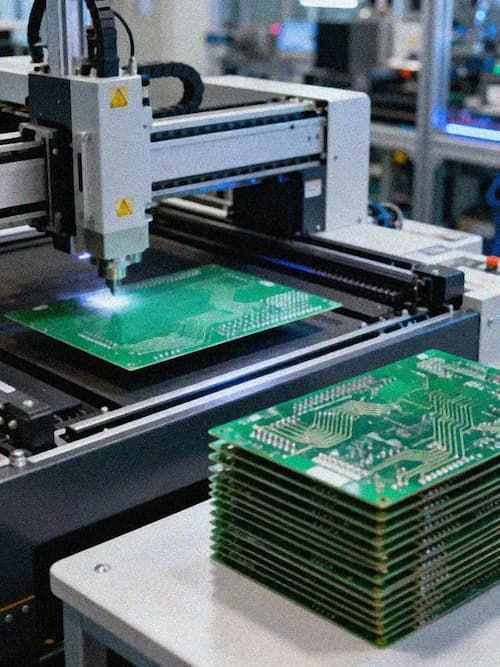
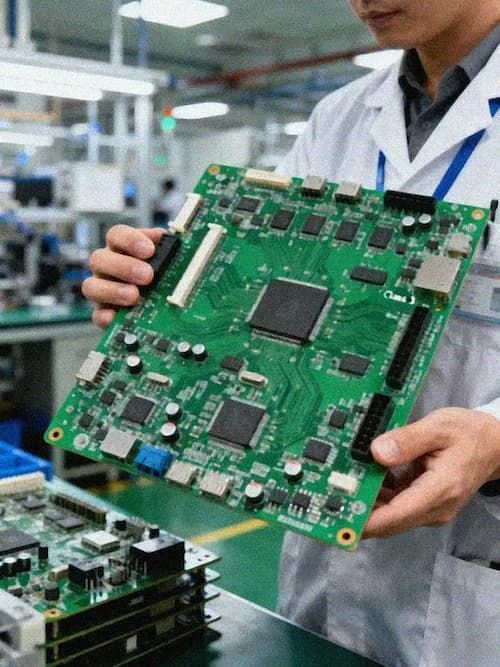
- Multi-type special process support: It covers the design capability of HDI boards, rigid-flex boards, high-heat dissipation thick copper boards, buried resistance/capacitance boards, high-frequency hybrid boards and other special process PCBs, adapts to the complex functional integration requirements of in vitro diagnostic equipment, medical endoscopes, gene sequencers and other products, and balances miniaturization and multi-functional expansion of equipment.
Quality Standards
All medical equipment PCB design processes strictly follow international medical industry relevant specifications, to ensure that products meet clinical application and regulatory filing requirements:
- Regulatory compliance: Design processes comply with IPC-2152 medical PCB design specifications, meet IEC 60601 medical electrical equipment safety standards, and design output documents meet the filing requirements of medical device registration, reducing the difficulty of product market access.
- EMC compliance: Adopt targeted shielding, grounding and filtering design schemes according to the clinical use scenario of equipment, pass EMC tests such as radiation emission, conduction emission, electrostatic discharge and surge immunity, avoid mutual interference between medical equipment and other electronic equipment in the clinical environment.
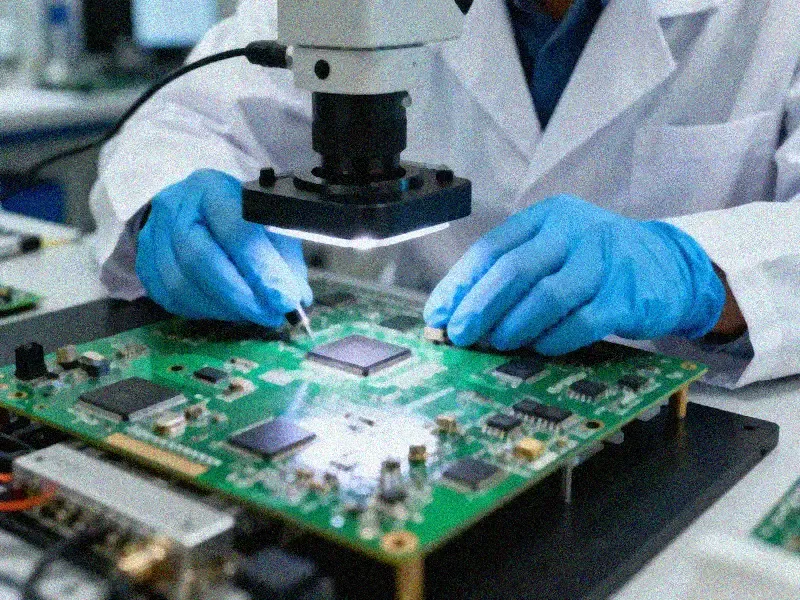
- Reliability verification: Provide full-cycle verification services including signal integrity testing, thermal simulation testing, high and low temperature cycle testing, vibration and shock testing, to ensure that products can operate stably for 5 to 15 years in complex clinical application scenarios, meeting the long service life requirements of medical devices.
- Material compliance: All selected materials meet medical grade RoHS and REACH environmental protection standards, implantable device related materials have passed cytotoxicity, sensitization and irritation tests, avoiding adverse reactions when contacting human tissues or body fluids.
Applications
Medical equipment PCB design solutions can be widely used in various medical device scenarios, including but not limited to:
- Medical imaging equipment: superconducting magnetic resonance, CT, digital X-ray, medical endoscope, ultrasound diagnostic equipment
- Patient monitoring equipment: multi-parameter vital signs monitors, ECG monitors, EEG monitors, HRV analysis equipment
- Implantable and wearable devices: cardiac pacemakers, implantable nerve stimulators, wearable health trackers, hearing aids
- Surgical and interventional equipment: surgical robots, vascular interventional robots, minimally invasive surgical instrument control systems
- In vitro diagnostic equipment: gene sequencers, immune analyzers, blood detection equipment, POCT rapid detection equipment
- Other medical devices: medical beauty equipment, brain electro-acoustic feedback instruments, medical intelligent terminals
Key Advantages
- Customized scheme design: Provide targeted design optimization according to the functional requirements, application scenarios and cost budget of different medical devices, balance performance, size, manufacturing cost and production feasibility, and shorten the product R&D cycle by 30% on average.
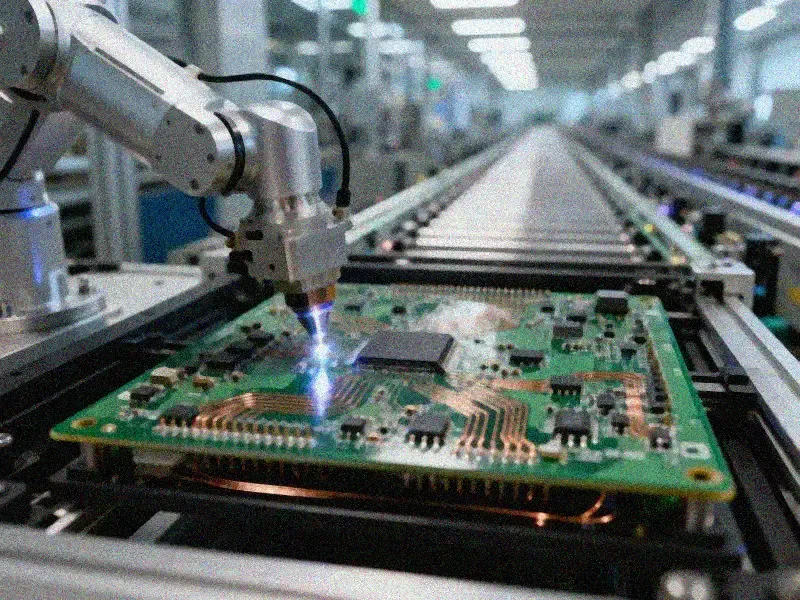
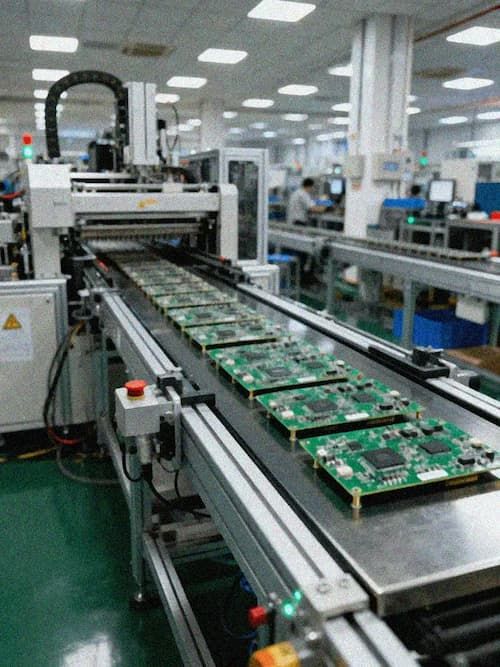
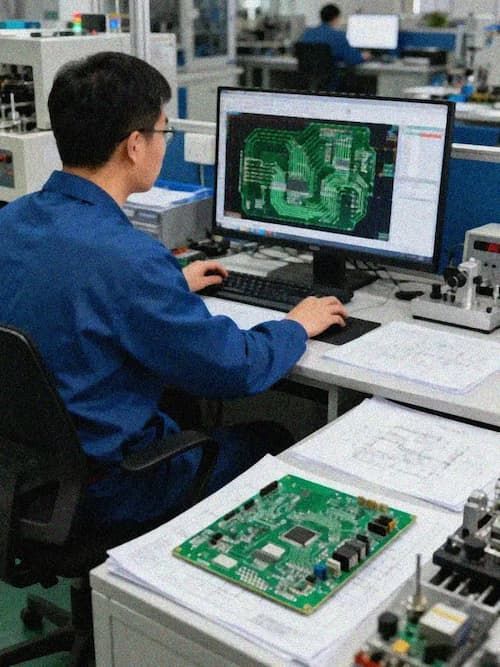
- Design and manufacturing integration: Support one-stop service from schematic design, PCB layout, prototype production, small batch trial production to mass manufacturing, reduce cross-stage communication costs, avoid design scheme deviation caused by process mismatch, and improve the landing efficiency of design schemes.
- High yield guarantee: The design scheme fully considers the mass production process capability, supports the production of high-density PCBs with micro-vias as small as 0.06mm and line width/line spacing as low as 2.0/2.0mil, and ensures that the yield of special process PCB products such as high-speed multi-layer boards and rigid-flex boards exceeds 95%.
- Full technical support: Provide professional technical guidance in the whole process of product R&D, testing and certification, assist customers to solve the technical problems encountered in the process of product listing and clinical application.
Contact Information
If you have medical equipment PCB design requirements, you can contact our technical team for detailed communication. We will provide you with free pre-design technical evaluation, customized design solutions and full-cycle technical support services to help your medical device product R&D and smooth landing.