Overview
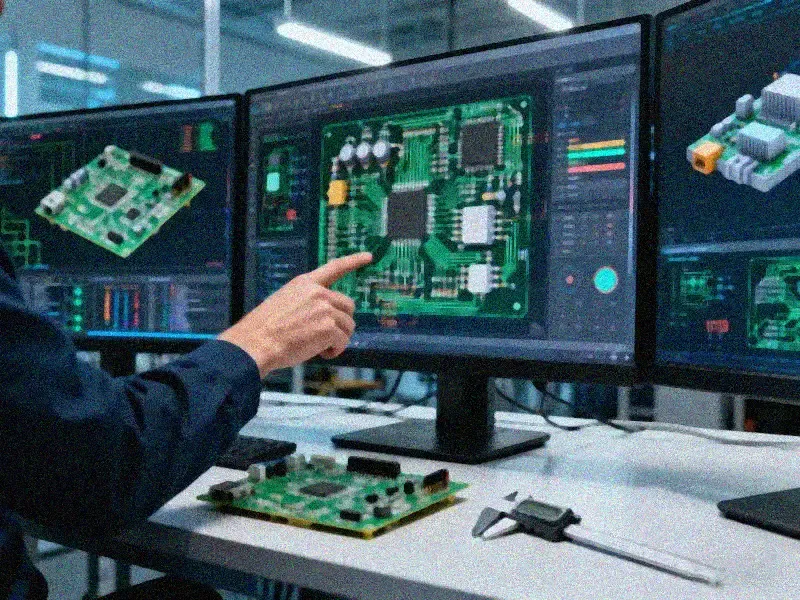
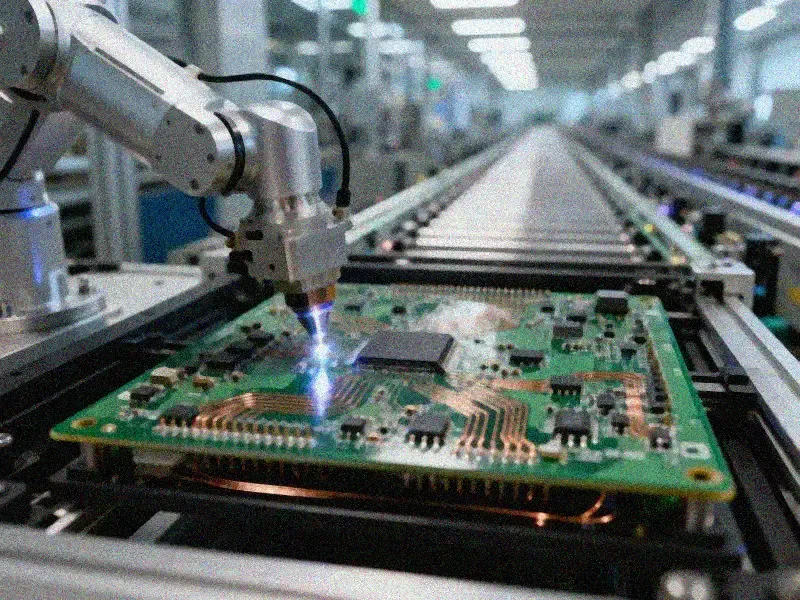
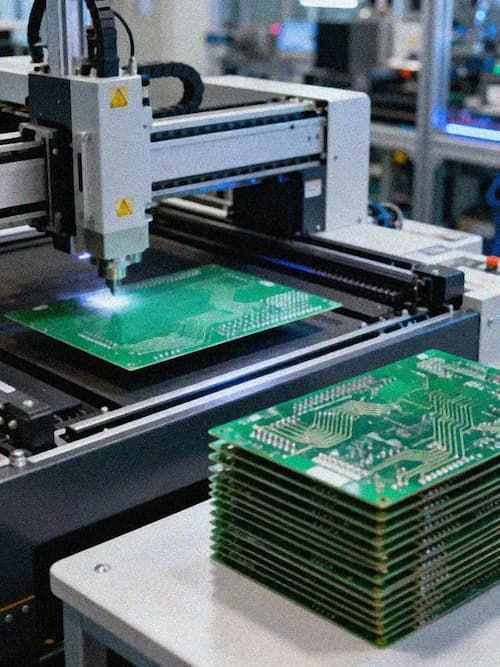
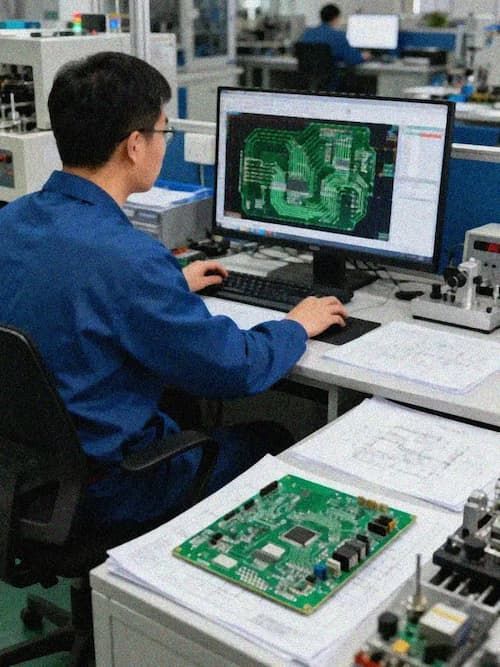
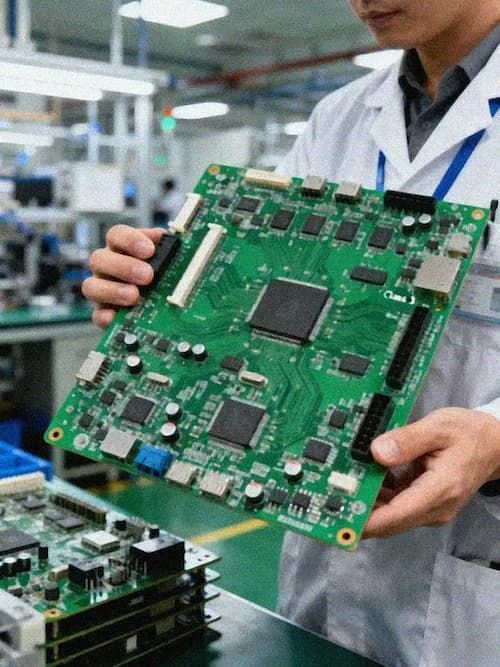
Medical electronics are directly tied to patient safety, diagnostic accuracy, and therapeutic effect, so PCBs for this segment have far stricter performance and quality requirements than consumer or industrial electronics. Core industry demands include zero tolerance for signal distortion, long-term stable operation in complex clinical environments, compliance with rigorous global regulatory standards, and adaptation to specialized use cases such as in-body implantation and micro-signal acquisition. Medical electronics PCB solutions address these core pain points, covering the full lifecycle from design optimization, material selection, precision manufacturing to full performance verification, providing reliable circuit board support for all categories of medical device R&D and mass production. The solutions adapt to varied production demands from rapid prototyping for R&D verification, small-batch trial production for clinical testing, to large-scale mass production for commercial launch, eliminating gaps between design and manufacturing feasibility.
Technical Capabilities
- High-speed high-multilayer PCB manufacturing: Supports up to 24-layer high-frequency PCB design with integrated metal shielding layers, achieving impedance control tolerance within ±5%, meeting high-speed signal transmission and anti-electromagnetic interference requirements for high-end imaging and real-time control medical devices. The technology also supports gigabit Ethernet data transmission, ensuring sub-millisecond level response for multi-axis motion control systems.
- Low-noise signal acquisition PCB design: Provides 4 to 8 layer board design schemes with physically isolated analog and digital ground planes, reducing ambient noise interference by up to 65%, supporting accurate acquisition of weak bioelectrical signals below 1mV for monitoring and in vitro diagnostic devices. The design also optimizes routing of high-sensitivity signal paths, avoiding crosstalk between digital and analog modules.
- Miniaturized rigid-flex PCB fabrication: Customizable rigid-flex board stack configurations with optional medical-grade nano-coating treatment, reducing overall device volume by up to 40%, while meeting ultra-miniaturization and long-term biocompatibility requirements for implantable and wearable medical devices. The rigid-flex structure also eliminates the need for connection cables, improving long-term operation reliability of movable or implanted devices.
- Special material high-reliability PCB production: Supports manufacturing of PCBs with high-TG sheets, thick copper substrates, HDI structures, embedded components, ceramic substrates, and high-heat dissipation materials, adapting to long-term stable operation requirements for high-power, high-load medical equipment such as therapeutic devices and large imaging systems.
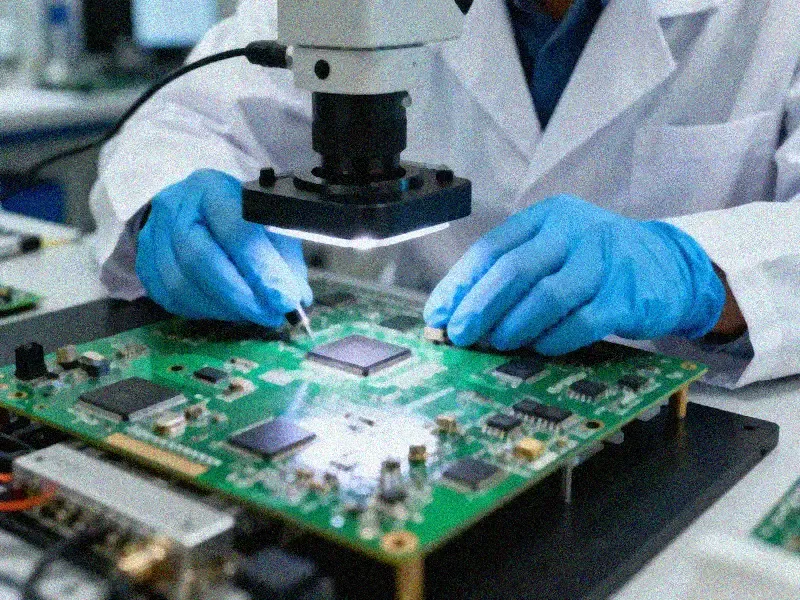
- Full-cycle testing verification services: Covers a full range of performance verification including impedance testing, EMC testing, biocompatibility testing, high and low temperature cycle testing, vibration testing, and signal integrity testing, ensuring all products meet functional and safety requirements before delivery, reducing subsequent clinical verification risks.
Quality Standards
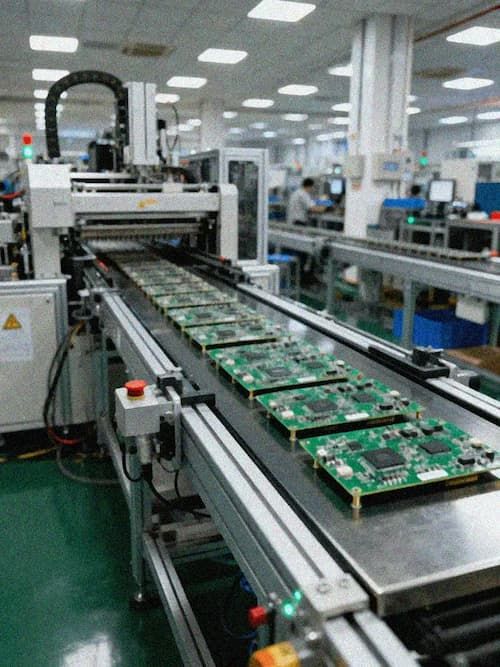
All medical electronics PCB production processes follow global medical industry quality specifications, complying with ISO 13485 medical quality management system requirements, and adopting IPC-A-610 Class 3 acceptance criteria for medical electronics products. Raw material selection fully meets RoHS, REACH, and medical biocompatibility standards, with full traceability of all material batches throughout the production chain. A three-level quality inspection mechanism is implemented throughout the manufacturing process, covering incoming material inspection, in-process spot check, and finished product full inspection, with zero-defect quality control requirements for mass production batches. All products can meet FDA and CE medical device market access requirements, supporting customers to complete regulatory certification for their end devices.
Applications
Medical electronics PCB solutions are applicable to all mainstream medical device scenarios, including:
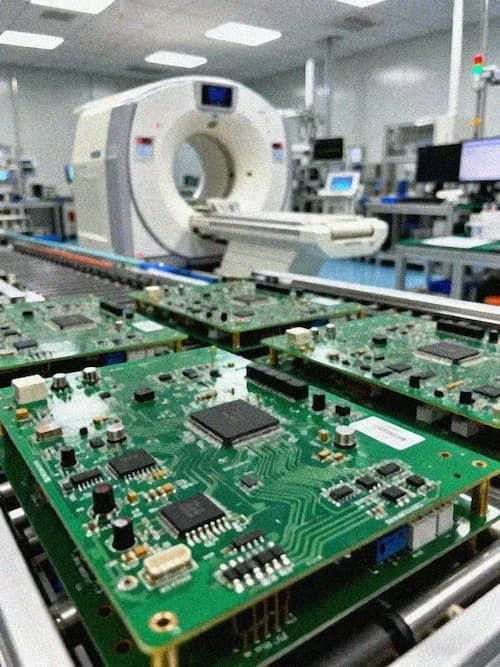
- Diagnostic imaging equipment: Including superconducting MRI, CT, ultrasound, X-ray, and medical endoscope systems, supporting high-speed signal transmission, anti-interference design, and high-density routing requirements for large-scale imaging modules.
- Patient monitoring devices: Including life体征监护仪, HRV monitoring equipment, EEG biofeedback devices, and wearable health monitoring terminals, supporting high-precision weak bioelectrical signal acquisition and low-power long-term operation requirements.
- Surgical and interventional devices: Including surgical robots, vascular interventional robots, and minimally invasive surgical instruments, supporting real-time motion control response, high data transmission rate, and miniaturized structural design requirements for narrow surgical space use.
- In vitro diagnostic equipment: Including immun analyzers, gene sequencing devices, blood detection analyzers, and microbial detection systems, supporting ARM/FPGA core board design, stable multi-module data interaction, and long-term continuous operation reliability requirements.
- Implantable and therapeutic devices: Including implantable cardiac pacemakers, in-vivo monitoring sensors, and medical aesthetic equipment, supporting biocompatible material selection, ultra-miniaturization, and low-power design requirements for long-term in-vivo or skin-contact use.
Key Advantages
- Customized solution matching: Supports one-to-one tailored design based on specific device functional requirements, adapting to prototyping, small-batch trial production, and large-scale mass production demands, with no minimum order quantity restrictions for both standard and custom PCB types.
- Full process coverage: Covers all common and special medical PCB categories, including single/double sided boards, multilayer boards, HDI boards, rigid-flex boards, thick copper boards, high-frequency hybrid boards, embedded component boards, and ceramic substrates, meeting the demands of all medical device segments.
- Strict compliance control: Full production process follows medical industry quality control specifications, with pre-production material compliance review, in-process dynamic quality inspection, and post-production full performance verification, ensuring all products meet global medical device regulatory requirements.
- High efficiency full chain support: Covers the entire service chain from schematic optimization, stack design, manufacturing, component assembly, to final testing verification, reducing cross-stage communication costs, shortening product R&D and launch cycles by up to 30%, while lowering overall project costs.
Contact Information
If you have custom requirements for medical electronics PCB solutions, including design consultation, prototyping, mass production, or performance testing, you can contact our professional technical team at any time. We will provide you with targeted solution design, free technical evaluation, and transparent quotation services according to your specific application scenarios and performance indicators. Our team will also provide full technical support throughout the product lifecycle to help you accelerate product R&D and commercial launch progress.