Overview
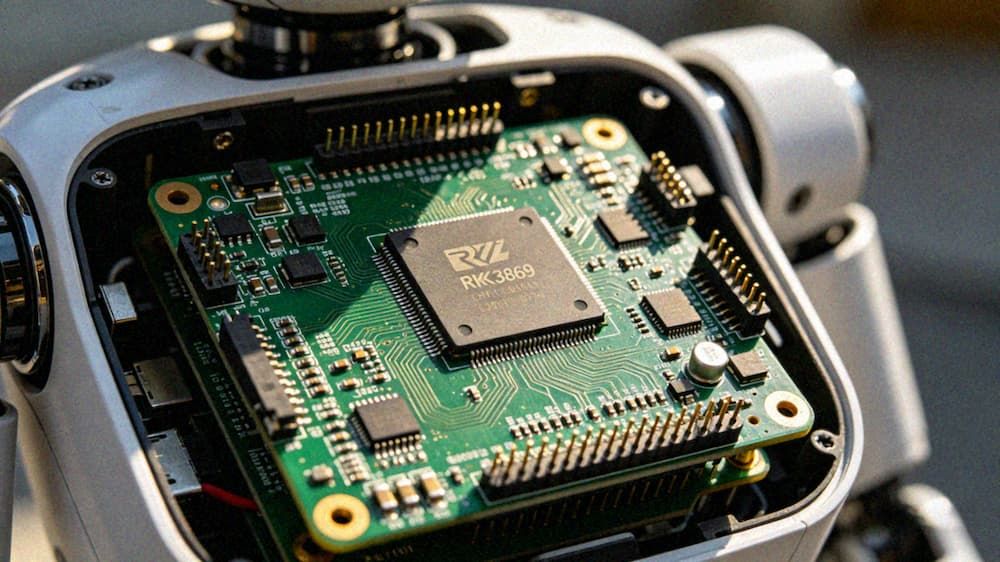
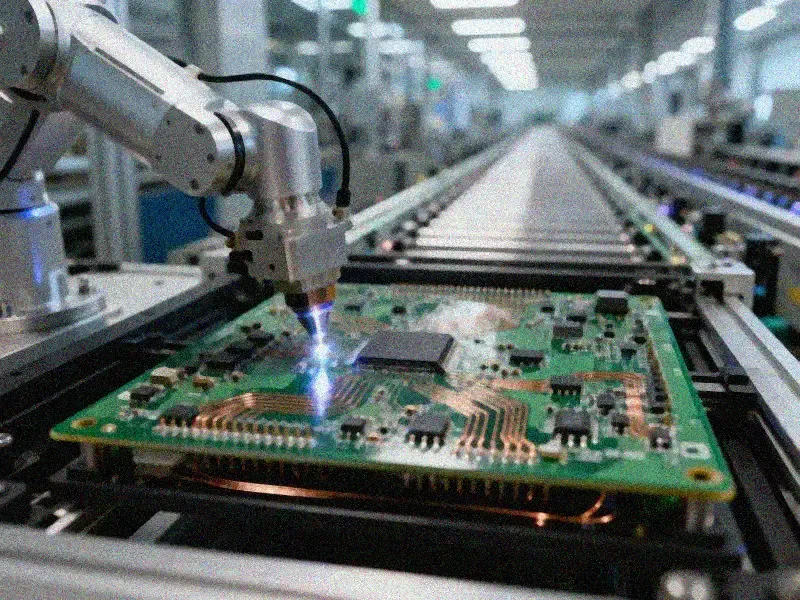
Industrial robots are the core supporting equipment of modern smart manufacturing, undertaking high-intensity, high-precision operations including assembly, handling, welding, inspection, and sorting across diverse industrial scenarios. The PCB, as the core carrier of robotic control, drive, sensing, and communication modules, has extremely high requirements for reliability, environmental adaptability, signal transmission stability, and power load capacity. Poor PCB design will directly lead to robotic system downtime, production interruption, and even safety accidents, causing huge economic losses to industrial users.
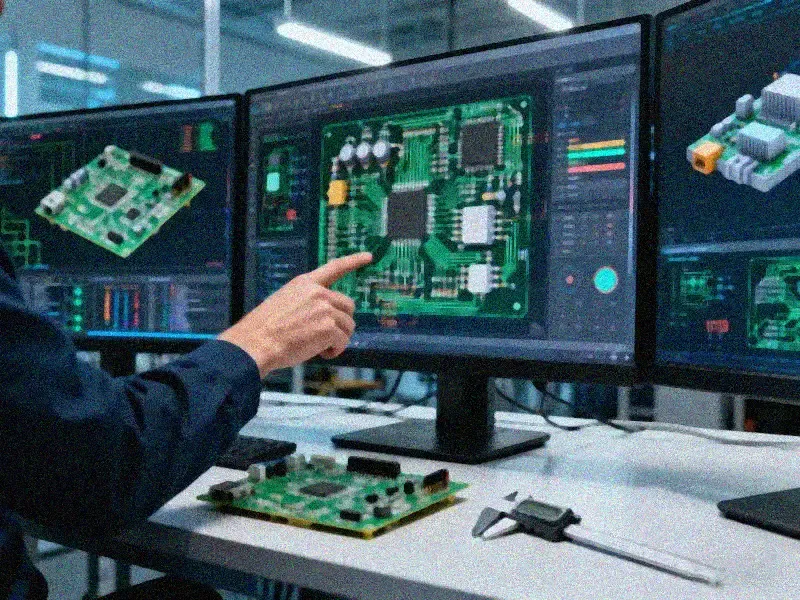
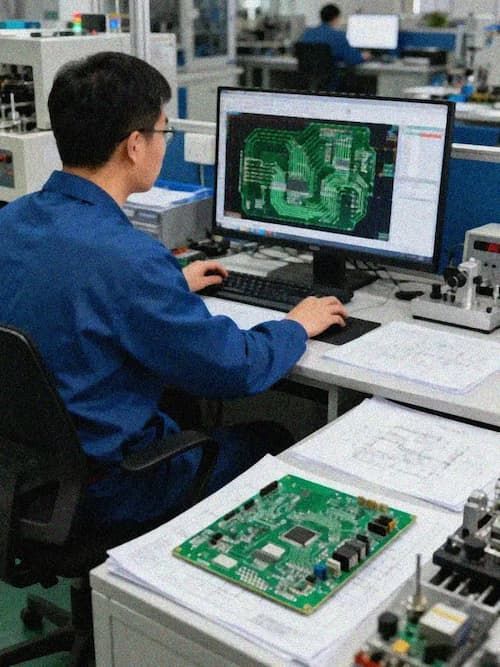
Industrial robotics PCB design is a professional design service tailored to the operating characteristics of industrial robotic systems, covering the entire process from demand analysis, schematic design, stack planning, placement and routing optimization, prototype verification to mass production guidance. The design solution fully takes into account the harsh working conditions of industrial sites such as long-term vibration, wide temperature fluctuation, dust and humidity, and electromagnetic interference, and can meet the diversified needs of different types of robotic systems for performance, structure, and service life.
Technical Capabilities
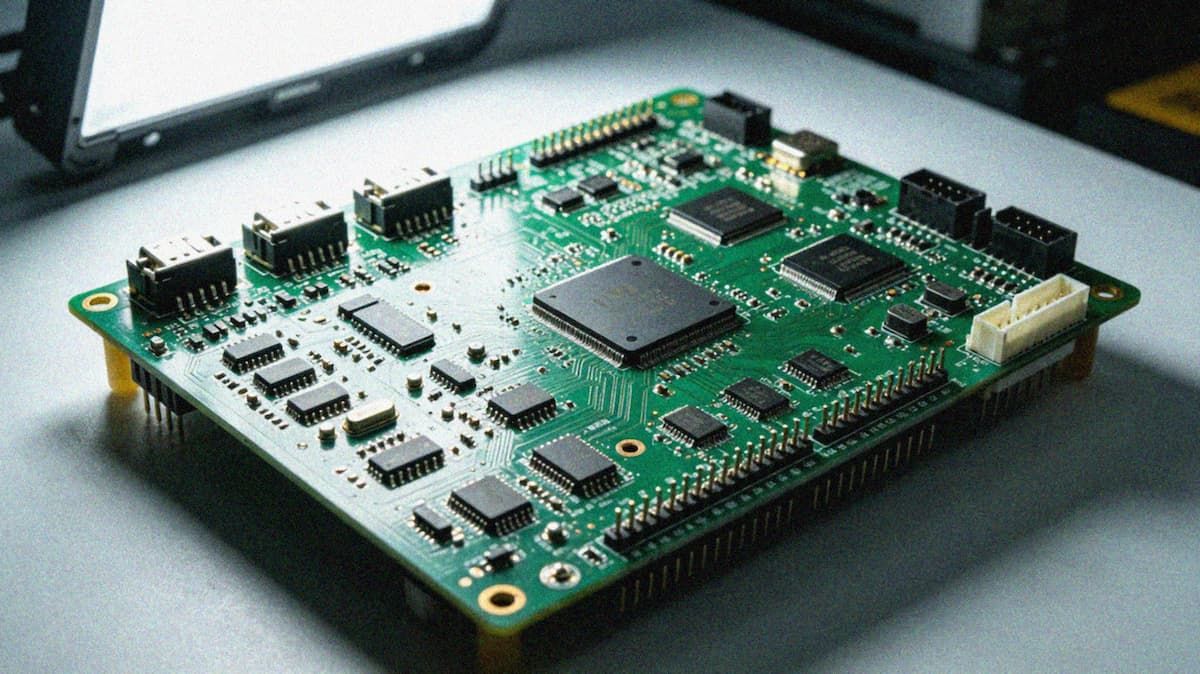
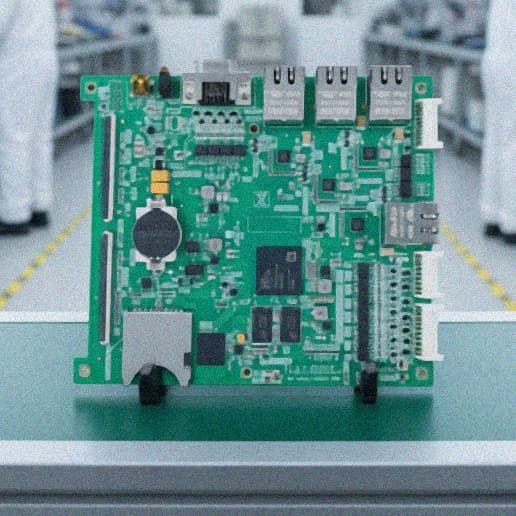
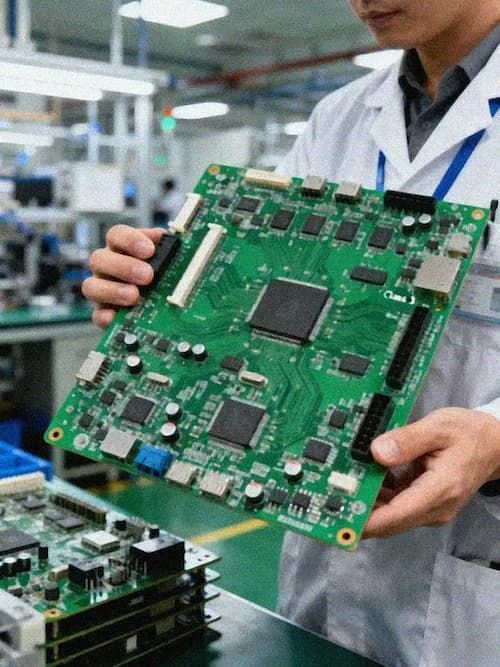
- Diverse Board Type Design Support: Supports design of single-sided, double-sided, multilayer, HDI, rigid-flex, heavy copper, high-frequency hybrid, metal core, high-speed backplane, buried resistance, buried capacitance, buried copper block, and ceramic PCBs, adapting to the varied structural and performance requirements of different robotic modules including controllers, drives, sensor interfaces, and end effectors.
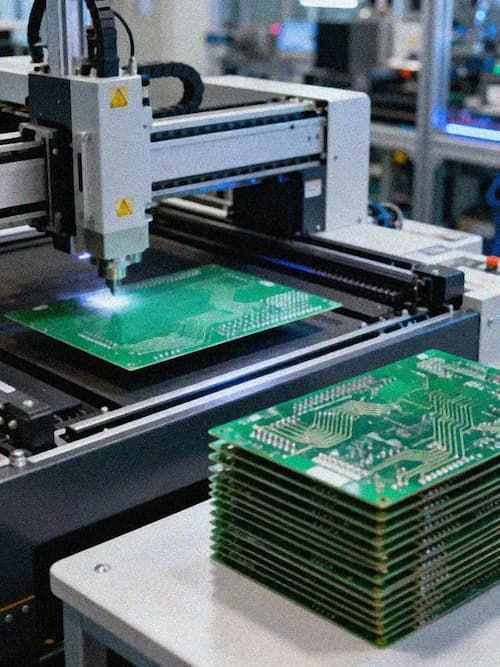
- High-Precision Manufacturing Parameter Adaptation: Achieves minimum trace width/space of 2.0/2.0 mil, minimum mechanical hole diameter of 0.10mm, maximum copper thickness up to 18 OZ, maximum board thickness up to 12mm, meeting the high-density routing demands of multi-sensor interconnection and the high-power load requirements of robotic drive modules.
- Protocol and Interface Compatibility: Natively supports common industrial communication protocols including I2C, TDM, and PCM, and is compatible with both DC and AC power supply design solutions, adapting to the interconnection needs of different sensors, actuators, and upper control systems across various robotic architectures.
- Full Chain Electromechanical Integration Support: Provides end-to-end design support covering appearance ID design (including style, material, color matching, and electromechanical coordination), structural design (including material selection, process optimization, mold opening adjustment, reinforcement, and protective design), BSP development for mainstream operating systems such as Android, Linux, Ubuntu, and Debian, as well as full product integration services including BOM procurement, PCBA production testing, and complete machine assembly testing.
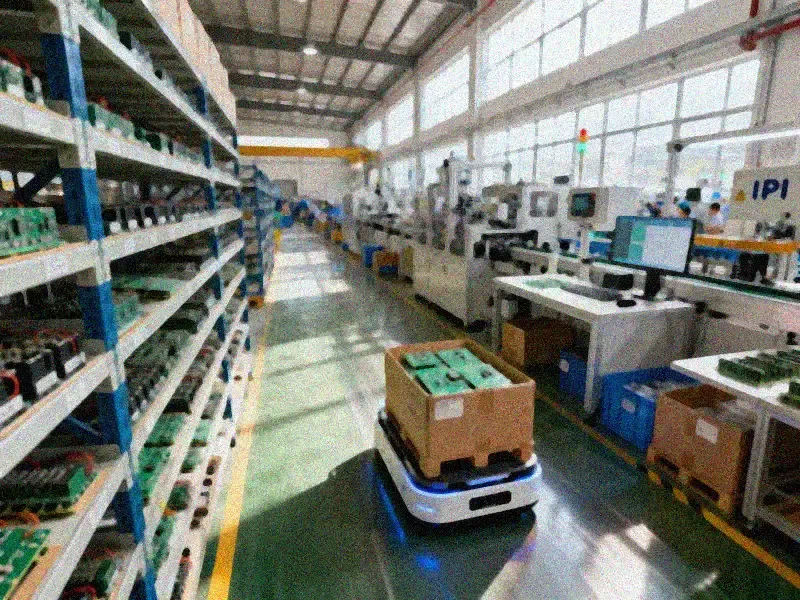
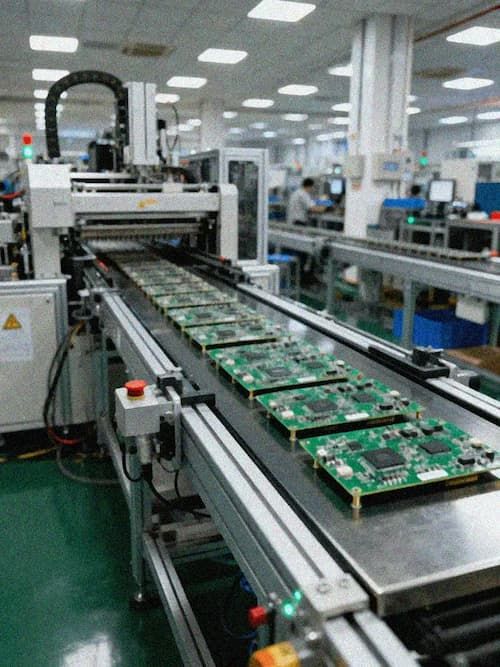
- Flexible Production Batch Adaptation: Supports both small-batch prototype verification and large-scale mass production needs, with adjustable process parameters and quality control standards to match different stages of product R&D and commercialization, effectively reducing R&D costs and shortening the iteration cycle of new products.
Quality Standards
Industrial robotics PCB design follows strict industrial-grade quality control specifications throughout the entire process to ensure stable and reliable operation of products in complex working environments:
- Environmental Reliability Testing: All design solutions pass high and low temperature cycle testing, vibration and shock resistance testing, dust and water ingress protection verification, adapting to an operating temperature range of -40°C to 85°C, and meeting the IP rating requirements of different industrial application scenarios.
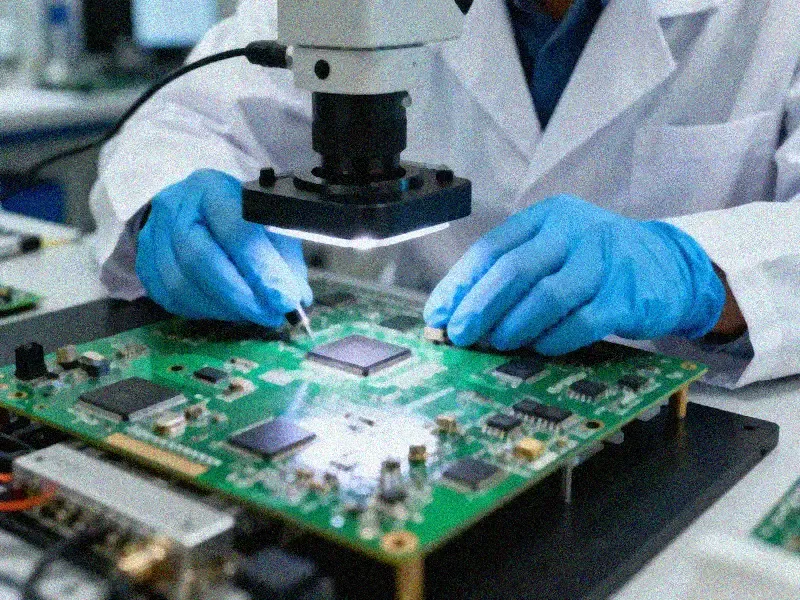
- Electrical Performance Verification: Professional testing services include impedance control accuracy verification, high-speed signal crosstalk testing, power ripple testing, and EMC compliance testing, ensuring error-free transmission of high-resolution sensor data and stable power supply for high-power drive modules, avoiding signal distortion and power supply instability during long-term operation.
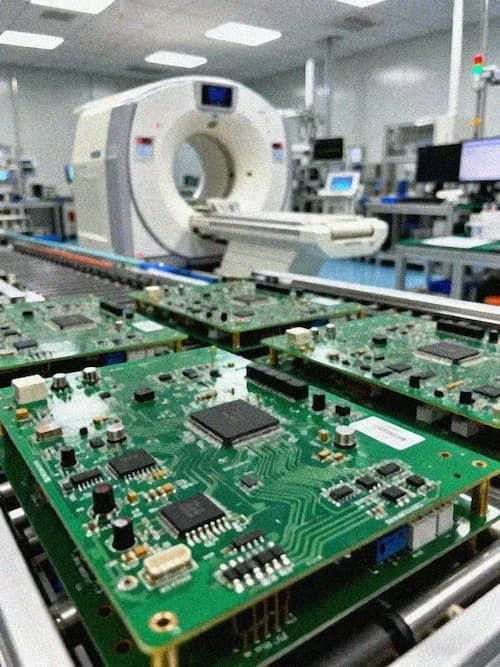
- Production Consistency Control: The design and manufacturing process fully complies with international industrial electronics quality standards, with full traceability of materials and process parameters, ensuring the consistency of product performance across different production batches, and reducing the maintenance cost of later equipment.
Applications
Industrial robotics PCB design solutions are widely applicable to all categories of industrial automation robotic systems, including but not limited to:
- Six-axis articulated industrial robot main control and drive systems
- Automated Guided Vehicle (AGV) and Autonomous Mobile Robot (AMR) core control and navigation modules
- Collaborative robot (cobot) safety control and force sensing processing units
- Industrial picking and sorting robot machine vision processing modules
- Welding, painting, and palletizing robot high-power drive circuit boards
- Industrial inspection robot multi-sensor interface and edge data processing units
- Robotic arm end effector control and communication circuits
- Industrial robot human-machine interaction (HMI) terminal core boards
Key Advantages
- Rugged Design Prioritization: Vibration resistance, impact resistance, and electromagnetic anti-interference design are incorporated into the early stage of schematic and stack planning, with targeted structural reinforcement and protective design for key components, effectively reducing the failure rate of robotic systems in high-intensity continuous operation scenarios, and extending the product service life by more than 30% compared to ordinary commercial PCB designs.
- Performance and Cost Balance: Through mature process capability matching and material selection optimization, the design solution balances the industrial-grade reliability requirements and manufacturing cost control, reducing the overall R&D and production cost of products by 15% to 25% while meeting performance indicators.
- Shortened Time to Market: The full-cycle design service covers demand docking, design, verification, and production guidance, eliminating cross-party communication barriers between design, manufacturing, and assembly links, shortening the product launch cycle of new robotic products by 20% to 40%.
- High Customization Adaptability: Supports fully customized design according to specific application scenario requirements, including special protective design for extreme environments such as high dust, high humidity, strong corrosion, and strong electromagnetic radiation, meeting the personalized needs of different industrial automation segments.
Contact Information
If you have industrial robotics PCB design requirements, whether for prototype verification of new robotic products, performance optimization of existing equipment, or mass production of mature automation systems, you can contact the technical team for consultation. We will provide you with targeted design solutions, free pre-design technical evaluation, and full-cycle technical support to help you build high-reliability, high-performance industrial robotic systems that adapt to your scenario demands.