Overview
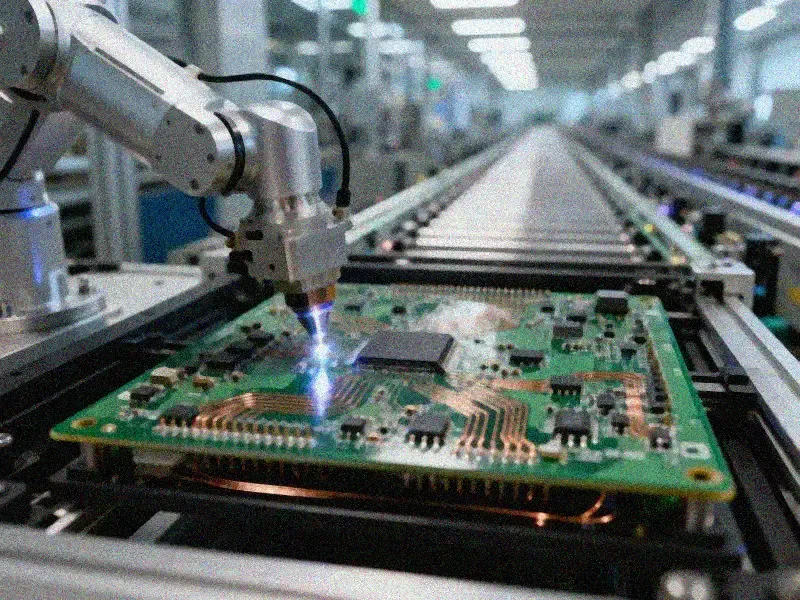
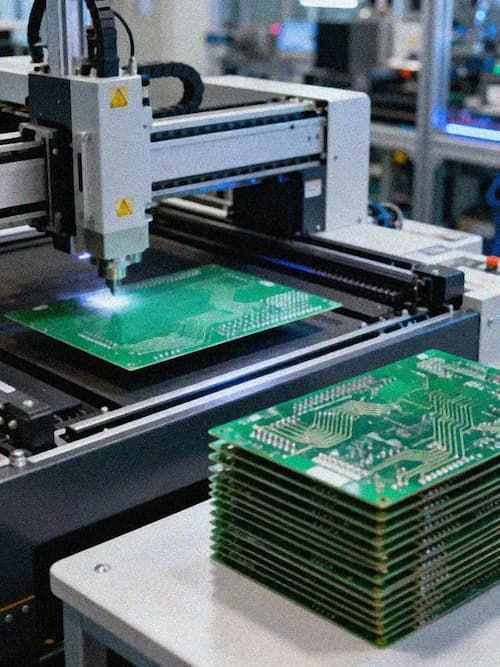
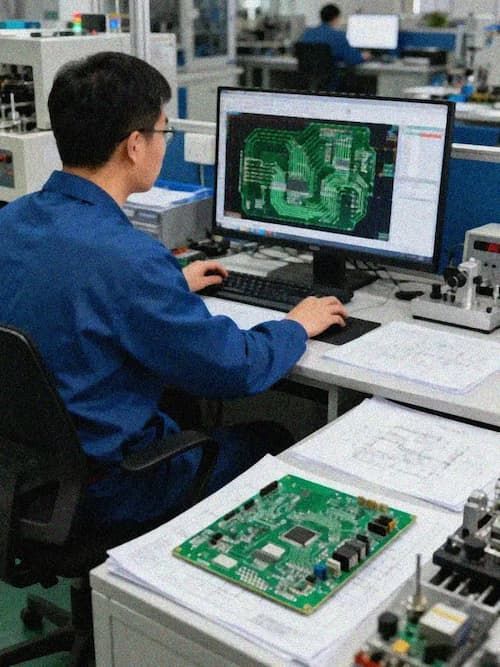
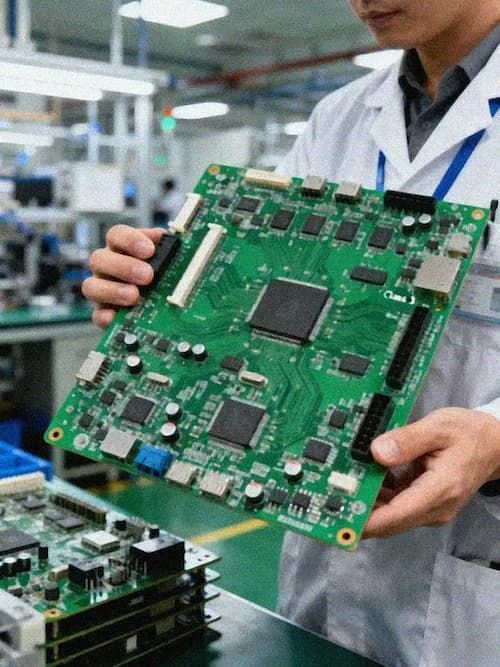
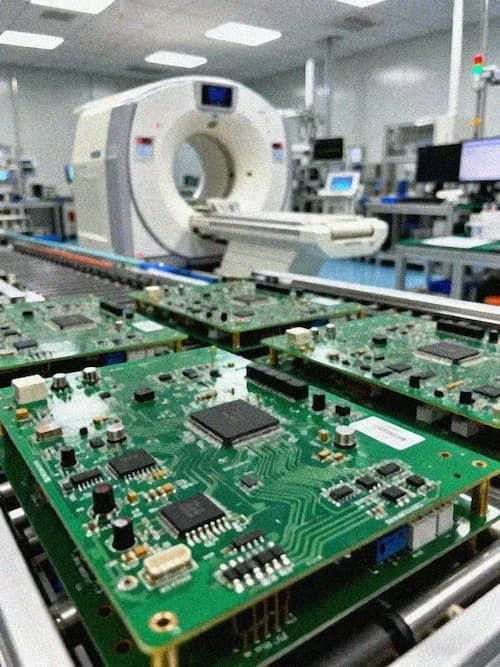
As advanced electronic devices continue to integrate higher processing power, faster data transmission rates, and more compact form factors, the requirements for printed circuit boards have far exceeded the scope of standard PCB production. High-end PCB manufacturing is a specialized production system that covers design optimization, quick-turn prototyping, large-scale mass production, and processing of specialized materials, tailored to meet the strict performance, reliability, and density requirements of cutting-edge electronic hardware. Adopting a design-oriented approach, this service provides end-to-end value-added support to help customers achieve the optimal balance between product performance, production cost, and manufacturing cycle, avoiding unnecessary R&D waste and production delays.
Technical Capabilities
High-end PCB manufacturing covers a wide range of advanced processes and material processing capabilities, supporting the full lifecycle of hardware products from R&D verification to commercial deployment:
- High-Speed Signal Adaptation: Optimized for transmission of high-speed signals, supporting up to 112Gbps signal rate for prototyping projects and 25Gbps for mass production deployments. Strict impedance control, stackup optimization, and interference shielding measures are implemented throughout the production process to minimize signal attenuation, crosstalk, and reflection, ensuring stable and lossless data transmission for high-bandwidth applications.
- Multi-Layer & Specialized Board Production: Supports FR4 boards up to 72 layers for prototyping and 32 layers for mass production, rigid-flex boards with up to 32 total layers / 30 flex layers for prototyping and 20 total layers / 12 flex layers for mass production, high-frequency hybrid boards up to 28 layers for prototyping and 20 layers for mass production, PTFE high-frequency boards up to 24 layers for prototyping and 16 layers for mass production, and HDI boards up to 30 layers with any-layer interconnect for prototyping and 26 layers with 4-step HDI for mass production. It also covers production of specialized board types including heavy copper boards, metal core/substrate boards, high-speed backboards, high-speed optical boards, semi-flexible boards, IC substrates, ceramic boards, buried copper block boards, buried ceramic PCBs, high-resistance carbon oil boards, and backlight mini-LED boards.
- Embedded Component Integration: Supports integration of embedded capacitors, embedded resistors, embedded magnetic cores, pure ceramic substrates, and high-resistance carbon ink, enabling higher component density, reduced board footprint, and improved electrical performance for compact high-end hardware, while reducing the complexity of surface mount assembly.
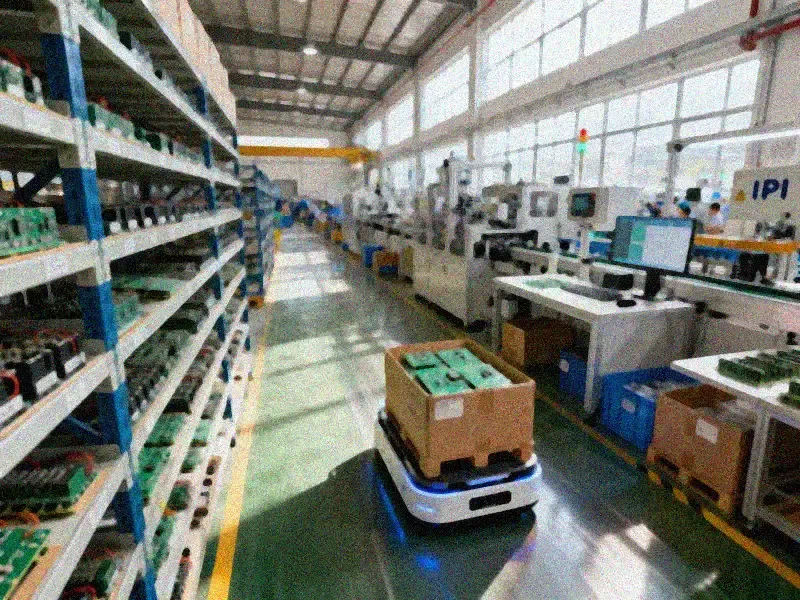
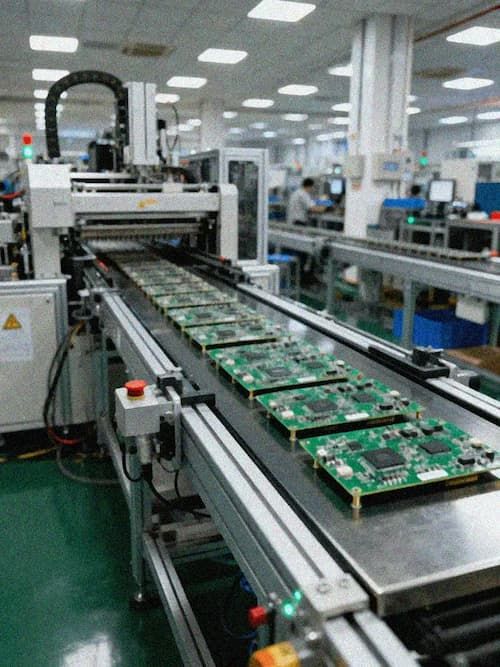
- Flexible Production Scale Support: Covers both quick-turn PCB prototyping for R&D verification and large-scale mass production for commercial deployment, with optimized production workflows to shorten lead times while maintaining consistent quality across batch sizes, adapting to the needs of different project stages.
Quality Standards
High-end PCB manufacturing adheres to strict international industry quality standards, with full-process quality control covering every production stage to ensure product reliability and consistency:
- Incoming material inspection ensures that all substrates, copper foils, and specialized materials meet specified performance parameters, eliminating quality risks from raw material sources.
- Production processes including lamination, laser drilling, plating, etching, and surface treatment are monitored in real time, with strict process parameter control to ensure dimensional accuracy and electrical performance consistency of finished boards.
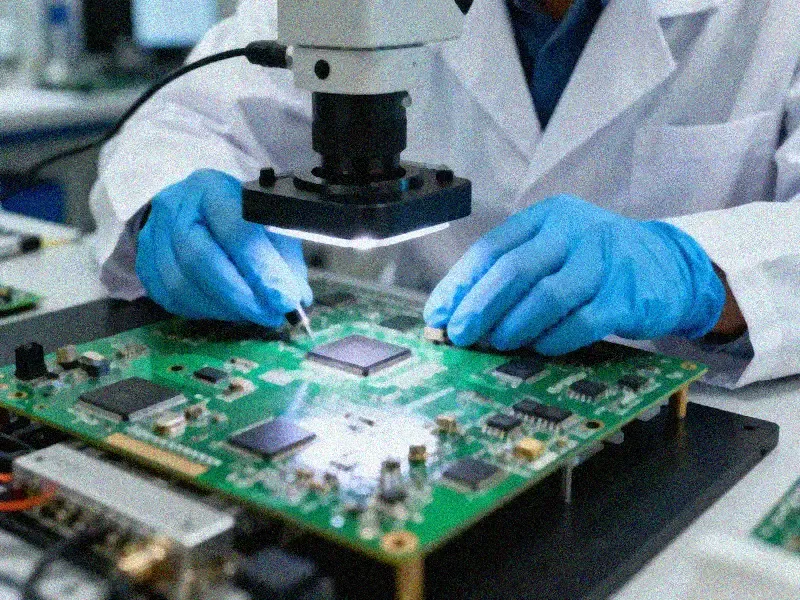
- Post-production testing covers X-Ray non-destructive inspection, impedance verification, signal integrity testing, thermal cycling reliability testing, and insulation resistance testing, to ensure that finished boards meet all design requirements and can operate stably under harsh operating conditions including wide temperature ranges, high humidity, and high vibration environments.
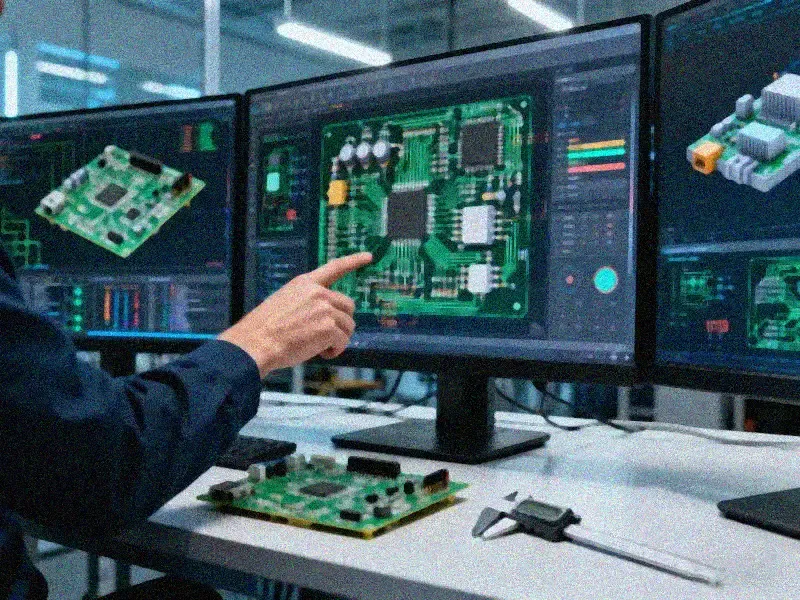
- Design for Manufacturing (DFM) checks are provided in the early stage of projects to identify potential production risks, optimize design schemes for lower energy consumption, lower cost, and shorter lead time, delivering the most suitable solution for each application scenario.
Applications
High-end PCB manufacturing solutions can be widely applied to high-performance electronic scenarios across multiple industries:
- Telecommunication Infrastructure: 5G/6G base stations, high-speed optical modules, core network routing equipment, and satellite communication devices, requiring high-frequency hybrid boards, high-speed backboards, and high-layer count PCBs to support high-bandwidth data transmission.
- High-Performance Computing: Data center servers, AI accelerator cards, edge computing nodes, and supercomputing hardware, requiring high-layer count FR4 boards, embedded component integrated PCBs, and high-speed signal optimized boards to support massive data processing demands.
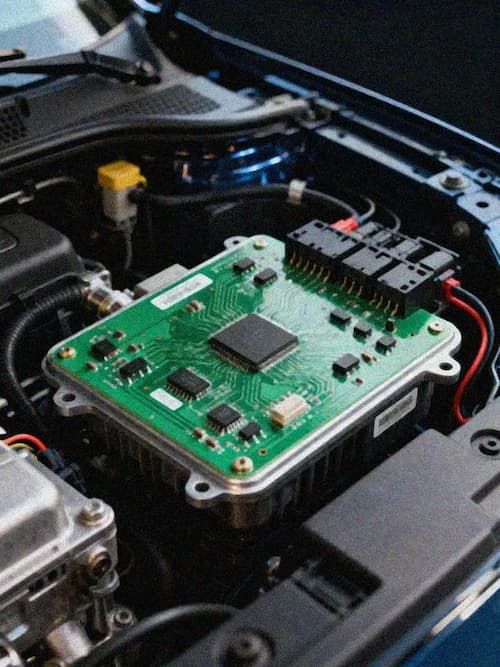
- Automotive Electronics: Autonomous driving domain controllers, smart cockpit control units, ADAS perception systems, and new energy vehicle power control units, requiring rigid-flex boards, heavy copper boards, high-reliability metal core boards, and HDI boards to adapt to harsh automotive operating conditions.
- Consumer Electronics: Mini-LED backlight displays, high-end wearable devices, flagship smartphones, and AR/VR hardware, requiring high-density HDI boards, semi-flexible boards, ceramic substrates, and mini-LED dedicated PCBs to support compact form factors and high-performance functional requirements.
- Medical & Industrial Equipment: High-precision diagnostic equipment, industrial control systems, aerospace electronic components, and precision testing instruments, requiring IC substrates, high-resistance carbon oil boards, and specialized high-reliability boards to meet strict safety and stability requirements.
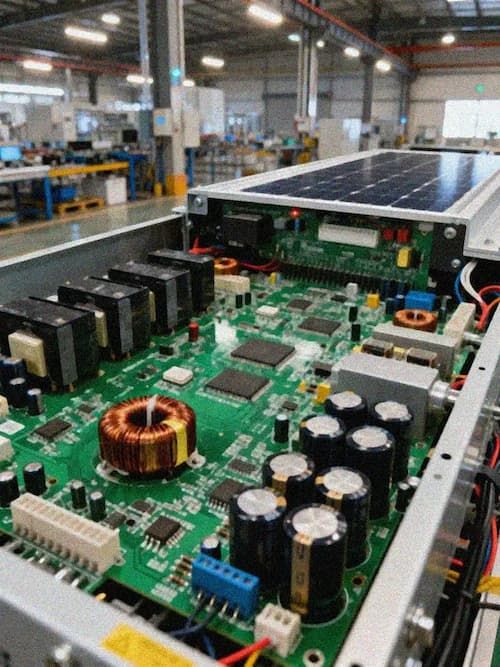
- **New Energy Sector: Power conversion systems, energy storage control units, and photovoltaic inverters, requiring heavy copper boards and metal core boards for high heat dissipation and high current carrying capacity.
Key Advantages
- Design-Oriented Service Support: Unlike standard PCB production that only focuses on fabrication, high-end PCB manufacturing provides professional design support services, including stackup planning, routing guidance, impedance matching consultation, and DFM verification, helping customers resolve design bottlenecks early, reduce subsequent revision costs, and shorten overall project cycles.
- Wide Material & Process Coverage: Supports a full range of specialized PCB materials including FR4, PTFE, ceramic, and metal substrates, as well as advanced processes including any-layer HDI, mechanical blind/buried vias, embedded component integration, and heavy copper plating, covering almost all high-end PCB application needs across industries.
- Consistent Quality Across Batch Sizes: The same quality control standards are applied to both 1-unit prototyping orders and 100,000-unit mass production orders, ensuring that the performance of mass-produced products is fully consistent with the verified prototype, reducing mass production risks and ensuring product consistency for market launch.
- Fast Turnaround Capability: Optimized production workflows enable quick-turn prototyping delivery for urgent R&D projects, as well as expedited mass production services for time-sensitive product launches, helping customers gain a competitive edge in the market.
Contact Information
If you have any requirements for high-end PCB manufacturing, whether for small-batch R&D prototyping or large-scale commercial mass production, you can contact our professional technical team at any time. We will provide you with free DFM evaluation, customized production solutions, and full-process technical support to help you bring your high-performance hardware innovations to market efficiently.