Overview
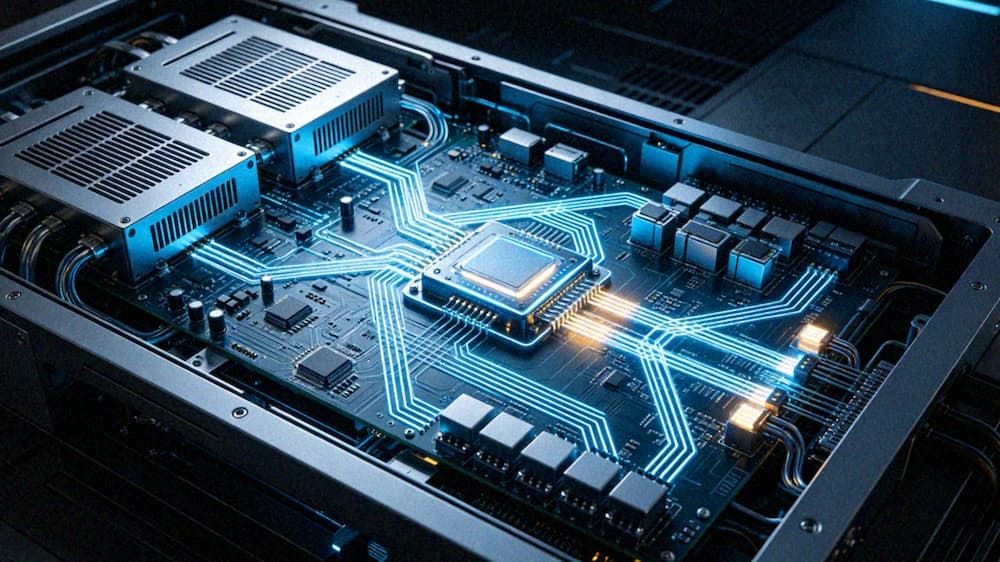
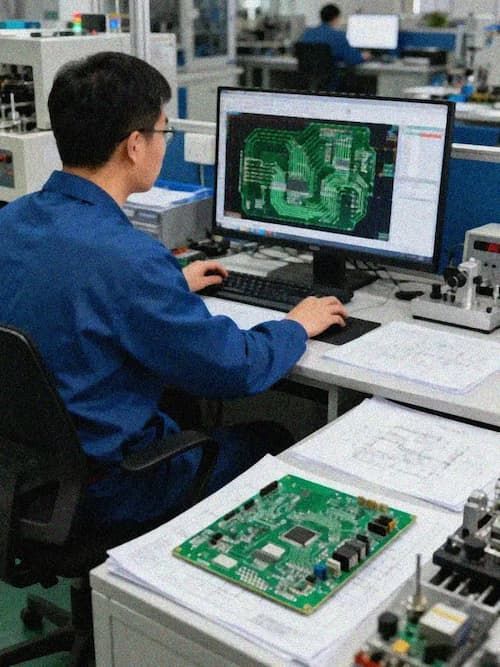
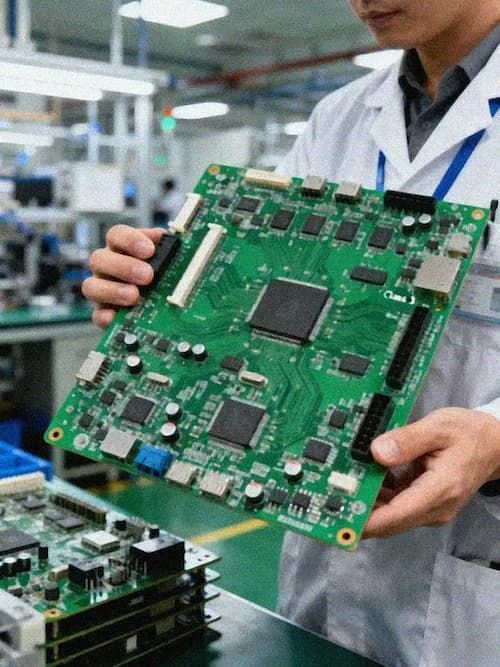
As global industries increasingly prioritize low-carbon operation and energy cost reduction, energy efficiency PCB design has become a core requirement for electronic hardware development across all sectors. Poor PCB design often leads to avoidable power loss, excessive heat generation, shortened component service life, and higher long-term operational costs, creating unnecessary burdens for both product manufacturers and end users. Common design pain points include unoptimized power delivery networks leading to voltage drop and ripple, inadequate shielding between signal layers causing interference and repeated signal retransmission, and mismatched material selection increasing heat generation and power waste. Our end-to-end energy efficiency PCB design services are built on systematic design principles, covering the entire workflow from schematic design, stack-up planning, component placement and routing optimization, to performance testing and manufacturing validation, delivering solutions that achieve the optimal balance of energy performance, production cost, and manufacturing cycle for your specific product requirements.
Technical Capabilities
- Optimized Stack-up and Material Selection: Supports custom stack-up designs for 2-24 layer PCBs, with options for low-loss dielectric materials, buried copper blocks, ceramic substrates, and embedded component (buried resistance, capacitance, magnet) integration to reduce conductive and radiative power loss, minimize heat generation, and improve overall energy utilization efficiency by up to 35% compared to conventional design approaches.
- Power Delivery Network (PDN) Optimization: Implements targeted PDN design with dedicated power and ground planes, optimized via placement, and low-impedance routing for DC/AC power lines, reducing voltage drop and ripple, cutting unnecessary power loss, and supporting stable power delivery for high-speed signal and high-power components across varying load conditions.
- High-Speed Signal Routing Optimization: Supports transmission of high-speed signals including I2C, TDM, PCM, and high-bandwidth I/O interfaces, with precise impedance control and crosstalk shielding to avoid signal retransmission and power waste caused by signal attenuation, distortion, or interference, ensuring reliable signal transmission with minimal power overhead.
- Diverse PCB Type Compatibility: Covers design for all mainstream PCB categories including single/double sided boards, multilayer boards, HDI boards, rigid-flex boards, heavy copper boards, high-frequency hybrid boards, metal core boards, semi-flexible boards, IC substrates, high-resistance carbon oil boards, and mini-LED backlight boards, adapting to energy efficiency requirements across different hardware form factors and use cases.
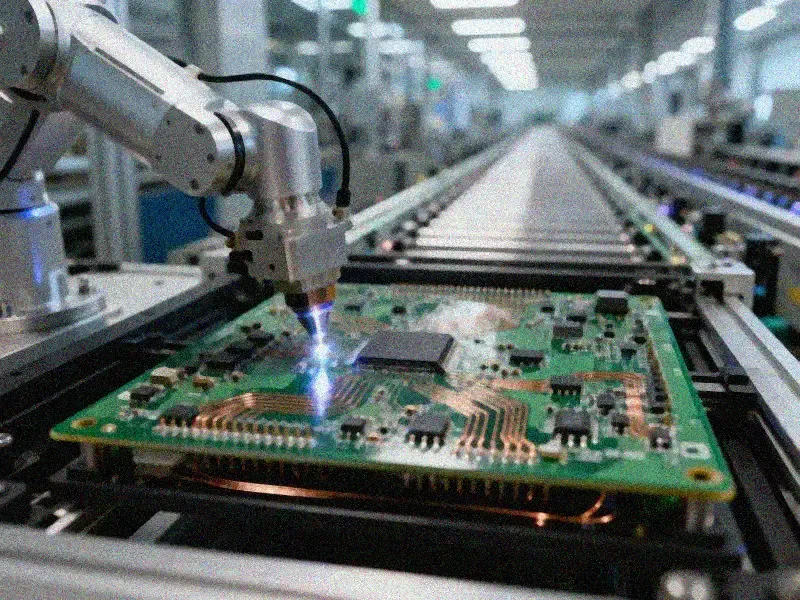
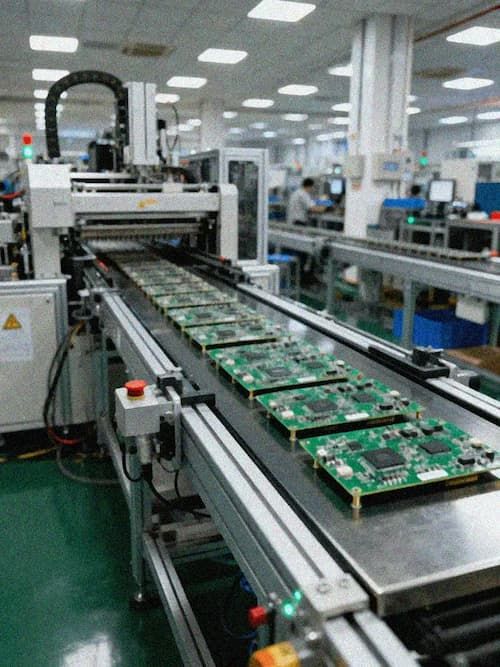
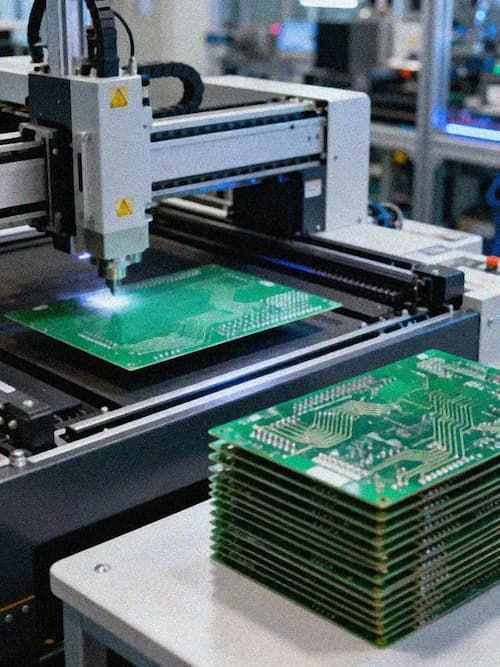
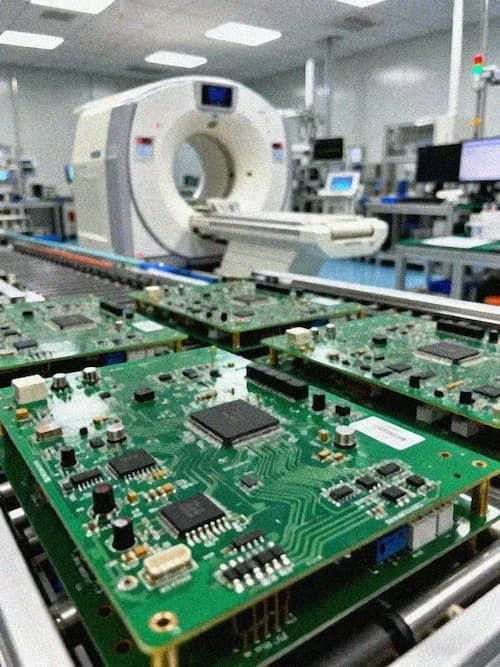
- Rapid Prototyping and Volume Production Support: Offers fast prototype design and validation services, as well as design for manufacturing (DFM) optimization to reduce production scrap rates, shorten manufacturing cycles, and ensure energy efficiency performance is maintained consistently across small-batch trials and large-scale mass production.
Quality Standards
- Industry Standard Alignment: All design processes fully comply with IPC, RoHS, REACH, and relevant vertical industry standards for electronics, automotive, industrial, medical, and telecommunications sectors, ensuring cross-regional market access and long-term operational reliability of final products.
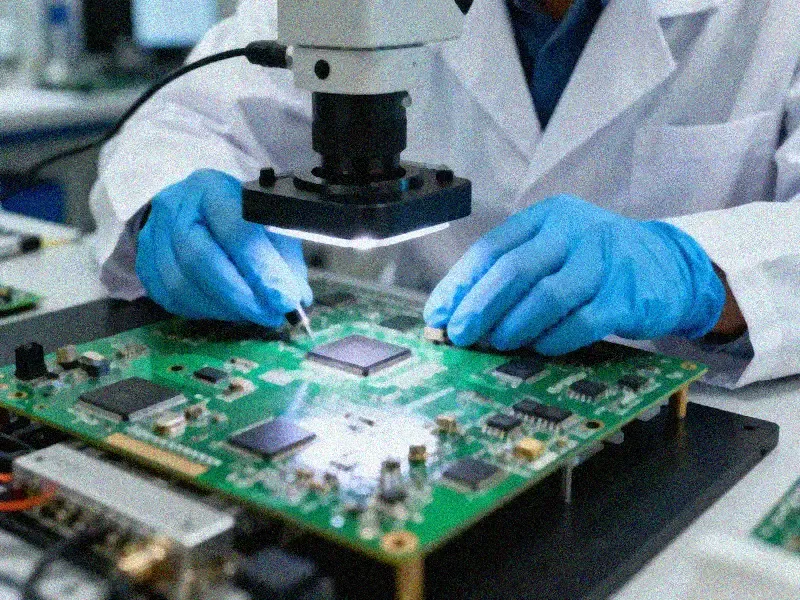
- Full-Process Performance Verification: Equipped with professional testing capabilities for power consumption testing, thermal performance testing, signal integrity testing, EMC testing, and high/low temperature reliability testing, verifying energy efficiency performance across a -40°C to +85°C industrial grade operating temperature range, and ensuring stable performance even in harsh working environments.
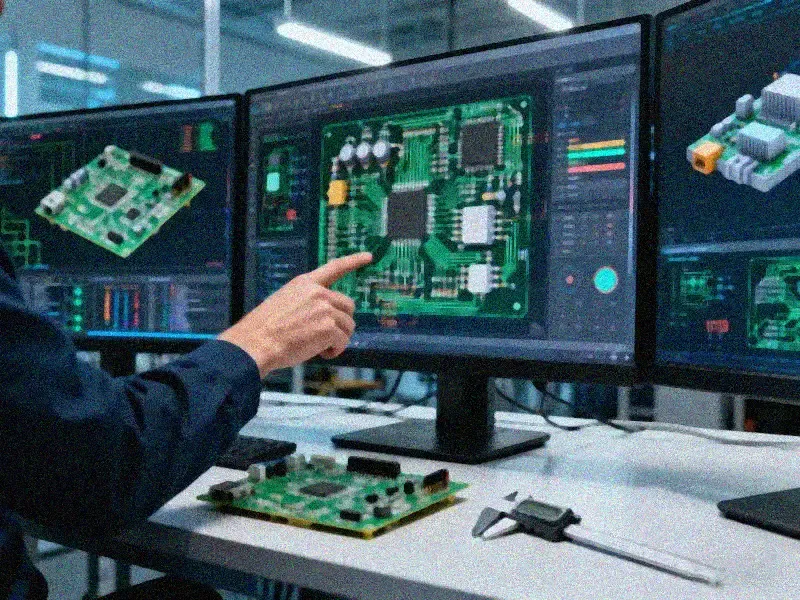
- Multi-Stage Design Validation Protocols: Implements rigorous multi-stage design review and validation workflows, including schematic review, PDN impedance simulation, thermal simulation, and prototype performance testing, eliminating design defects early and ensuring delivered solutions meet or exceed specified energy efficiency targets before entering mass production.
Applications
Energy efficiency PCB design solutions are suitable for a wide range of low-power and energy-sensitive electronic applications, including:
- Consumer Electronics: Portable smart devices, wearable electronics, wireless charging devices, mini-LED display products, and IoT terminals that require extended battery life, low standby power consumption, and reduced heat output for improved user experience.
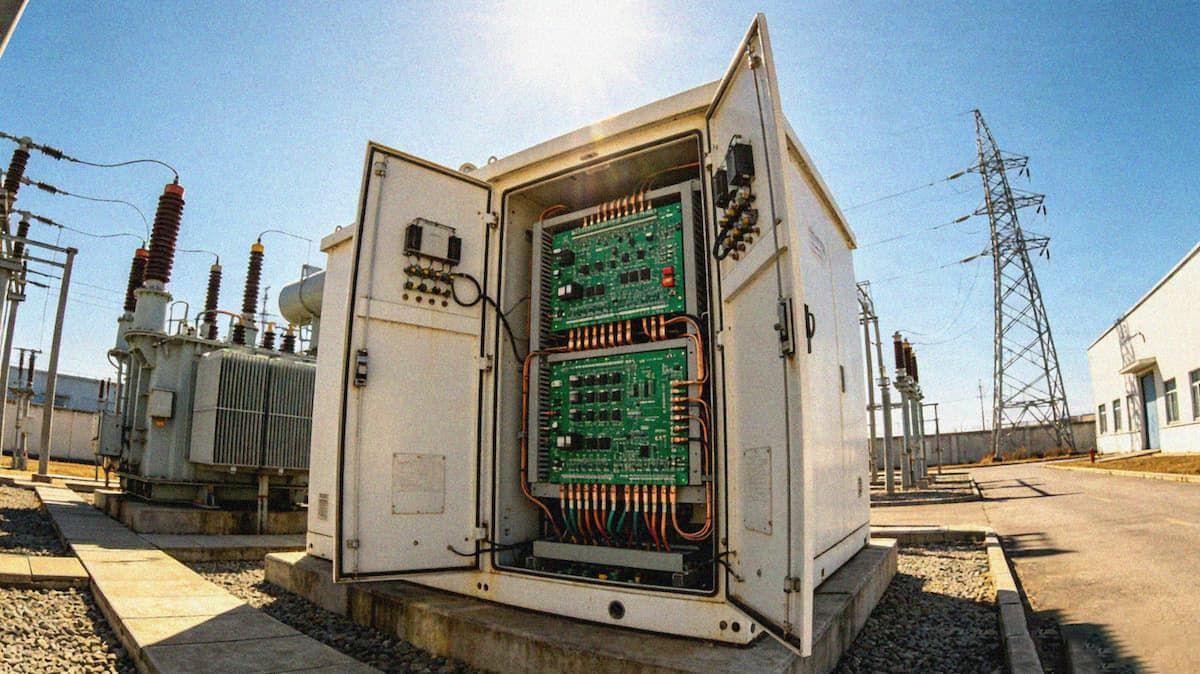
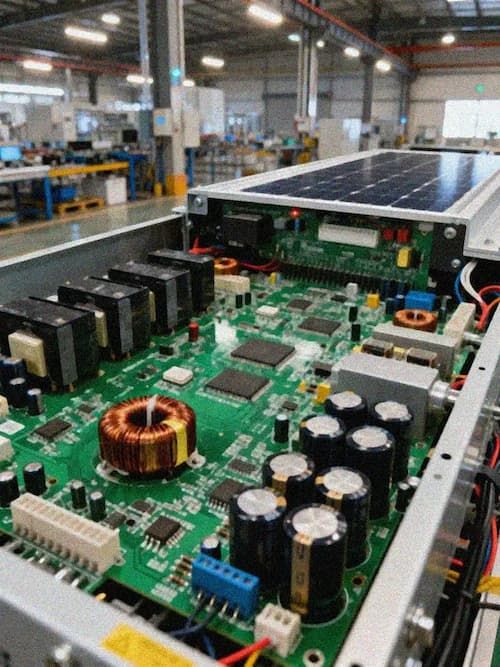
- Industrial Electronics: Industrial automation control systems, energy monitoring devices, renewable energy (solar, wind) power conversion equipment, and industrial edge computing nodes that need reduced operational energy costs and stable long-term operation in high-temperature, high-vibration environments.
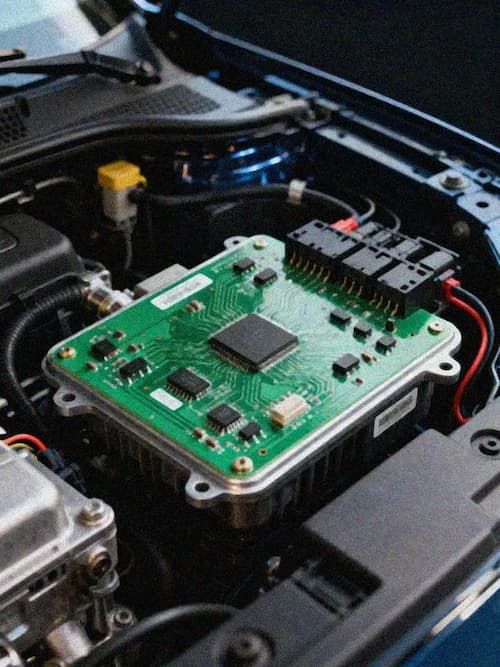
- Automotive Electronics: New energy vehicle (NEV) power management systems, intelligent cockpit control units, ADAS perception systems, and on-board charging modules that require high energy conversion efficiency, wide temperature adaptability, and compliance with automotive industry reliability requirements.
- Telecommunications Equipment: 5G/6G base station components, optical communication modules, and data center server motherboards that demand low power loss and high energy utilization efficiency to reduce overall operational costs and meet carbon emission reduction targets for telecom operators.
- Medical Electronics: Portable diagnostic devices, wearable health monitoring equipment, and implantable medical devices that require ultra-low power consumption, consistent performance, and compliance with strict medical industry safety and reliability standards.
Key Advantages
- Triple Optimal Balance: Delivers design solutions that achieve simultaneous optimization of energy efficiency, manufacturing cost, and production cycle, avoiding unnecessary overdesign while meeting core energy performance requirements, reducing total cost of ownership for product development teams.
- Customized Design Flexibility: Adapts to diversified technical requirements for different application scenarios, supporting custom configuration of PCB materials, stack-up structures, component integration schemes, and performance indicators to meet unique energy efficiency targets for specific hardware products.
- Design for Manufacturing (DFM) Optimization: Integrates manufacturing process requirements into the early design stage, ensuring design solutions are fully compatible with mainstream mass production processes, reducing scrap rates and production lead times, and maintaining consistent energy efficiency performance across all production batches.
- Full-Cycle Technical Support: Provides end-to-end technical support from initial requirement analysis, schematic design, layout optimization, prototype testing, to mass production guidance, resolving technical issues across the entire product development lifecycle and reducing cross-stage communication costs.
Contact Information
If you have customized energy efficiency PCB design requirements, or need technical consultation for your ongoing hardware development projects, you can reach out to our professional technical team at any time. We will provide you with free requirement evaluation, targeted design solutions, and professional technical support to help you achieve your product energy efficiency and performance targets within your planned budget and timeline.