Overview
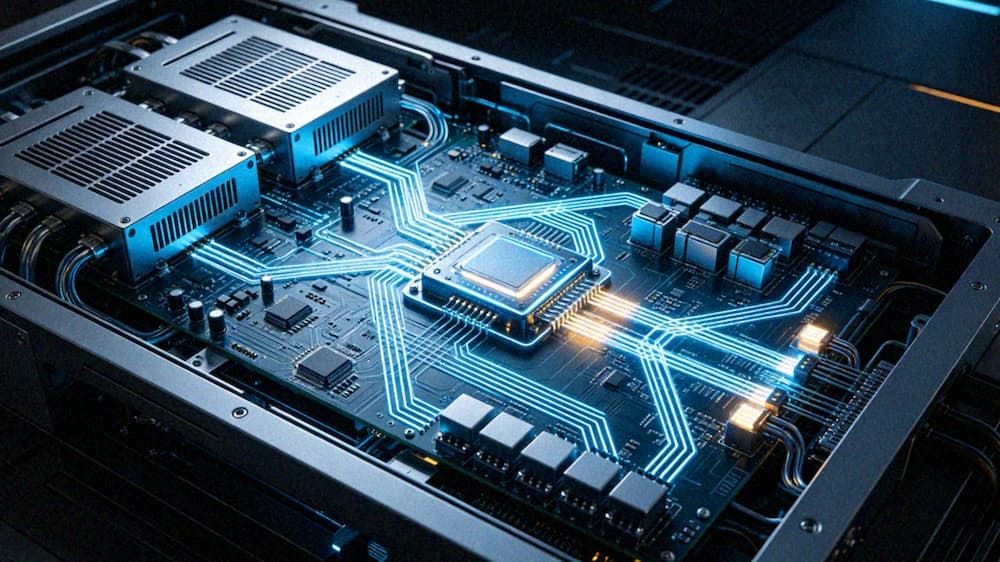
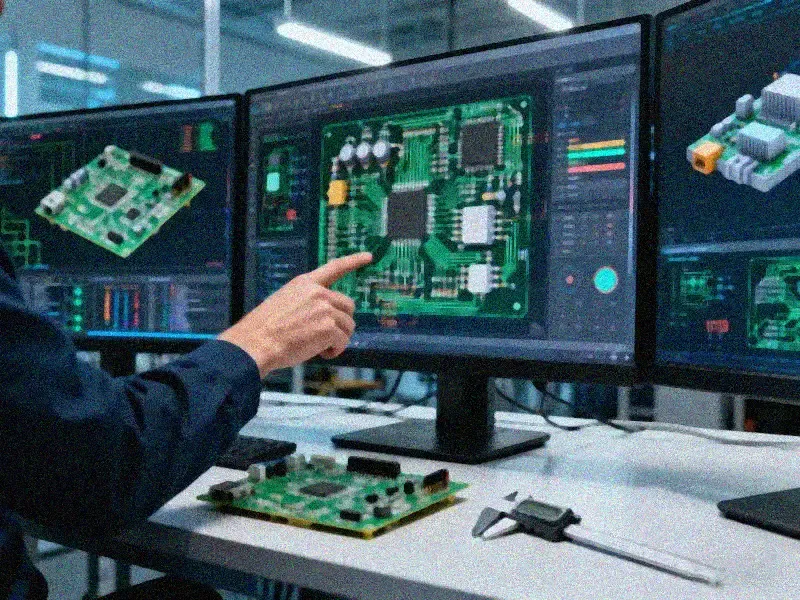
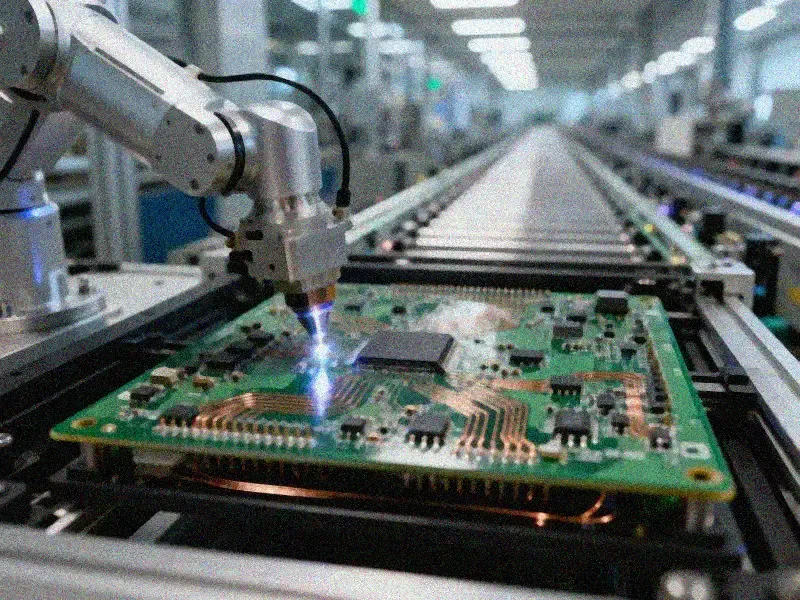
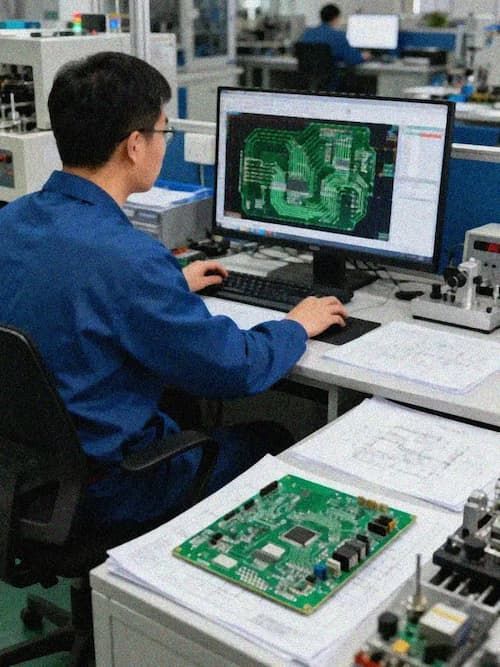
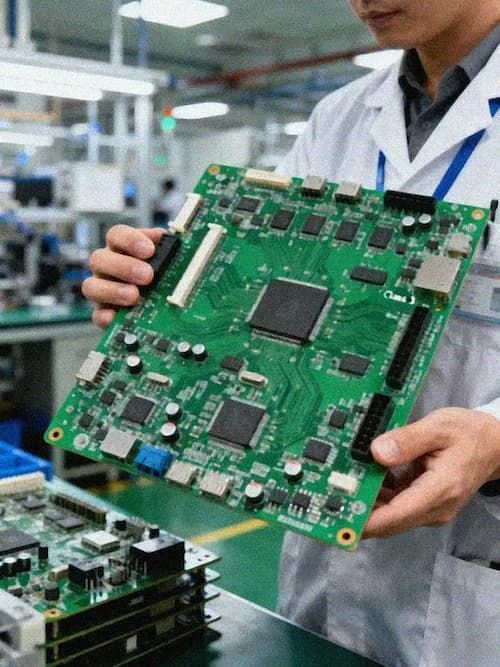
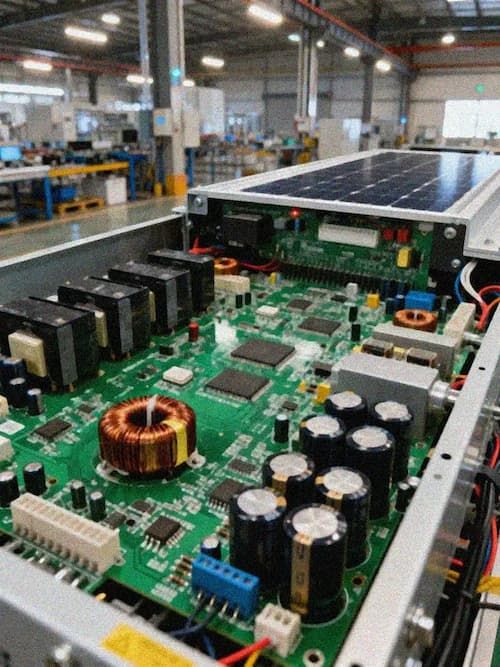
Energy conversion PCB design is the core technical foundation for stable and efficient operation of power electronics systems, directly affecting the energy efficiency, service life and reliability of energy-related equipment. With the rapid development of new energy, electric vehicles, industrial power supply and 5G communication industries, energy conversion systems are facing increasingly high requirements for higher power density, lower conversion loss, stronger thermal stability and better anti-interference performance. Conventional PCB design schemes often suffer from pain points such as insufficient high-current carrying capacity, unreasonable thermal dissipation paths, high parasitic parameter loss and signal crosstalk between power and control circuits, which can easily lead to thermal runaway, insulation breakdown and reduced conversion efficiency. Our professional energy conversion PCB design services cover the full process from schematic design, stack architecture planning, component layout and routing optimization, DFM (Design for Manufacturing) check to performance testing and verification, fully adapting to the needs of different power levels and application scenarios. We prioritize efficiency improvement and reliability guarantee in the whole design process, helping customers achieve the optimal balance of energy efficiency, cost and manufacturing cycle for their products.
Technical Capabilities
- Heavy Copper Structure Design Support: Supports PCB design with copper thickness up to 10oz, adapting to the high-current transmission requirements of high-power energy conversion systems, effectively reducing conductor loss and temperature rise caused by long-term high current load. It supports both single-sided and multilayer heavy copper routing configurations, matching the insulation requirements of different voltage classes from low-voltage consumer electronics to high-voltage power grid equipment.
- Embedded Component Design Expertise: Supports design of buried resistance, buried capacitance, buried copper block, buried ceramic and embedded magnet boards, effectively reducing the PCB footprint by more than 20% compared with conventional surface mount schemes, optimizing thermal conduction paths, and minimizing parasitic parameters that lead to additional switching loss. It is especially suitable for high-density miniaturized energy conversion module design.
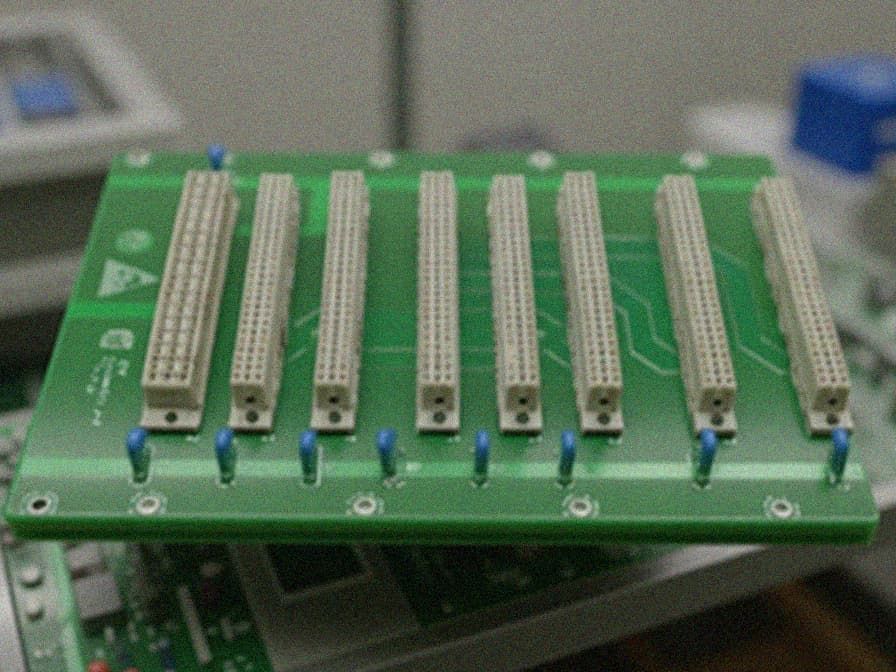
- Multi-Substrate Adaptation Capability: Supports design of high-frequency hybrid substrates, ceramic substrates, metal core substrates and high-speed backplanes, matching the high-frequency switching requirements of GaN and SiC power devices, and ensuring stable transmission of control signals such as I2C, TDM, PCM without interference from high-power circuits. It also supports semi-flexible and rigid-flex PCB design, adapting to special structural installation requirements.
- Thermal Management Optimization: Adopts targeted stack design, copper block embedding, metal substrate matching and heat dissipation path planning, reducing the thermal resistance of the PCB by up to 30% compared with conventional designs, ensuring that the PCB can operate stably under long-term high-power load conditions, and avoiding thermal runaway risks caused by local overheating.
- Precise Insulation and Impedance Control: Achieves accurate impedance matching for control signal circuits and high-voltage insulation design for power circuits, with insulation voltage support up to 10kV, and impedance control error within ±5%, effectively reducing signal crosstalk between power and control layers, and improving the overall system conversion efficiency by 2% to 5%.
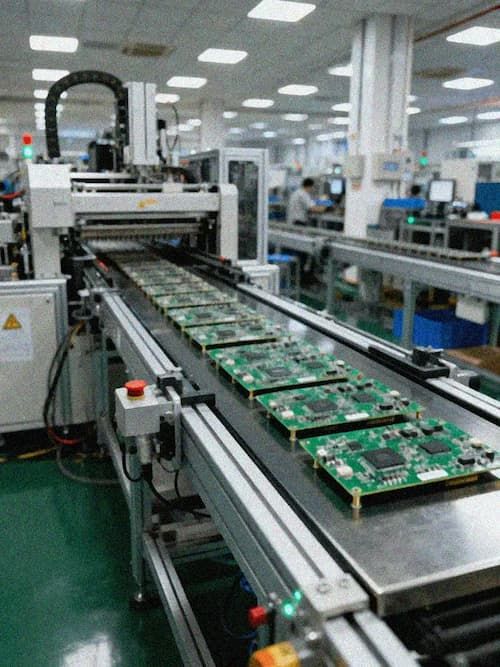
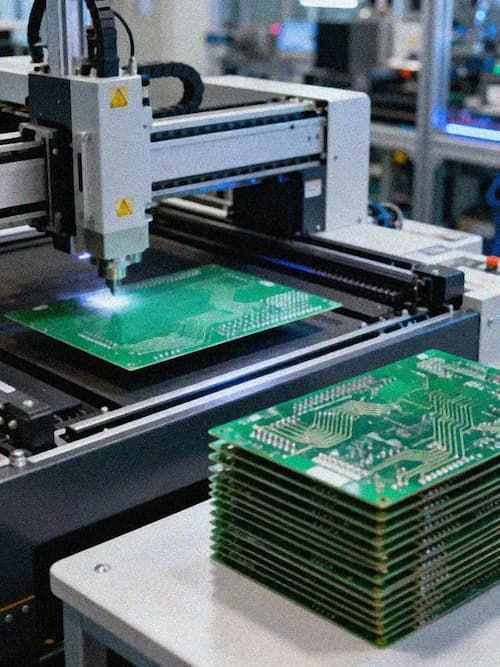
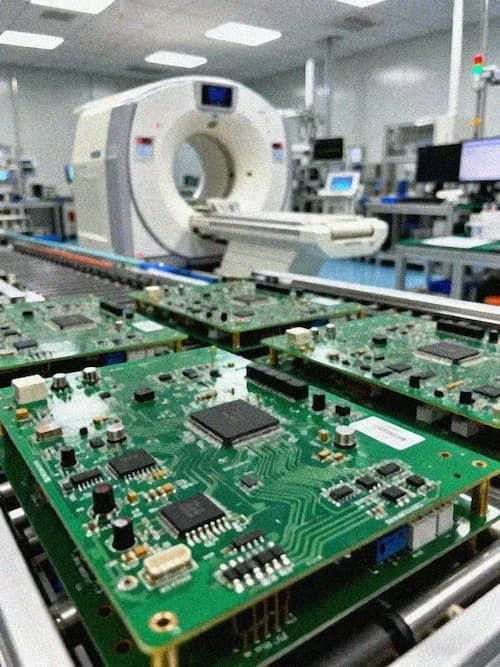
- Flexible Production Matching: Supports design for both prototype verification and mass production, with blind and buried via, HDI and other process configurations available, adapting to different batch requirements from small-batch R&D verification to large-scale mass production, and reducing iteration costs in the product landing process.
Quality Standards
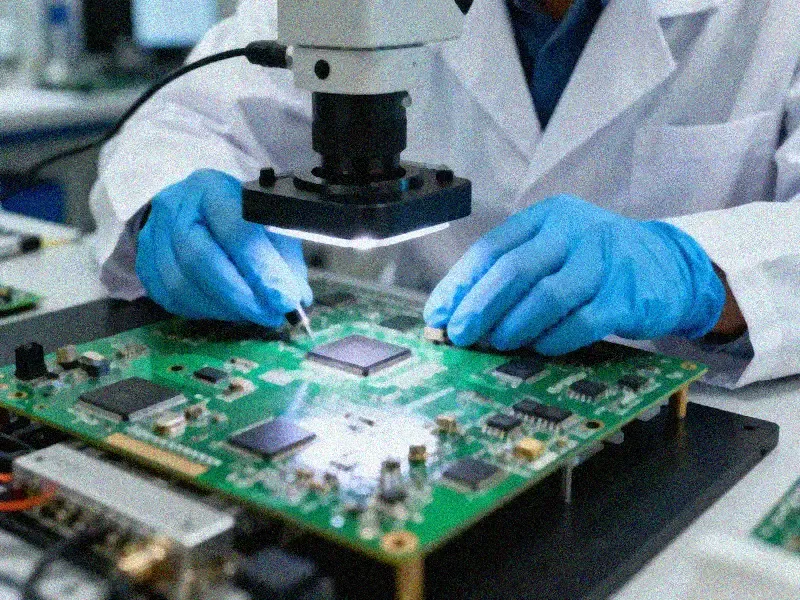
All energy conversion PCB design processes strictly comply with international general standards including IPC-A-600, IPC-2221, IPC-4101, as well as industry-specific standards for new energy, automotive electronics, industrial control and aerospace. We integrate multi-dimensional verification links in the design process, covering electrical performance testing, thermal cycling testing, high-voltage insulation testing, EMC testing, salt spray testing and vibration impact testing, to ensure that the finished PCB can operate stably in the industrial grade temperature range of -40℃ to +125℃, and adapt to harsh working environments such as high humidity, high vibration and corrosive atmosphere. DFM checks are run through the whole design cycle, and we adjust design parameters according to actual manufacturing process capabilities in the early stage of design, avoiding design defects that cannot be mass-produced, reducing the prototype iteration cycle by more than 30%, and improving the mass production yield to more than 98%.
Applications
Energy conversion PCB design solutions can be widely applied to various power electronics scenarios:
- New energy power generation systems: photovoltaic inverters, wind power converters, energy storage PCS equipment, distributed energy storage modules
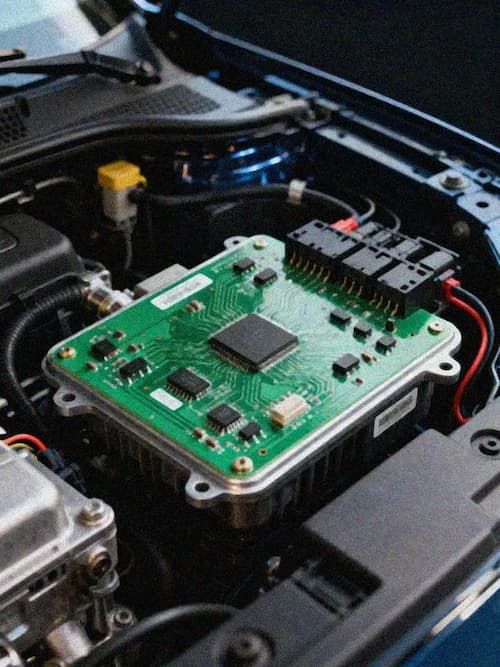
- Electric vehicle power systems: on-board chargers, DC/DC converters, motor drive controllers, battery management systems (BMS), high-voltage power distribution units
- Industrial power supply equipment: high-power switching power supplies, UPS systems, industrial motor drive equipment, welding machine power modules
- Telecommunication power systems: 5G base station power modules, data center power distribution units, server power supplies, optical communication power modules
- Consumer electronics fast charging systems: high-power GaN chargers, wireless charging modules, fast charging power banks, notebook adapter power boards
- Smart grid equipment: smart meters, power distribution terminal units, high-voltage transmission monitoring equipment, reactive power compensation devices
- Aerospace power systems: satellite power conversion modules, aircraft power distribution units, drone power management systems, space station energy storage control modules
Key Advantages
- End-to-End Design Coverage: Covers the whole process from schematic design, stack planning, component layout, routing optimization, DFM check to testing and verification, providing one-stop design solutions that match both performance requirements and manufacturing feasibility, reducing cross-department communication costs for customers.
- Customized Scenario Matching: Provides targeted design solutions for different application scenarios, adjusting copper thickness, substrate material, stack structure, heat dissipation design and insulation configuration according to actual power level, working environment and installation requirements, to achieve the optimal balance of performance, cost and manufacturing cycle.
- High Efficiency Optimization Focus: All design schemes prioritize energy conversion efficiency, with targeted optimization for parasitic parameter reduction, switching loss suppression and thermal resistance reduction, helping customers meet the energy efficiency index requirements of relevant industries such as EU ErP and US Energy Star.
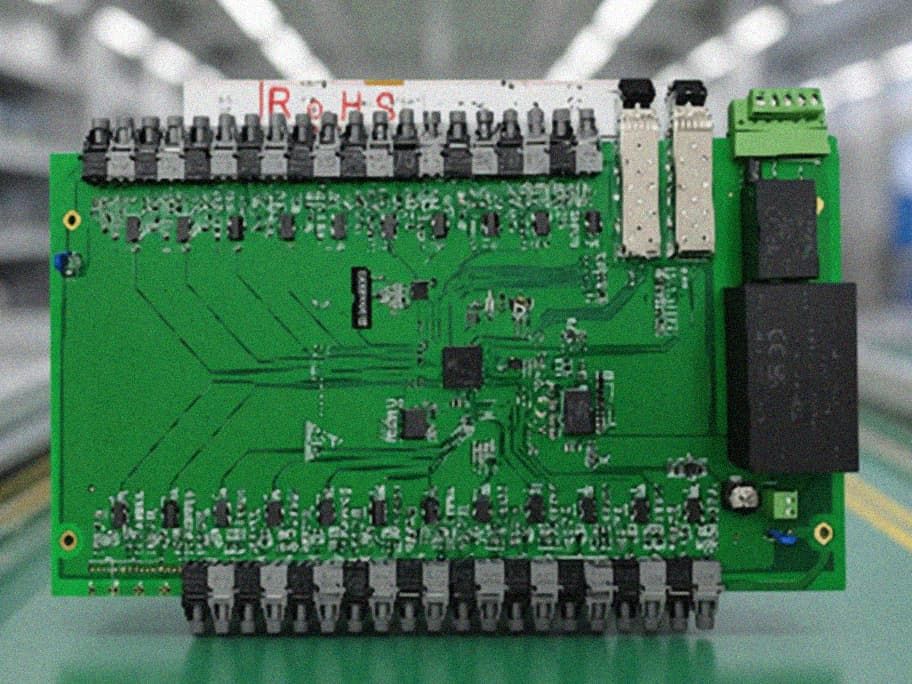
- Compliance Guarantee Support: All design schemes can meet the certification requirements of UL, CE, RoHS, REACH and other international regulations, and we provide supporting test report services to help customers shorten the product certification cycle.
- Cost Reduction Optimization: By optimizing material selection, process configuration and production yield, we can reduce the overall manufacturing cost of products by 10% to 15% on the premise of ensuring performance, improving the market competitiveness of customers' products.
Contact Information
If you have any demands related to energy conversion PCB design, you can contact our technical team for consultation at any time. We will provide you with free pre-design evaluation, customized design solutions and professional technical support, to help you achieve high performance and high reliability of your energy conversion products, and shorten your product launch cycle.