Overview
Edge computing deployments, which place data processing units close to end data sources, impose strict requirements on PCB performance, supply stability, and production flexibility. A reliable edge computing PCB supply chain is core to supporting the full lifecycle of edge hardware, from R&D verification and small-batch trial operation to large-scale commercial deployment, addressing common industry pain points such as long procurement lead times, inconsistent quality across production stages, and lack of support for specialized high-performance PCB types. The supply chain covers all edge computing PCB categories and production scales, delivering consistent, high-reliability circuit board solutions that meet the low-latency, anti-interference, and wide temperature operation demands of edge hardware.
Technical Capabilities
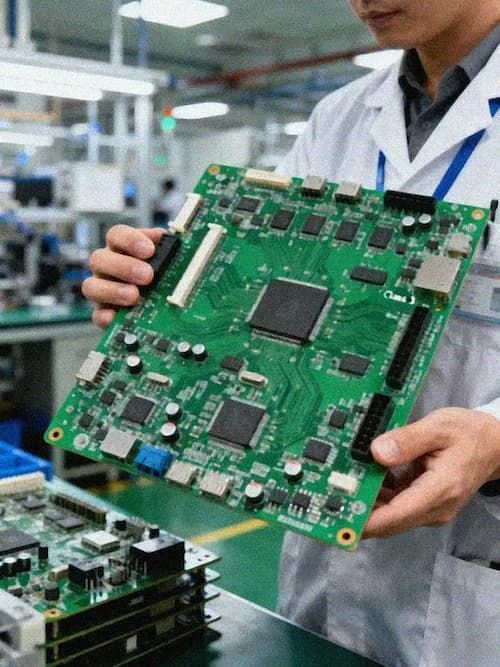
- Diverse PCB Product Support: Covers single-sided, double-sided, and multilayer boards up to 40 layers, plus HDI boards, high-frequency step boards, high-frequency hybrid boards, high-speed backboards, high-speed optical boards, rigid-flex boards, semi-flexible boards, heavy copper/thick copper boards, metal core/metal substrate boards, buried copper block boards, buried ceramic PCBs, ceramic boards, high-resistance carbon oil boards, backlight mini-LED boards, substrate boards, and IC substrate boards, adapting to all edge computing hardware design specifications.
- Embedded Component Integration Capability: Supports embedded capacitor, embedded resistor, embedded component, and embedded copper manufacturing processes, reducing board footprint by up to 30% while minimizing signal transmission path length and improving electromagnetic compatibility, ideal for compact edge computing node and portable edge terminal designs.
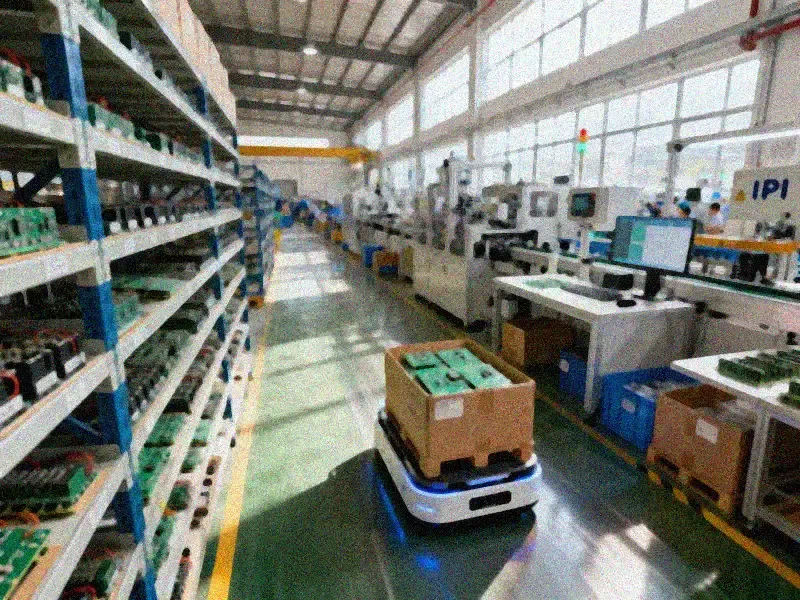
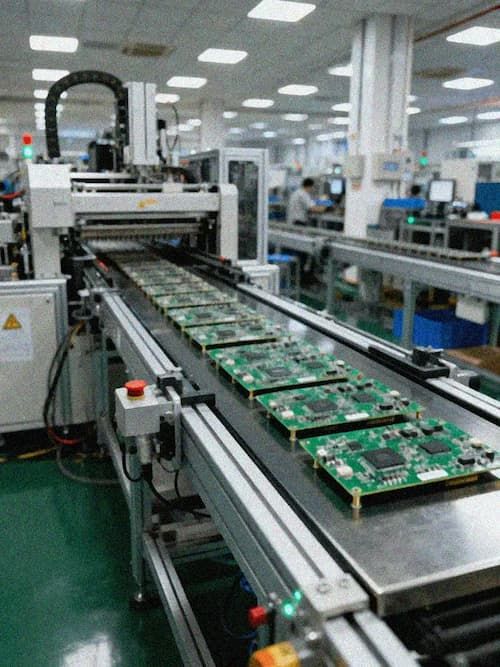
- Flexible Production Scaling: Supports both small-batch prototyping and large-scale mass production with no minimum order quantity requirements, enabling seamless transition from edge hardware R&D verification to commercial deployment without supply chain switching costs or process adjustment delays.
- High-Speed Signal Performance Support: Adapts to high-speed I/O transmission up to 750Gbps, with precision impedance control of 100Ω/90Ω (error margin ≤±5%), ensuring low-latency, low-loss data transmission between edge computing CPUs, GPUs, high-bandwidth memory, and peripheral sensor interfaces, eliminating signal attenuation and crosstalk risks for high-density edge AI hardware.
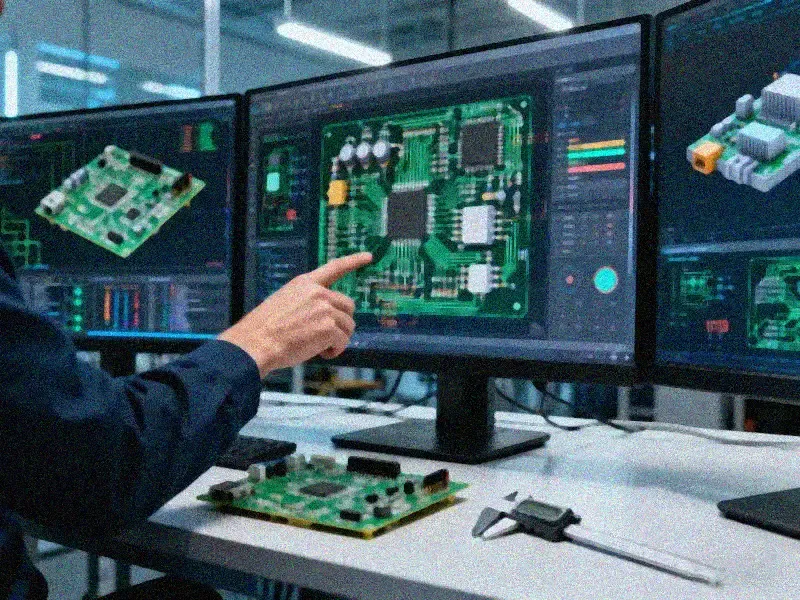
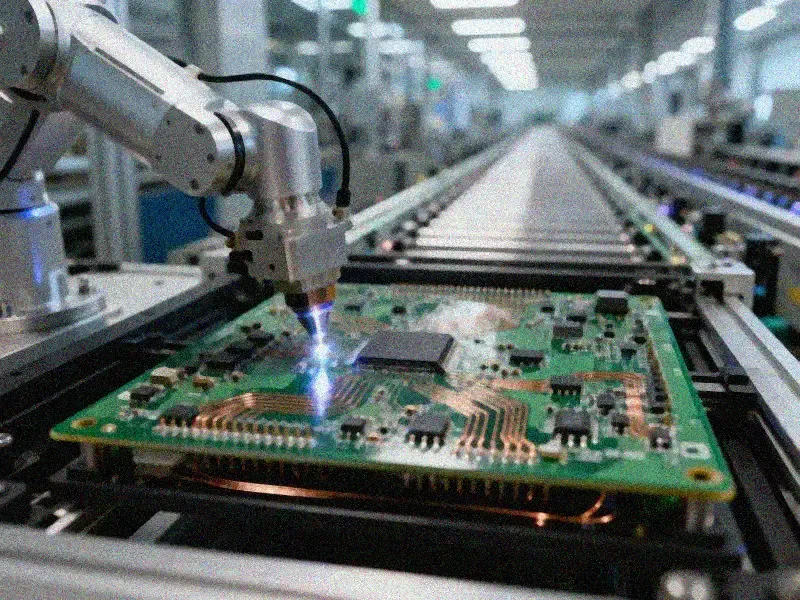
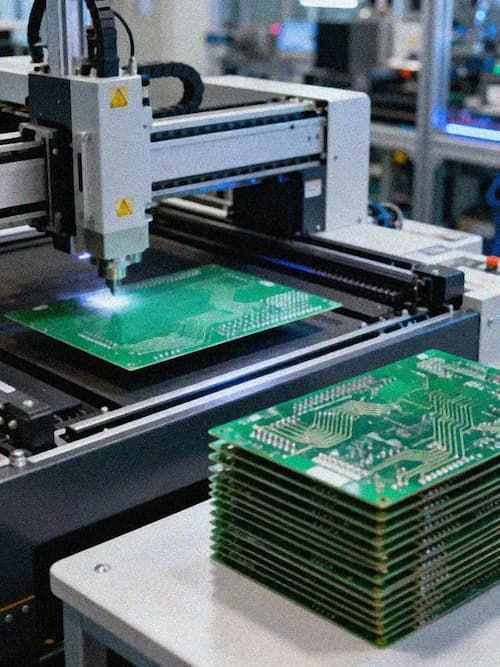
- Advanced High-Density Manufacturing Support: Equipped with precision laser drilling, LDI laser direct imaging, and X-ray non-destructive testing equipment, supporting micro-vias as small as 0.06mm and line width/line spacing down to 2.0/2.0mil, meeting the high-density routing demands of edge computing hardware with integrated multi-sensor access and high-bandwidth communication functions.
Quality Standards
- Cross-Industry Compliance Alignment: All production processes comply with ISO9001, IATF16949, and ISO13485 quality management system standards, with testing processes accredited to ISO/IEC 17025 laboratory standards, meeting the regulatory requirements of different edge computing verticals including industrial control, automotive, medical, and telecom.
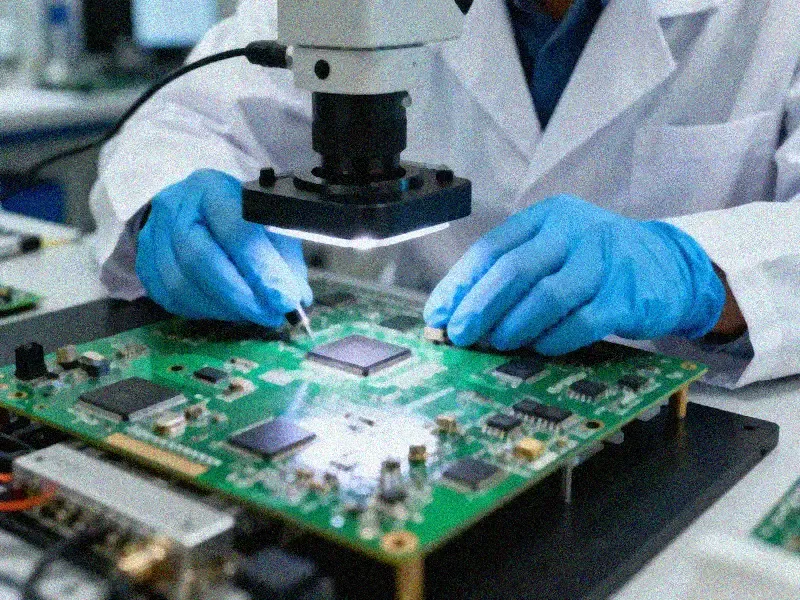
- Full-Process Reliability Testing Verification: Covers signal integrity testing, EMC testing, high/low temperature cycle testing, vibration testing, and humidity resistance testing, ensuring edge computing PCBs operate stably in industrial-grade temperature ranges from -40℃ to +85℃, and adapt to harsh deployment environments such as outdoor industrial sites, transportation hubs, and remote agricultural monitoring stations.
- Unified Quality Control Across Production Stages: Implements identical process parameters and testing standards for both prototyping and mass production, eliminating quality deviation between R&D samples and mass-produced units, reducing product field failure rates by up to 25% compared to fragmented supply chain solutions that use separate vendors for prototyping and mass production.
- Raw Material Quality Control: Establishes strict raw material incoming inspection mechanisms for high-frequency substrates, copper foils, and embedded components, avoiding performance degradation caused by substandard raw materials, and supporting long-term stable supply of consistent material batches for large-scale deployment projects.
Applications
- **Smart City Edge Nodes: Applied to edge computing gateways, traffic monitoring data processing units, smart street light control boards, and community security edge server PCBs, delivering high-stability solutions adapted to long-term outdoor operation and 24/7 continuous working demands.
- **Industrial Edge Computing Hardware: Suitable for industrial control edge computing units, factory sensor data aggregation processing boards, autonomous inspection robot control boards, and industrial AI visual inspection system PCBs, meeting industrial-grade anti-interference and wide temperature operation requirements.
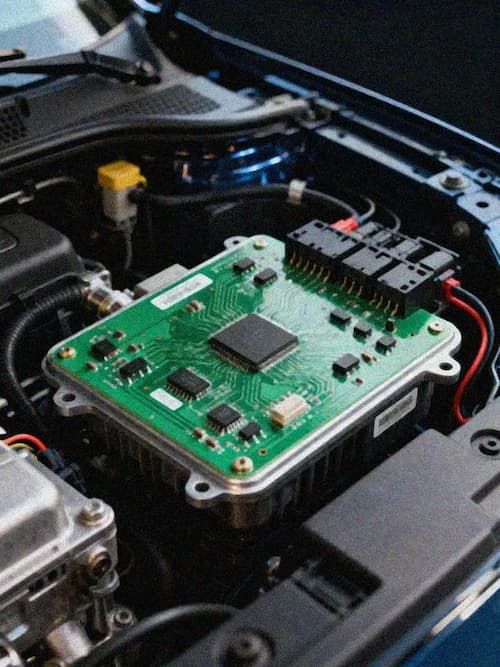
- **Automotive Edge Electronics: Supports autonomous driving domain controllers, in-vehicle edge AI computing platforms, smart cockpit core control units, and vehicle-to-everything (V2X) communication boards, complying with automotive electronics quality and reliability standards.
- **Telecom Edge Infrastructure: Used for 5G small station baseband boards, edge data center switching backboards, MEC (multi-access edge computing) server high-speed backboards, and high-frequency communication boards, supporting high-bandwidth, low-latency data transmission for telecom edge networks.
- **Medical Edge Devices: Applied to portable medical diagnostic edge processing units, remote patient monitoring terminal boards, and medical AI image real-time processing PCBs, complying with medical device safety and biocompatibility standards.
- **Agricultural and Retail Edge Terminals: Supports agricultural environment monitoring edge processing units, smart retail interactive terminal control boards, and logistics warehouse edge sorting system PCBs, adapting to low-power and long-term stable operation demands.
Key Advantages
- **End-to-End Supply Chain Coverage: Covers design optimization, prototyping, mass production, testing, and logistics support, eliminating the need for cross-vendor coordination, reducing overall project lead times by 30% to 40% compared to fragmented supply chain models, and reducing communication error risks.
- **Stable Long-Term Supply Capacity: Establishes long-term stable raw material procurement channels and production capacity reservation mechanisms, avoiding supply chain disruptions caused by component shortages or seasonal production capacity constraints, supporting continuous delivery for large-scale edge computing hardware deployment projects with annual demand of 100,000+ units.
- **Cost Optimization Support: Provides targeted process optimization suggestions based on hardware design requirements, balancing performance and manufacturing cost, reducing overall PCB procurement costs by up to 20% without compromising product reliability, and supporting cost control for mass-produced edge hardware.
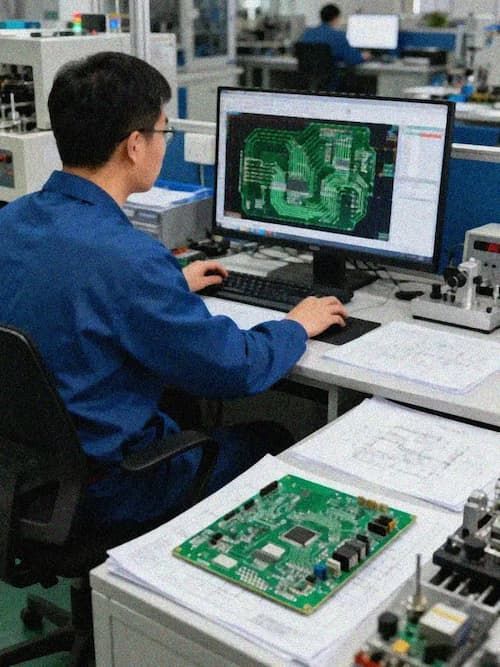
- **Customized Technical Support: Offers dedicated technical consulting services for edge computing hardware design teams, providing stack-up design suggestions, impedance matching guidance, and manufacturability (DFM) optimization, reducing R&D iteration times by 25% and improving first-time design success rates.
- **No Order Quantity Restrictions: Supports order sizes from 1 unit for functional verification prototyping to 100,000+ units for mass commercial deployment, adapting to all project stages from early R&D, small-batch pilot operation, to full-scale market rollout.
Contact Information
If you have edge computing PCB supply chain requirements, including custom PCB prototyping, mass production, or design optimization technical consulting, you can reach out to our professional technical team for a free project evaluation and customized solution quotation tailored to your specific hardware parameters and application scenarios.